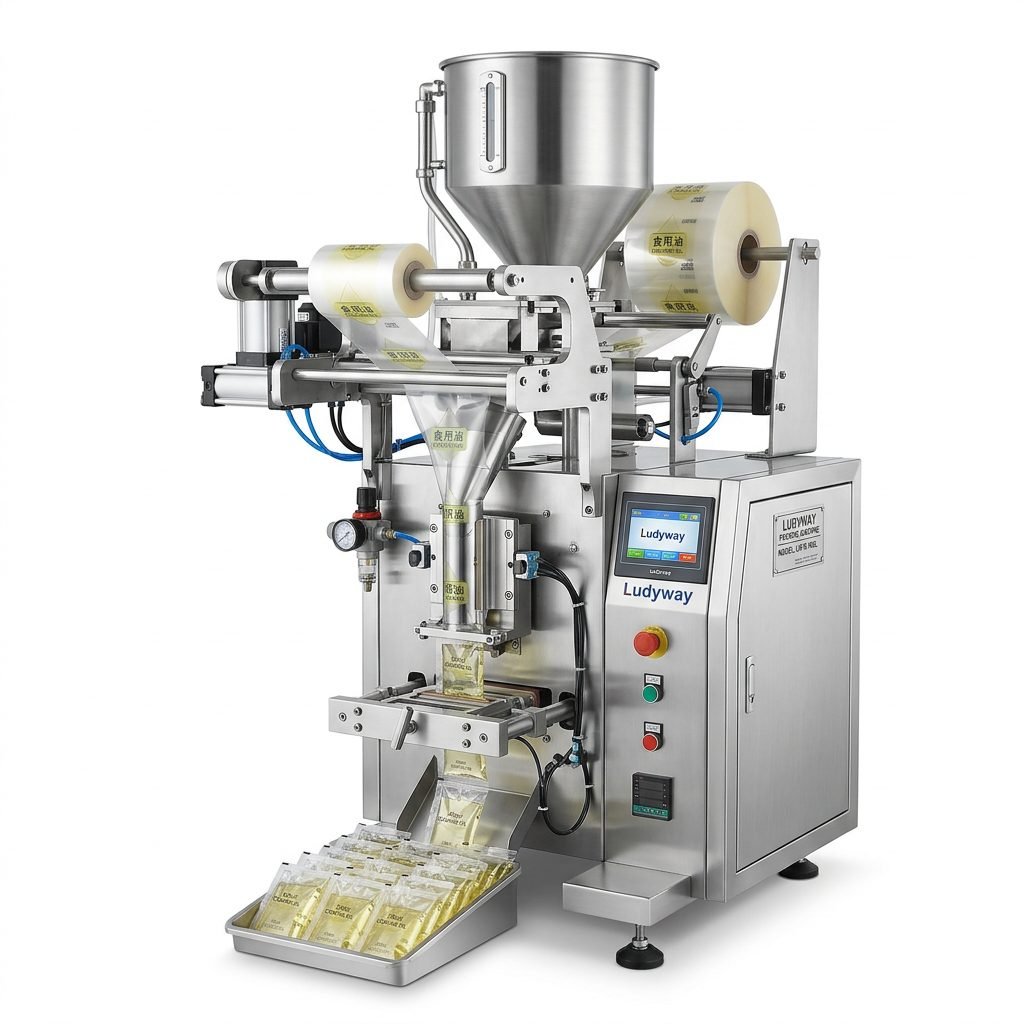
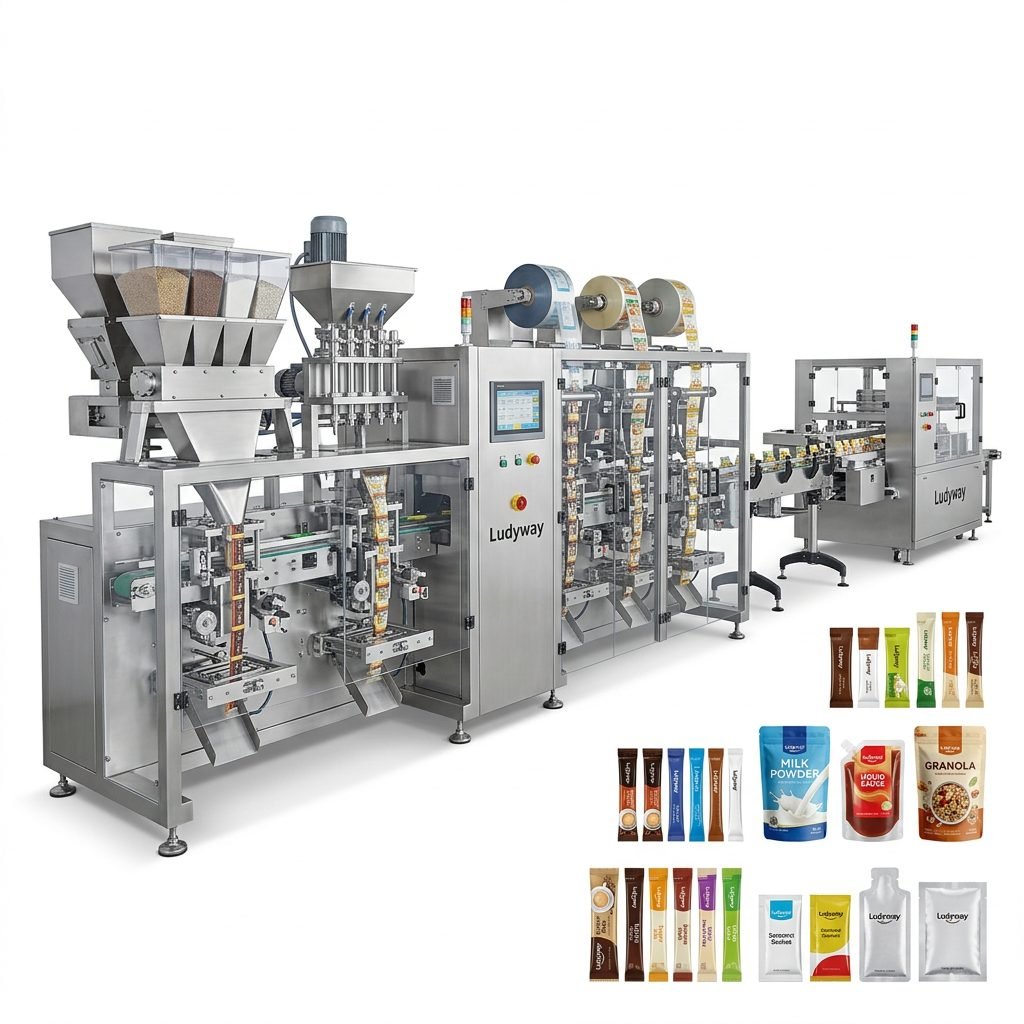
In today’s fast-paced manufacturing landscape, the drive for efficiency and cost-effectiveness is relentless. Businesses across the food, pharmaceutical, and health industries are constantly seeking ways to streamline operations, reduce waste, and enhance output quality. The answer to these challenges often lies in the strategic adoption of automatic packaging machinery. These sophisticated systems are not just about replacing manual labor; they represent a fundamental shift towards smarter, more responsive, and more profitable production environments.
At their core, automatic packaging solutions integrate precision engineering with intelligent control systems to handle a wide array of products—from granules and powders to liquids and pastes—with unparalleled speed and accuracy. This technological leap is crucial for companies aiming to scale production while maintaining stringent quality standards and managing operational costs.
Key Benefits of Implementing Automatic Packaging Systems
The transition from semi-automatic or manual packaging to fully automated lines delivers a multitude of advantages that directly impact the bottom line.
1. Dramatic Increase in Production Efficiency
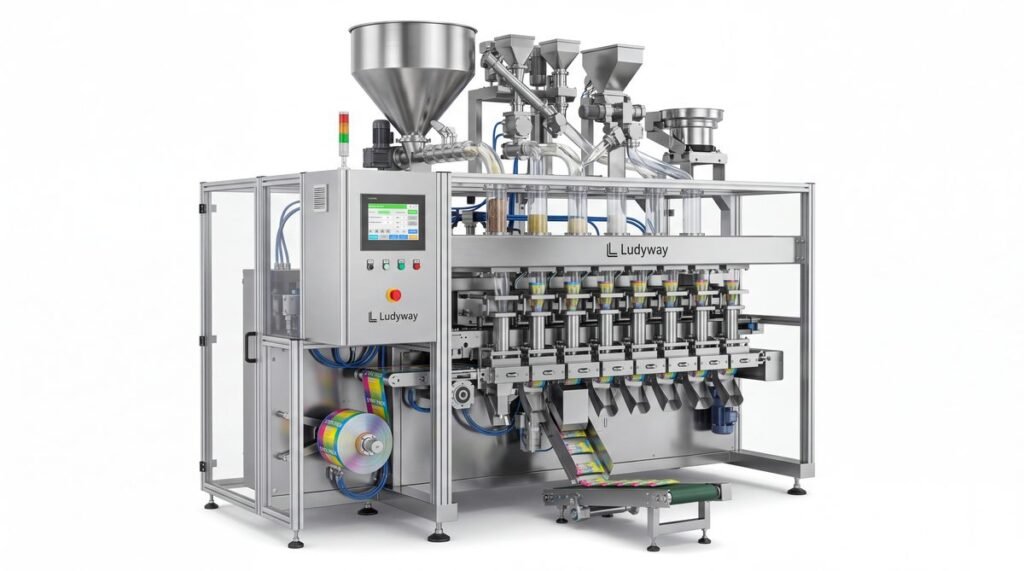
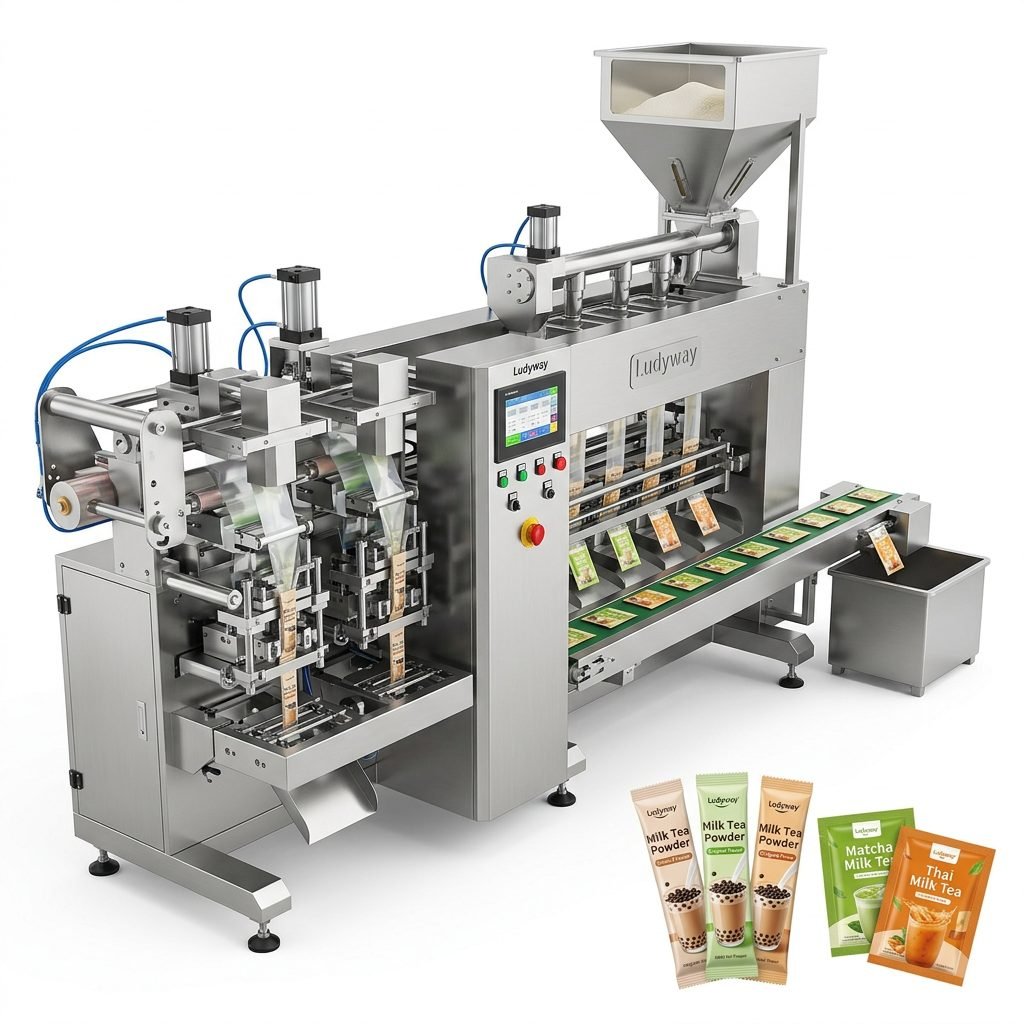
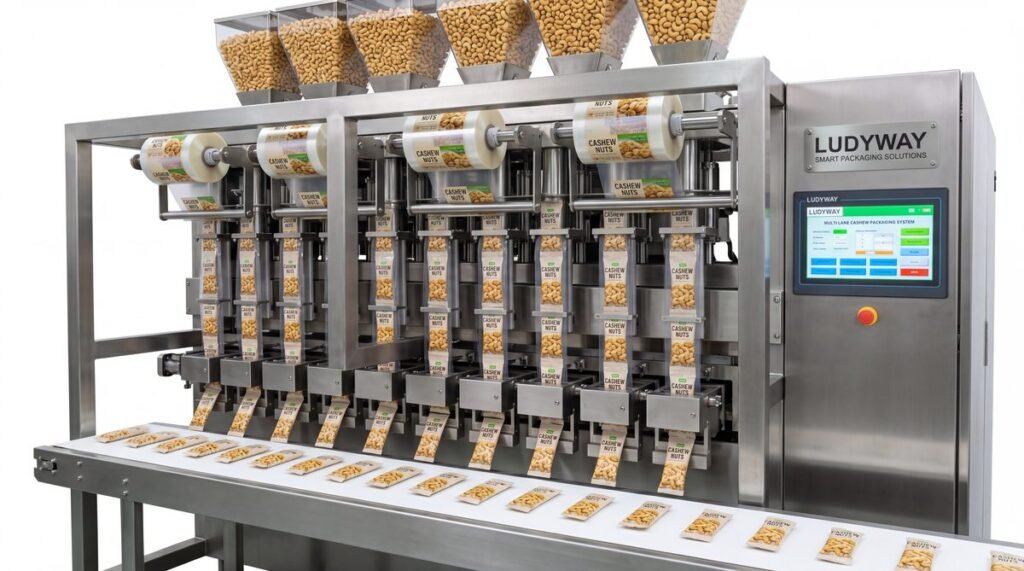
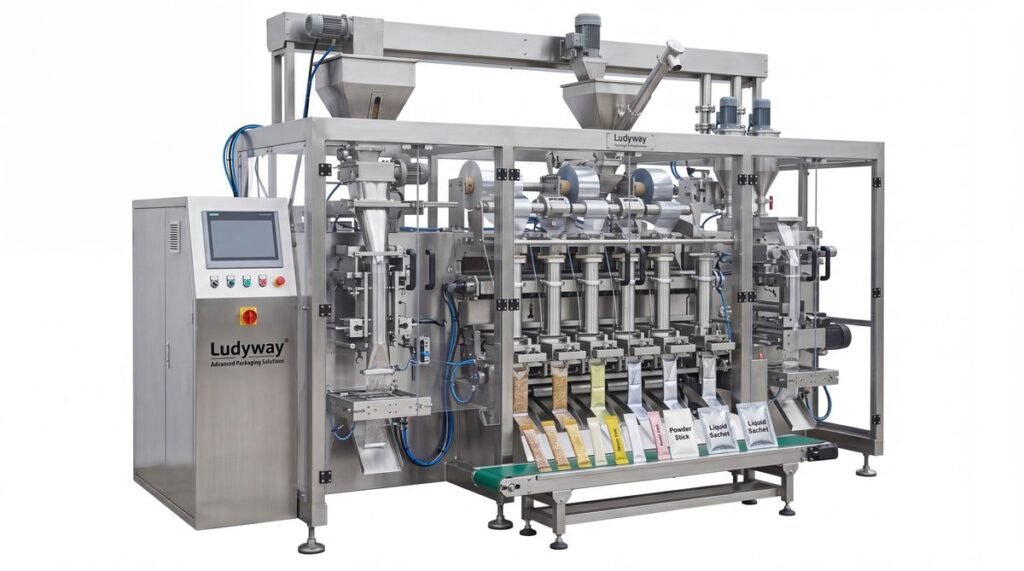
Automatic machines operate continuously at high speeds, significantly outpacing manual capabilities. Multi-lane stick pack and sachet machines, for example, can produce thousands of units per hour with consistent precision. This relentless efficiency minimizes bottlenecks, maximizes throughput, and ensures that production capacity keeps pace with market demand.
2. Substantial Reduction in Operational Costs
While the initial investment is considered, the long-term savings are profound. Automation drastically reduces labor costs associated with manual packing and minimizes material waste through exact dosing and sealing. Furthermore, these systems optimize energy usage and lower the costs related to product giveaway and rework, leading to a stronger overall financial performance. This cost reduction is a primary driver for investment in packaging automation.
3. Uncompromising Consistency and Product Quality
Human error is eliminated. Every package is filled, sealed, and labeled with exacting precision, ensuring uniform weight, appearance, and integrity. This consistency is non-negotiable in industries like pharmaceuticals and premium foods, where brand reputation and regulatory compliance depend on flawless execution.
4. Enhanced Flexibility and Scalability
Modern automatic packaging machines are designed for quick changeovers. With programmable settings, operators can swiftly switch between different product types, package sizes, and materials. This agility allows manufacturers to respond rapidly to changing consumer trends or run smaller, customized batches without sacrificing efficiency, making the production line a versatile asset. For insights into scalable solutions, explore our overview of packaging machinery innovations.
Core Components of a Modern Automated Packaging Line
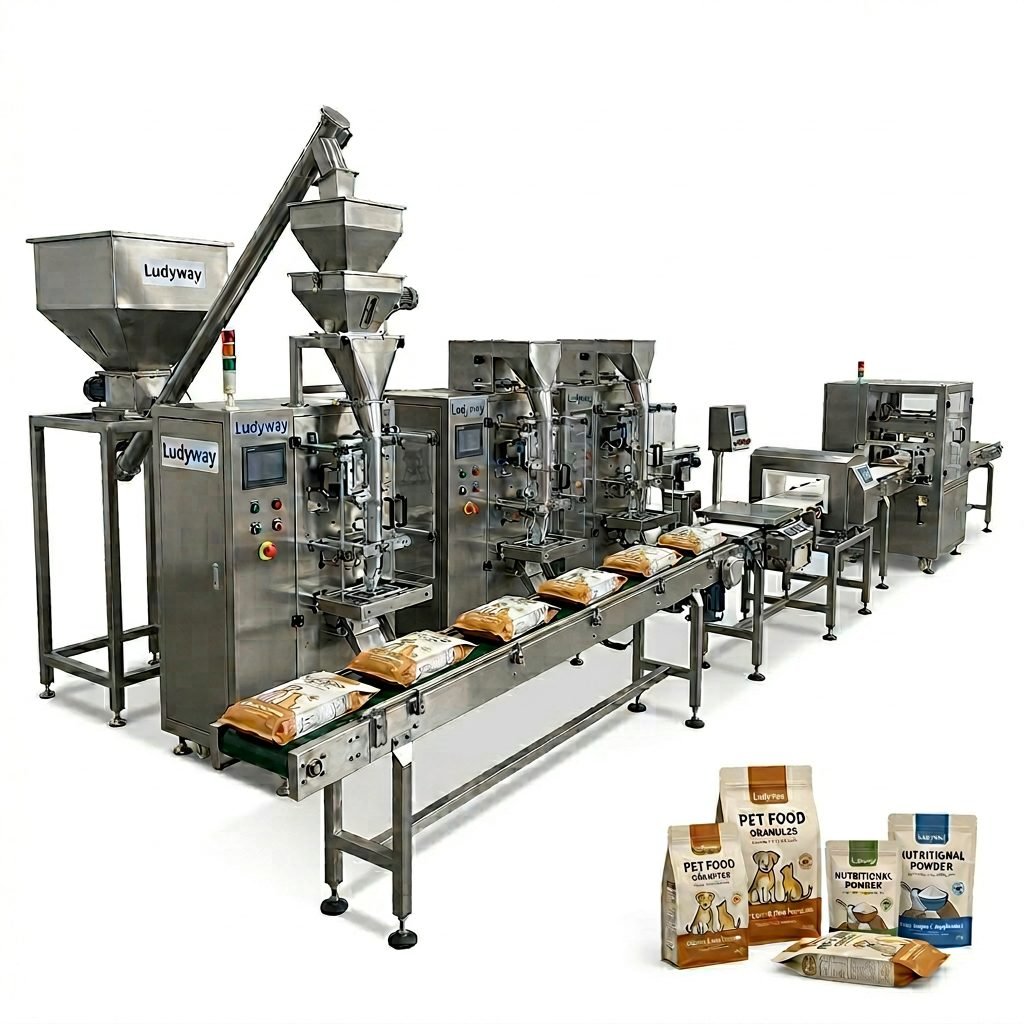
A holistic automated solution involves more than just a single machine. It’s a synchronized ecosystem where each component plays a critical role.
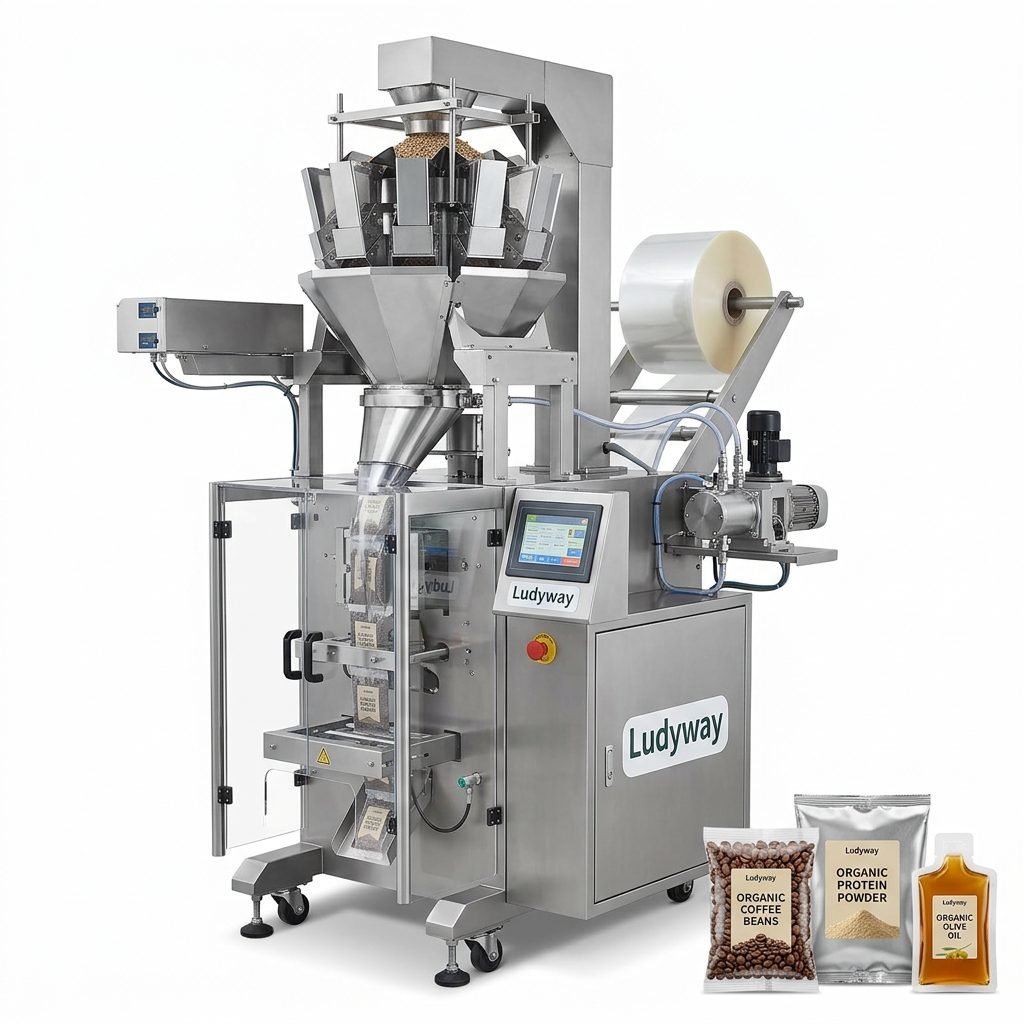
- Product Feeding & Dosing System: Precisely meters the product—whether free-flowing granules or viscous liquids—into the packaging material.
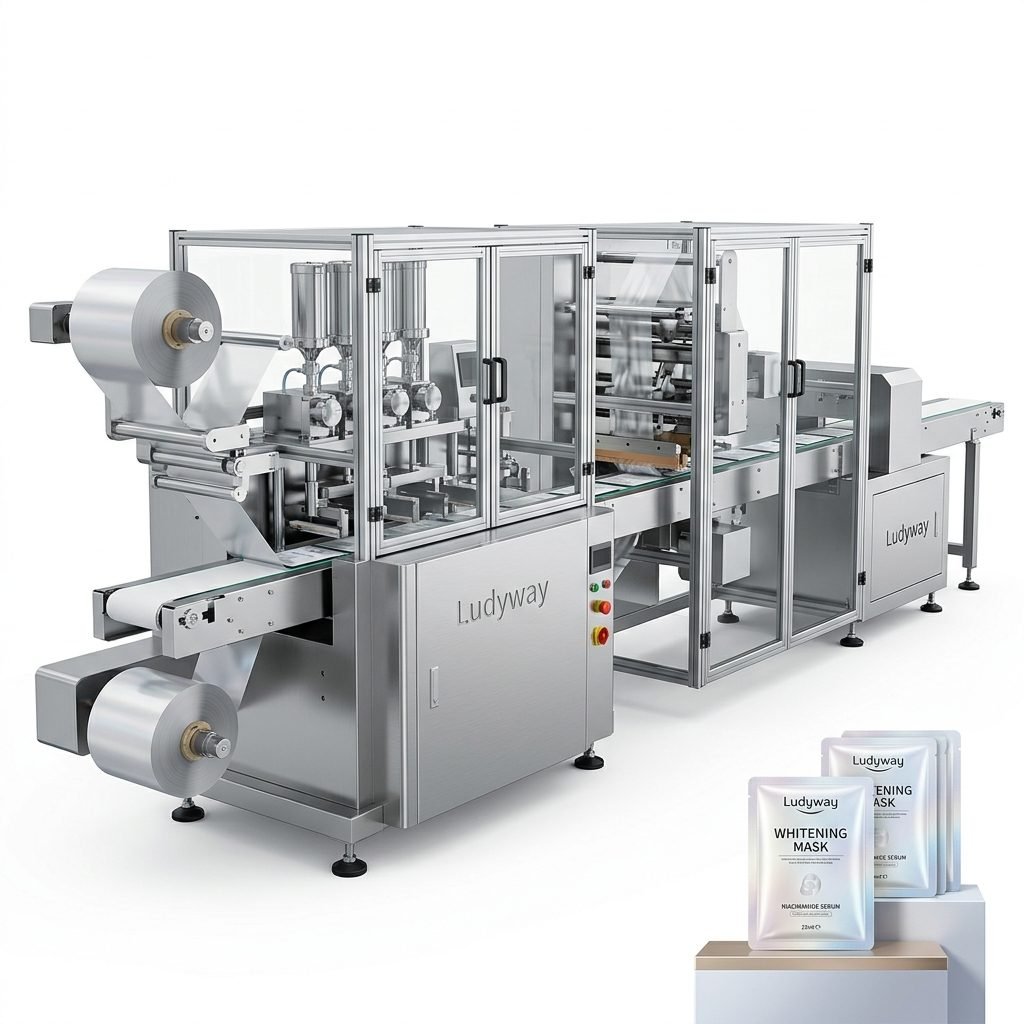
- Film Forming & Sealing Unit: Shapes the packaging film (like laminate or foil) into pouches, sticks, or sachets and creates hermetic seals.
- Intelligent Control Panel (HMI): The user-friendly brain of the operation, allowing for recipe management, speed adjustment, and real-time monitoring.
- Integrated Quality Check Systems: Often include metal detection, checkweighers, or vision systems to reject sub-standard packages automatically.
Choosing the Right Partner for Your Automation Journey
Selecting equipment is only half the battle. Partnering with a provider that offers deep industry experience and comprehensive support is crucial. A partner with over 30 years of expertise brings invaluable insight into solving complex packaging challenges. They should offer:
✔ A broad portfolio of 50+ machine models to find the perfect fit.
✔ The ability to deliver complete turnkey production line solutions.
✔ Robust after-sales support, including training, spare parts, and technical service.
✔ A proven track record of serving a global customer base with diverse needs.
This level of partnership ensures your investment is protected and your production goals are met sustainably. Learn more about our commitment to global production needs and support.
Applications Across Critical Industries
The versatility of automatic packaging machines makes them indispensable in several key sectors.
Food & Beverage Industry
From single-serve condiment sachets and coffee sticks to powdered drink mixes and snack portions, automation ensures freshness, extends shelf life, and meets high-volume retail demands efficiently.
Pharmaceutical & Healthcare
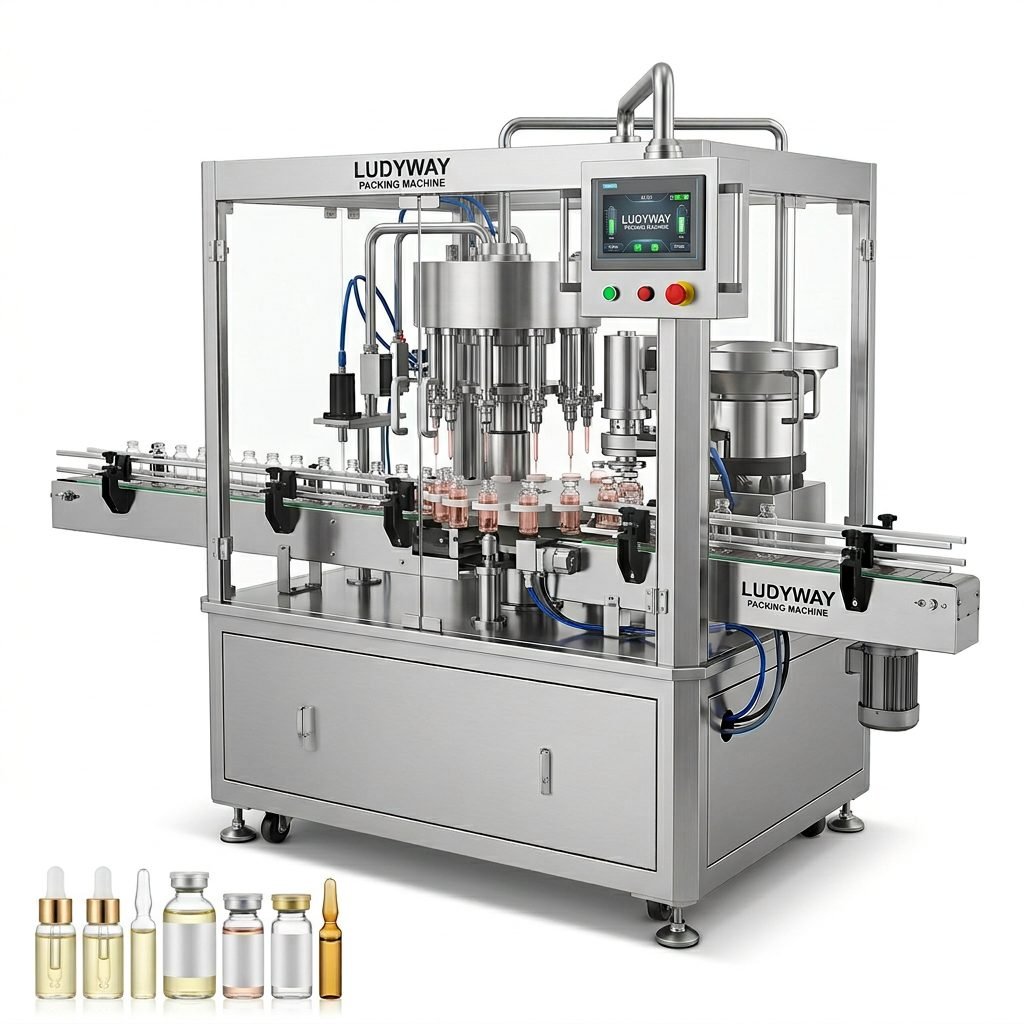
Precision is paramount. Automated systems package powders for oral suspensions, granules, and liquid doses into sterile, tamper-evident sachets or stick packs with exact dosages, critical for patient safety and compliance. Discover our specialized solutions for pharmaceutical packaging.
Daily Chemicals & Nutraceuticals
Products like detergent doses, shampoo packets, and vitamin or protein powder supplements benefit from automated packaging’s speed, leak-proof seals, and attractive, consistent presentation.
Conclusion: A Strategic Investment for Future Growth
Implementing automatic packaging machine solutions is a strategic decision that goes beyond mere equipment purchase. It is an investment in building a more resilient, efficient, and competitive manufacturing operation. By enhancing production speed, slashing operational costs, and guaranteeing product quality, automation lays a solid foundation for scaling business, entering new markets, and future-proofing your production capabilities against evolving industry standards and consumer expectations.
Frequently Asked Questions (FAQs)
1. What is the typical ROI period for an automatic packaging machine?
The return on investment can vary based on production volume, labor costs saved, and material waste reduction. Many operations see a full ROI within 12 to 24 months through significant gains in output and reductions in operational expenses.
2. Can automatic machines handle different package sizes and materials?
Yes, most modern machines are designed for flexibility. With quick-change tooling and programmable settings, they can efficiently switch between various pouch sizes, stick pack dimensions, and packaging film materials, facilitating multi-product production runs.
3. How complex is the operation and maintenance of these systems?
While sophisticated, they are built for operator-friendly use. Comprehensive training is provided, and intuitive Human-Machine Interface (HMI) panels simplify control. Regular maintenance is straightforward, and reliable suppliers offer strong technical support and readily available spare parts.
4. Are automated solutions suitable for small-batch or customized production?
Absolutely. The flexibility of modern automation allows for efficient small-batch runs. Quick changeovers and precise digital controls make it economically viable to produce limited editions, sample sizes, or customized orders without the high costs traditionally associated with such runs.
5. What support can I expect after purchasing the equipment?
A reputable provider will offer complete project support, including installation supervision, operator training, a warranty period, and ongoing access to technical service and genuine spare parts. This ensures maximum uptime and longevity of your packaging line.