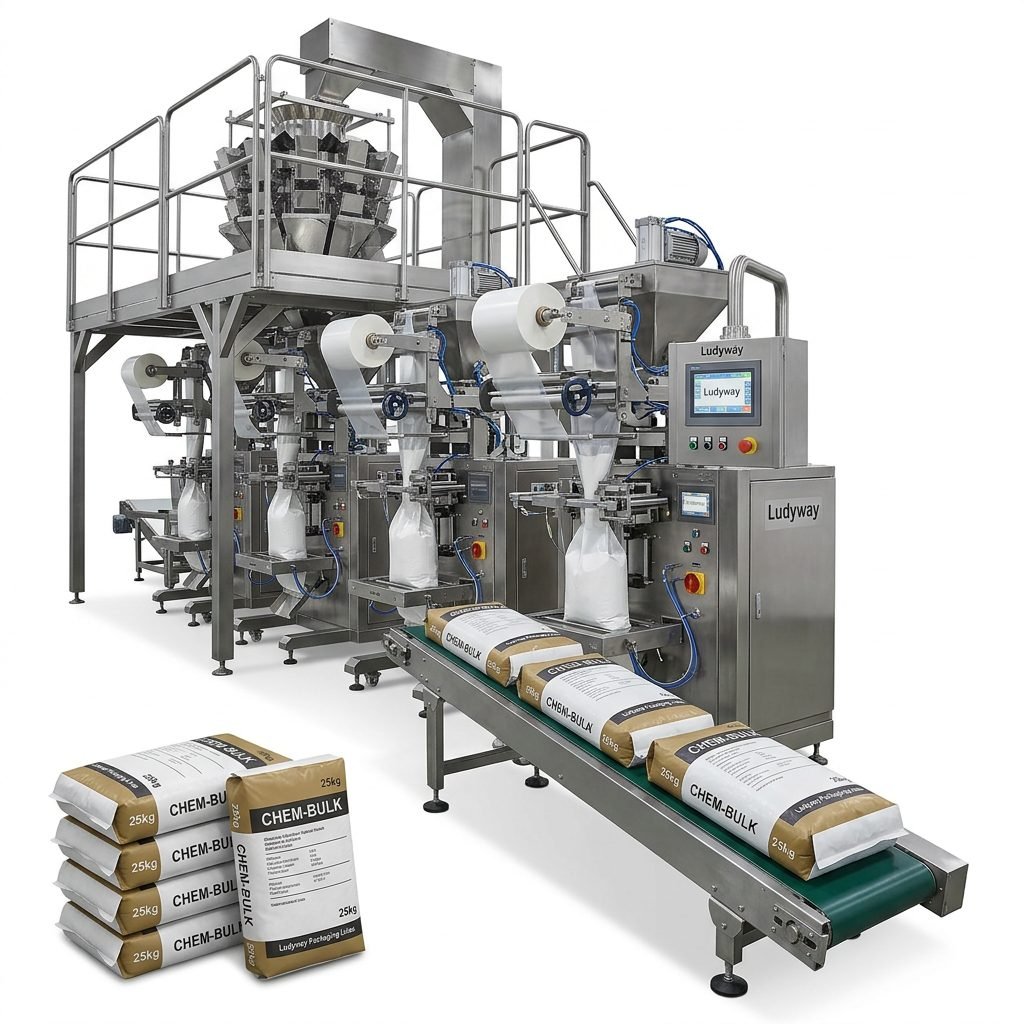
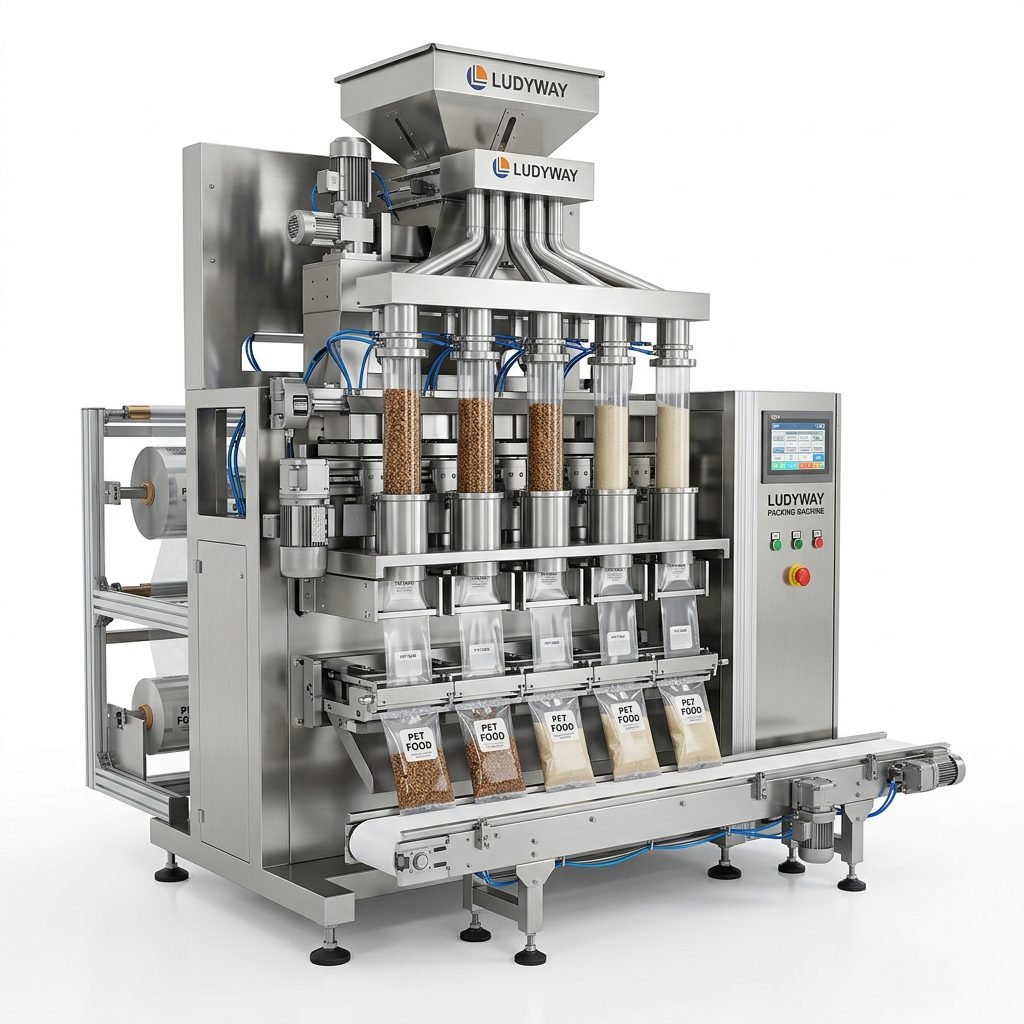
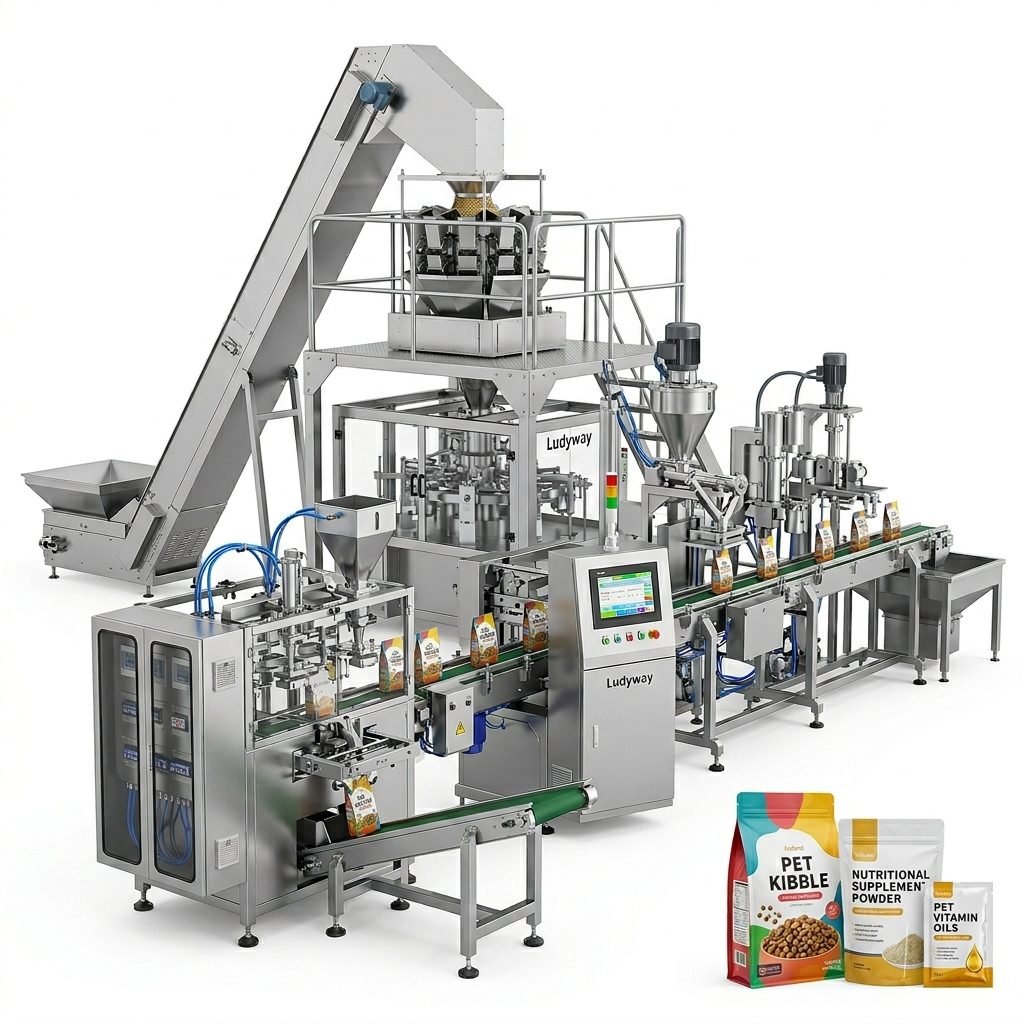
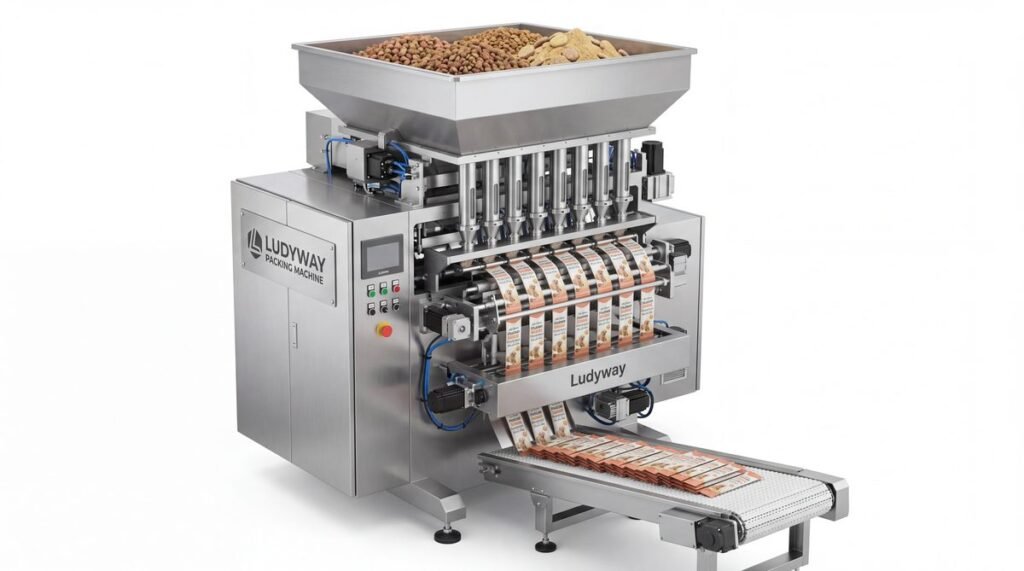
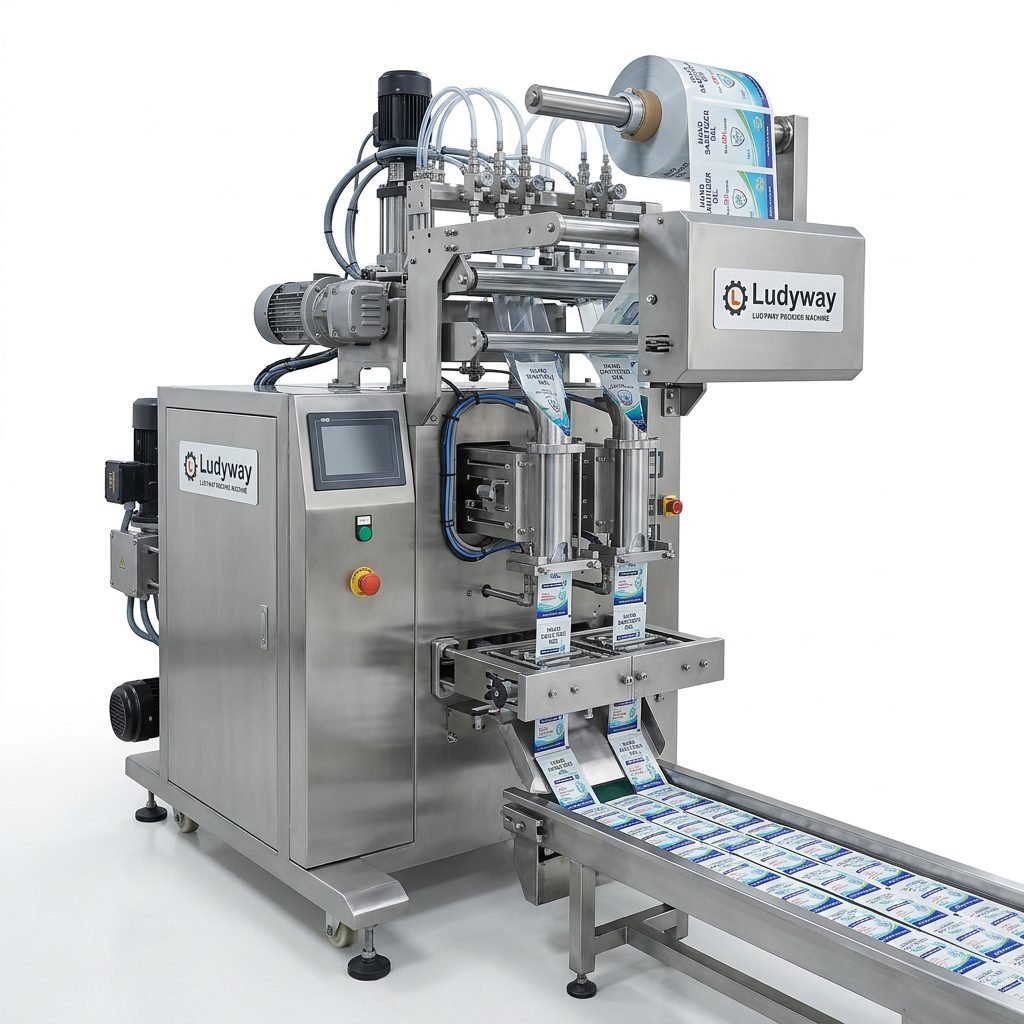
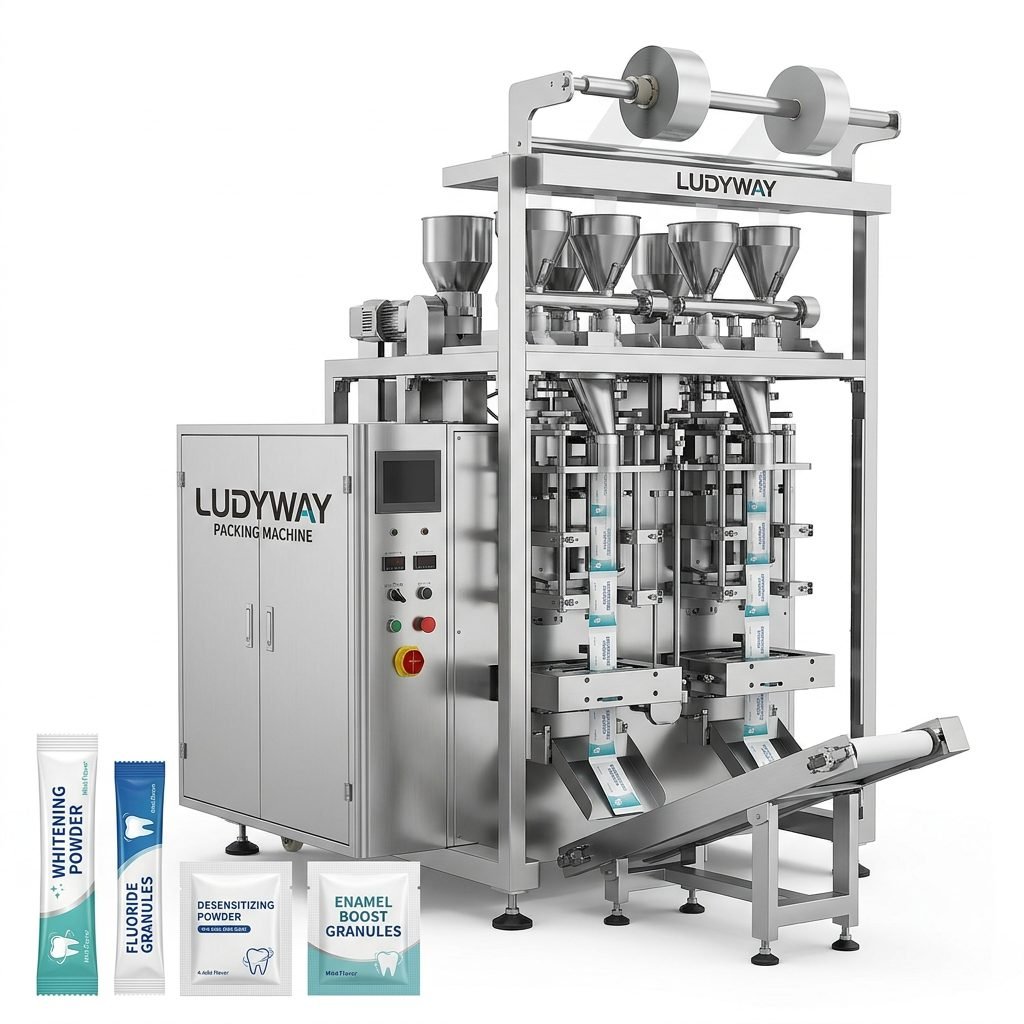
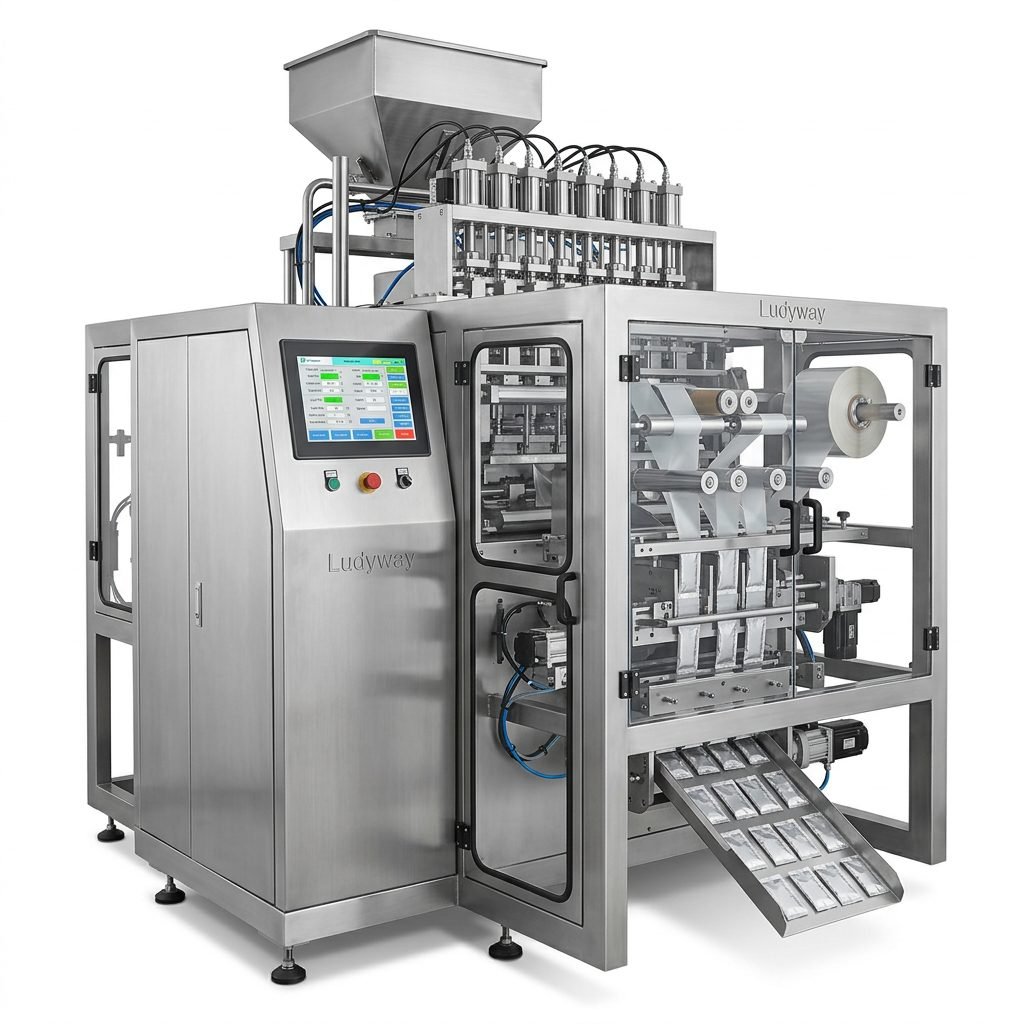
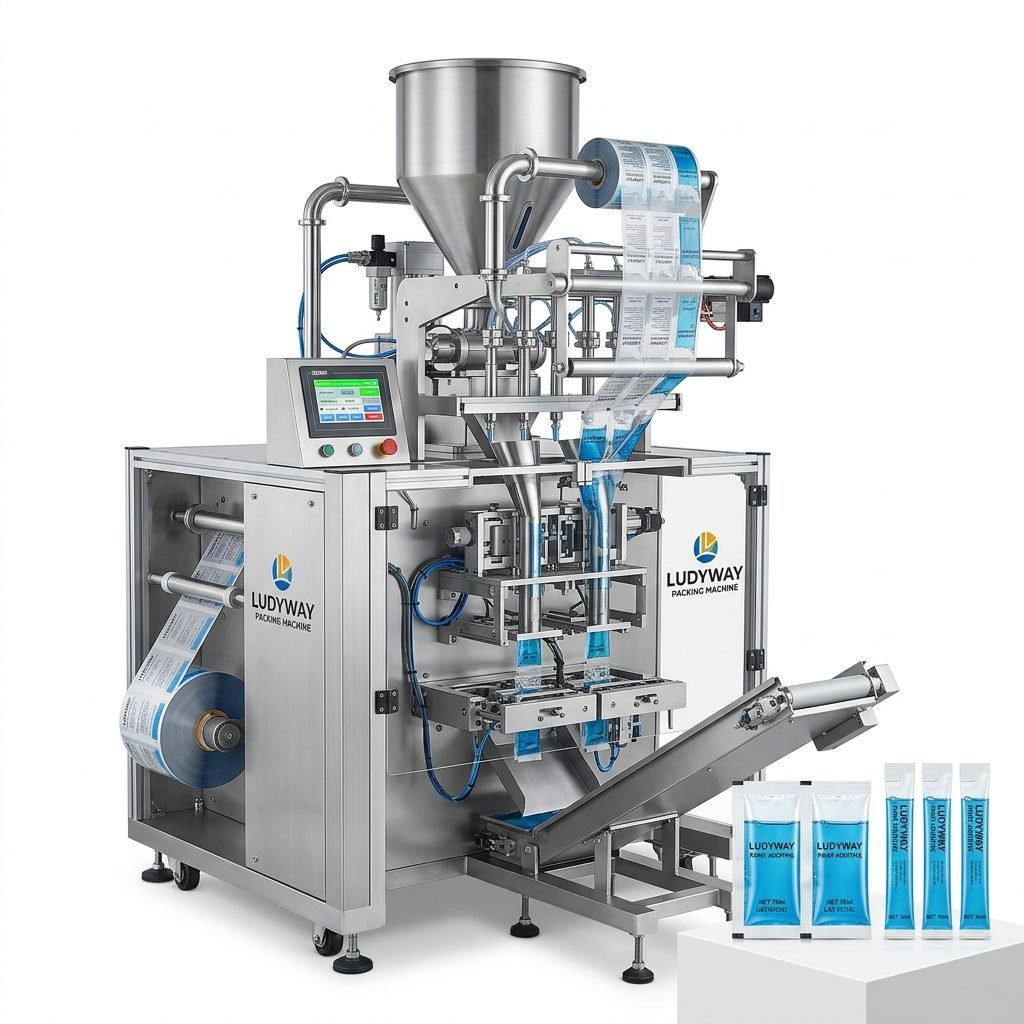
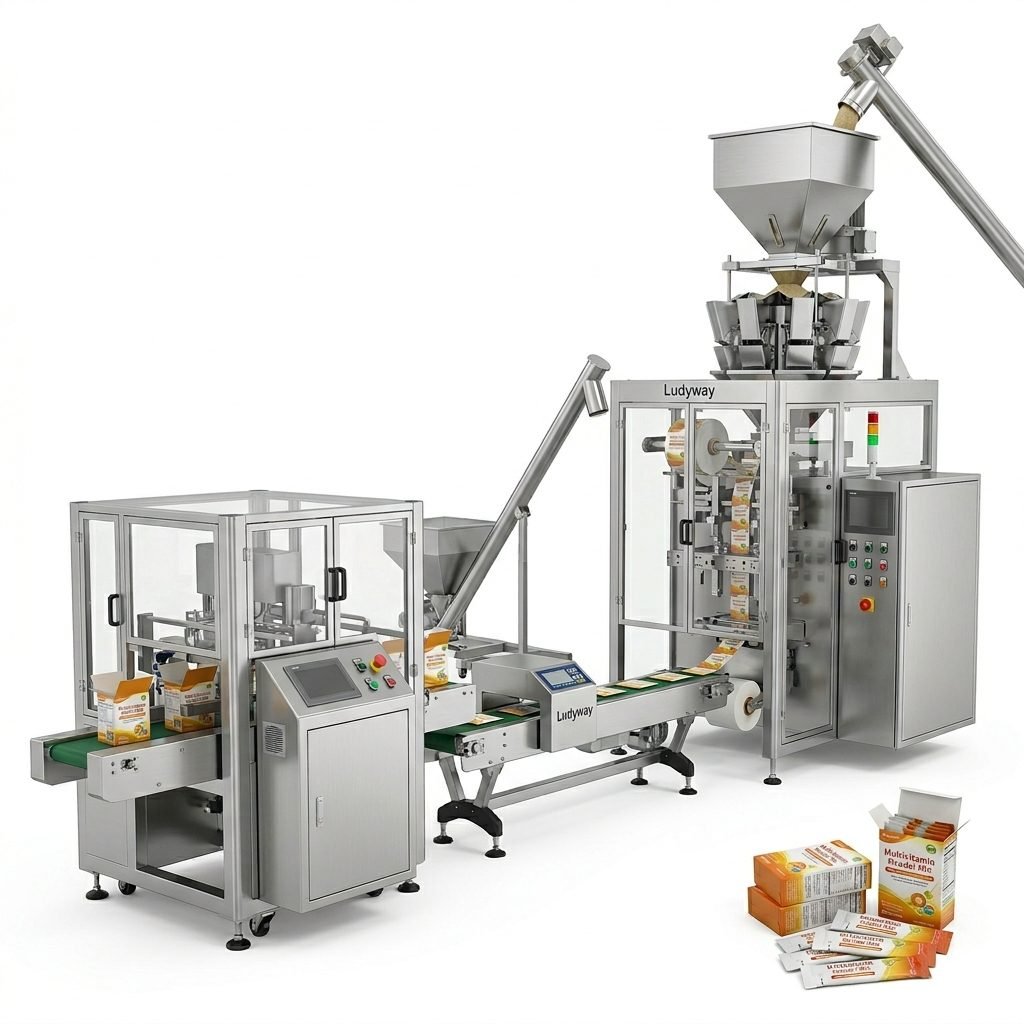
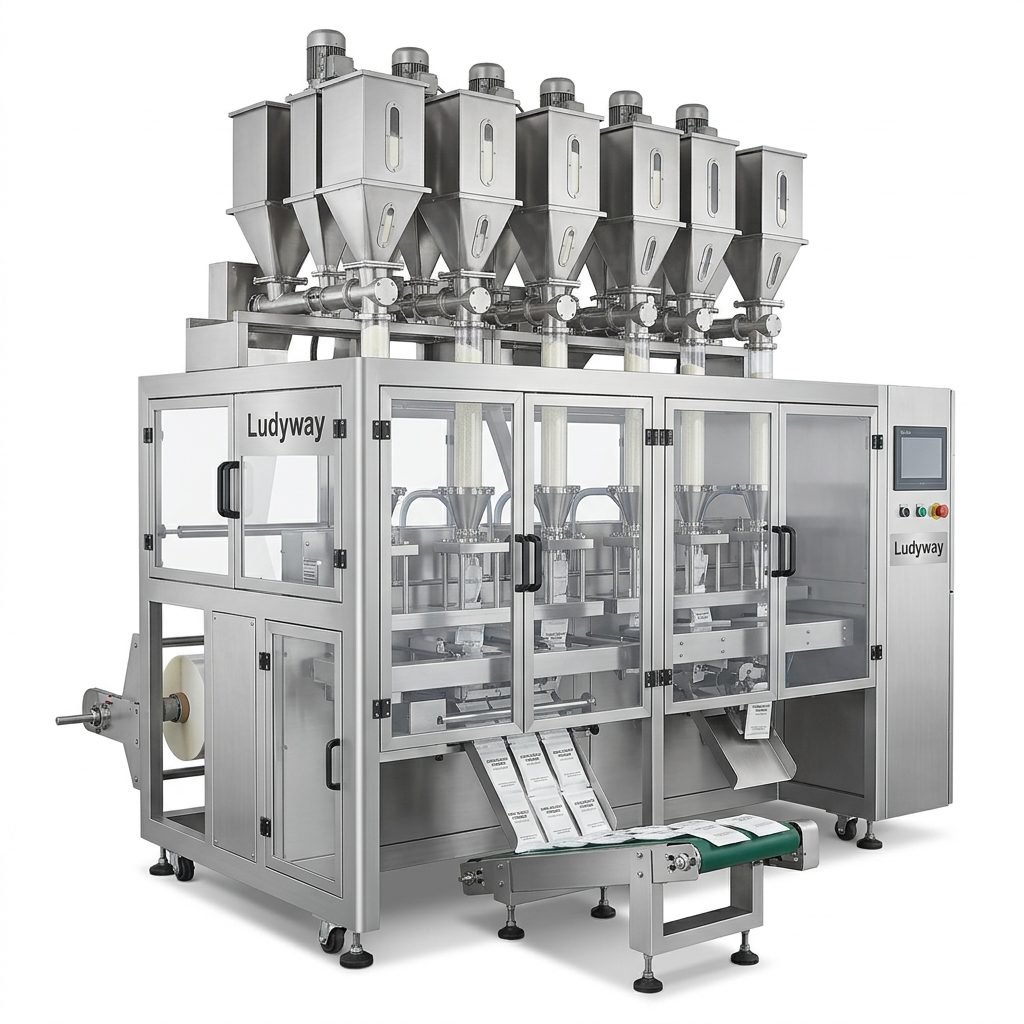
In today’s competitive market, product freshness and shelf life are paramount. For businesses in food, pharmaceuticals, and health products, achieving this often hinges on one critical piece of equipment: the airtight packaging machine. This technology creates a hermetic seal around a product, locking out oxygen, moisture, and contaminants to preserve quality, safety, and integrity from the production line to the end consumer.
Understanding Airtight Packaging Machines
An airtight packaging machine is an automated system designed to enclose a product within a package and create a complete seal that is impervious to gases. This process, often involving vacuum sealing or gas flushing, removes or replaces the air inside the package with an inert gas like nitrogen. The primary goal is to drastically slow down oxidation and microbial growth, which are the main culprits behind spoilage, flavor loss, and nutrient degradation.
Core Mechanism: How the Seal is Made
The “airtight” quality is achieved through a combination of precise engineering. First, the machine forms the package from roll stock or loads a pre-made pouch. The product is then weighed and dispensed into the package. Crucially, the air is evacuated from the chamber containing the package. Finally, heated sealing jaws apply consistent pressure and temperature to melt the inner layers of the packaging film together, forming a permanent, leak-proof bond before the package is released.
Key Industries That Rely on Airtight Sealing
- Food & Beverage: Coffee grounds, snacks, dried fruits, spices, powders (like protein or milk powder), and processed meats require an oxygen-free environment to prevent rancidity and staleness.
- Pharmaceuticals & Nutraceuticals: Tablets, capsules, and powdered supplements are highly sensitive to moisture and oxidation, which can reduce potency and efficacy. Airtight packaging is often a regulatory requirement.
- Chemicals & Industrial Products: Certain chemicals, reagents, and electronic components must be protected from atmospheric moisture to maintain their properties and functionality.
How to Choose the Right Airtight Packaging Machine for Your Business
Selecting the ideal machine is a strategic investment. A misaligned choice can lead to production bottlenecks, wasted materials, and compromised product quality. Here is a detailed framework to guide your decision-making process.
1. Analyze Your Product Characteristics
Your product is the starting point. Its physical form dictates the machine type.
- Granules & Solids: (e.g., coffee beans, nuts) Often use vertical form-fill-seal (VFFS) machines with multi-lane capabilities for high speed.
- Fine Powders: (e.g., spices, flour) Require machines with auger filler systems for precise dosing and dust extraction systems to ensure a clean seal.
- Liquids & Pastes: (e.g., sauces, oils) Need liquid filling VFFS machines or pre-made pouch systems with specialized pumps and nozzle designs to prevent dripping and ensure seal integrity.
2. Define Your Production Requirements
Capacity & Speed Metrics
Calculate your required output in bags/per minute or hour. A reliable supplier like Ludyway can help match your volume with the appropriate machine, from compact models for startups to high-speed, multi-lane systems for large-scale production. Consider not just peak demand but also your growth projections for the next 3-5 years.
3. Evaluate Packaging Materials and Specifications
The machine and the packaging film must be perfectly compatible. You need to specify:
- Film Type: Common barrier films include MET-PET/PE, ALU/PE, or multi-layer laminates. The machine’s sealing temperature and pressure must be adjustable to suit your specific material.
- Package Size & Style: Determine the range of bag dimensions (length and width) and styles (e.g., pillow bag, gusseted, stand-up pouch) you need. Ensure the machine can handle this range with quick changeover capabilities.
4. Prioritize Key Machine Features and Technology
Modern machines offer features that enhance efficiency, accuracy, and ease of use.
- Sealing System: Look for dual or quadruple sealing jaws for redundancy and strength. Consistent, temperature-controlled sealing is non-negotiable for airtight integrity.
- Control System: A user-friendly PLC-based touchscreen HMI allows for easy recipe storage, parameter adjustment, and provides diagnostic data. This is central to operational efficiency and consistent quality.
- Accuracy of Dosing: For cost control and compliance, high-precision weigh scales (for granules) or servo-driven augers (for powders) are essential.
5. Consider Supplier Support and Reliability
The machine is part of a long-term partnership. The supplier’s reputation is critical.
- Technical Expertise & Customization: Can they tailor the machine to your unique production line? A partner with deep engineering experience can solve complex challenges.
- After-Sales Service: Verify the availability of spare parts, on-site technical support, and comprehensive training for your operators. Downtime is costly.
- Compliance & Safety: Ensure the machine meets all relevant international safety and industry-specific standards (e.g., CE, FDA guidelines for food contact).
Implementing Your Airtight Packaging Solution
Once you’ve selected a machine, successful implementation involves planning for installation, operator training, and establishing a rigorous maintenance schedule. Regularly testing seal strength (e.g., using a burst or leak tester) and monitoring the residual oxygen levels in finished packages are best practices to ensure the system continues to deliver perfect airtight seals.
Final Checklist Before Purchase
✓ Conduct a product test with your exact materials at the supplier’s facility.
✓ Get a detailed quote including installation, training, and warranty terms.
✓ Plan your factory layout for utilities (power, compressed air) and material flow.
✓ Discuss future scalability with the supplier to protect your investment.
Frequently Asked Questions (FAQs)
1. What is the main difference between vacuum sealing and gas flushing?
Vacuum sealing removes almost all air from the package. Gas flushing (or Modified Atmosphere Packaging – MAP) removes air and replaces it with a specific mix of inert gases (like Nitrogen or CO2). The choice depends on the product; for example, crispy snacks might use gas flushing to prevent crushing, while ground coffee often uses vacuum sealing.
2. How do I know if my packaging film is suitable for airtight sealing?
The film must have barrier properties. Look for multi-layer laminates that include a barrier layer like aluminum foil (ALU), metallized film (MET), or specific EVOH layers. Your machine supplier can perform compatibility tests to recommend the optimal film structure for your product’s shelf-life goals.
3. Can one machine handle different product types (e.g., powder and granules)?
Some versatile machines can, but they typically require a change of the dosing system (e.g., swapping an auger for a weigh cup). For frequent changeovers, it’s often more efficient to have dedicated lines. Discuss your product mix with your supplier for the best configuration.
4. How important is the ease of cleaning and maintenance?
It is critical, especially for food and pharmaceutical applications where hygiene is paramount. Look for machines with a sanitary design: smooth surfaces, easy access to key parts, and tool-less disassembly for cleaning. This reduces downtime and prevents cross-contamination.
5. What are common causes of seal failure, and how can they be prevented?
Common causes include film contamination (dust, product residue), incorrect temperature/pressure settings, wrinkled film, or using the wrong film type. Prevention involves proper machine setup, regular cleaning of sealing jaws, using high-quality film, and implementing routine quality checks on the production line.