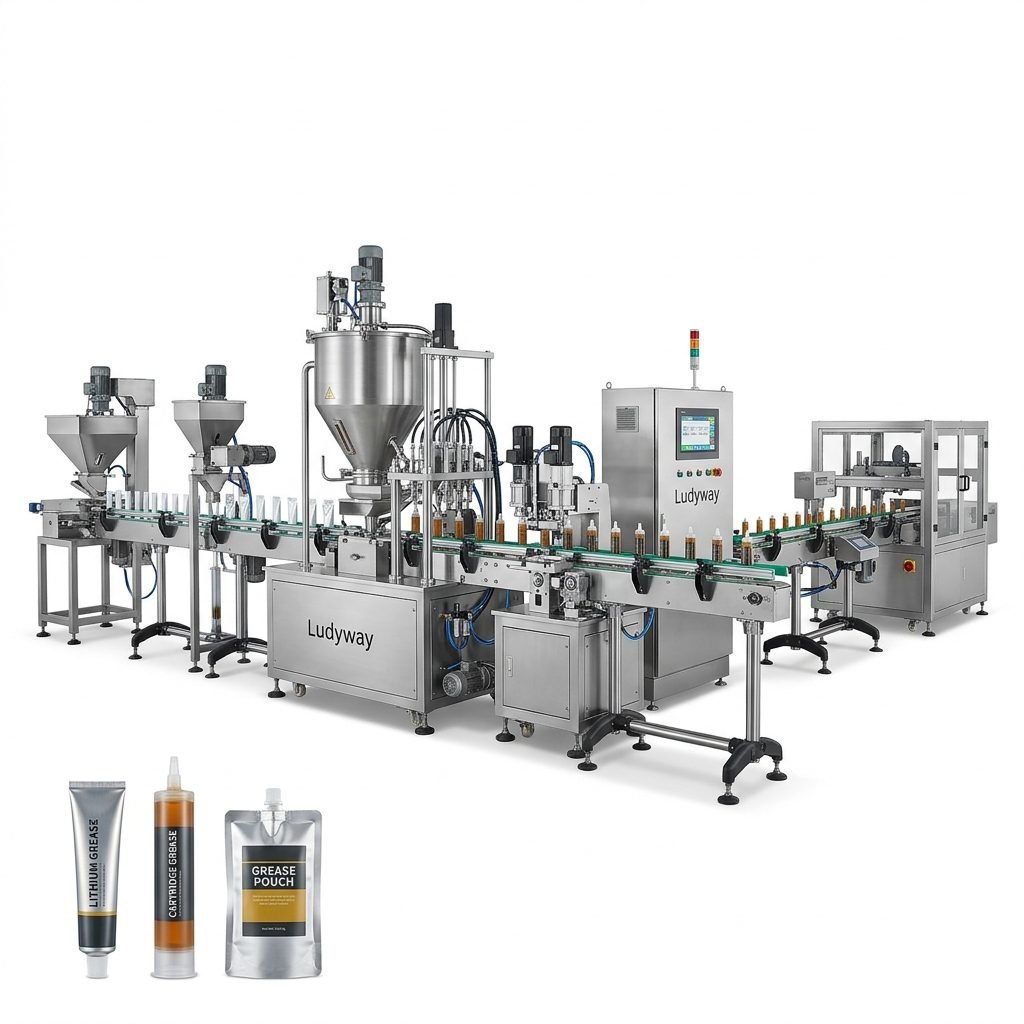
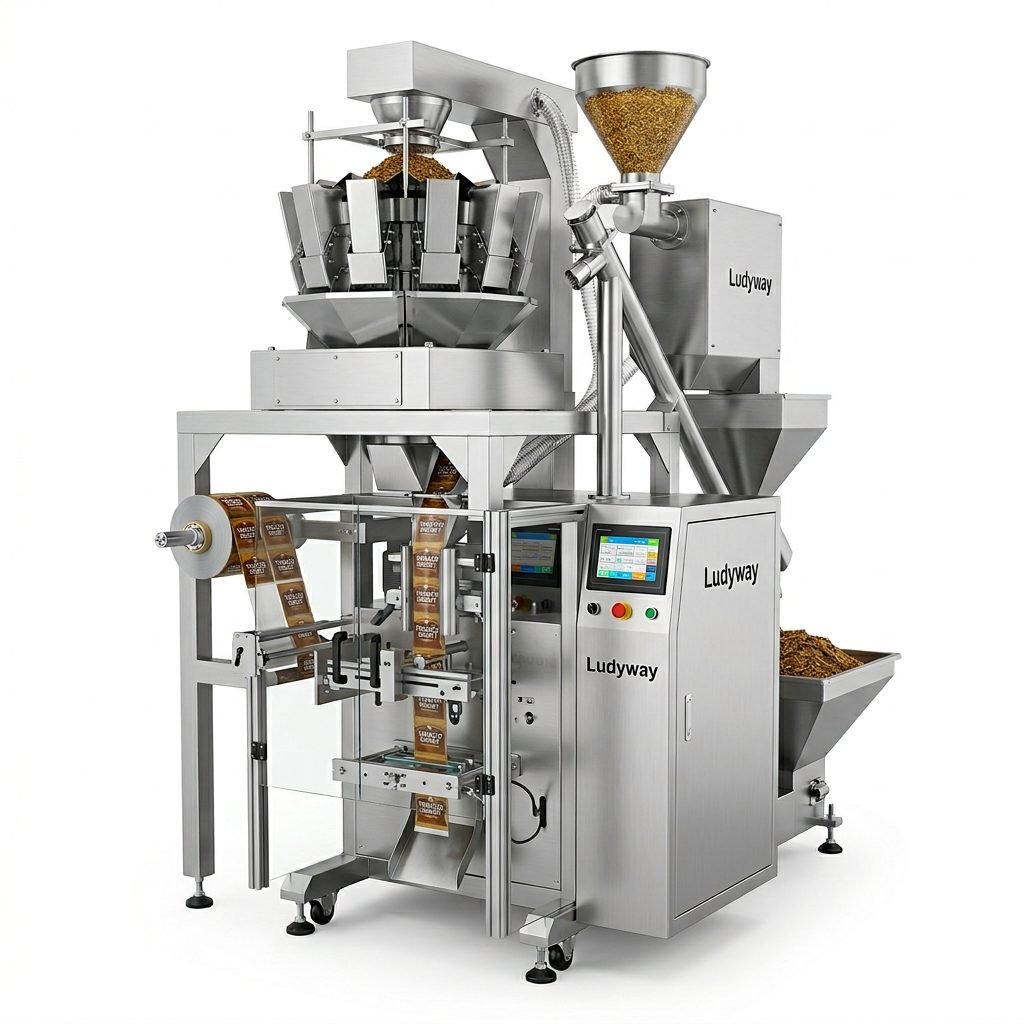
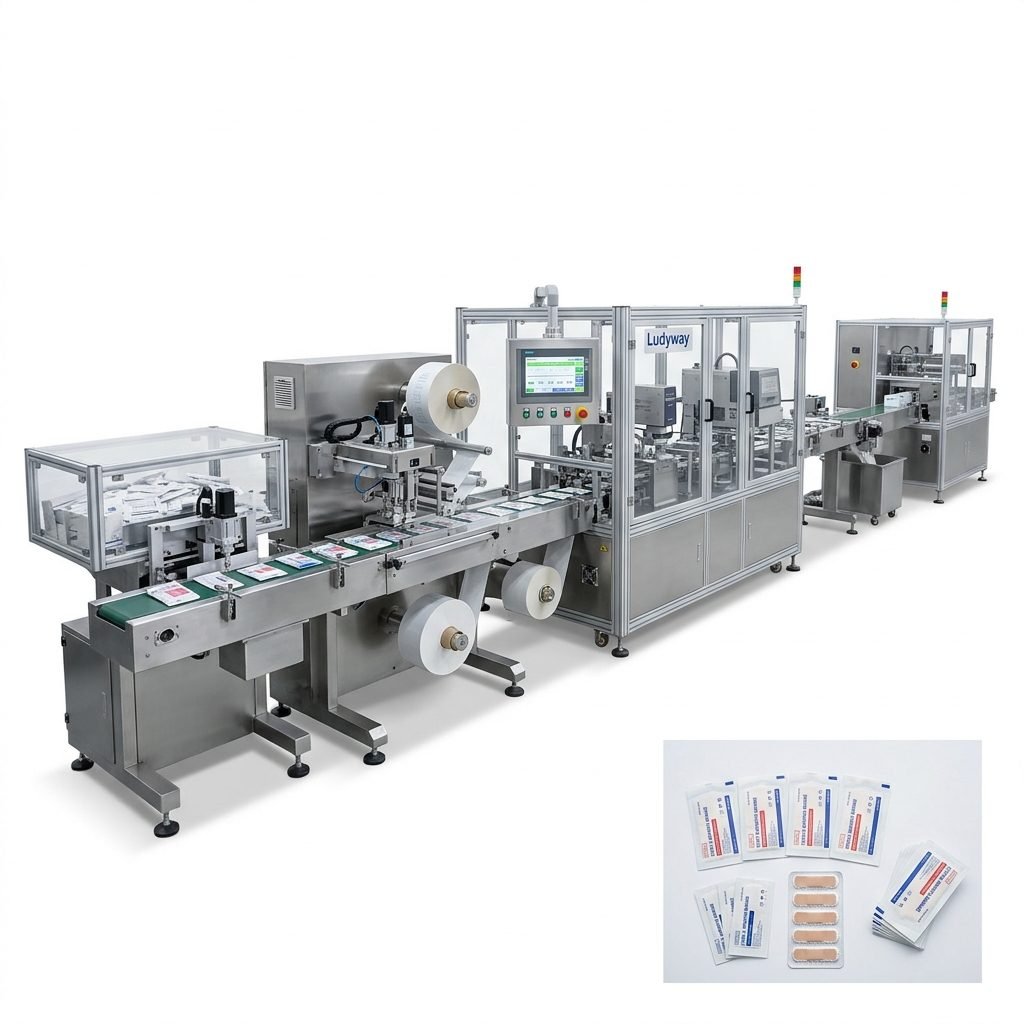
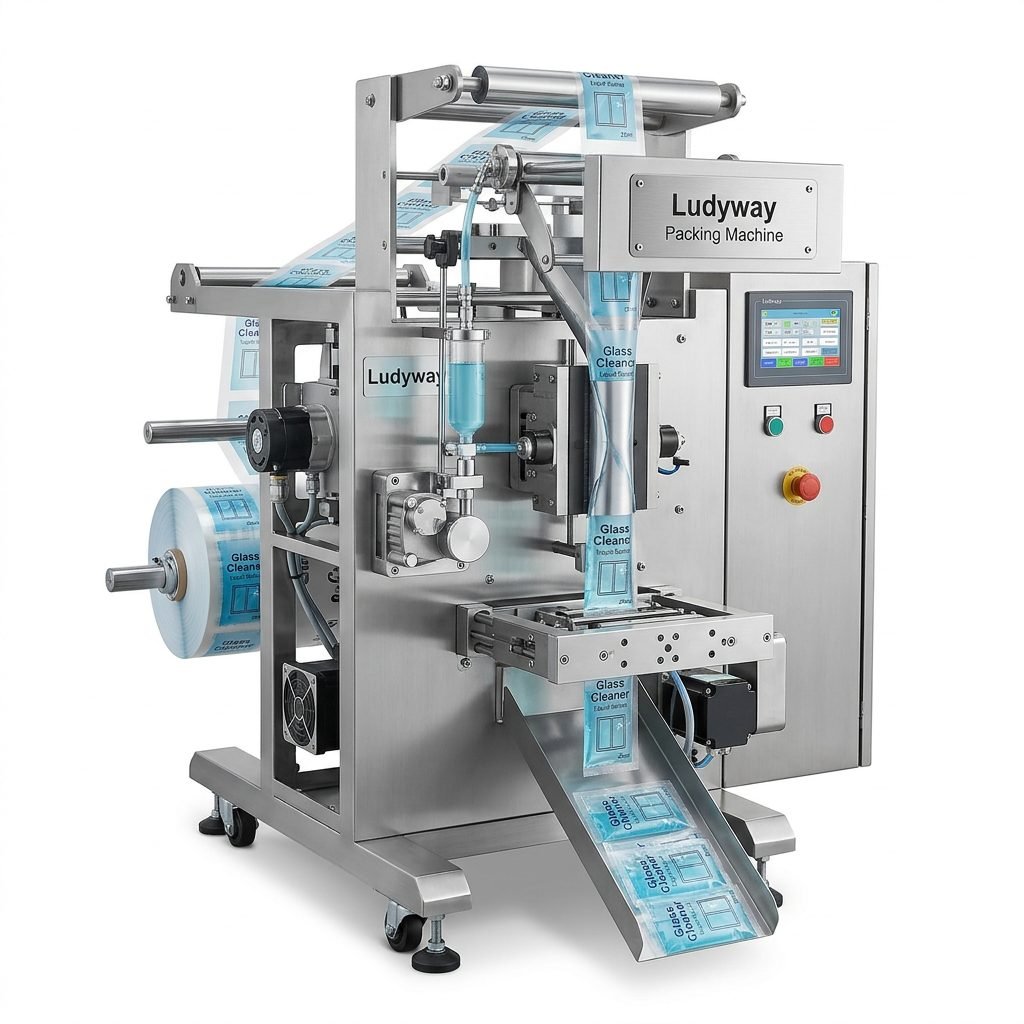
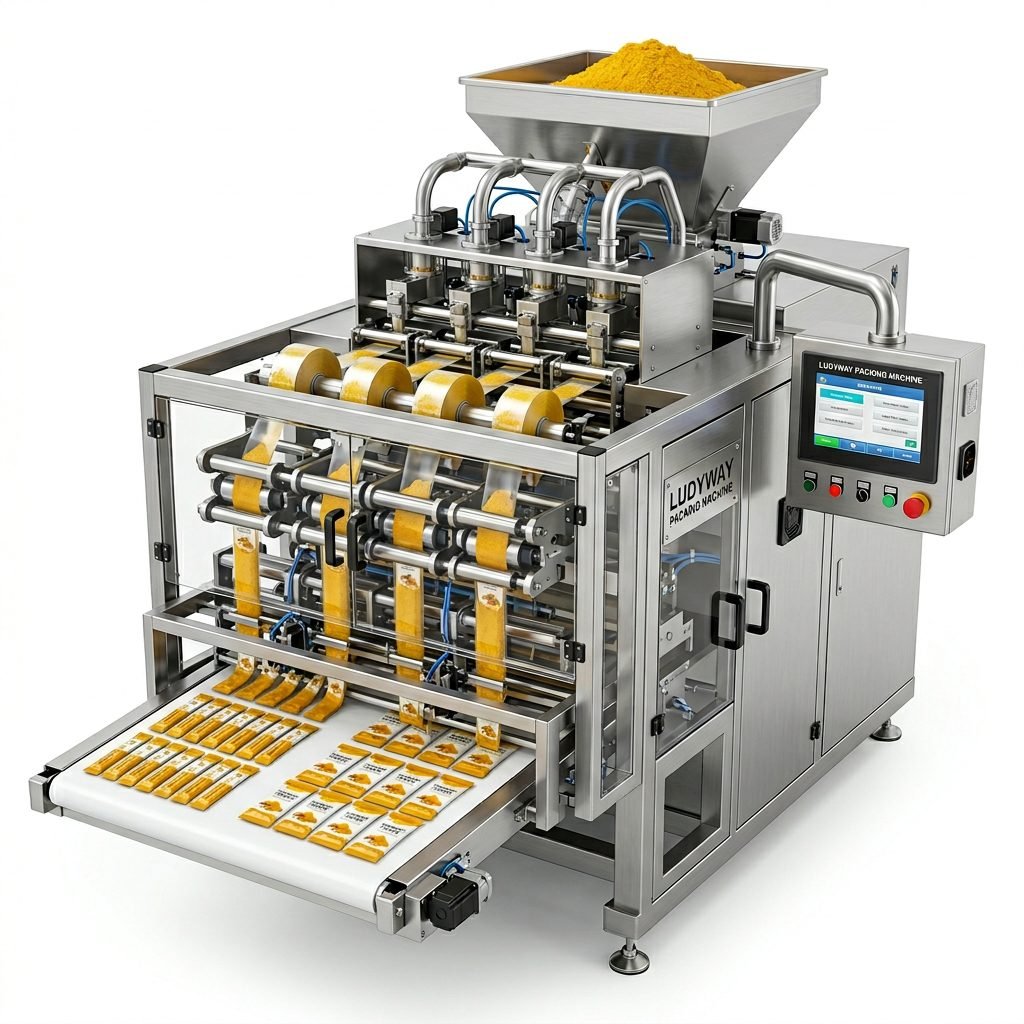
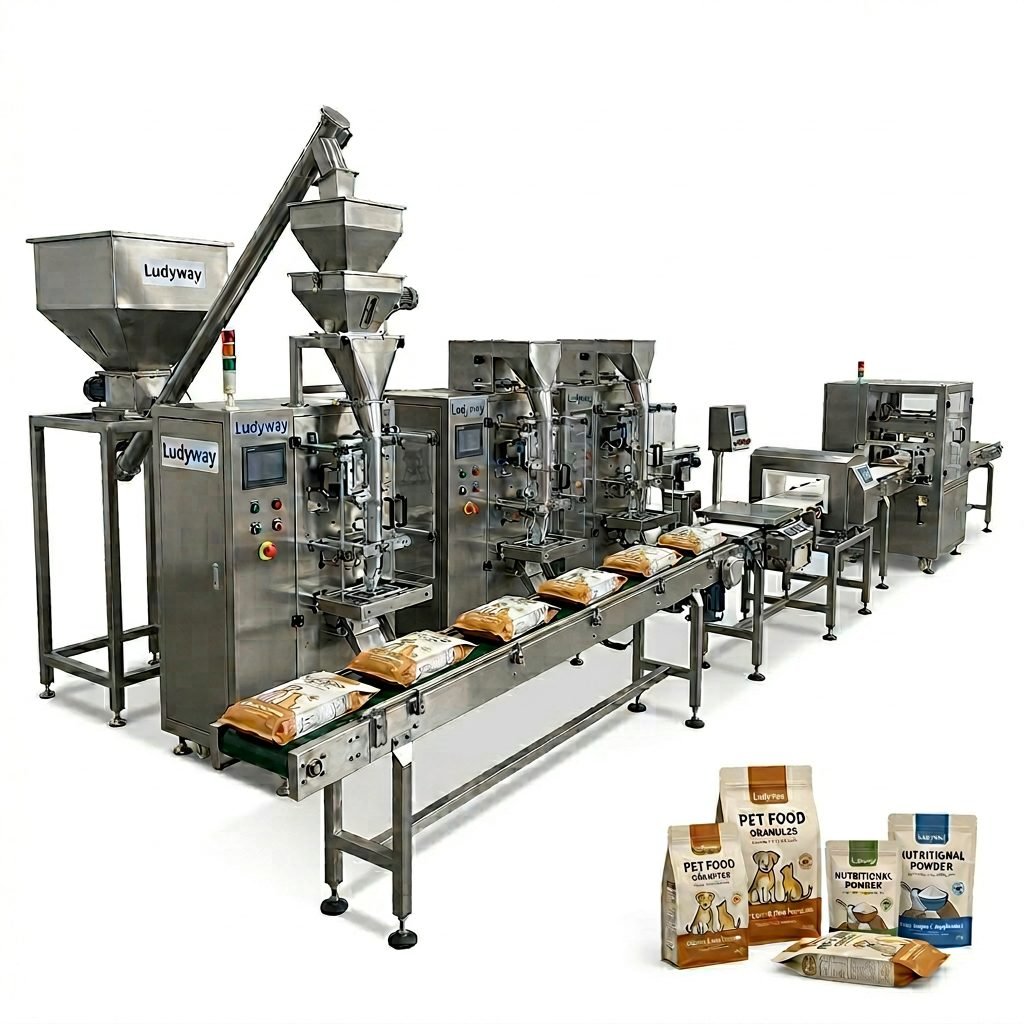
The world of food production is increasingly driven by efficiency, hygiene, and precision. At the heart of this transformation lies the automatic food packaging machine, a critical piece of equipment that streamlines operations from filling and sealing to labeling and cartoning. For manufacturers looking to scale up, improve product consistency, and meet stringent safety standards, understanding these machines is the first step toward a more profitable and reliable production line.
Core Types of Automatic Food Packaging Machines
The term “automatic food packaging machine” encompasses a wide range of equipment, each designed for specific product forms and packaging styles. Choosing the right type is fundamental to your operation’s success.
Vertical Form-Fill-Seal (VFFS) Machines
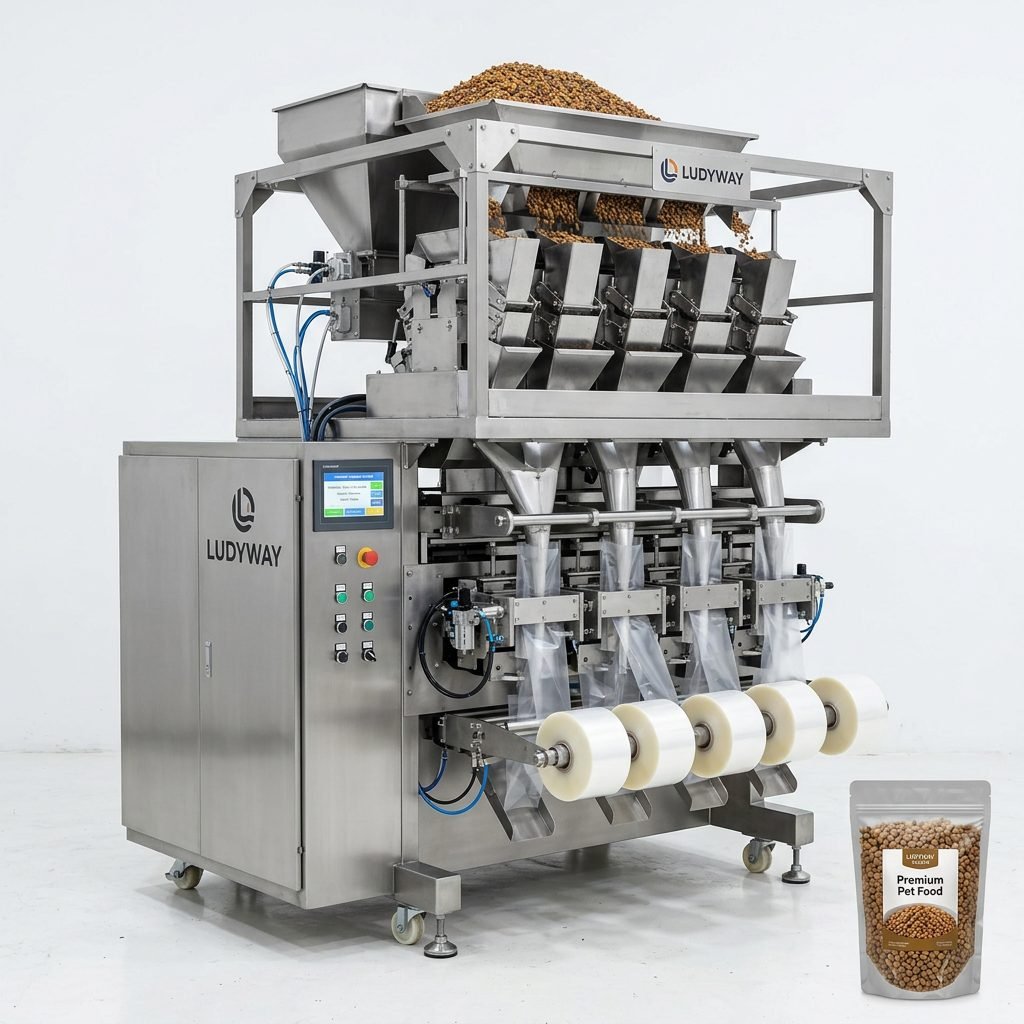
These are among the most versatile and common machines. They form bags from a roll of film, fill them with product, and then seal them—all in a continuous vertical motion. Ideal for granules, powders, snacks, and liquids, VFFS machines are highly efficient for medium to high-volume production of pillow bags, gusseted bags, and stand-up pouches.
Horizontal Form-Fill-Seal (HFFS) Machines
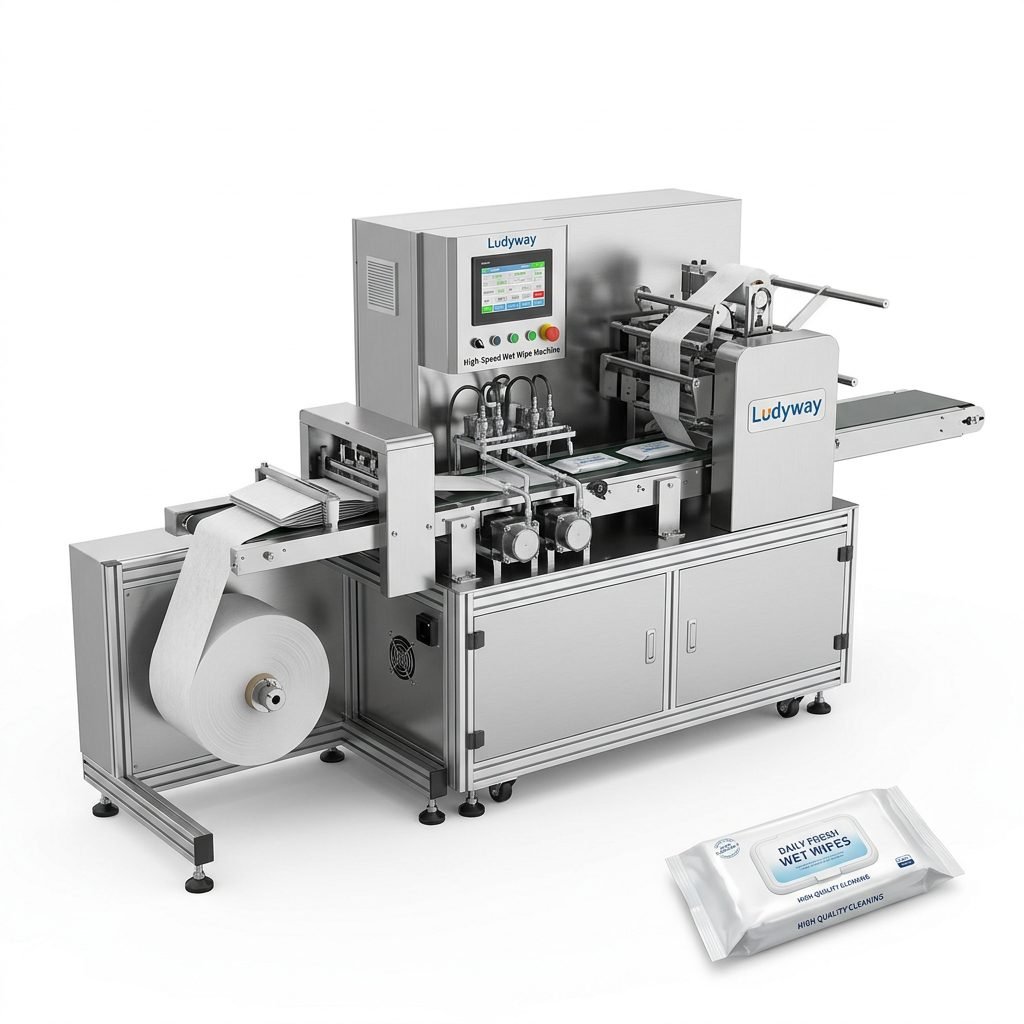
HFFS machines form packages on a horizontal plane. They are typically used for wrapping solid items like candy bars, biscuits, and frozen foods in flow-wrap packaging. This method provides excellent product presentation and is often used for final retail packaging.
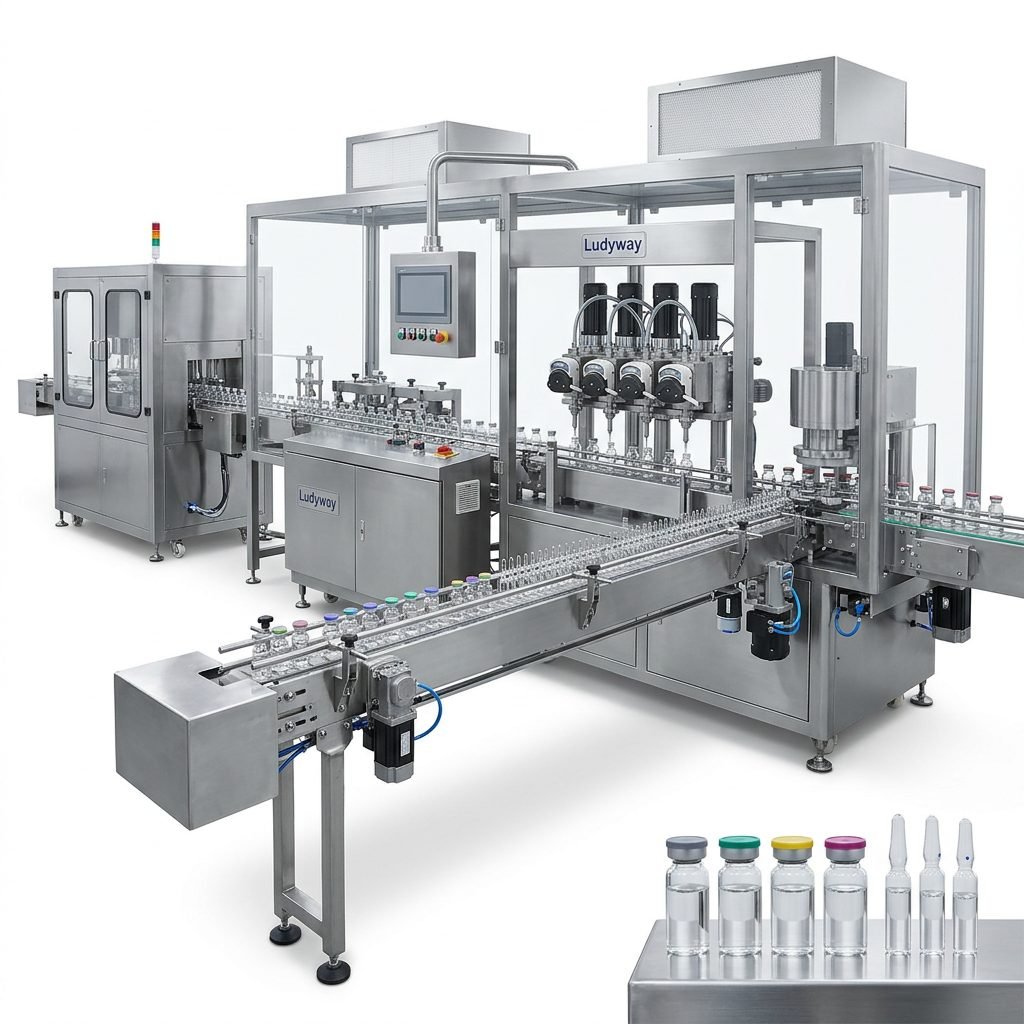
Liquid & Pouch Filling Machines
Designed specifically for viscous and liquid products like sauces, oils, dressings, and dairy. These systems can handle everything from small sachets to large stand-up pouches, employing precise volumetric or gravimetric filling technology to ensure accuracy and minimize waste.
Multi-Lane Stick Pack & Sachet Machines
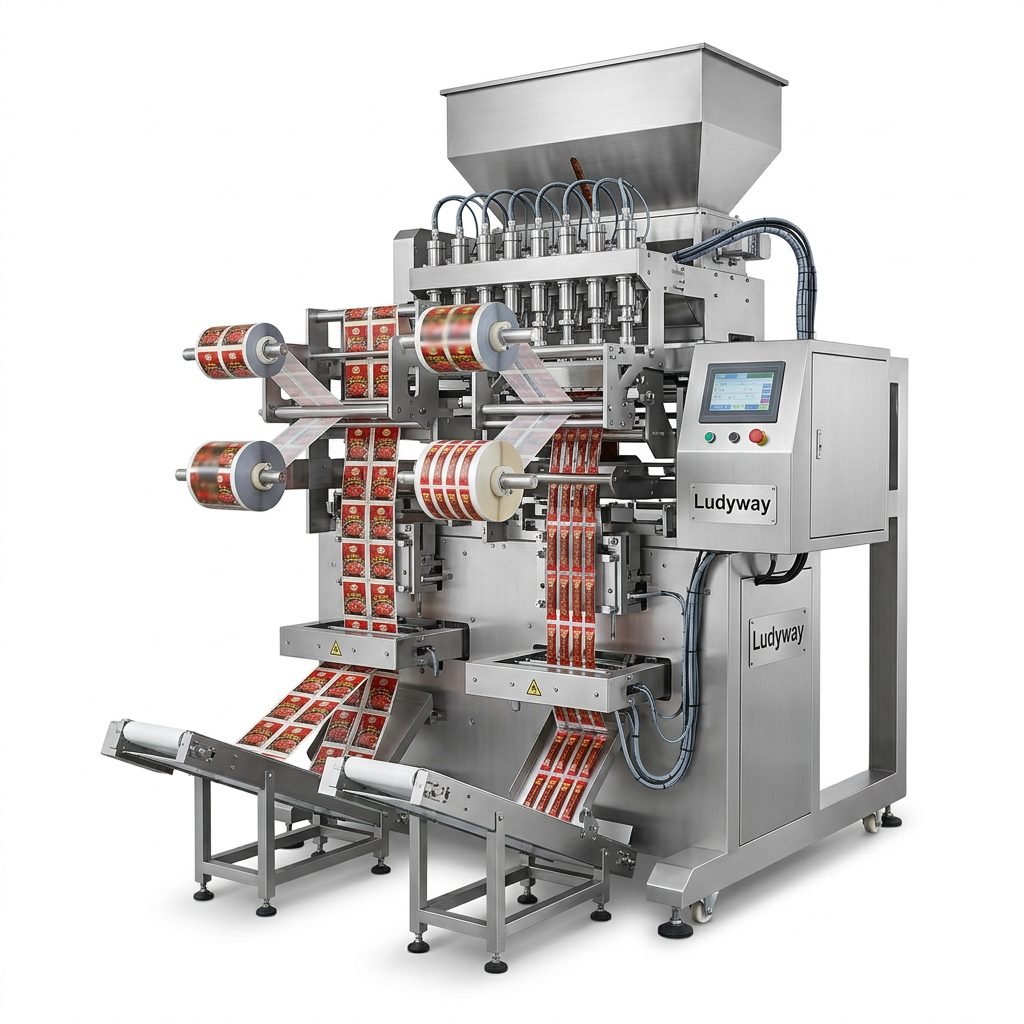
For high-speed packaging of single-serve portions, multi-lane machines are unparalleled. They can simultaneously fill and seal multiple lanes of stick packs or sachets, making them perfect for coffee, sugar, condiments, and pharmaceutical powders. This technology maximizes output while maintaining compact floor space requirements.
Capping, Labeling, and Cartoning Systems
While not always “primary” packaging, these automated systems are crucial for downstream efficiency. They automatically apply caps to bottles, affix labels with precision, and erect, load, and seal cartons, completing the automated packaging line.
Tangible Benefits of Automation
Investing in an automatic packaging system is a strategic move that delivers measurable returns across multiple facets of your business.
✔ Dramatically Increased Production Speed & Output
Machines operate continuously at consistent speeds, far surpassing manual packaging rates. This allows you to meet higher demand and fulfill large orders efficiently.
✔ Unmatched Consistency and Product Quality
Every package is filled to the exact same weight or volume, and every seal is uniformly applied. This eliminates human error, ensures product integrity, and enhances your brand’s reputation for quality.
✔ Significant Reduction in Material Waste and Labor Costs
Precise filling means less product giveaway. Automation also reduces the number of personnel required on the packaging line, leading to substantial long-term savings.
✔ Enhanced Hygiene and Safety Compliance
Automated systems minimize direct human contact with food products, a critical factor for meeting global food safety standards (like HACCP, FDA, and EU regulations) and for ensuring consumer safety.
How to Choose the Right Machine: A Strategic Guide
Selecting the perfect machine requires a careful analysis of your specific needs. Here is a step-by-step framework to guide your decision.
1. Define Your Product and Packaging Specifications
This is the most critical step. Clearly outline:
→ Product Form: Is it a powder, granule, liquid, solid, or paste?
→ Packaging Type: Do you need stick packs, sachets, pouches, bottles, or trays?
→ Production Speed (Output): Calculate your required packages per minute/hour.
→ Future Flexibility: Will you need to switch between different products or package sizes frequently?
2. Evaluate Machine Capabilities and Technology
Look beyond the basic type. Assess the filling technology (volumetric cup, auger, pump), the precision of the weighing system, the type of sealing (heat, ultrasonic), and the control system’s user-friendliness. Modern machines with PLC touchscreen controls offer easier operation and recipe storage.
3. Prioritize Build Quality and Supplier Reliability
Your packaging machine is a long-term asset. Invest in robust construction (stainless steel food-grade contact parts) from a reputable supplier. A provider with deep industry experience, like Ludyway Machinery, which brings over 30 years of expertise, can offer not just a machine, but a reliable production solution backed by strong engineering support and a global service network.
4. Consider Integration and After-Sales Support
Will the machine integrate smoothly with your existing conveyors or downstream equipment? Crucially, evaluate the supplier’s technical support, availability of spare parts, and training offerings. Comprehensive after-sales service is essential for minimizing downtime. Explore the range of intelligent packaging solutions available to find a system that fits your entire workflow.
5. Analyze Total Cost of Ownership (TCO)
Look beyond the initial purchase price. Factor in operational costs (energy consumption), maintenance needs, potential for future upgrades, and the cost of any required packaging materials. A slightly higher initial investment in a more efficient, durable machine often leads to lower TCO.
Implementing Your Automated Packaging Line
Successful implementation goes beyond installation. It involves planning for production line integration, operator training, and establishing a preventive maintenance schedule. Partnering with an expert who can provide a turnkey solution—from layout design to commissioning and training—can dramatically smooth the transition and accelerate your time to full productivity.
Ultimately, the right automatic food packaging machine is a catalyst for growth. It enhances your operational capabilities, safeguards your product quality, and strengthens your competitive position in the market. By methodically assessing your needs and partnering with a trusted expert in advanced packaging equipment, you can make an investment that pays dividends for years to come.
Frequently Asked Questions (FAQs)
Q1: What is the main difference between VFFS and HFFS machines?
A: The primary difference is the orientation of package formation. VFFS (Vertical Form-Fill-Seal) machines create bags vertically from a single roll of film, ideal for free-flowing products like chips or coffee. HFFS (Horizontal Form-Fill-Seal) machines wrap products horizontally, typically used for solid, pre-formed items like candy bars or frozen meals.
Q2: How do I determine the required speed (output) for my machine?
A: Calculate your current and projected future daily/weekly production volume in packages. Divide this by your available operating hours to get packages per hour (PPH). Add a 15-20% buffer for growth and choose a machine model that meets or exceeds this PPH rate at a sustainable operating speed.
Q3: Can one machine handle different package sizes and products?
A: Many modern machines are designed with changeover flexibility. Look for models with quick-change parts (like augers, forming tubes, and sealing jaws) and digital controls that can store multiple product “recipes.” However, extremely different product forms (e.g., powder vs. liquid) usually require dedicated or significantly modified machines.
Q4: What are the key hygiene features to look for in a food packaging machine?
A: Essential features include: construction with food-grade stainless steel (304 or 316L) on all product contact surfaces, easy access for cleaning and inspection (sometimes called “open-frame” design), protection against dust and moisture ingress (IP ratings), and compatibility with clean-in-place (CIP) or steam-in-place (SIP) systems where required.
Q5: Why is supplier experience and after-sales support so important?
A: A machine is a complex piece of industrial equipment. An experienced supplier provides crucial pre-sales guidance to ensure you select the right model, offers professional installation and training, and, most importantly, provides reliable and fast technical support and spare parts availability to minimize costly production downtime throughout the machine’s lifespan.