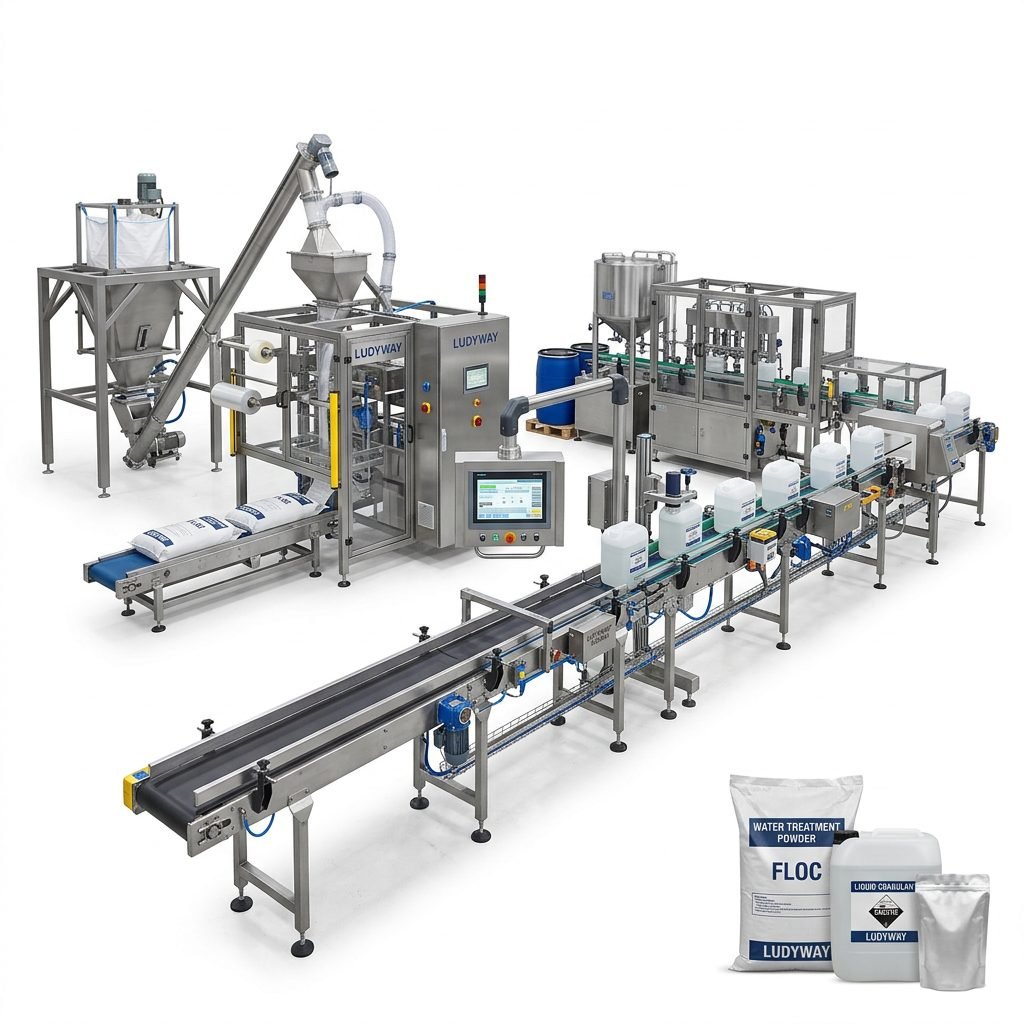
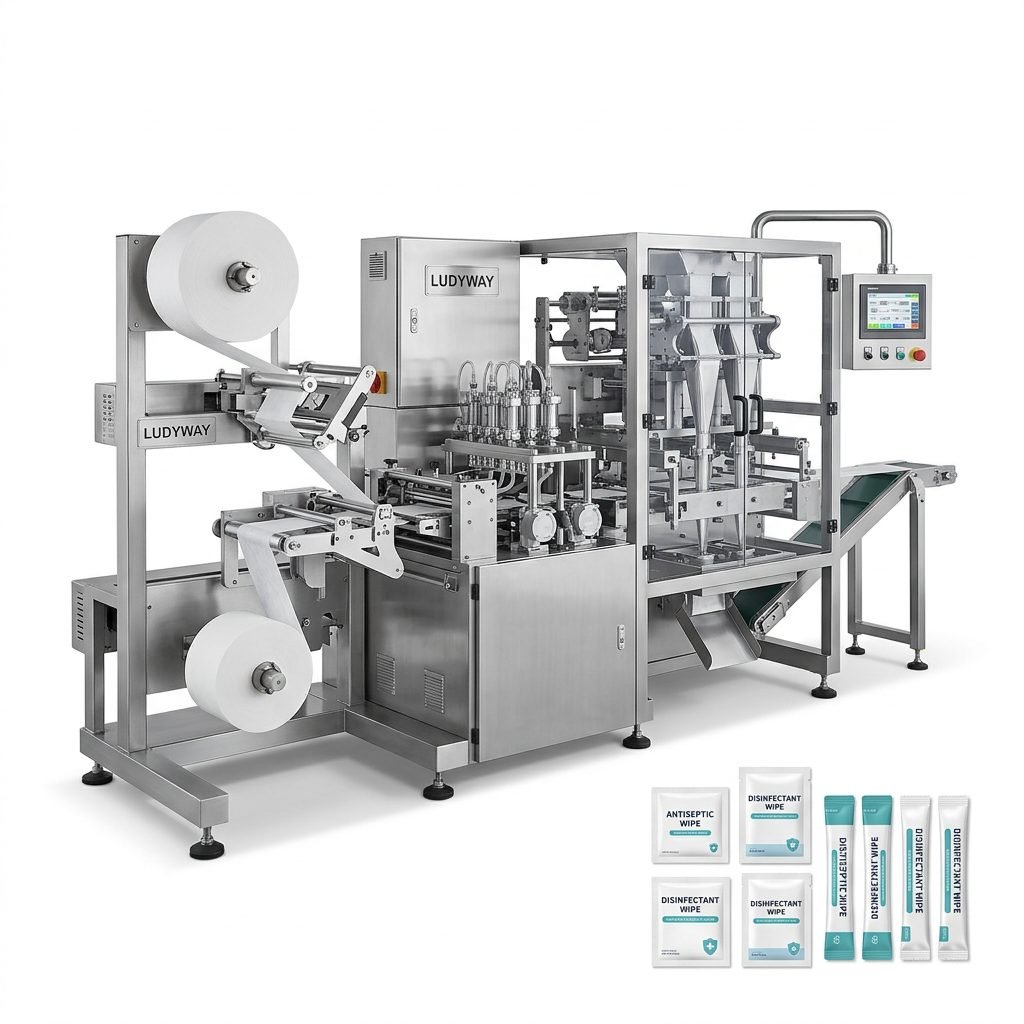
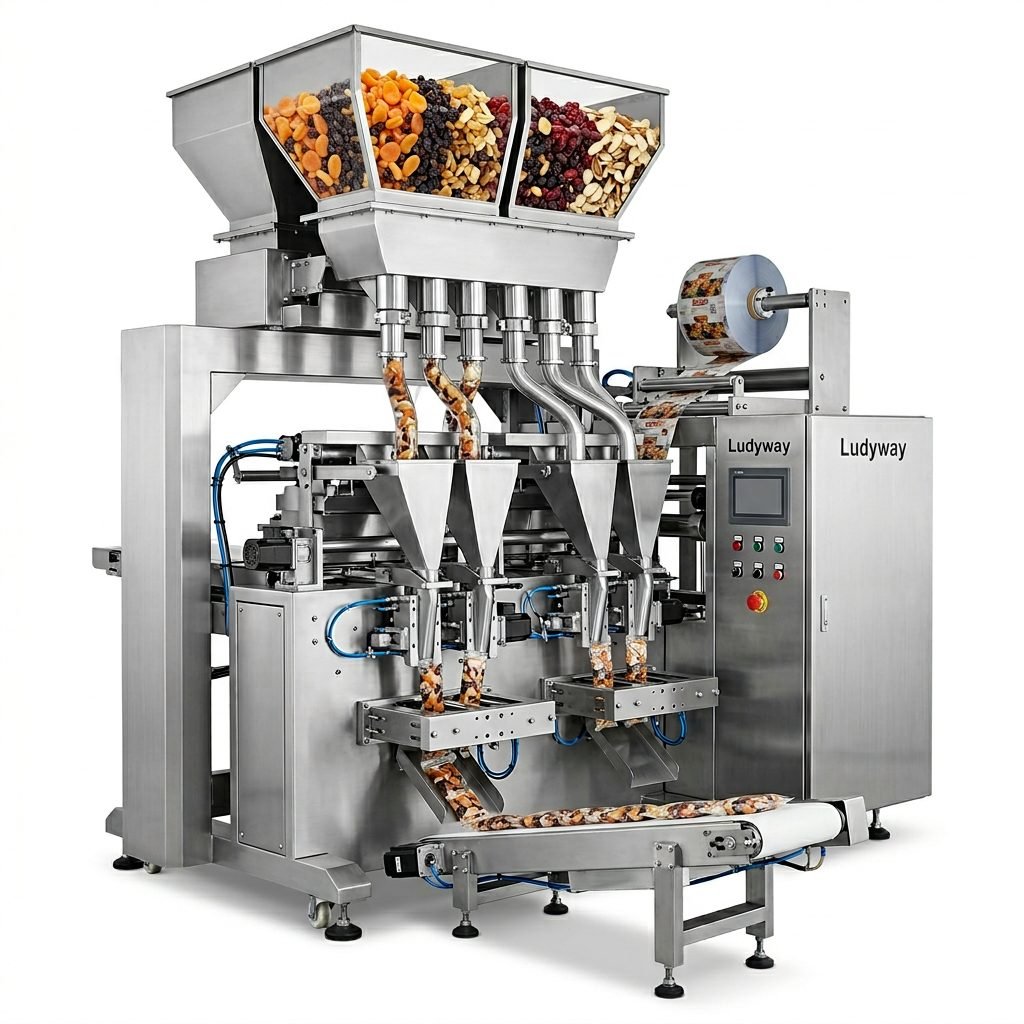
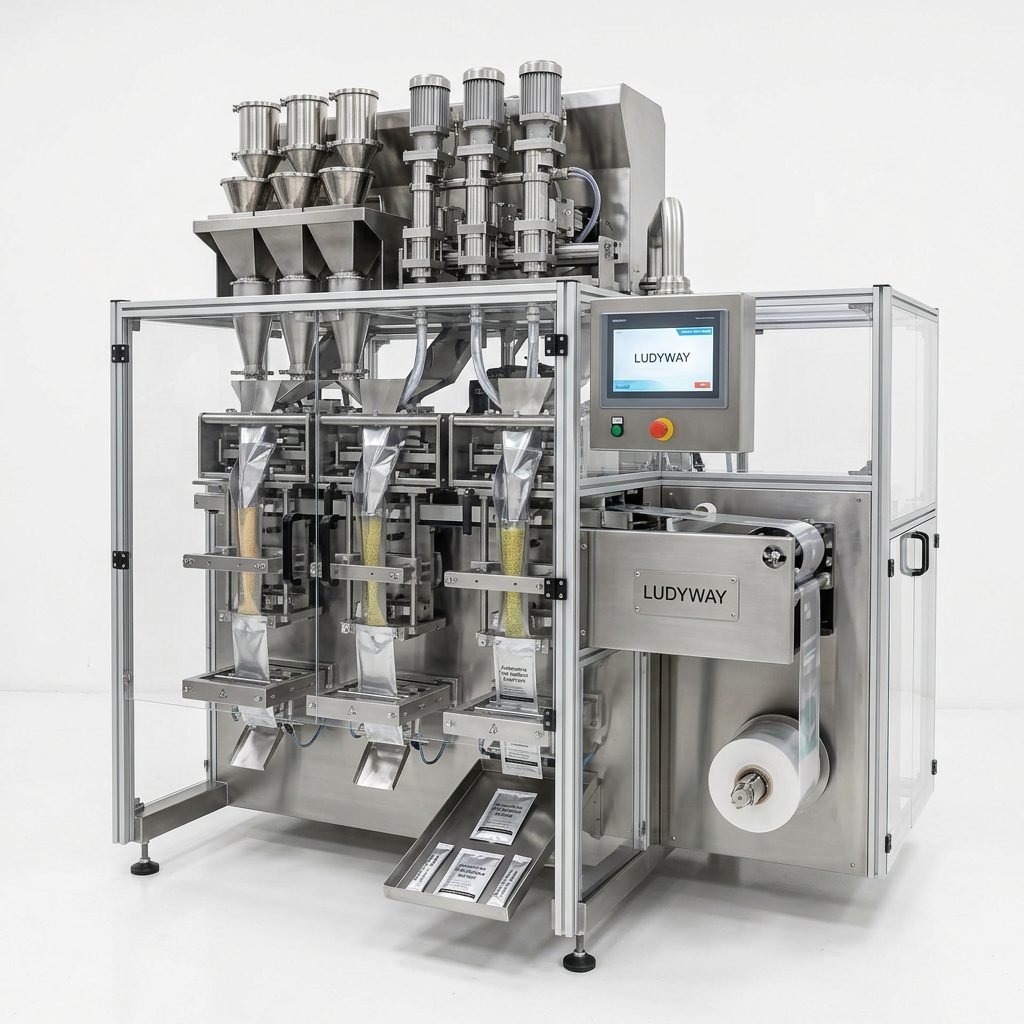
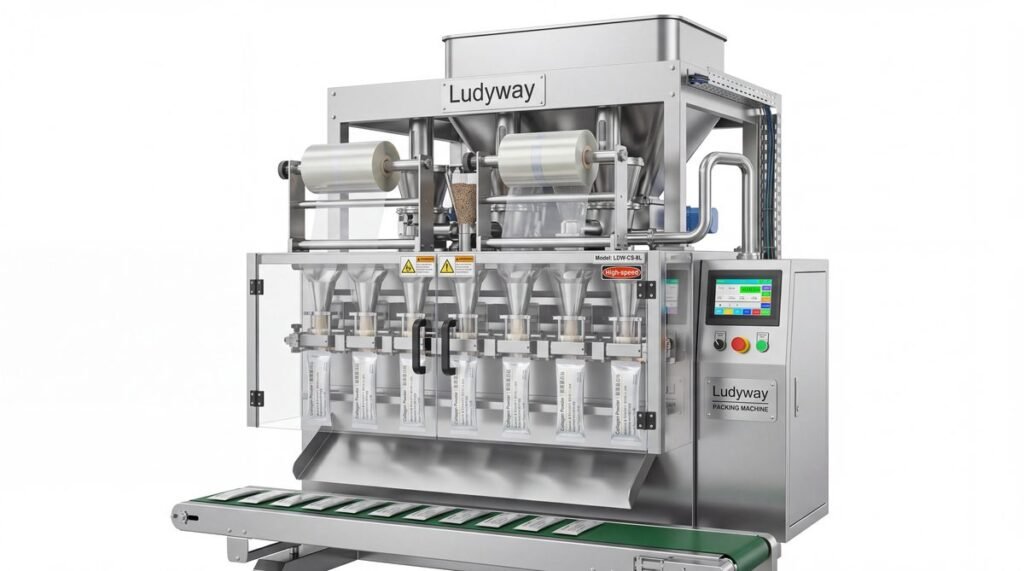
In the competitive landscape of modern manufacturing, selecting the right bottle packaging machine manufacturer is a critical decision that directly impacts your production efficiency, product quality, and bottom line. With numerous suppliers in the market, from established global leaders to specialized regional providers, the choice can be overwhelming. This guide is designed to navigate you through the essential factors and considerations for choosing the best supplier for your production line, ensuring you partner with a manufacturer that aligns with your technical needs, quality standards, and business goals.
Understanding Your Production Requirements
Before you begin evaluating manufacturers, it’s imperative to have a crystal-clear understanding of your own needs. This foundational step will guide every subsequent decision.
Analyze Your Product Specifications
Start by detailing the characteristics of the product you need to package. Is it a viscous liquid, a free-flowing powder, or a granular solid? Consider factors like:
- Product viscosity and density
- Required fill accuracy and speed
- Bottle size, shape, and material (glass, PET, HDPE)
- Closure type (screw cap, spray pump, dropper)
Define Your Output Goals
What are your target production volumes? A machine for a pilot line or small-batch artisanal production has vastly different requirements than one destined for a high-speed, 24/7 manufacturing facility. Be realistic about your current needs and future scalability.
Key Consideration: Flexibility
In today’s market, the ability to quickly switch between bottle sizes or product types is a significant advantage. Discuss changeover times and tooling requirements with potential suppliers. A flexible machine might have a higher upfront cost but can save substantial time and money in the long run.
Key Criteria for Evaluating Manufacturers
Once your requirements are mapped, you can begin assessing potential partners against a set of robust criteria.
1. Technical Expertise and Innovation
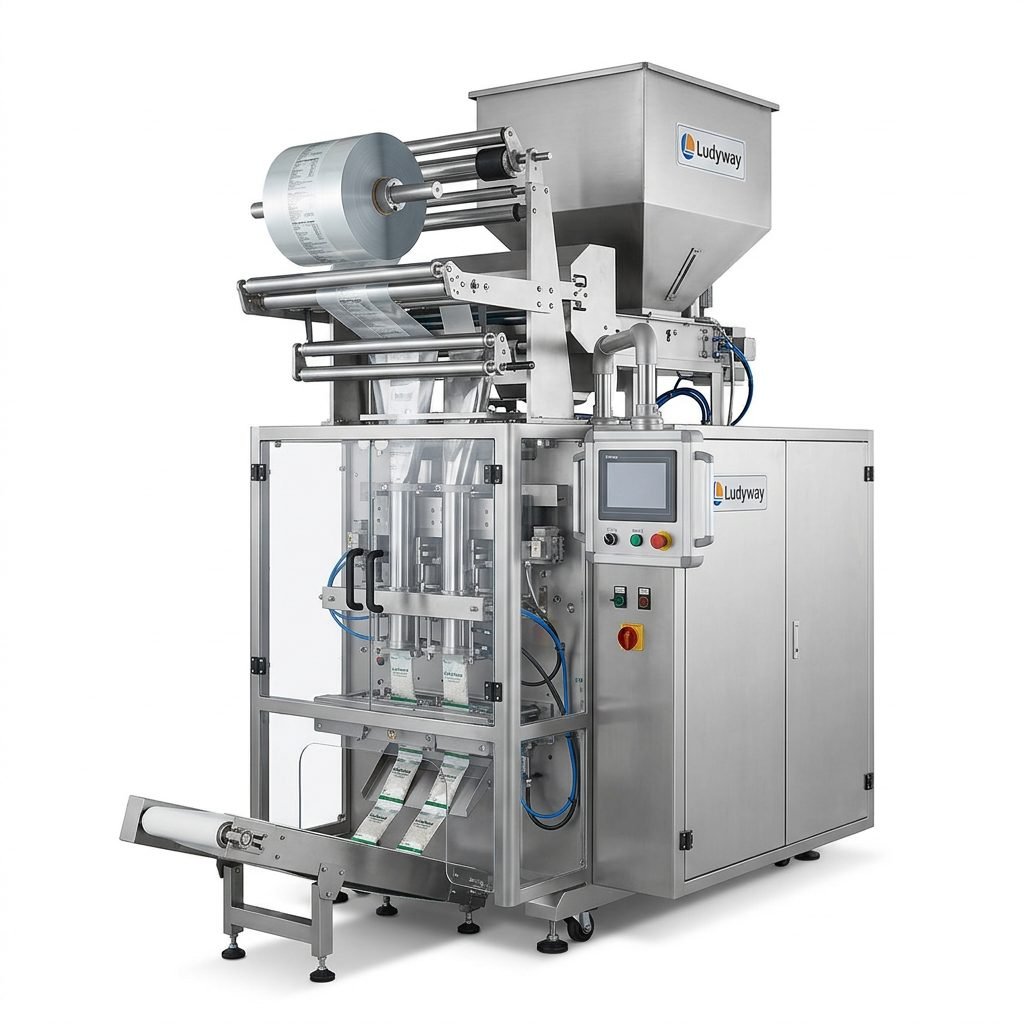
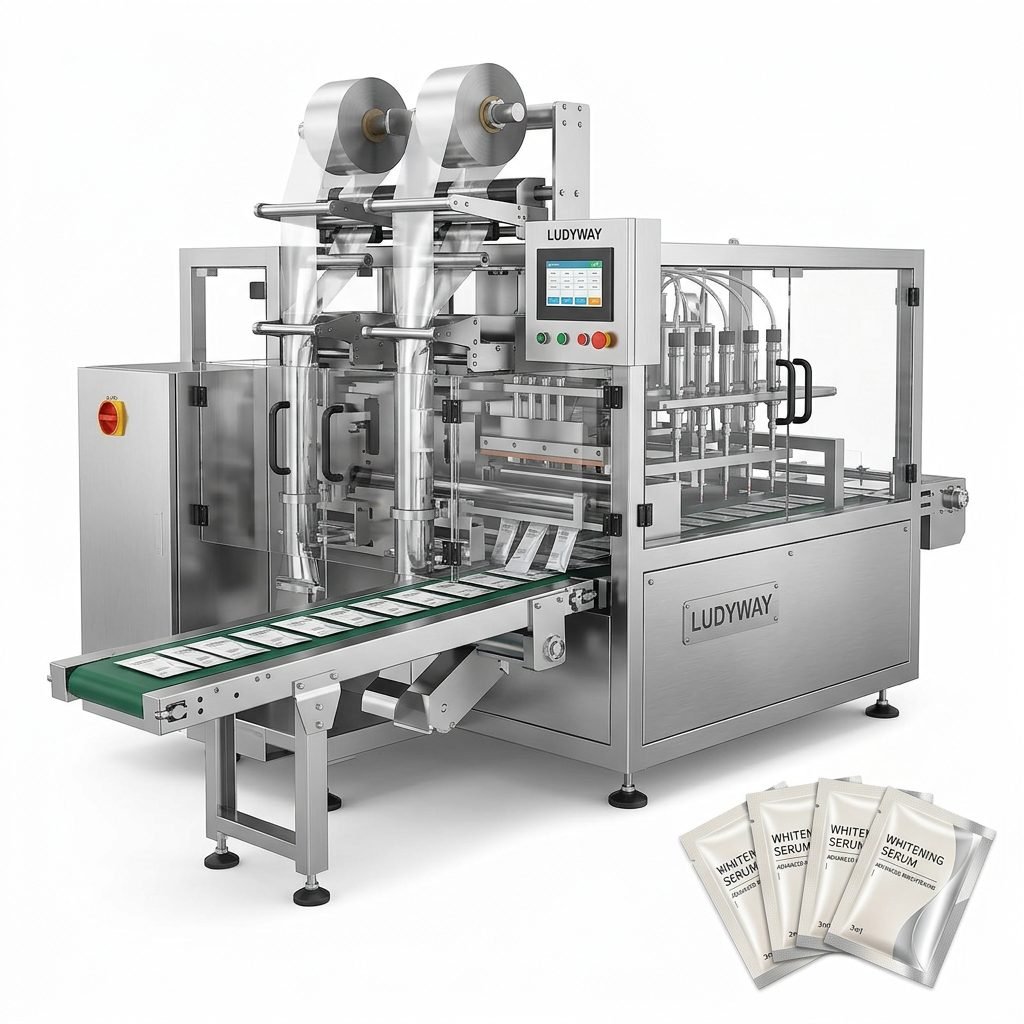
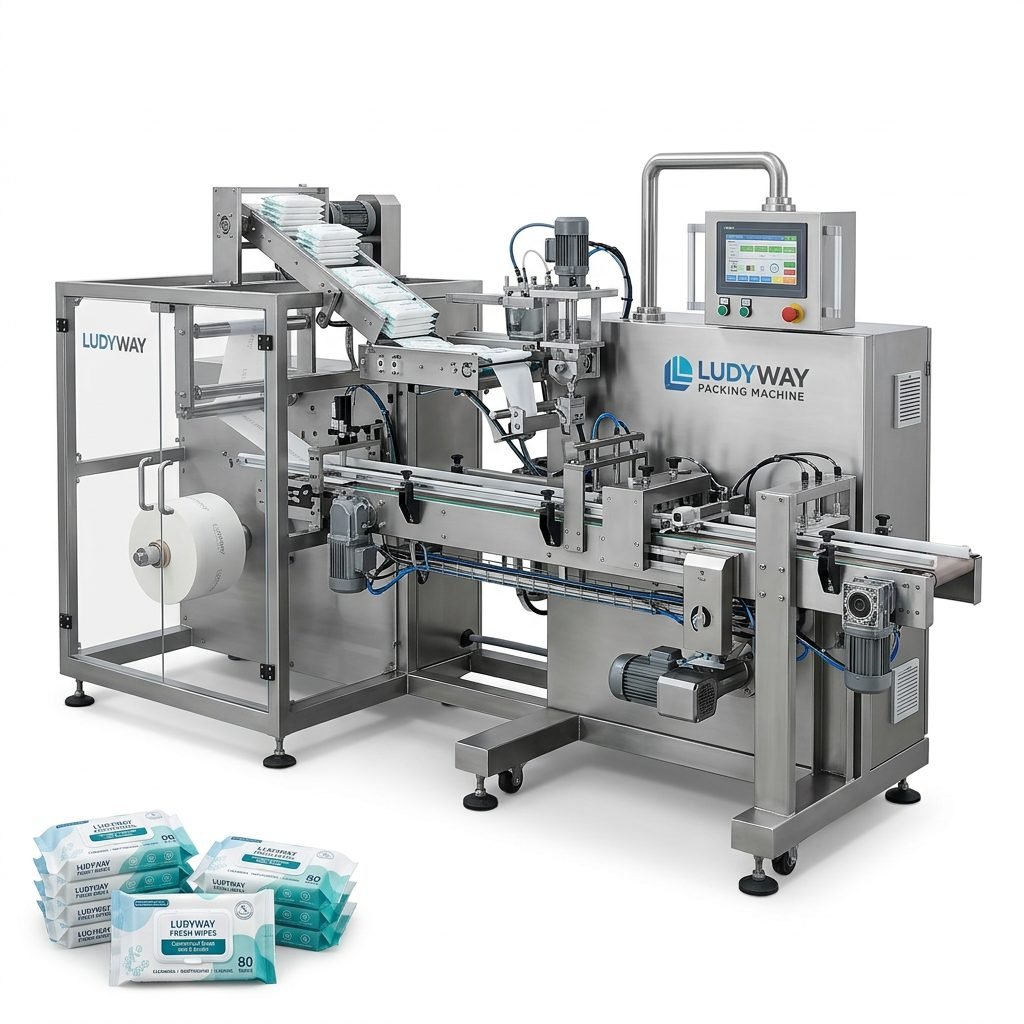
The core of a great manufacturer lies in its engineering prowess. Look for a company with a proven track record of innovation and deep technical knowledge. A manufacturer like Ludyway Packing Machine, which specializes in advanced equipment for food, pharmaceutical, and health industries, exemplifies a focus on sector-specific expertise. Evaluate their R&D capabilities and how they integrate new technologies like IoT for predictive maintenance or advanced servo drives for precision.
2. Machine Quality and Reliability
This is non-negotiable. High-quality components (think Siemens PLCs, SEW or Nord drives, and Stainless Steel 304/316 contact parts) translate to longer machine life, less downtime, and consistent performance. Don’t just take their word for it; ask for material certifications and a list of key component suppliers.
🛡️ Durability Checkpoint:
Inquire about the machine’s Mean Time Between Failures (MTBF) and the availability of spare parts. A reputable manufacturer will design for durability and ensure a reliable supply chain for critical spares for years to come.
3. Range of Solutions and Customization
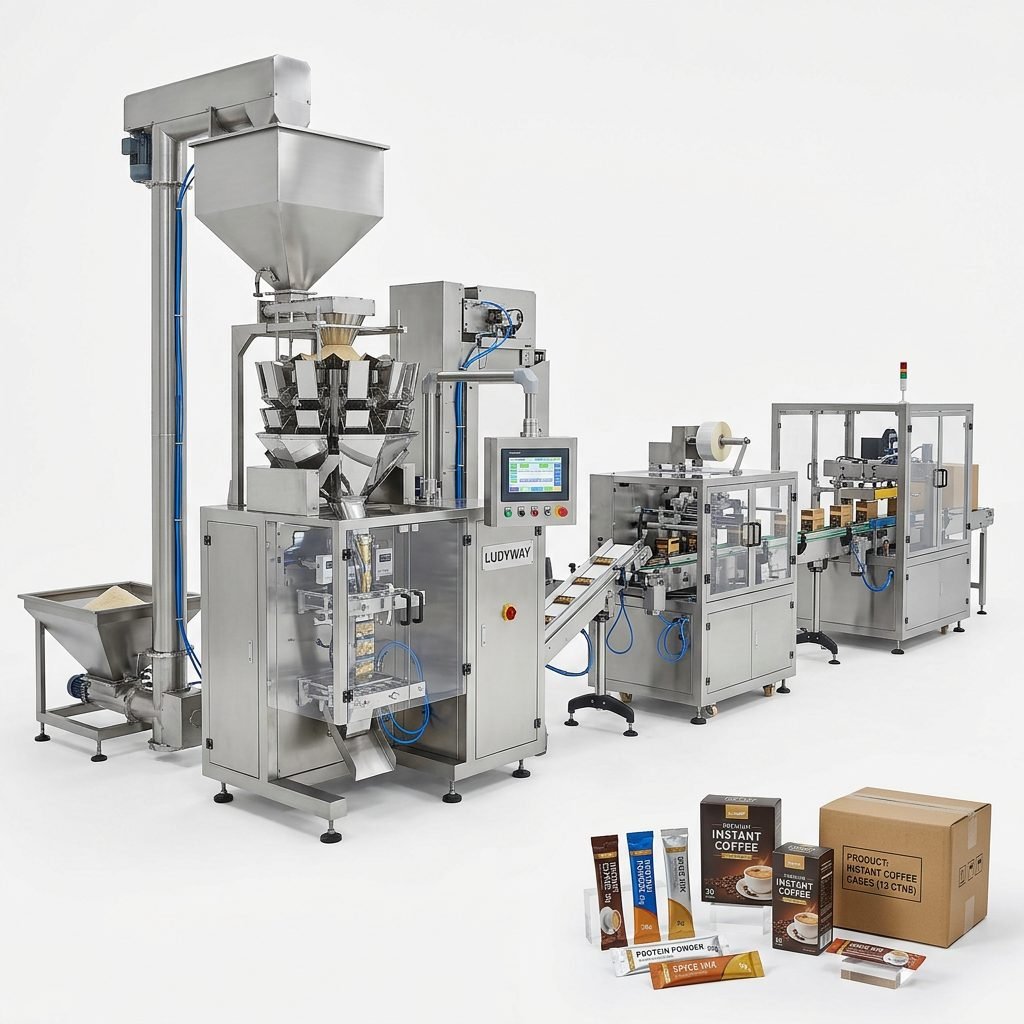
Does the supplier offer a comprehensive range of machines, from simple semi-automatic fillers to complete, integrated turnkey lines? A broad portfolio often indicates extensive experience. More importantly, assess their willingness and ability to customize. Your production line is unique, and the machine should adapt to you, not the other way around. Whether it’s a special nozzle for foamy liquids or integration with your existing ERP system, the right partner will provide tailored solutions.
4. After-Sales Support and Service
The relationship begins after the machine is installed. Comprehensive support is arguably as important as the machine itself. Scrutinize their offering:
- Installation & Commissioning: Do they provide on-site engineers?
- Training: Is thorough operator and maintenance training included?
- Technical Support: Is 24/7 remote support available? What are the response time guarantees?
- Service Network: Do they have service technicians or partners in your region for faster on-site response?
5. Reputation and Proven Track Record
Investigate the manufacturer’s reputation in the industry. Request a list of client references, particularly those with similar products or production scales. Case studies and testimonials are valuable. A company with over 30 years of industry experience, like the team behind certain established brands, brings a wealth of practical knowledge and stability to the partnership.
The Selection Process: From RFQ to Decision
Turning criteria into action requires a structured process.
Creating a Detailed Request for Quotation (RFQ)
Your RFQ should be a comprehensive document that leaves no room for ambiguity. Include:
– Detailed product and bottle specifications
– Required output speed (bottles per minute/hour)
– Factory layout and available utilities (power, air, space)
– Desired level of automation
– Compliance and certification requirements (e.g., FDA, CE, GMP)
Evaluating Proposals and Conducting Factory Audits
Compare proposals side-by-side, looking beyond just the price. Evaluate the proposed solution’s technical merits, compliance, and total cost of ownership. Whenever possible, arrange a visit to the manufacturer’s production facility. An audit allows you to verify their manufacturing processes, quality control systems, and technical capabilities firsthand. Seeing a 20,000㎡ modern production facility in operation speaks volumes about scale and commitment.
Testing with Your Product (Product Trials)
Never buy a packaging machine untested with your actual product. Reputable manufacturers will offer product trials at their testing lab or your facility. This is the only way to verify fill accuracy, sealing integrity, line efficiency, and to fine-tune machine settings before final purchase.
Conclusion: Building a Partnership for Growth
Choosing a bottle packaging machine supplier is not merely a transaction; it’s the beginning of a strategic partnership. The ideal manufacturer acts as an extension of your team, providing reliable technology today and innovative solutions for your future challenges. By meticulously defining your needs, rigorously evaluating manufacturers on technical merit, quality, and support, and following a thorough selection process, you will secure a partner that empowers your production line’s success, efficiency, and growth for years to come.
Frequently Asked Questions (FAQs)
What is the most important factor when choosing a packaging machine manufacturer?
While all factors are interconnected, machine reliability and quality form the bedrock. A machine that consistently operates with minimal downtime has the greatest direct impact on your production output and operational costs. This is closely followed by the quality and responsiveness of after-sales technical support.
How can I ensure the machine will work with my specific product?
Insist on a product trial using your exact product and packaging materials. This hands-on test at the manufacturer’s facility or your own plant is the most reliable method to validate performance, adjust parameters, and ensure the machine meets all your specifications before finalizing the purchase.
What does “turnkey solution” mean from a manufacturer?
A turnkey solution means the supplier takes full responsibility for delivering a complete, ready-to-operate production line. This typically includes the main packaging machine, all auxiliary equipment (like bottle unscramblers, cappers, labelers), system integration, installation, commissioning, and comprehensive staff training. It provides a single point of contact and accountability.
Are newer, smaller manufacturers a risk compared to established ones?
Not necessarily. While established manufacturers offer proven experience and stability, newer companies can be highly innovative and agile. The key is to evaluate them against the same rigorous criteria: technical expertise, component quality, service structure, and client references. A factory audit is especially critical when considering less-established suppliers.
What certifications should I look for in a packaging machine?
Required certifications depend on your industry and region. Common critical ones include CE Marking (for safety in the European Union), FDA compliance (for food and pharmaceutical contact in the USA), and GMP standards (for pharmaceutical and cosmetic applications). Always specify your certification needs in your RFQ.