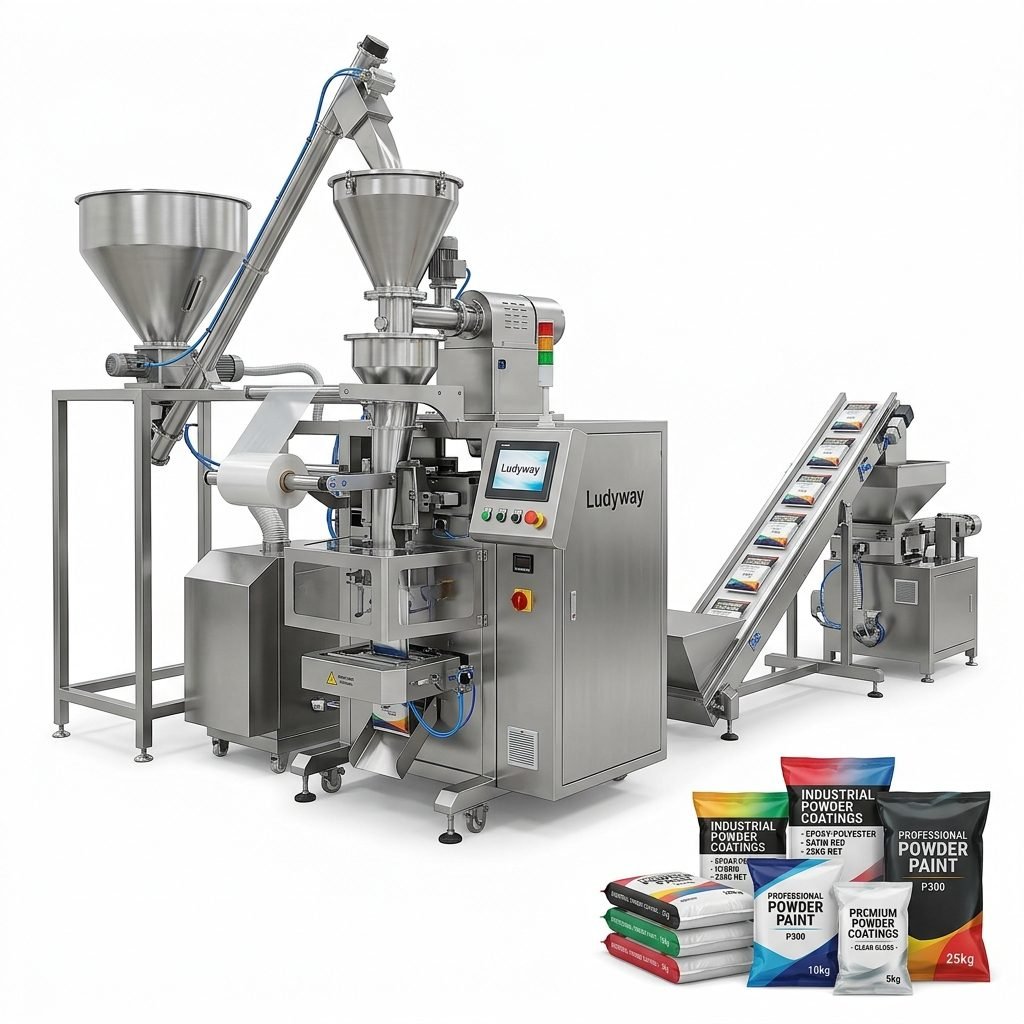
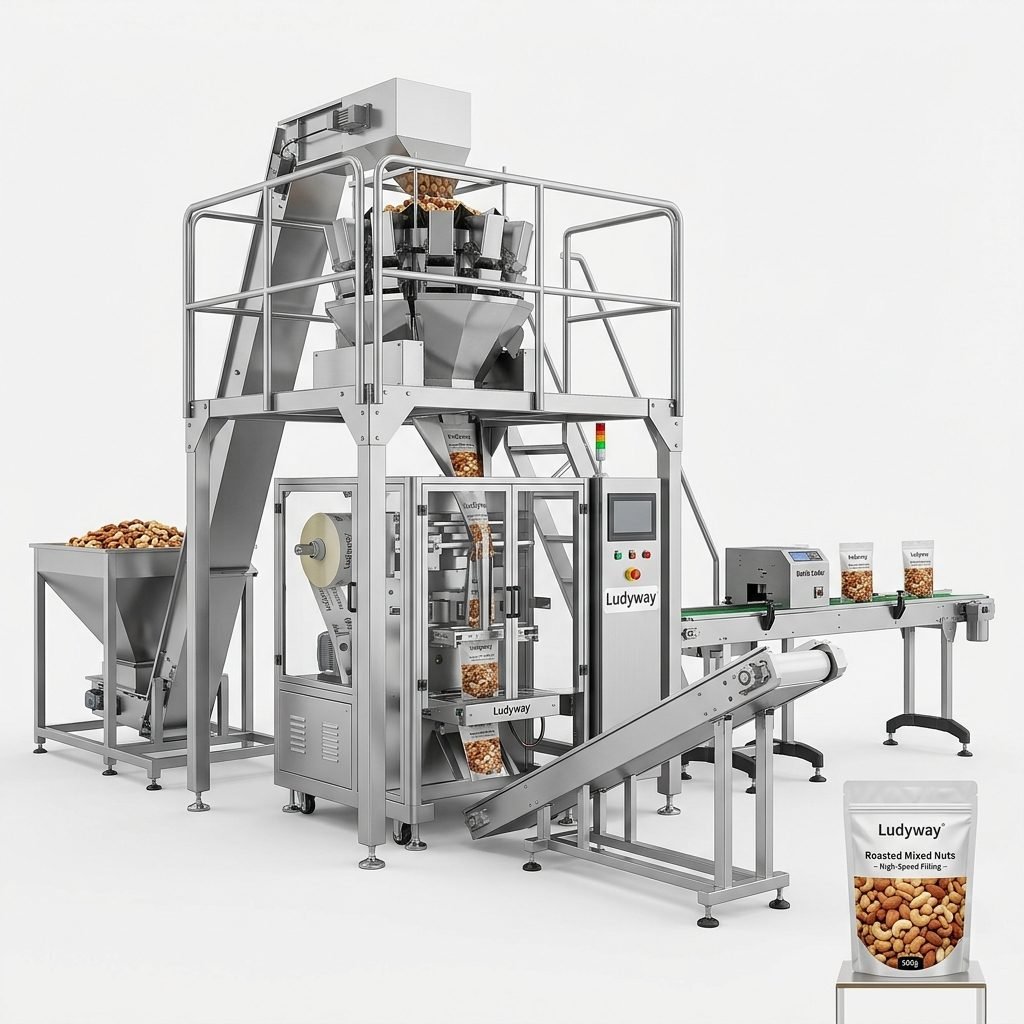
Selecting the right coffee packaging machine manufacturer is a critical decision that impacts your product quality, production efficiency, and brand reputation. The global market offers a wide range of suppliers, each with varying levels of expertise, technology, and service. This guide will explore the top manufacturers and provide a detailed framework to help you choose the best supplier for your specific needs, ensuring your coffee products are packaged with precision, freshness, and appeal.
Key Attributes of Leading Coffee Packaging Machine Manufacturers
The most reputable manufacturers in the industry share several common traits that set them apart. Understanding these attributes is the first step in identifying a potential partner.
Core Competencies of Top Suppliers
Engineering Expertise & Innovation: Leading manufacturers invest heavily in R&D to develop machines that offer higher speeds, better precision, and greater flexibility. They often pioneer technologies for gas flushing, vacuum sealing, and portion control specifically for coffee.
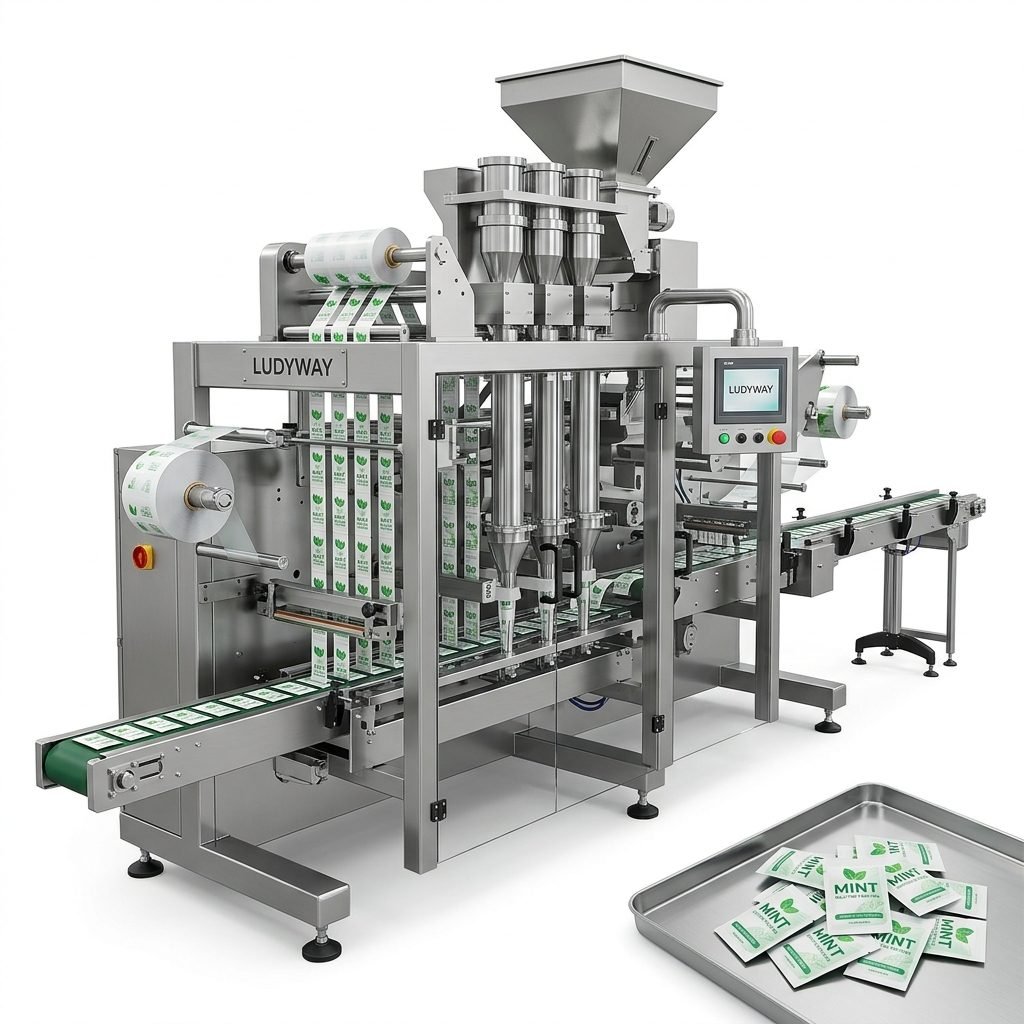
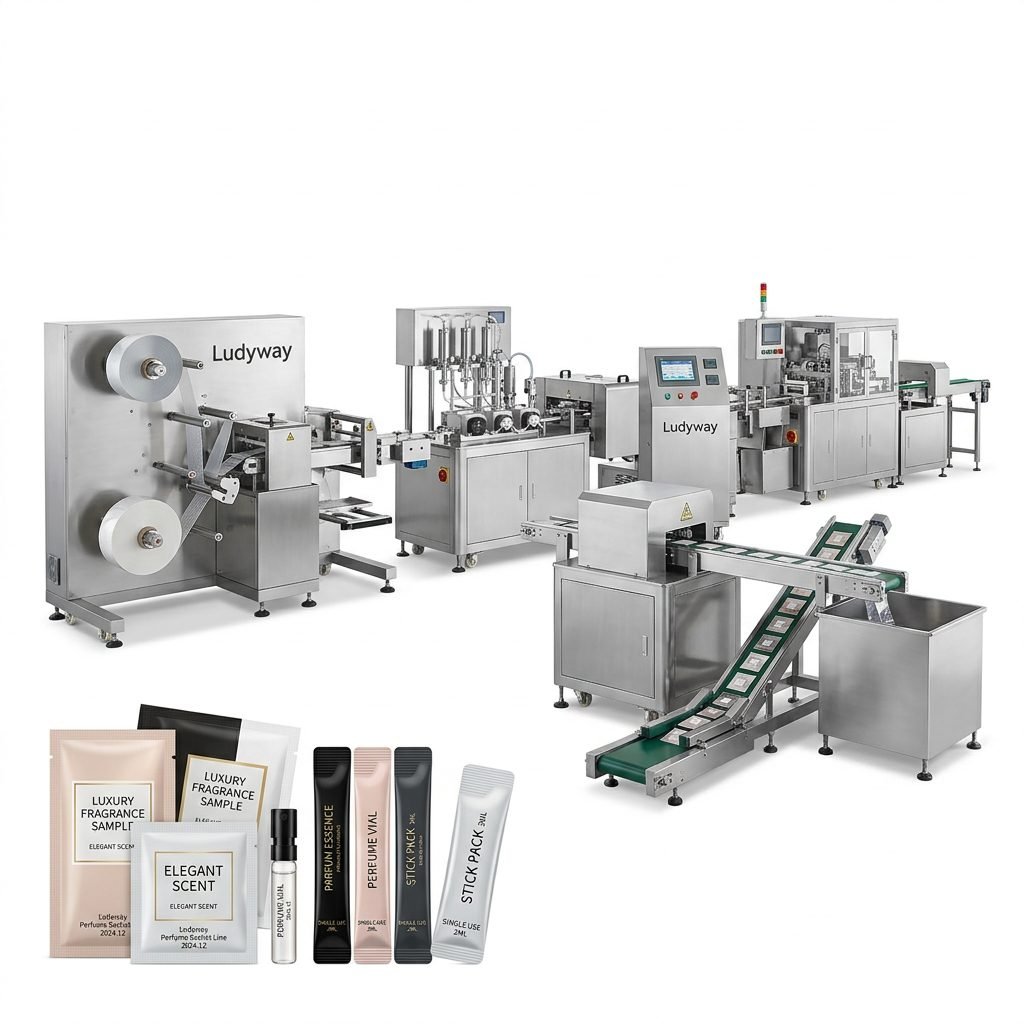
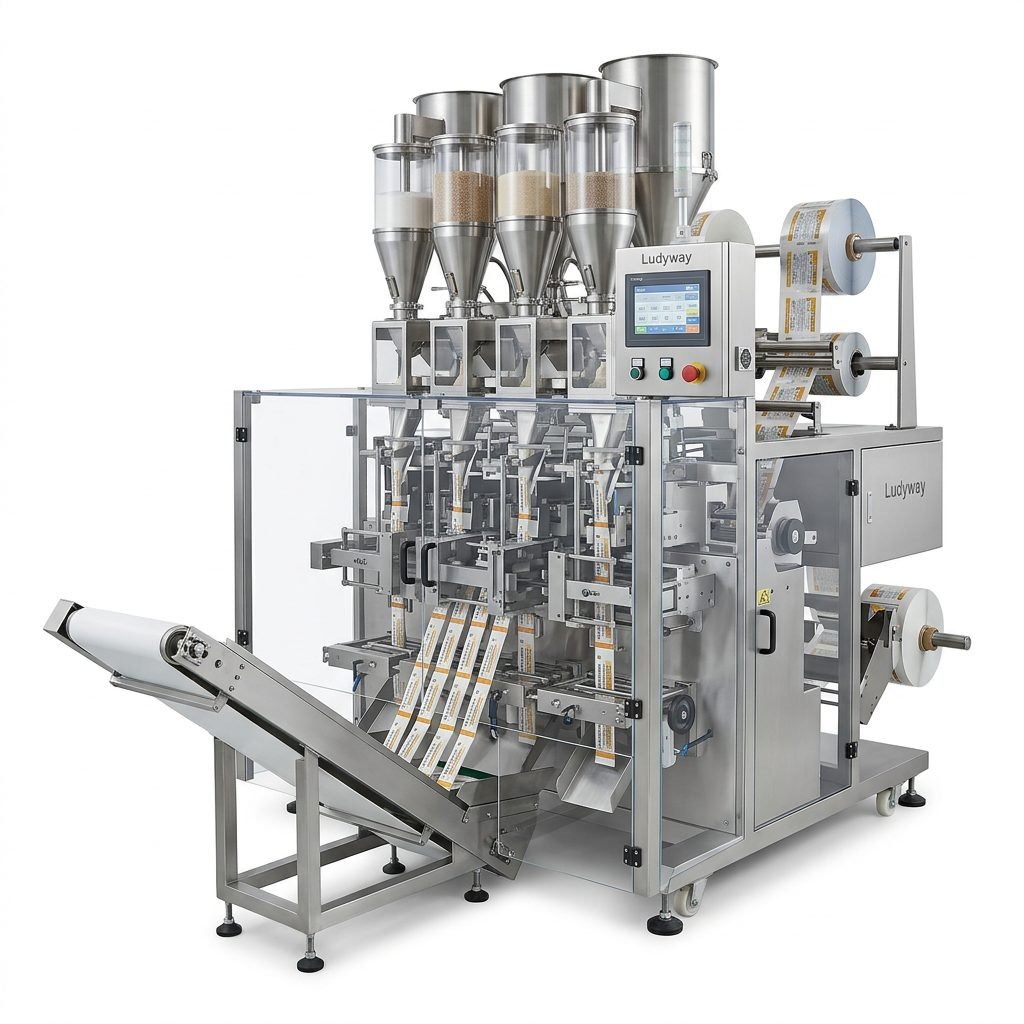
Material & Format Versatility: The best suppliers provide equipment capable of handling diverse packaging formats—from single-serve stick packs and sachets to stand-up pouches and brick packs—using various barrier films to preserve aroma and extend shelf life.
Industry-Specific Knowledge: They possess deep understanding of coffee’s unique challenges, such as degassing, oil retention, and flavor preservation, and design machines that address these issues effectively.
Evaluating Machine Technology and Features
When assessing manufacturers, a close examination of their machine’s technological capabilities is non-negotiable. The right technology directly correlates with your output quality and operational cost.
Critical Technical Specifications to Scrutinize
- Weighing and Dosing Accuracy: Look for multi-head weighers or auger filler systems with precision tolerances (<±0.5%) to ensure consistent fill weight and minimize product giveaway.
- Gas Flushing Efficiency: For whole bean or ground coffee, an effective nitrogen or CO2 flushing system is vital to remove oxygen, delaying staleness and preserving freshness. Evaluate the residual oxygen levels (often targeting <2%).
- Seal Integrity and Strength: Robust heat sealing jaws, consistent temperature control, and seal monitoring systems are essential to prevent leaks and ensure package durability during transport.
- Changeover Flexibility: Machines with quick-change parts and programmable settings for different bag sizes or formats drastically reduce downtime when switching products.
- Integration Capabilities: The ability to seamlessly integrate with upstream grinders/blenders and downstream cartoners or case packers is key for a streamlined production line.
How to Choose the Best Supplier: A Step-by-Step Framework
Beyond the machine specs, choosing a supplier is about forging a partnership. This framework helps you evaluate the total value proposition.
Step 1: Define Your Requirements & Budget
Clearly outline your production goals: required output speed (bags per minute), package types, desired level of automation (semi vs. fully automatic), and available floor space. Establish a budget that includes not just the machine cost, but also installation, training, and potential future spare parts.
Step 2: Research and Shortlist Potential Manufacturers
Conduct thorough market research. Look for manufacturers with a proven track record in the coffee industry. Review their client portfolios, case studies, and industry participation. A company like Ludyway Machinery, with its focus on intelligent packaging systems for food and granules, exemplifies a supplier built on deep industry experience.
Step 3: Assess Manufacturing Quality and Support
Quality is built on the factory floor. Inquire about their manufacturing processes, quality control protocols, and the origin of key components. Equally important is their support structure: availability of technical service, spare parts logistics, and operator training programs. A supplier’s commitment to long-term support is as crucial as the machine itself.
Step 4: Request Demonstrations and References
Always request a live or recorded product demonstration using a material similar to yours. Ask for contact information of existing clients, preferably those with similar products and scale. Speaking directly to current users provides invaluable insights into machine performance, reliability, and the supplier’s responsiveness post-purchase.
Step 5: Analyze the Total Cost of Ownership (TCO)
Make your final decision based on Total Cost of Ownership, not just the initial price. Calculate estimated costs for energy consumption, maintenance, potential downtime, and spare parts over a 5-10 year period. A slightly higher initial investment in a robust, efficient machine from a reliable partner like Ludyway often results in significantly lower TCO.
The Importance of Customization and Scalability
Your packaging needs will evolve. The ideal supplier doesn’t just sell a machine; they provide a scalable solution. Discuss future needs—could the machine handle new package shapes? Could its speed be upgraded? Can it integrate with additional automation? A partner invested in innovation will help you plan for growth.
Why Partner with an Experienced Specialist?
Choosing a manufacturer with specific experience in coffee packaging, such as a company that has developed over 50 intelligent packaging machine models through 30+ years of industry experience, mitigates risk. Their turnkey approach, from initial consultation to after-sales service, ensures the solution is tailored to your precise production environment and goals, leading to a smoother implementation and faster return on investment.
Their global service network, capable of serving customers worldwide, means support is available when you need it, minimizing operational disruptions and ensuring continuous production.
Conclusion: Building a Partnership for Success
Selecting a coffee packaging machine manufacturer is a strategic investment. By prioritizing technical excellence, proven industry experience, robust support, and a clear path for scalability, you can establish a partnership that enhances your product quality, optimizes your production line, and supports your brand’s growth in the competitive coffee market. The right supplier becomes an extension of your team, dedicated to your long-term packaging success.
Frequently Asked Questions (FAQs)
1. What is the most important factor when choosing a coffee packaging machine?
While technical specs are vital, the manufacturer’s reliability and after-sales support are often the most critical long-term factors. A high-quality machine is only as good as the service behind it. Ensure your supplier has a proven track record and a responsive support team.
2. How do I determine the right packaging speed for my business?
Calculate your current and projected future demand. Choose a machine that meets your peak needs with about 20-30% extra capacity for growth. Consider factors like shift patterns and potential future product lines. A supplier with a wide range of models, like Ludyway Machinery, can help you select a machine that matches your exact output requirements.
3. Can one machine handle different types of coffee packaging?
Many modern machines are designed for flexibility. Look for models with quick-changeover features that allow you to switch between different bag sizes (e.g., from 250g bags to 1kg bags) or formats (e.g., flat bottom bags to stand-up pouches) with minimal downtime and tooling changes.
4. Why is gas flushing important for coffee packaging?
Coffee beans and grounds release carbon dioxide (degassing) and are sensitive to oxygen, which causes staling and flavor loss. Gas flushing (typically with nitrogen) displaces oxygen inside the package, significantly extending shelf life and preserving the coffee’s fresh aroma and taste.
5. What should I look for in a warranty and service agreement?
Seek a comprehensive warranty that covers parts and labor for a reasonable period (e.g., 12-24 months). Clarify response times for service calls, availability of spare parts, and whether on-site training is included. A transparent service agreement is a hallmark of a confident and customer-focused manufacturer.