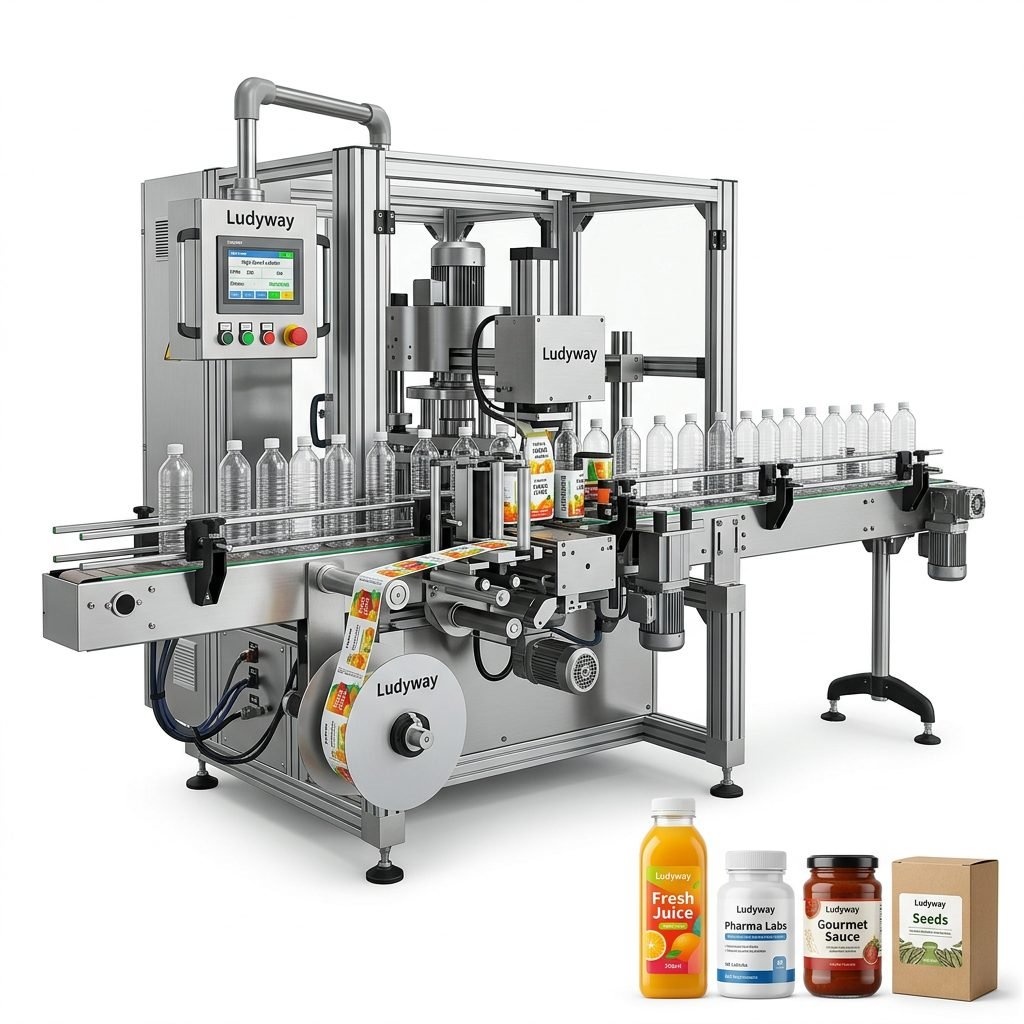
For American households, a home vacuum packaging machine is no longer a niche gadget—it’s a smart investment in food preservation, cost savings, and kitchen efficiency. Whether you are sealing bulk meats, garden produce, or sous vide ingredients, choosing the right model requires understanding key performance factors, usability, and long-term value. This comprehensive guide covers everything you need to know before making a purchase in the United States.
Understanding the Types of Home Vacuum Sealers
Not all vacuum packaging machines are created equal. Broadly, they fall into three categories, each suited to different user profiles and kitchen demands.
- External Clamp Sealers: The most common countertop models. You place the open end of a bag into the machine to remove air and heat-seal. Ideal for everyday use and light to moderate sealing.
- Chamber Vacuum Sealers: The entire bag goes inside a chamber where air pressure is equalized, making them exceptional for liquids, soups, and high-moisture foods. Historically used commercially, compact home versions are now widely available in the US.
- Handheld or Mini Sealers: Compact, battery-operated devices designed for quick sealing of small bags or specialized zipper-lock vacuum bags. Best for light-duty tasks and pantry organization.

Critical Features to Evaluate Before Buying
Beyond the basic type, specific features determine how well a machine integrates into your American kitchen routine. Prioritize these factors:
- Suction Power and Vacuum Strength: Measured in inches of mercury (inHg), stronger suction (typically 20 inHg or higher for external sealers) ensures dense, reliable seals for long-term freezer storage.
- Seal Bar Width and Double Sealing: A wider seal bar (3 mm to 5 mm) with double heat-seal functionality provides extra protection against leaks, essential for bulky or heavy items.
- Moisture Handling Capability: If you plan to seal marinated meats, fresh fish, or liquids, look for a machine with a dedicated moist mode or pulse vacuum function, giving you manual control.
- Built-in Bag Cutter and Roll Storage: Integrated storage for bag rolls and a slide cutter save counter space and streamline the sealing workflow.
- Ease of Cleaning and Drip Tray: Overflows happen. A removable, dishwasher-safe drip tray prevents damage and makes maintenance fast.
| Feature | Why It Matters | Recommended Spec |
|---|---|---|
| Vacuum Strength | Directly impacts seal quality and food preservation lifespan | ≥ 22 inHg (external); chamber models typically higher |
| Seal Bar Width | Prevents seal failure during extended storage | 3.5 mm or wider |
| Pulse Control | Allows manual vacuum strength for delicate or moist foods | Must-have for liquid-rich items |
| Duty Cycle | Rest period needed between continuous seals | Ideally 30–60 seconds cool-down |
Budget and Cost Considerations in the US Market
Home vacuum sealer prices in the United States range widely based on performance and durability. Understanding the cost tiers helps align your investment with actual usage patterns.
- Under $50: Basic clamp sealers with limited suction. Suitable for occasional sealing of dry goods and small portions.
- $50 – $150: Mid-range models offering better build quality, moist/dry modes, and roll storage. These represent the best balance for most families.
- $150 – $500+: Premium external sealers and entry-level home chamber vacuum sealers. Designed for frequent use, bulk processing, and liquid sealing.
Remember that consumables — vacuum bags and rolls — add ongoing costs. Purchasing compatible generic rolls instead of proprietary branded bags can significantly lower your per-seal expense.

Chamber vs. External: Which Suits Your American Kitchen?
This remains the central dilemma. The table below clarifies the practical differences to guide your decision.
- Choose an external clamp sealer if: You have limited counter space, seal primarily dry or semi-dry foods, and process smaller batches. External models are lighter, easier to store, and more affordable upfront.
- Choose a chamber vacuum sealer if: You frequently seal liquids, soups, sauces, or marinated items, or you buy in bulk and need industrial-grade consistency. Chamber sealers handle moist contents flawlessly without the mess, and the bag cost is drastically lower over time.
Key Benefits of a Home Chamber Sealer
While heavier and pricier, a chamber vacuum packaging machine offers unparalleled advantages for serious home preservers. Because the bag sits inside a pressurized chamber, liquids stay in the bag during evacuation, eliminating the risk of liquid being sucked into the pump. Additionally, you can use extremely affordable bulk chamber pouches instead of expensive textured external bags.
Advantages of Modern External Sealers
Today’s best external clamp sealers have largely closed the gap on moisture handling. Advanced models with pulse vacuum technology and dedicated packaging automation inspired controls grant you precision that rivals entry-level chambers for far less money. Many US brands now offer 5-year warranties on these refined kitchen tools.
Installation, Maintenance, and Lifespan
A home vacuum packaging machine requires minimal installation — simply place it on a dry, level counter near an outlet. Regular maintenance, however, directly impacts longevity.
- Clean the seal bar: Food residue and melted plastic buildup prevent even sealing. Wipe the bar after each session.
- Empty and wash the drip tray: Especially after sealing moist foods; otherwise, mold and odors develop.
- Inspect foam gaskets: External sealers rely on rubber gaskets to create the initial air-tight seal. Replace them annually if you seal heavily.
- Change pump oil (chamber sealers): Oil rotary chambers need periodic oil changes; dry piston pumps are maintenance-free.
Food Safety and Shelf Life Extension
Vacuum sealing dramatically reduces oxidative spoilage and freezer burn. According to FDA food packaging resources, oxygen removal inhibits aerobic bacteria and mold growth. When combined with proper refrigeration or freezing, a properly sealed package can extend the freshness of meats, cheeses, and vegetables by 3 to 5 times compared to traditional storage methods.
For sous vide cooking, vacuum sealing is not optional — it is essential. A reliable home vacuum machine ensures perfect water displacement and safe low-temperature cooking.
Top Brands and Comparison
The US market features several strong contenders. While we avoid ranking them definitively, you should benchmark models based on pump durability, warranty, and real user reviews from verified purchasers. The PMMI business intelligence sector reveals that global packaging technology continues to trickle into household appliances, improving the reliability of even entry-level home units.
Sustainability and Bag Options
Reducing food waste is the core environmental advantage. To further improve your footprint, consider reusable vacuum zipper bags compatible with manual pumps or accessory ports on your machine. Many US manufacturers now produce BPA-free, multi-layer polyethylene bags optimized for home sealing. Chamber sealer users can source recyclable monolayered polyethylene pouches that are easier to process through municipal recycling streams.
Industry Insights: Bridging Commercial and Home Packaging Technology
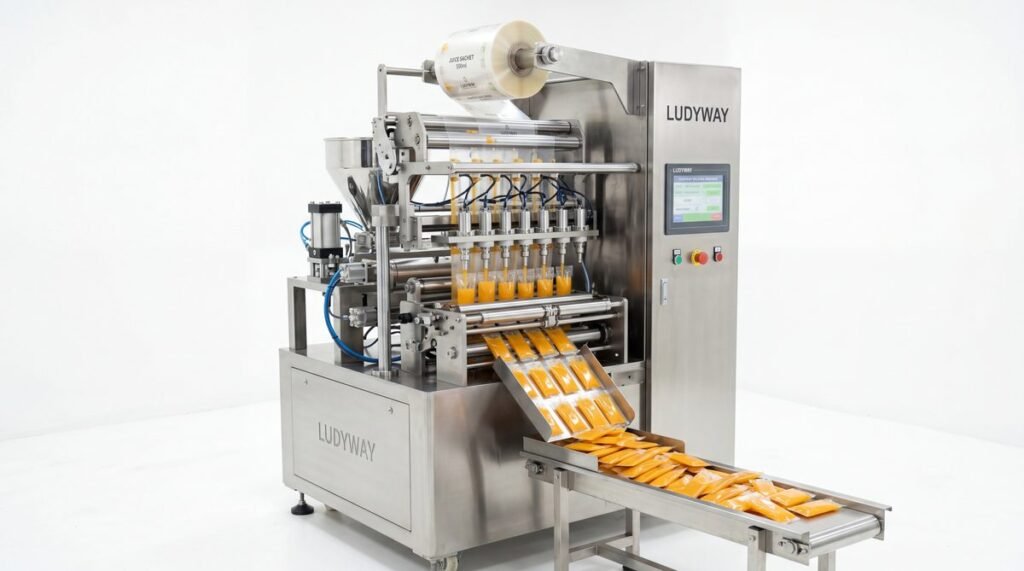
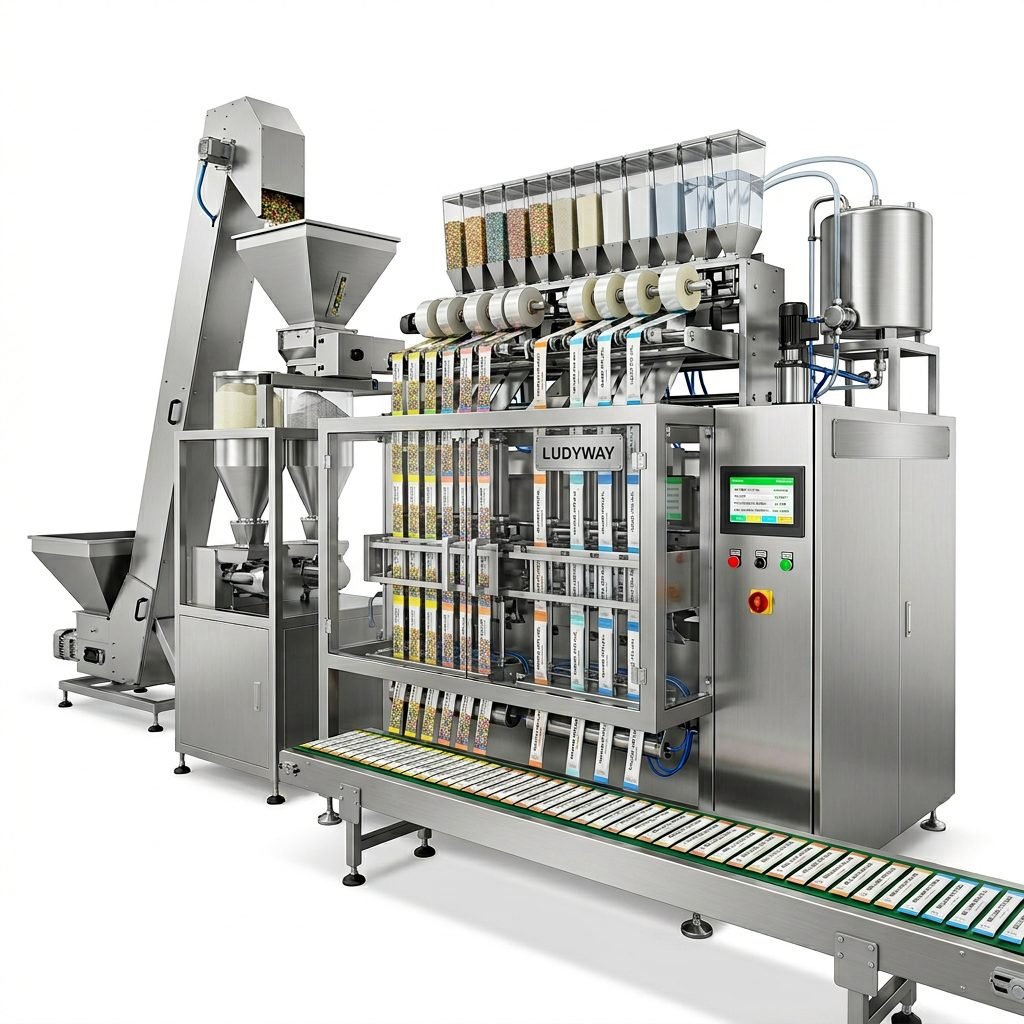
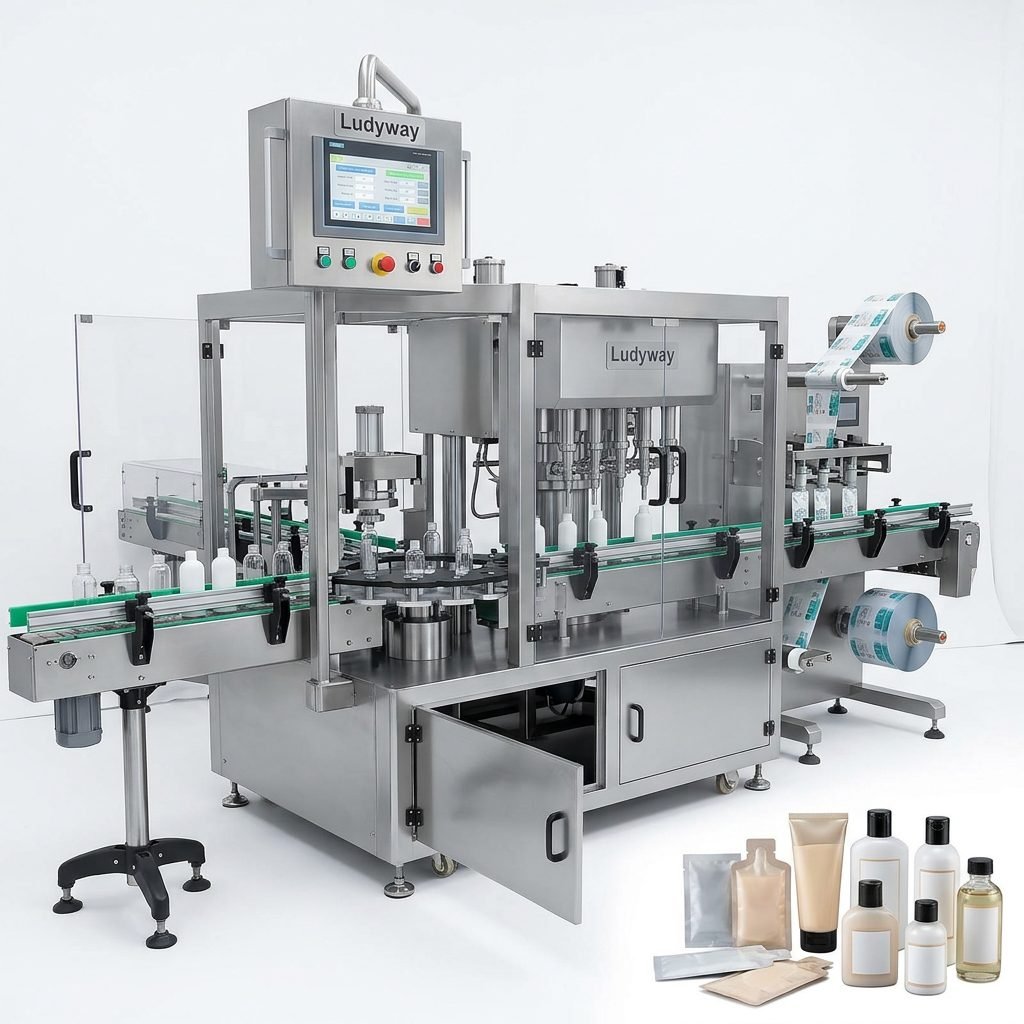
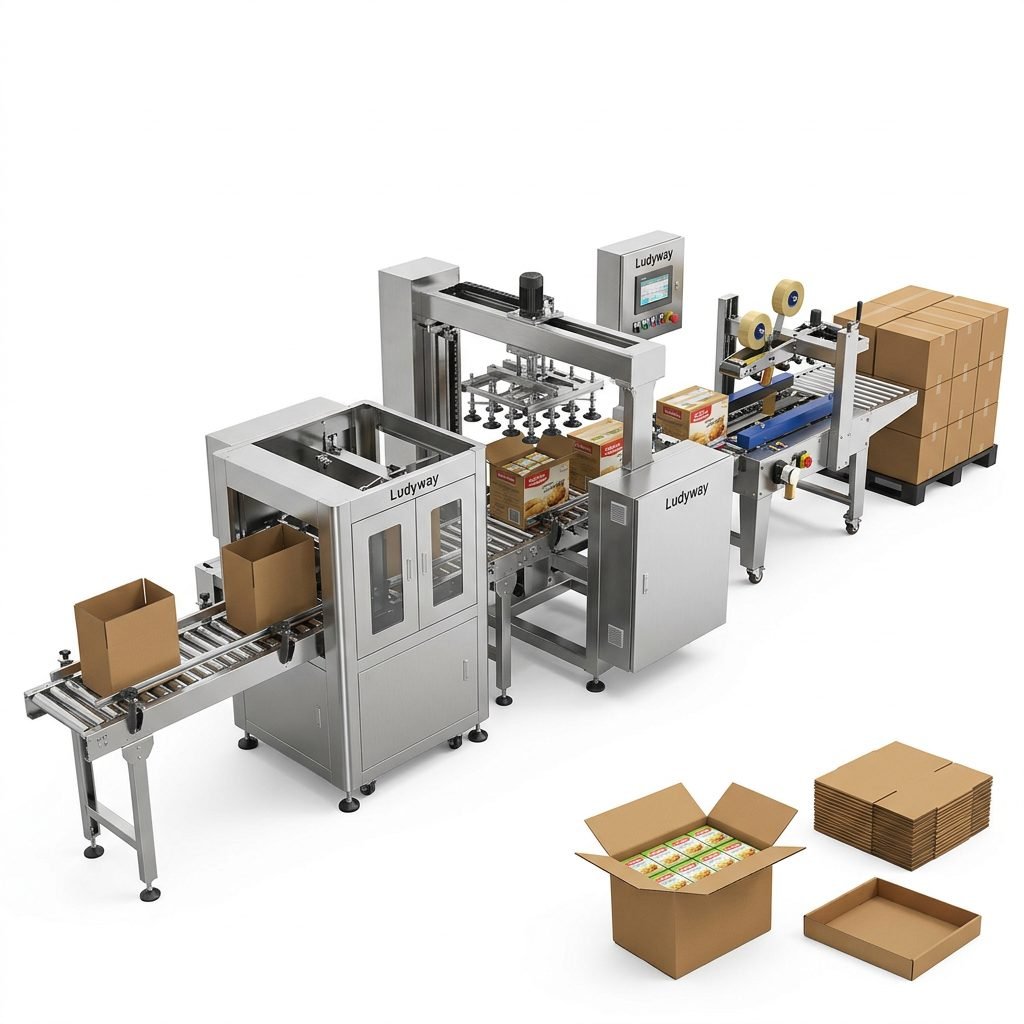
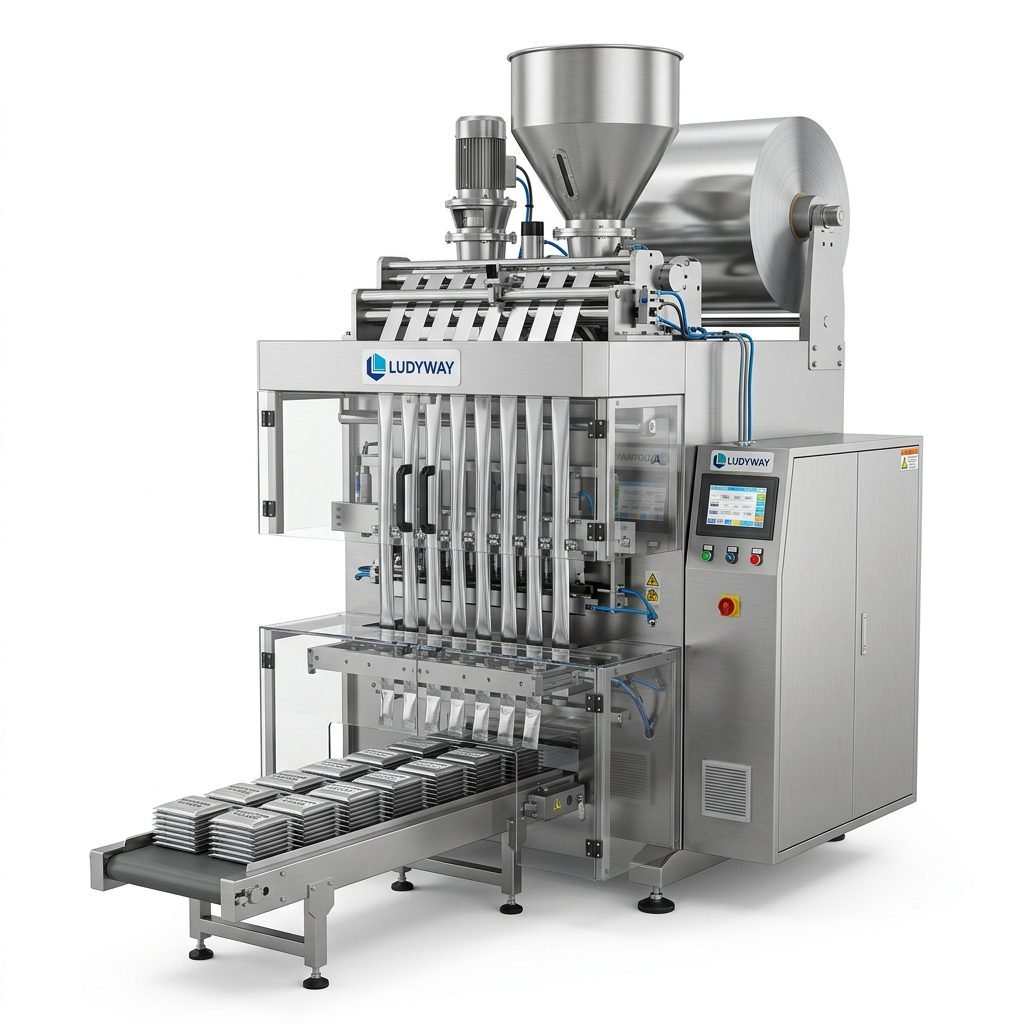
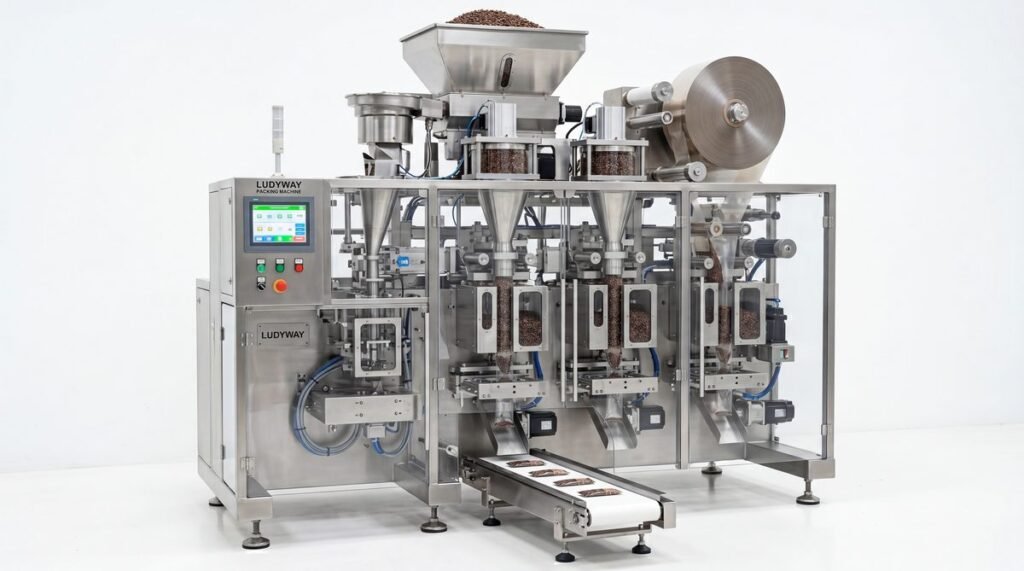
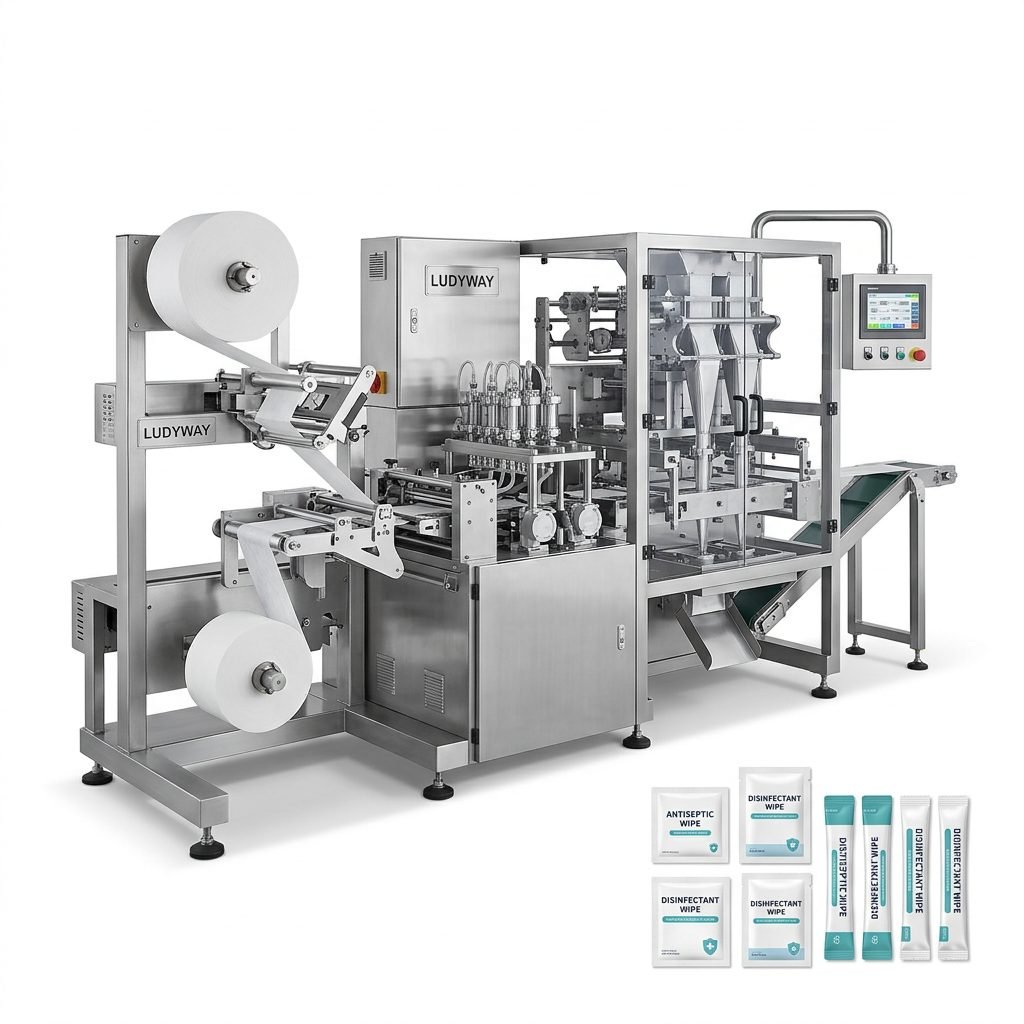
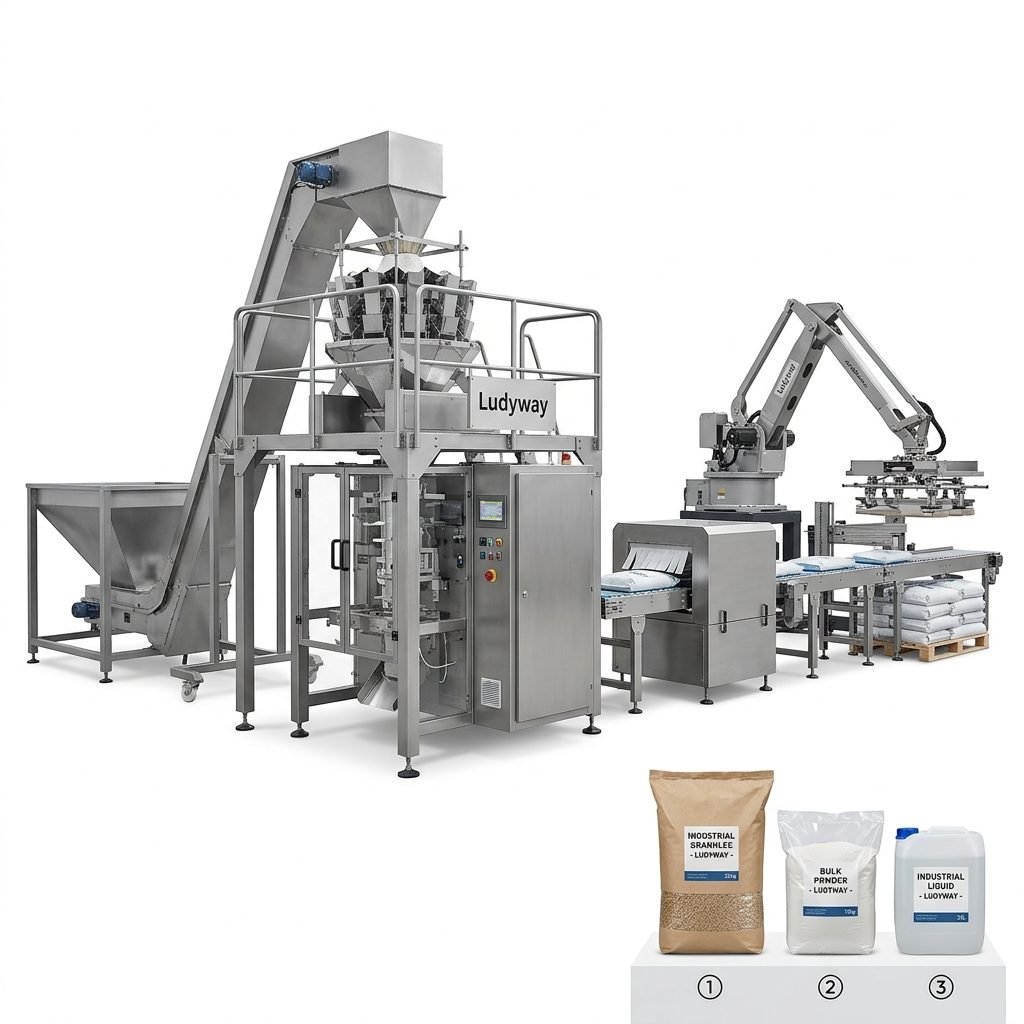
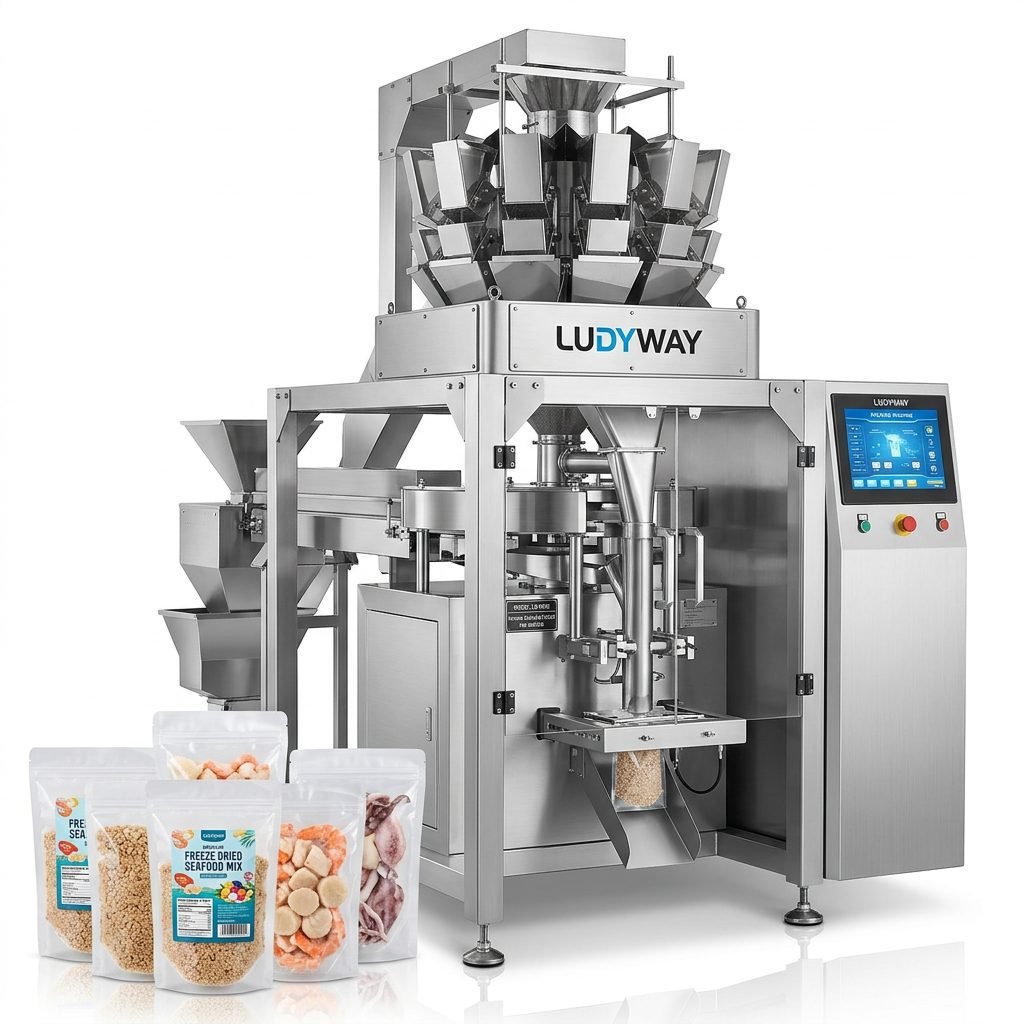
Advancements in compact vacuum sealing are heavily influenced by industrial packaging equipment manufacturers. Companies such as Ludyway, a globally recognized packaging machine producer with over 30 years of experience, develop high-performance systems for food, pharmaceutical, and health industries that inform reliability standards across all categories. Their expertise in precision sealing and durable component engineering underscores what even home users should look for: consistent heat distribution, robust pump integrity, and intelligent moisture handling.
Common Mistakes to Avoid
Even the best machine cannot compensate for user error. Steer clear of these pitfalls:
- Overfilling bags: Leave at least 3 inches of headspace above the contents for the clamp to engage properly.
- Sealing sharp items unprotected: Bones, pasta edges, and shells puncture bags. Wrap them in a paper towel or use a protective buffer layer.
- Ignoring cool-down cycles: Overheating the seal bar during marathon batch sealing degrades seal integrity. Respect the duty cycle.
- Using wrong bag types: External sealers require embossed or textured bags to allow air channels. Chamber sealers use smooth, non-textured pouches — using the wrong one in each machine results in zero vacuum.
Where to Buy and Warranty Support in the US
The most reliable purchasing channels include manufacturer-direct websites, major online retailers, and warehouse club chains that offer solid return policies. Always verify the warranty terms — leading brands provide 2 to 5 years of coverage. Extended service plans can be worthwhile for chamber models given their higher upfront cost.
Check if replacement parts such as gaskets, heat strips, and Teflon tapes are easily available in the US before committing. A machine without accessible consumable components becomes a disposable appliance, which defeats the purpose of long-term food preservation.
Frequently Asked Questions
- Can I vacuum seal liquids without a chamber machine? Yes, but carefully — use a pulse function and freeze liquids partially before sealing, or choose a high-end external sealer with a robust moisture mode.
- How long does vacuum sealed meat last in the freezer? Properly sealed frozen meat can maintain quality for 2 to 3 years, compared to 6 months for unsealed meat.
- Are all vacuum sealer bags interchangeable? No. External machines require channeled bags; chamber machines use smooth pouches. Using the incorrect bag will prevent air evacuation entirely.
- Is a chamber vacuum sealer worth the counter space? For frequent users who seal liquids, bulk purchases, or sous vide weekly, the bag cost savings and performance justify the footprint.
Final Recommendation
The best home vacuum packaging machine aligns with your cooking habits, storage volume, and the types of food you preserve. For most American families, a mid-range external sealer with pulse control and a wide seal bar hits the sweet spot. If you regularly batch-process garden harvests, game meat, or liquid-based meals, invest in a compact chamber vacuum unit — the operational savings and superior sealing quality quickly offset the initial price.
Start by assessing your freezer inventory and meal-prep frequency, then match those needs to the suction power, moisture handling, and bag compatibility described above. A well-chosen machine becomes an indispensable kitchen ally, reducing waste and locking in freshness for months on end.