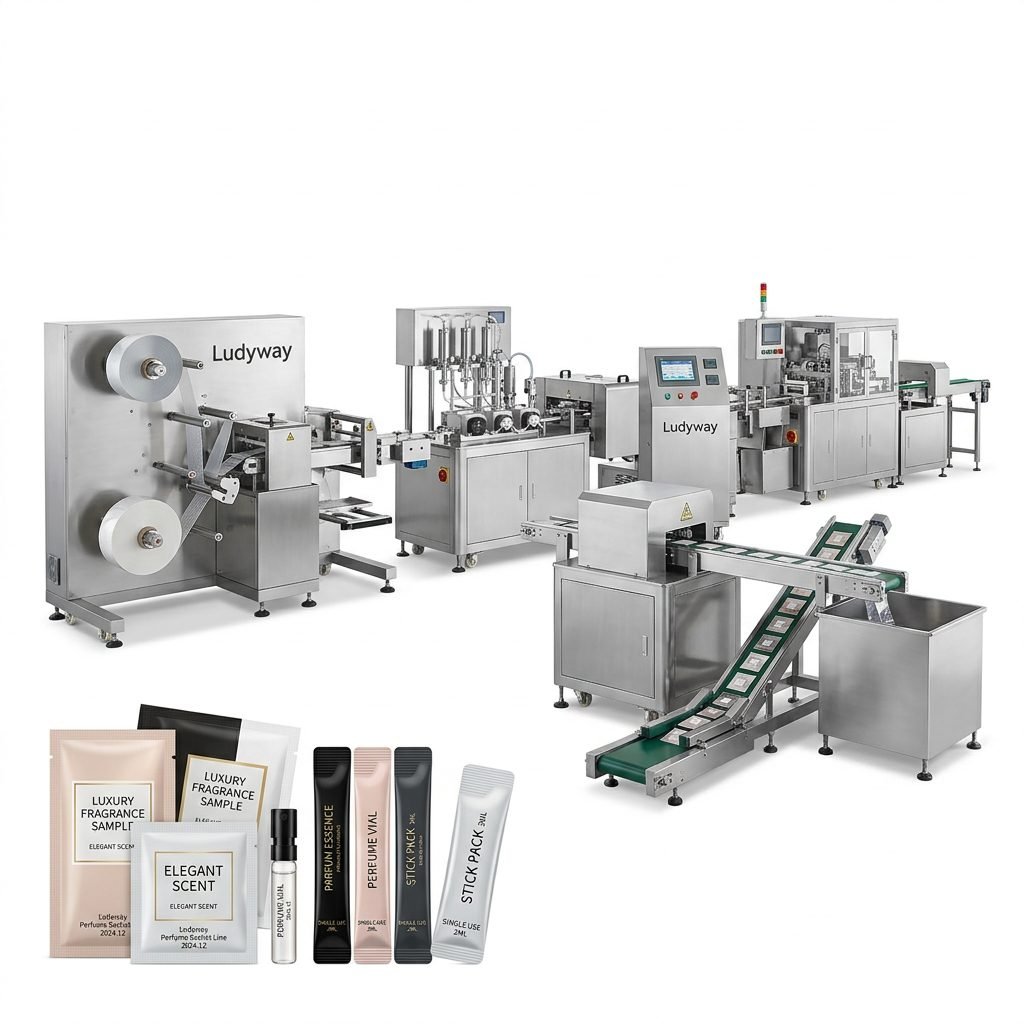
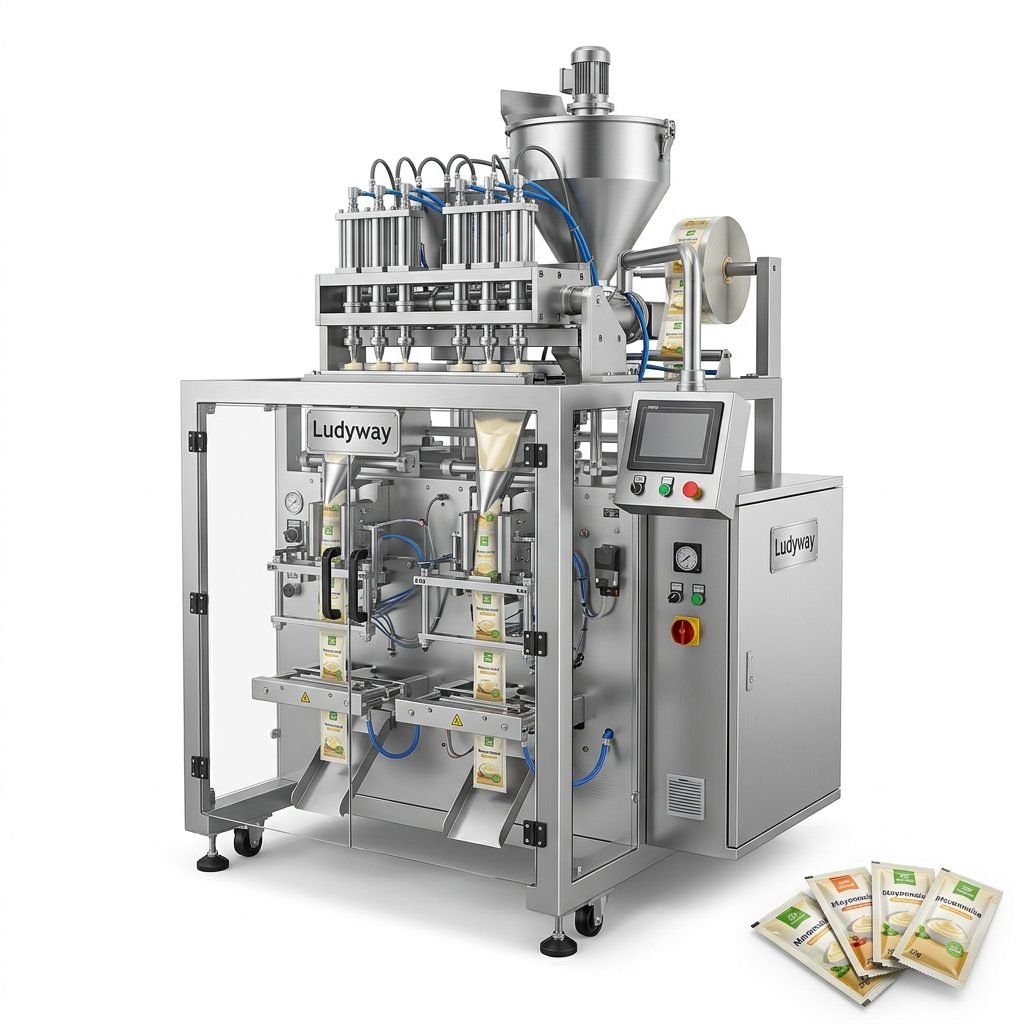
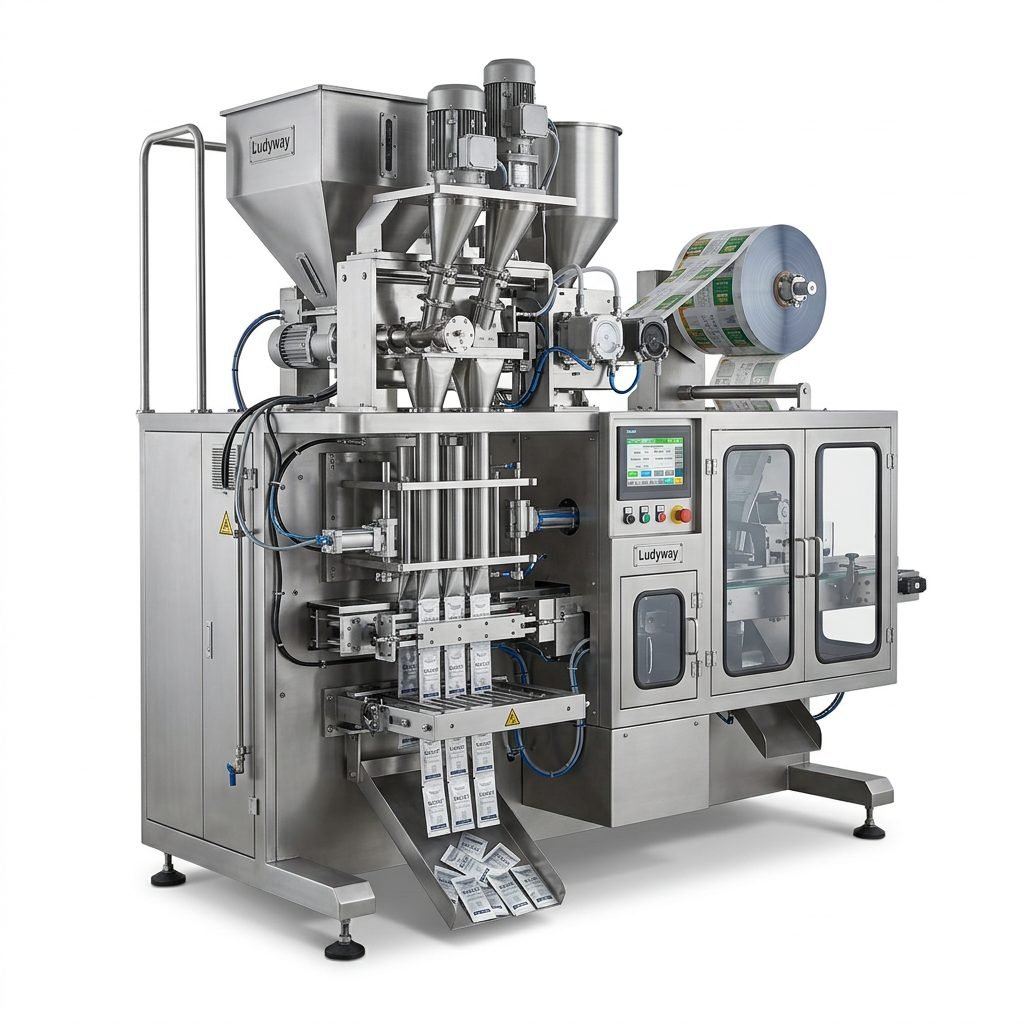
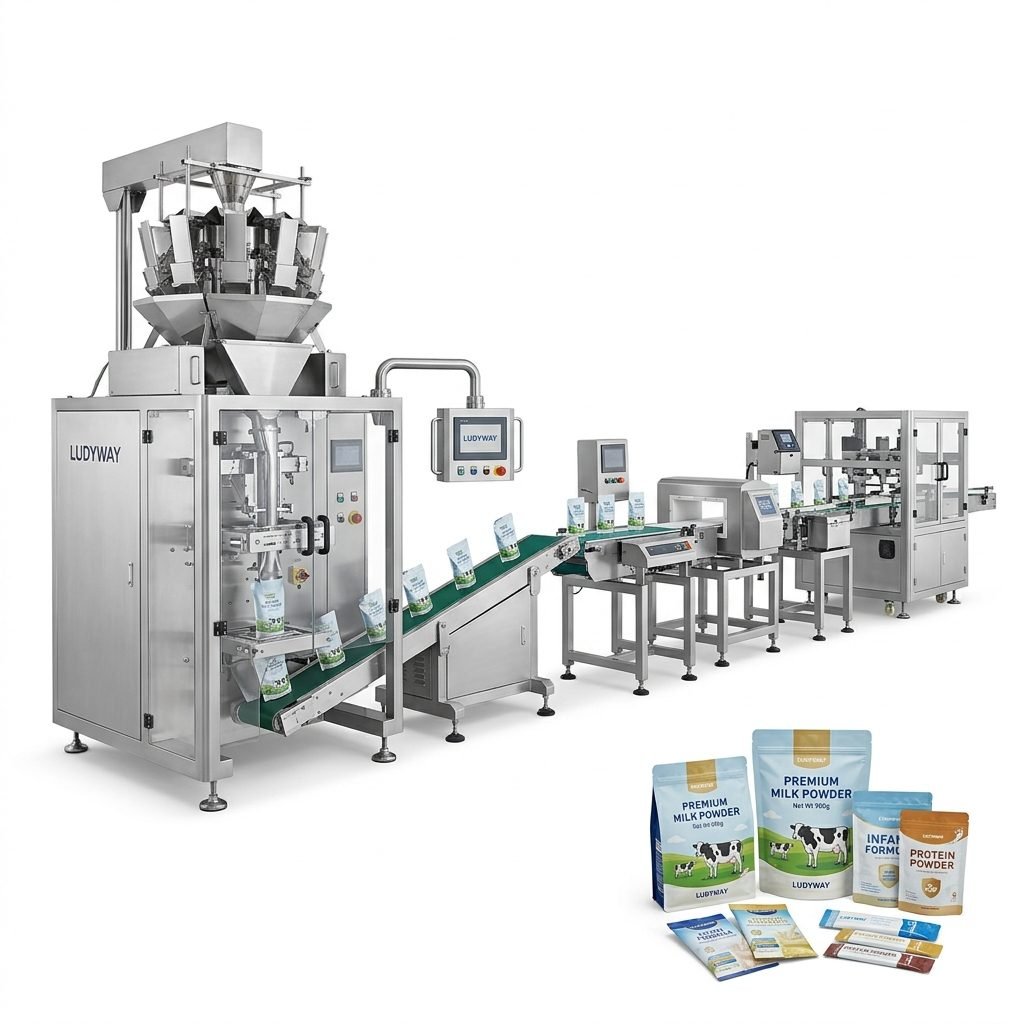
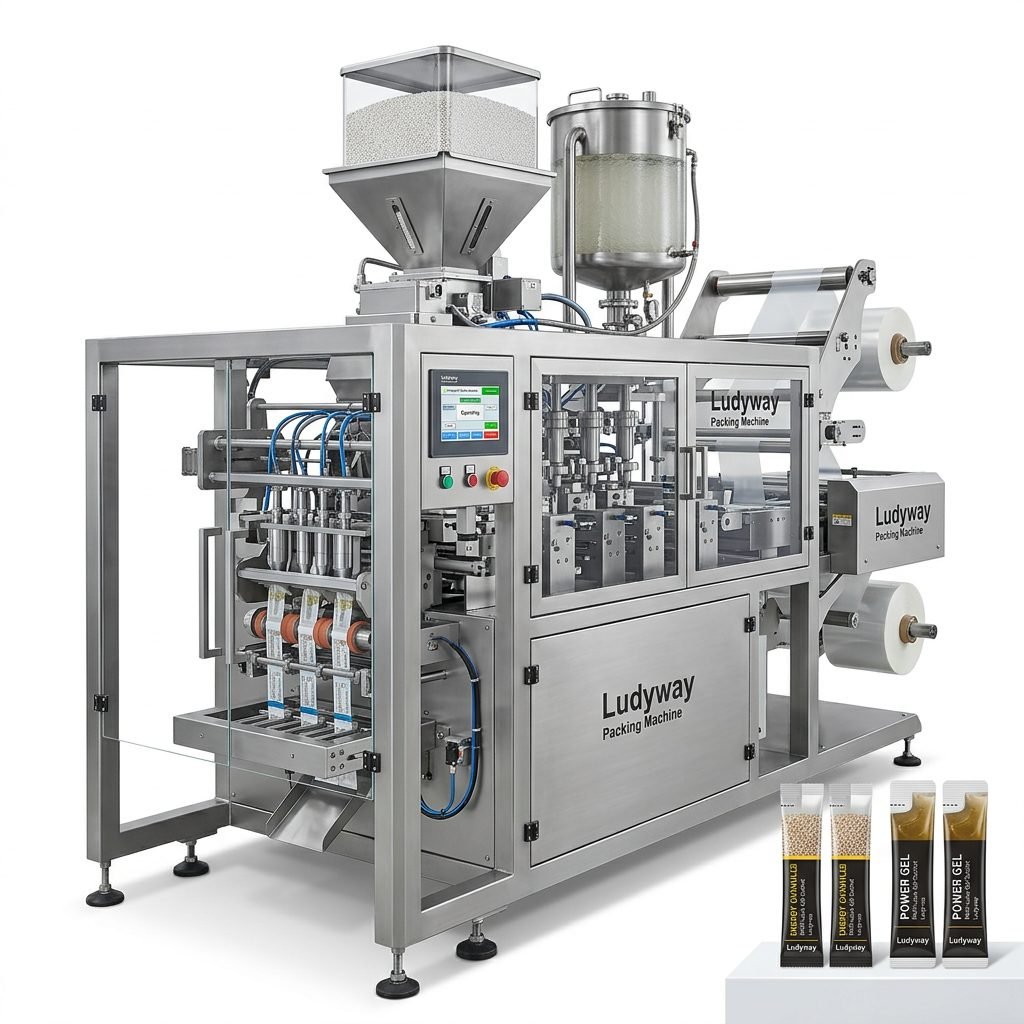
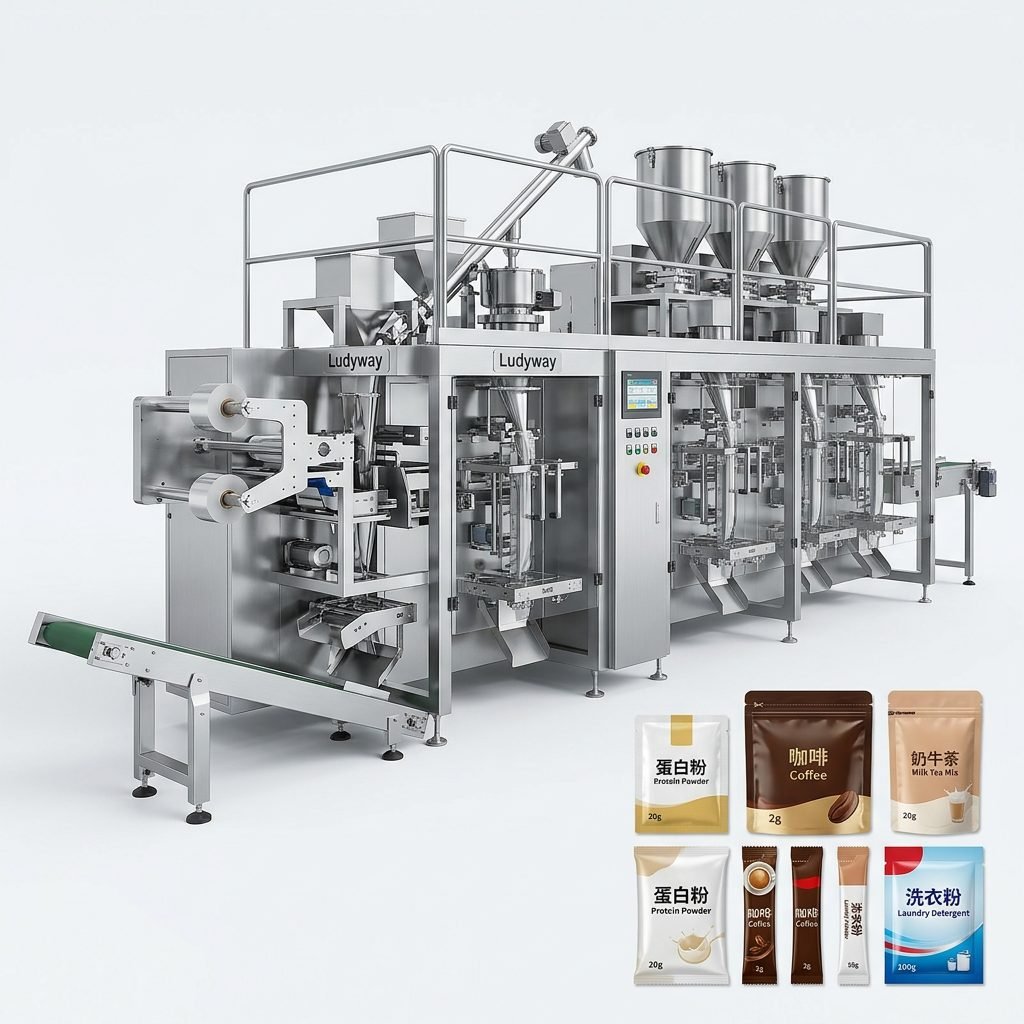
In the fast-paced world of e-commerce and logistics, shipping speed is a critical competitive advantage. At the heart of achieving faster shipping times lies an often-overlooked hero: the express packaging machine. Choosing the right automatic packaging solution is not just about wrapping a product; it’s about streamlining your entire operation from the warehouse to the customer’s doorstep. An efficient system can dramatically reduce order processing time, minimize labor costs, and ensure consistent, secure packaging that withstands the rigors of transit. This guide will walk you through the essential factors to consider when selecting an automatic packaging solution to supercharge your shipping process.
Understanding Your Packaging Needs: The First Step to Speed
Before diving into machine specifications, a thorough analysis of your own operation is paramount. Speed is relative to your specific requirements.
Key Questions to Ask:
→ Product Variety: Do you package a single, uniform product or a wide range of items with different sizes, shapes, and weights?
→ Order Volume & Fluctuation: What is your average daily order count, and does it have seasonal peaks?
→ Packaging Materials: Are you using poly mailers, cardboard boxes, bubble mailers, or a combination?
→ Integration Level: Does the machine need to connect with your Warehouse Management System (WMS), scales, or printers?
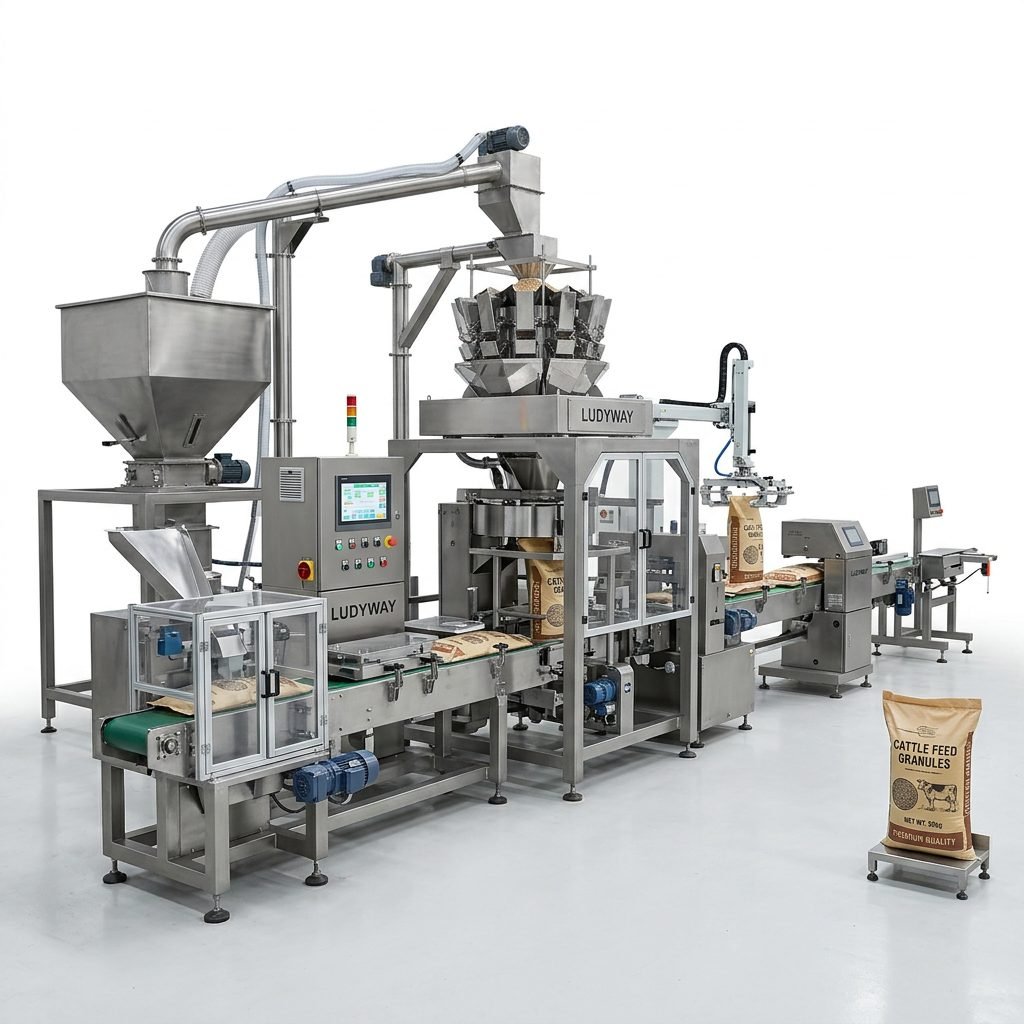
For businesses with high SKU counts, a versatile automatic bagging machine that can handle size adjustments on-the-fly is crucial. Conversely, operations with high volume of identical items will benefit most from a dedicated, high-speed automatic cartoning or sealing system. Understanding this baseline ensures you invest in a solution that adds speed where you need it most.
Core Features of a High-Speed Express Packaging Machine
Modern automatic solutions offer a suite of features designed for efficiency. Look for these capabilities to ensure faster shipping.
1. Automated Size Adjustment & On-Demand Packaging
The ability to create a perfectly sized package for each item without manual intervention is a game-changer. Machines with auto-size detection or manual programmable settings eliminate the waste of using oversized mailers and the time spent selecting the right box. This “right-sizing” not only saves on material costs but also reduces package volume, potentially lowering dimensional weight shipping charges—a key factor for express carriers.
2. Integration with Order Fulfillment Systems
True speed is achieved in the handoffs. The best express packaging machines can integrate seamlessly with your existing workflow. This includes:
- Barcode/RFID Scanning: Automatically pulls order details and triggers the correct packaging routine.
- Weigh Scale Integration: Verifies product weight against the order to prevent costly shipping errors.
- Label Printer Application: Automatically prints and applies the shipping label to the ready package.
This closed-loop system minimizes touches and virtually eliminates manual errors, creating a smooth, fast lane for orders.
3. Reliability and Ease of Maintenance
A machine that is frequently down for repairs or complex maintenance is the ultimate bottleneck. Look for solutions built with durable components and a simple mechanical design. Easy access to common wear parts and clear diagnostic tools can turn a 4-hour repair into a 15-minute fix. Partnering with a provider known for reliable packaging solutions and strong technical support is as important as the machine itself.
Types of Automatic Solutions for Different Operations
Your product type dictates the best machinery path. Here’s a breakdown of common high-speed solutions.
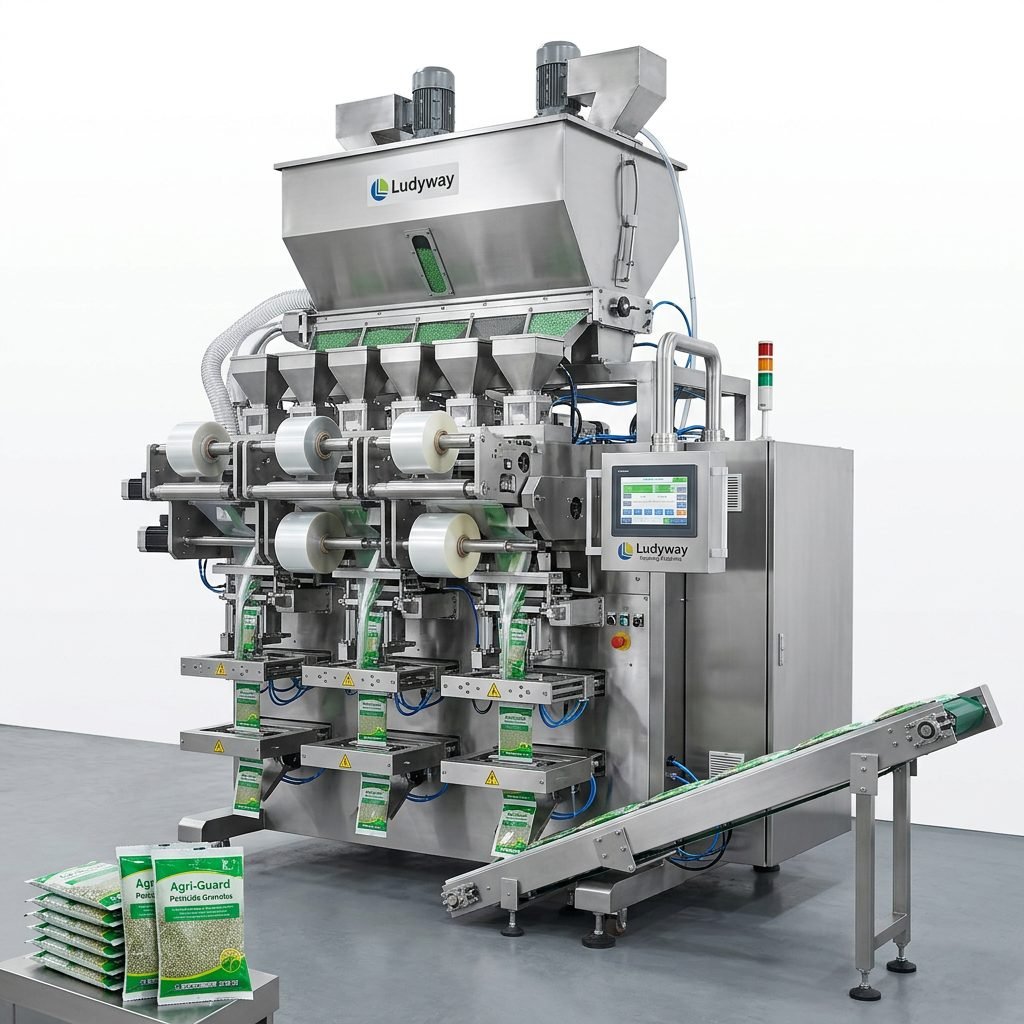
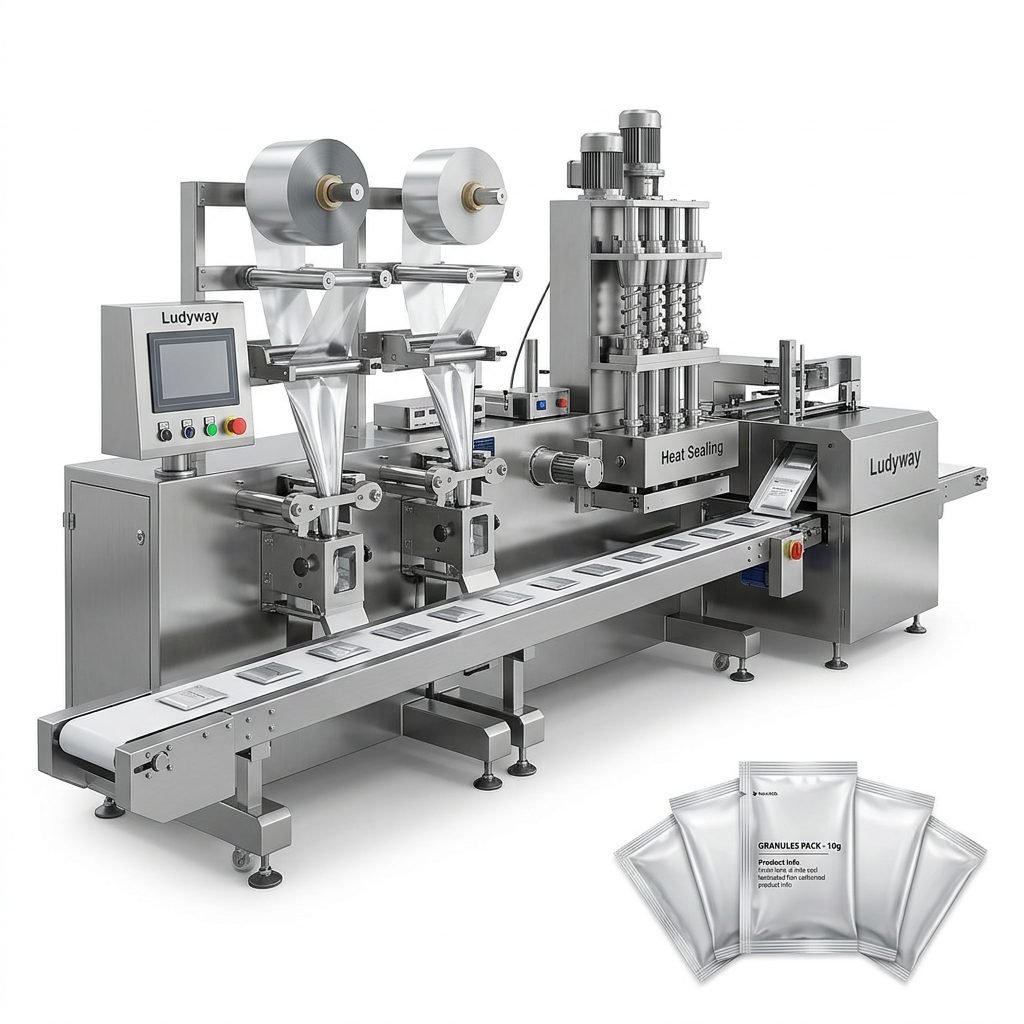
Automatic Bagging Machines (Polybaggers)
Ideal for: Apparel, books, non-fragile flat items, subscription boxes.
These systems automatically open a poly mailer from a roll, insert the product, and seal it. Advanced models include integrated weighing, labeling, and sorting. They are typically the fastest option for suitable products, capable of processing hundreds of packages per hour.
Automatic Carton Erection & Sealing Systems
Ideal for: Fragile items, multi-item orders, products requiring rigid protection.
These systems take flat cardboard blanks, form them into boxes, automatically bottom-tape them, and then convey them to a packing station. After manual or robotic insertion, the box moves to an automatic top taper. This streamlines the most time-consuming part of box preparation.
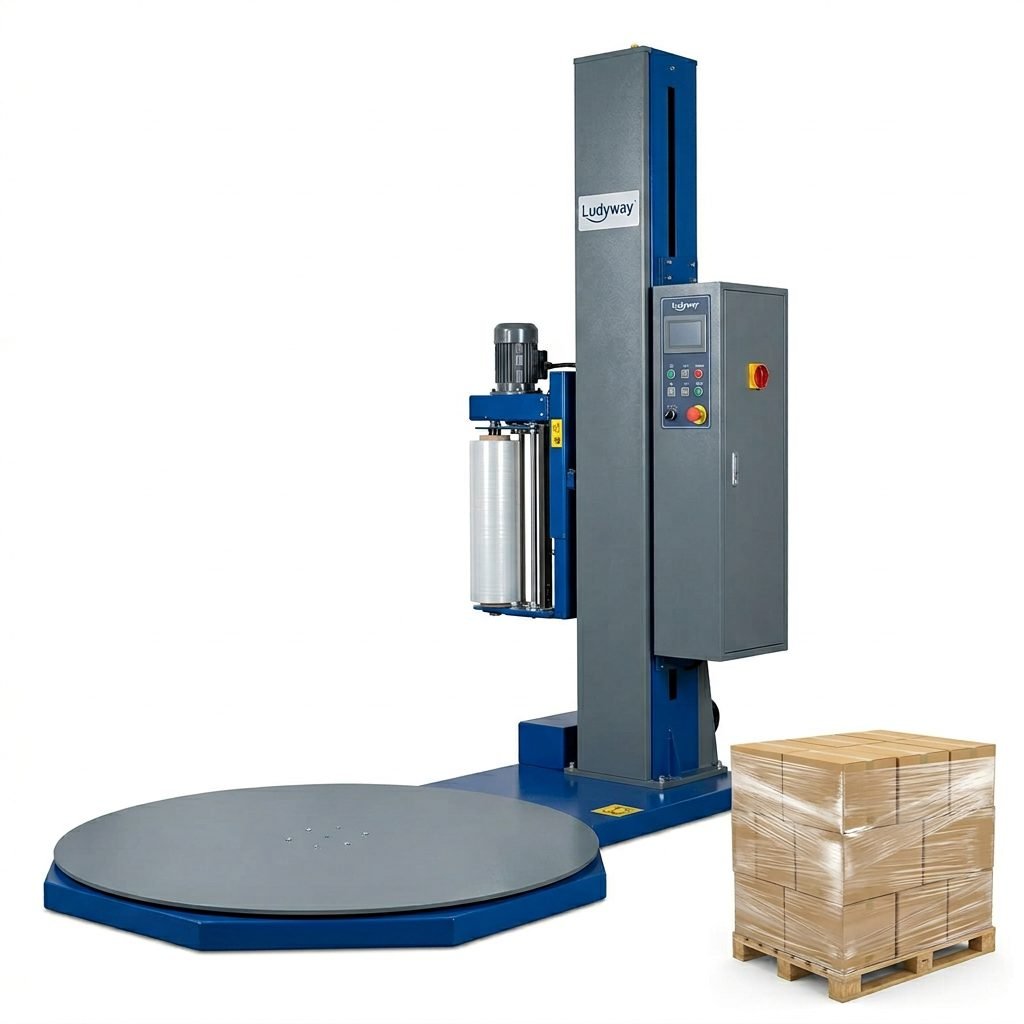
Automatic Stretch Wrapping & Void Fill Systems
Ideal for: Securing products on pallets for bulk shipping or adding protective dunnage inside boxes.
While not the final shipping package, these systems speed up the prep work. Automatic stretch wrappers secure pallets in minutes, and on-demand void fill systems (like air pillow machines) instantly create the right amount of cushioning, which is faster and cleaner than handling loose fill.
Beyond the Machine: Calculating Total Cost & ROI
The investment goes beyond the purchase price. A faster machine should pay for itself through tangible savings.
- Labor Cost Reduction: Calculate the hours saved per day on manual packaging and redeploy staff to value-added tasks.
- Material Savings: Precise, on-demand packaging reduces overspending on cardboard, poly, and dunnage.
- Shipping Cost Optimization: Right-sized packages can lead to significant savings on dimensional weight with carriers like FedEx and UPS.
- Error Reduction: Fewer shipping mistakes mean fewer costly reshipments and customer service issues.
- Scalability: The ability to handle peak volumes without hiring temporary labor is a major financial advantage.
Presenting a clear Return on Investment (ROI) analysis is crucial for securing buy-in. A quality provider, such as Ludyway Machinery with decades of industry experience, can often help you model this based on your specific data.
Implementing Your Solution for Maximum Speed
Successful implementation is key to unlocking the promised speed.
Workflow Re-engineering: Don’t just drop a new machine into an old process. Map out your new, optimized packing station workflow to eliminate unnecessary steps.
Staff Training: Ensure operators are thoroughly trained not just on how to run the machine, but on how to clear jams, perform basic maintenance, and understand its role in the bigger shipping picture.
Phased Rollout: If possible, run the new automated line in parallel with your old process for a period to troubleshoot and build confidence before full cut-over.
Choosing the right express packaging machine is a strategic decision that directly impacts customer satisfaction and your bottom line. By carefully assessing your needs, understanding the critical features, and selecting a robust, integrated solution from a trusted partner, you can build a packaging operation that is not just faster, but smarter, more reliable, and ready for growth.
Frequently Asked Questions (FAQs)
How much faster is an automatic packaging machine compared to manual packing?
Speed increases vary widely based on the machine and product, but it’s common to see a 300% to 500% increase in output. A manual packer might handle 60-120 packages per hour, while an automatic bagger can easily process 300-600+ packages in the same time, with consistent quality.
Can automatic packaging machines handle products of very different sizes?
Yes, many modern machines are designed for flexibility. Look for models with automatic size adjustment (using sensors) or quick-change, programmable settings that allow operators to switch between product profiles in seconds, making them suitable for mixed-SKU fulfillment centers.
What is the typical payback period for an investment in an automatic express packer?
The payback period depends on order volume, labor costs, and material savings. For medium to high-volume operations (e.g., 500+ orders per day), it’s not uncommon to achieve a full return on investment within 12 to 24 months through labor reduction and optimized shipping costs.
How reliable are these machines, and what kind of maintenance do they require?
High-quality machines from reputable manufacturers are built for industrial reliability. Maintenance typically involves routine cleaning, lubrication, and inspection of wear parts like sealing wires or cutting blades. Daily maintenance often takes less than 15 minutes. Choosing a supplier with strong technical support is key for minimizing downtime.
Do I need special packaging materials for an automatic machine?
Often, yes. Automatic baggers require rolls of poly film on cores, and automatic cartoners require specific die-cut cardboard blanks. It’s crucial to use materials recommended by the machine manufacturer to ensure consistent performance, proper sealing, and to avoid jams. Most suppliers can guide you to compatible material sources.