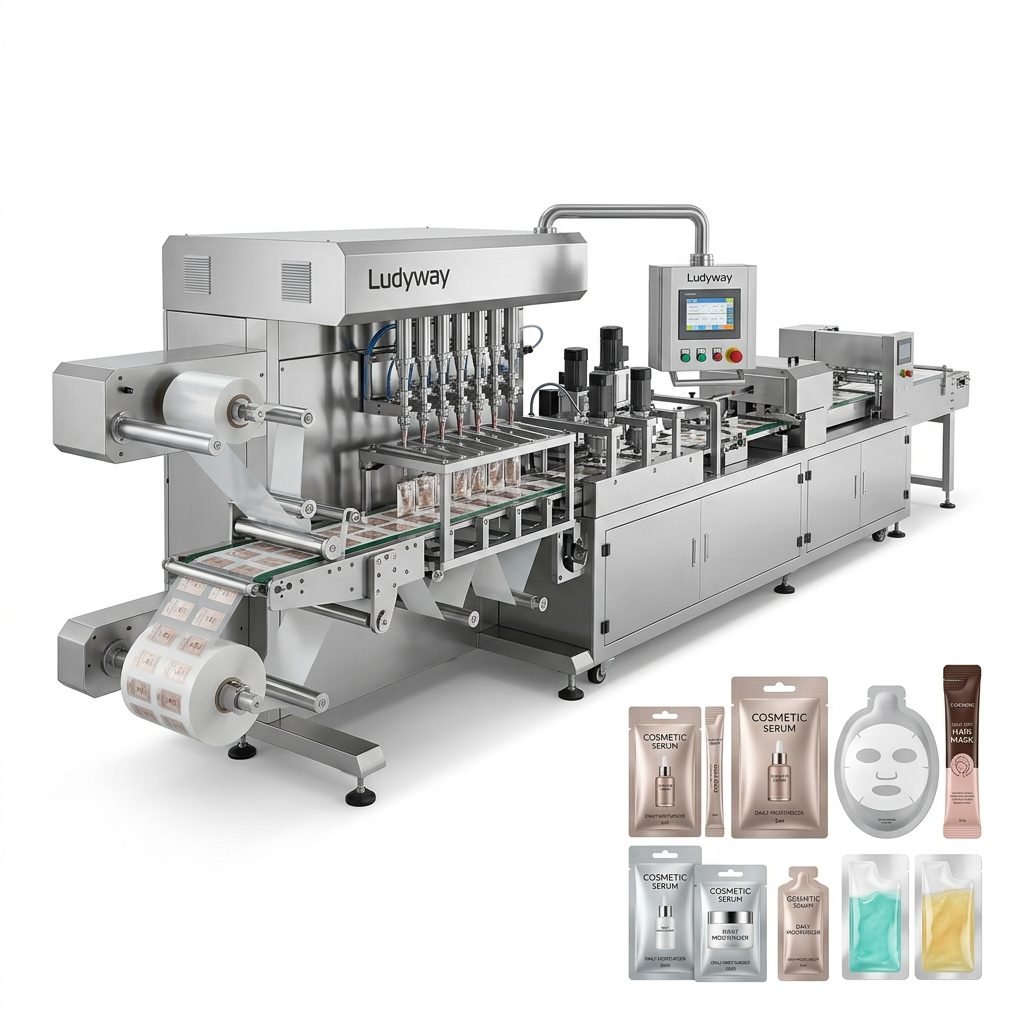
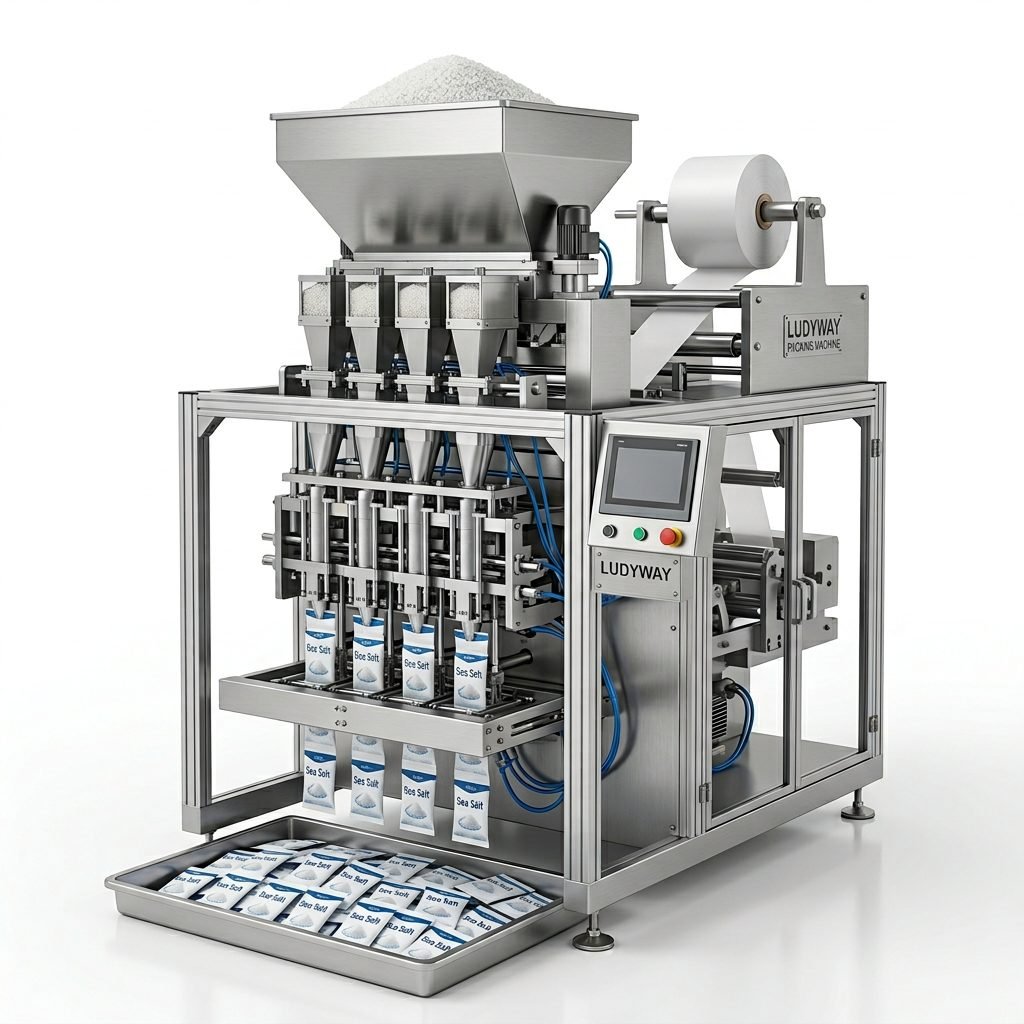
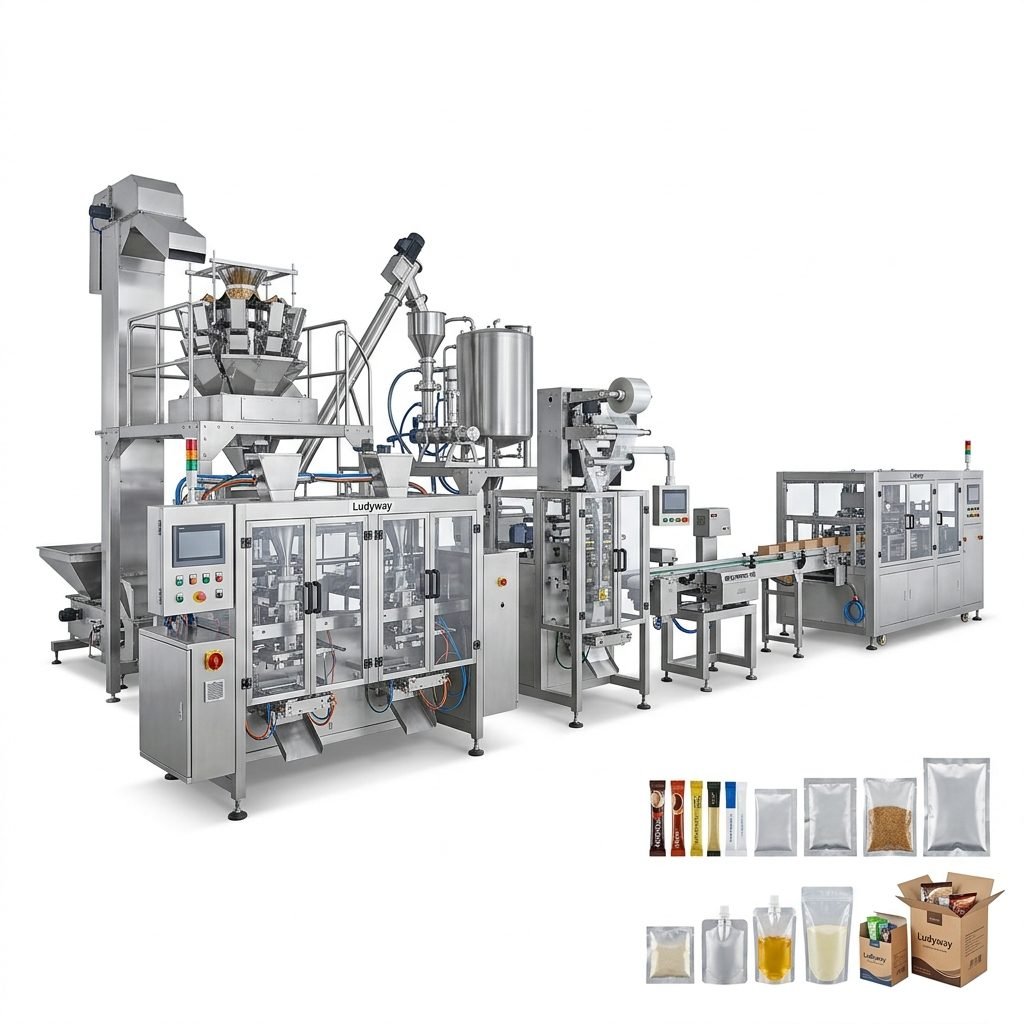
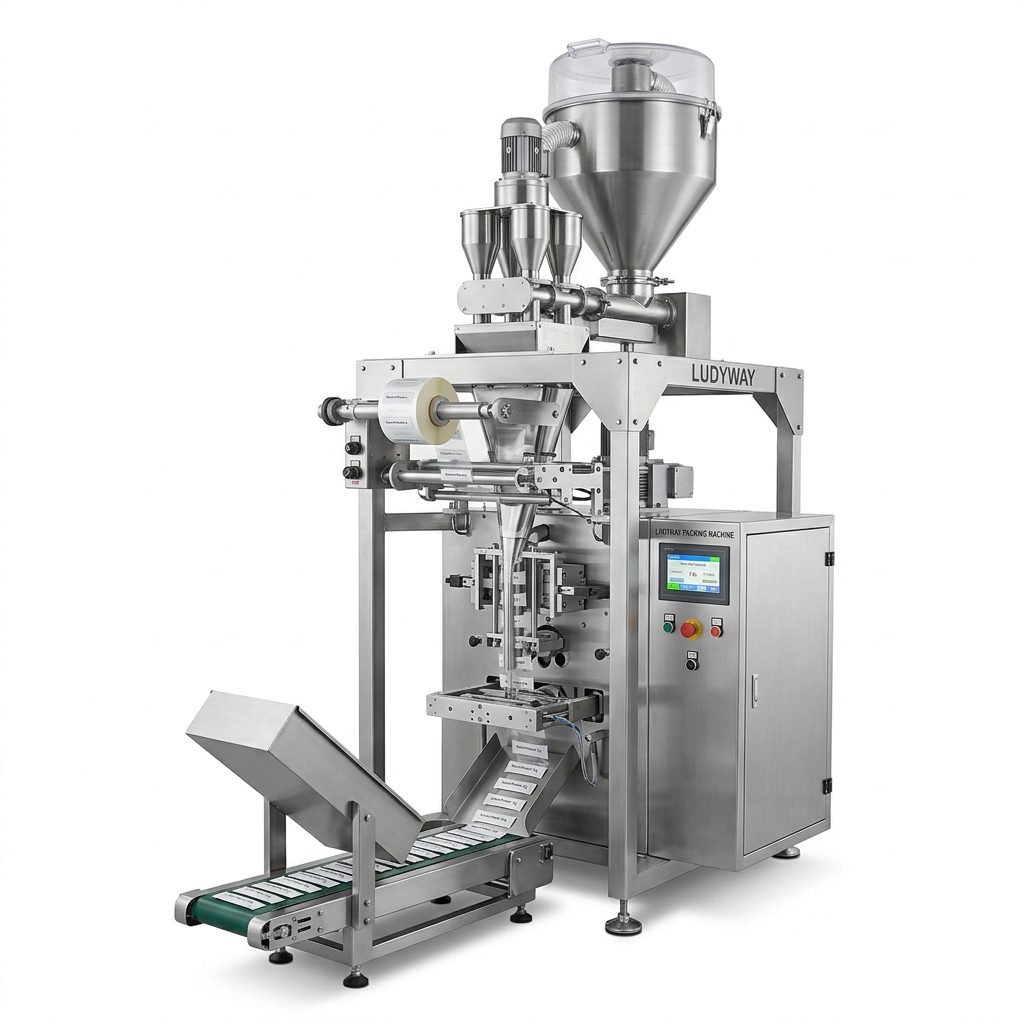
Selecting the right ketchup packaging machine is a critical decision for any food production business. The right equipment ensures product integrity, maximizes production efficiency, and helps maintain brand consistency. This guide will walk you through the different types of ketchup packaging machines, their key features, and the essential factors to consider when making your choice.
Understanding Ketchup Packaging Requirements
Ketchup, with its viscous and sometimes particulate nature, presents unique packaging challenges. It requires machinery that can handle a thick, non-Newtonian fluid without clogging, ensure precise fill volumes to control costs, and provide a hygienic, airtight seal to preserve freshness and prevent leakage. The packaging format—whether sachets for food service, stick packs for on-the-go convenience, or bottles for retail—also dictates the type of machine needed.
Key Packaging Challenges for Ketchup:
- Viscosity Management: Machines must pump and meter the product consistently without separation or air inclusion.
- Precision Filling: Accurate fills are crucial for portion control and minimizing product giveaway.
- Hygiene & Cleanability: Equipment should have a sanitary design with easy-clean surfaces to meet food safety standards.
- Seal Integrity: A strong, leak-proof seal is essential, especially for flexible pouches and stick packs.
Main Types of Ketchup Packaging Machines
The market offers several types of machinery, each suited to different production scales and packaging formats.
1. Vertical Form-Fill-Seal (VFFS) Machines
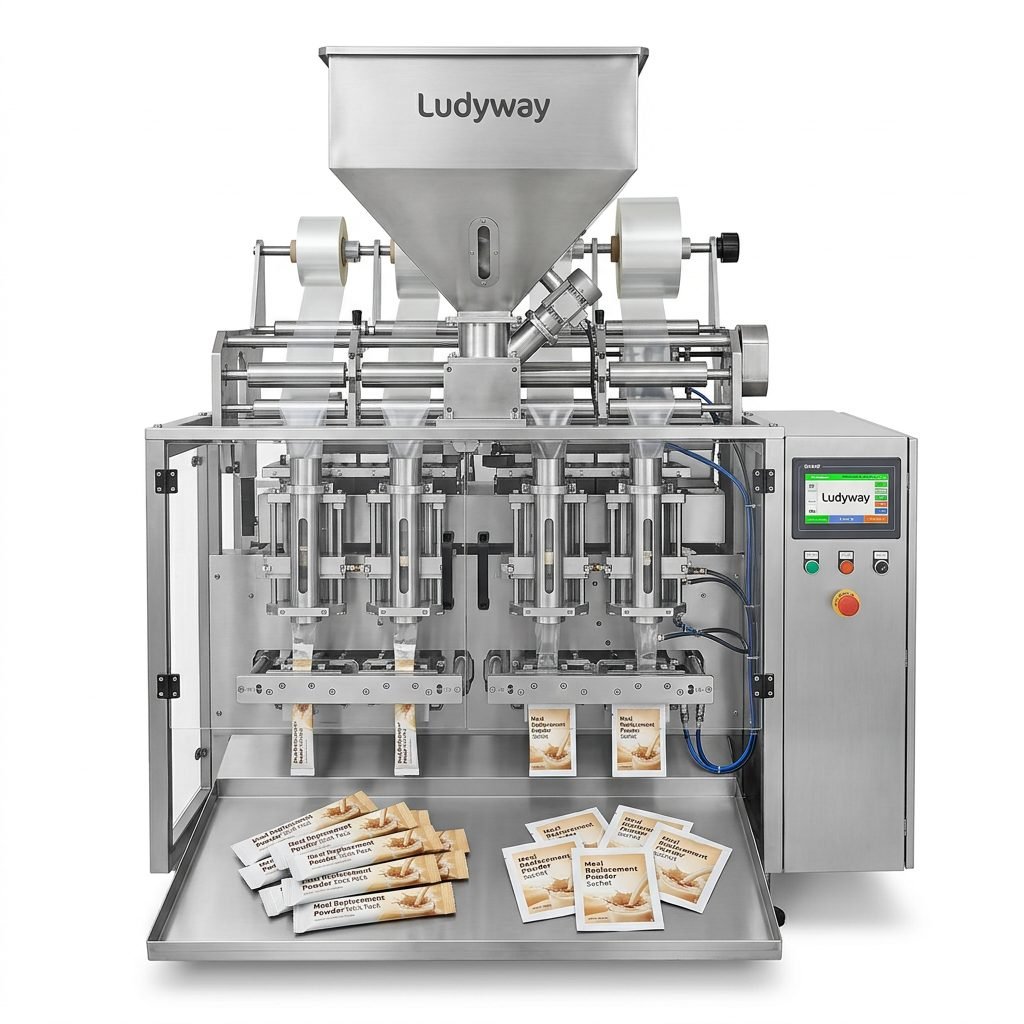
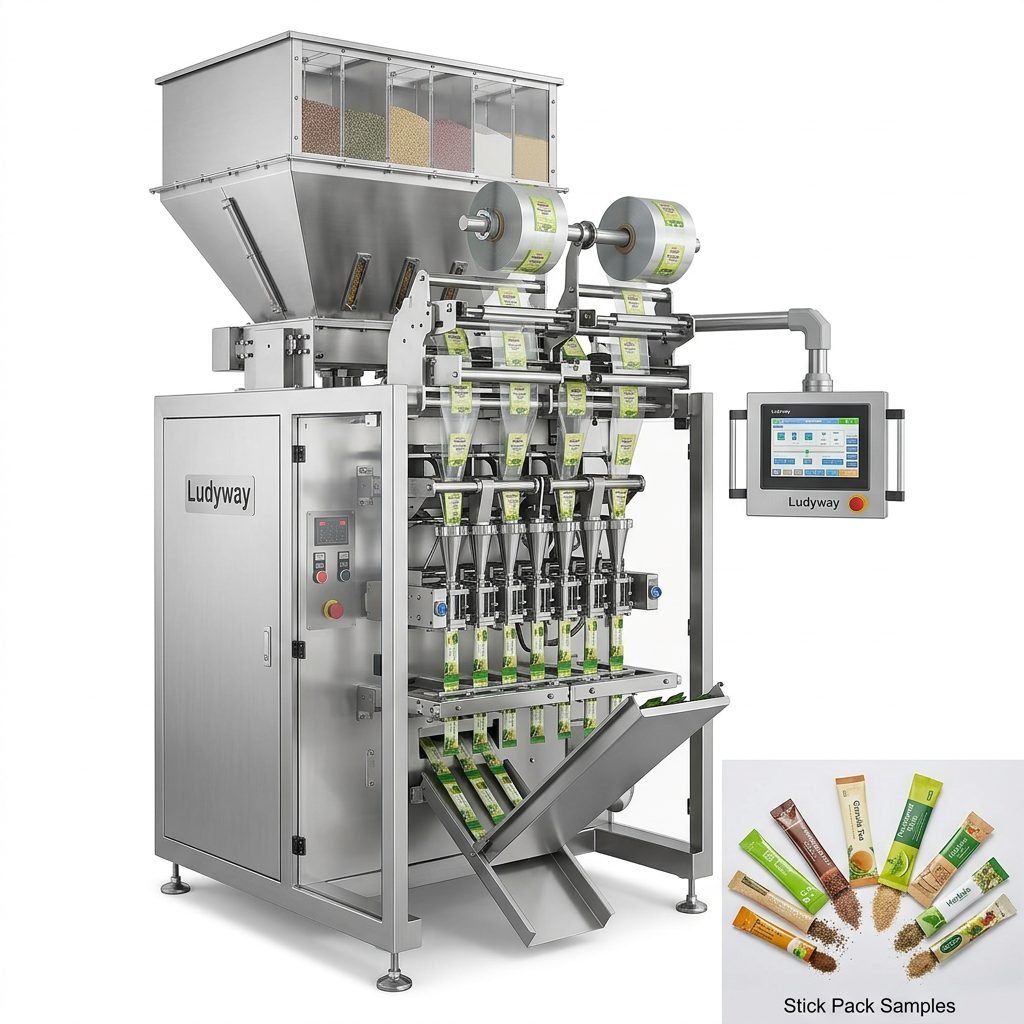
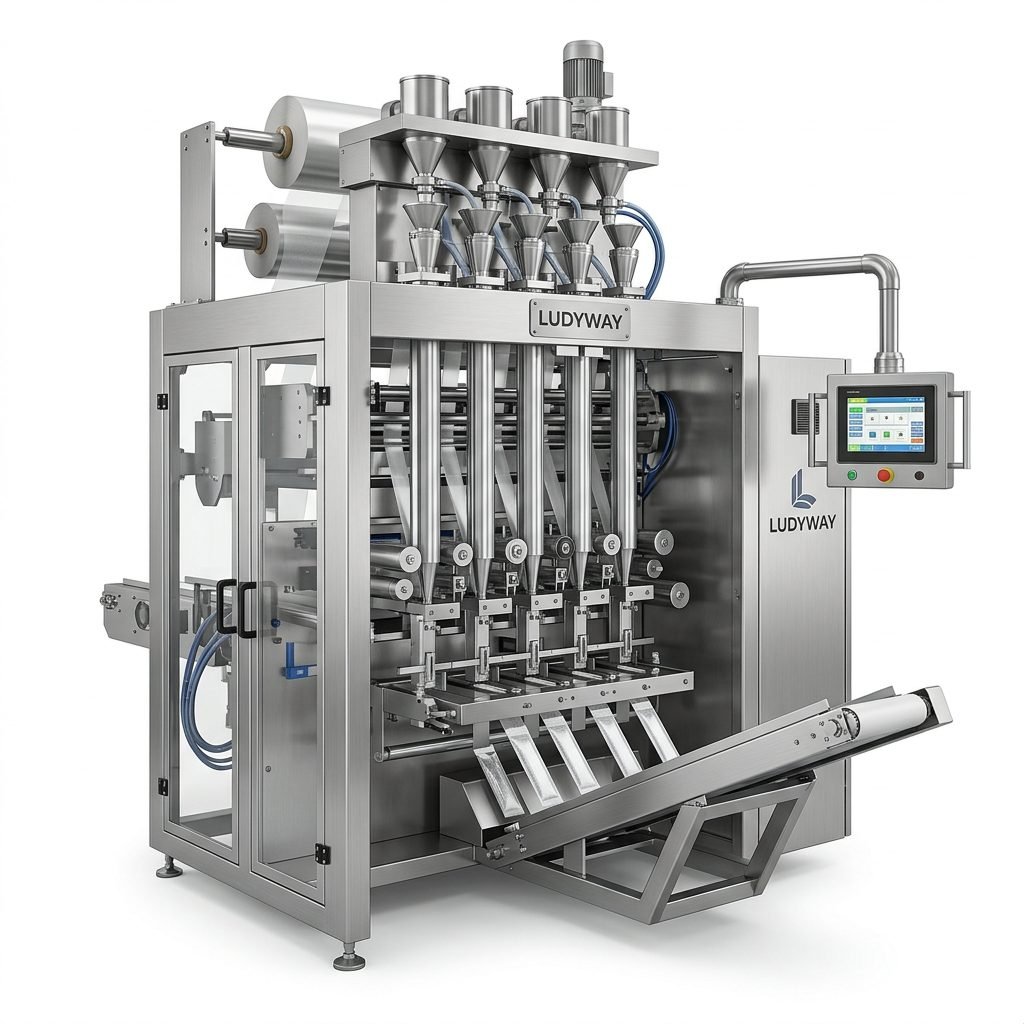
These are the most common machines for producing individual ketchup sachets and stick packs. They form the packaging from a roll of film, fill it with a pre-set volume of ketchup, and then seal it. Modern VFFS machines are highly automated and perfect for high-speed production of single-serve portions.
✔ Primary Use: High-volume production of small flexible pouches (sachets, stick packs).
2. Piston Filling Machines
Ideal for filling bottles, jars, and larger pouches, piston fillers use a cylinder and piston mechanism to draw and dispense a highly accurate volume of product. They excel at handling viscous products like ketchup without dripping or foaming.
✔ Primary Use: Filling rigid containers (glass/plastic bottles, tubs) with precise volumes.
3. Auger Filling Machines
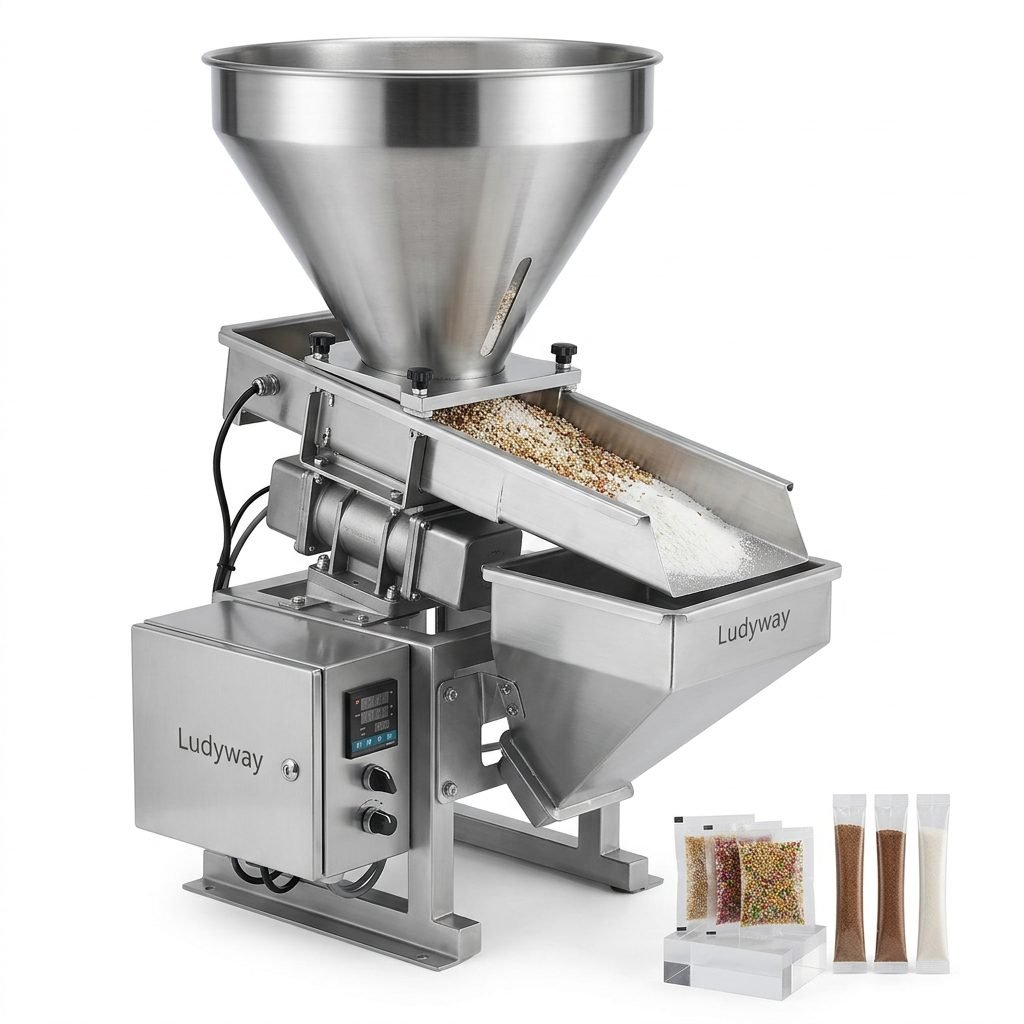
While more common for powders and granules, auger fillers can be used for thicker pastes. They use a rotating screw within a tube to dispense product. For ketchup, they require specific auger designs to handle viscosity without shearing the product.
✔ Primary Use: Best for semi-viscous products or applications where precise weight filling is required.
4. Complete Sachet Packaging Lines
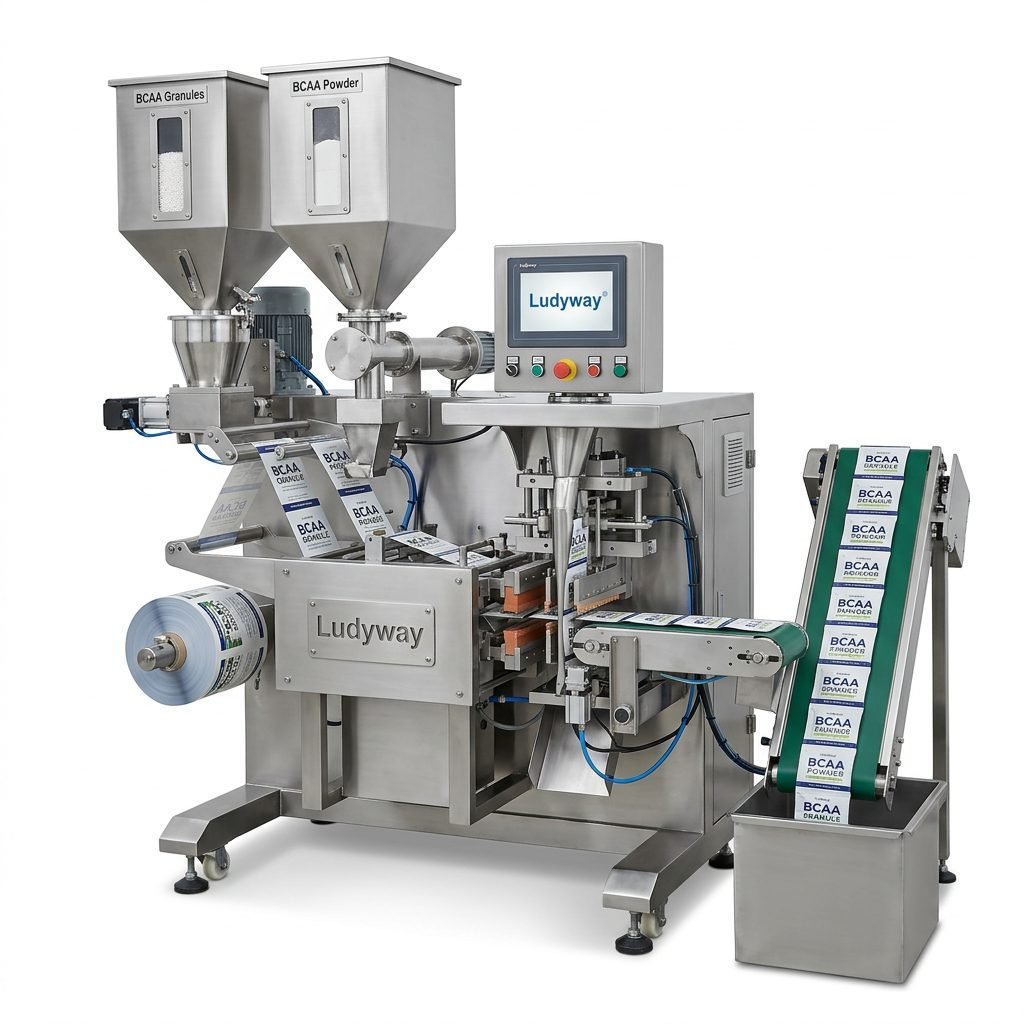
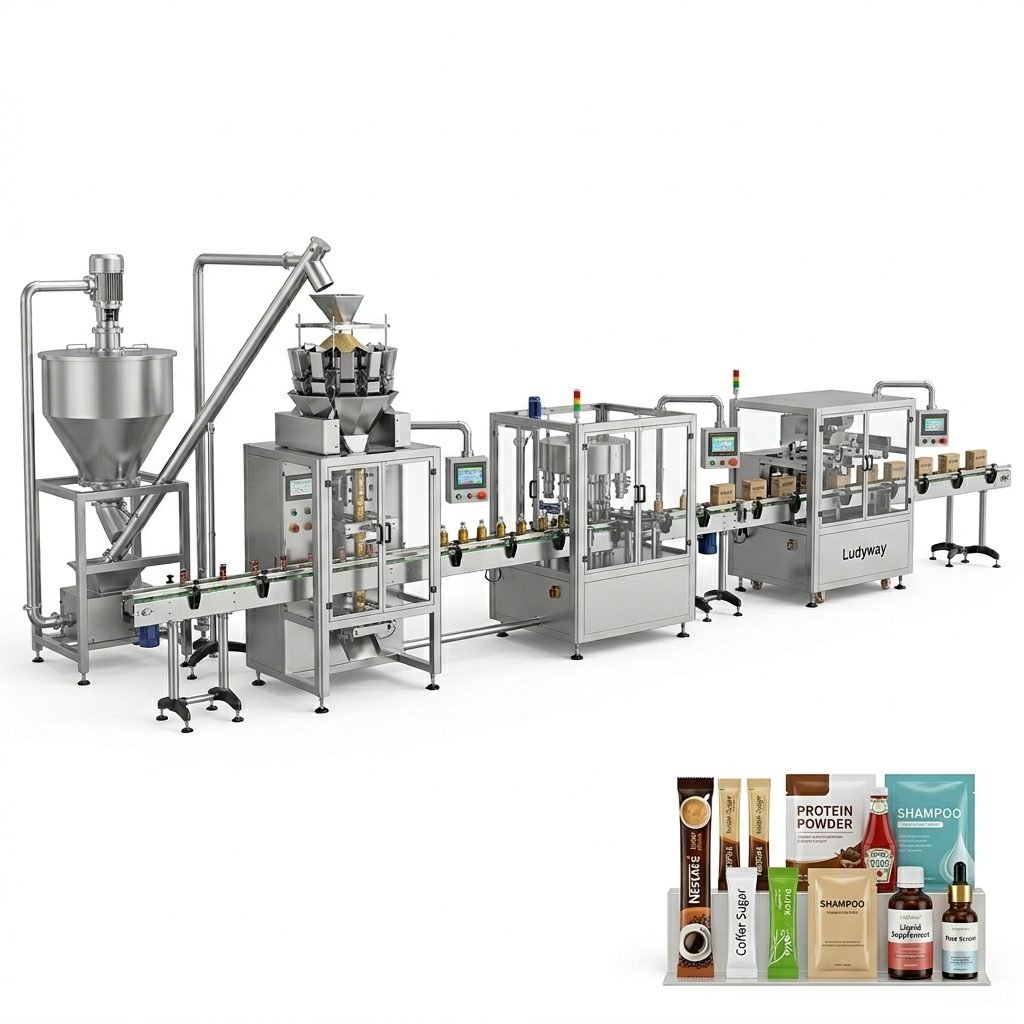
Beyond a single machine, a complete line integrates a VFFS machine with upstream and downstream equipment like pumps, conveyors, cartoners, and case packers. This creates a fully automated system for end-to-end packaging. Companies like Ludyway Machinery specialize in providing such turnkey packaging solutions, ensuring all components work seamlessly together.
Essential Features to Look For
When evaluating machines, focus on these critical features that impact performance and longevity.
Core Performance Features
- Material of Construction: Food-grade stainless steel (e.g., SS304 or SS316) for all product contact parts is non-negotiable for hygiene and corrosion resistance.
- Filling Accuracy & Speed: Look for machines with servo-driven systems for unparalleled precision and adjustable speed to match your output targets.
- Pump & Valve System: The pumping system must be designed for viscous products. Rotary piston pumps or specialized positive displacement pumps are often used for ketchup.
- Sealing System: A robust, temperature-controlled sealing jaw is vital for creating consistent, strong seals on various laminate films.
- Control System: A user-friendly PLC-based touchscreen interface allows for easy recipe changes, operation monitoring, and troubleshooting.
Hygiene and Maintenance Features
Ease of cleaning directly affects your downtime and food safety compliance.
✔ CIP/SIP Capability: Some advanced machines offer Clean-in-Place or Sterilize-in-Place functions.
✔ Quick-Change Parts: Look for tool-less disassembly of fill heads, nozzles, and sealing jaws for faster changeovers and cleaning.
✔ Drip-Free Nozzles: Anti-drip nozzles prevent product waste and mess during the cut-off cycle.
How to Choose the Right Machine: A Step-by-Step Guide
Follow this practical framework to narrow down your options and make an informed investment.
Step 1: Define Your Packaging Format & Output
Start with the end goal. What are you packaging into, and how many per minute/hour do you need? The choice between sachet, bottle, or stick pack machines will flow from this decision. Your required speed will separate benchtop from industrial continuous-motion machines.
Step 2: Analyze Your Product Characteristics
Beyond just “ketchup,” note the specifics: exact viscosity, presence of particulates (like chunky ketchup), acidity, and required filling temperature. Share this data with potential suppliers to ensure their machine recommendations are valid.
Step 3: Evaluate Total Cost of Ownership (TCO)
Look beyond the initial purchase price. Consider:
- Operational Costs: Energy consumption, compressed air needs, and film waste.
- Maintenance Costs: Availability and cost of spare parts. Reliable suppliers will have good parts support.
- Changeover Time: How long to switch between different sachet sizes? Faster changeovers mean higher flexibility and productivity.
Step 4: Assess Supplier Credibility & Support
The machine is only as good as the company behind it. Choose a supplier with proven experience in food and viscous liquid packaging. Key checks include:
- Industry Experience: Look for suppliers with a long track record. For instance, Ludyway Machinery brings over a decade of focused expertise in packaging solutions.
- Technical Support & Training: Ensure they offer comprehensive installation, training, and responsive after-sales service.
- Testing Facility: The ability to conduct a live product test with your actual ketchup and film is invaluable before purchase.
Pro Tip: Request a Product Test Run
Always insist on a factory acceptance test (FAT) using a sample of your own ketchup and packaging material. This is the only way to verify filling accuracy, seal integrity, and machine speed under real-world conditions. It de-risks your investment significantly.
Step 5: Plan for the Future
Consider scalability. Will the machine handle potential future products (mayonnaise, sauces)? Can it be integrated into a larger automated line later? Investing in a modular machine from a supplier that offers complete line solutions provides a clear path for expansion.
Conclusion
Choosing the optimal ketchup packaging machine requires a careful balance of your product’s needs, production goals, and budget. By thoroughly understanding the machine types, prioritizing key features like precision and hygiene, and partnering with a credible supplier who offers robust support and testing, you can secure a machine that becomes a reliable asset for your production line for years to come. The right investment not only packages your product but also protects your brand reputation and boosts your operational efficiency.
Frequently Asked Questions (FAQs)
1. What is the typical speed range for a ketchup sachet machine?
Speeds vary widely based on machine type and sachet size. Basic machines may produce 40-60 packs per minute (ppm), while high-speed, multi-lane VFFS machines from leading suppliers can achieve speeds of 200 to 1,200 ppm for small stick packs.
2. Can one machine handle different packaging sizes?
Yes, most modern machines are designed for quick changeovers. However, you will need different forming tools or fill nozzles for significantly different sizes (e.g., switching from a 5g stick pack to a 20g sachet). Always confirm the changeover process and time with the supplier.
3. How do I ensure the seals on my ketchup pouches are strong and leak-proof?
Strong seals depend on the correct combination of film material, sealing jaw temperature, pressure, and dwell time. A reliable supplier will help you select the right laminated film and fine-tune the machine’s sealing parameters during testing to achieve perfect seals.
4. What are the most important maintenance routines for these machines?
Daily cleaning of all product contact parts is paramount. Regular lubrication of moving parts (as per the manual), inspection of sealing jaws for wear, and calibration of the filling system are essential weekly or monthly routines to prevent downtime.
5. Is operator training provided with the machine?
Reputable suppliers always include comprehensive training for your operators and maintenance technicians as part of the purchase. This covers machine operation, basic troubleshooting, cleaning procedures, and safety protocols to ensure you can run the machine efficiently from day one.