In the competitive world of pet food manufacturing, efficiency and hygiene are not just goals—they are the cornerstones of a successful and trusted brand. The right packaging machinery is pivotal in achieving these standards, directly impacting product quality, shelf life, operational cost, and consumer perception. This guide delves into the best solutions for pet food packaging machines, designed to streamline your production while upholding the highest levels of cleanliness and safety for our beloved pets.
The Critical Role of Packaging in Pet Food Production
Packaging is the final, crucial step that protects the nutritional integrity of pet food from the production line to the pet’s bowl. It serves as a barrier against moisture, oxygen, contaminants, and pests. An efficient, hygienic packaging process ensures that the high-quality ingredients and careful formulation are preserved, delivering fresh, safe, and nutritious food every time.
Key Insight:
Beyond containment, modern packaging is a brand communication tool. The machine’s precision affects print registration, seal integrity, and overall pouch appearance, which consumers directly associate with quality and care.
Core Machine Types for Different Pet Food Formats
Selecting the correct machine type is the first step toward an optimized production line. The primary formats in pet food include dry kibble, semi-moist treats, and powdered supplements or meal toppers.
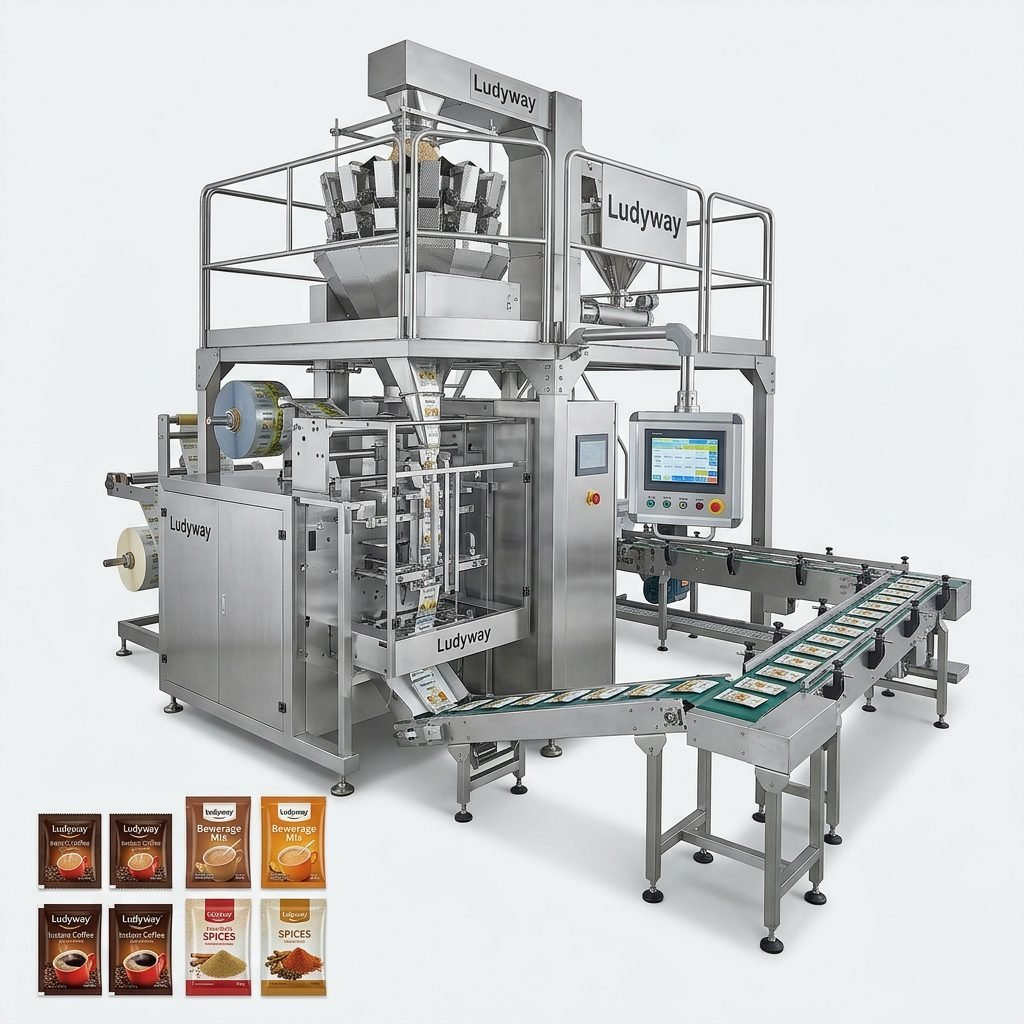
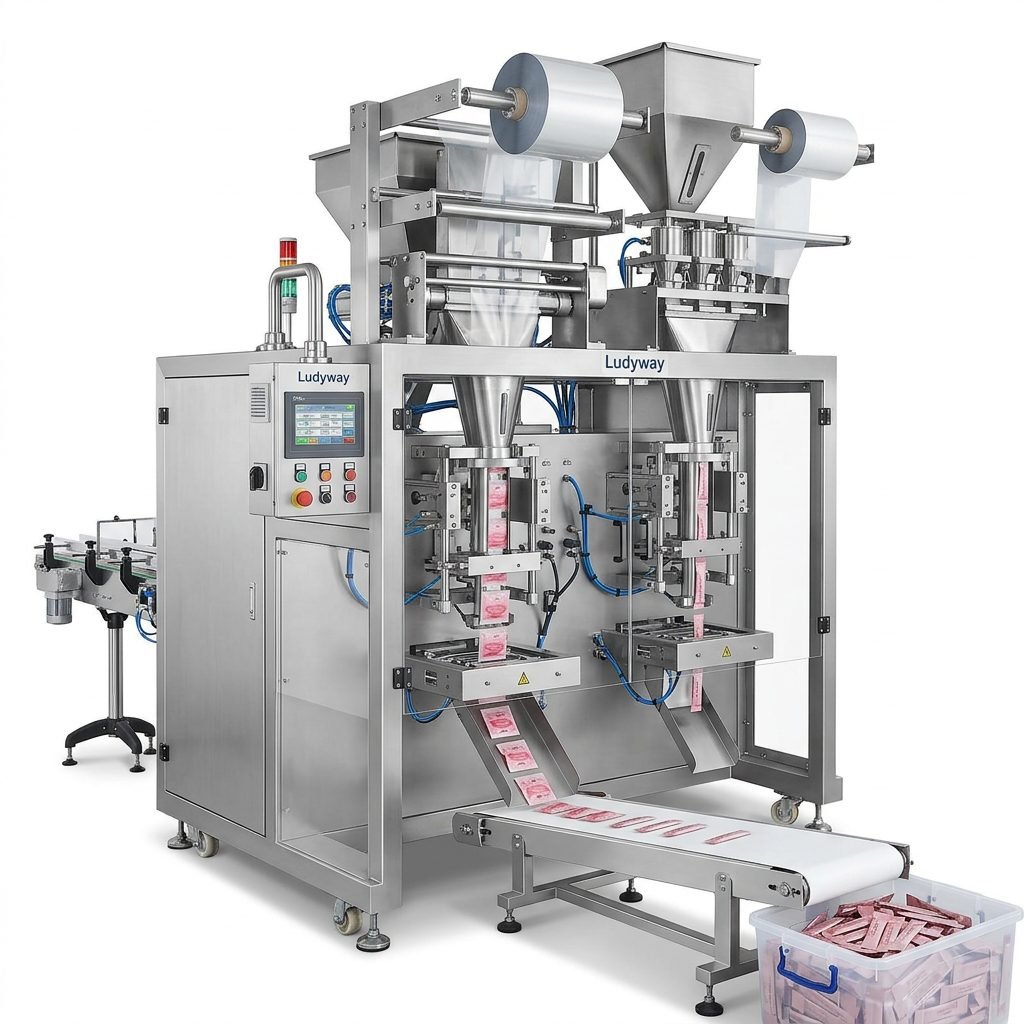
Vertical Form-Fill-Seal (VFFS) Machines
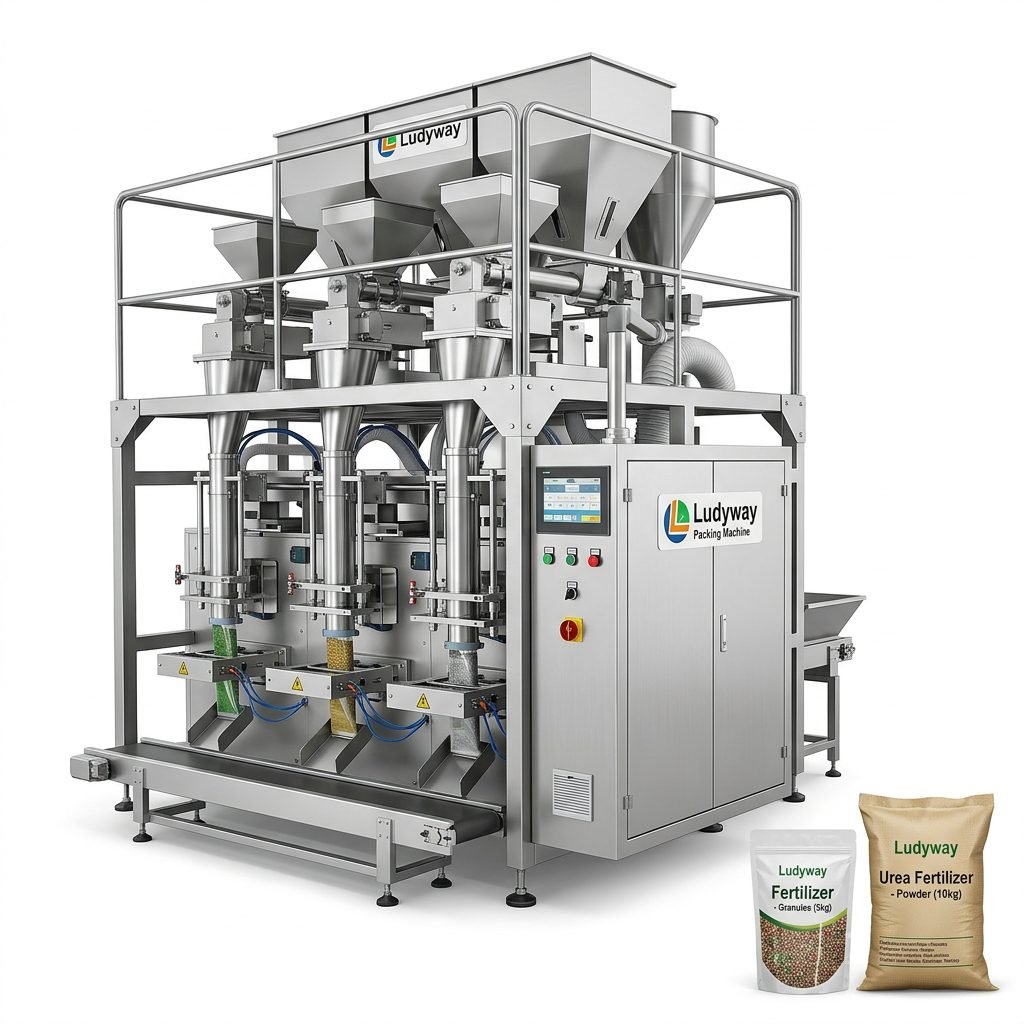
The workhorse of dry pet food packaging. VFFS machines form bags from a roll of film, fill them with product, and seal them in a continuous, high-speed operation. They are incredibly versatile for various bag sizes and styles (e.g., pillow bags, gusseted bags) and are ideal for packaging kibble in bags ranging from small 1lb trial sizes to large 40lb bags.
Advantages: High speed, low film waste, quick changeover between bag sizes, and excellent compatibility with auger fillers for precise weight measurement of granular products.
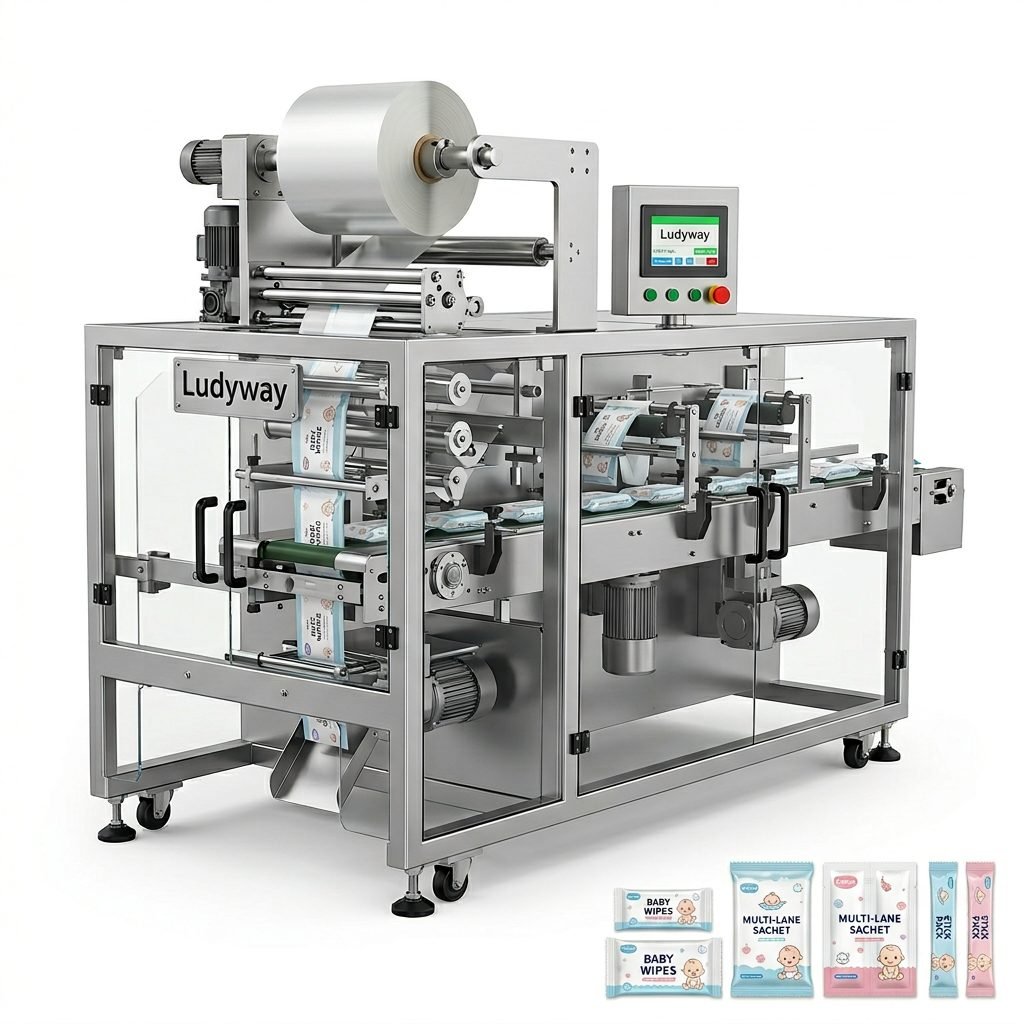
Horizontal Flow Wrappers
Perfect for individually wrapping semi-moist treats, jerky strips, or biscuit packs. These machines wrap products in a single layer of film, creating tight, secure seals around each item. This format is popular for multi-packs and retail-ready displays.
Advantages: Excellent product presentation, strong seal integrity that locks in moisture and flavor, and high-speed capability for mass production of single-serve items.
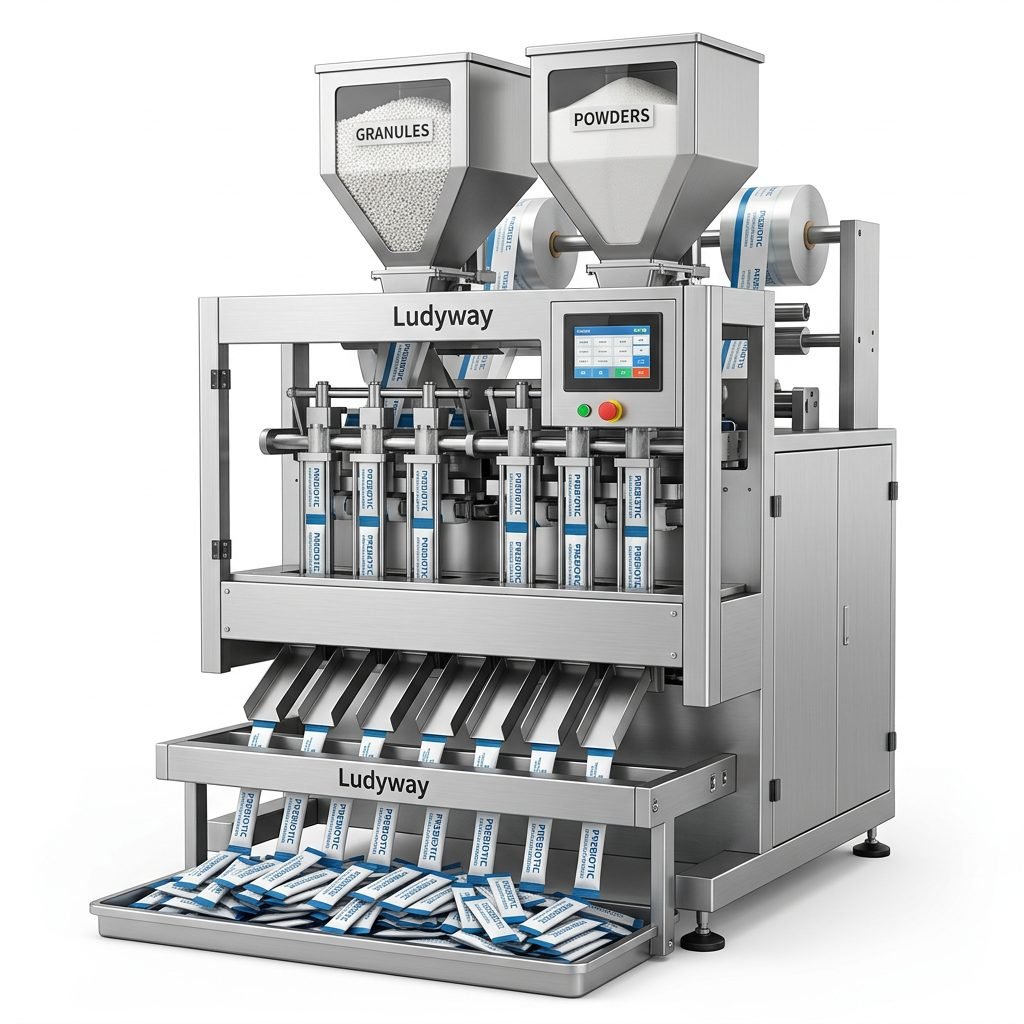
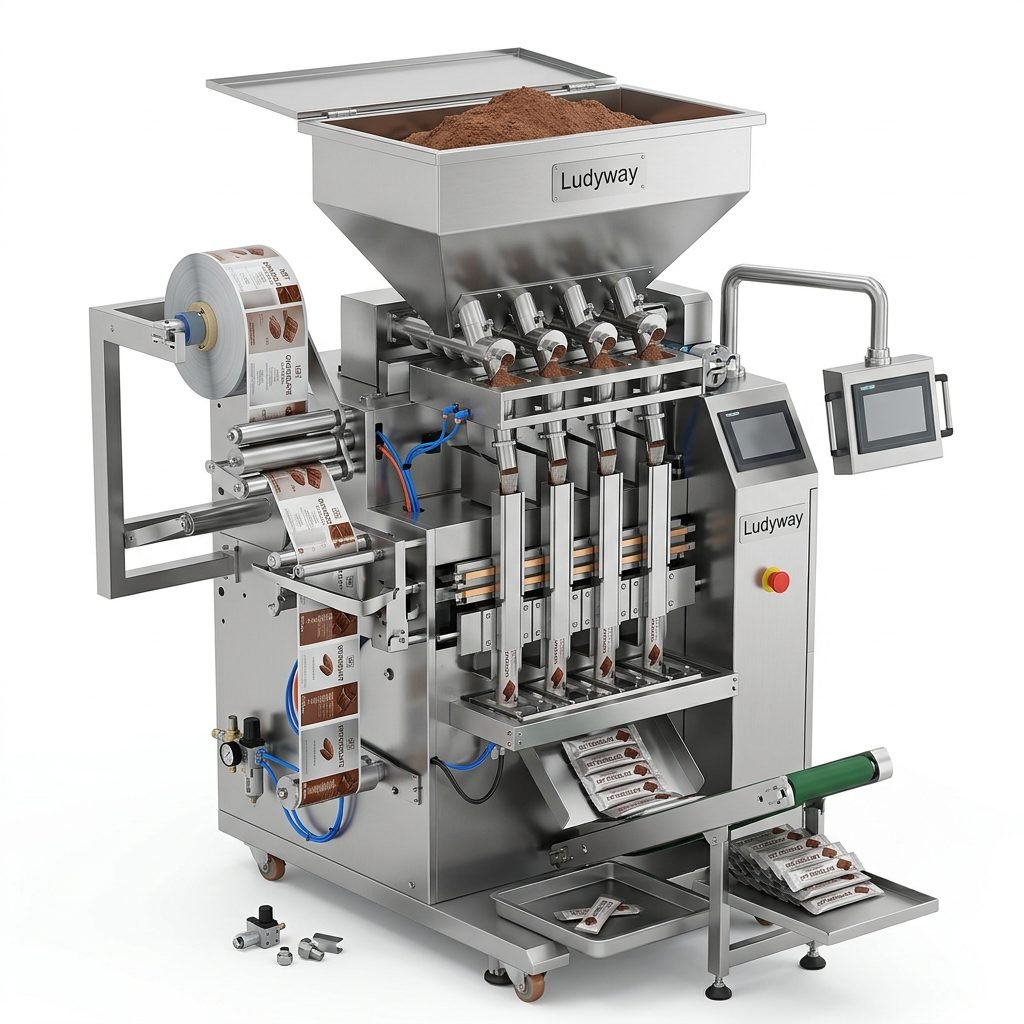
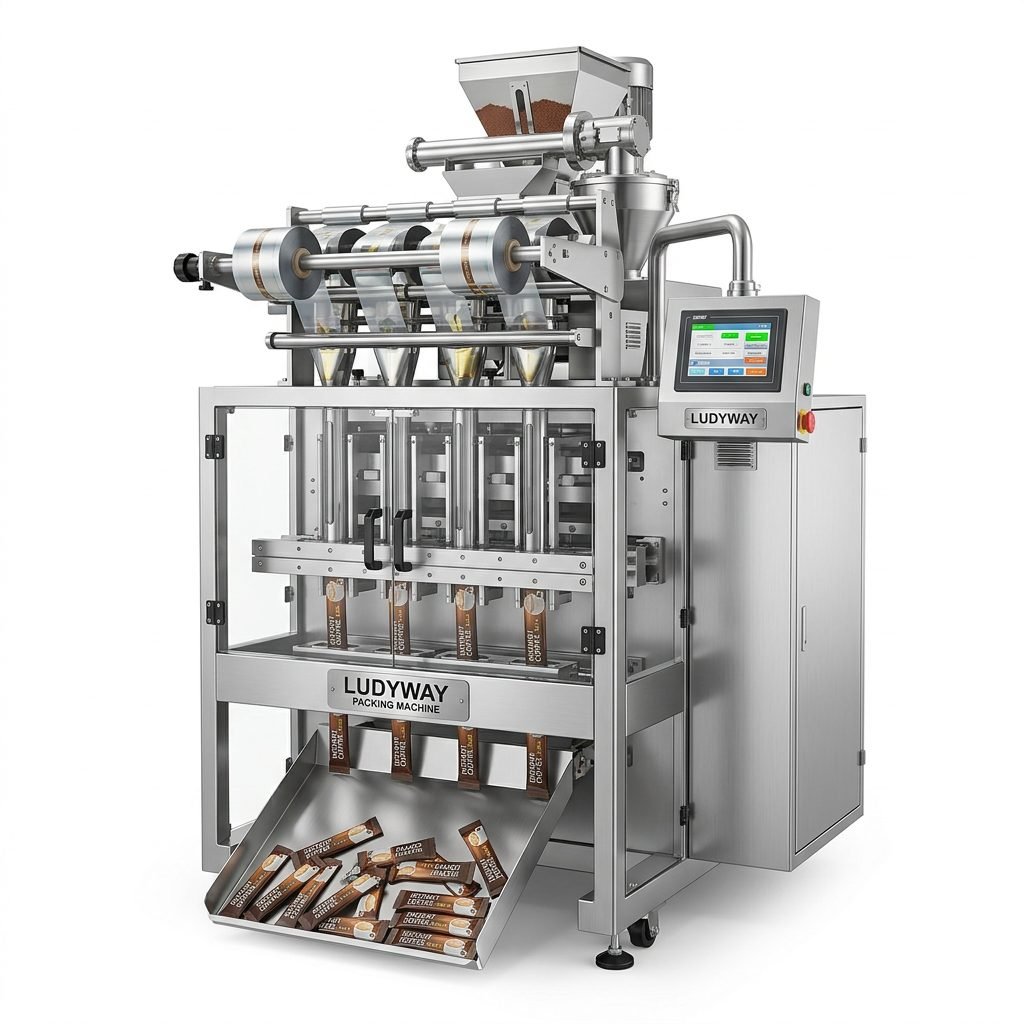
Stick Pack & Sachet Machines
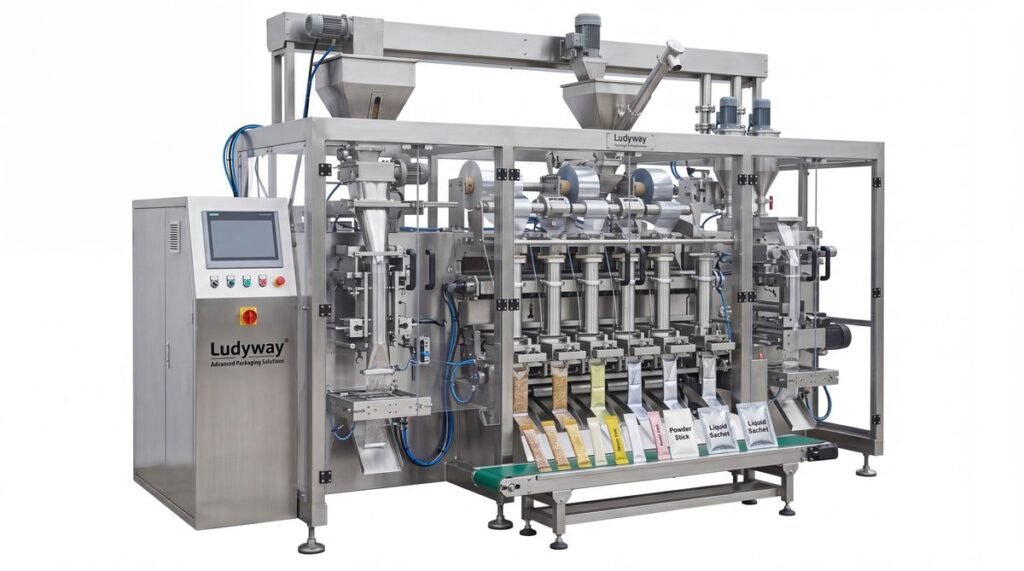
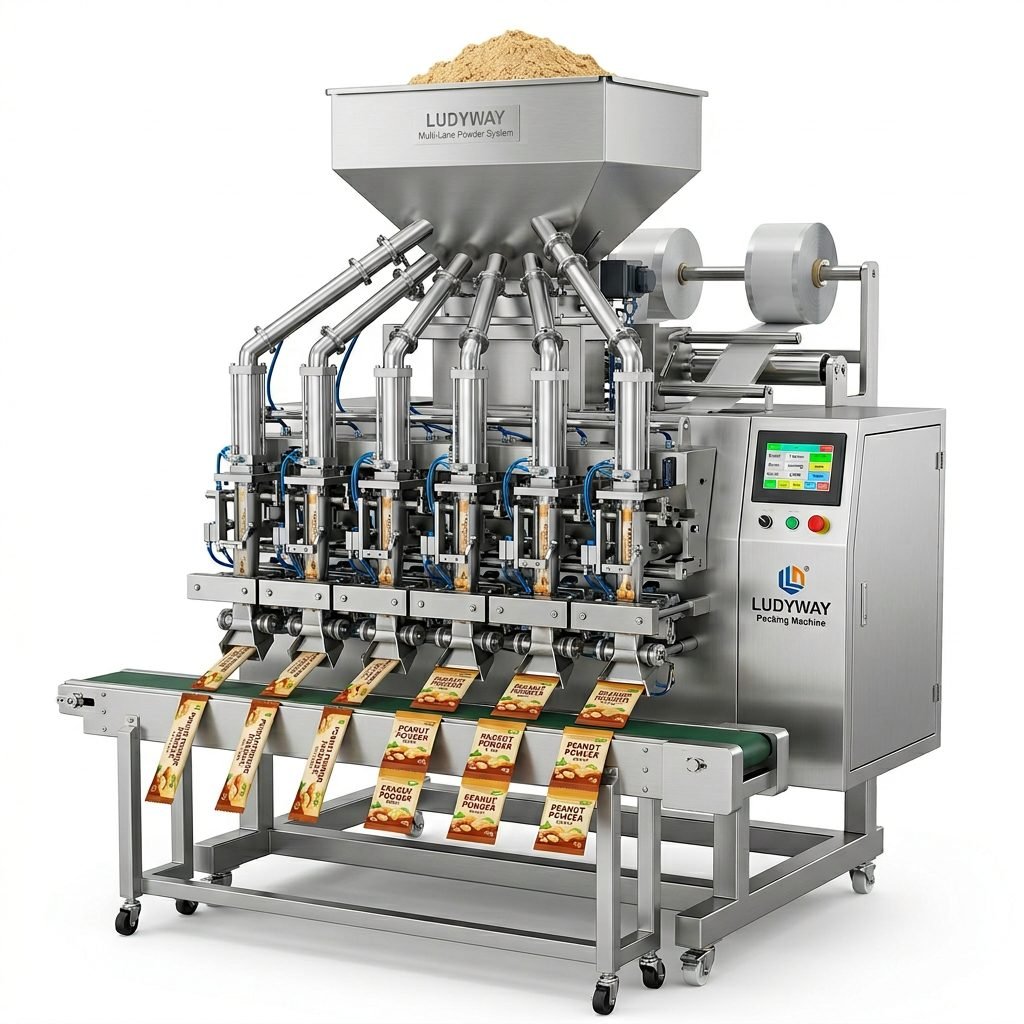
Gaining popularity for powdered supplements, liquid toppers, or single-serving wet food portions. These machines create small, elongated pouches (stick packs) or rectangular sachets, offering precise dosing and premium convenience for pet owners.
Advantages: Portion control, reduced oxidation of sensitive ingredients, premium consumer appeal, and compatibility with liquid filling technology. For manufacturers looking to expand into this innovative format, exploring advanced sachet packaging systems is highly recommended.
Prioritizing Hygienic Design for Pet Food Safety
Hygiene is non-negotiable. Machines must be designed for easy and thorough cleaning to prevent bacterial growth and cross-contamination.
- Stainless Steel Construction: All product contact parts should be made of food-grade stainless steel (e.g., 304 or 316), which is corrosion-resistant and easy to sanitize.
- Smooth, Seamless Surfaces: Frames and covers should have no cracks, crevices, or ledges where product dust or moisture can accumulate.
- Quick-Release Parts: Tools-free disassembly of funnels, augers, and sealing jaws enables faster cleaning and changeover, minimizing downtime.
- IP-Rated Protection: Electrical panels and motors should have an appropriate Ingress Protection (IP) rating (e.g., IP65) to withstand washdown procedures without damage.
Maximizing Production Efficiency
Efficiency translates to higher output, lower costs, and better scalability. Key features to look for include:
High-Speed Operation: Modern machines can achieve speeds from 80 to over 200 bags per minute, depending on the format and bag complexity.
Precision Weighing Systems: Integrated multi-head weighers or auger fillers with feedback control ensure every bag meets the exact weight specification, reducing costly giveaways.
Automated Film Handling & Registration: Systems that automatically track and adjust print position ensure consistent, professional branding on every package.
User-Friendly HMI: A clear, intuitive touchscreen interface allows operators to manage recipes, monitor production data, and troubleshoot with minimal training.
Integration and Customization: Building Your Solution
The best packaging solution is often a tailored system, not just a standalone machine. A complete line may integrate several components:
- Upstream: Bucket elevators, vibrating screens, or metal detectors to ensure product quality before packaging.
- Core Packaging: The VFFS, horizontal, or stick pack machine.
- Downstream: Checkweighers, date coders, and automated case packers or cartoners.
Partnering with a provider that offers turnkey production solutions ensures all components work in harmony, maximizing overall equipment effectiveness (OEE).
Choosing the Right Partner for Your Packaging Needs
Investing in packaging machinery is a long-term decision. The manufacturer’s expertise, support, and reliability are as important as the machine’s specifications.
Look for a partner with:
- Proven Industry Experience: Deep understanding of pet food’s unique challenges, from fat migration in treats to the dustiness of kibble.
- Strong Technical Support: Access to prompt, knowledgeable service for installation, training, maintenance, and spare parts is critical for minimizing downtime.
- Commitment to Innovation: A partner that continuously improves its technology will help future-proof your investment. Providers with a wide range of intelligent packaging machine models often have the depth of knowledge to recommend the optimal solution.
By focusing on machinery that combines robust hygienic design with intelligent automation, pet food producers can build a packaging operation that is not only efficient and cost-effective but also a steadfast guardian of product quality and pet safety. The right machine is an investment in your brand’s reputation and your customers’ trust.
Frequently Asked Questions (FAQs)
What is the most important feature to look for in a pet food packaging machine?
Hygienic design is paramount. The machine must be constructed with food-grade materials (like stainless steel) and be easy to clean thoroughly to prevent contamination and ensure product safety, which is the top priority in pet food production.
Can one machine handle both dry kibble and powdered supplements?
While a versatile Vertical Form-Fill-Seal (VFFS) machine can often handle both with different filler attachments (e.g., auger for kibble, cup filler for powder), for optimal efficiency and precision, dedicated lines or machines are usually recommended for significantly different product types due to varying dust containment and filling accuracy needs.
How can I improve the shelf life of my pet food through packaging?
Using high-barrier packaging films (like metallized or aluminum-laminated films) and ensuring your machine creates consistent, strong, and airtight seals are crucial. This combination effectively blocks oxygen and moisture, the main culprits of spoilage and nutrient degradation.
What are the benefits of automated weight checkers on the line?
Integrated checkweighers ensure every bag meets legal weight requirements, protect against underfilling (consumer complaints) and overfilling (product giveaway), and provide real-time data for process control, helping to quickly identify and correct filling inconsistencies.
Is it worth investing in a fully automated turnkey line?
For medium to high-volume producers, a turnkey automated line significantly boosts long-term efficiency, reduces labor costs, minimizes human handling (improving hygiene), and provides consistent, reliable output. The ROI is often justified by increased throughput, lower operational costs, and improved product consistency.