In the fast-paced world of pharmaceutical and nutraceutical manufacturing, efficiency, precision, and product integrity are paramount. The tablet packaging machine stands as a critical component in the production line, transforming bulk tablets into consumer-ready packages. This guide delves into the various types of tablet packaging systems, explains their core working principles, and provides a strategic framework for selecting the ideal machine for your specific operational needs.
Understanding the Core Types of Tablet Packaging Machines
The market offers a diverse range of tablet packaging equipment, each designed for specific output, format, and functionality requirements. Choosing the right type is the first step toward optimizing your packaging process.
Blister Packaging Machines
These are the most common machines for unit-dose packaging of tablets and capsules. They form a cavity (blister) from a roll of thermoformable plastic film, place the product into the cavity, and then seal it with a lidding material (foil or paper). Blister packs offer excellent product protection, tamper evidence, and patient compliance through clear visibility of the dosage.
- Common Uses: Pharmaceutical tablets, capsules, lozenges, and small healthcare products.
- Key Advantage: Superior barrier properties against moisture, light, and contamination.
Strip Packaging Machines
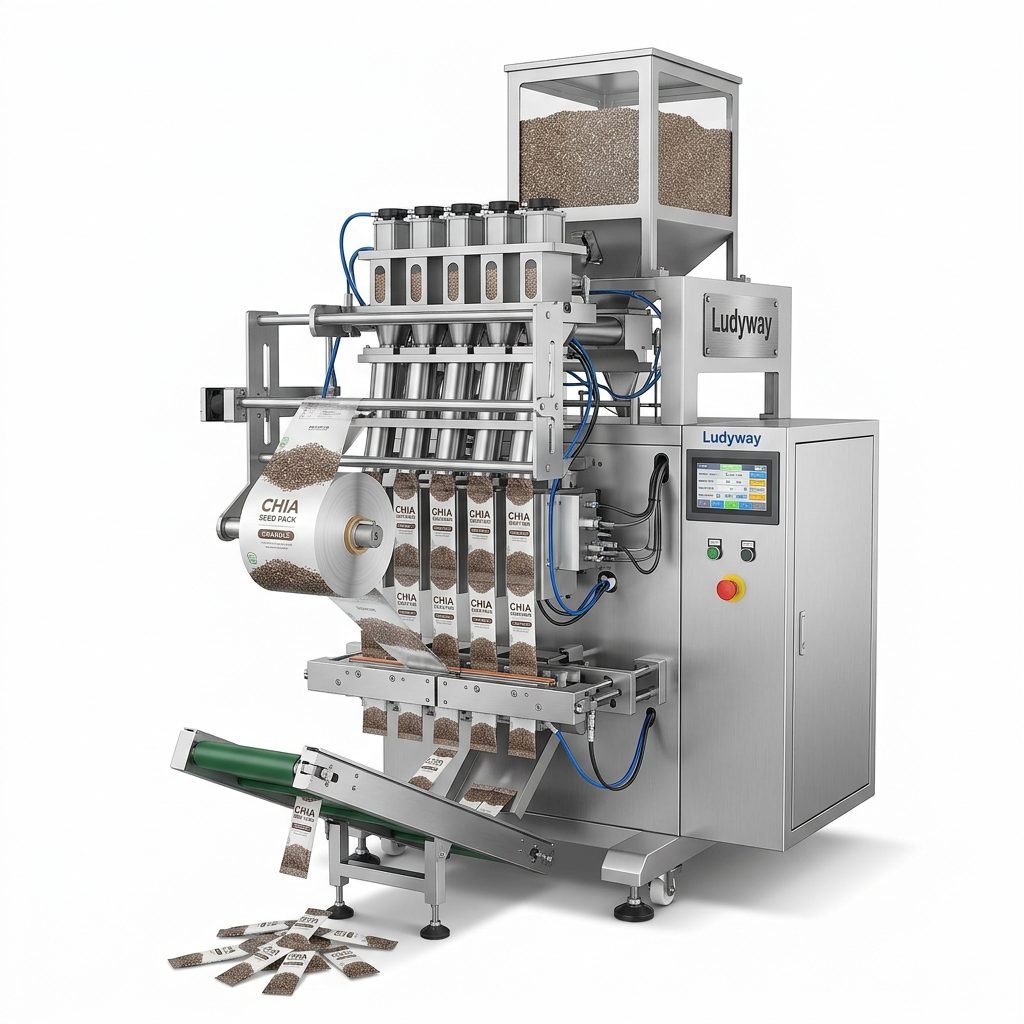
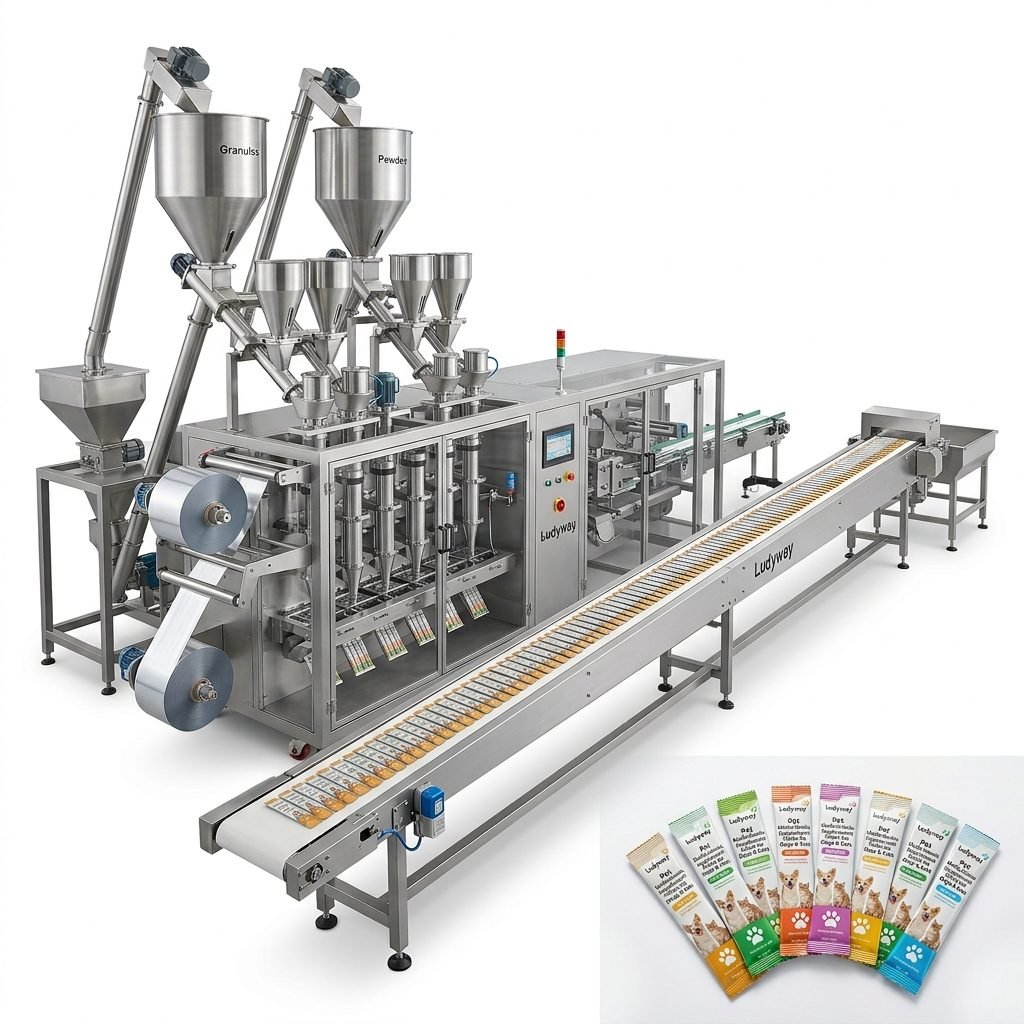
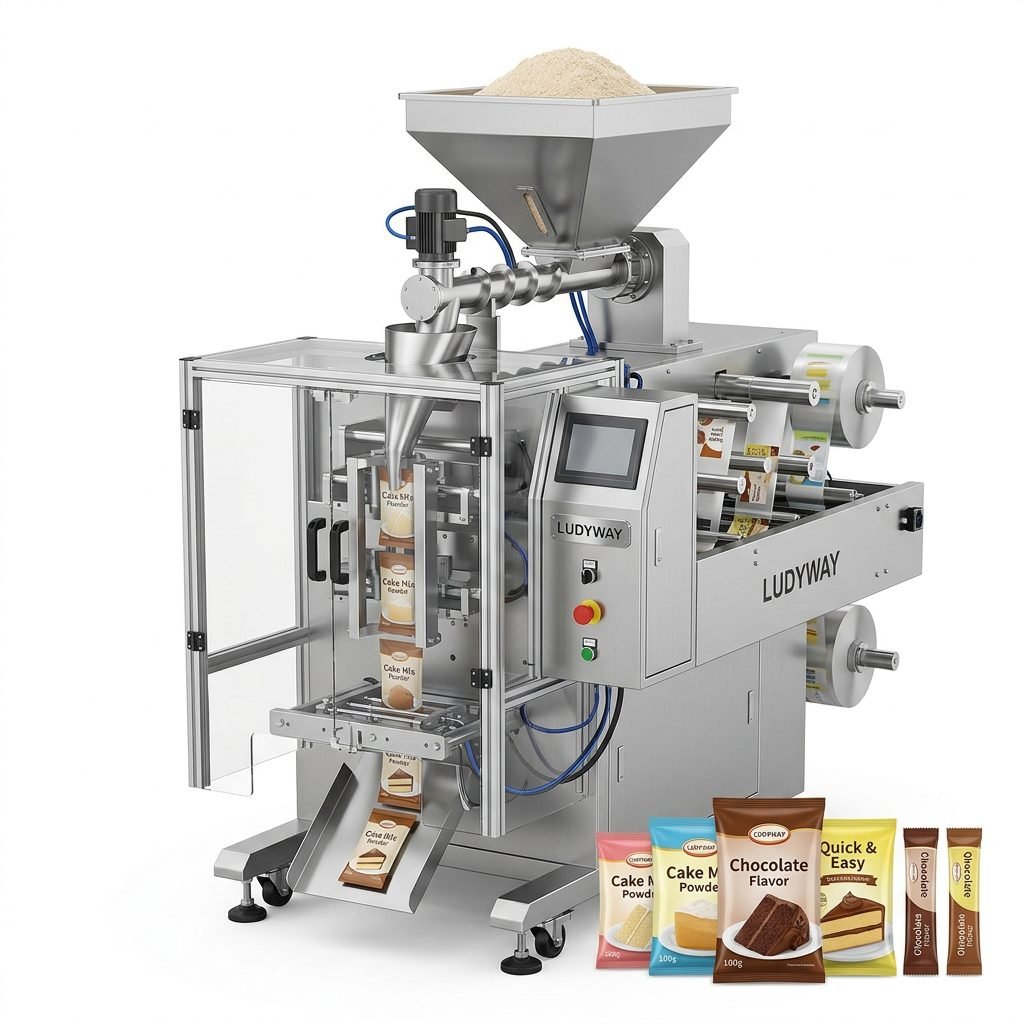
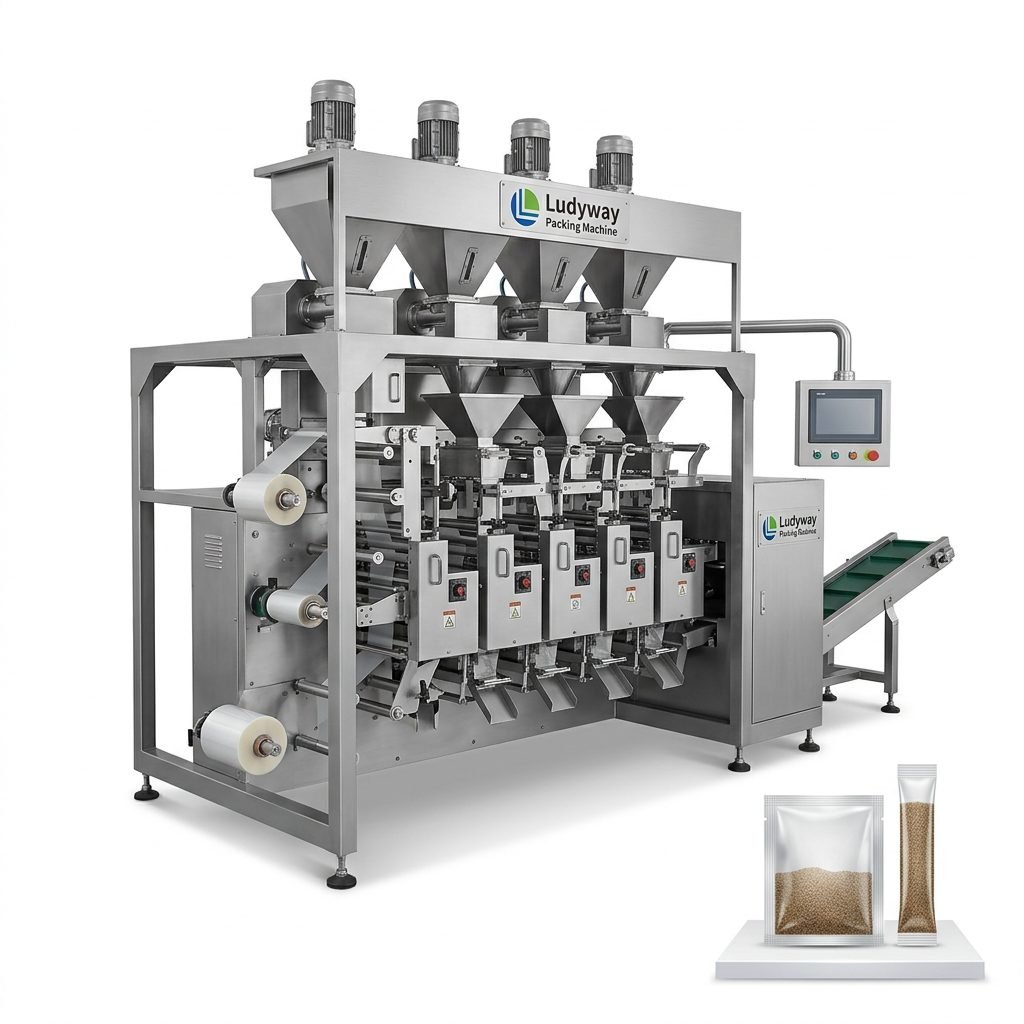
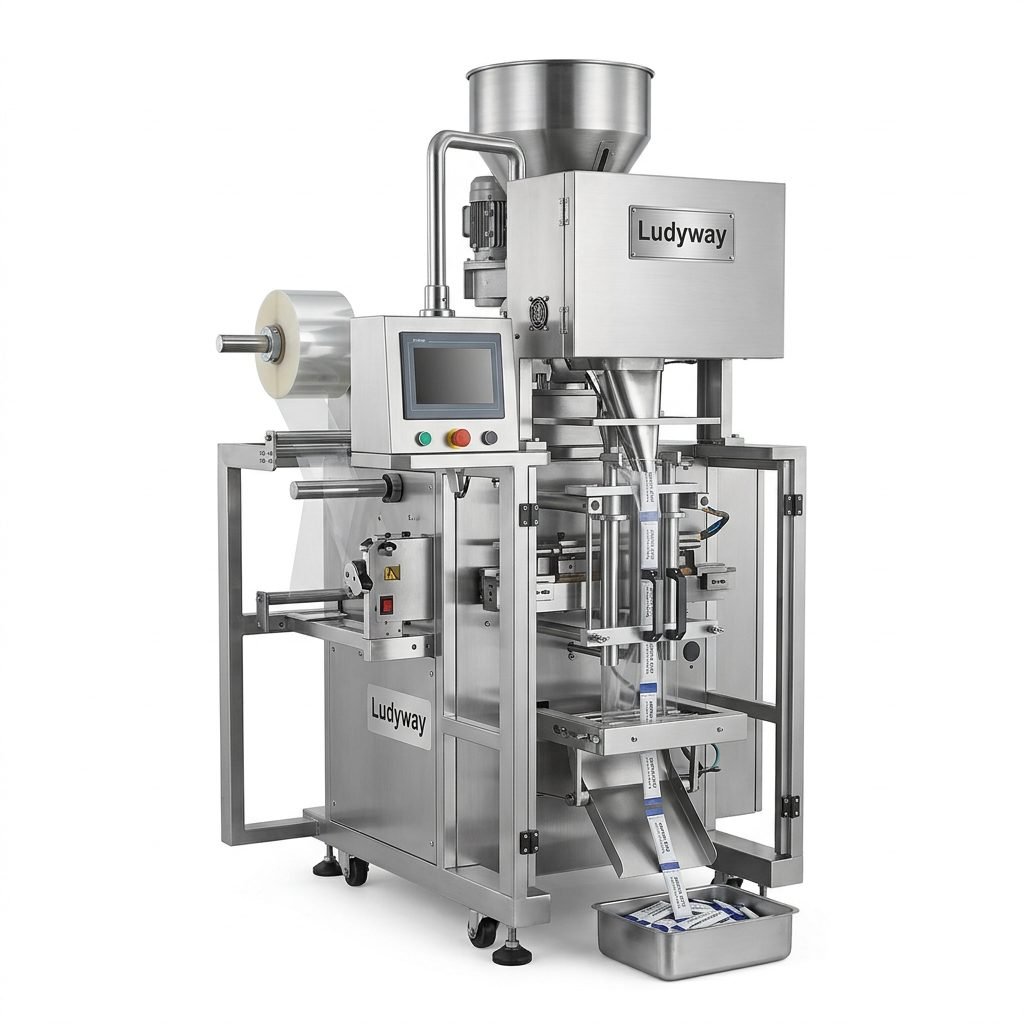
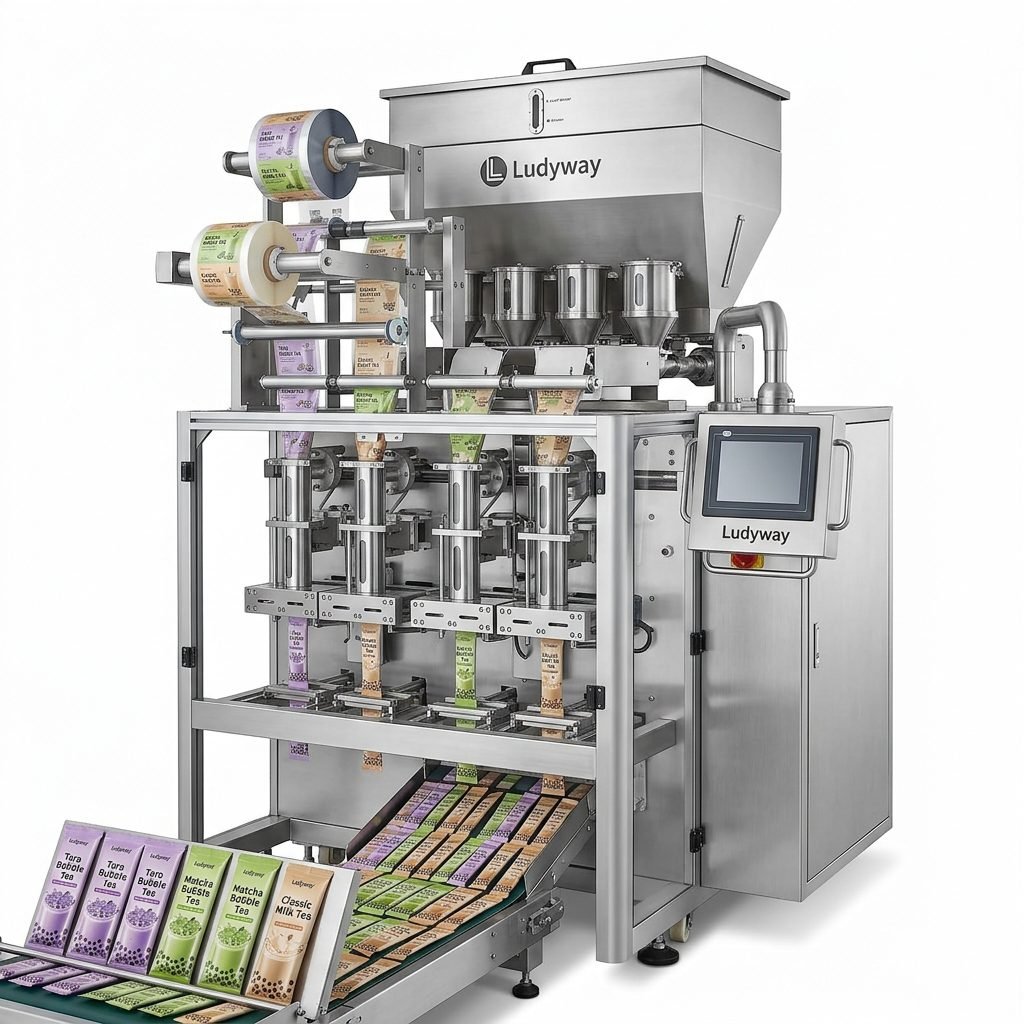
Also known as sachet or pouch packaging machines, these systems create individual sealed pockets in a continuous strip. Two webs of film (or one folded web) are sealed around each tablet. This format is highly cost-effective for mid to high-volume runs and is popular for over-the-counter medicines and dietary supplements.
- Common Uses: Effervescent tablets, chewable vitamins, and powder sachets.
- Key Advantage: Lower material cost compared to blister packs and flexibility in pack size.
Bottle Filling & Capping Lines
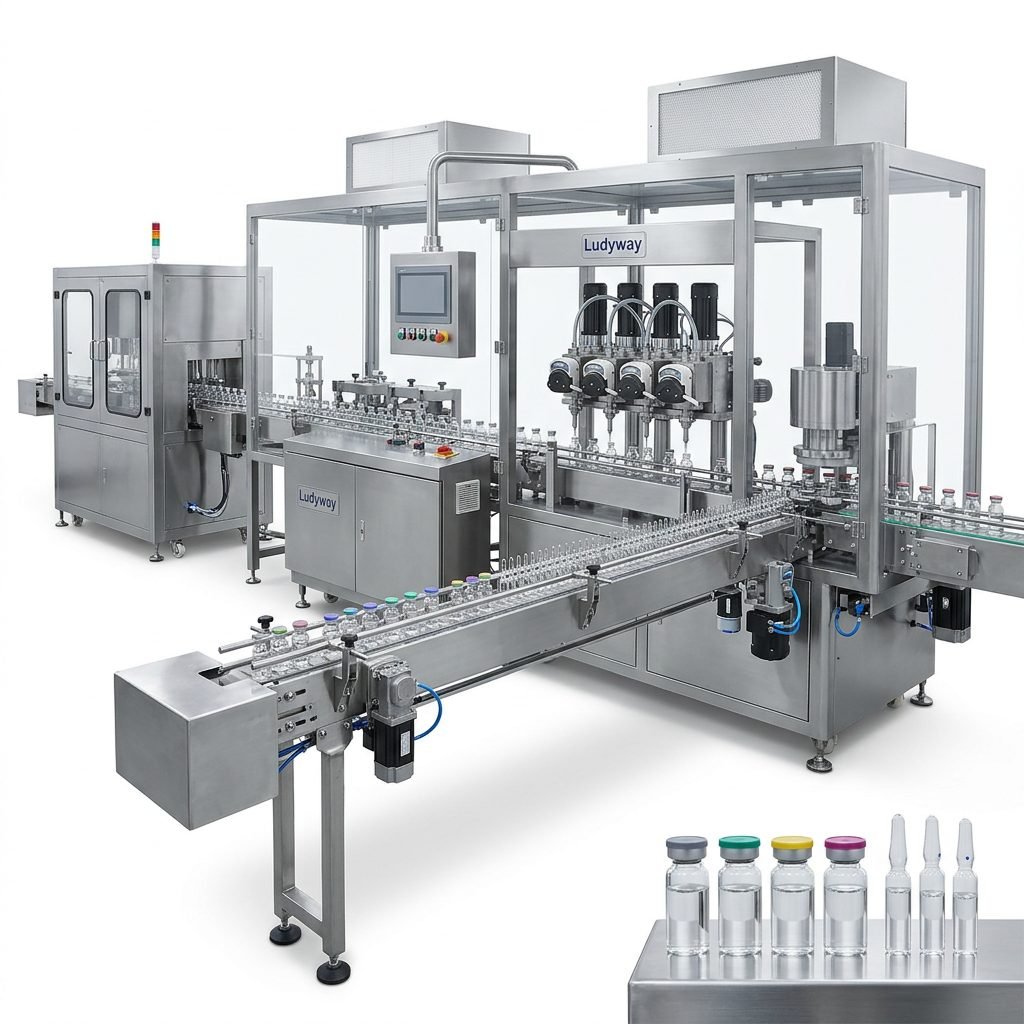
For packaging tablets in bulk containers like plastic or glass bottles, automated lines handle counting, filling, cottoning, capping, and labeling. These systems are essential for high-speed production of over-the-counter products and supplements sold in larger quantities.
Cartoning Machines
While not primary packagers, cartoners are vital secondary packaging systems. They automatically erect cartons, insert blister strips, bottles, or leaflets, and close them. They are often integrated with primary packaging machines to form a complete line.
Deconstructing the Working Principles
While designs vary, most automated tablet packaging machines follow a synchronized sequence of operations to ensure accuracy and speed.
1. Product Feeding and Orientation
Tablets are fed from a hopper into a precise feeding system, often using vibratory bowls or elevators, to align them correctly for the next stage.
2. Forming, Placing, and Sealing (for Blister/Strip Packs)
→ Forming: For blister machines, the plastic web is heated and formed into cavities using a mold. Strip packers advance the film webs.
→ Placing: Tablets are precisely deposited into each cavity or between film layers. Advanced vision systems often check for missing or defective products at this point.
→ Sealing: The lidding material is applied and heat-sealed under controlled pressure and temperature to create a hermetic seal.
3. Cutting and Discharge
The continuous sealed web is die-cut into individual blisters or strips, which are then collated and discharged for secondary packaging or cartoning.
How to Choose the Right Tablet Packaging System
Selecting a machine is a significant investment. A thorough evaluation based on your specific parameters will ensure long-term reliability and ROI.
Critical Selection Criteria
Product Characteristics: The size, shape, fragility, and sensitivity (to moisture/light) of your tablet dictate the packaging format (blister vs. strip) and machine specifications.
Required Output Speed (Packages/Minute): Match the machine’s speed to your current and projected production volumes. Consider multi-lane machines for higher throughput.
Packaging Materials: Determine the film types (PVC, PVDC, Aclar®, aluminum foil) you plan to use and ensure the machine is compatible with their sealing temperatures and handling properties.
Changeover Flexibility: If you run multiple products with different tablet sizes or pack counts, look for machines with quick-change tooling and recipe memory to minimize downtime.
Regulatory Compliance: For pharmaceutical applications, the machine must be designed for easy cleaning (cGMP principles) and should support validation protocols (IQ/OQ/PQ).
Integration & Automation: Assess if you need a standalone machine or one that can be integrated with upstream tablet presses and downstream cartoners. Features like automatic web splicing and 100% inspection systems boost overall equipment effectiveness (OEE).
Supplier Support & Service: The manufacturer’s reputation for reliable technical support, availability of spare parts, and service network is as crucial as the machine itself. Partnering with an experienced provider like Ludyway Machinery ensures access to expert guidance and long-term operational support.
Investing in Your Production Future
Beyond the initial purchase, consider the total cost of ownership, including energy consumption, maintenance needs, and operator training requirements. A slightly higher upfront investment in a robust, flexible, and service-backed machine from a trusted partner often leads to lower lifetime costs and greater production uptime. Exploring advanced packaging solutions can future-proof your operations.
Frequently Asked Questions (FAQs)
Q1: What is the main difference between a blister pack and a strip pack for tablets?
A1: The primary difference lies in the packaging format. Blister packs form individual plastic cavities sealed with foil, offering superior physical protection and barrier properties. Strip packs create sealed pockets between two layers of film, typically at a lower material cost, and are ideal for products like effervescent tablets.
Q2: How important is machine flexibility for a small to medium-sized manufacturer?
A2: Extremely important. Flexibility for quick changeovers between different tablet sizes and pack counts allows for smaller, more economical batch runs, reduces downtime, and enables a manufacturer to respond quickly to market demands, making it a key factor for competitiveness.
Q3: Can one machine handle both tablets and capsules?
A3: Many modern blister and strip packaging machines are designed with adjustable forming and feeding tools that can handle both standard tablets and capsules. It is essential to confirm this multi-product capability with the machine supplier during the selection process.
Q4: What are the key maintenance routines for a tablet packaging machine?
A4: Regular daily cleaning, lubrication of moving parts as per the manual, inspection and replacement of wear parts like sealing dies and cutting knives, and calibration of sensors are crucial. Adhering to a preventive maintenance schedule provided by the manufacturer is vital for consistent performance.
Q5: What should I look for in a machine supplier beyond the equipment itself?
A5: Prioritize suppliers with proven industry experience, strong after-sales support, readily available spare parts, comprehensive operator and maintenance training programs, and the ability to assist with installation and validation documentation. A partner committed to your long-term success is invaluable.