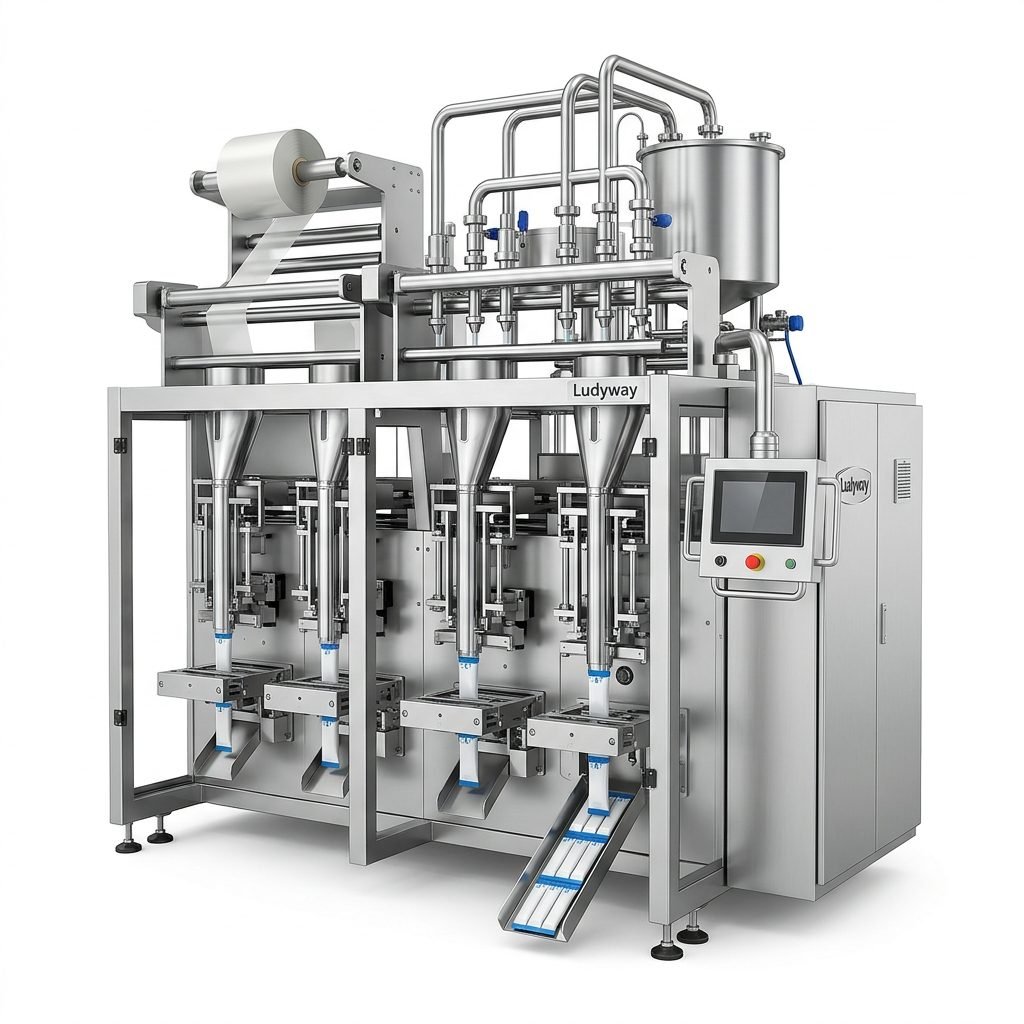
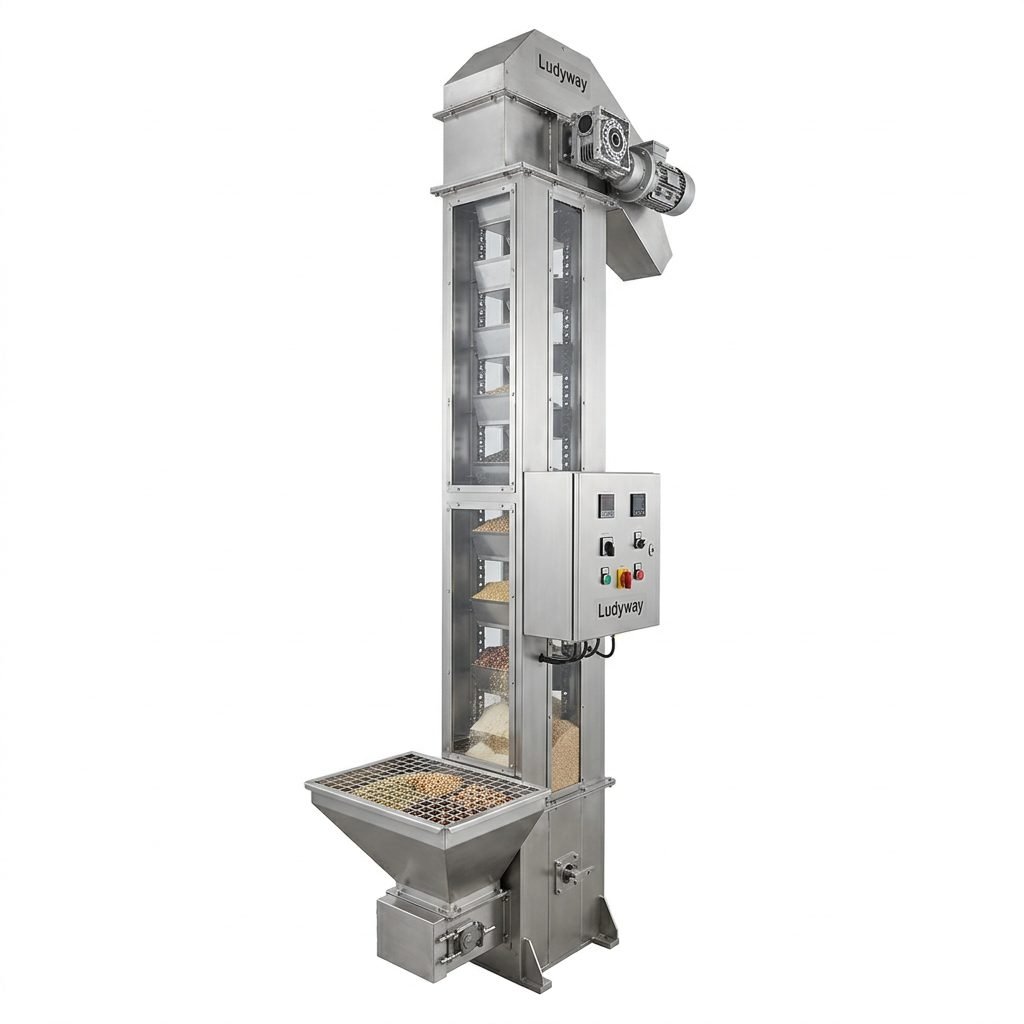
Vacuum blister packaging machines are specialized systems designed to create secure, airtight packages by forming a blister cavity from a thermoplastic sheet, placing the product inside, and sealing it with a lidding material under vacuum conditions. This guide provides a comprehensive overview of the different types of machines, their working principles, key benefits for manufacturers, and essential tips for making a smart purchase decision.
Primary Types of Vacuum Blister Packaging Machines
The market offers several configurations of vacuum blister packers, each suited to specific production scales and product types.
Manual & Semi-Automatic Machines
Ideal for low to medium-volume production or laboratories, these machines require operator involvement for loading products and sometimes for initiating the cycle. They offer a lower initial investment and are highly flexible for short runs or frequent product changeovers.
Fully Automatic Rotary Machines
These are the workhorses of high-volume pharmaceutical and consumer goods lines. Products are automatically fed into a continuously rotating carousel where forming, filling, sealing, and cutting occur in a synchronized sequence. They offer maximum output and consistent quality with minimal manual intervention.
Thermoform-Fill-Seal (TFFS) Machines
This advanced type integrates the entire process from roll stock. A plastic web is heated, formed into blisters, cooled, filled with product, covered with a lidding material (foil or paper), vacuum-sealed, and die-cut into individual packs—all in one continuous, inline operation. It’s highly efficient for large-scale production.
Core Working Principle: How the Machine Operates
The process, while automated, follows a precise sequence to ensure package integrity.
Step 1: Blister Forming. A sheet of thermoplastic material (like PVC, PET, or Aclar) is heated to a pliable state and then drawn into a mold cavity using vacuum pressure (and sometimes compressed air for deeper draws) to form the blister pockets.
Step 2: Product Loading. The formed blister sheet indexes to a filling station. Products—pills, capsules, small hardware, electronics—are placed into the cavities, either manually, by a simple feeder, or by a sophisticated robotic system.
Step 3: Lidding & Sealing. A lidding material (typically a heat-seal coated aluminum foil) is placed over the filled blister. The machine then creates a vacuum in the cavity to remove air, often followed by a flush of inert gas (like nitrogen) for sensitive products. Finally, heat and pressure are applied to hermetically seal the lid to the blister flange.
Step 4: Cutting & Ejection. The sealed blister sheet is die-cut into individual units or strips. The finished packs are ejected for cartoning or secondary packaging, and the leftover web (skeleton) is wound up for recycling.
Significant Benefits for Modern Production
Adopting vacuum blister packaging technology delivers tangible advantages across multiple business areas.
Superior Product Protection: The vacuum and hermetic seal provide an excellent barrier against moisture, oxygen, and contaminants. This dramatically extends shelf life, preserves potency (for pharmaceuticals), and prevents corrosion or tampering.
Enhanced User Experience & Compliance: Blister packs offer clear visibility of the product, support easy push-through access, and allow for clear printing of dosage information, expiry dates, and batch numbers. This improves patient safety and helps meet strict regulatory standards in industries like pharmaceuticals.
Increased Operational Efficiency: Automatic machines enable high-speed packaging with consistent quality, reducing labor costs and minimizing human error. The compact, unit-dose format also optimizes logistics and storage space.
Marketing & Branding Advantages: The professional appearance of blister packs enhances brand perception. The printing area on the lidding foil serves as a valuable space for branding, instructions, and promotional messages.
Essential Buying Tips for Your Investment
Selecting the right machine requires careful consideration of your specific needs.
1. Define Your Core Requirements
Start by analyzing your product dimensions, required output speed (packs per minute), and the materials you plan to use (blister film and lidding type). This will narrow down the machine type and size needed.
2. Evaluate Machine Quality & Features
Look for robust construction (stainless steel contact parts), precision in sealing mechanisms, and user-friendly controls (preferably with a touchscreen HMI). Key features to consider include quick changeover systems for different blister molds, reliable vacuum pumps, and comprehensive safety guards.
3. Assess Supplier Credibility
Partner with a reputable supplier with proven experience. Evaluate their technical support, availability of spare parts, warranty terms, and ability to provide installation and training. A supplier with a strong track record in your specific industry (e.g., food or pharma) is preferable.
4. Consider Total Cost of Ownership
Look beyond the initial purchase price. Factor in long-term costs for energy consumption, maintenance, spare parts, and potential future upgrades. A slightly higher upfront investment in a reliable, energy-efficient machine from a trusted packaging machinery brand often leads to lower total cost and less downtime.
5. Request a Live Demonstration
Always insist on a performance test using your actual product and packaging materials (or close equivalents). This is the only way to verify the machine’s speed, seal quality, and overall suitability for your application before finalizing the purchase.
Frequently Asked Questions (FAQs)
What is the main difference between vacuum blister packaging and skin packaging?
Vacuum blister packaging uses a pre-formed rigid plastic cavity (blister) sealed with a lidding film. Skin packaging involves draping a heated plastic film over a product placed on a porous backing board, then using vacuum to adhere the film tightly to the product and board’s contours. Blister packs are typically for smaller, unit-dose items, while skin packs are for larger, irregularly shaped products.
Can one machine handle different blister sizes and shapes?
Yes, but it requires a changeover. Most machines allow for the replacement of the forming mold and the cutting die. Look for machines designed with “quick changeover” features to minimize downtime when switching between different product formats.
How important is the choice of blister film material?
It is critical. The material must be compatible with your product (e.g., high barrier for moisture-sensitive items), form well at the machine’s heating station, and meet any regulatory requirements (like USP Class VI for medical devices). Common materials include PVC, PET, PP, and cyclo-olefin copolymer (COC).
What kind of maintenance do these machines require?
Regular maintenance is essential for longevity and consistent performance. This typically includes daily cleaning of sealing jaws and forming stations, periodic lubrication of moving parts, checking and replacing vacuum pump oil, and inspecting heaters and seals as per the manufacturer’s schedule.
Is it possible to integrate a blister machine into a full production line?
Absolutely. Modern vacuum blister packers are designed for integration. They can be linked upstream with product feeders or counting systems and downstream with cartoners, labelers, or case packers to create a fully automated packaging line, significantly boosting overall efficiency.