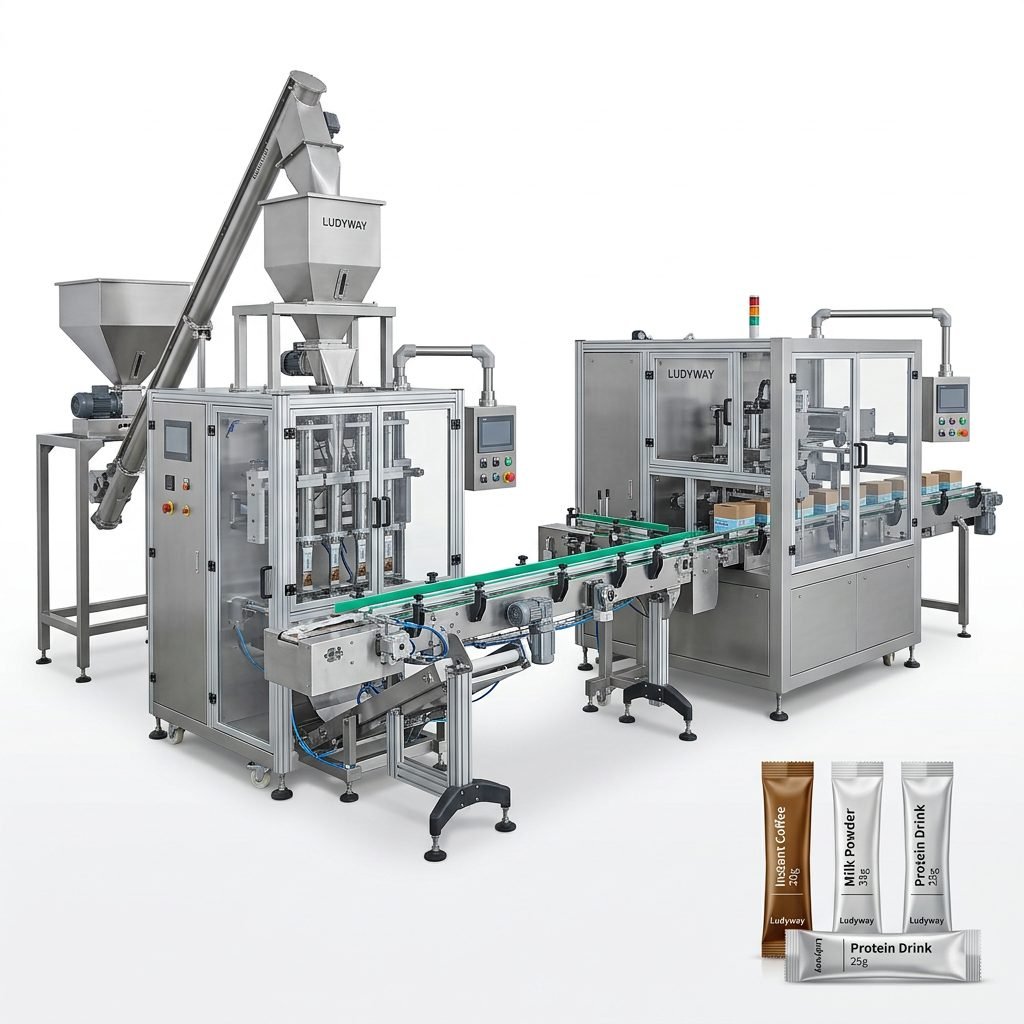
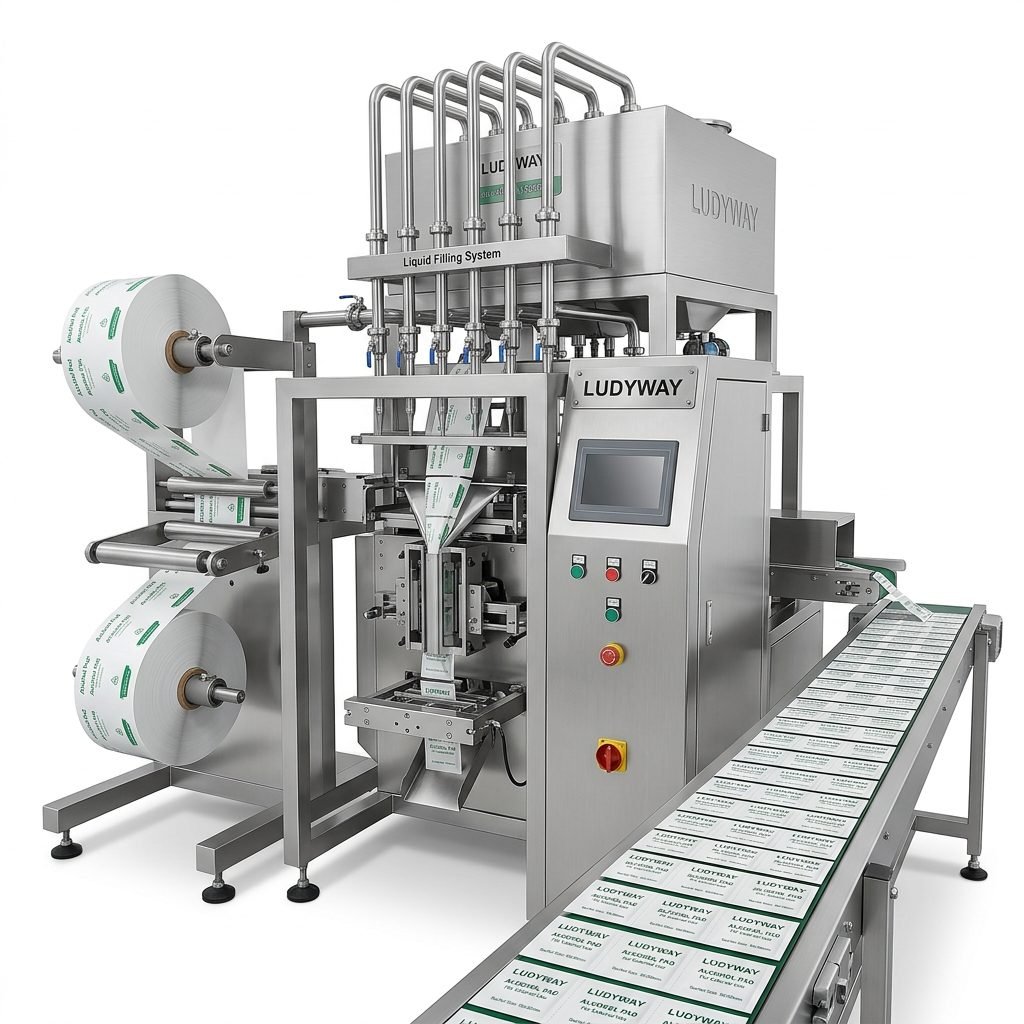
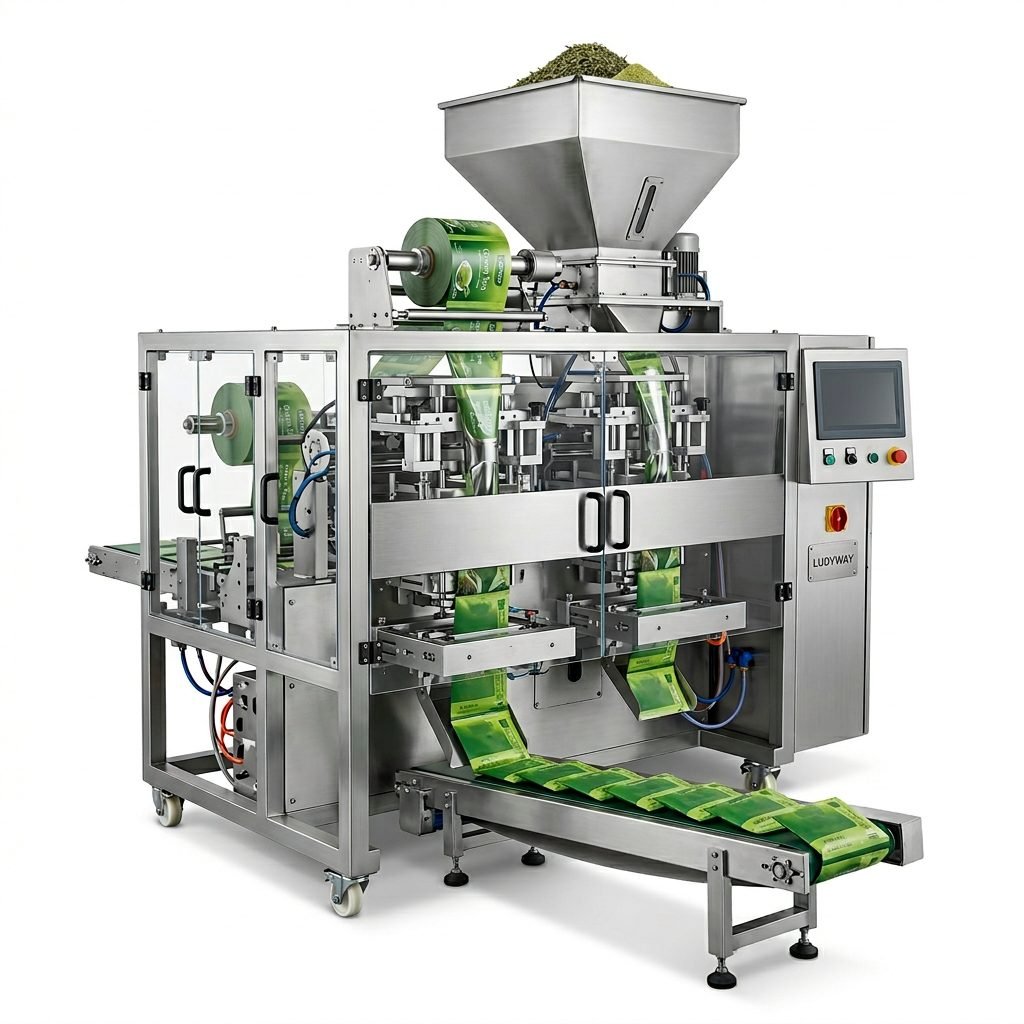
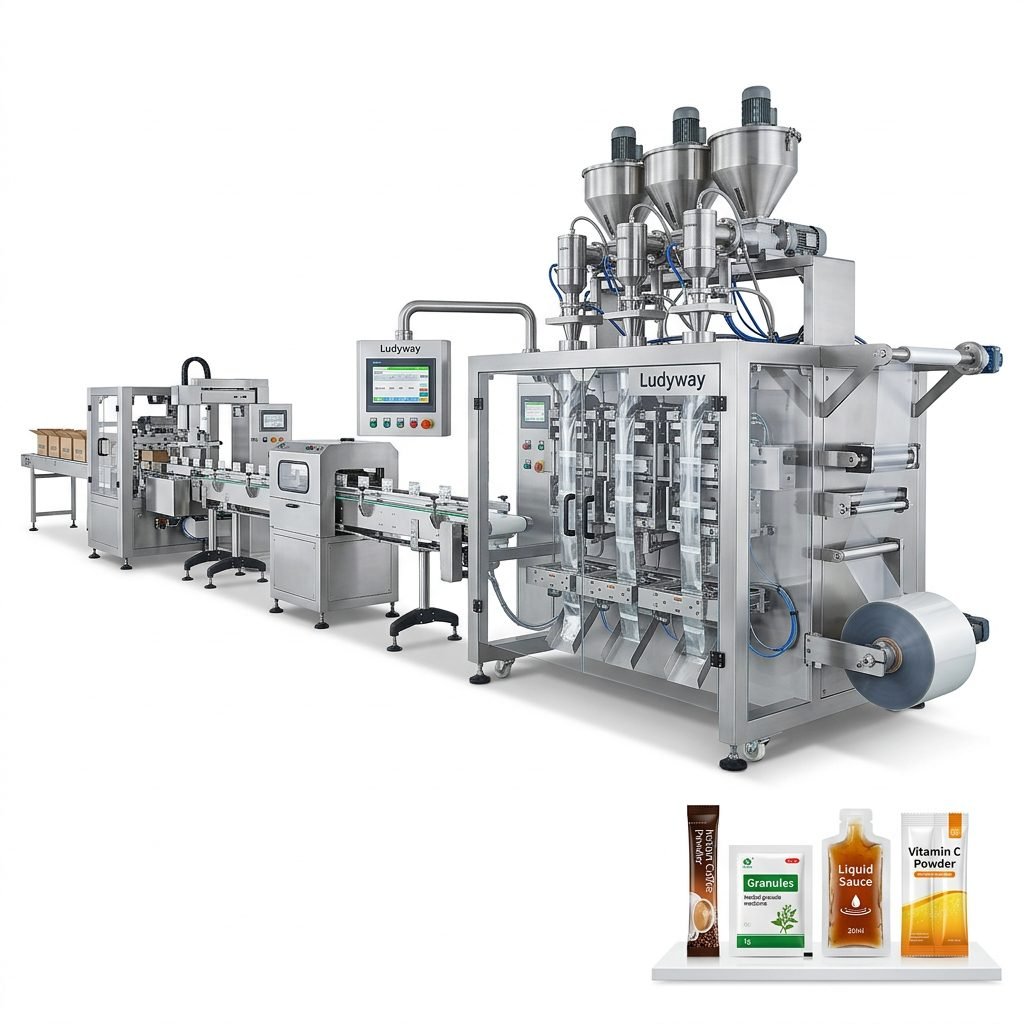
Choosing the right vacuum sealed packaging machine is a critical decision for any business involved in food processing, pharmaceuticals, or consumer goods. The correct model not only preserves product quality and extends shelf life but also enhances operational efficiency and brand presentation. With numerous options available, from small tabletop units to fully automated industrial lines, selecting the best machine requires careful consideration of your specific products, production volume, and long-term business goals.
Understanding Your Packaging Requirements
Before diving into machine specifications, a thorough analysis of your packaging needs is essential. This foundational step will guide every subsequent decision.
Product Characteristics
The physical nature of your product dictates the machine’s capabilities. Consider these factors carefully:
→ Product Type: Is it solid, granular, powdered, or liquid? Machines are often designed with specific product types in mind.
→ Moisture & Oil Content: High-moisture or oily products may require specialized pump systems and bag materials.
→ Fragility: Delicate items like chips or baked goods need gentle handling to prevent crushing during the vacuum process.
Production Volume & Speed
Your output dictates the machine’s required cycle speed and level of automation.
- Low Volume / Startups: Manual or single-chamber machines offer an affordable entry point.
- Medium Volume: Double-chamber or rotary vacuum sealers provide a balance of speed and cost.
- High Volume / Industrial: Fully automatic belt chamber machines or inline systems are necessary for continuous, high-speed packaging lines.
Key Machine Features and Technologies
Modern vacuum sealers come with a variety of features. Understanding these will help you identify the model that offers the best value and performance for your investment.
Vacuum Pump Type
The heart of the machine is its vacuum pump. The two main types are:
Oil Rotary Vane Pumps: Known for their deep vacuum levels, durability, and quiet operation. Ideal for demanding, continuous use but require regular oil changes.
Oil-less (Dry) Pumps: Lower maintenance, as there is no oil to change. Perfect for food environments where oil contamination is a concern, though they may have a slightly shorter lifespan under heavy use.
Sealing System and Bar Design
A strong, consistent seal is non-negotiable for package integrity. Look for:
- Double Sealing Wire: Provides a more reliable seal, especially for textured or gusseted bags.
- Impulse Sealing: Heats the seal bar only during the sealing cycle, saving energy and allowing cooler operation.
- Seal bar length must accommodate your maximum bag width.
Chamber Design and Size
The chamber holds the product and bag during the vacuum process. Your choice depends on product size and batch workflow.
Single Chamber: Load, vacuum, seal, and unload in one cycle. Simple but has more downtime.
Double Chamber (or “Dual-Chamber”): While one chamber is sealing, the other can be loaded. This dramatically increases output and is a popular choice for medium-scale production.
Belt Chamber / Automatic: Products are automatically conveyed into and out of the vacuum chamber. Essential for high-speed, integrated production lines.
Advanced Functions for Enhanced Results
Beyond basic vacuum and seal, many machines offer programmable functions that improve quality and versatility.
Gas Flushing (Modified Atmosphere Packaging – MAP)
This feature replaces the vacuum with a protective gas mix (like Nitrogen or CO2) before sealing. It’s crucial for preserving the color, texture, and freshness of products like red meat, salads, and crispy snacks without crushing them.
Programmable Memory Settings
The ability to save and recall custom programs for different products saves significant time, reduces operator error, and ensures consistent results every time. Look for machines with at least 10-20 memory slots.
User Interface and Controls
A clear, intuitive control panel—whether touchscreen or digital button—makes operation easier and training faster. Multi-language support is a significant advantage for facilities with diverse workforces.
Durability, Support, and Total Cost of Ownership
The initial purchase price is just one part of the equation. A reliable machine from a reputable supplier minimizes long-term costs.
Build Quality and Materials
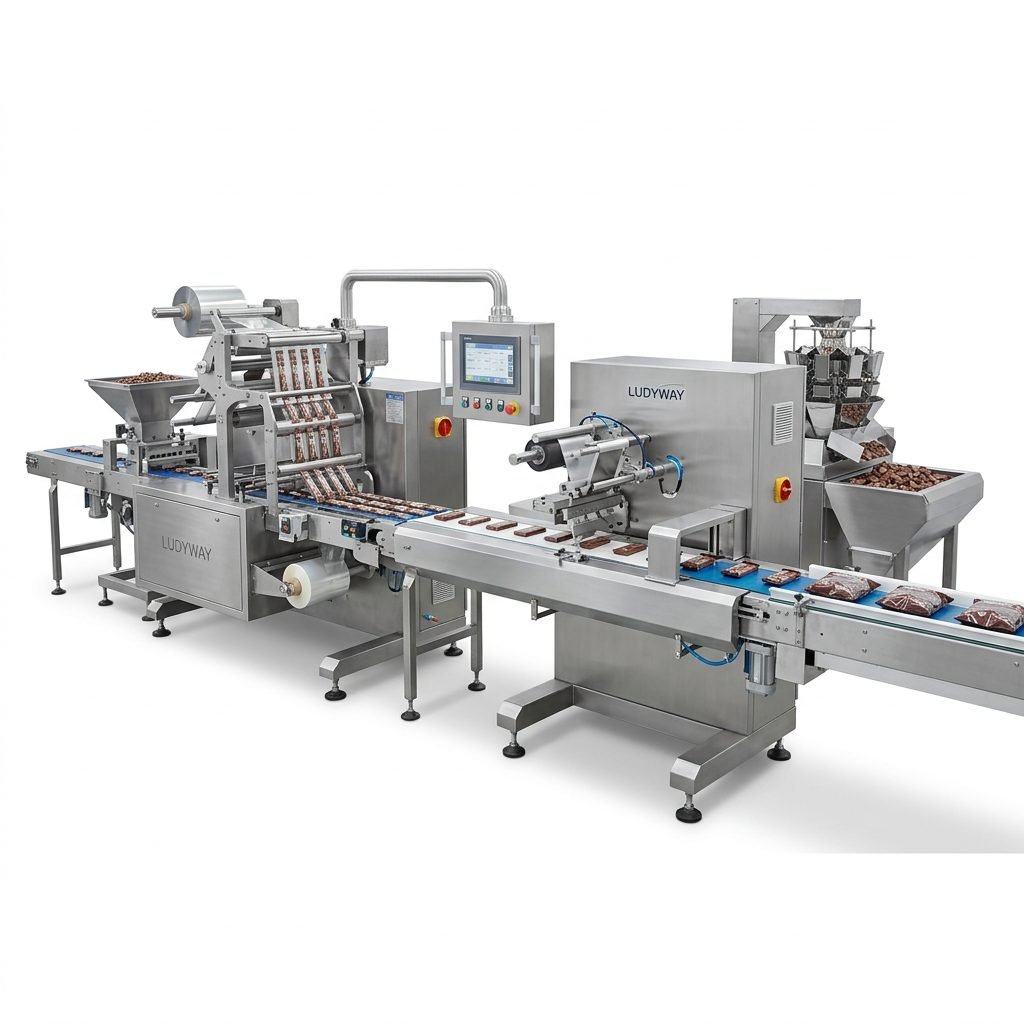
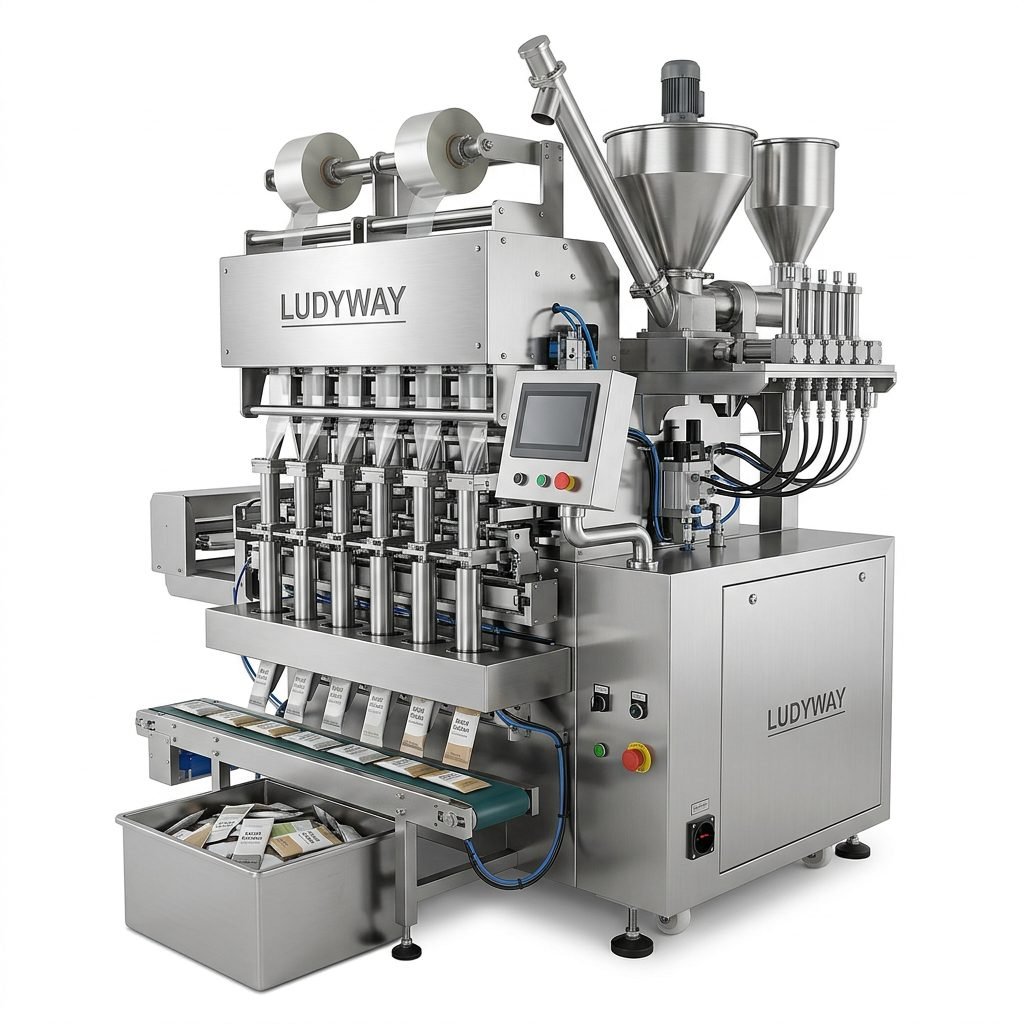
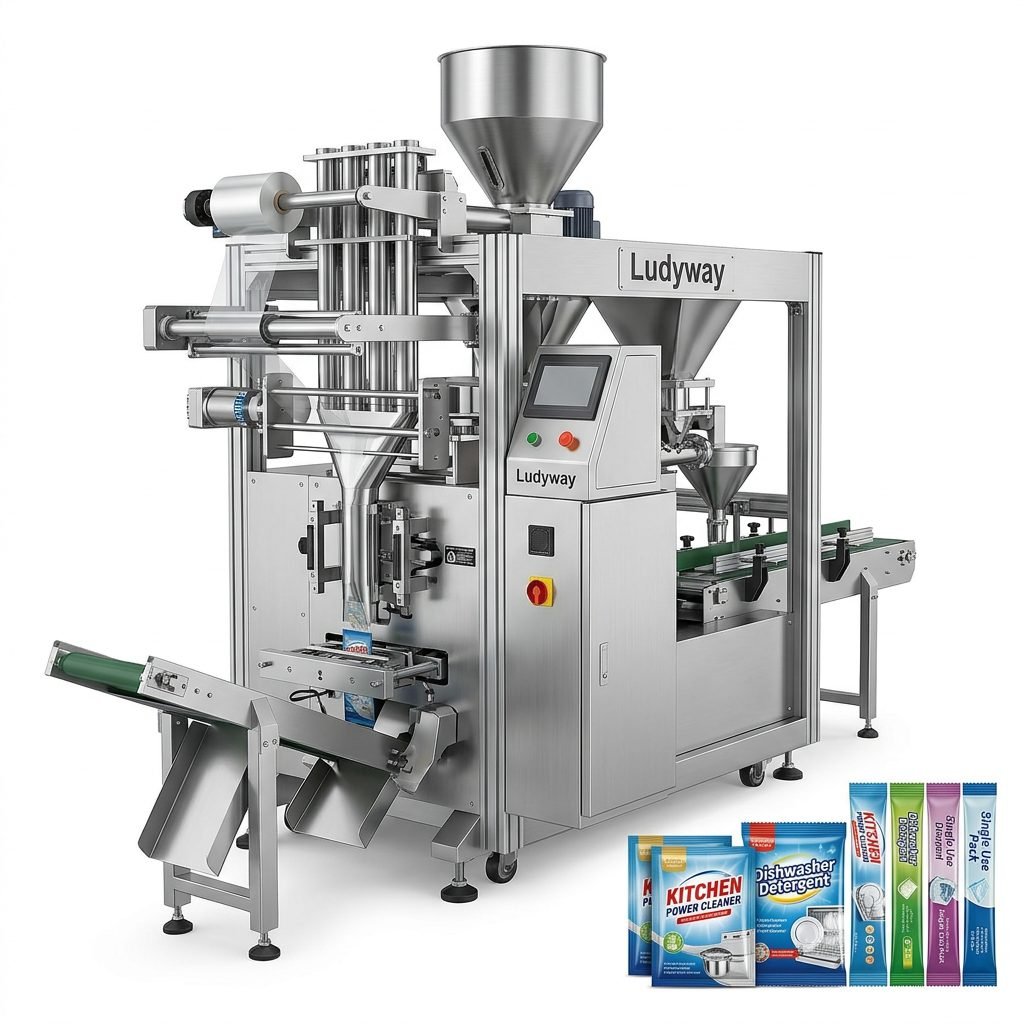
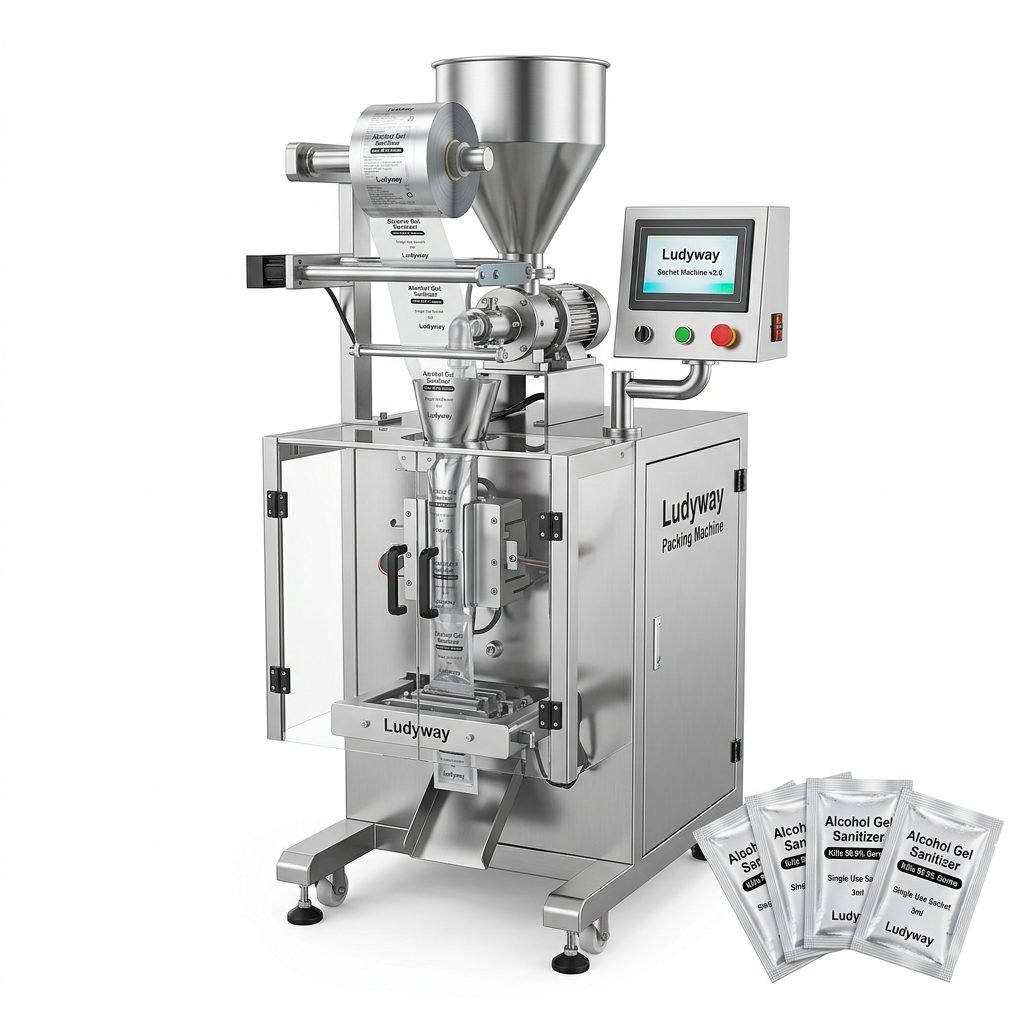
Inspect the construction. Stainless steel contact surfaces (especially for food) are standard for hygiene and corrosion resistance. A robust frame ensures stability and longevity under constant use. Partnering with an experienced manufacturer like Ludyway Machinery, which leverages over 30 years of industry expertise, can provide access to durable, well-engineered equipment built for demanding production environments.
After-Sales Service and Parts Availability
Ensure your supplier offers comprehensive technical support, training, and readily available spare parts. A global service network is invaluable for international operations. Downtime is expensive, so reliable support is a critical investment.
Integration with Existing Lines
Consider how the new vacuum sealer will fit into your current workflow. Does it require specific conveyors, bag dispensers, or weight checkers? Choosing a supplier capable of providing complete turnkey solutions ensures seamless integration and optimal performance from day one.
Making the Final Decision
Armed with this knowledge, create a shortlist of machines that meet your core requirements. Whenever possible, request a live product test using your actual materials. This is the best way to verify performance, seal quality, and cycle speed. Compare not just specifications, but the overall value proposition, including warranty, service reputation, and the supplier’s commitment to innovation and partnership.
Frequently Asked Questions (FAQs)
What is the main difference between an external vacuum sealer and a chamber vacuum sealer?
External sealers (often “suction sealers”) remove air from the bag’s exterior. They are less expensive but cannot achieve a strong vacuum or perform gas flushing. Chamber machines place the entire bag inside a sealed chamber, achieving a much deeper, more consistent vacuum and enabling advanced functions like MAP. They are the professional choice for food preservation and commercial use.
Can one machine handle both liquid and dry products?
Many chamber vacuum sealers can handle both, but special settings or accessories may be needed for liquids. Look for machines with a “Pulse” or “Liquid” mode that gently removes air in stages to prevent liquid from being sucked into the pump. Using pre-frozen liquids or specialized bags with absorbent pads is also common.
How important is the bag material for successful vacuum packaging?
Extremely important. The bag must be a multi-layer barrier material (like PET/PE or NY/PE) designed for vacuum sealing. Standard plastic bags will not hold a vacuum. The bag’s thickness, puncture resistance, and compatibility with your product (e.g., fat resistance for meats) are critical factors for shelf life and integrity.
What regular maintenance does a vacuum packaging machine require?
Basic maintenance includes daily cleaning of the seal bar and chamber to remove debris, weekly checks of the oil level (for oil pumps) or filter cleaning (for dry pumps), and periodic inspection of the sealing wire for wear. Always follow the manufacturer’s specific maintenance schedule to ensure longevity.
Is it worth investing in a machine with gas flushing (MAP) capabilities?
If you package products where appearance, texture, and extended fresh shelf life are paramount—such as fresh meats, cheeses, ready-to-eat meals, or delicate baked goods—then MAP is an essential investment. It can significantly reduce food waste and open up new distribution channels, providing a strong return on investment.