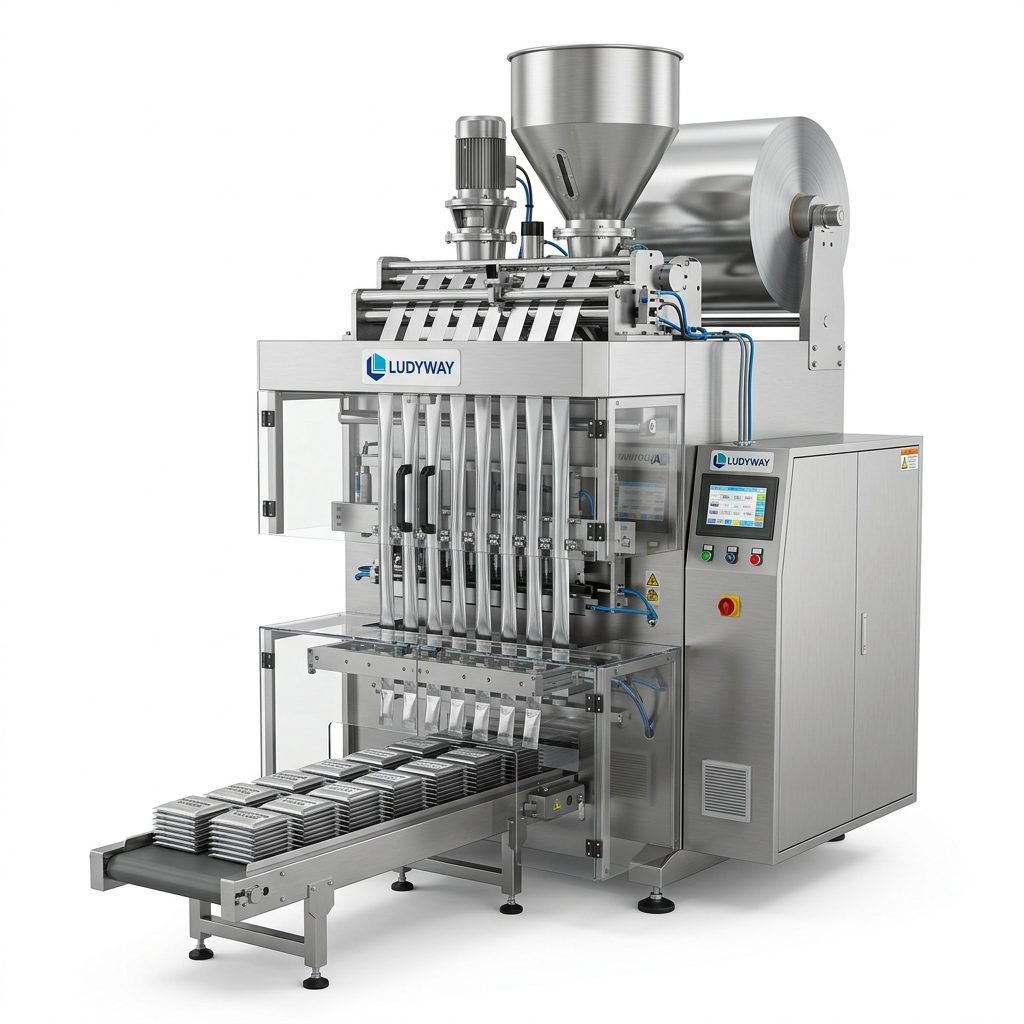
For spice producers and food manufacturers, selecting the right packaging machine is a critical decision that impacts product quality, shelf appeal, and operational efficiency. A spice packaging machine must handle delicate, often volatile materials while ensuring precision, speed, and hygiene. This comprehensive guide explores the different types of spice packaging machines, factors influencing their price, and key considerations for choosing the best solution for your production line.
Understanding the Core Types of Spice Packaging Machines
The market offers a variety of packaging machines, each suited to different product forms, packaging styles, and production volumes. Understanding these types is the first step toward making an informed choice.
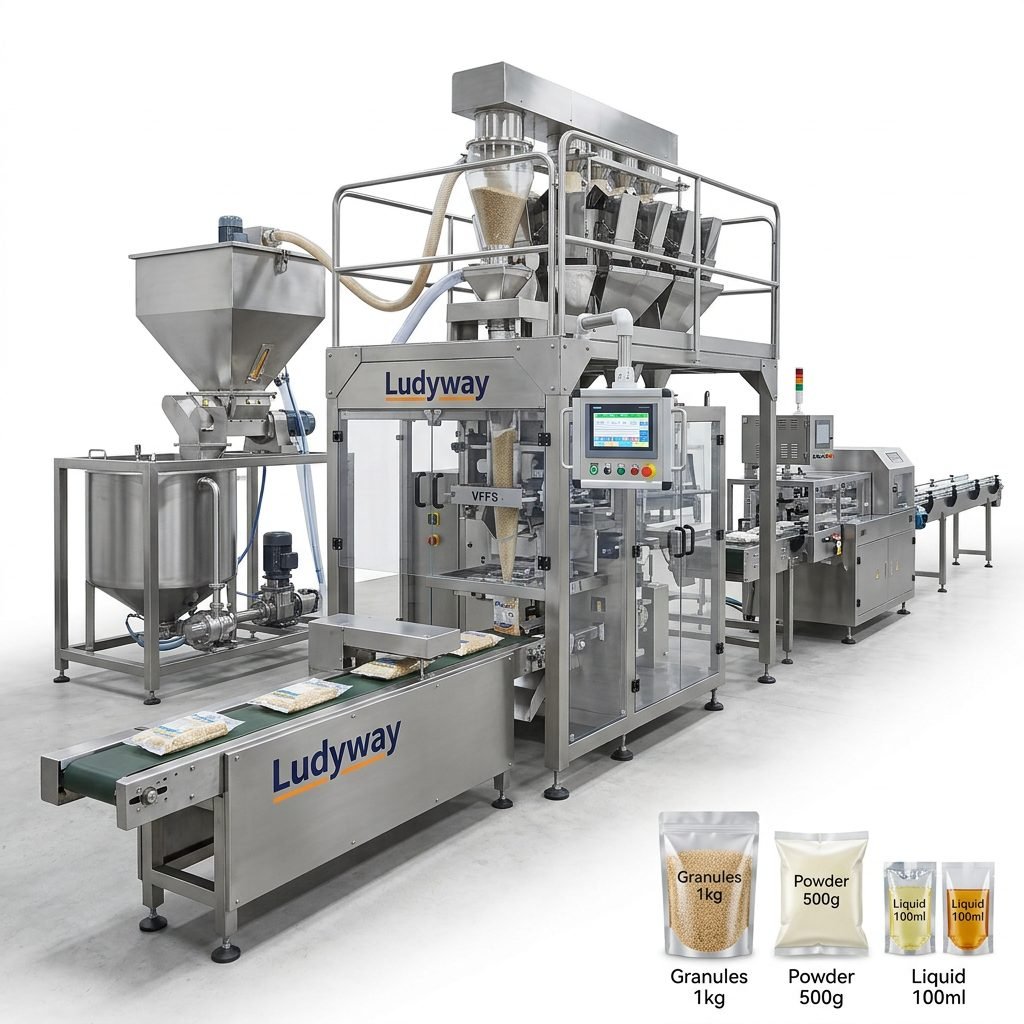
Vertical Form-Fill-Seal (VFFS) Machines
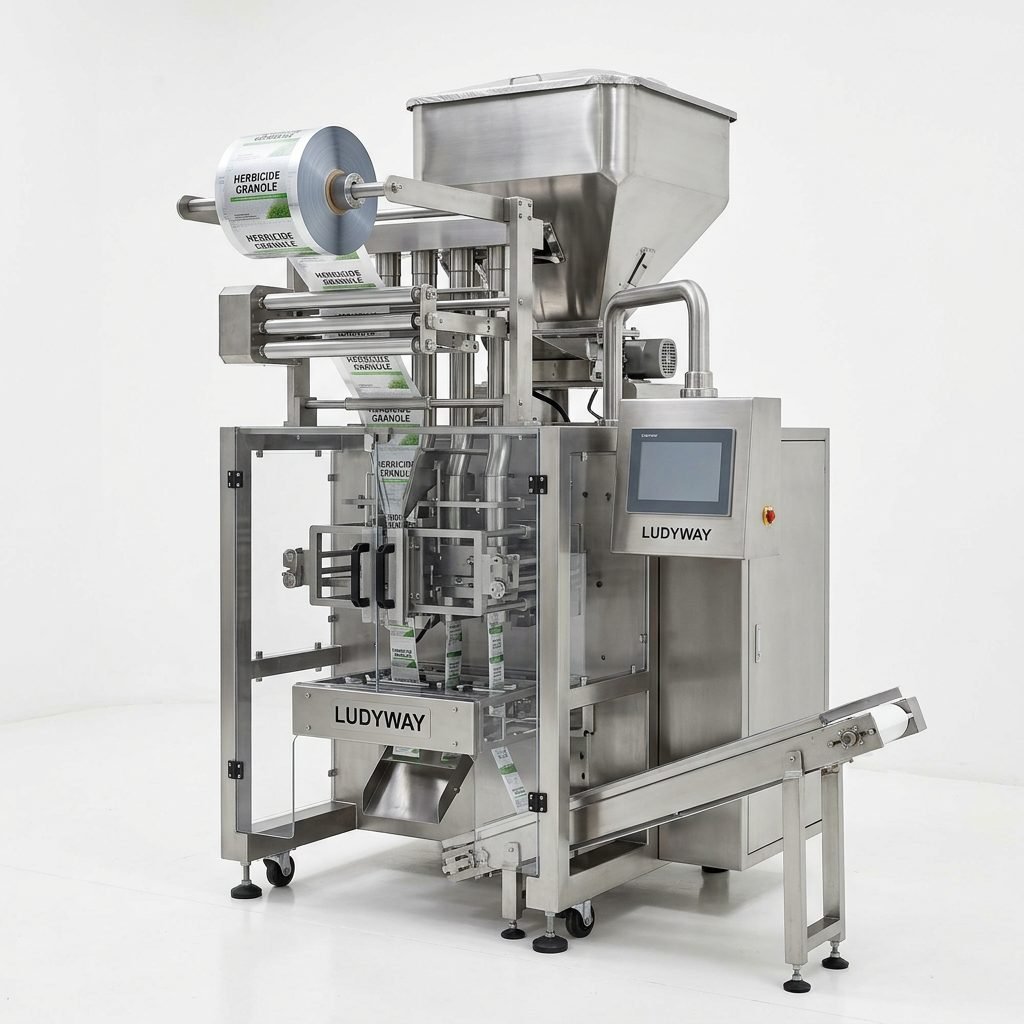
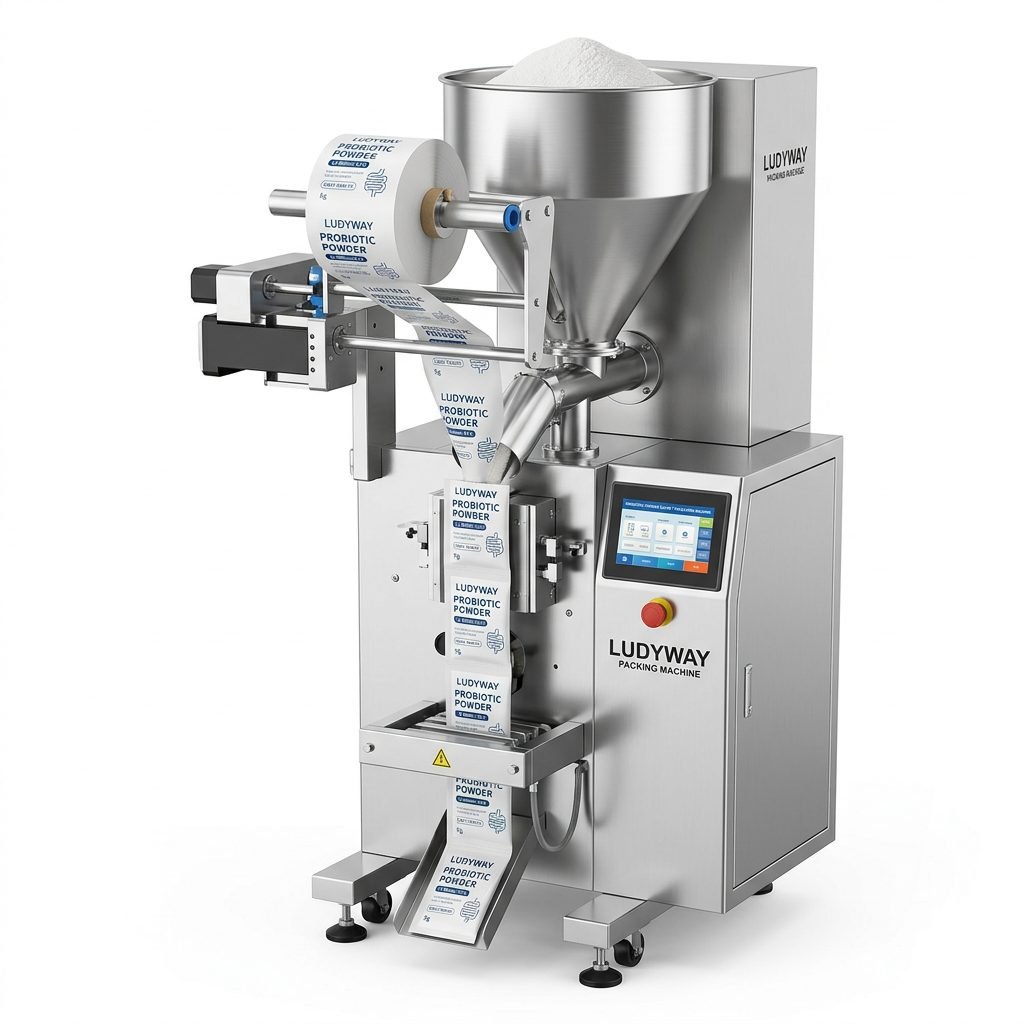
These are the most common machines for packaging granular and powdered spices like chili powder, cumin, or paprika. They form a bag from a roll of film, fill it with a pre-measured amount of product, and then seal it. VFFS machines are highly versatile and can produce various bag styles, including pillow bags, gusseted bags, and stand-up pouches. They are ideal for medium to high-volume production.
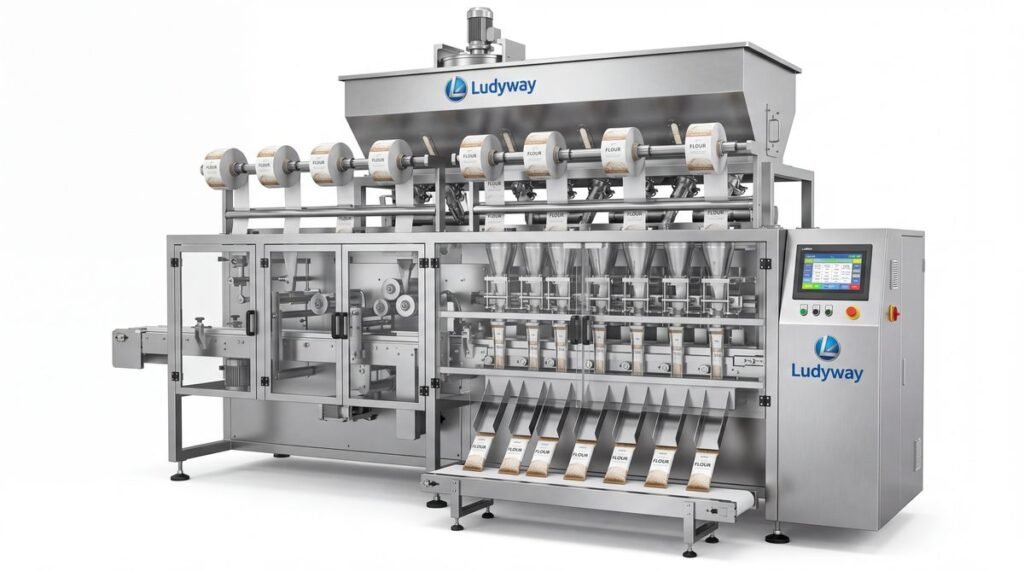
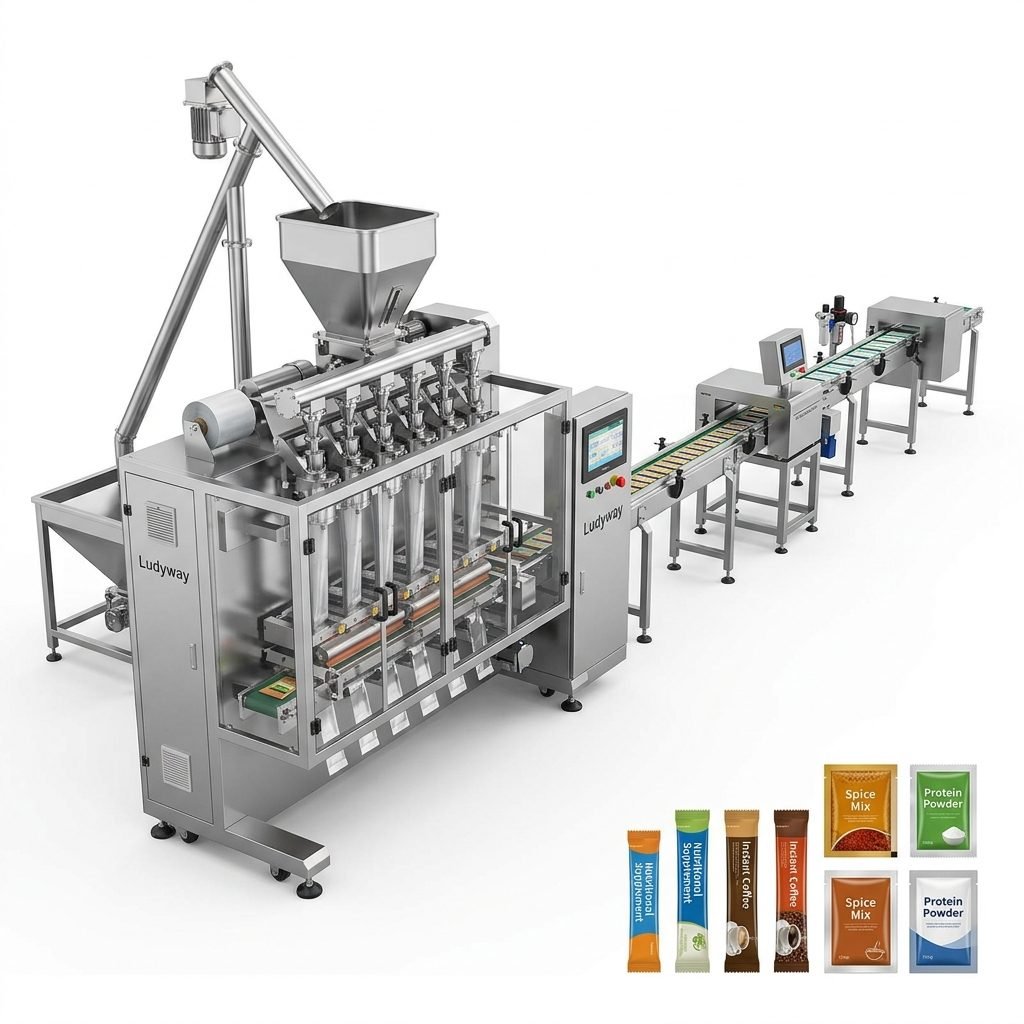
Horizontal Form-Fill-Seal (HFFS) Machines
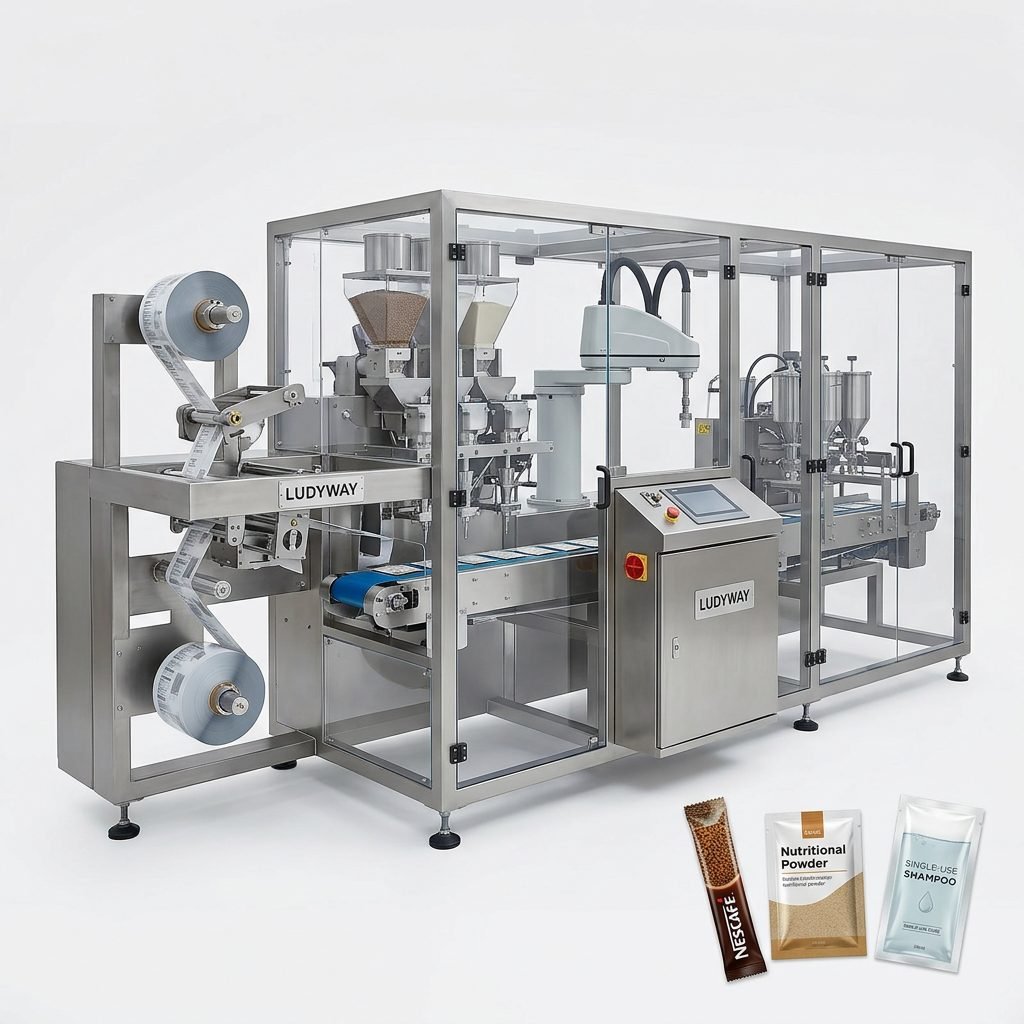
Often used for stick packs or sachets, HFFS machines are excellent for single-serve portions of spices, such as those found in instant noodles or meal kits. The film moves horizontally, and the machine forms multiple cavities simultaneously, filling and sealing them at high speeds. This type is perfect for creating small, precise, and convenient portions.
Pre-Made Pouch Machines
These machines use pre-manufactured, often stand-up, pouches. They are favored for premium spice products where packaging design and material quality are paramount. The process involves opening a pre-made pouch, filling it, and then sealing it. This method allows for more complex and high-quality packaging materials but may operate at slightly slower speeds than VFFS.
Auger Filling Machines
At the heart of many spice packaging systems is the auger filler. This component is responsible for the precise measurement and dispensing of powdered or granular spices. The accuracy of the auger—determined by its design, size, and control system—is crucial for maintaining consistent fill weights and minimizing product giveaway, a key factor in cost control.
Key Feature Highlight: Why Precision Matters
Spices are high-value products. An auger filler that drifts by even half a gram per bag can lead to significant revenue loss over millions of packages. Modern machines with servo-driven augers and weight feedback systems offer the highest precision, ensuring compliance and profitability.
Analyzing the Price Factors: What Drives the Cost?
The price of a spice packaging machine is not a single number but a spectrum influenced by several interconnected factors. A basic, semi-automatic machine starts at a lower price point, while fully integrated, high-speed automated lines represent a significant capital investment.
1. Automation Level & Speed
The degree of automation is the primary cost driver. A fully automatic machine with automated film loading, filling, sealing, coding, and counting will cost substantially more than a semi-automatic model that requires manual bag placement. Speed (bags per minute) directly correlates with price; higher output machines require more robust mechanics and sophisticated controls.
2. Machine Construction & Materials
Machines built with food-grade stainless steel (e.g., SS304 or SS316) for all product-contact parts are more expensive but are essential for hygiene, durability, and corrosion resistance, especially when packaging salty or acidic spices. The quality of components like servo motors, PLCs, and touchscreen HMIs also significantly affects both price and long-term reliability.
3. Flexibility and Changeover
A machine capable of handling multiple bag sizes (from small sachets to large pouches) and different types of film with quick, tool-less changeover commands a higher price. This flexibility is invaluable for manufacturers with a diverse product portfolio who need to minimize downtime between production runs.
4. Specialized Features
Additional features add cost but can solve specific challenges:
- Nitrogen Flushing Systems: Essential for preserving the color, aroma, and shelf life of sensitive spices like basil or oregano by displacing oxygen.
- Dust Extraction Ports: Critical for maintaining a clean environment and worker safety when packaging fine powders.
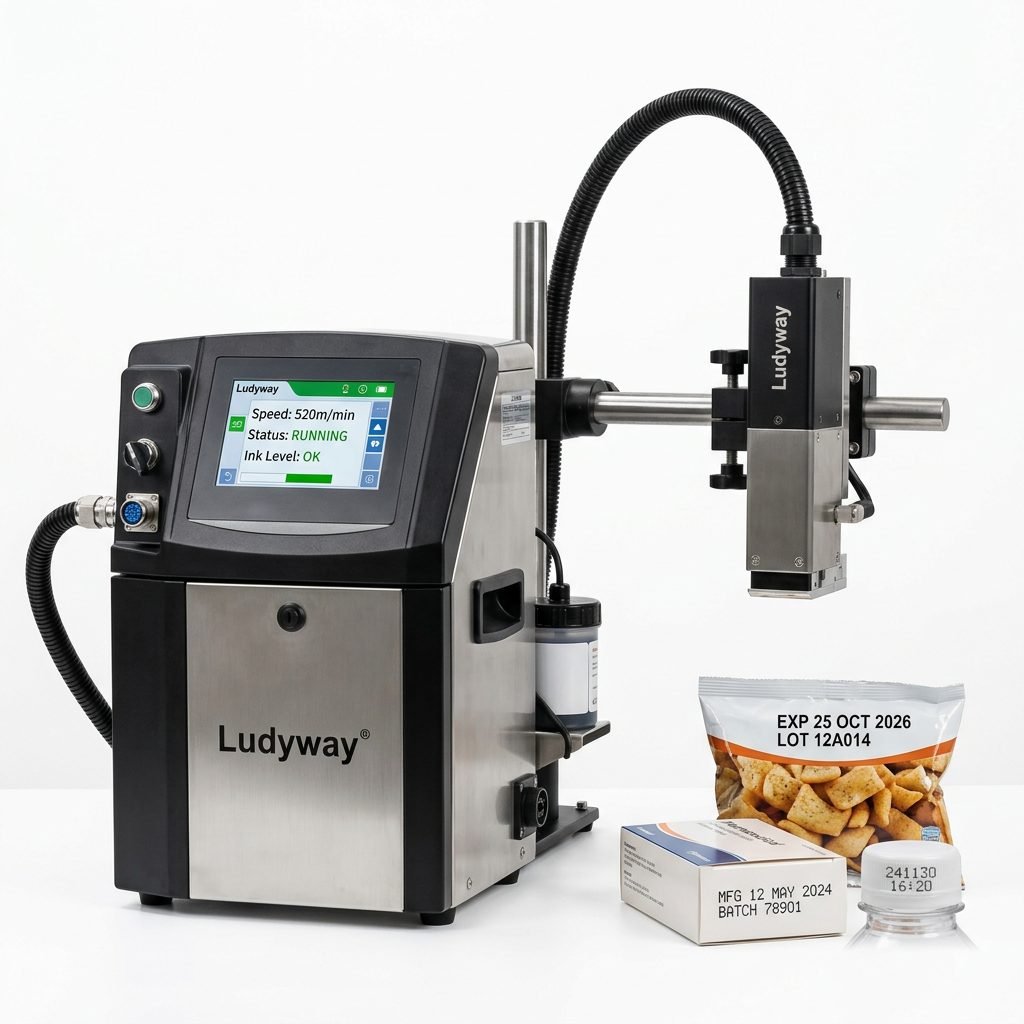
- Checkweighers & Vision Systems: Integrated quality control systems that add to the initial cost but prevent costly recalls and ensure brand integrity.
How to Choose the Best Spice Packaging Solution
Selecting a machine is a strategic decision. The “best” machine is the one that optimally aligns with your specific business needs, both now and in the foreseeable future.
Step 1: Define Your Product & Packaging Requirements
Start with clarity. What specific spices are you packaging (fine powder, whole seeds, flakes)? What is your desired bag style, size, and material? Do you need features like zippers, degassing valves, or transparent windows? Your packaging supplier can provide valuable input here.
Step 2: Assess Your Production Volume
Match the machine’s output to your demand. Calculate your required bags per minute/shift. It’s often wiser to invest in a machine with 20-30% more capacity than your current needs to accommodate business growth without immediately requiring another capital purchase.
Step 3: Prioritize Hygiene and Ease of Cleaning
Spice residues can cross-contaminate flavors and attract pests. Look for machines with a sanitary design: smooth surfaces, minimal crevices, easy-access panels, and CIP (Clean-in-Place) capabilities for augers. This is non-negotiable for quality and food safety standards.
Step 4: Evaluate the Total Cost of Ownership (TCO)
Look beyond the initial purchase price. Consider:
- Operational Costs: Energy consumption, film waste, and product giveaway.
- Maintenance Costs: Availability and cost of spare parts. A machine from a reputable supplier like Ludyway Machinery, with over 30 years of industry experience, often means better support and parts availability.
- Downtime Costs: A reliable, well-supported machine minimizes costly production stoppages.
Step 5: Verify Supplier Credibility and Support
The supplier is as important as the machine. Do they offer comprehensive installation, training, and after-sales service? Can they provide references from similar spice industry clients? A supplier with a strong track record, like one offering more than 50 intelligent packaging models, will be a partner in your success, not just a vendor.
Pro Tip: Request a Live Product Test
Never buy based on specifications alone. Always send your actual spice product and packaging film to the supplier for a live performance test. This reveals the true filling accuracy, sealing quality, machine compatibility with your materials, and operational noise/dust levels.
Integrating Your Packaging Machine into the Production Line
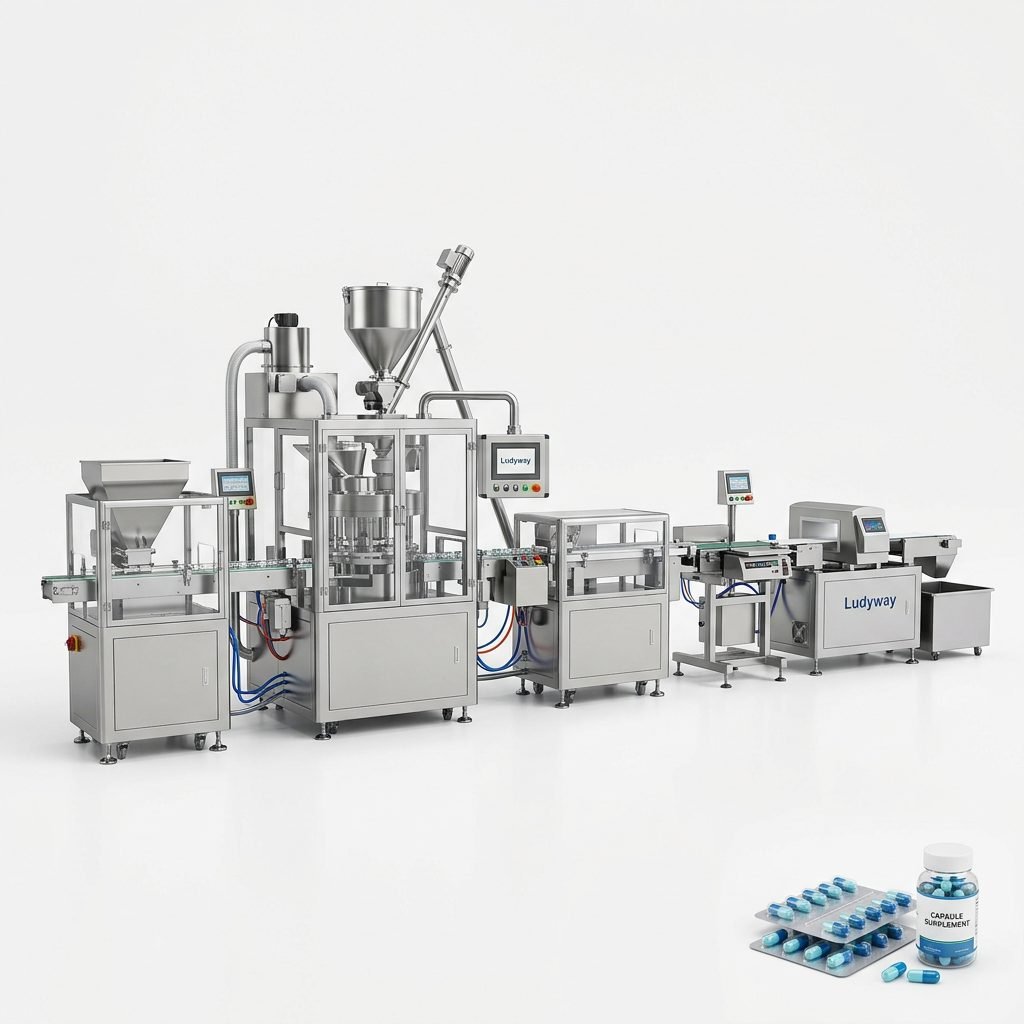
A packaging machine rarely works in isolation. For optimal flow, consider upstream and downstream equipment. Upstream, you might need silos, conveyors, or sieves to feed the machine consistently. Downstream, equipment like cartoners, case packers, or palletizers may be necessary to complete the automation. A supplier capable of providing complete turnkey production line solutions can ensure seamless integration and single-point responsibility.
Frequently Asked Questions (FAQs)
1. What is the typical lifespan of a spice packaging machine?
With proper maintenance and operation, a well-built stainless steel machine from a reputable manufacturer can last 15 to 20 years or more. The key factors are the quality of construction, the regularity of preventive maintenance, and the operating environment.
2. Can one machine handle both powdered and whole spices?
It depends on the machine’s design. Many VFFS machines with versatile auger systems can handle both, but changeover may require adjusting auger tools, funnel sizes, and vibration settings. It’s crucial to discuss this requirement with your supplier and test both product types.
3. How important is nitrogen flushing for spice packaging?
For most dried spices, it is highly recommended. Nitrogen flushing (or gas flushing) removes oxygen from the package, which dramatically slows oxidation. This preserves the spice’s vibrant color, potent aroma, and flavor for much longer, extending shelf life and maintaining premium quality.
4. What are the most common maintenance tasks required?
Daily cleaning of product contact parts is essential. Regular maintenance includes lubricating moving parts (with food-grade lubricant), checking and replacing sealing jaws or bands, inspecting augers for wear, and ensuring sensors are clean and calibrated. Following the manufacturer’s maintenance schedule is critical.
5. How do I ensure the packaging film seals properly with my spice?
Proper sealing depends on the compatibility of the film material (e.g., PET/PE, OPP/CPP) with your machine’s heat seals and, crucially, avoiding product contamination on the sealing area. This is achieved through a well-designed funnel or nozzle that keeps powder away from the seal bars and potentially the use of a dust extraction system. Film testing is vital.