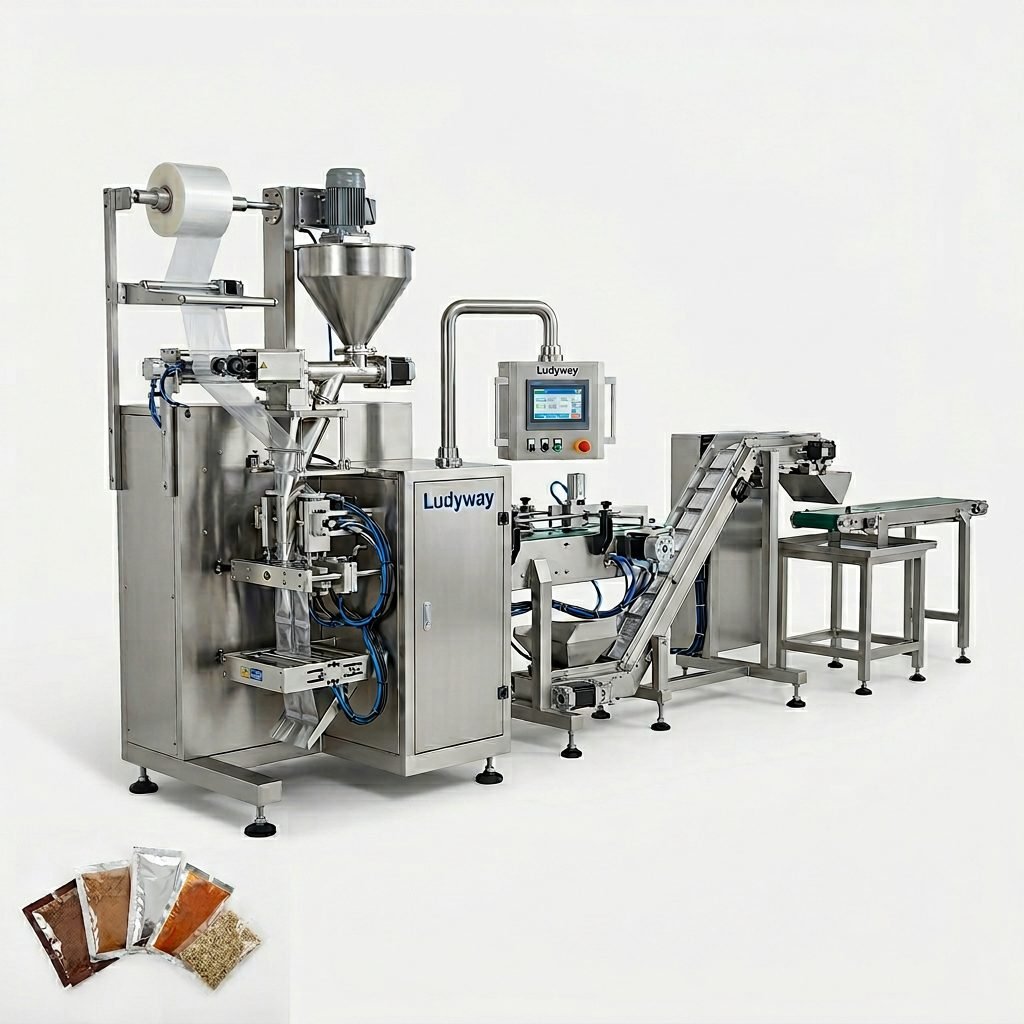
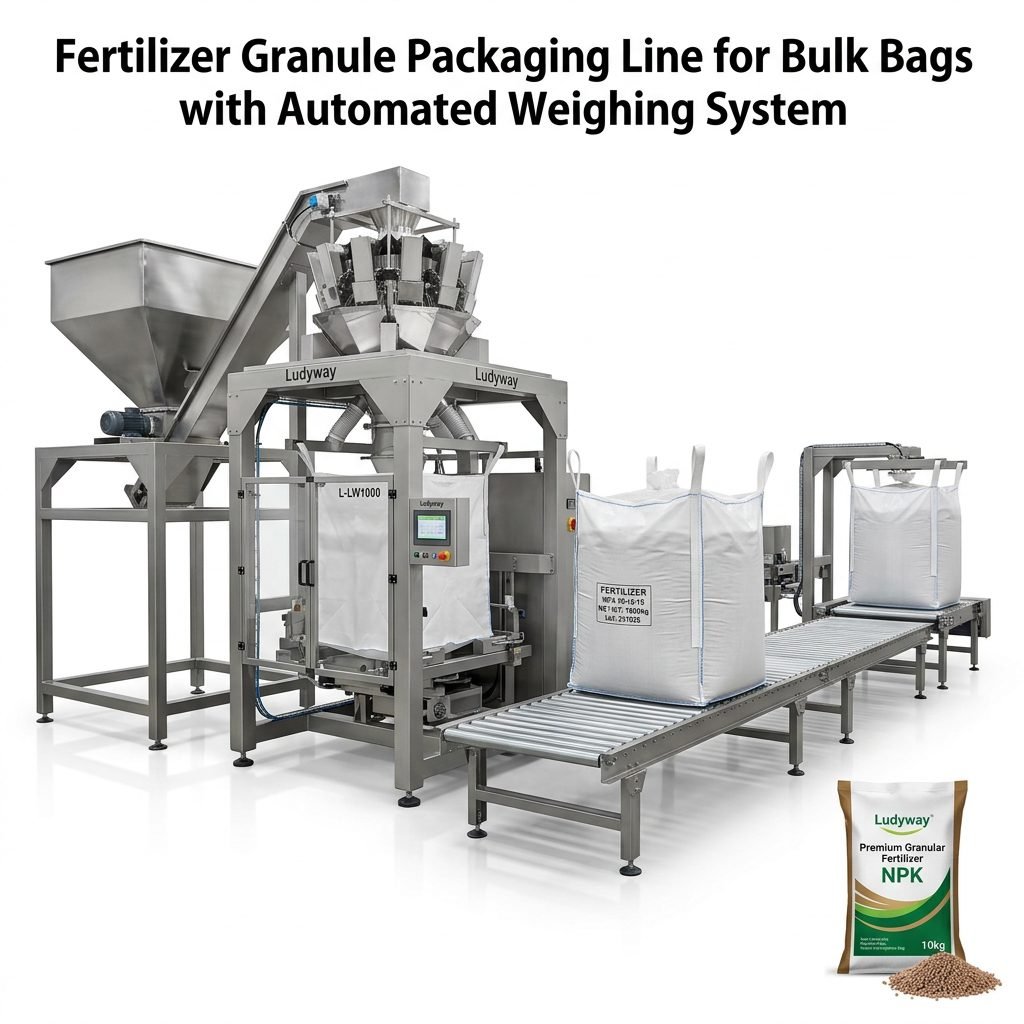
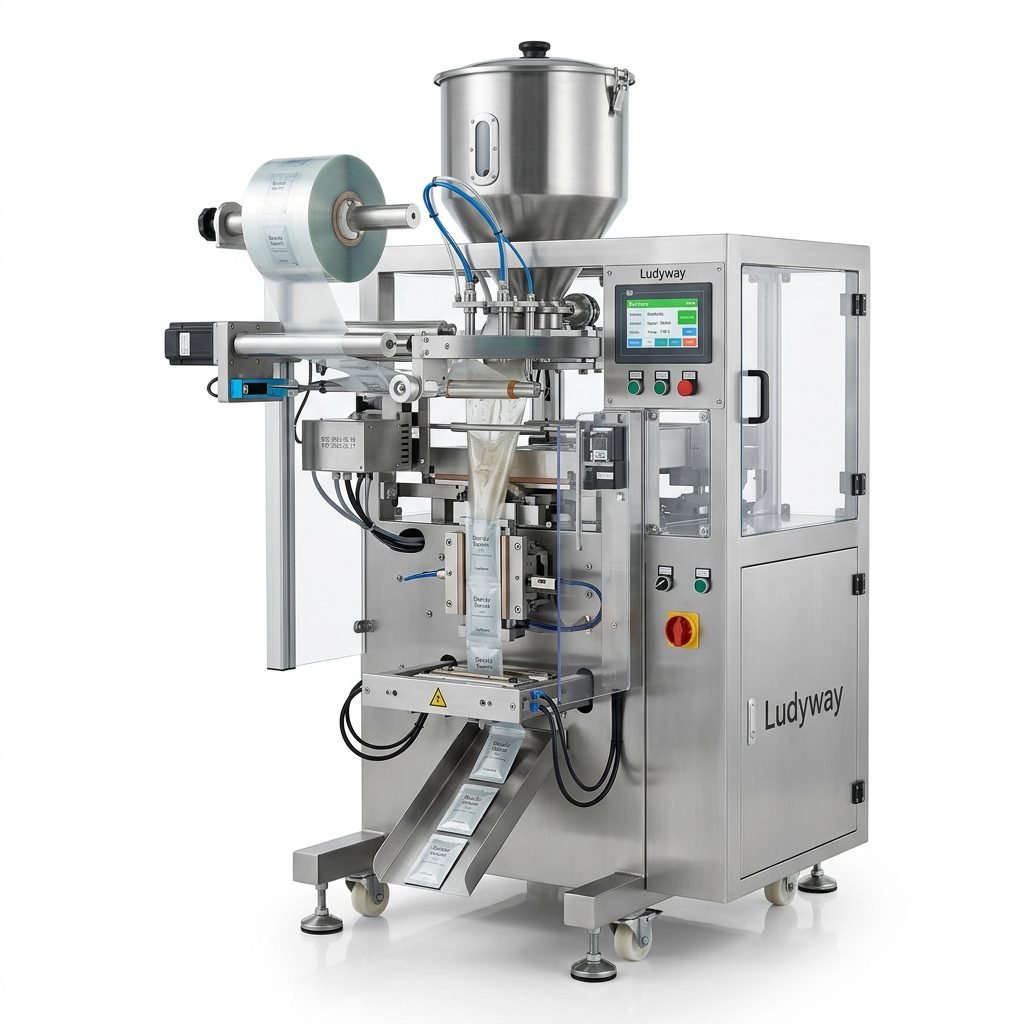
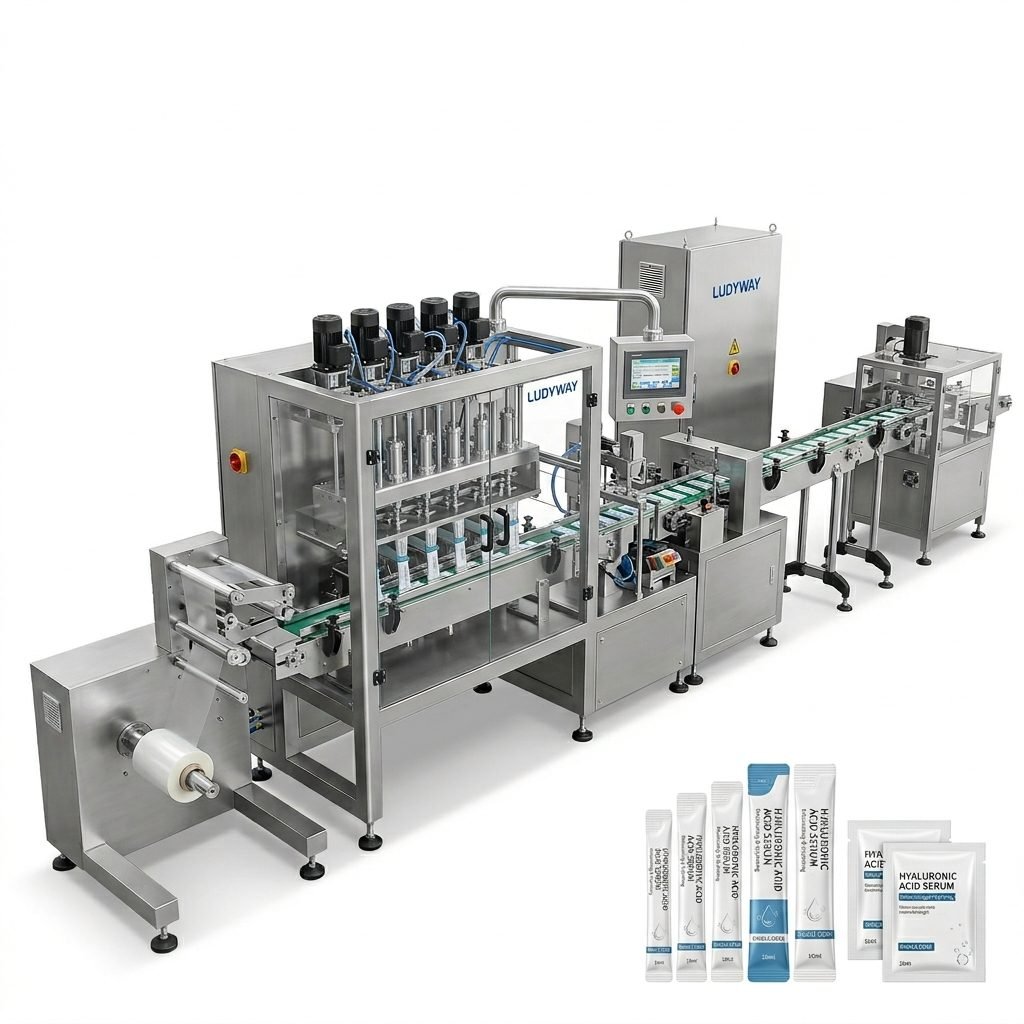
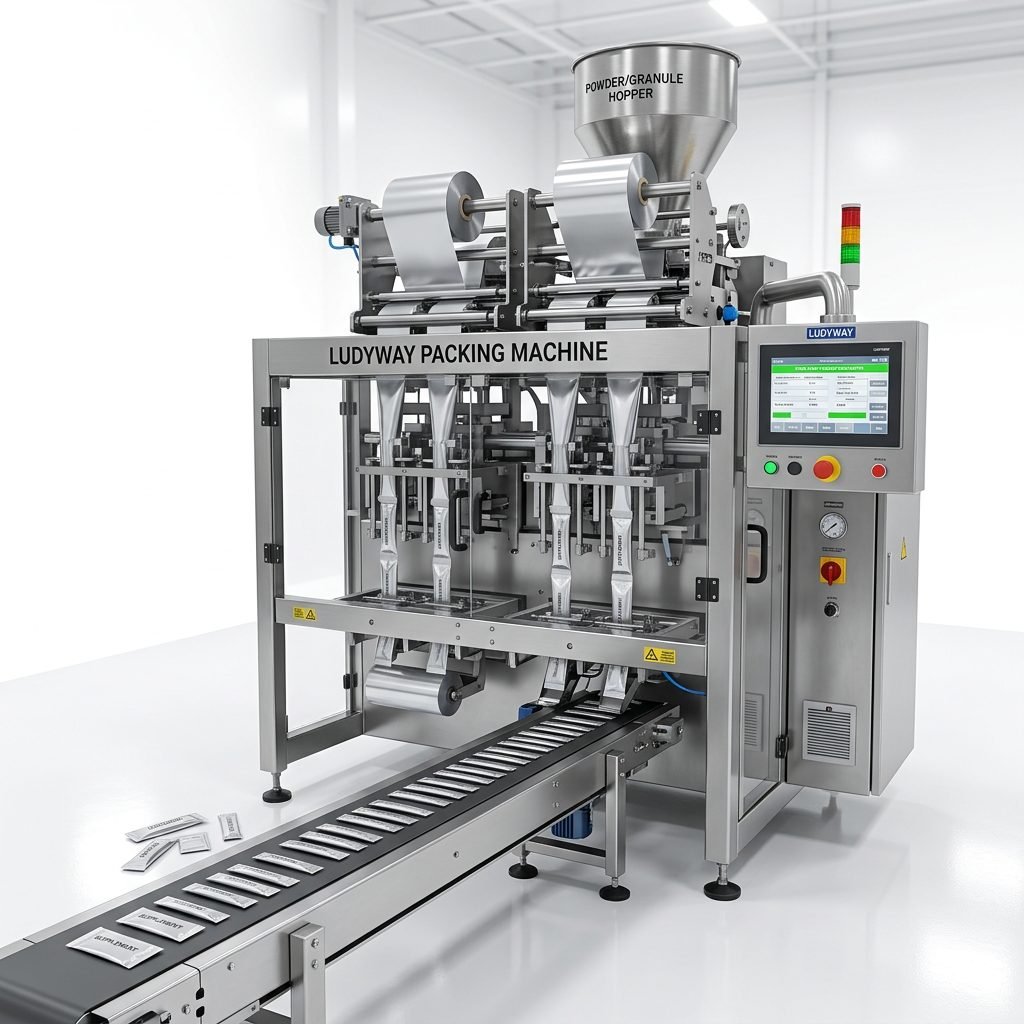
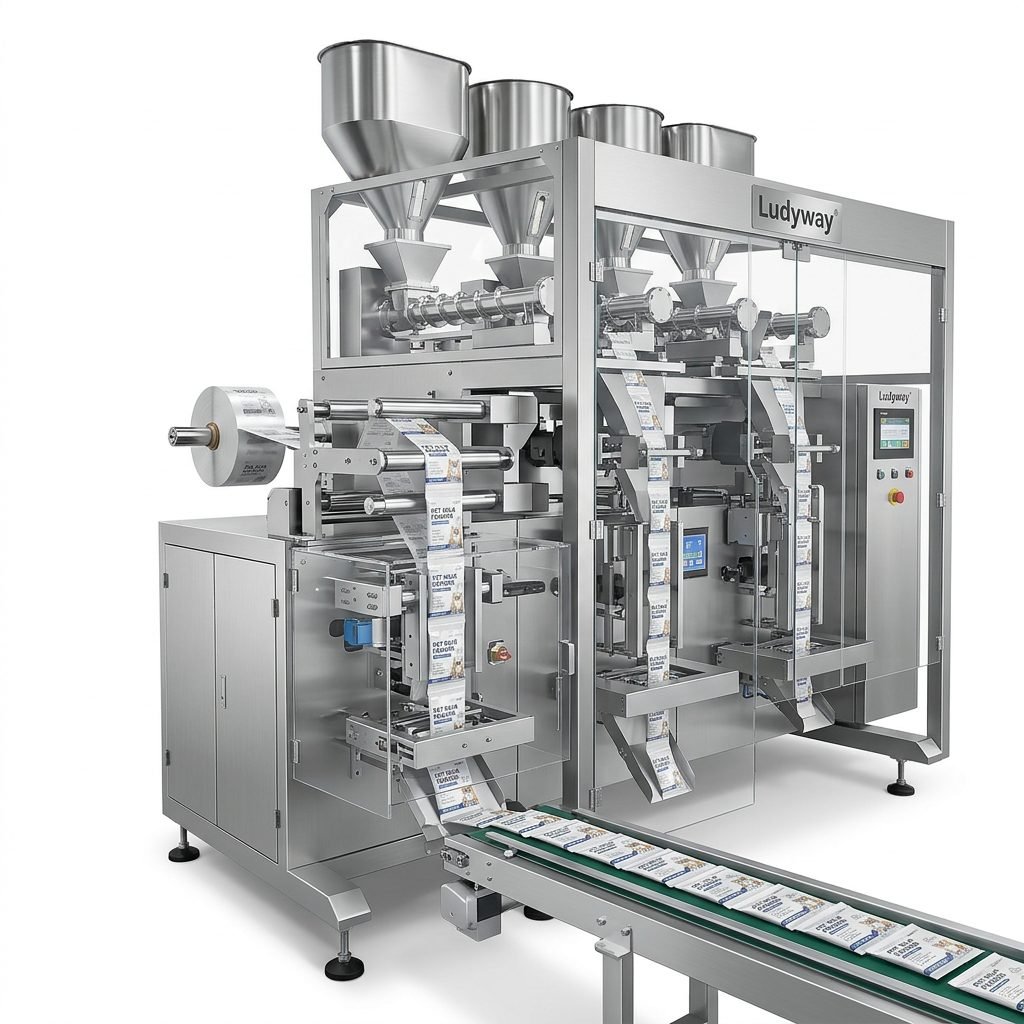
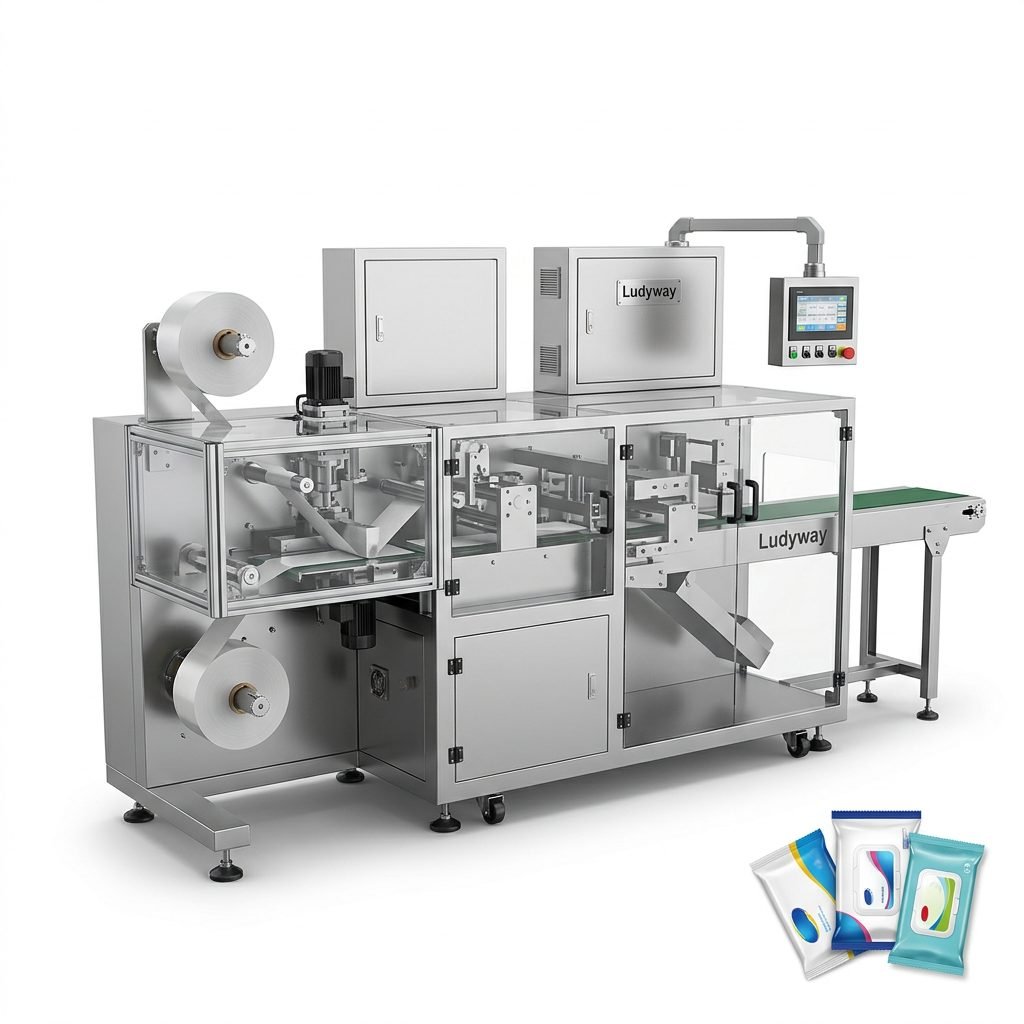
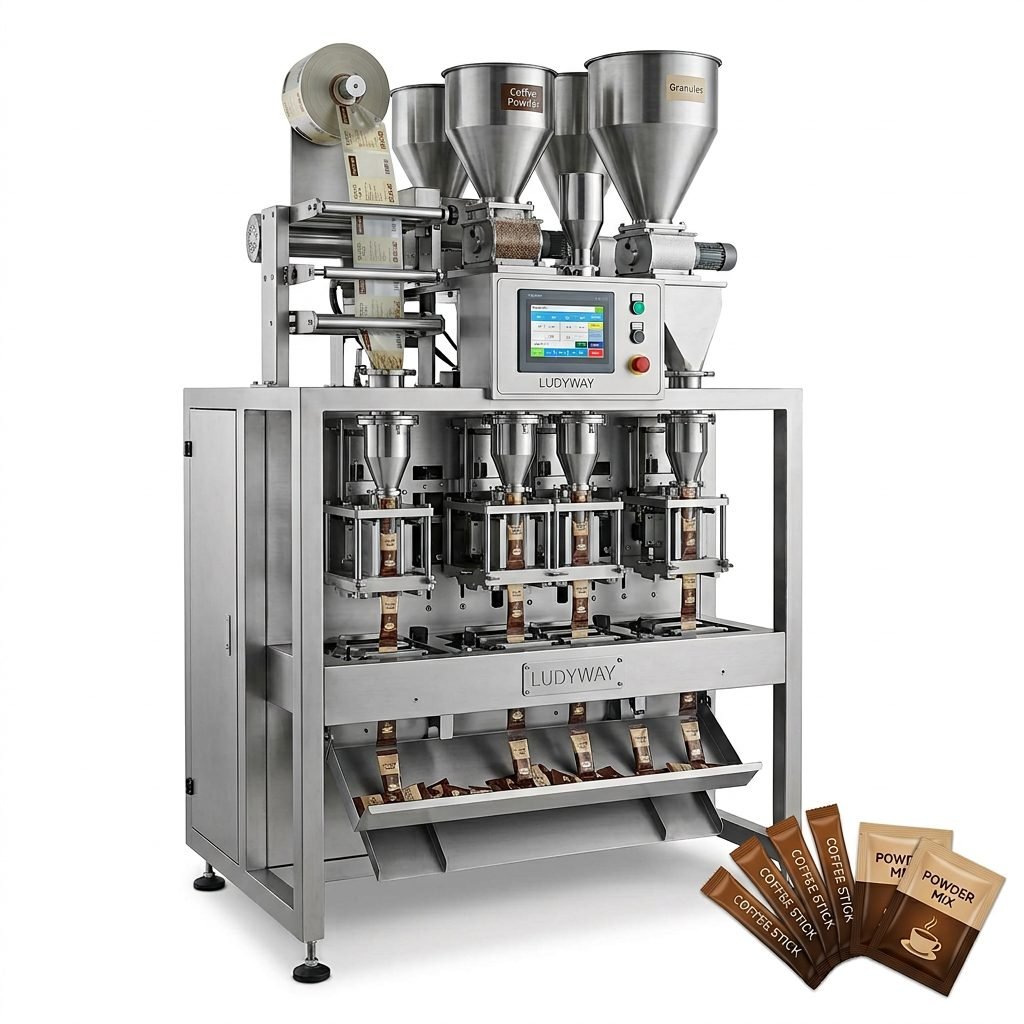
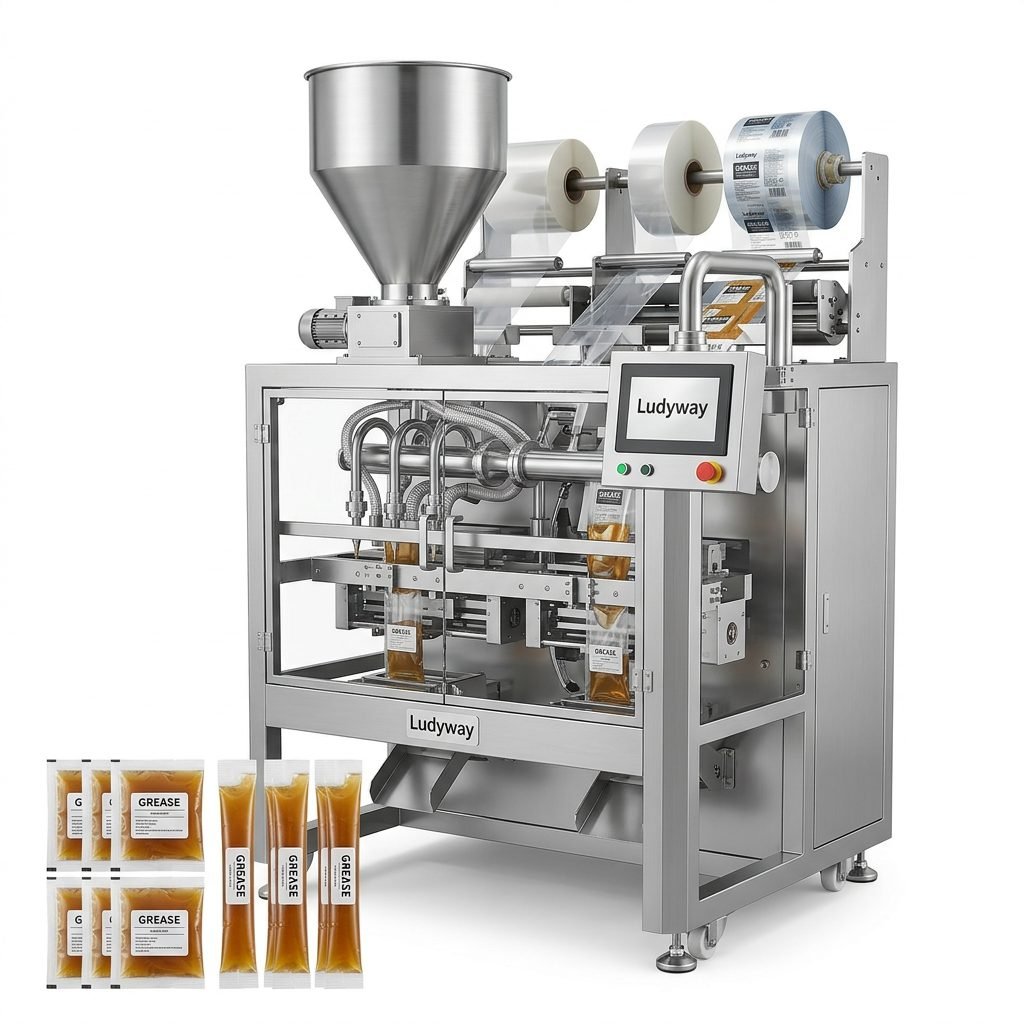
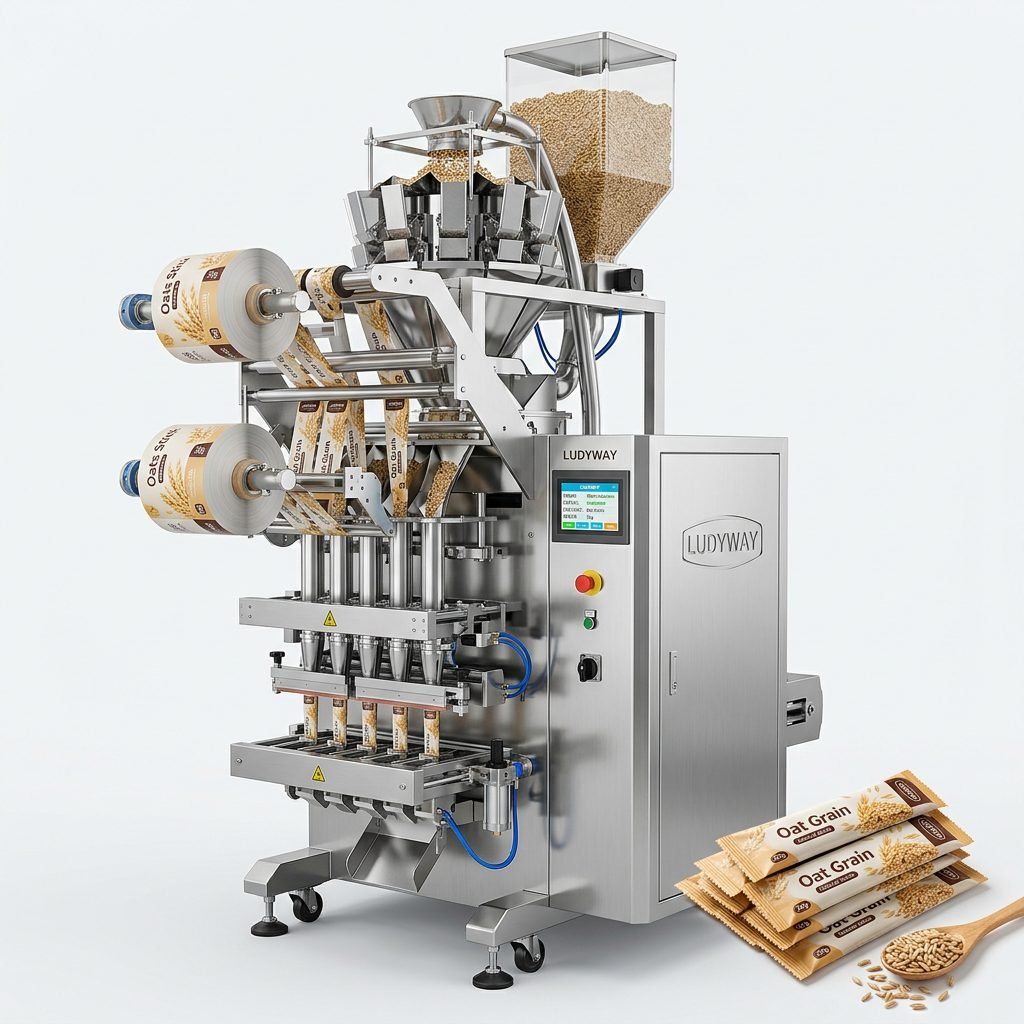
In today’s fast-paced manufacturing landscape, achieving high efficiency and consistent quality in product packaging is paramount. For businesses handling powders, granules, liquids, or pastes in flexible pouches, the choice of packaging machinery directly impacts productivity and profitability. This is where Efficient Doypack Packaging Machinery for Pouch Filling and Sealing Automation becomes a game-changer. These integrated systems streamline the entire process from forming the pouch to filling it with precise amounts of product and creating a secure, airtight seal—all in one continuous, automated operation.
What is Doypack Packaging Machinery?
Doypack packaging machinery refers to automated systems specifically designed to handle stand-up pouches, often called Doypack-style bags. These pouches are popular for their stability, attractive shelf presence, and excellent barrier properties. The machinery automates the critical steps: it forms the pouch from roll stock film, fills it with the product—be it coffee, snacks, sauces, or detergents—and then seals it with high integrity. This automation eliminates manual bottlenecks, ensures hygienic handling, and delivers a professional, consistent package every time.
Core Advantages of Automated Pouch Filling & Sealing
Investing in an automated Doypack line offers transformative benefits. Speed and output are dramatically increased, allowing production to scale to meet market demands. More importantly, precision filling technology minimizes product giveaway, saving significant material costs over time. The automated sealing process guarantees consistent seal strength and package integrity, drastically reducing leakers and product waste. Furthermore, these systems enhance operational safety by limiting direct product contact and reduce labor dependency for repetitive tasks.
Key Components of an Efficient Doypack System
A complete automated pouch packaging line is a symphony of integrated components. Understanding each part helps in selecting the right machinery for specific needs.
1. Pouch Forming & Feeding Unit
This is the starting point where flat roll film is precisely unwound and formed into the three-dimensional pouch shape. Advanced systems include pre-made pouch feeders for even higher speeds, where pre-formed pouches are automatically loaded and positioned for filling.
2. Precision Weighing & Filling Systems
The heart of the machine’s accuracy lies here. Depending on the product, different fillers are employed:
➤ Auger Fillers: Ideal for powders, granules, and pastes. They use a rotating screw to dispense product with exceptional accuracy.
➤ Liquid Piston Fillers: Used for oils, sauces, and liquids, providing volumetric precision.
➤ Multi-head Weighers: For snacks and irregular items, these combination weighers achieve high-speed, target-weight filling.
3. Advanced Sealing & Closing Mechanisms
After filling, the pouch must be securely closed. This involves:
• Gas Flushing: For modified atmosphere packaging (MAP) to extend shelf life.
• Heat Sealing: Creating a permanent, hermetic seal on the top of the pouch.
• Zipper Application: Automatically attaching re-closable zippers for consumer convenience.
Driving Factors for Automation Adoption
The shift towards automated Doypack solutions is driven by several market forces. Rising consumer demand for convenient, portable, and fresh products pushes brands toward flexible packaging. Simultaneously, increasing labor costs and the challenge of finding skilled operators make automation a financially sound decision. Stringent food safety and traceability regulations (like FSMA, HACCP) are more easily complied with using a controlled, automated system that reduces contamination risks and maintains accurate production records.
Selecting the Right Machinery for Your Product
Not all Doypack machines are created equal. The optimal system depends entirely on your product’s characteristics and production goals.
For Powders & Granules (e.g., Protein Powder, Coffee, Spices)
Machines equipped with twin auger filler systems and vibratory settling devices are crucial. They ensure dense, accurate packing without air pockets. Dust extraction systems are also vital to maintain a clean operation and protect the sealing surfaces.
For Liquids & Viscous Products (e.g., Sauces, Oils, Shampoos)
Look for systems with overflow or vacuum-assisted liquid fillers to achieve precise fill levels and prevent dripping. The sealing station must be designed to handle potential product contamination on the seal area, often featuring hot air or gas flush cleaning before the seal bar closes.
For Snacks & Irregular Solids (e.g., Nuts, Candy, Pet Food)
High-speed multi-head computer weighers are the standard. The machine should have gentle handling systems to prevent product breakage and a robust film path to handle the slightly uneven filled pouch profile.
The Role of a Trusted Packaging Partner
Implementing an automated packaging line is a significant investment. Partnering with an experienced supplier like Ludyway Machinery is critical. With over 30 years of industry experience, a partner brings not just equipment, but turnkey production solutions. They assess your entire process, from film selection to end-of-line casing, ensuring all components integrate seamlessly. Their support in commissioning, operator training, and after-sales service guarantees that your investment delivers a rapid return and long-term reliability. Exploring their range of packaging machine models is the first step toward a tailored solution.
Future Trends in Pouch Packaging Automation
The evolution of Doypack machinery continues. The integration of Industrial Internet of Things (IIoT) sensors and data analytics allows for predictive maintenance, reducing unplanned downtime. Vision inspection systems are becoming standard for 100% seal integrity and label verification. Furthermore, there is a strong push towards sustainability, with machines being adapted to handle mono-material and recyclable films efficiently, supporting brands’ environmental goals. For insights into how these trends are implemented, reviewing a supplier’s company history and innovations can be enlightening.
Summary & Key Takeaways
Efficient Doypack packaging machinery represents the pinnacle of automation for flexible pouch production. By consolidating forming, filling, and sealing into one coherent system, it delivers unmatched speed, precision, and consistency. The key to success lies in carefully matching the machine’s technology—be it auger, liquid, or multi-head filling—to the specific physical properties of your product. Ultimately, achieving optimal efficiency and product protection requires a strategic partnership with a knowledgeable equipment provider who can deliver a complete, supported solution tailored to your production floor’s unique demands.
Frequently Asked Questions (FAQs)
1. What is the typical production speed of an automated Doypack machine?
Speeds vary widely based on pouch size, product type, and machine configuration. Standard machines can range from 40 to 120 pouches per minute (PPM). High-speed systems with pre-made pouches or multi-lane configurations can achieve over 200 PPM. A detailed analysis of your requirements is needed for an accurate estimate.
2. Can one machine handle different pouch sizes and products?
Yes, most modern machines are designed with quick-changeover capabilities. By changing parts like the forming shoulder, filling nozzles, and seal jaws, a single machine can often run a range of pouch sizes. However, switching between vastly different product types (e.g., powder to liquid) may require more extensive component changes or a dedicated machine.
3. How does automated packaging improve product shelf life?
Automation enhances shelf life in several ways. Precision filling minimizes headspace (the air inside the pouch), which can oxidize the product. Integrated gas flushing systems can replace oxygen with nitrogen or other inert gases, significantly slowing degradation. Most critically, consistent, high-quality heat sealing creates a perfect barrier against moisture and contaminants.
4. What kind of film materials can be used on these machines?
These machines are versatile and can run a wide array of laminates, including PET/PE, PET/AL/PE, OPP/CPP, and more. The key requirement is that the film is supplied on a roll and has a heat-sealable inner layer. The growing trend is towards running recyclable mono-material films (like PE or PP), which may require specific machine adjustments for optimal performance.
5. What support should I expect from the machinery supplier?
A comprehensive support package is essential. Expect detailed factory acceptance testing (FAT), on-site installation and commissioning, and thorough operator and maintenance training. Reliable suppliers offer robust after-sales support, including readily available spare parts, remote technical assistance, and access to service engineers. This ensures maximum uptime and a long equipment lifespan.