The end-of-line packaging machinery market represents a critical segment within the global industrial automation landscape. This sector encompasses the final stage of the packaging process, where products are prepared for distribution and retail. Key machinery includes case packers, palletizers, stretch wrappers, and labeling systems that handle finished goods after primary and secondary packaging. As global supply chains evolve and consumer demands shift, the efficiency and intelligence of these final packaging steps have become paramount for manufacturers seeking competitive advantage, cost reduction, and sustainability.
Current Market Size and Growth Trajectory
Recent industry analyses indicate a robust and expanding market for end-of-line packaging solutions. The global market size was valued at approximately USD 4.8 billion in 2023. Projections suggest a steady growth path, with a Compound Annual Growth Rate (CAGR) of around 5.2% from 2024 to 2030. This growth is expected to propel the market value to over USD 6.8 billion by the end of the forecast period. The consistent demand is fueled by the perennial need for logistics optimization across food & beverage, pharmaceuticals, consumer goods, and e-commerce sectors.
Key Market Drivers
The expansion of this market is not accidental but driven by several interconnected global trends:
- Automation and Labor Cost Pressures: Rising labor costs and shortages, particularly in developed economies, are pushing manufacturers to automate manual, repetitive tasks like case packing and palletizing. Automation ensures consistency, higher throughput, and reduced physical strain on workers.
- E-commerce Explosion: The relentless growth of online retail has created a need for “e-fulfillment” packaging lines. These lines must handle a vast SKU variety, manage single-item orders efficiently, and ensure products arrive undamaged, driving demand for flexible and robust end-of-line solutions.
- Focus on Supply Chain Efficiency: In a post-pandemic world, resilient and transparent supply chains are crucial. End-of-line automation provides data on throughput, errors, and downtime, enabling better logistics planning and warehouse management.
- Sustainability and Material Reduction: There is increasing pressure to minimize packaging waste. Advanced end-of-line machinery optimizes material usage (e.g., right-sized cases, efficient stretch wrapping) and handles recyclable or biodegradable materials effectively.
- Integration with Industry 4.0: Modern machinery is increasingly connected, featuring IoT sensors and software that integrate with Manufacturing Execution Systems (MES) and Enterprise Resource Planning (ERP). This allows for predictive maintenance, real-time monitoring, and data-driven optimization.
Segment Analysis and Regional Dynamics
The market can be segmented by machine type, function, and end-use industry. Robotic palletizers and case packers are witnessing the fastest adoption due to their flexibility and precision. By end-use, the food & beverage industry remains the largest contributor, given its high-volume, fast-paced production needs, followed closely by pharmaceuticals, where traceability and contamination control are critical.
Regional Growth Hotspots
Geographically, Asia-Pacific dominates the market and is expected to maintain the highest growth rate. This is driven by massive manufacturing bases in China and India, rapid industrialization, and the booming e-commerce sector. North America and Europe are mature markets characterized by a strong focus on technological upgrades, robotics, and sustainable packaging solutions. Investments in refurbishing existing packaging lines with smarter, more efficient equipment are significant trends in these regions.
Emerging Opportunities for Stakeholders
Beyond the current growth drivers, several emerging opportunities are shaping the future of the end-of-line packaging machinery market:
1. Customization and Flexibility
The shift towards mass customization and shorter product life cycles demands machinery that can change over quickly. Manufacturers who offer modular, easily reconfigurable systems will capture significant value. Solutions that can handle various package sizes and shapes with minimal manual intervention are in high demand.
2. Advanced Robotics and Cobots
The integration of collaborative robots (cobots) in end-of-line applications is a burgeoning opportunity. Cobots can work safely alongside humans for tasks like tending multiple machines or performing final quality checks, offering a flexible middle ground between full automation and manual labor.
3. Smart Packaging Lines
There is a growing market for software and analytics platforms that turn packaging lines into sources of business intelligence. Opportunities lie in providing cloud-based monitoring, AI-driven optimization for energy and material use, and blockchain integration for enhanced traceability from production to point-of-sale.
4. Focus on Hygiene and Cleanliness
Particularly in food and pharma, there is increased demand for machinery designed with hygiene as a priority. This includes equipment with easy-clean surfaces, minimal crevices, and compatibility with harsh cleaning agents. This trend opens doors for innovation in materials and design.
The Role of Specialized Providers
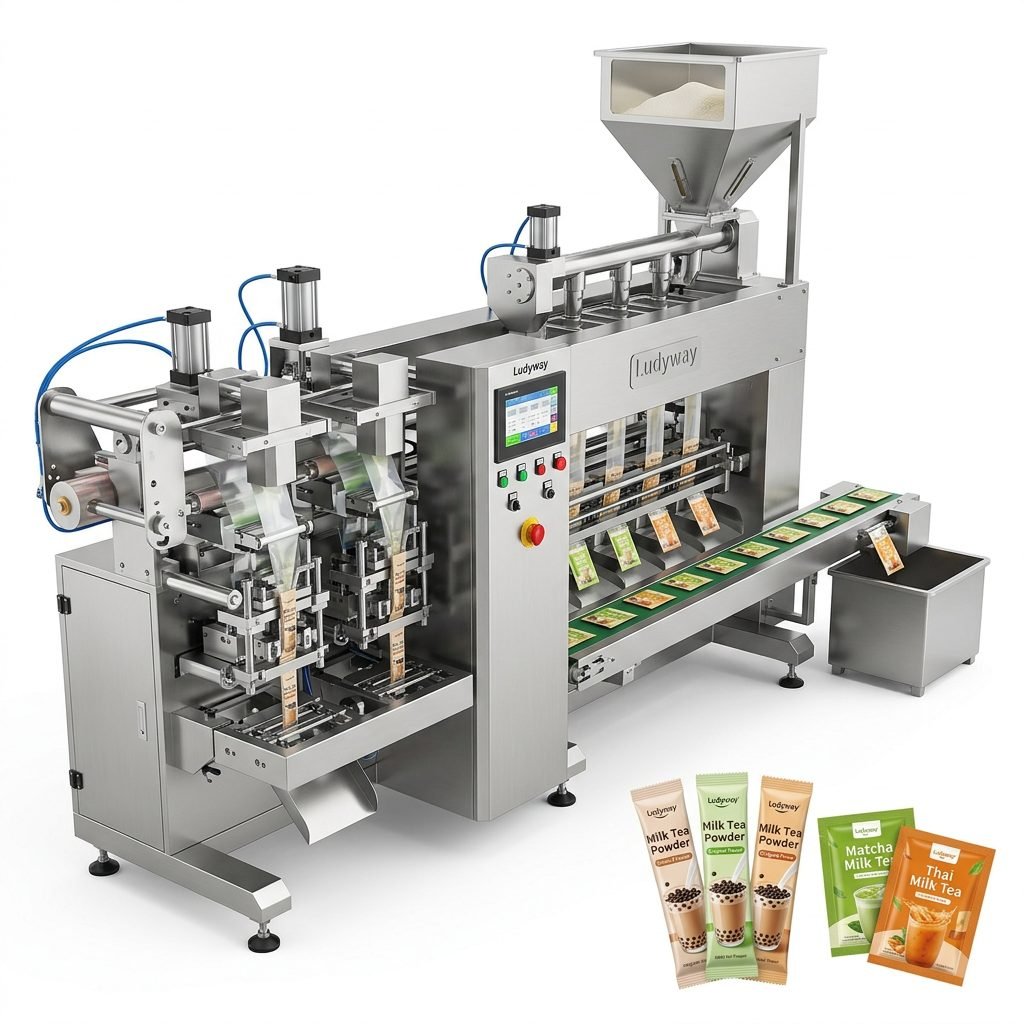
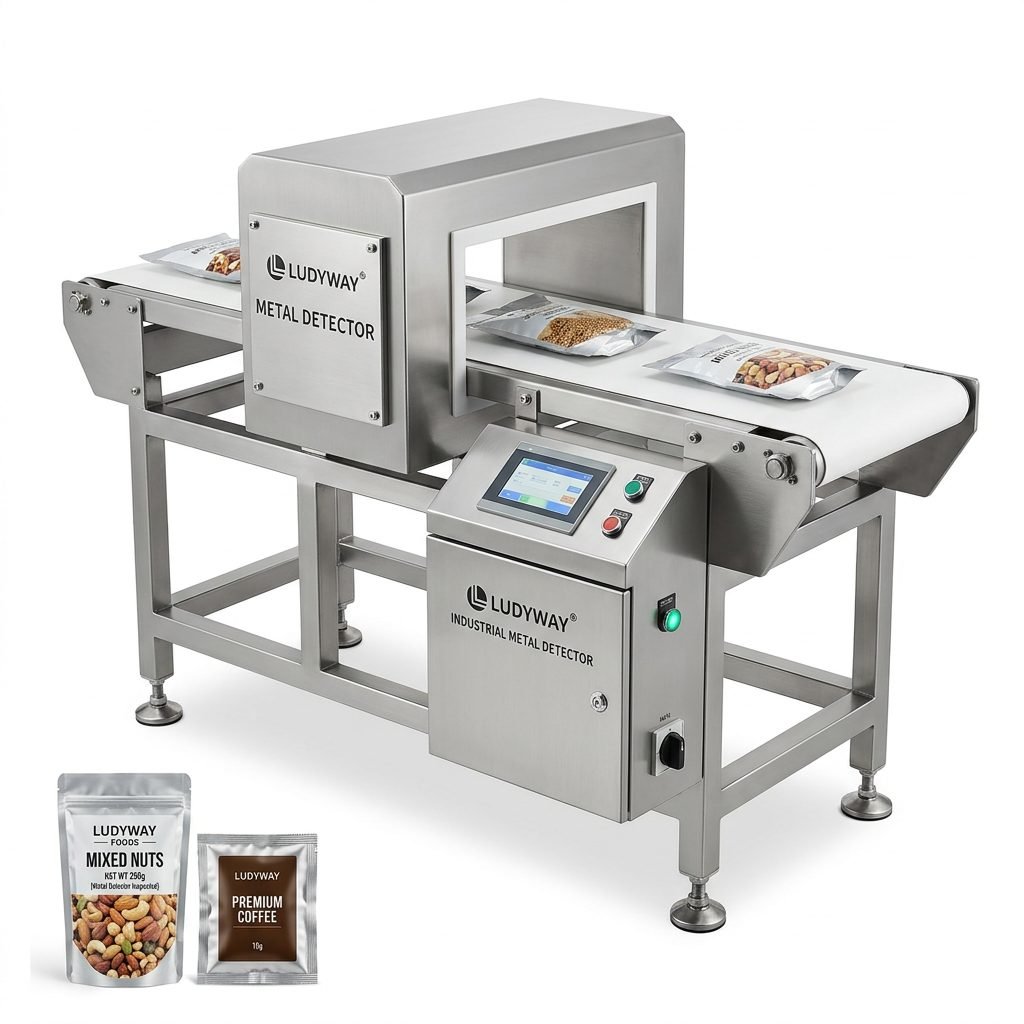
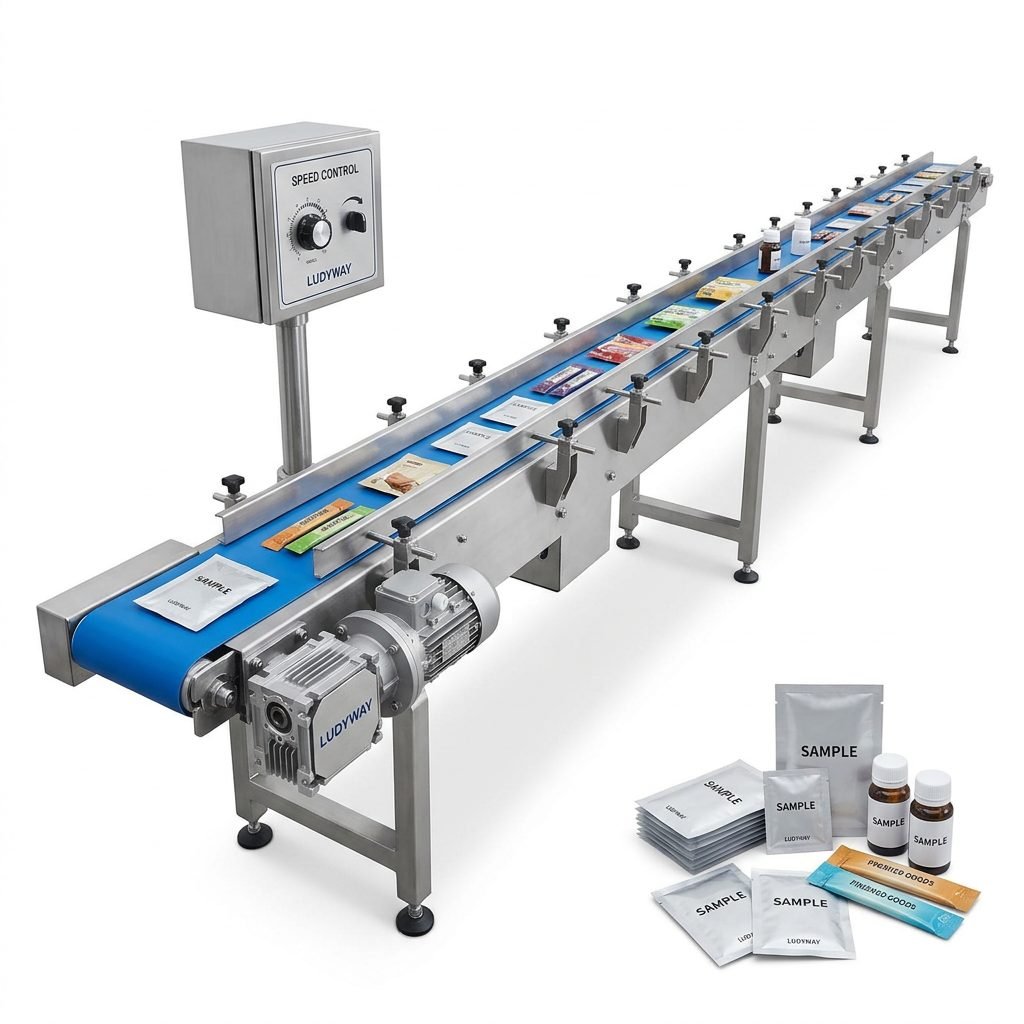
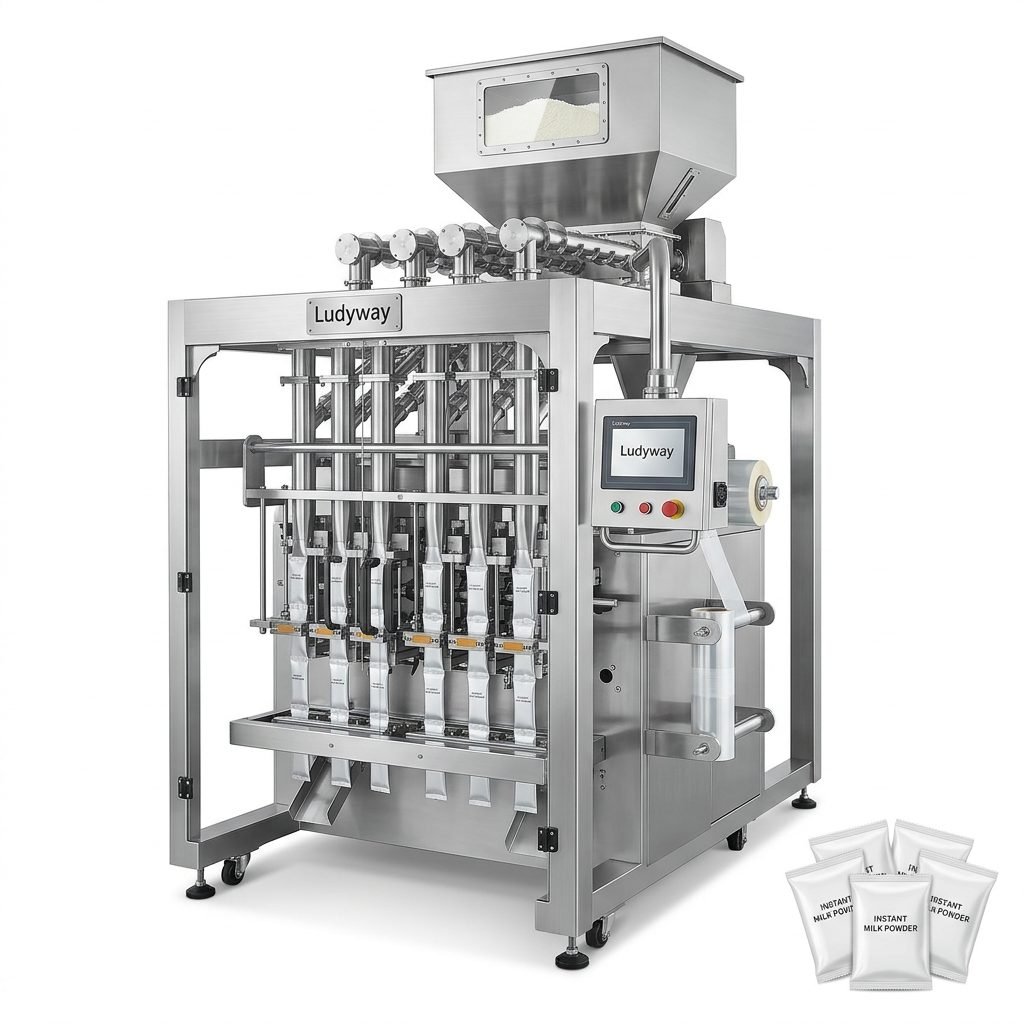
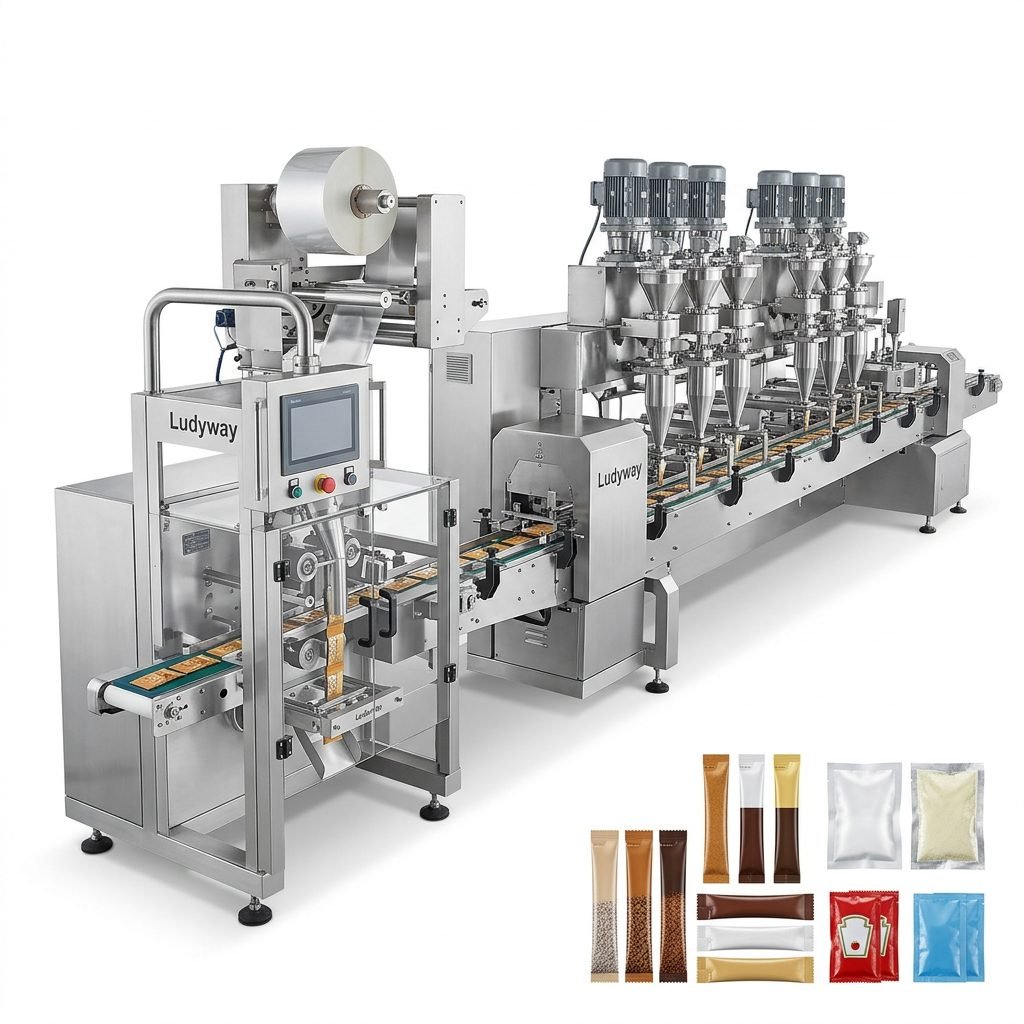
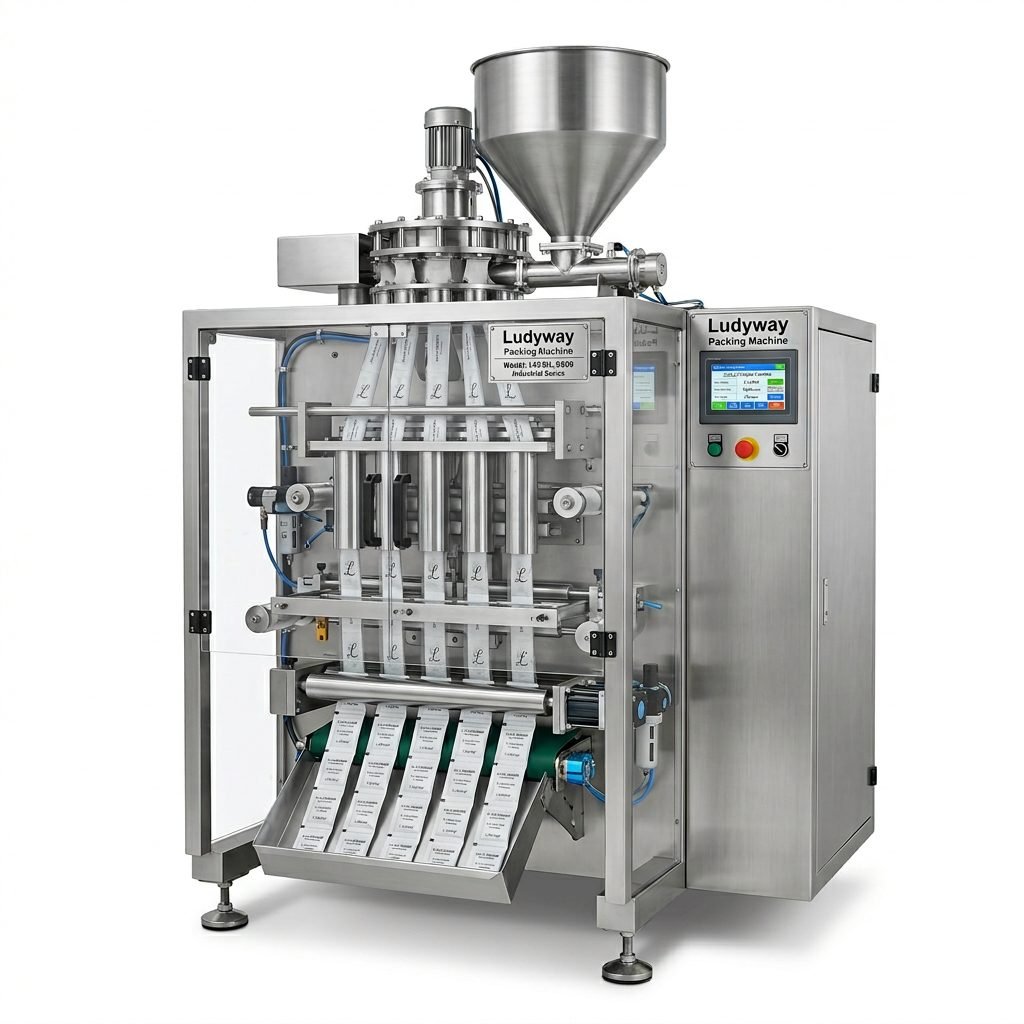
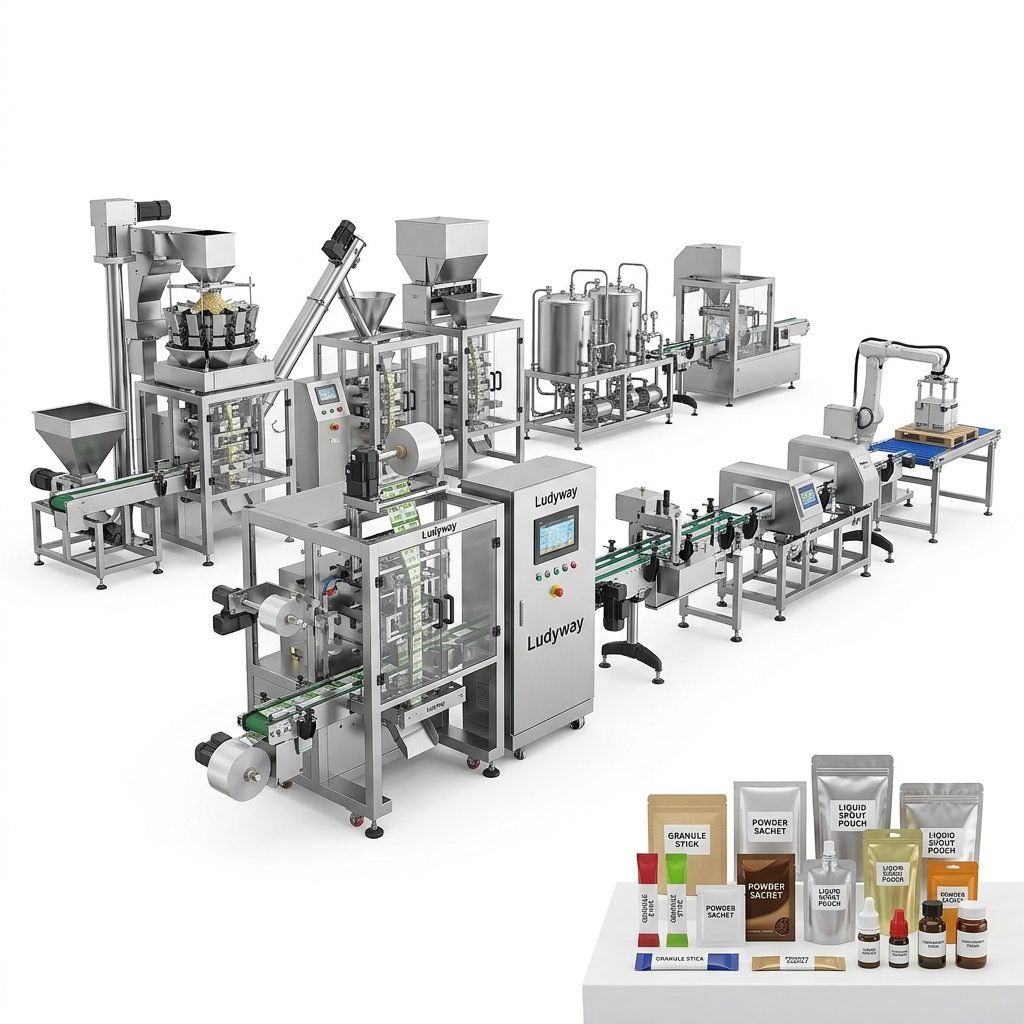
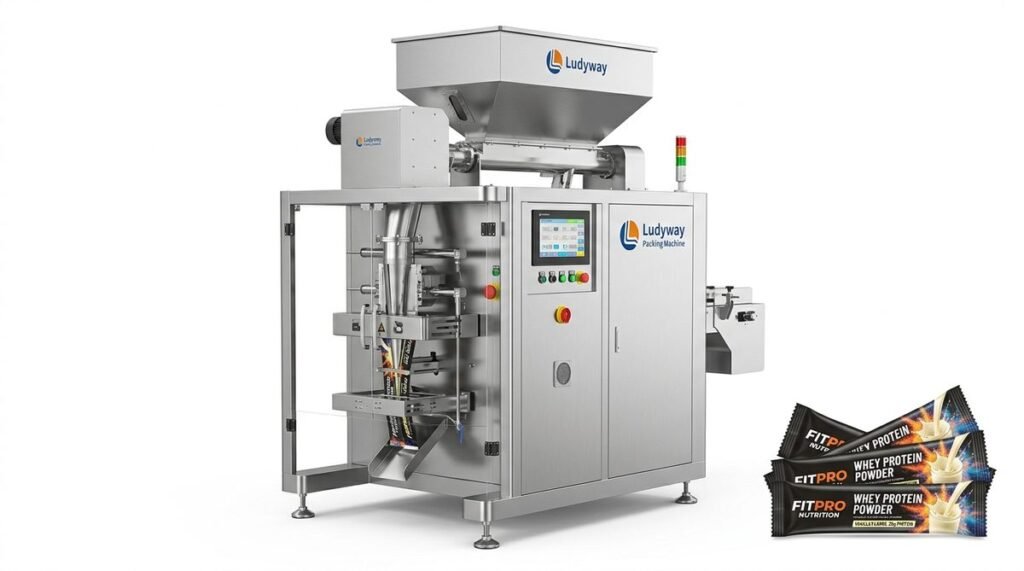
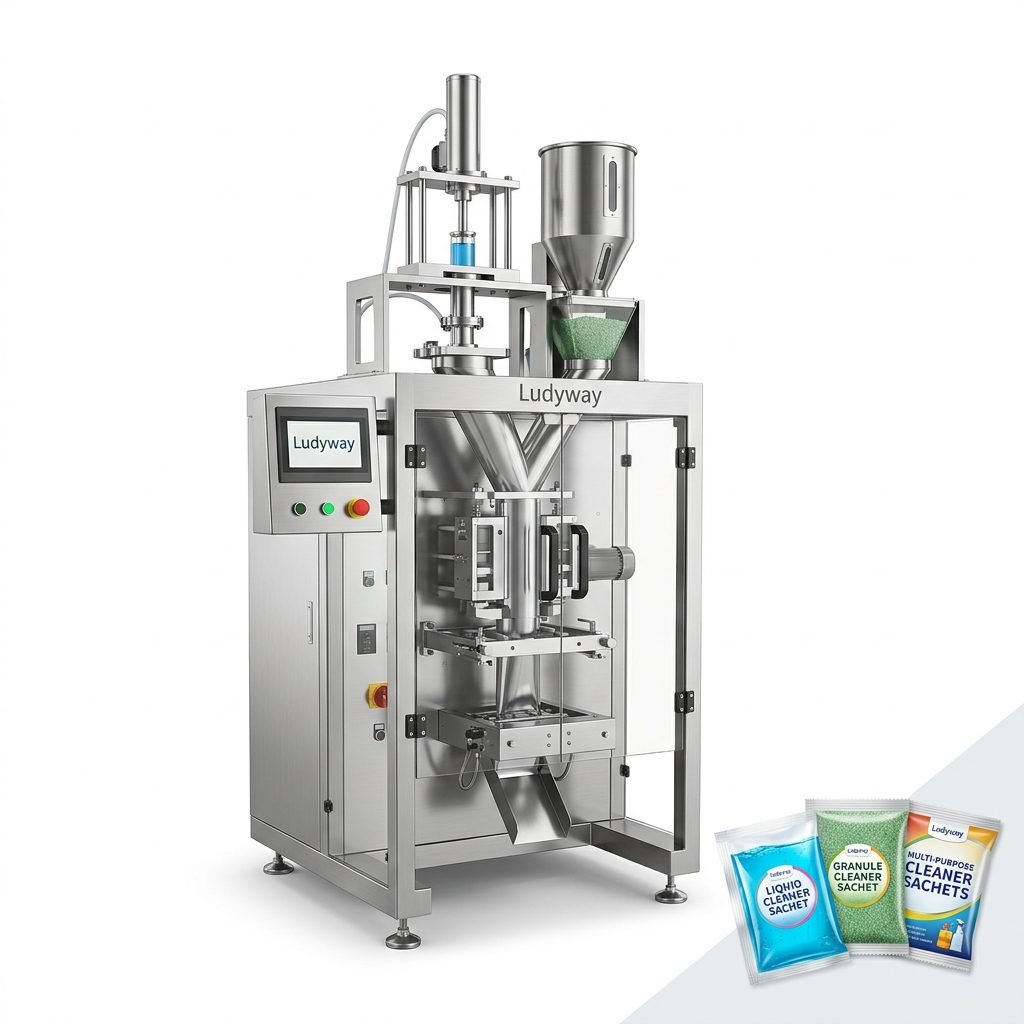
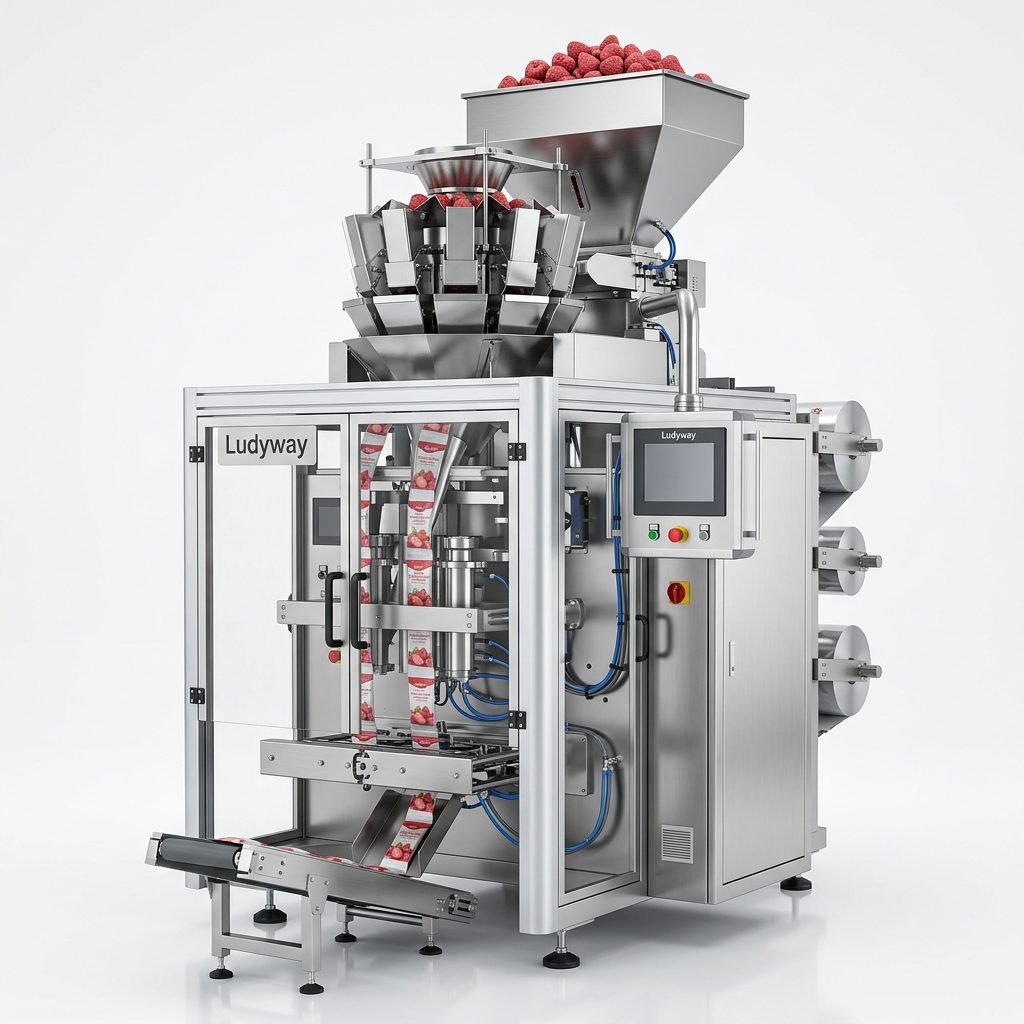
Navigating this complex market requires expertise. Companies like Ludyway Packing Machine play a vital role. With decades of industry experience, they understand that a one-size-fits-all approach doesn’t work. Their focus on providing tailored, turnkey solutions—from single machines like high-speed sachet packers to complete automated lines—helps manufacturers implement the right technology for their specific needs. By leveraging strong engineering partnerships and a deep portfolio of intelligent equipment, such providers enable clients to enhance efficiency, ensure product safety, and scale their operations effectively to meet global demand. Exploring their company history reveals a trajectory aligned with these very market evolutions.
In conclusion, the end-of-line packaging machinery market is on a solid growth path, underpinned by megatrends in automation, e-commerce, and sustainability. Success for equipment manufacturers and end-users alike will depend on embracing flexibility, connectivity, and intelligent design. The future belongs to integrated, data-aware packaging systems that not only seal a box but also seal in efficiency, reliability, and a competitive edge for the businesses that use them. For those looking to upgrade, partnering with an experienced provider who offers comprehensive packaging solutions is a critical first step.
Frequently Asked Questions (FAQs)
What is the biggest challenge when implementing end-of-line automation?
The initial capital investment is often the primary hurdle. However, the larger challenge can be successfully integrating new machinery with existing production line equipment and software systems without causing significant downtime. A phased approach and working with vendors who offer strong integration support is key.
How does end-of-line machinery contribute to sustainability goals?
Modern machinery optimizes material use by creating right-sized cartons, applying the exact amount of adhesive or stretch film needed, and reducing product damage (and waste). Furthermore, it enables the efficient use of lightweight, recycled, or biodegradable packaging materials that might be harder to handle manually.
Are robotic systems replacing all human jobs in packaging?
Not entirely. While robots are automating repetitive and physically demanding tasks, they are also creating new roles in programming, maintenance, system monitoring, and data analysis. The focus is shifting from manual labor to skilled technical oversight.
What should I consider when choosing an end-of-line machinery supplier?
Look beyond the machine specs. Evaluate the supplier’s industry experience, ability to provide a customized solution, quality of after-sales service and technical support, and their roadmap for future technologies like IoT connectivity. A partner who understands your long-term needs is more valuable than just a equipment vendor.
Is now a good time to invest in new end-of-line equipment?
Given the strong market growth driven by e-commerce and automation trends, yes. The return on investment through increased throughput, lower labor costs, reduced product waste, and improved supply chain agility can be substantial. Conducting a thorough analysis of your current line’s bottlenecks is the recommended first step.