In the food industry, packaging is not just about containment—it’s a critical component of safety, quality, and compliance. Food-safe packaging machinery ensures that products are sealed, protected, and preserved while meeting stringent hygiene and regulatory standards. This guide explores the different types of food-safe packaging equipment, key compliance standards, and practical tips for selecting the right machinery for your production needs.
Understanding Food-Safe Packaging Machinery
Food-safe packaging machinery refers to equipment designed and built to handle food products without risking contamination. These machines are constructed with materials that are easy to clean, resist corrosion, and prevent bacterial growth. Key characteristics include:
• Hygienic Design: Smooth surfaces, minimal crevices, and easy disassembly for thorough cleaning.
• Food-Grade Materials: Use of stainless steel (often grade 304 or 316), FDA-approved plastics, and other non-toxic components.
• Contamination Prevention: Features like enclosed systems, dust extraction, and automatic sanitization cycles.
Important:
Investing in food-safe machinery is not optional—it’s a legal and ethical requirement to ensure consumer safety and maintain brand reputation.
Primary Types of Food-Safe Packaging Equipment
The right machine depends on your product form, packaging format, and production speed. Here are the most common types:
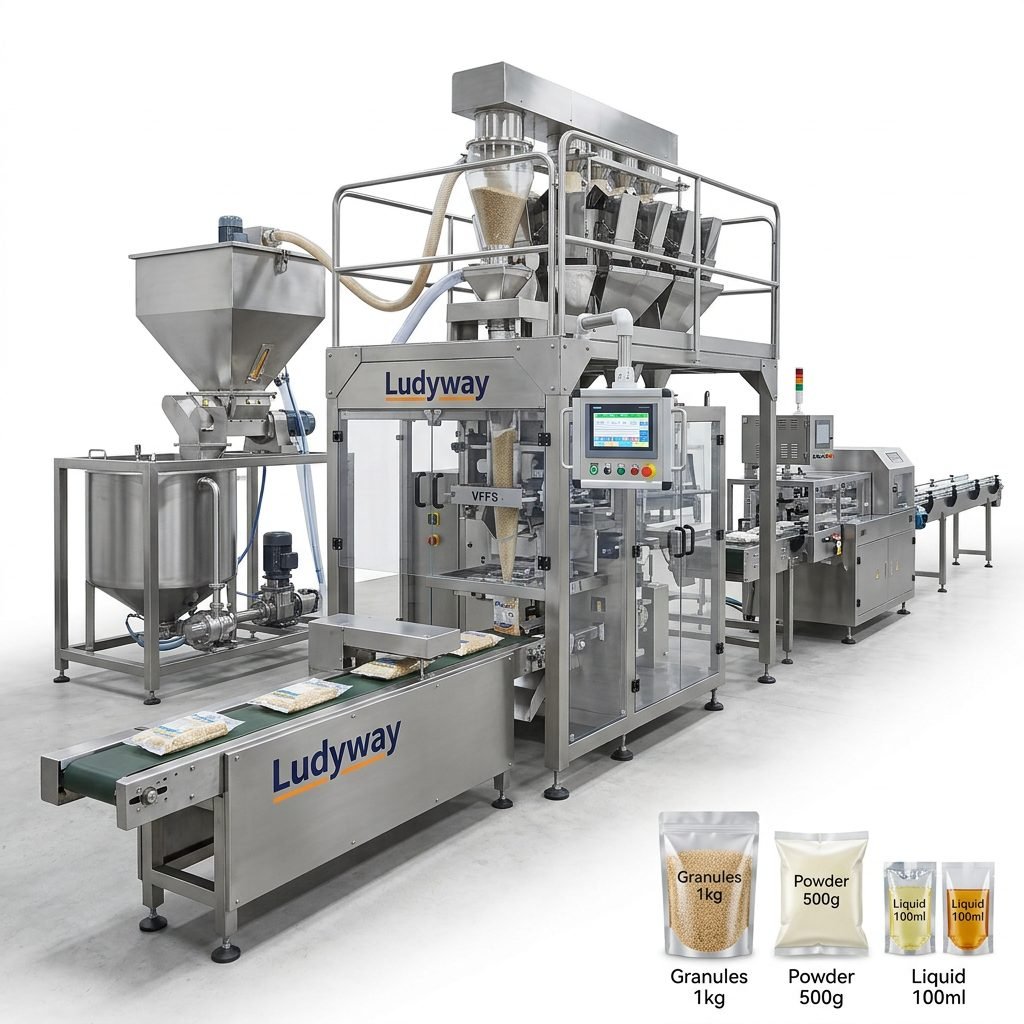
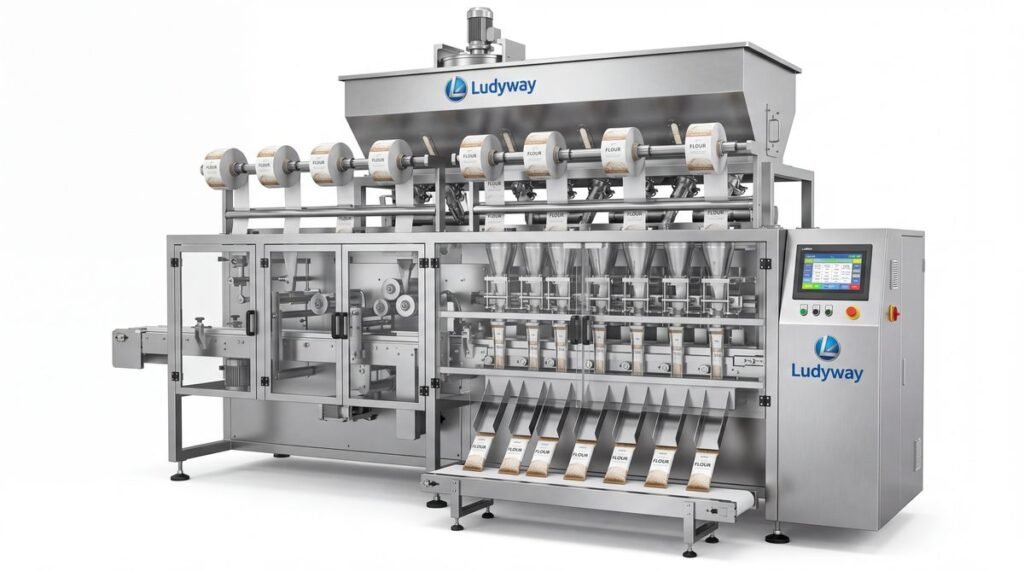
1. Vertical Form-Fill-Seal (VFFS) Machines
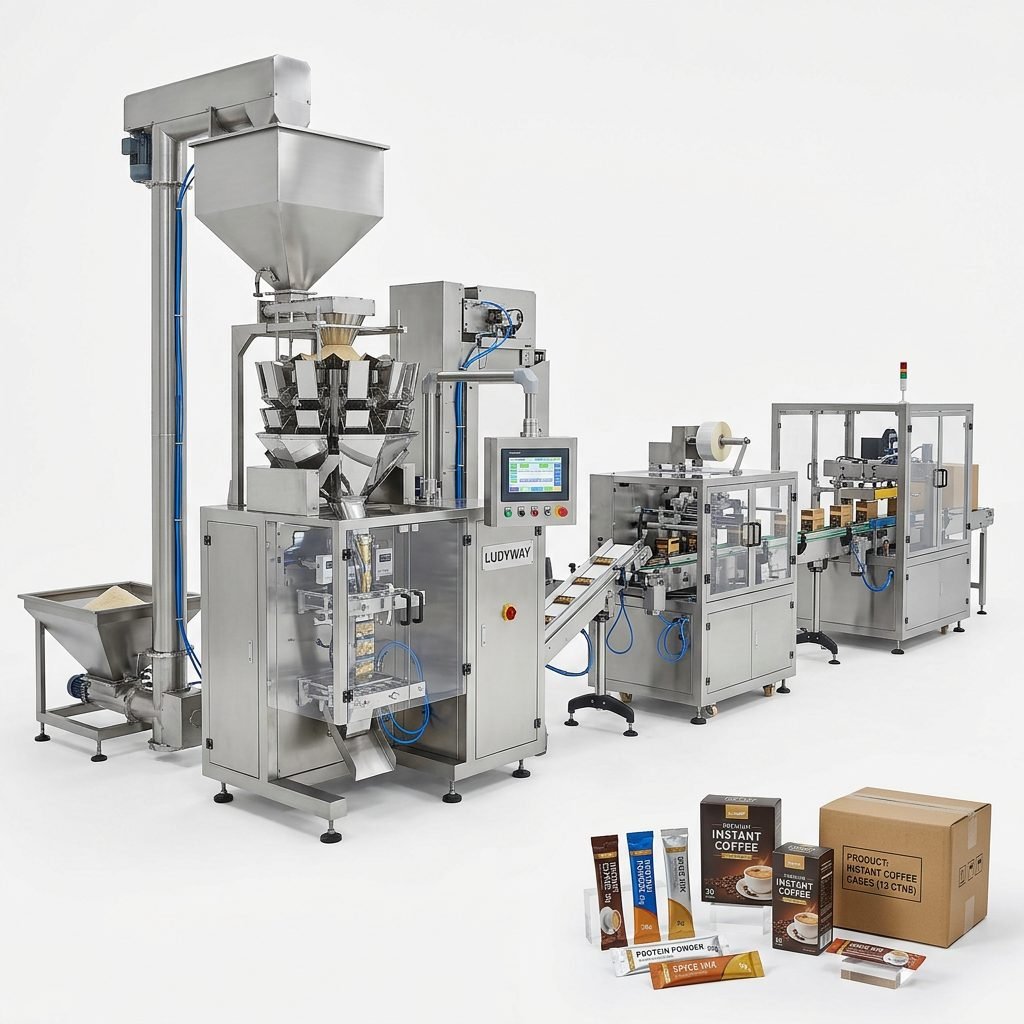
These are versatile systems that form bags from a roll of film, fill them with product, and seal them in one continuous operation. Ideal for granules, powders, and liquids.
Best for: Snacks, coffee, spices, powdered drinks.
2. Horizontal Flow Wrappers
Used to wrap individual products or bundles in a tight film seal. Common for baked goods, candy bars, and frozen items.
Best for: Biscuits, protein bars, pastries.
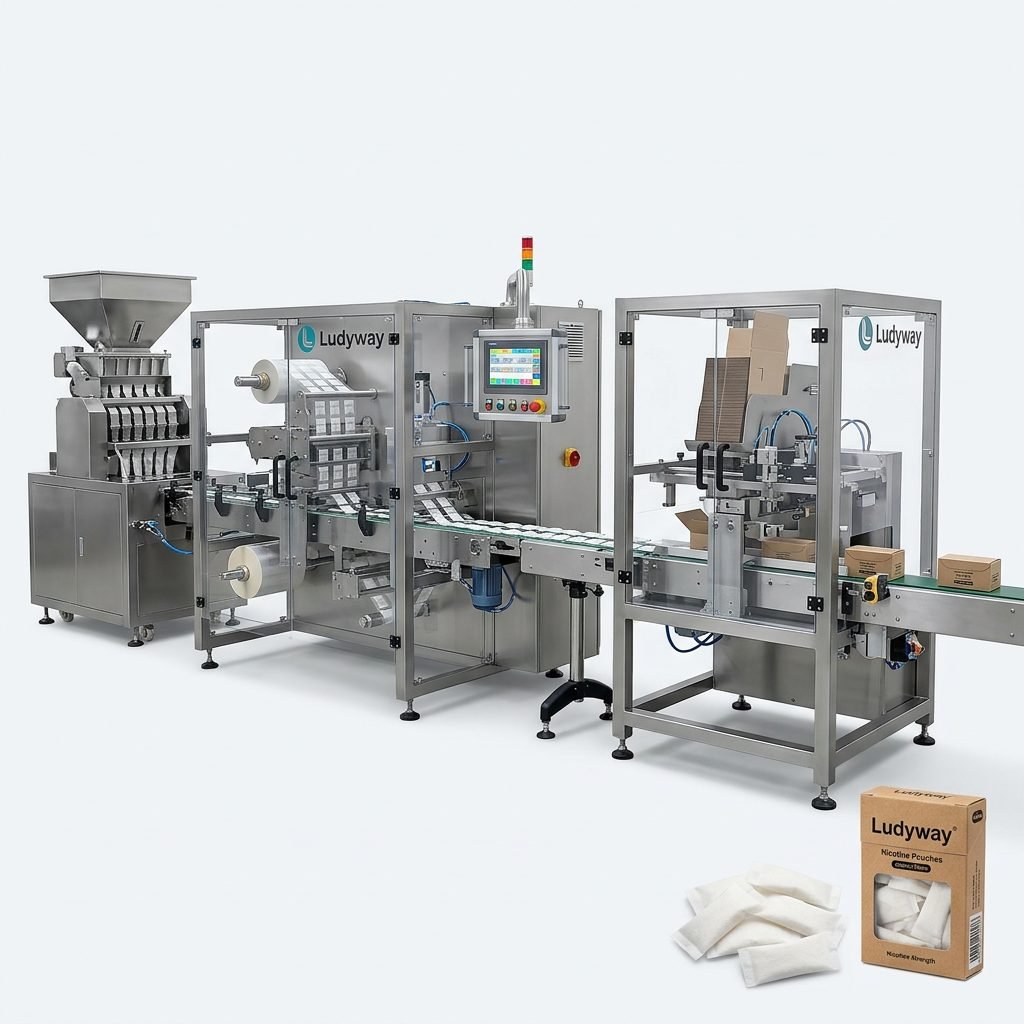
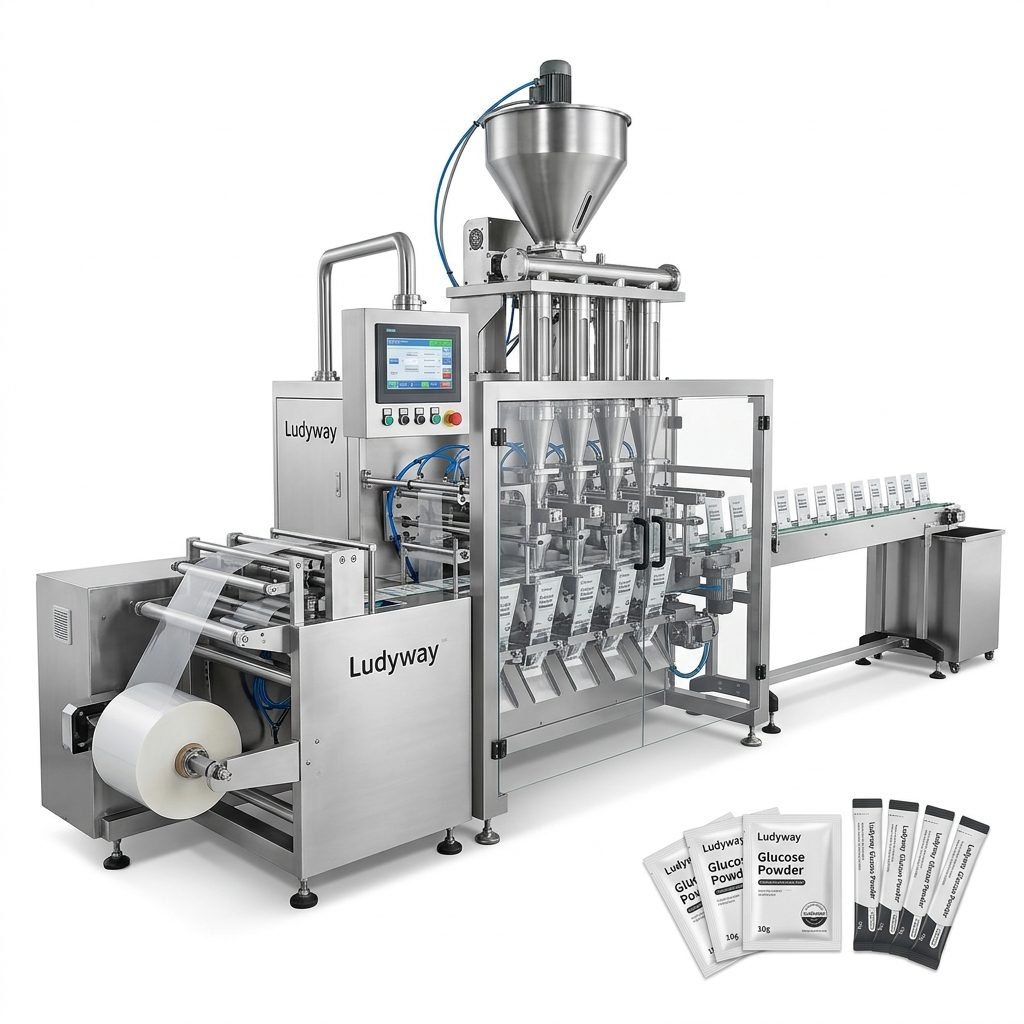
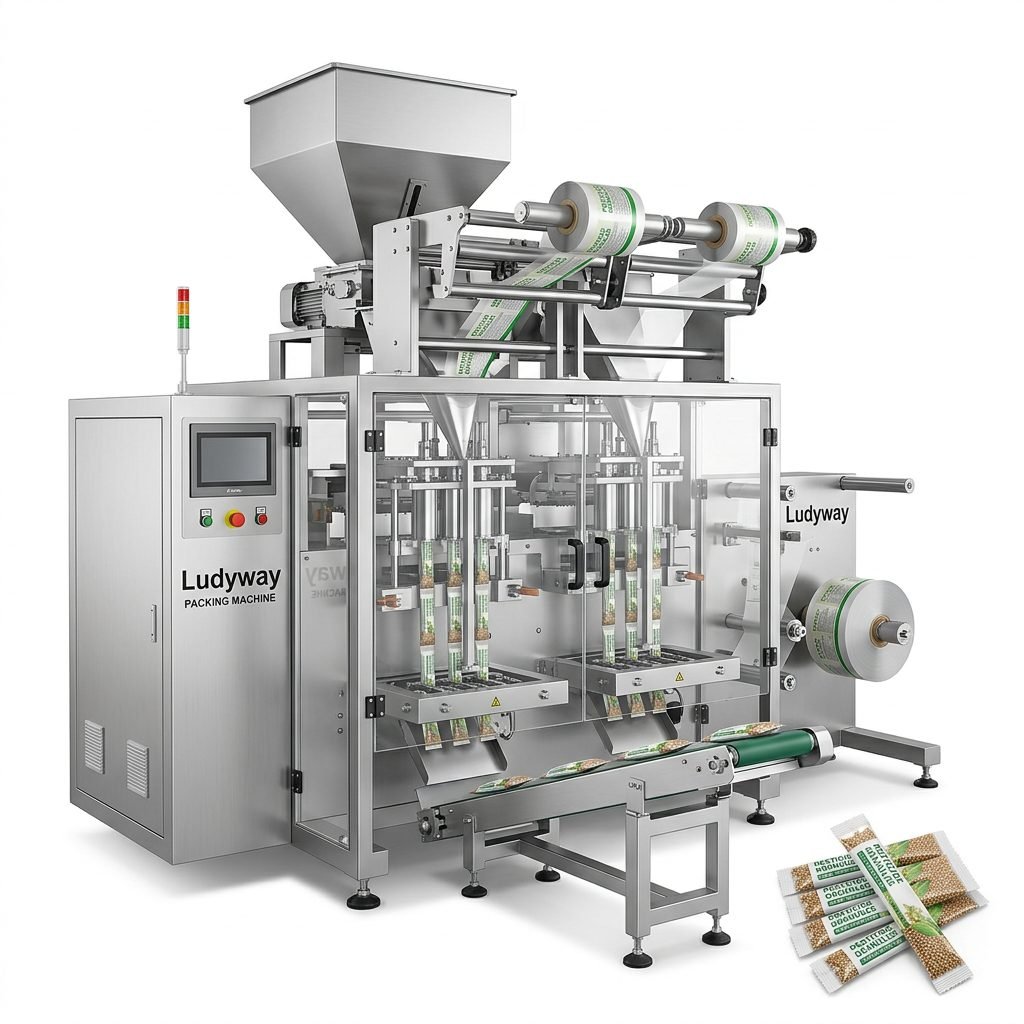
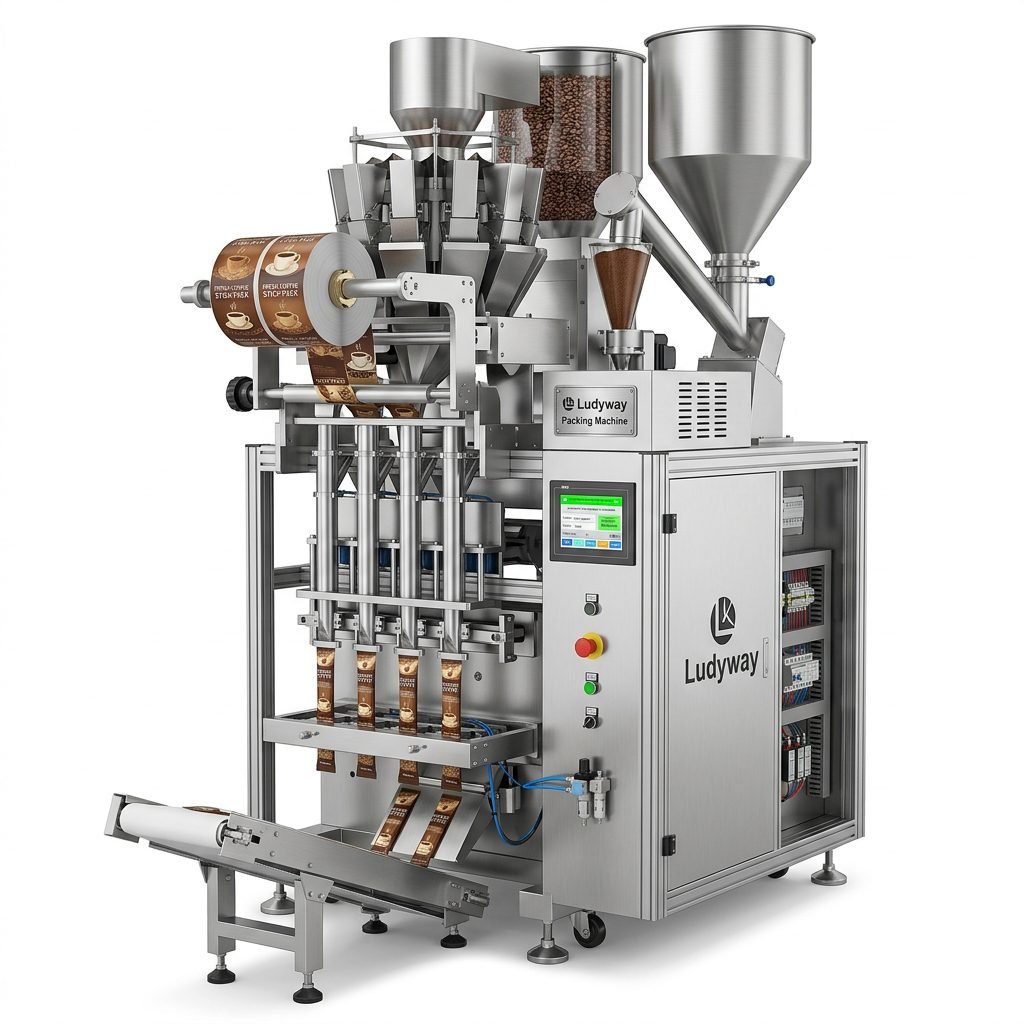
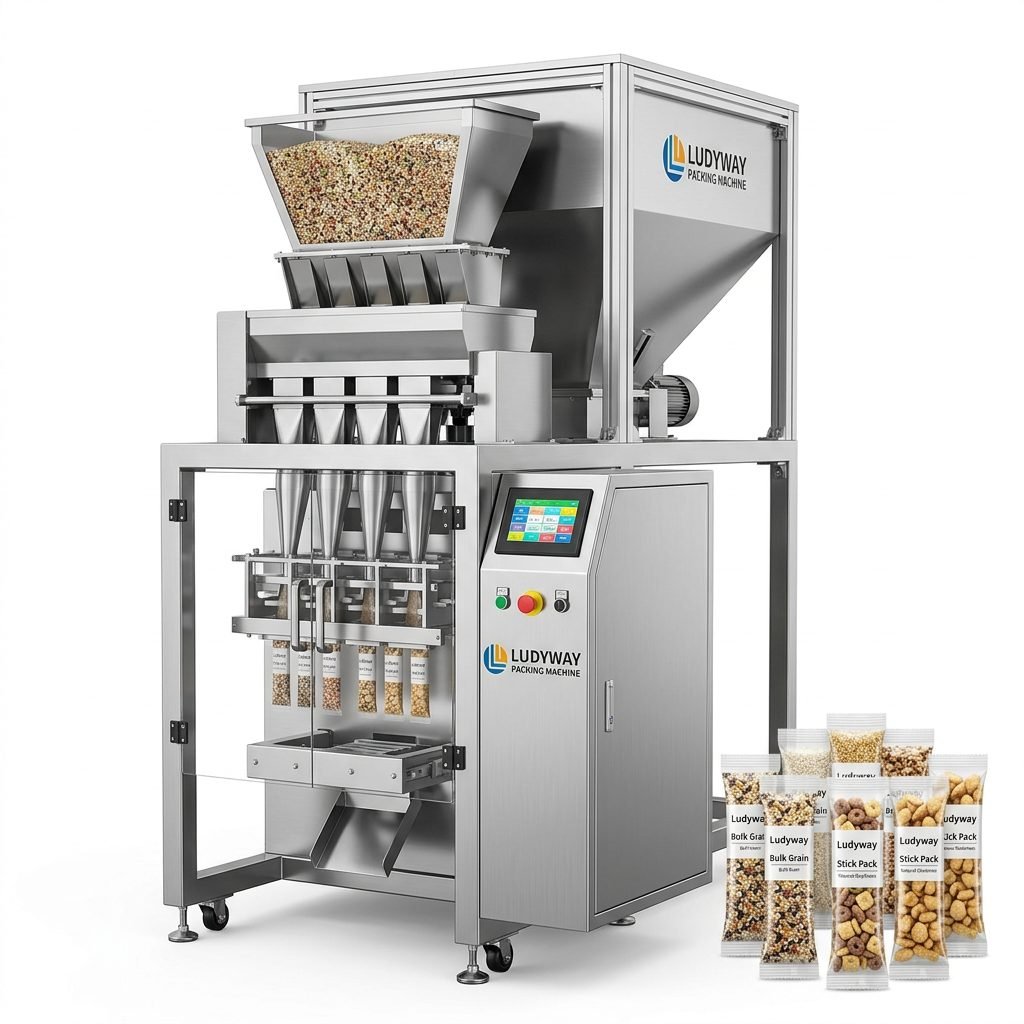
3. Sachet & Stick Pack Machines
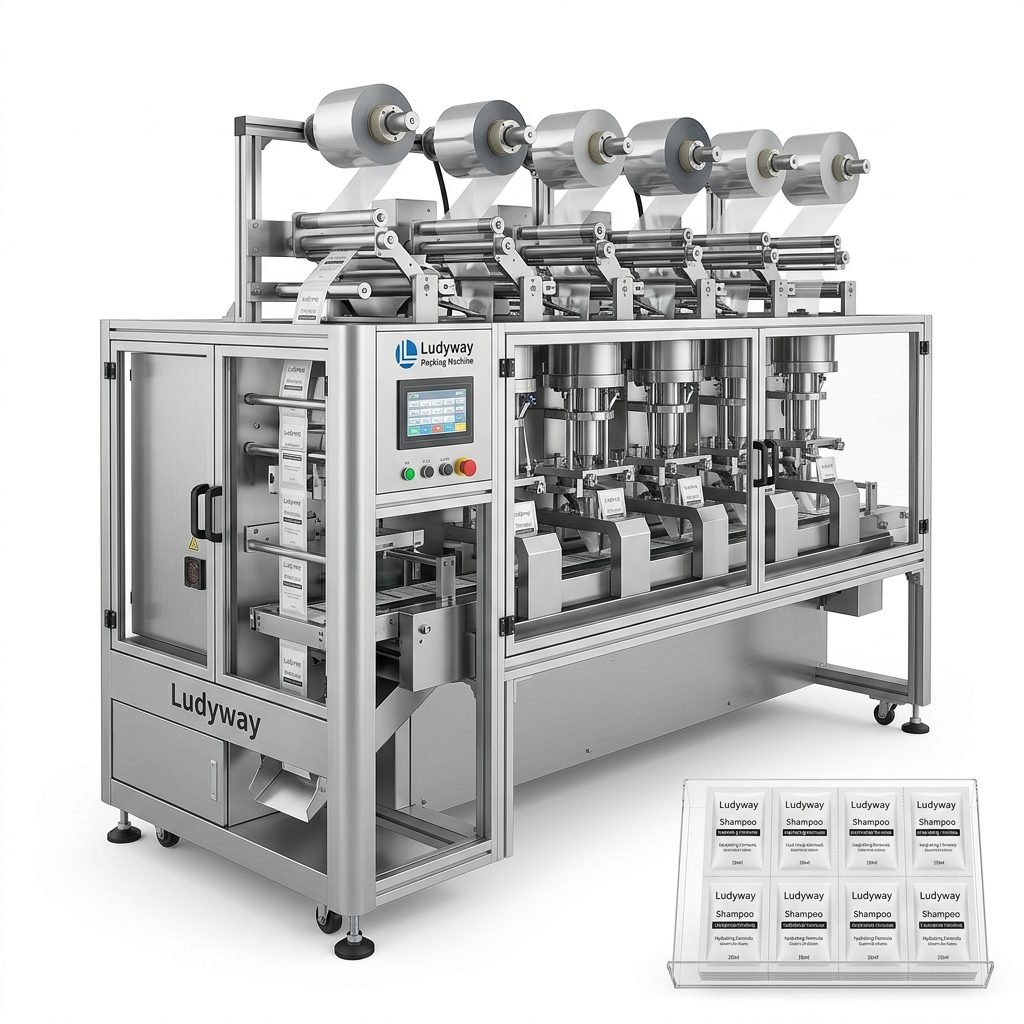
Compact, high-speed machines that produce small, single-serve pouches. Perfect for sauces, condiments, supplements, and instant beverage mixes.
Best for: Ketchup, sugar, instant coffee, pharmaceutical powders.
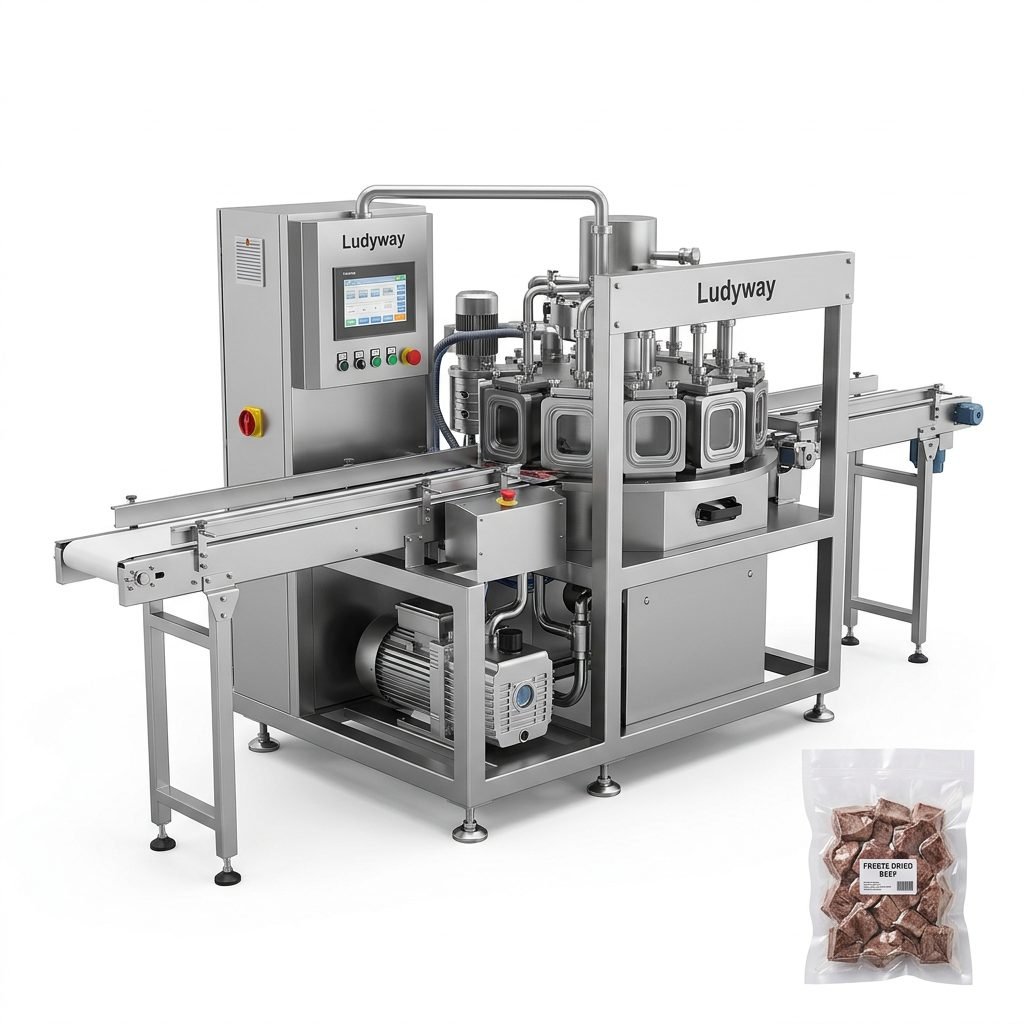
4. Tray Sealing & Thermoforming Machines
These systems form rigid or semi-rigid trays from plastic sheets, fill them, and apply a lidding film. Used for ready meals, dairy products, and fresh produce.
Best for: Yogurt cups, pre-cut fruits, microwave meals.
5. Liquid Filling & Capping Lines
Automated lines that fill bottles, jars, or pouches with liquids and apply caps or closures. Often integrated with cleaning and labeling stations.
Best for: Sauces, oils, beverages, liquid soaps.
Key Compliance Standards & Regulations
Meeting regional and international standards is mandatory. Non-compliance can lead to recalls, fines, and loss of market access.
Global & Regional Standards
FDA (U.S. Food and Drug Administration): Regulates materials in contact with food (CFR Title 21). Machinery must not contaminate food and should be easy to sanitize.
EU Regulation (EC) No 1935/2004: Framework for all food contact materials. Requires compliance with Good Manufacturing Practice (GMP).
3-A Sanitary Standards: Widely recognized in dairy and food processing for hygienic equipment design.
ISO 22000: Food safety management systems that include packaging machinery hygiene protocols.
Certifications to Look For
When evaluating machinery, check for these certifications:
• CE Marking (European Conformity) – Indicates compliance with EU health and safety requirements.
• NSF/ANSI Certification – Especially relevant for equipment used in foodservice and processing.
• GMP Certification – Ensures machinery is produced under controlled, hygienic conditions.
Buying Tips: How to Choose the Right Machine
Selecting food-safe packaging machinery involves technical, operational, and supplier considerations.
1. Assess Your Product & Packaging Needs
Define your product’s physical state (solid, liquid, powder), required shelf life, and packaging format (pouch, tray, bottle). Consider future product variations to ensure machine flexibility.
2. Evaluate Hygiene & Cleanability
Inspect the machine’s design: Are there hard-to-clean areas? Is stainless steel used in product contact zones? Look for features like CIP (Clean-in-Place) systems or quick-release parts.
3. Verify Compliance Documentation
Request certificates of compliance, material safety data sheets, and test reports. Ensure the supplier understands your target market’s regulations.
4. Consider Throughput & Automation Level
Match the machine’s speed (packages per minute) to your output goals. Semi-automatic machines suit low-volume production, while fully automated lines are ideal for large-scale operations.
5. Review After-Sales Support & Training
Choose a supplier that offers installation, operator training, maintenance support, and readily available spare parts. Good technical support minimizes downtime.
Pro Tip:
Request a product sample test run on the machine before purchase. This validates performance, seal integrity, and compatibility with your packaging materials.
Why Partner with a Specialized Supplier?
Working with an experienced packaging machinery provider like Ludyway Machinery offers significant advantages. With over 30 years of industry experience, such suppliers understand the nuances of food-safe design and global compliance. They can provide tailored solutions, from single machines to complete turnkey production lines, ensuring your equipment meets both safety standards and production efficiency goals. Their expertise in sectors like food, pharmaceuticals, and health products means they are well-versed in the strictest hygiene protocols.
Furthermore, a reliable partner will assist with customization, factory acceptance testing, and ongoing technical support. This long-term collaboration helps you adapt to regulatory changes and scale your operations seamlessly. Explore their range of intelligent packaging systems to find a solution that fits your specific needs.
Frequently Asked Questions (FAQs)
Q1: What is the most important feature in food-safe packaging machinery?
Hygienic design is paramount. The machine must be constructed with food-grade materials (like stainless steel), have smooth, crevice-free surfaces, and be easy to disassemble and clean thoroughly to prevent bacterial harborage.
Q2: How do I know if a machine complies with FDA regulations?
Check for a Declaration of Conformity from the manufacturer stating that all materials in contact with food are FDA-compliant (per 21 CFR). Reputable suppliers will provide this documentation and often use FDA-listed materials like specific grades of stainless steel and plastics.
Q3: Can one machine handle different types of food products?
Some machines are multi-purpose with quick changeover capabilities. However, cross-contamination risk must be managed. For allergens or vastly different products (e.g., dry spices vs. oily sauces), dedicated lines or intensive cleaning protocols are recommended.
Q4: What’s the difference between food-grade and food-safe?
“Food-grade” refers to materials suitable for contact with food. “Food-safe” means the entire machine system, including design, operation, and cleaning, ensures the final packaged product is safe for consumption, meeting all regulatory requirements.
Q5: Is automated cleaning (CIP) necessary for food packaging machines?
While not always mandatory, Clean-in-Place (CIP) systems are highly beneficial for liquid filling machines or complex systems. They reduce manual cleaning time, improve consistency, and lower the risk of human error in sanitation, enhancing overall food safety.