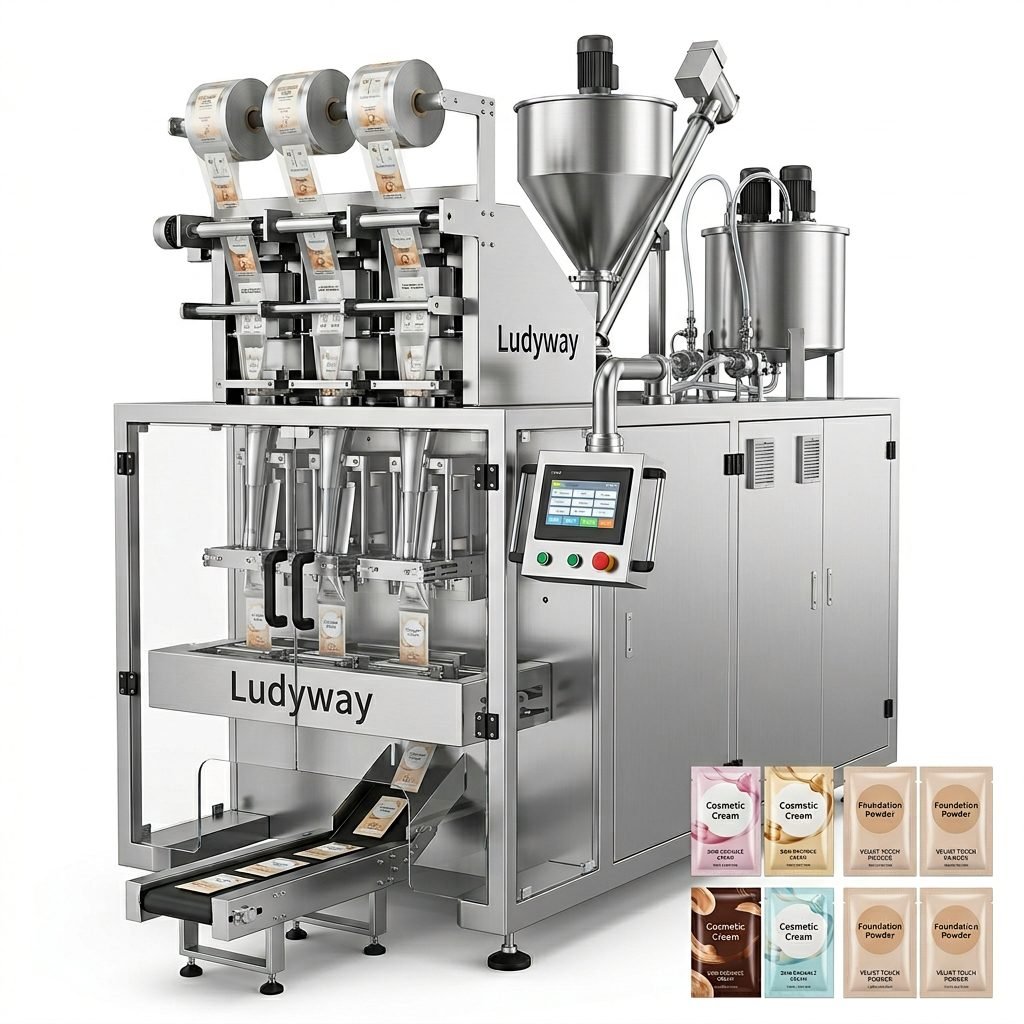
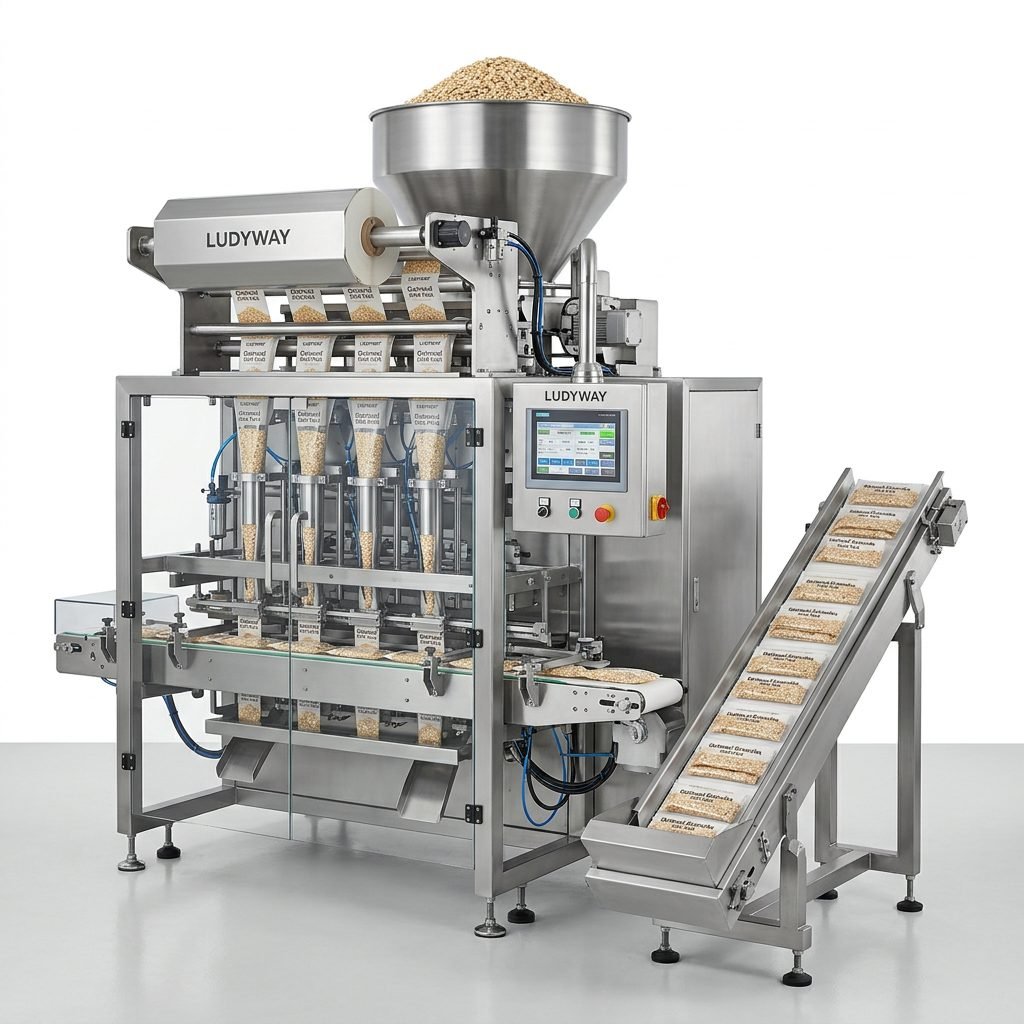
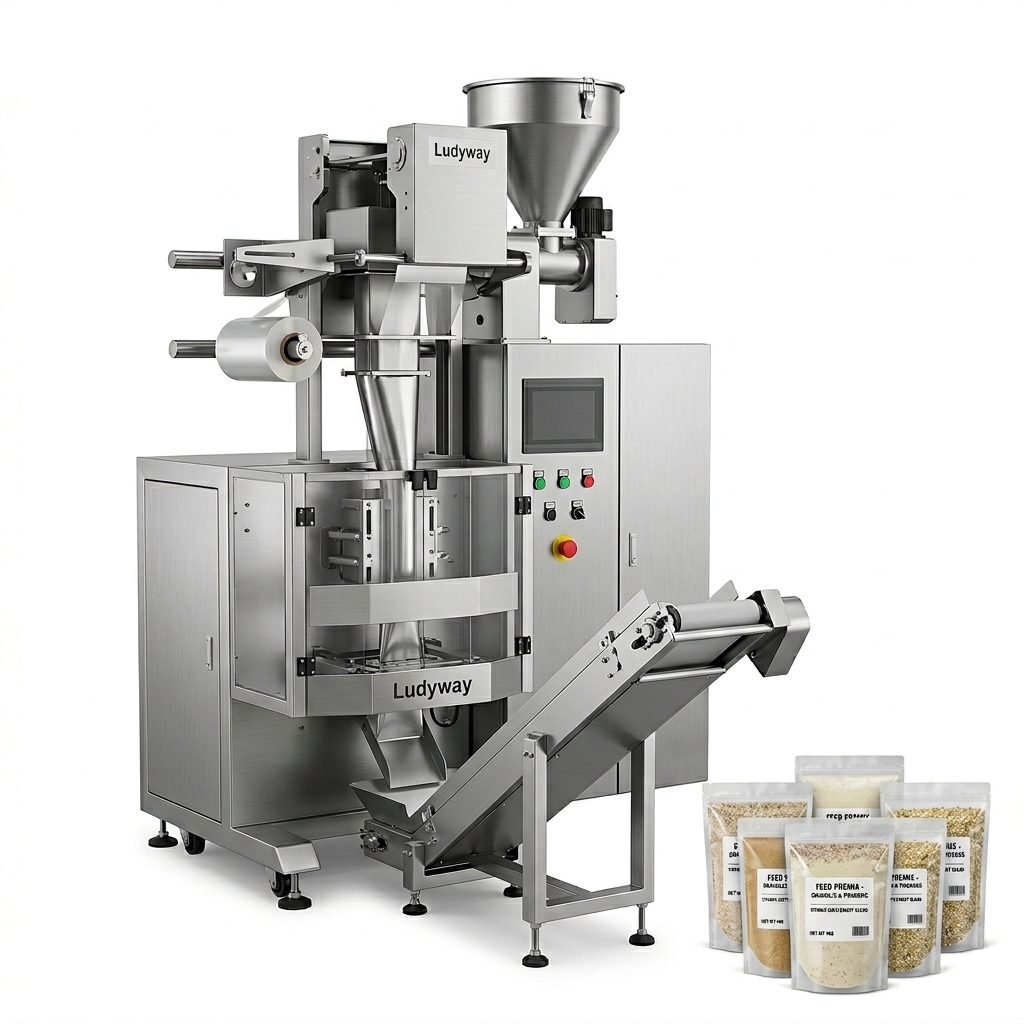
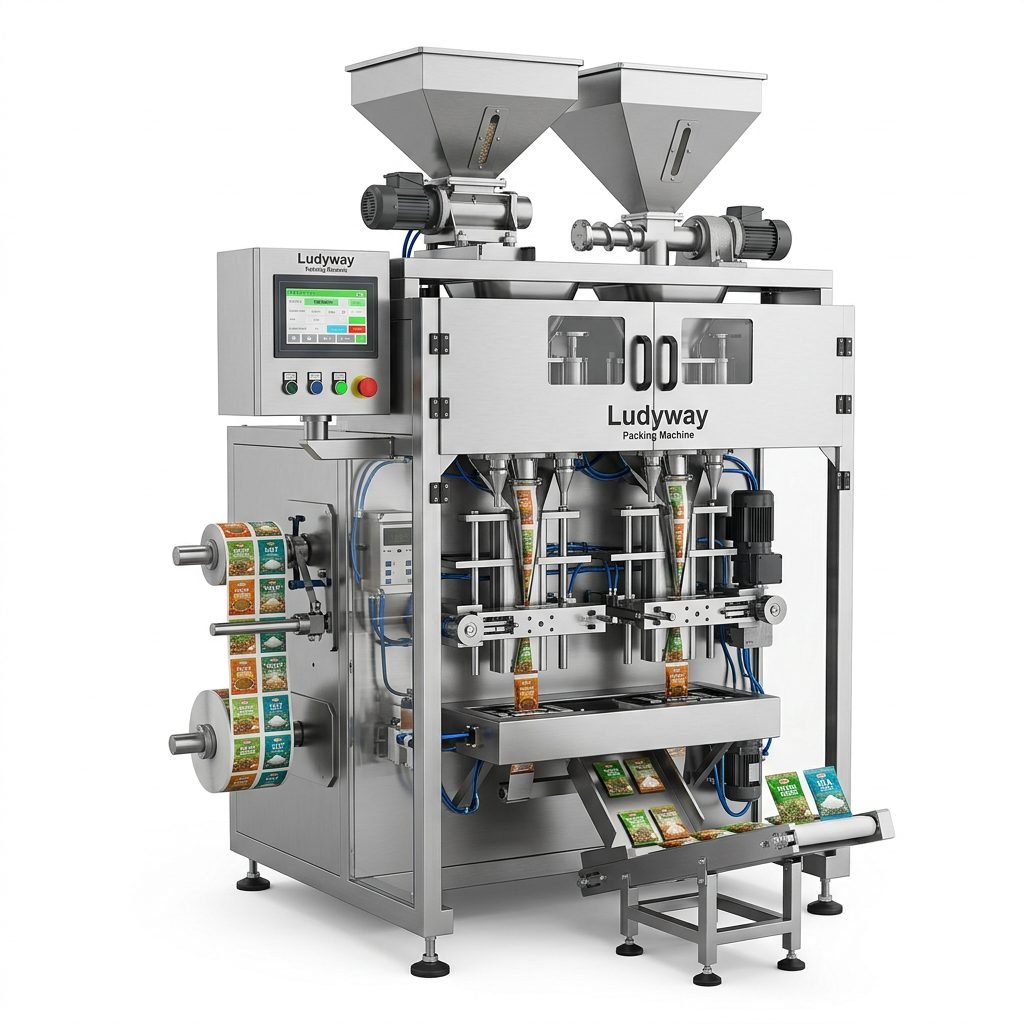
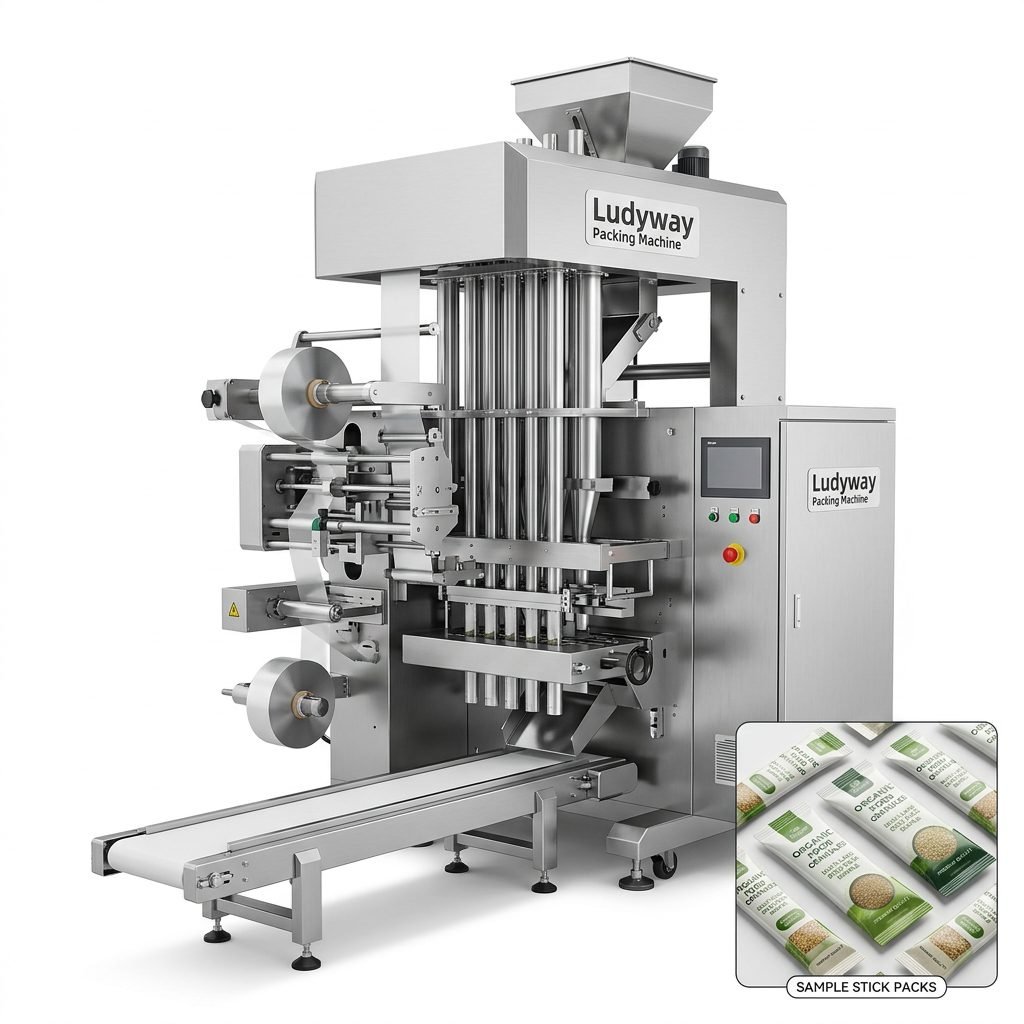
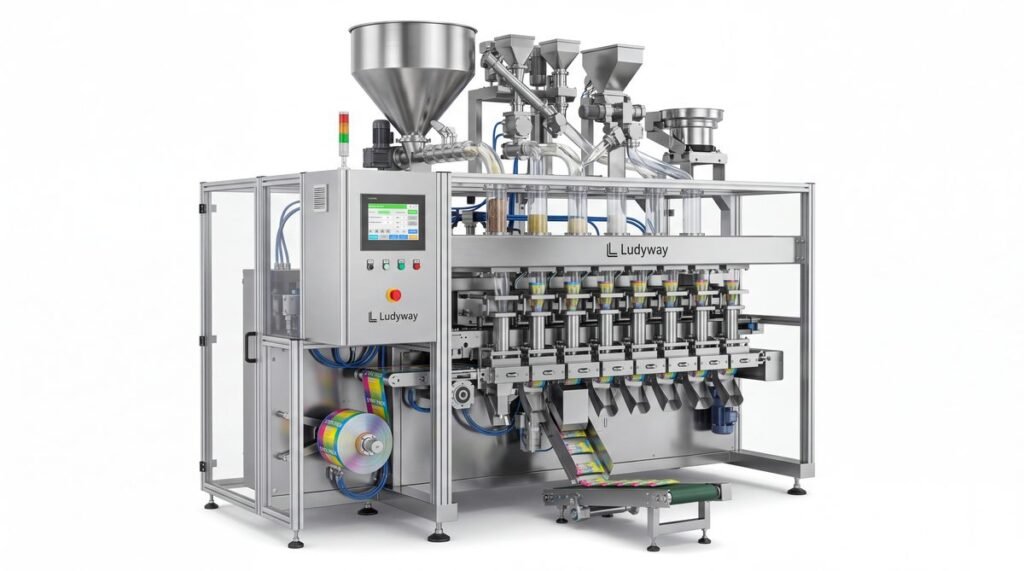
In the fast-paced world of manufacturing, efficiency and presentation are paramount. Multipack packaging machinery has emerged as a critical solution for businesses looking to bundle individual products into convenient, market-ready units. This technology streamlines operations, enhances product appeal, and meets the growing consumer demand for bundled goods. Understanding the different types of multipack systems, their applications, and the key factors in selecting the right one is essential for any operation aiming to optimize its packaging line.
Core Types of Multipack Packaging Machinery
The landscape of multipack machinery is diverse, with each type designed for specific product forms and bundling styles. The primary categories include shrink wrapping systems, tray packing systems, and cartoning systems.
Shrink Wrapping Systems
These are among the most common and versatile multipack solutions. Products are grouped together—such as beverage cans, bottles, or food boxes—and a loose film is wrapped around them. The bundle then passes through a heat tunnel, where the film shrinks tightly to form a secure, clear package. This method is excellent for stability, product visibility, and weather resistance.
Tray Packing & Shrink Wrapping Combos
This system adds a layer of structural integrity. Products are first placed into a pre-formed paperboard or corrugated tray. The trayed bundle is then fed into a shrink wrapper. The result is a robust multipack with a solid base, ideal for heavier items or products that require extra protection during transport. It’s a popular choice for the beverage and canned goods industries.
Automatic Cartoning Systems
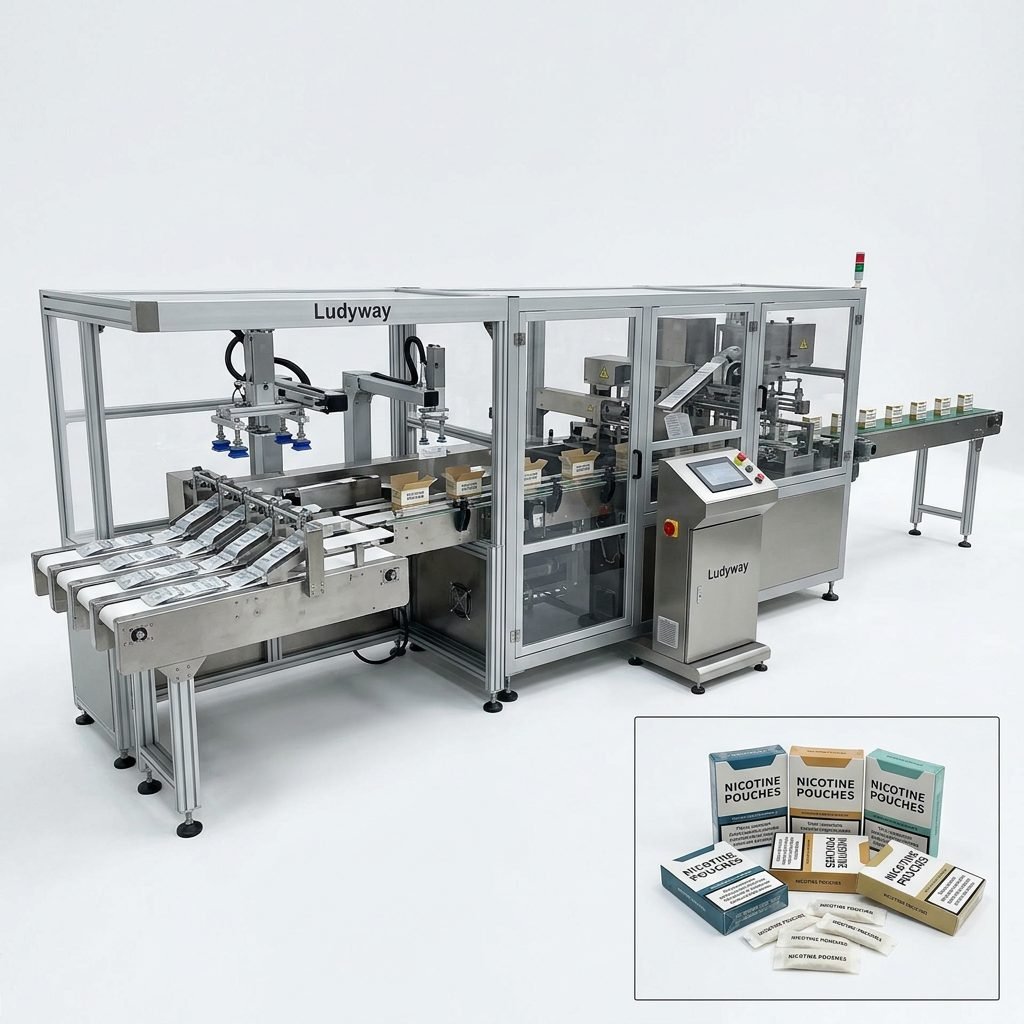
For a more premium presentation, cartoning systems place individual sachets, sticks, or bottles into a folded carton. These systems can form the carton from a flat blank, load the products, and close it seamlessly. This type of multipack is prevalent in the pharmaceutical, tea, and cosmetic industries, where brand image and unboxing experience are crucial.
Key Applications Across Major Industries
Multipack machinery is not a one-size-fits-all solution; its application is finely tuned to the needs of specific sectors. The efficiency gains and marketing advantages it offers are transformative.
Food & Beverage Industry
This is the largest application sector. From bundling soda cans and water bottles to creating snack packs of chips or cookies, multipack systems drive retail sales. They allow for promotional pricing (e.g., “buy 6 for the price of 5”) and improve handling efficiency in warehouses and stores. For breweries, multipacking bottles or cans is a standard practice for distribution.
Pharmaceutical & Healthcare
Accuracy and hygiene are non-negotiable here. Multipack systems are used to bundle individual dose sachets, blister packs, or small bottles into a single retail unit. This ensures patients receive a complete course of treatment, improves compliance, and provides clear labeling. The machinery used must often comply with stringent Good Manufacturing Practice (GMP) standards.
Personal Care & Cosmetics
Travel kits, promotional bundles, and gift sets are common in this industry. Machinery that can gently handle delicate items like perfume bottles, lotions, or soap bars and pack them into attractive cartons or shrink-wrapped trays is in high demand. The focus is on creating a visually appealing package that enhances the product’s perceived value.
How to Choose the Right Multipack System: A Strategic Guide
Selecting the appropriate machinery is a capital investment that impacts long-term productivity. Here are the critical factors to consider, moving beyond just the initial price tag.
1. Analyze Your Product Profile
The physical characteristics of your product dictate the machine type. Consider the size, shape, weight, and fragility. Round bottles may require different handling than rectangular boxes. Lightweight sachets need a different infeed system than heavy cans. A detailed product analysis is the first and most crucial step.
2. Define Your Output Requirements
You must match the machine’s speed (packs per minute) with your production goals. Consider both current needs and future growth. Under-speccing a machine leads to bottlenecks, while over-speccing leads to unnecessary capital expenditure. Factor in required changeover times between different pack patterns or product sizes if you have a diverse SKU range.
3. Evaluate Integration and Footprint
The new multipacker must seamlessly integrate with your existing upstream and downstream equipment, such as fillers, cappers, or case packers. Assess the available factory floor space (footprint) and the machine’s utility requirements (electrical, compressed air). A modular design can be beneficial for future line expansions.
4. Prioritize Reliability and Support
Downtime is costly. Investigate the build quality, reputation of the manufacturer, and availability of spare parts. A machine with a robust design and accessible service network from a provider like Ludyway Packaging Machinery can prevent major production losses. Ask about warranty terms and the availability of technical support and training.
5. Consider Total Cost of Ownership (TCO)
The purchase price is just the beginning. Calculate the TCO by including estimated costs for maintenance, energy consumption, consumables (like film or trays), and potential future upgrades. A slightly more expensive but more efficient and durable machine often has a lower TCO over a 5-10 year period.
Enhancing Operations with a Trusted Partner
Implementing a multipack system is a significant project. Partnering with an experienced supplier who offers more than just a machine can de-risk the process. Look for a partner that provides comprehensive packaging solutions, from initial consultation and factory layout planning to installation, training, and ongoing after-sales service. A supplier with deep application knowledge, such as one specializing in granule and powder packaging, can offer invaluable insights tailored to your specific product challenges, ensuring a smoother transition and faster return on investment.
Frequently Asked Questions (FAQs)
What is the main benefit of using multipack packaging machinery?
The primary benefit is increased operational efficiency and enhanced product presentation. It automates the bundling process, significantly reducing labor costs and manual handling while creating secure, retail-ready packs that are attractive to consumers and easier for retailers to stock and sell.
Can one machine handle different product sizes and pack patterns?
Many modern multipack machines are designed with quick-changeover capabilities. Using adjustable guides, programmable logic controllers (PLCs), and modular tooling, they can switch between different product formats and bundle patterns (e.g., from a 2×3 to a 3×4 arrangement) with minimal downtime, making them ideal for production lines with multiple Stock Keeping Units (SKUs).
What is the difference between shrink wrapping and tray packing?
Shrink wrapping uses only a plastic film that shrinks around the products. Tray packing places products into a solid tray (usually paperboard) before sometimes also applying a shrink film. The tray provides superior bottom support and compression strength, making it better for heavier items or long-distance shipping, while shrink wrapping alone is often more cost-effective for lighter goods.
How important is after-sales service when purchasing this equipment?
Extremely important. Reliable technical support, readily available spare parts, and expert maintenance services are critical for minimizing unplanned downtime and ensuring the long-term productivity and return on investment of your packaging line. Always evaluate the supplier’s service network and reputation before purchasing.
What trends are shaping the future of multipack machinery?
Key trends include a stronger focus on sustainability, driving demand for machinery compatible with recyclable or mono-material films and lightweight trays. The integration of Industry 4.0 features for predictive maintenance and data analytics, and increased flexibility to handle e-commerce-ready packaging formats are also major drivers of innovation in this sector.