In the competitive world of nutraceuticals, the final presentation of your product is just as critical as its formulation. The right packaging machinery is not merely a production tool; it’s a strategic asset that safeguards product integrity, ensures regulatory compliance, and builds brand trust on the shelf. This guide provides a comprehensive overview of the machinery landscape, helping you make an informed decision for your production line.
Understanding the Nutraceutical Packaging Landscape
The term “nutraceutical” encompasses a wide range of products, from vitamins and minerals in tablet form to powdered protein blends and liquid herbal extracts. This diversity necessitates an equally diverse range of packaging solutions. The primary goal of any packaging system in this sector is to provide a robust barrier against moisture, oxygen, and contaminants, thereby preserving the potency and shelf life of sensitive ingredients.
Furthermore, packaging serves as the primary communication channel with the consumer. A clean, precise, and professional package conveys quality and reliability. Automated machinery ensures consistency in this presentation, from accurate fill weights to perfectly sealed sachets or bottles, which is non-negotiable for brand reputation and consumer safety.
Core Types of Nutraceutical Packaging Machinery
Selecting the correct machine type is the first and most crucial step. The choice is primarily dictated by your product’s physical form—whether it’s a solid, powder, granule, or liquid.
For Solids: Tablets, Capsules & Softgels
➤ Bottle Filling and Capping Lines: This is the standard for retail bottles of capsules and tablets. Systems often combine a counter (using vibration trays or optical sensors to count pieces) with an auger filler for any desiccant or cotton, followed by a capper to apply child-resistant or tamper-evident caps. High-speed lines can integrate labeling and induction sealing for a complete turnkey solution.
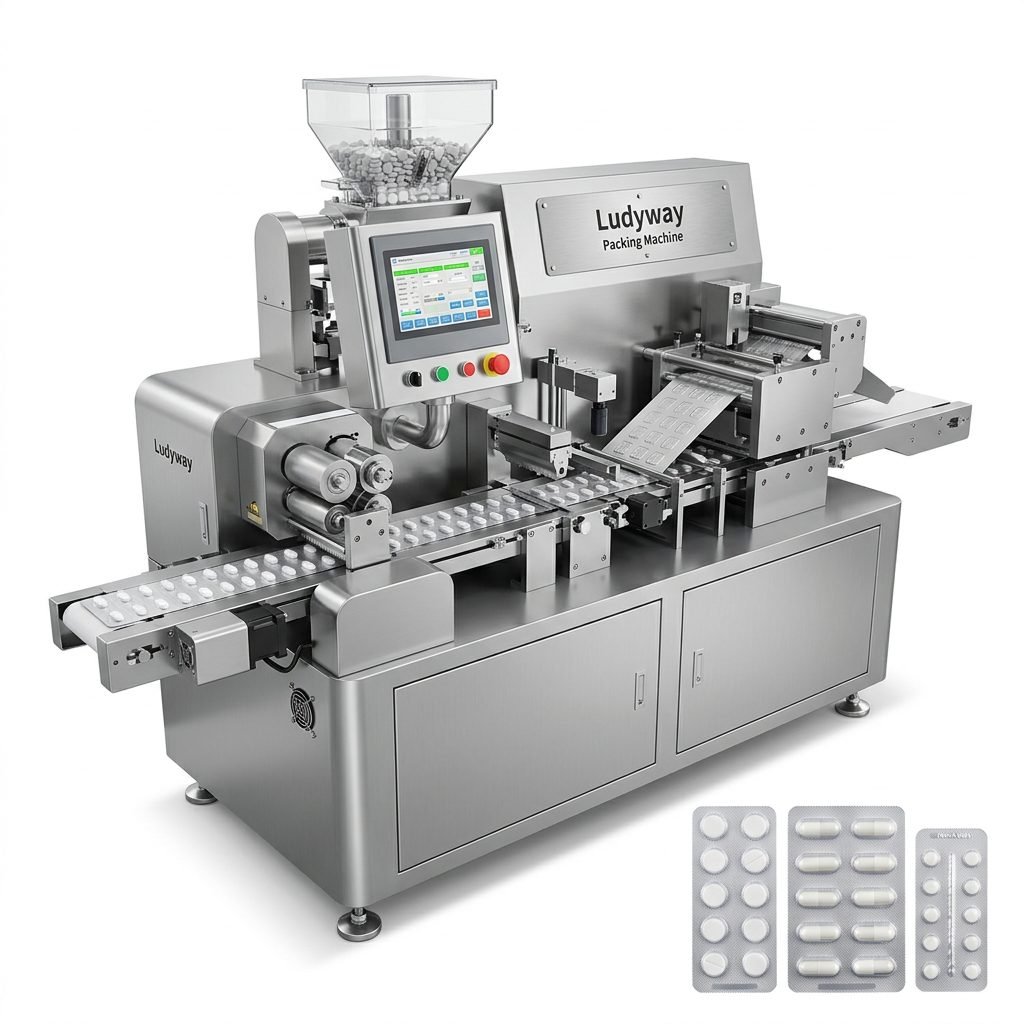
➤ Blister Packaging Machines: Essential for unit-dose or compliance packaging (e.g., daily vitamin packs). These machines form plastic cavities (blisters) from a reel, fill them with product, and seal them with a foil or paper lidding. They offer excellent product protection and visibility.
For Powders & Granules: Protein, Greens, Mixes
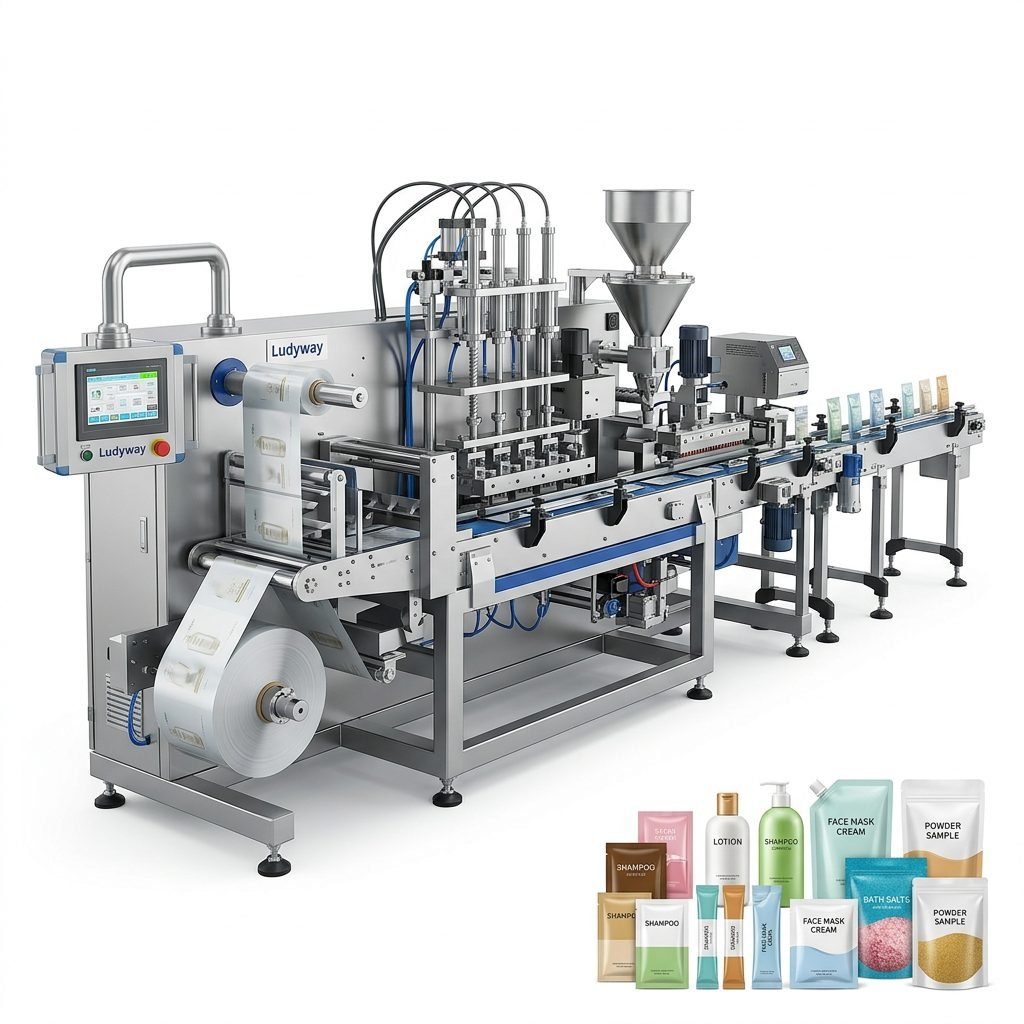
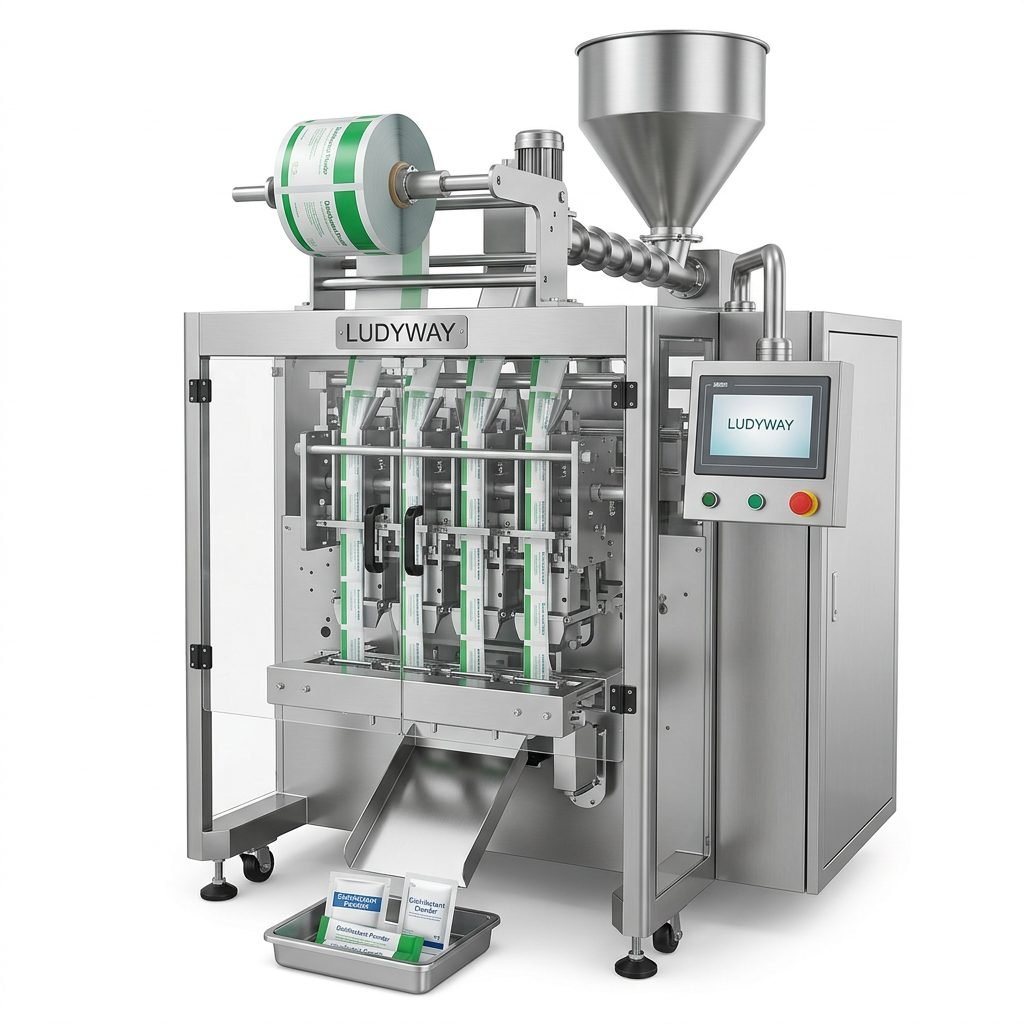
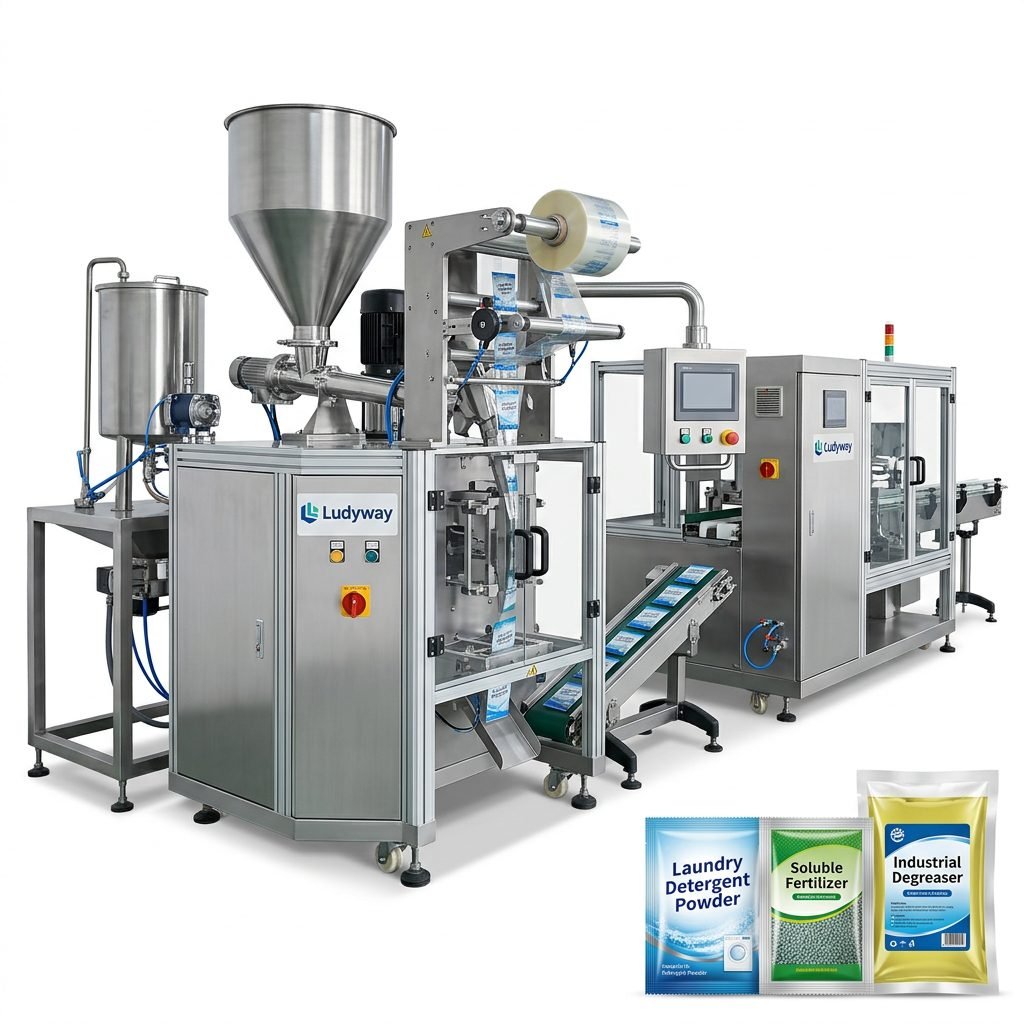
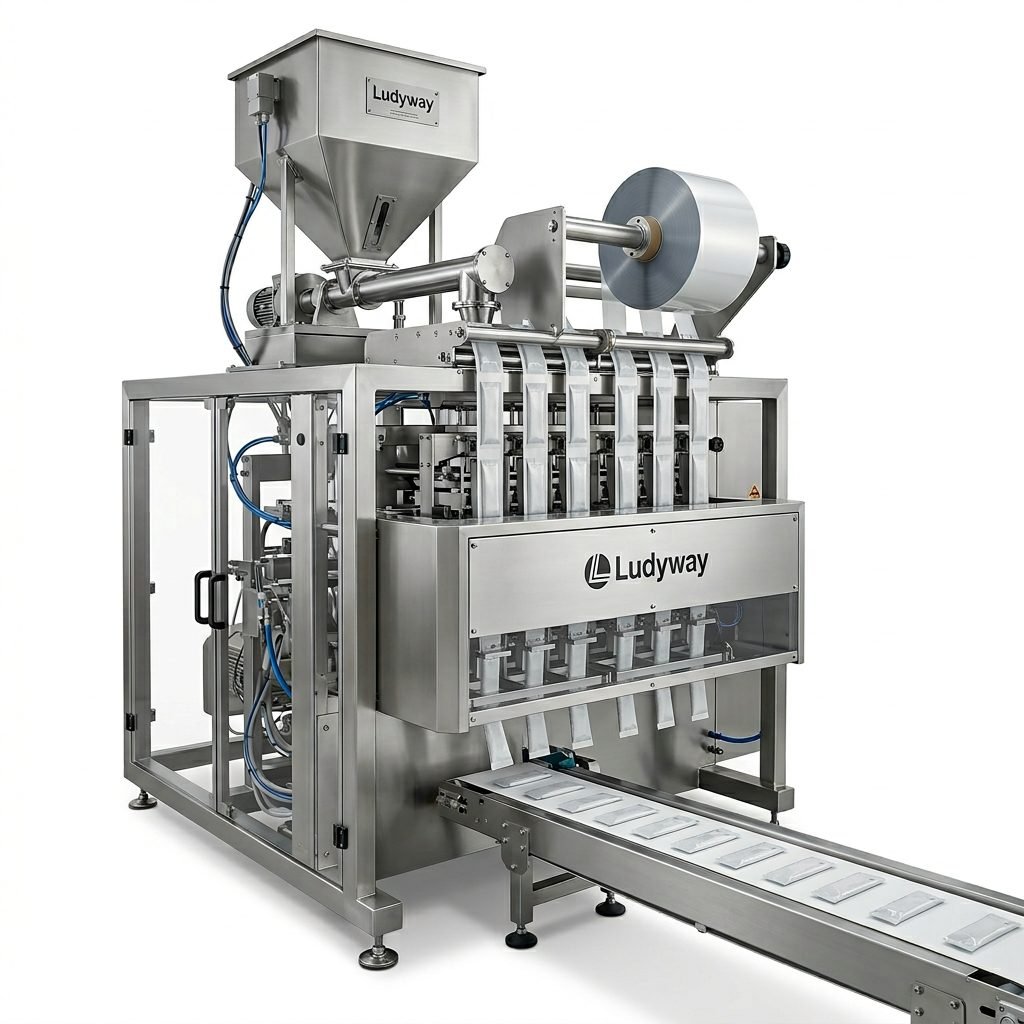
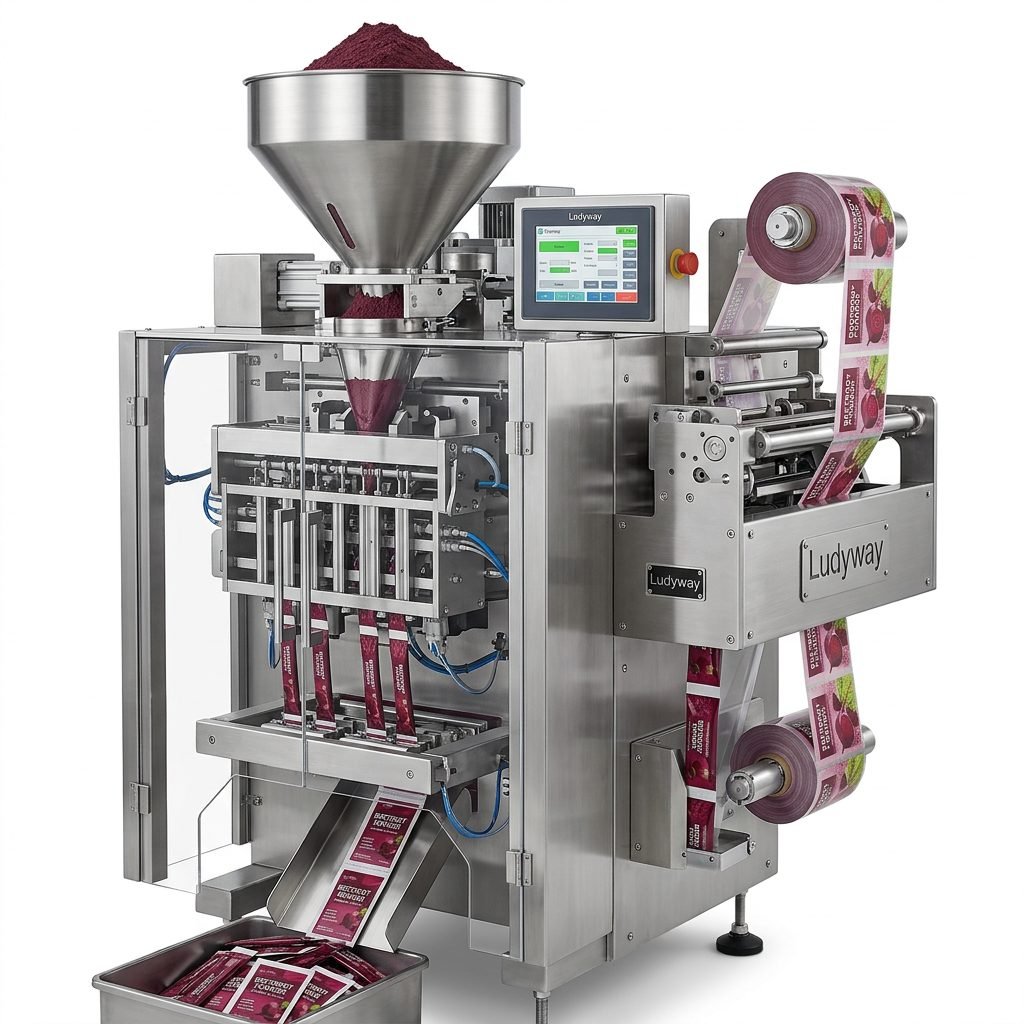
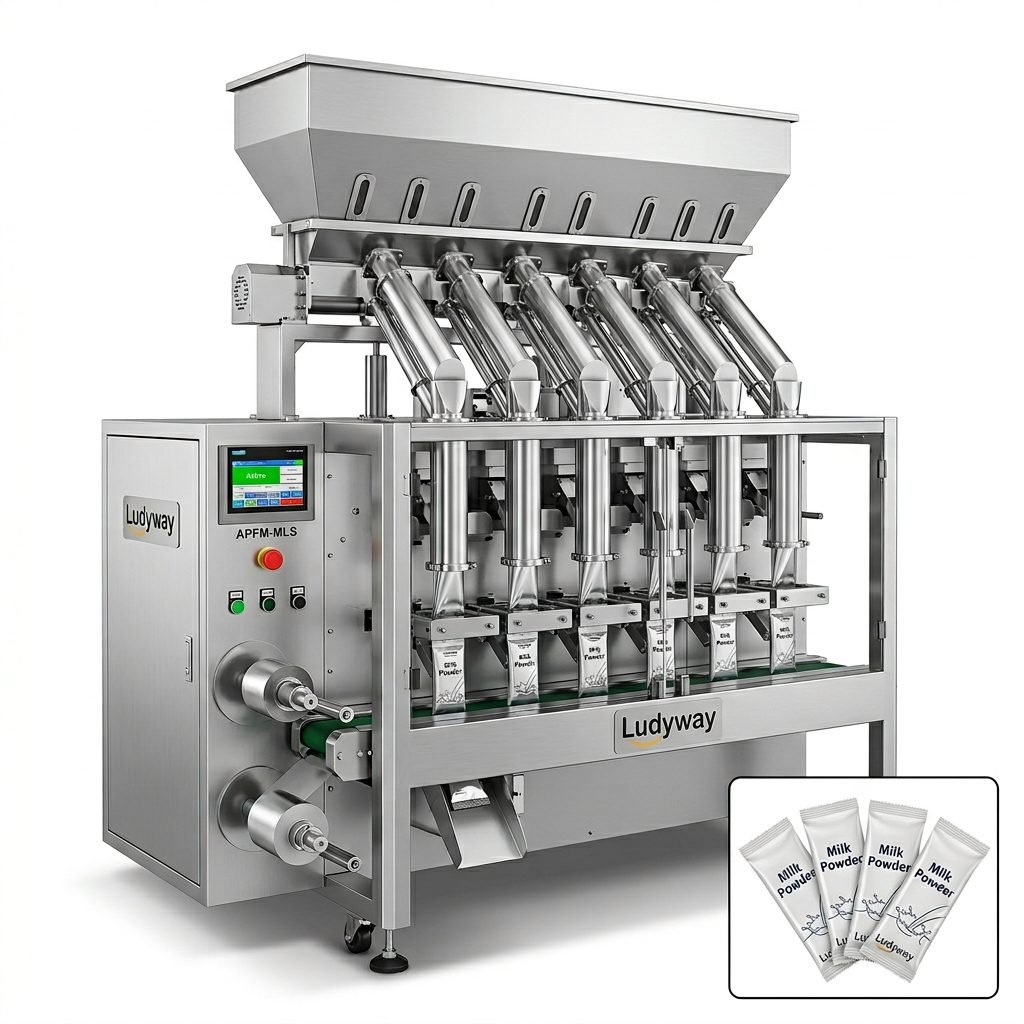
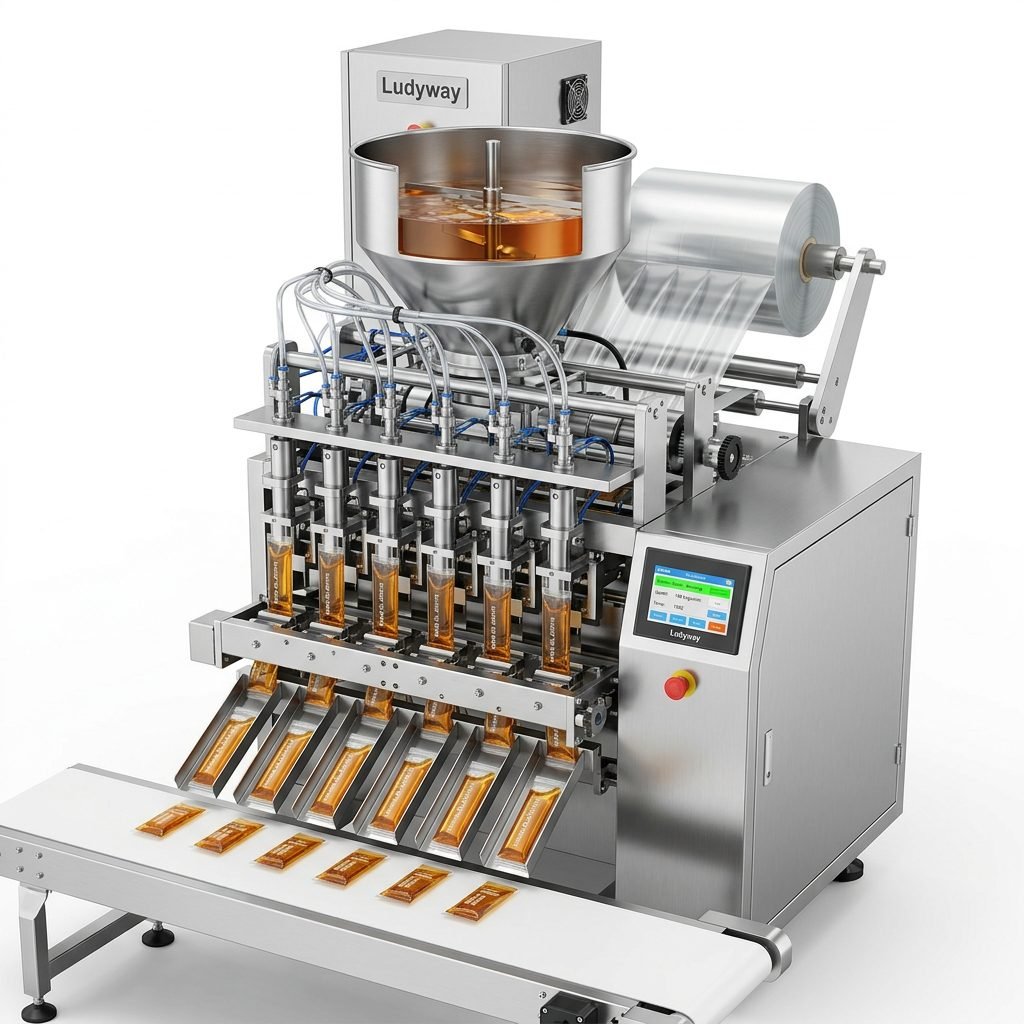
➤ Vertical Form-Fill-Seal (VFFS) Machines: The workhorse for single-serve sachets and stick packs. The machine forms a bag from a roll of film, fills it with a precise dose of powder via an auger filler, and then seals it. Modern multi-lane VFFS machines can produce dozens of stick packs simultaneously, offering incredible output for products like energy gel sachets or powdered drink mixes.
➤ Auger Filling Machines: The core component for dosing powders and granules into any container, from small sachets to large tubs. Accuracy is paramount, and high-end auger systems with servo drives and weight feedback systems can achieve fill accuracies within ±1%.
For Liquids: Oils, Syrups & Tonics
➤ Liquid Filling Machines: These use technologies like peristaltic pumps (for sensitive, viscous oils), piston fillers (for high-accuracy volumes), or gravity fillers. They are typically integrated with capping machines (screw cappers, snap cappers, or press-on dropper assemblies) to form a complete liquid packaging line.
Essential Features & Technological Considerations
Beyond the basic type, several key features differentiate standard equipment from high-performance, future-proof solutions.
1. Accuracy and Precision Control
Product giveaway due to overfilling erodes profit, while underfilling violates regulations and consumer trust. Look for machines with servo-motor driven augers or pumps and integrated check-weigher feedback systems. These systems automatically adjust the fill in real-time based on weight data, ensuring consistent compliance.
2. Hygiene and Cleanability
Nutraceutical production demands hygienic design. Machines should have stainless steel (304 or 316 grade) contact parts, smooth surfaces without crevices, and a design that allows for quick disassembly for cleaning (CIP – Clean-in-Place systems are a premium feature). This is critical for preventing cross-contamination and meeting GMP standards.
3. Flexibility and Changeover
Market trends change rapidly. A machine that can handle multiple bag sizes (e.g., from 5g sample sachets to 500g refill packs) or different container types with quick-change tooling and recipe storage in the PLC (Programmable Logic Controller) minimizes downtime and allows you to adapt to new opportunities swiftly.
4. Automation and Integration
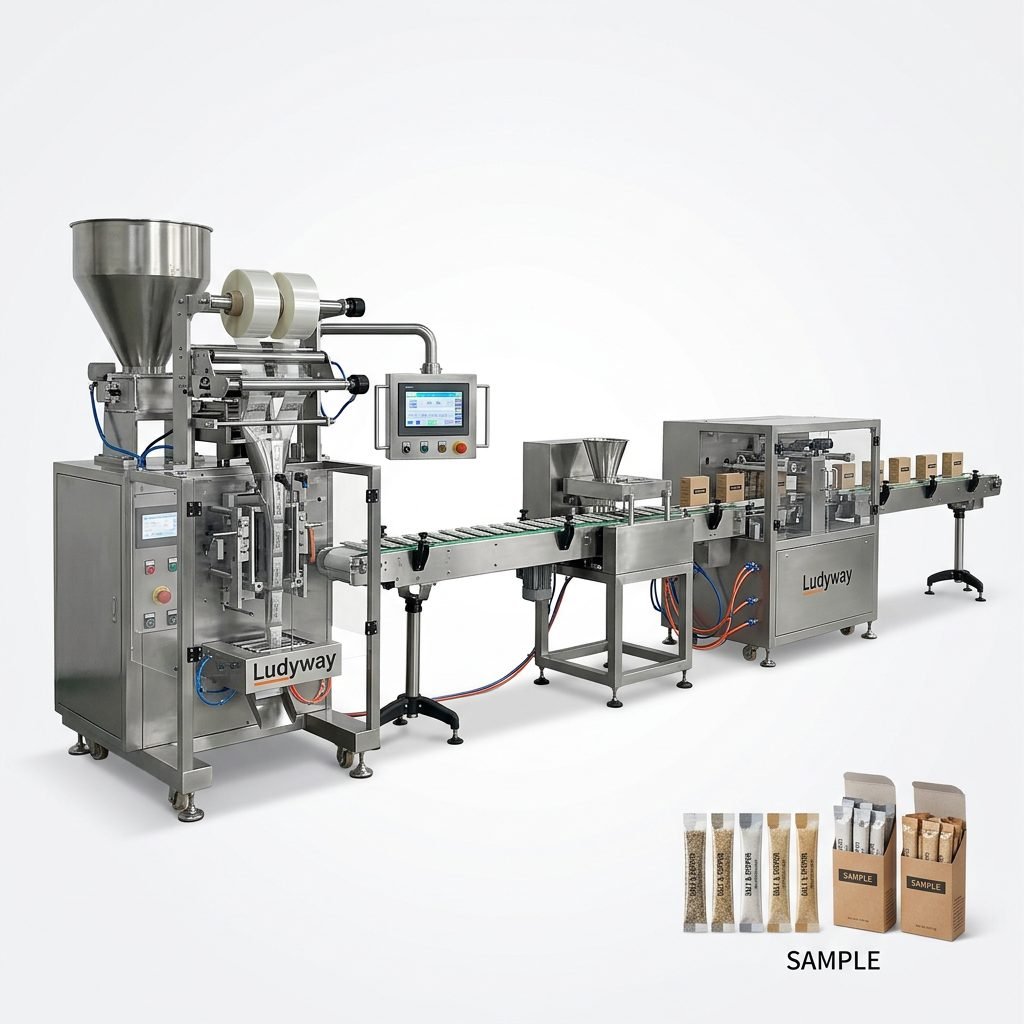
Standalone machines create bottlenecks. The real efficiency gain comes from integrated lines. Consider how a filler connects to a cap tightness tester, a labeler, or a case packer. Machines with standardized communication protocols (like OPC UA or Ethernet/IP) facilitate this integration, creating a seamless, data-rich production cell.
Critical Buying Considerations for Your Investment
Purchasing packaging machinery is a significant capital expenditure. A thorough evaluation process is essential.
Define Your Requirements Clearly
Start with a detailed specification sheet: required output speed (packs per minute), target accuracy, product characteristics (flowability, abrasiveness, hygroscopicity), packaging materials (film type, thickness), and available factory space. This document will be the basis for all supplier discussions and quotations.
Evaluate Supplier Expertise and Support
The machine is only as good as the company behind it. Prioritize suppliers with proven experience in the nutraceutical or pharmaceutical sector. They will understand GMP, FDA, and other relevant regulations. Assess their after-sales support: availability of spare parts, training programs, and the responsiveness of their technical service team. A supplier like Ludyway Packaging Machinery, with deep industry roots, can be a valuable long-term partner.
Consider Total Cost of Ownership (TCO)
Look beyond the initial purchase price. Calculate the TCO, which includes installation, maintenance, energy consumption, expected downtime, and cost of consumables (like specific sealing jaws or auger parts). A slightly more expensive but robust and efficient machine often has a lower TCO over 5-10 years.
Request a Product Test
Never buy based on specifications alone. Always send your actual product and packaging materials to the supplier for a live factory test run. This validates the machine’s performance, accuracy, and seal quality with your specific materials, de-risking the entire investment.
Future Trends: Smart Packaging and Sustainability
The industry is evolving. Industry 4.0 connectivity allows machines to report OEE (Overall Equipment Effectiveness), predict maintenance needs, and integrate with factory MES (Manufacturing Execution Systems). Furthermore, consumer demand is driving the need for machinery that can handle mono-material or compostable films, requiring advanced sealing technologies. Choosing a supplier committed to innovation ensures your line won’t become obsolete.
Investing in the right nutraceutical packaging machinery is a strategic decision that impacts your product quality, operational efficiency, and brand equity. By thoroughly understanding the types available, prioritizing critical features like accuracy and hygiene, and carefully evaluating suppliers based on expertise and total cost, you can select a system that not only meets today’s needs but also scales for tomorrow’s growth. Partnering with an experienced provider ensures you gain more than just a machine—you gain a solution tailored for success in the dynamic health and wellness market. For those seeking comprehensive and reliable packaging solutions, exploring the offerings of established specialists is a prudent step.
Frequently Asked Questions (FAQs)
1. What is the most important factor when choosing a machine for powdered supplements?
Fill accuracy and hygiene are paramount. An auger filler with servo control and weight feedback ensures you don’t give away product or violate label claims. All product contact parts must be made of high-grade, easy-to-clean stainless steel to prevent contamination and meet strict industry standards.
2. Can one machine handle both stick packs and larger sachets?
Yes, many modern Vertical Form-Fill-Seal (VFFS) machines are designed for flexibility. With quick-change forming tubes and sealing jaws, and programmable recipes, a single machine can often run a range of sizes. However, there are practical limits; a machine optimized for tiny 5g stick packs may struggle with 500g pouches, and vice versa. Discuss your full size range with your supplier.
3. How do I ensure my packaging line is compliant with regulations (e.g., FDA, GMP)?
Compliance stems from both machine design and operational procedures. Choose machinery from suppliers familiar with regulatory standards—look for designs with cleanable surfaces and documentation like a Machine Master File. Ultimately, you must establish and validate your own Standard Operating Procedures (SOPs) for operation, cleaning, and maintenance to prove control over the packaging process.
4. What level of automation should I start with?
This depends on your volume and labor costs. For startups, a semi-automatic machine (e.g., a manual capper paired with an automatic filler) may be sufficient. For scaling production, investing in an integrated, fully automatic line (filler + capper + labeler) drastically reduces labor, minimizes human error, and increases overall output consistency and safety.
5. What support should I expect from the machinery supplier after purchase?
A reputable supplier provides comprehensive support: on-site installation and commissioning, thorough operator and maintenance training, a clear spare parts inventory and ordering system, and accessible technical support (via phone, email, or remote access). Ask about service response times and the availability of annual maintenance contracts to ensure long-term reliability. Companies with a strong track record, such as Ludyway, typically structure their services around ensuring customer production success.