Selecting the right packaging equipment is a critical decision that directly impacts your production efficiency, product quality, and overall operational costs. A well-chosen machine integrates seamlessly into your line, maximizes output, and ensures consistent, reliable packaging. This comprehensive guide will walk you through the essential steps and considerations for choosing the perfect packaging machinery for your specific needs.
Understanding Your Production Requirements
Before evaluating any machine, you must have a crystal-clear understanding of your own production landscape. This foundational step prevents costly mismatches.
Key Questions to Ask:
• Product Type & Form: Are you packaging granules, powders, liquids, pills, or solids? Each form requires specific dosing and handling mechanisms.
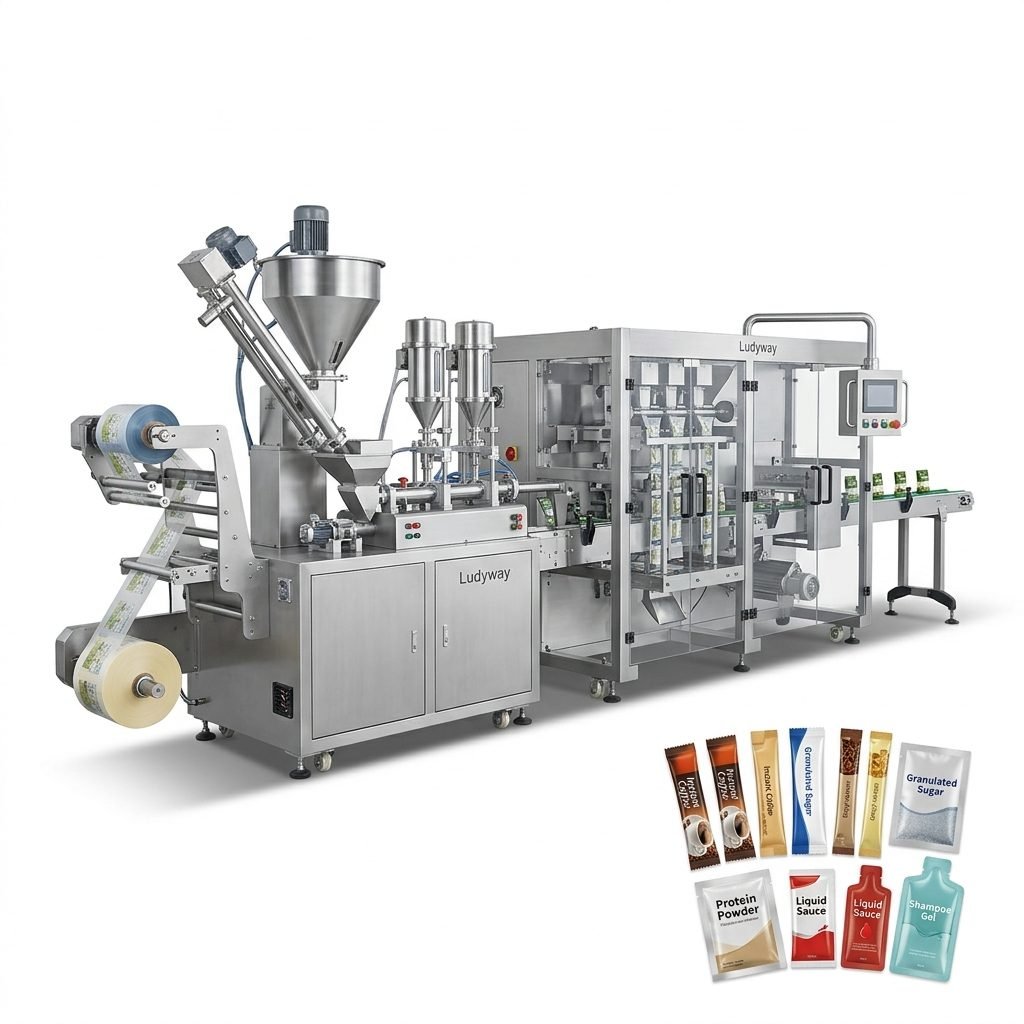
• Desired Package Style: Do you need stick packs, sachets, pouches, bottles, or blister packs? The machine must be configured for your final package format.
• Production Speed (Output): Calculate your required units per minute/hour/shift. Your target output is a primary driver for machine selection.
• Available Floor Space: Precisely measure the area allocated for the new equipment, including necessary clearances for operation and maintenance.
Core Types of Packaging Machinery
The packaging equipment market offers specialized machines for different applications. Familiarizing yourself with the main categories is essential.
Vertical Form-Fill-Seal (VFFS) Machines
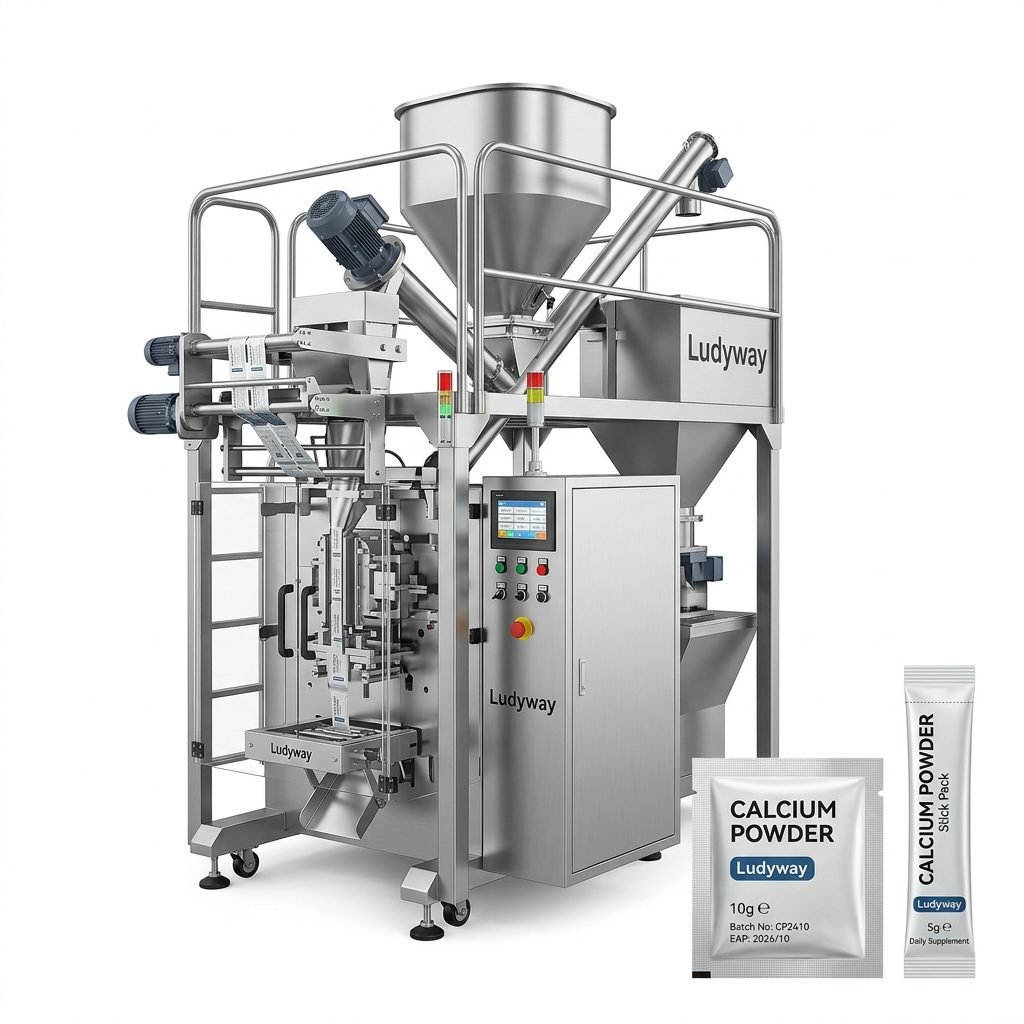
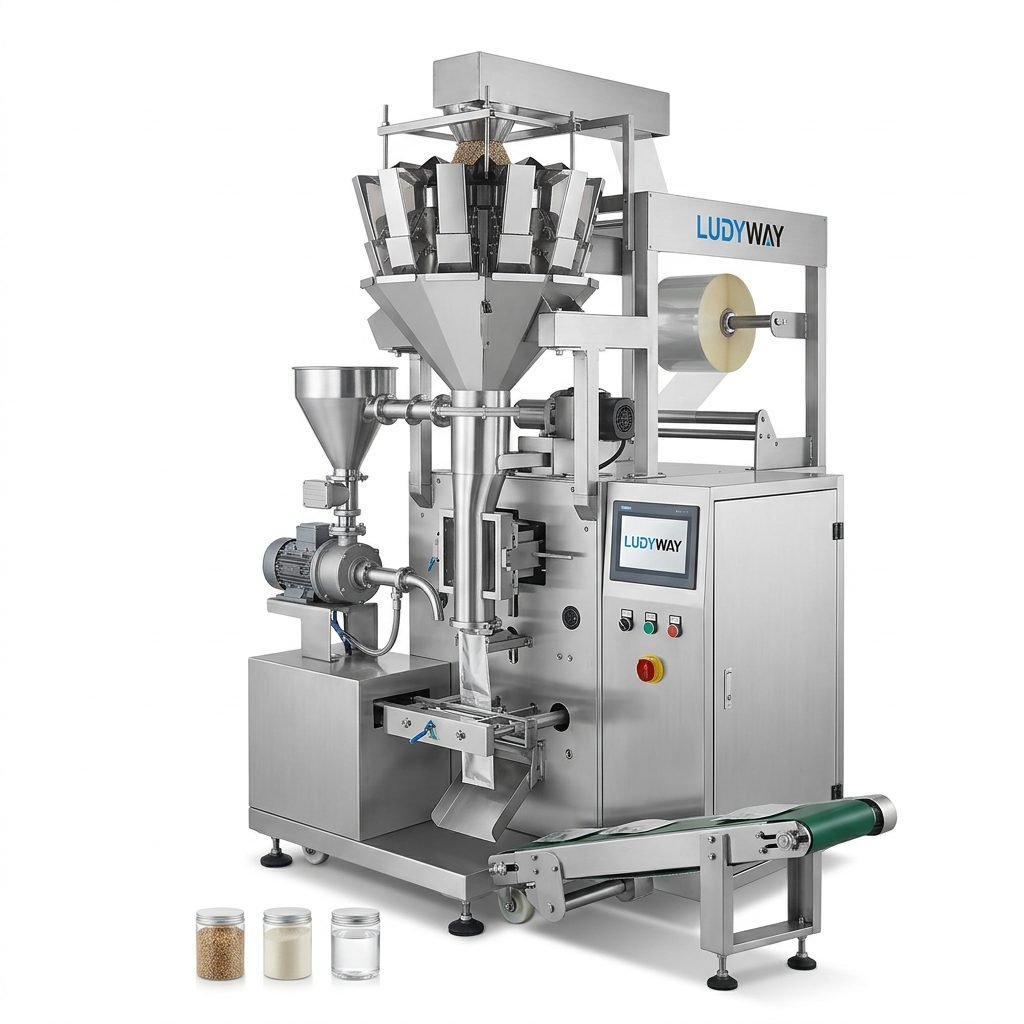
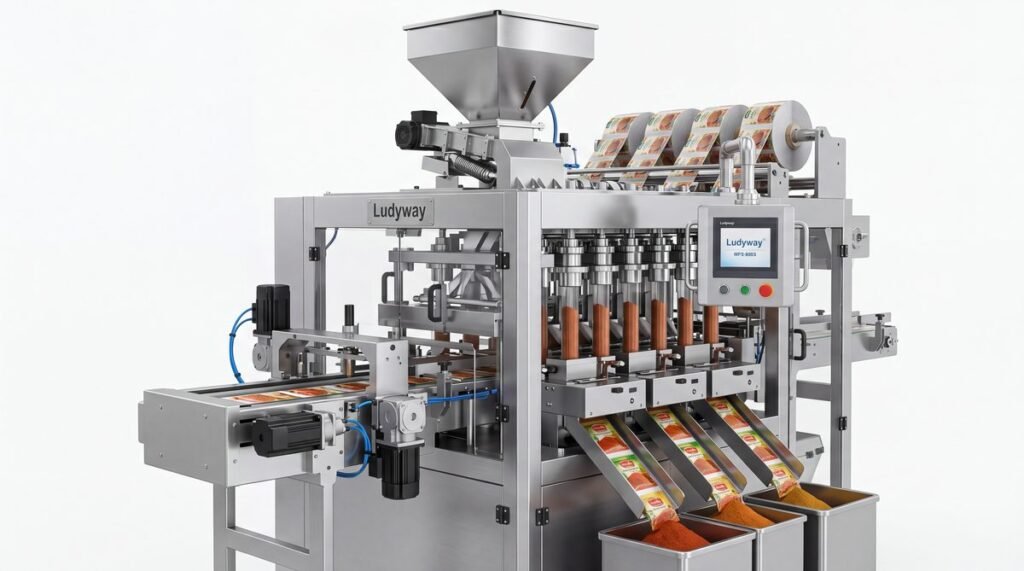
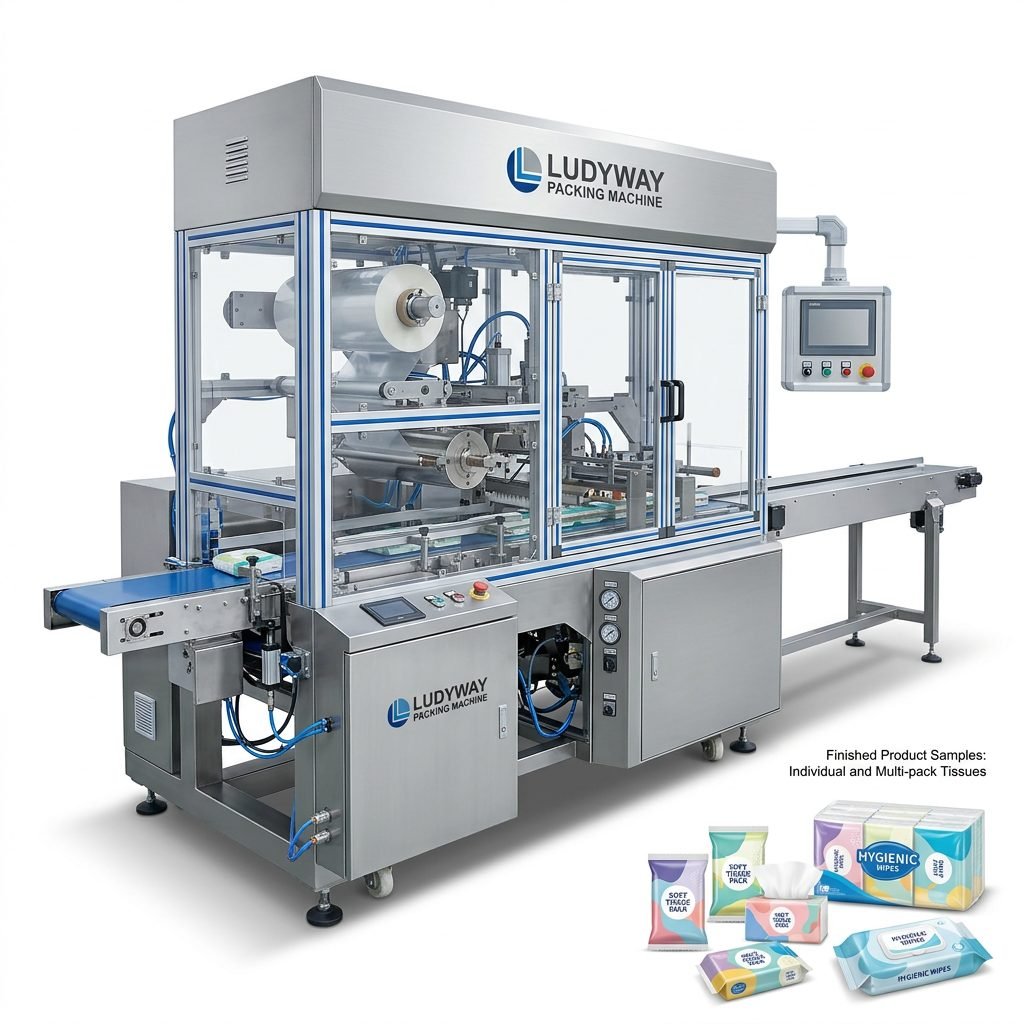
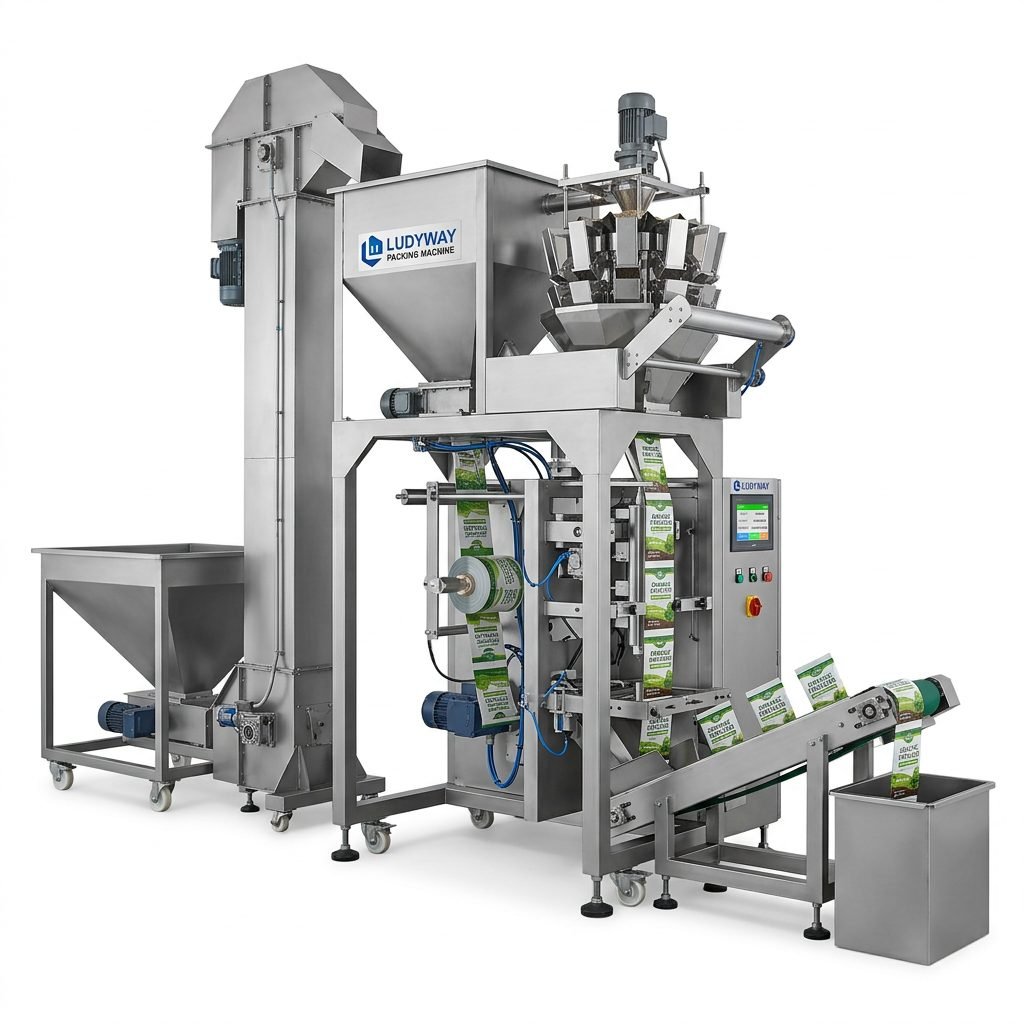
Ideal for granules, powders, and small solids. These machines form a bag from a roll of film, fill it with product, and seal it—all in a continuous vertical motion. They are highly versatile and common for producing pouches and sachets.
Horizontal Form-Fill-Seal (HFFS) Machines
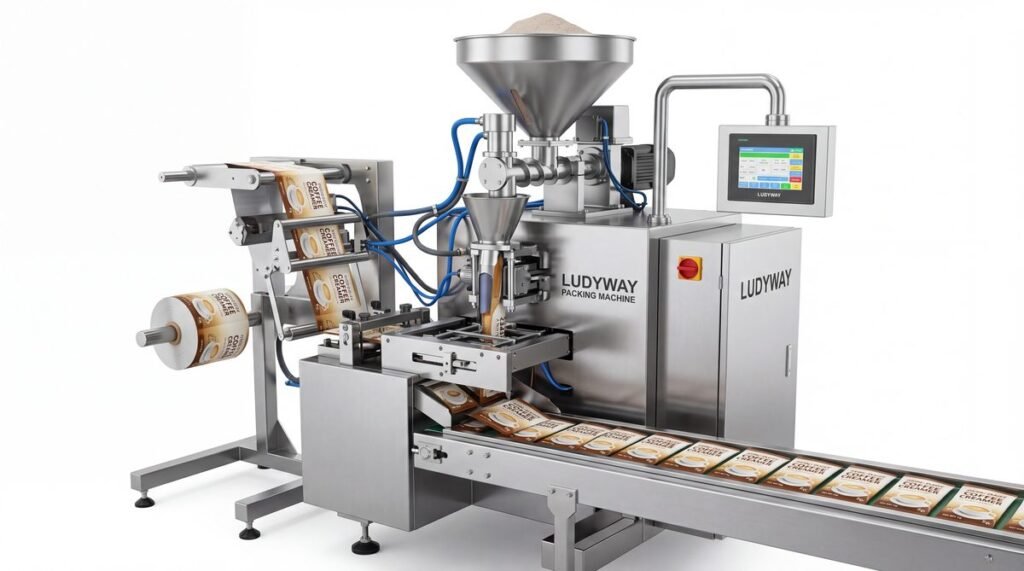
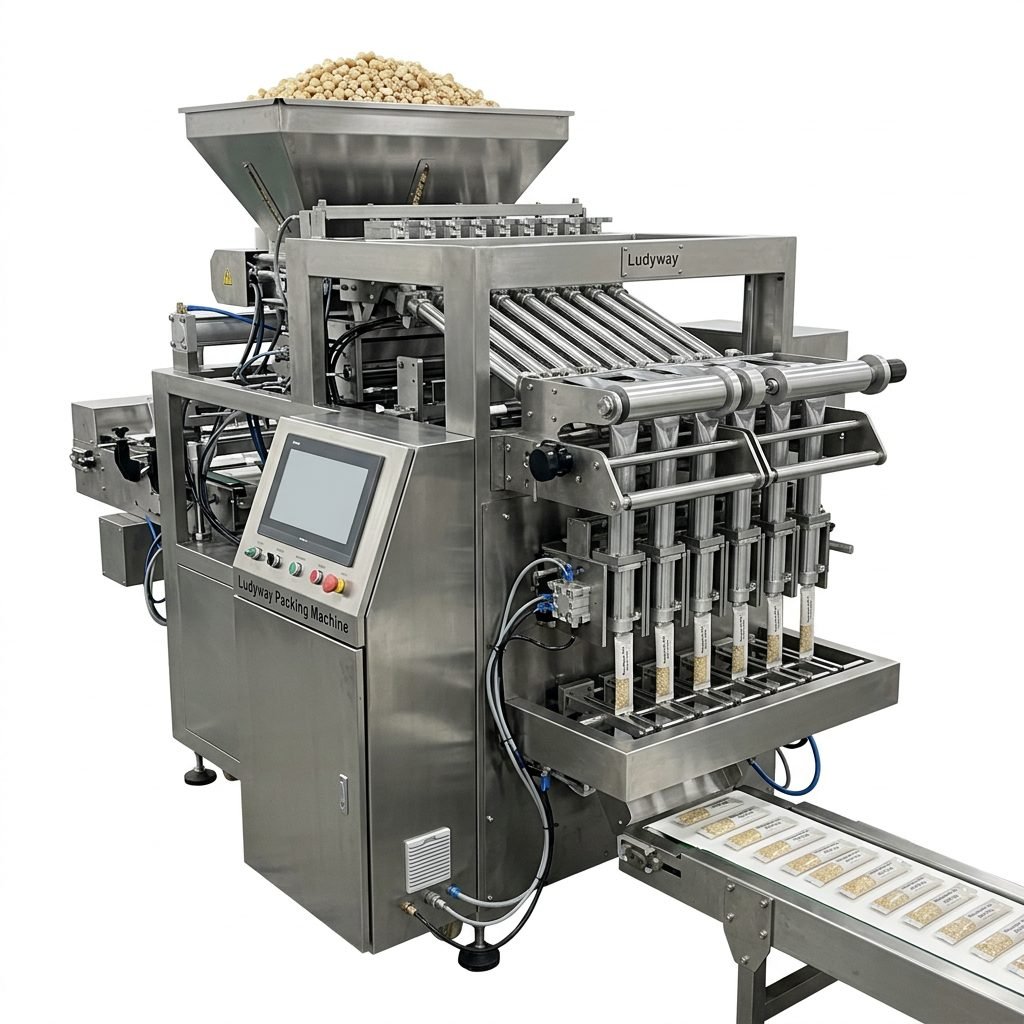
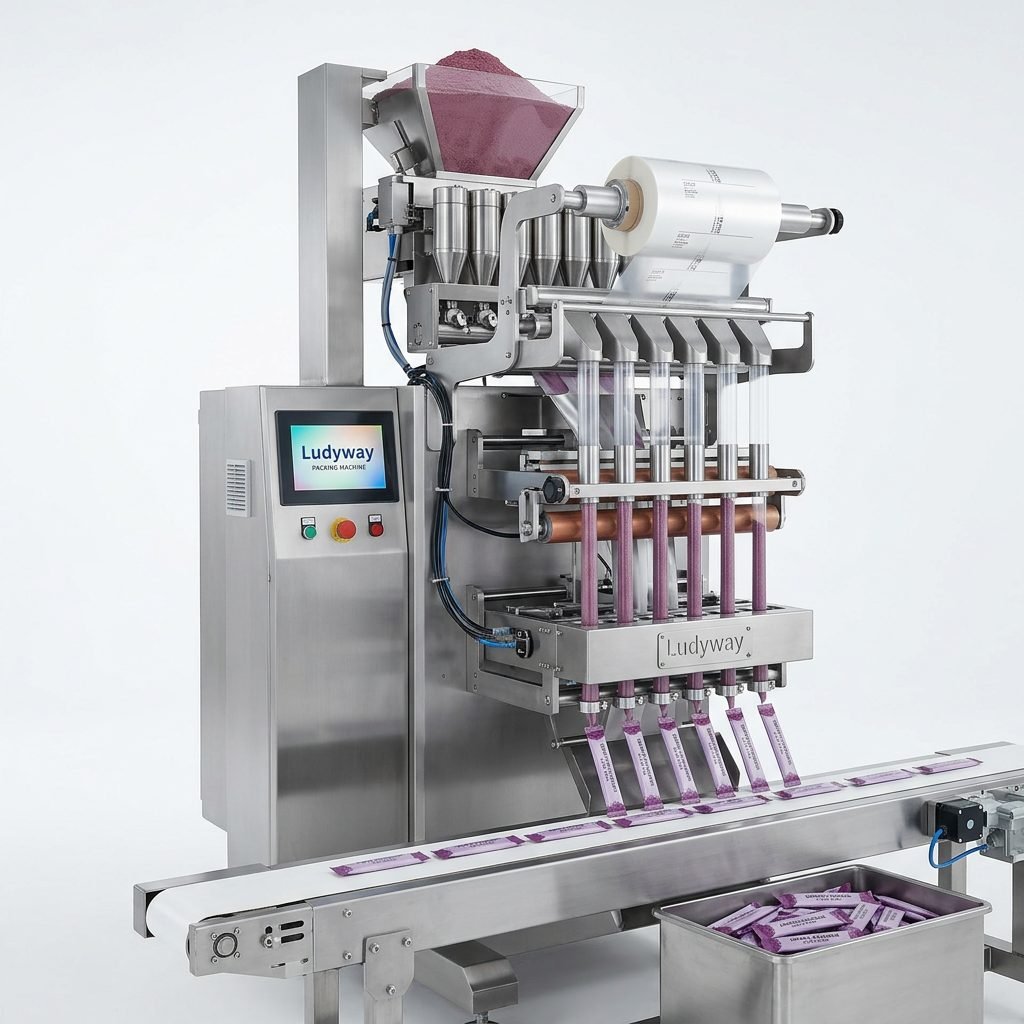
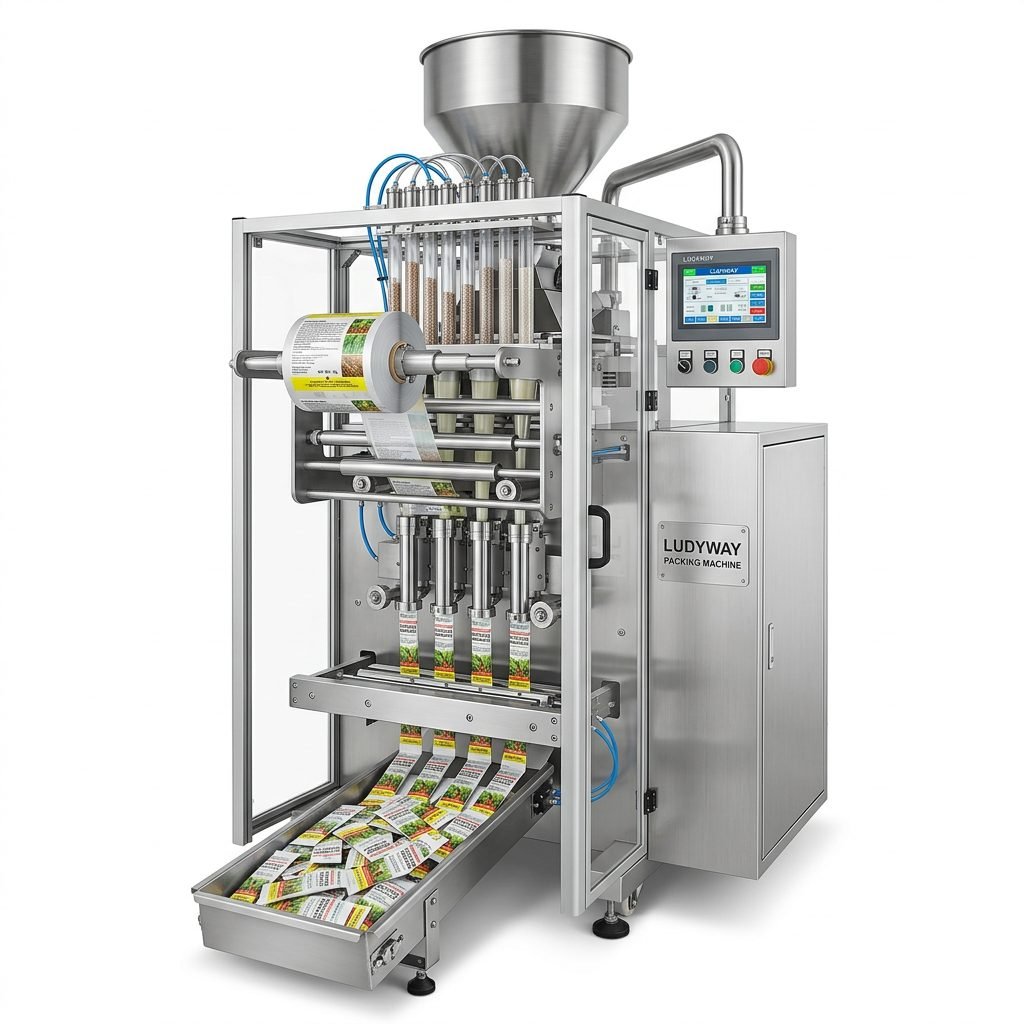
Typically used for stick packs, portion packs, and more complex shapes. The film travels horizontally, and products are placed into pre-formed pockets before sealing. Excellent for high-speed, multi-lane packaging of single-serve items.
Liquid & Paste Filling Machines
Designed for viscous products like sauces, oils, creams, and chemicals. They utilize pumps (piston, gear, peristaltic) for accurate volumetric filling into bottles, tubes, or pouches. Stainless steel construction is often critical for hygiene.
Critical Evaluation Criteria for Machine Selection
Once you know your needs and the machine type, dive deeper into these critical performance and build factors.
1. Accuracy and Consistency
Weighing or dosing accuracy is non-negotiable. It affects product give-away (cost) and compliance with net content regulations. Look for machines with high-precision scales or servo-driven pumps and ask for standard deviation data from the supplier.
2. Speed and Throughput
Match the machine’s maximum speed to your required output, but always consider real-world efficiency. A machine that runs reliably at 80% of its max speed is better than one that constantly jams at its theoretical peak.
3. Flexibility and Changeover
If you run multiple products or package sizes, quick changeover is vital. Evaluate how long it takes to switch formats and what tools are required. Machines with digital settings memory and tool-less adjustments minimize downtime.
4. Build Quality and Durability
Inspect the materials: frames should be robust, contact parts should be food-grade stainless steel (e.g., 304 or 316L), and critical components like seals and drives should be from reputable brands. This ensures longevity and minimizes maintenance.
5. Hygiene and Cleanability
For food, pharmaceutical, or health products, hygiene is paramount. Machines should have smooth, crevice-free surfaces, be designed for easy disassembly (without tools, ideally), and be compatible with cleaning-in-place (CIP) procedures where necessary.
The Importance of Supplier Expertise and Support
The machine is only part of the solution. The supplier’s expertise and post-sales support are equally important for long-term success.
Partnering with an experienced provider like Ludyway Machinery brings immense value. With over 30 years of industry experience, such suppliers understand the practical challenges of integrating equipment into a live production environment. They don’t just sell a machine; they offer a tailored solution.
Evaluate the supplier’s technical support network, availability of spare parts, training programs for your operators, and their willingness to provide detailed consultation before the sale. A reliable partner will have a proven track record of supporting customers worldwide with professional service and a commitment to innovation, ensuring your packaging line remains productive for years to come.
Planning for Integration and Future Growth
Think of your new machine as part of an ecosystem, not an isolated island.
Integration: Consider how the new machine will connect with your existing upstream (e.g., mixers, conveyors) and downstream (e.g., cartoners, case packers) equipment. Communication protocols and physical interfacing are key.
Scalability: Choose equipment that can grow with your business. Can the speed be upgraded? Can additional modules (like checkweighers or date coders) be easily added later? Investing in a slightly more capable platform can prevent a full replacement in two years.
For complex projects, consider engaging a supplier who can deliver a complete turnkey production line solution, taking responsibility for the integration and performance of the entire system.
Final Steps: Trial and Validation
Never buy a packaging machine based on specifications alone. Insist on a product trial.
A proper factory acceptance test should demonstrate:
• Machine operation with your actual product (or a very close simulant).
• Achievement of the promised speed and accuracy over a sustained period.
• Ease of operation, cleaning, and a sample changeover.
• Safety features and compliance with relevant standards.
This hands-on validation is your best insurance against performance gaps and ensures the machine is truly the right fit.
Frequently Asked Questions (FAQs)
1. What is the most important factor when choosing packaging equipment?
While all factors are interconnected, accurately defining your own production requirements (product, output, package type) is the absolute first and most critical step. A perfect machine for the wrong application is a costly mistake.
2. How do I know if a machine is reliable?
Assess the build quality, component brands, and the supplier’s reputation. Ask for customer references, especially those in a similar industry. A supplier with decades of experience, like Ludyway Machinery, typically partners with manufacturers known for reliability and offers robust after-sales support.
3. Is it better to buy a standalone machine or a complete turnkey line?
It depends on your project scope and expertise. For a simple upgrade or a single bottleneck, a standalone machine is fine. For a new product launch or a complex, high-speed operation, a turnkey solution from a single responsible supplier reduces integration risks and can be more efficient in the long run.
4. What kind of maintenance should I expect?
Regular preventive maintenance is essential. This includes daily cleaning, lubrication of moving parts as specified, and periodic inspection of wear components like sealing jaws, cutting blades, and seals. Your supplier should provide a clear maintenance schedule and training.
5. Can one machine handle multiple different products or package sizes?
Many machines are designed for flexibility, but changeover complexity varies. Discuss your specific range of products and sizes with the supplier. Machines with servo-driven adjustments and recipe memory allow for quicker, more repeatable changeovers compared to manual, tool-based adjustments.