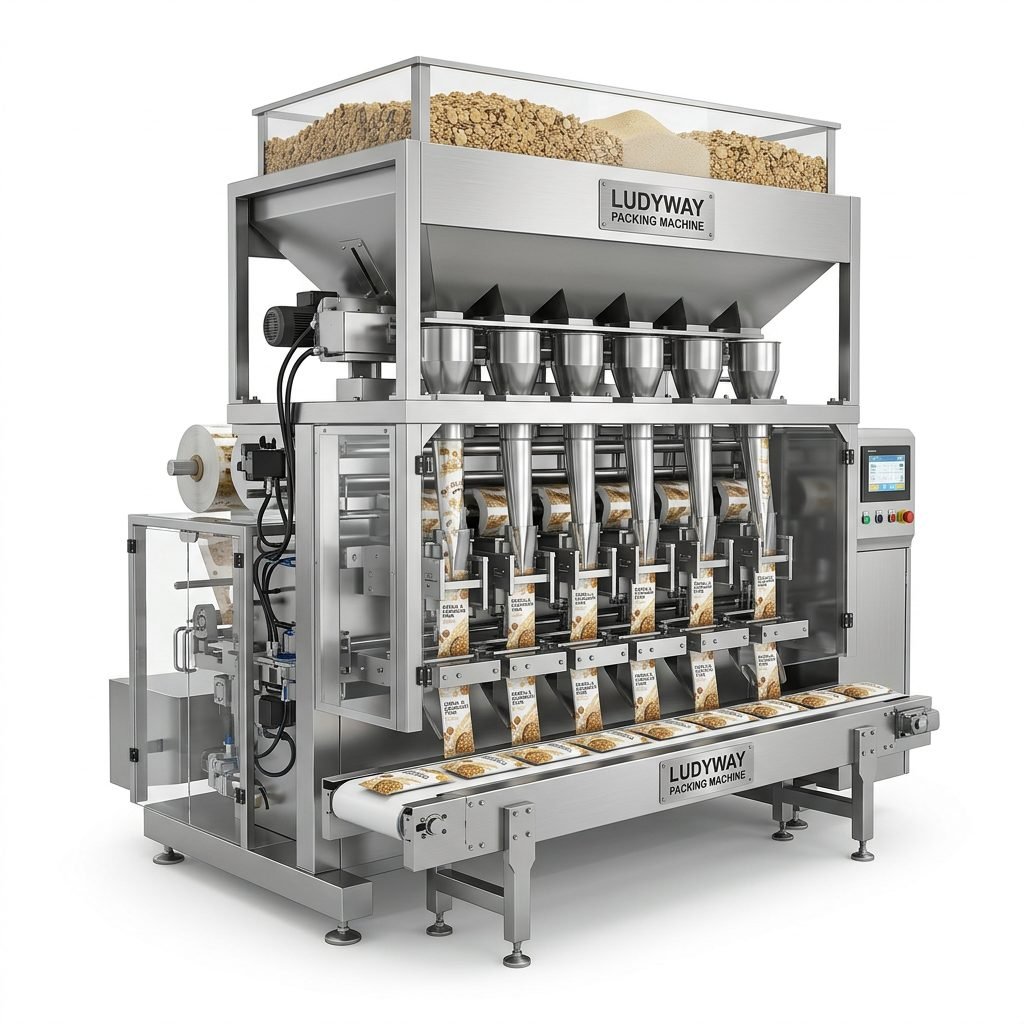
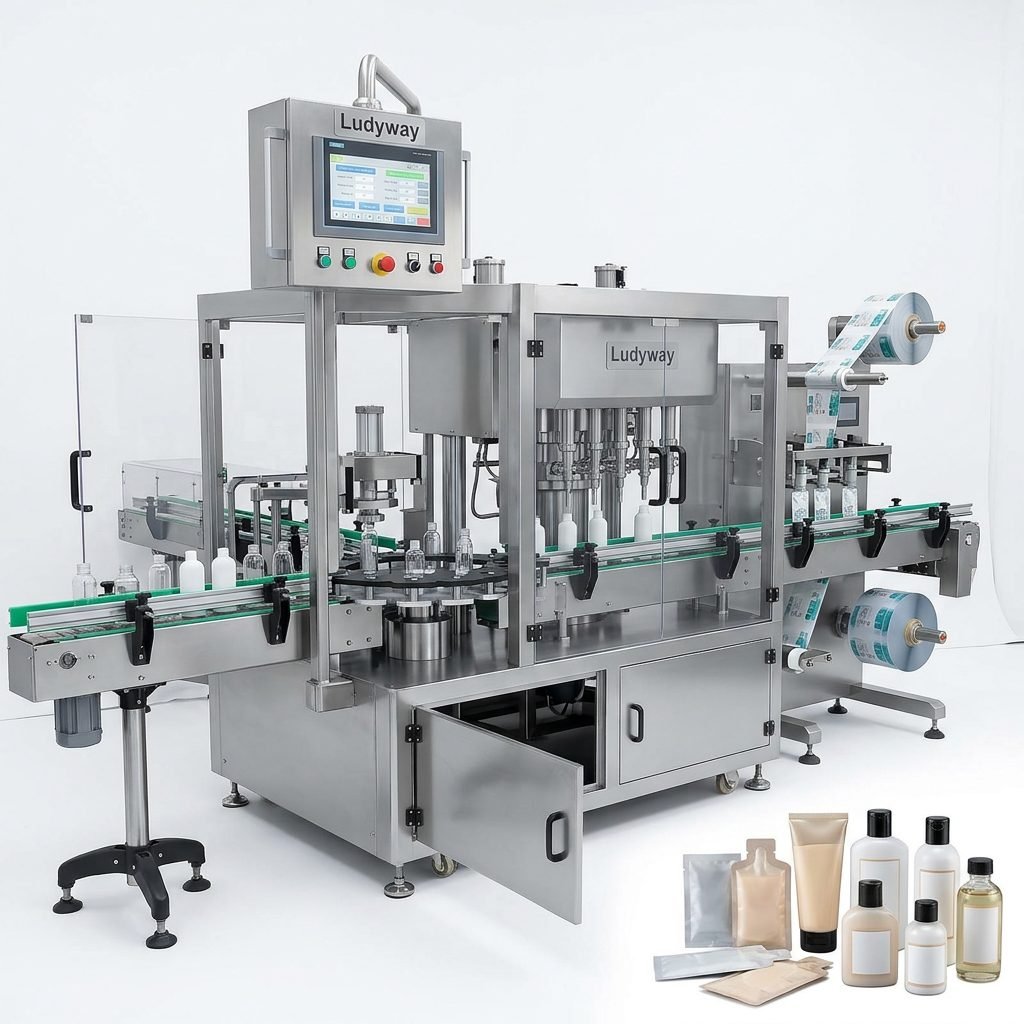
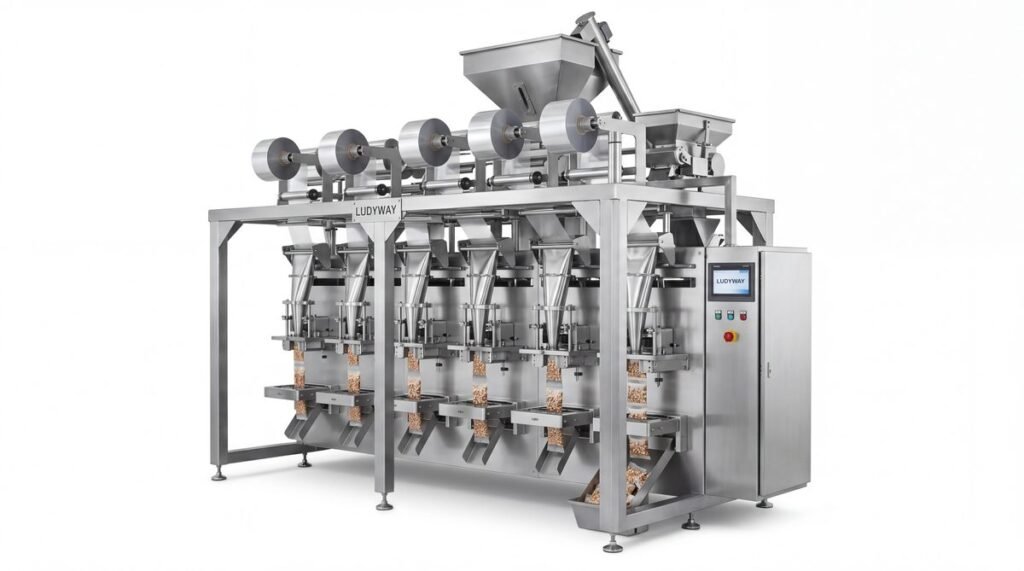
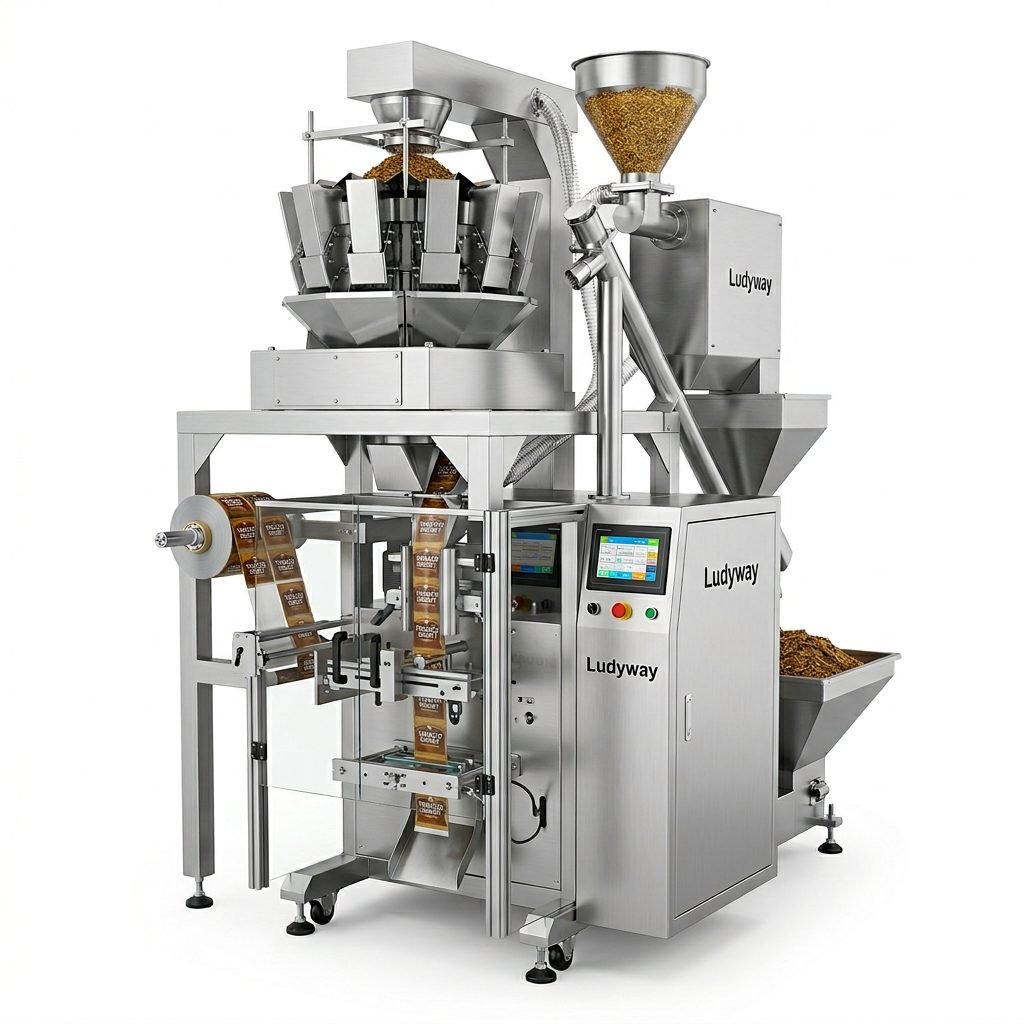
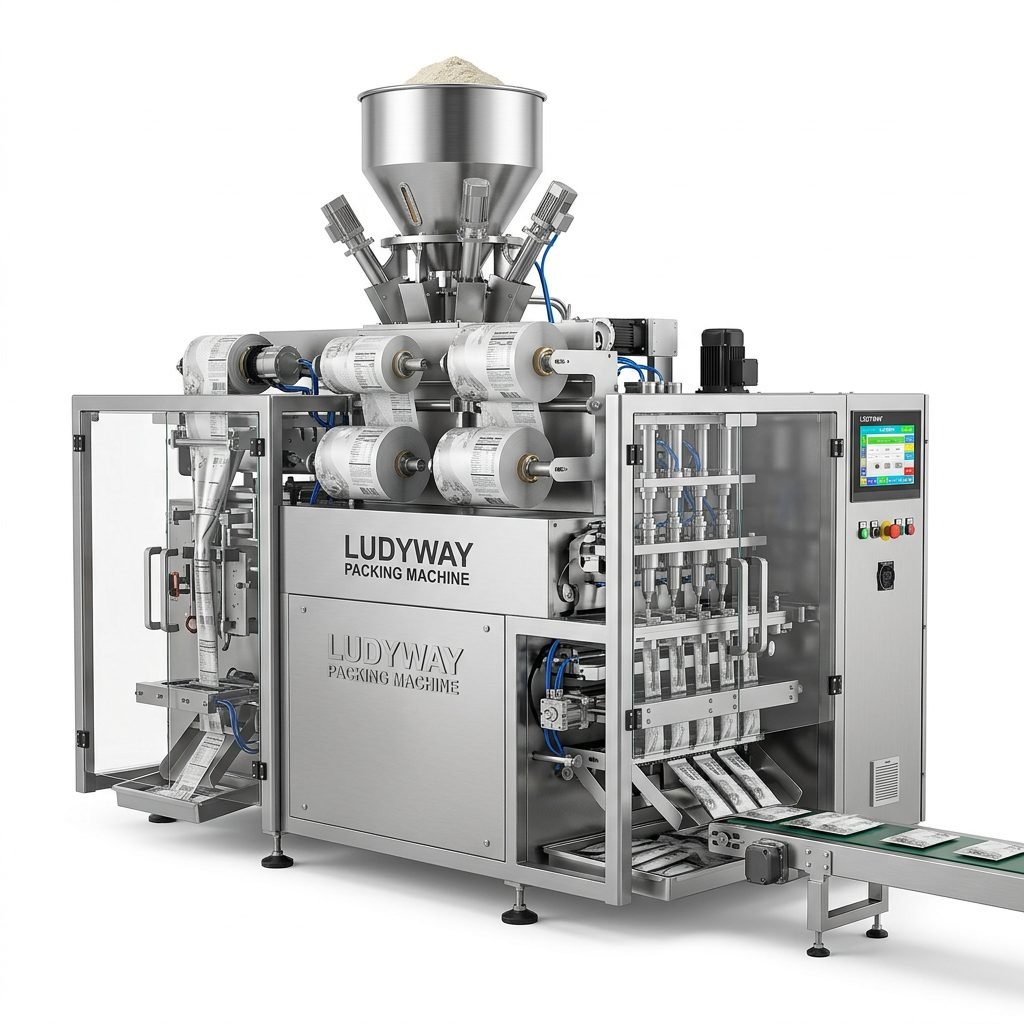
Investing in high‑efficiency packaging equipment is a critical step for any rock wool production operation aiming to optimize output, ensure product integrity, and maximize profitability. The right machinery not only streamlines the final stage of your production line but also directly impacts product quality, operational costs, and your ability to meet market demands. This comprehensive guide is designed to navigate you through the key considerations, technologies, and selection criteria for packaging equipment tailored to rock wool products.
Understanding the Packaging Needs for Rock Wool Products
Rock wool, a versatile insulation material made from molten rock, presents unique packaging challenges. Its fibrous structure, varying density (from boards and rolls to loose fill), and need for protection from moisture and compression demand specialized handling. The primary goals of packaging are to:
✔ Preserve Integrity: Prevent breakage, fiber separation, and compression during storage and transit.
✔ Ensure Protection: Shield the material from humidity, dust, and physical damage.
✔ Facilitate Handling: Create uniform, stackable, and easily identifiable packages for distributors and end‑users.
✔ Convey Information: Clearly display product specifications, safety data, and branding.
Core Equipment in a Rock Wool Packaging Line
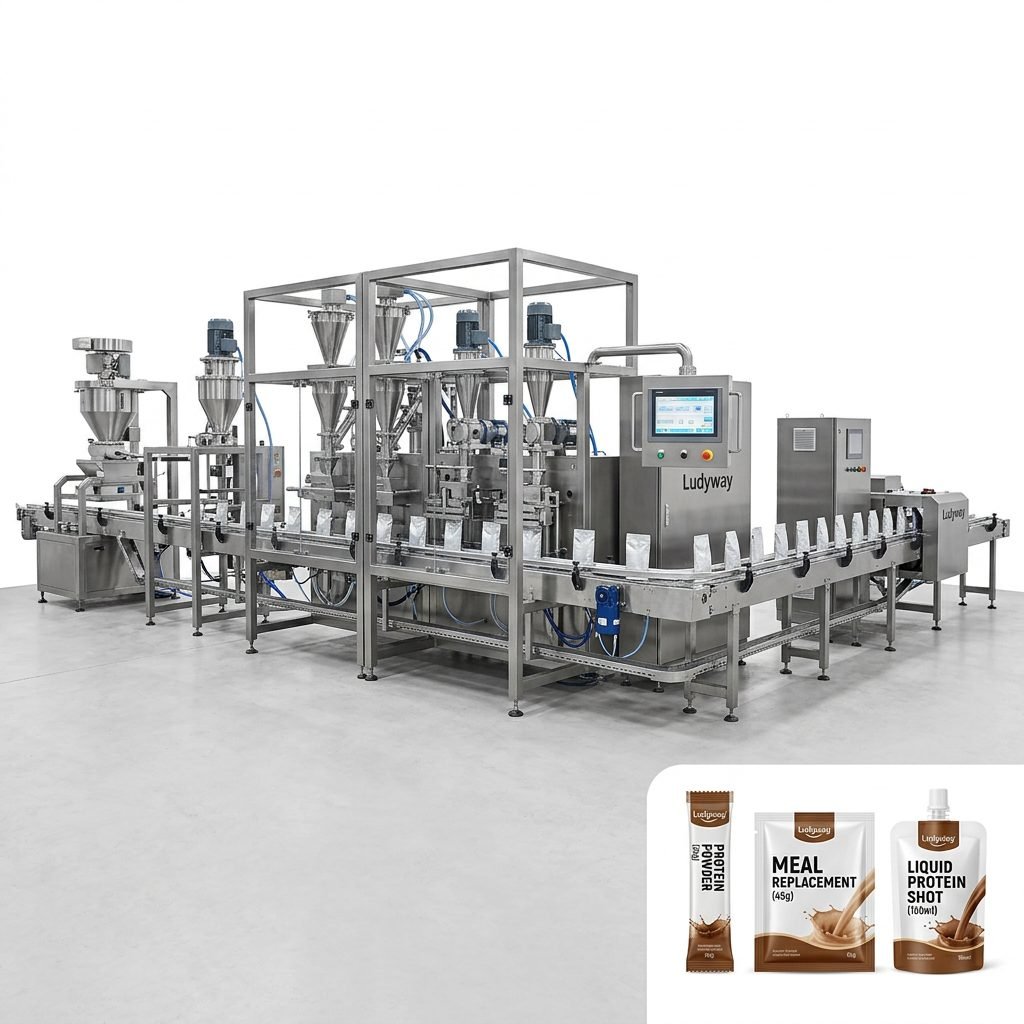
A complete, automated packaging line integrates several machines, each performing a specific function. Understanding their roles is essential for system design.
1. Compression and Bundling Units
Given the bulky nature of rock wool, compression is often the first step. These units apply controlled pressure to rolls or batts, significantly reducing their volume. This leads to major savings on shipping costs and storage space. The equipment must apply consistent, product‑specific pressure to avoid damaging the material’s recovery properties.
2. Wrapping and Sealing Machinery
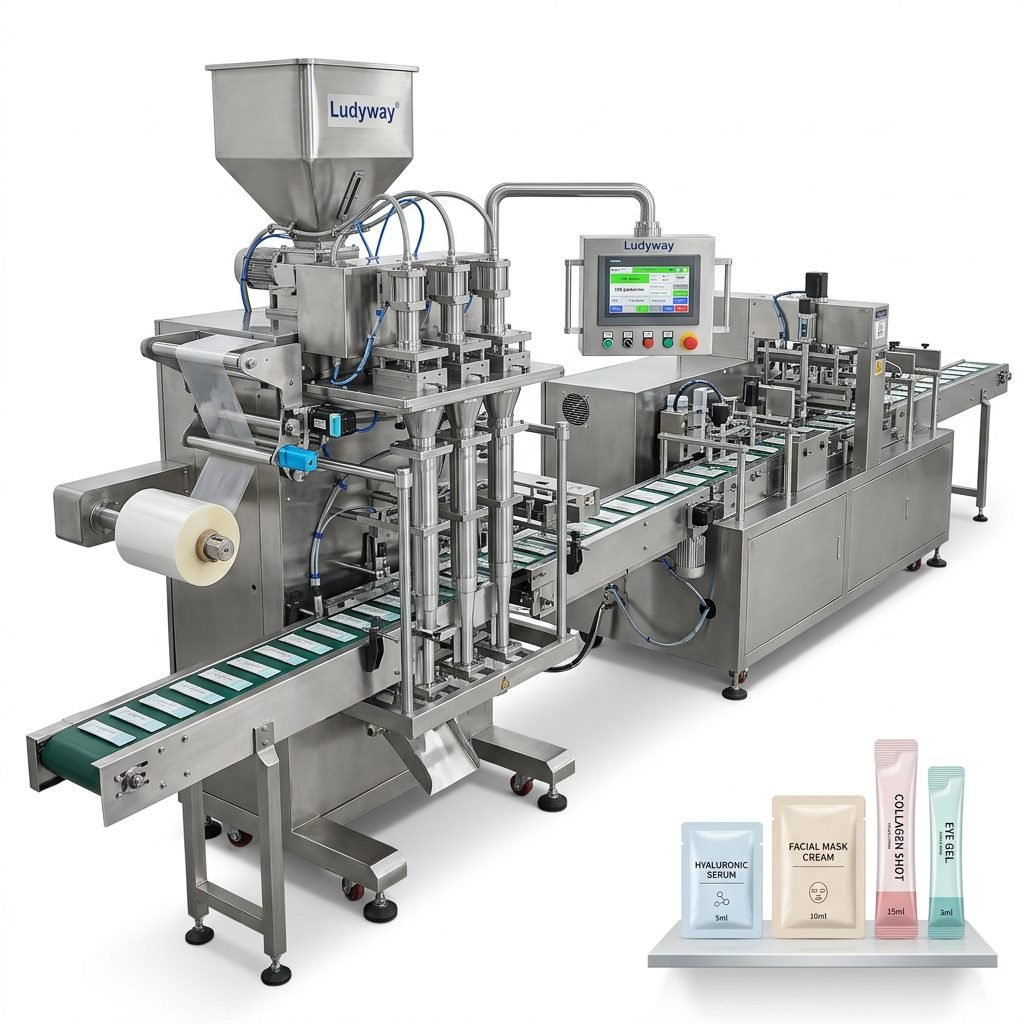
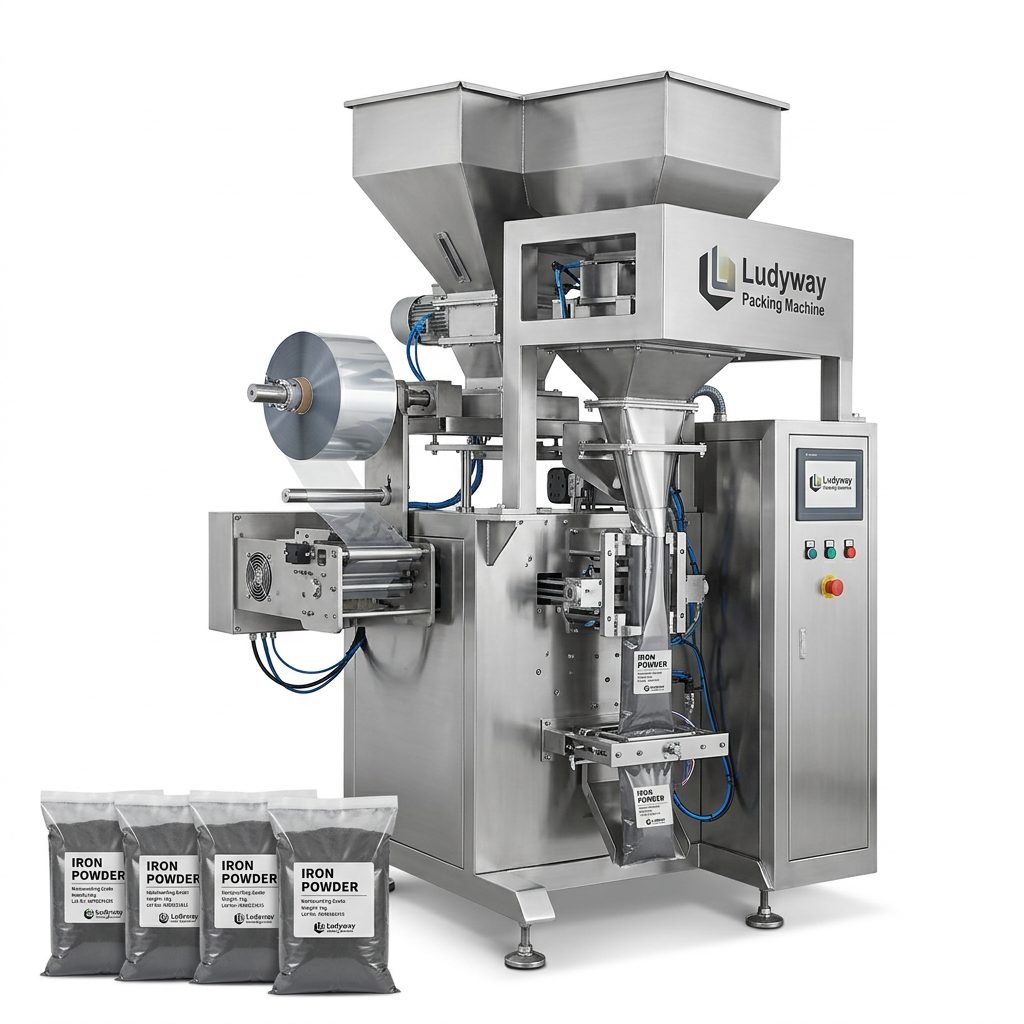
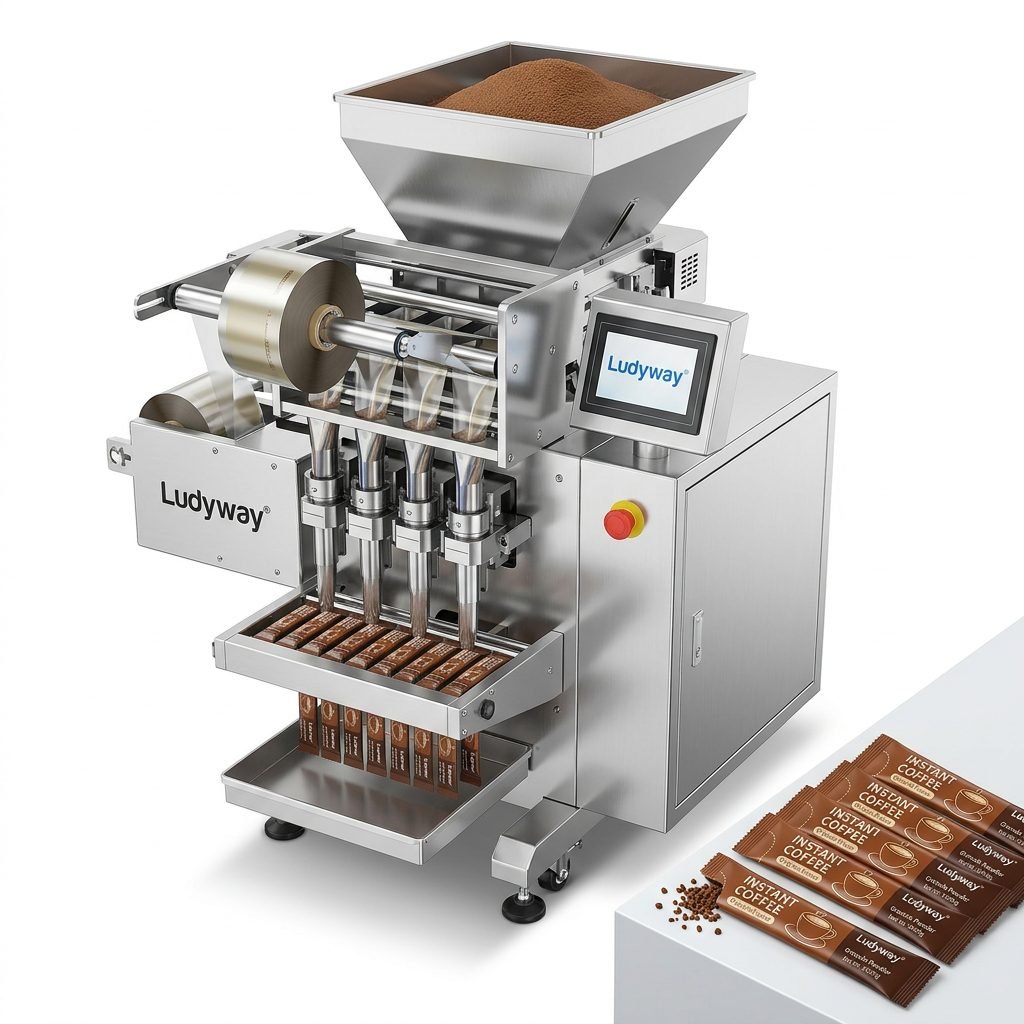
This is the heart of the packaging process. Machines here apply protective film—typically strong polyethylene—around the compressed product. Key technologies include:
- Stretch Wrappers: Use elastic film that tightly conforms to the product shape, offering excellent stability.
- Shrink Wrappers: Apply a loose sleeve of film, which then shrinks tightly under heat, creating a robust, tamper‑evident seal.
The choice depends on required protection levels, line speed, and film cost. Modern systems feature automatic film feeding, tension control, and seal integrity checks.
3. Labeling and Coding Systems
Accurate labeling is non‑negotiable. Automated print‑and‑apply systems directly label each package with vital information: product type, R‑value, dimensions, batch number, and barcodes. This ensures traceability and compliance with shipping and retail standards. Integration with factory ERP or MES systems allows for real‑time data printing.
4. Conveying and Handling Systems
Robust conveyors link all stations, moving products smoothly without causing damage or misalignment. For heavy rock wool packages, powered roller conveyors or chain conveyors are standard. Proper system design minimizes bottlenecks and maintains a consistent flow to the palletizing station.
5. Palletizing and Unitizing Equipment
The final step involves arranging wrapped packages onto pallets for shipment. Automated palletizers use robotic arms or gantry systems to stack layers according to a pre‑programmed pattern, ensuring stable, secure loads. Some lines may include strapping or stretch‑wrap stations to further secure the entire pallet.
Key Selection Criteria for Your Investment
Choosing the right equipment requires a careful analysis of your specific operation. Here are the decisive factors:
Production Capacity and Line Speed
Match the machine’s throughput (e.g., packages per minute) to your current and projected production volumes. Under‑sized equipment creates bottlenecks, while over‑sized machinery represents an unnecessary capital outlay. Consider the speed of each component to ensure harmonious line integration.
Flexibility and Product Range
Can the system handle the variety of products you manufacture? Look for equipment with quick‑change features for different product dimensions (roll diameters, board sizes) and packaging formats. Adjustable compression plates, variable film widths, and programmable logic controllers (PLCs) are indicators of good flexibility.
Automation Level and Integration
The degree of automation directly impacts labor costs and consistency. Semi‑automated systems may require manual loading, while fully automated lines can run with minimal supervision. Ensure new machinery can communicate with your existing line controls via standard industrial protocols. Investing in a complete turnkey solution from a single provider can simplify integration and service.
Durability and Build Quality
Rock wool production is a demanding industrial environment with dust and continuous operation. Equipment must be built from high‑grade materials (sturdy steel frames, industrial‑grade components) to ensure longevity and minimal downtime. Review the machine’s design for easy access to maintenance points.
Supplier Expertise and Support
The manufacturer’s experience is as crucial as the machine itself. A supplier with specific knowledge in building materials or insulation packaging will understand your challenges better. Evaluate their after‑sales service, availability of spare parts, training programs, and technical support responsiveness. A partner like Ludyway Machinery, with deep industry experience, can provide invaluable guidance beyond just selling a machine.
Optimizing Operations and Calculating ROI
Beyond the initial purchase, focus on operational efficiency to maximize your return on investment.
📈 Key Performance Indicators (KPIs) to Monitor:
• Overall Equipment Effectiveness (OEE): Combines availability, performance, and quality rates of your packaging line.
• Material Waste Percentage: Track film and label waste to identify optimization opportunities.
• Mean Time Between Failures (MTBF): Measures equipment reliability.
• Packaging Cost per Unit: The total cost of materials, labor, and machine depreciation per packaged product.
To calculate ROI, consider both tangible and intangible benefits: reduced labor costs, lower material waste, decreased shipping costs due to better compression, fewer product damages (and associated returns), and increased line output leading to higher sales capacity.
Future‑Proofing Your Packaging Line
Industry trends point towards greater connectivity and sustainability. Consider equipment that supports Industry 4.0 principles, such as data collection for predictive maintenance and production analytics. Furthermore, there is growing pressure to use recyclable or reduced‑plastic packaging materials. Partnering with a forward‑thinking supplier ensures your line can adapt to new materials and regulatory requirements in the future.
Conclusion
Selecting high‑efficiency packaging equipment for your rock wool production line is a strategic decision with long‑term implications. By thoroughly understanding your product requirements, meticulously evaluating equipment based on capacity, flexibility, and durability, and choosing a knowledgeable supplier with robust support, you can build a packaging operation that enhances product value, controls costs, and drives operational excellence. The investment in the right technology not only secures your product’s journey to the customer but also strengthens your competitive position in the global insulation market.
Frequently Asked Questions (FAQs)
1. What is the main benefit of compressing rock wool before packaging?
The primary benefit is a dramatic reduction in shipping volume, which translates directly into lower freight costs and more efficient use of storage space. Proper compression also creates a denser, more uniform package that is less prone to shifting and damage during transport.
2. Can one packaging line handle both rock wool rolls and boards?
Yes, but it requires a flexible or modular system. The key is equipment with adjustable compression chambers, conveyors with guiding systems for different shapes, and wrapping machines that can be quickly reconfigured for different product dimensions. Discuss your full product range with your equipment supplier during the planning phase.
3. How important is the choice of packaging film?
Extremely important. The film must have sufficient tensile strength and puncture resistance to protect the rock wool, along with good cling or shrink properties for a secure seal. For products stored outdoors, UV‑resistant film is critical. Your machinery supplier can often recommend tested film specifications for optimal performance on their equipment.
4. What level of automation is cost‑effective for a mid‑sized producer?
For most mid‑sized operations, a semi‑automated to fully automated line offers the best balance. Automating the core processes—wrapping, sealing, and labeling—delivers significant labor savings and consistency, even if manual loading or palletizing is retained. A detailed cost‑benefit analysis comparing labor costs, desired output, and investment will determine the sweet spot.
5. How can I ensure the packaging line is easy to maintain?
Prioritize equipment designed with easy access panels, self‑diagnostic systems, and standardized components. Choose a supplier that offers comprehensive training for your maintenance team and has a reliable spare parts supply chain. Proactive, planned maintenance based on the machine’s manual is far more cost‑effective than reactive repairs.