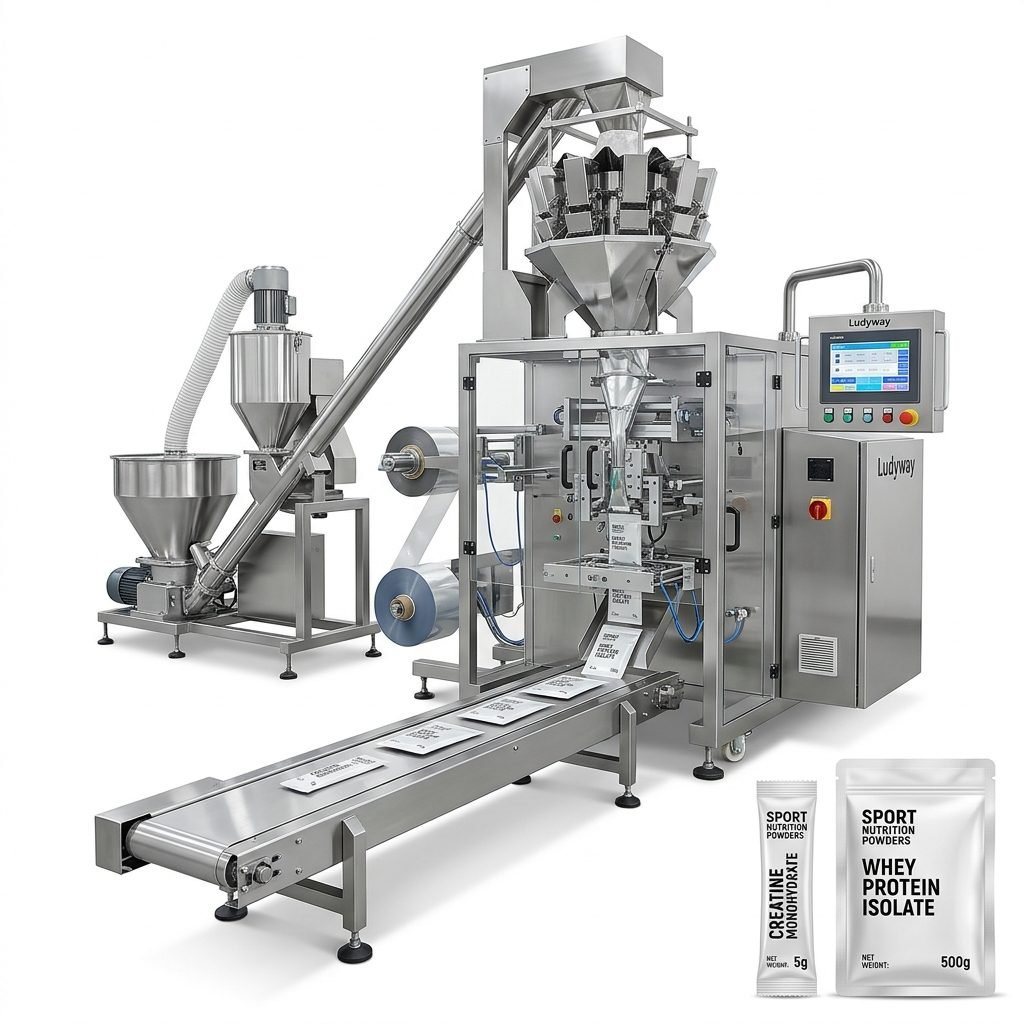
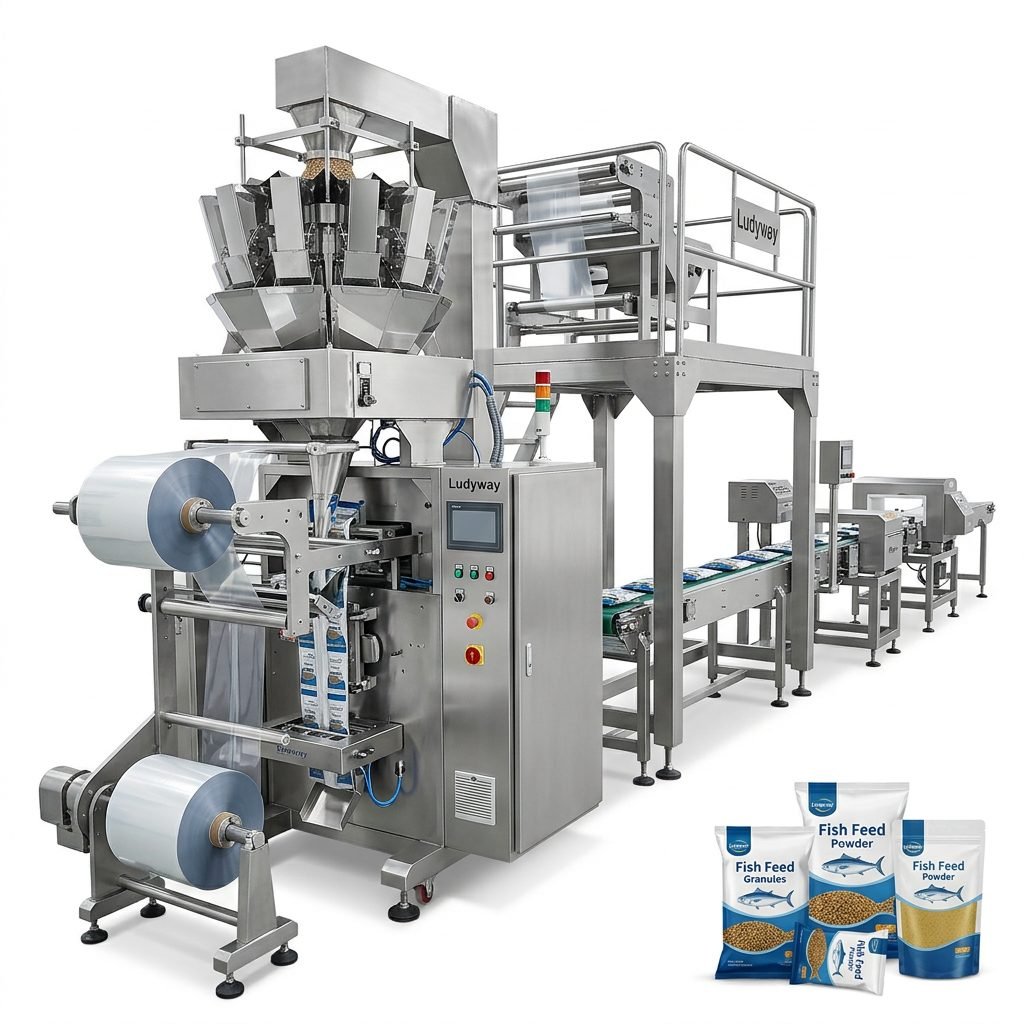
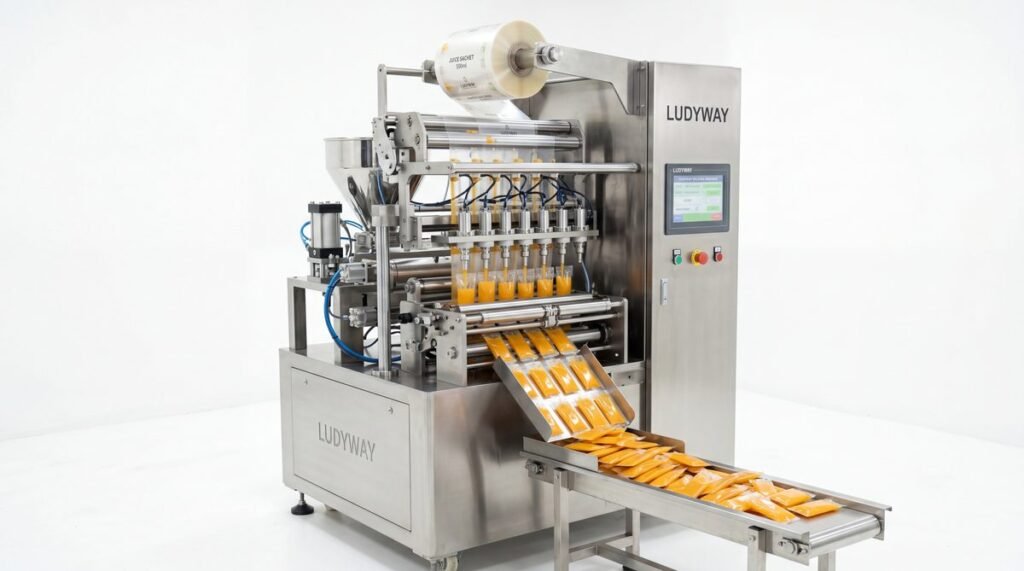
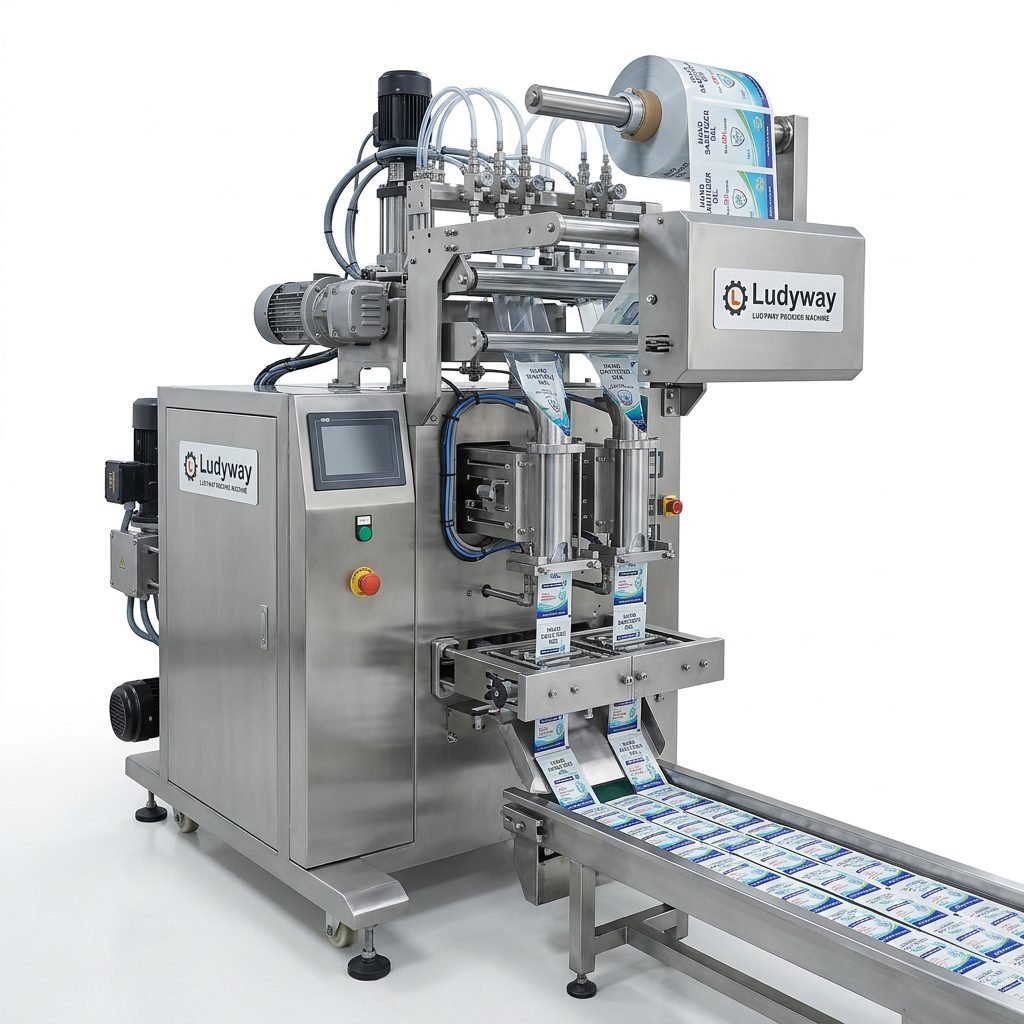
In the pharmaceutical, nutraceutical, and food supplement industries, the packaging of tablets is a critical final step that directly impacts product integrity, shelf life, and consumer perception. Selecting the right tablet packaging equipment is not merely a procurement decision; it’s a strategic investment in production efficiency, regulatory compliance, and brand reputation. This guide delves into the various types of equipment available, their key features, and provides a structured framework to help you choose the optimal solution for your specific needs.
Core Types of Tablet Packaging Equipment
The landscape of tablet packaging machinery is diverse, catering to different production scales, packaging formats, and automation levels. Understanding these core types is the first step toward an informed decision.
Blister Packaging Machines
Blister packaging is one of the most prevalent methods for unit-dose tablet packaging. It involves forming a cavity (blister) from a thermoplastic film, placing the tablet inside, and sealing it with a lidding material, often foil.
Key Feature Highlight: Modern blister machines often integrate 100% in-line inspection systems using vision technology to check for missing tablets, broken tablets, or incorrect print on the lidding foil before sealing, ensuring impeccable quality control.
These machines are ideal for providing excellent barrier protection against moisture, light, and contamination, making them a top choice for pharmaceuticals.
Bottle Filling & Capping Lines
For packaging tablets in bulk quantities, such as vitamin bottles, automated bottle filling lines are the standard. This is a sequential process involving several integrated machines.
- Bottle Unscrambler: Orients and feeds empty bottles onto the conveyor.
- Tablet Counter/Filler: Accurately counts and dispenses tablets into each bottle. Technologies include slat counters (for high-speed, multi-row counting) and electronic counters (using sensors for precise, gentle handling).
- Cottoner/Desiccant Inserter: Places cotton or desiccant sachets into the bottle.
- Capper: Applies and tightens screw caps or child-resistant closures.
- Labeler: Applies the product label, and sometimes tamper-evident bands.
Strip Packaging Machines
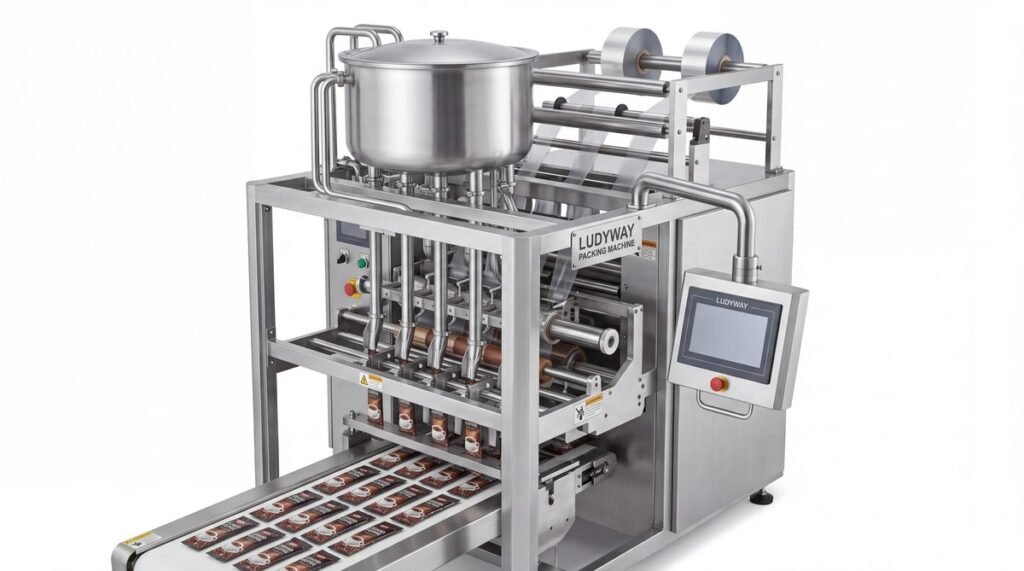
Similar to blister packs but creating a different format, strip packaging machines encapsulate tablets between two webs of heat-sealable film, creating individual pouches connected in a strip or roll. This format is common for over-the-counter medications and lozenges. It often requires less tooling investment than blister packaging and can be more flexible for short runs.
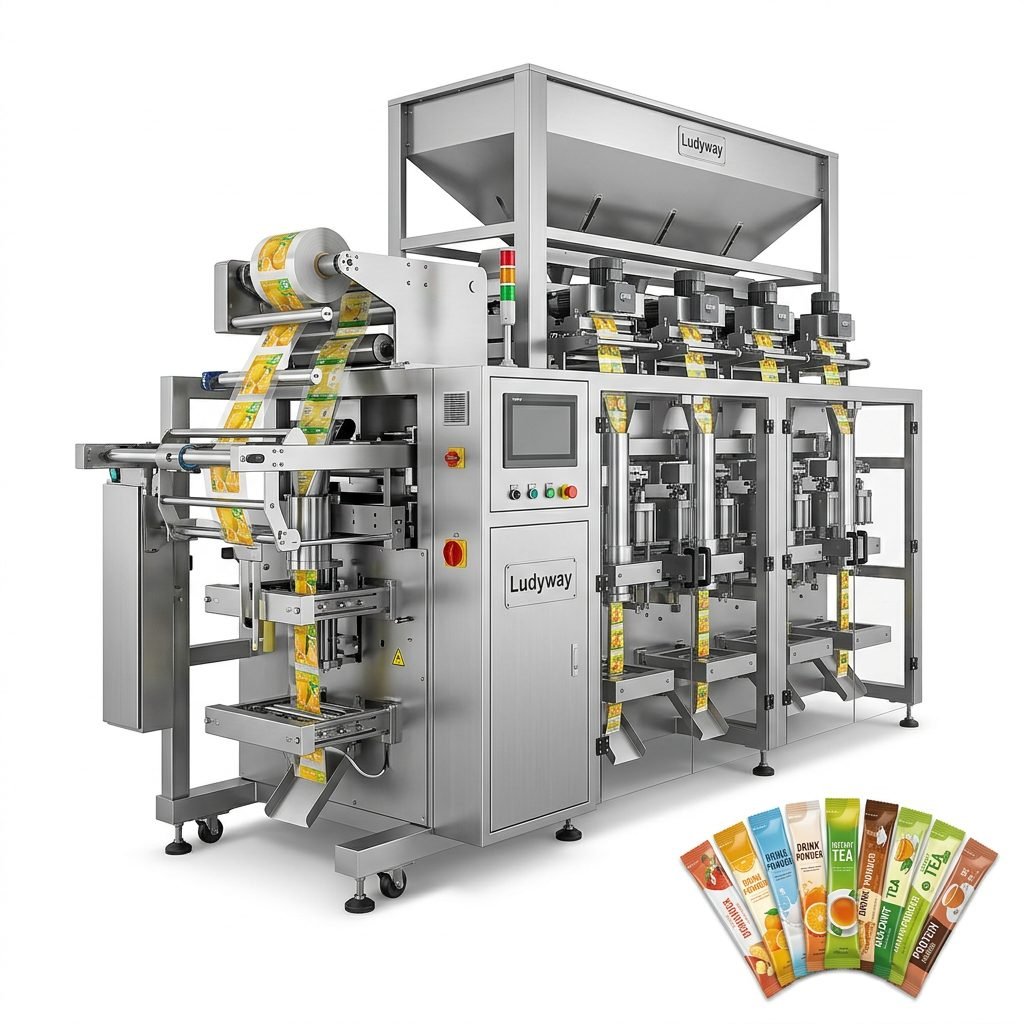
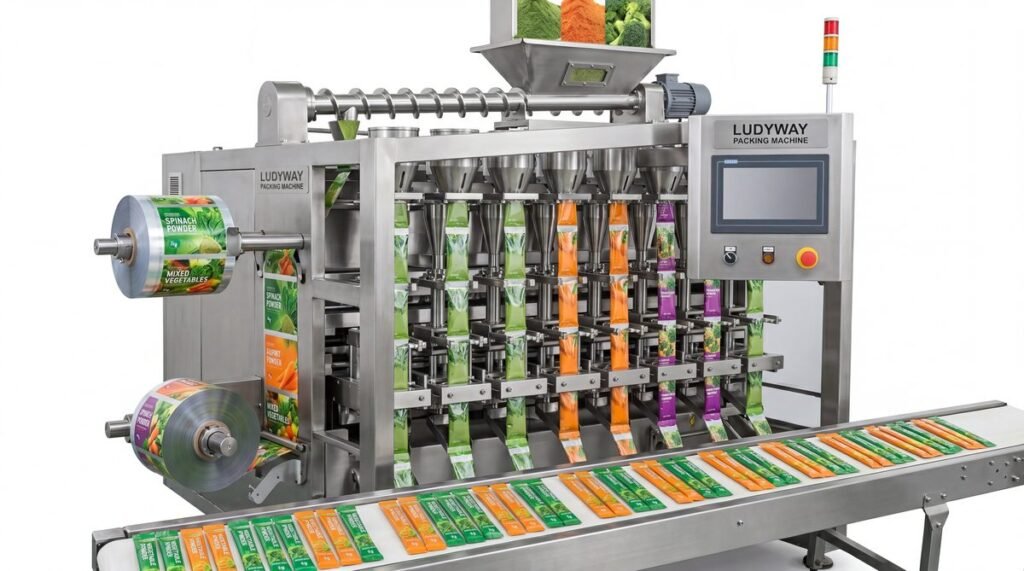
Sachet & Stick Pack Machines
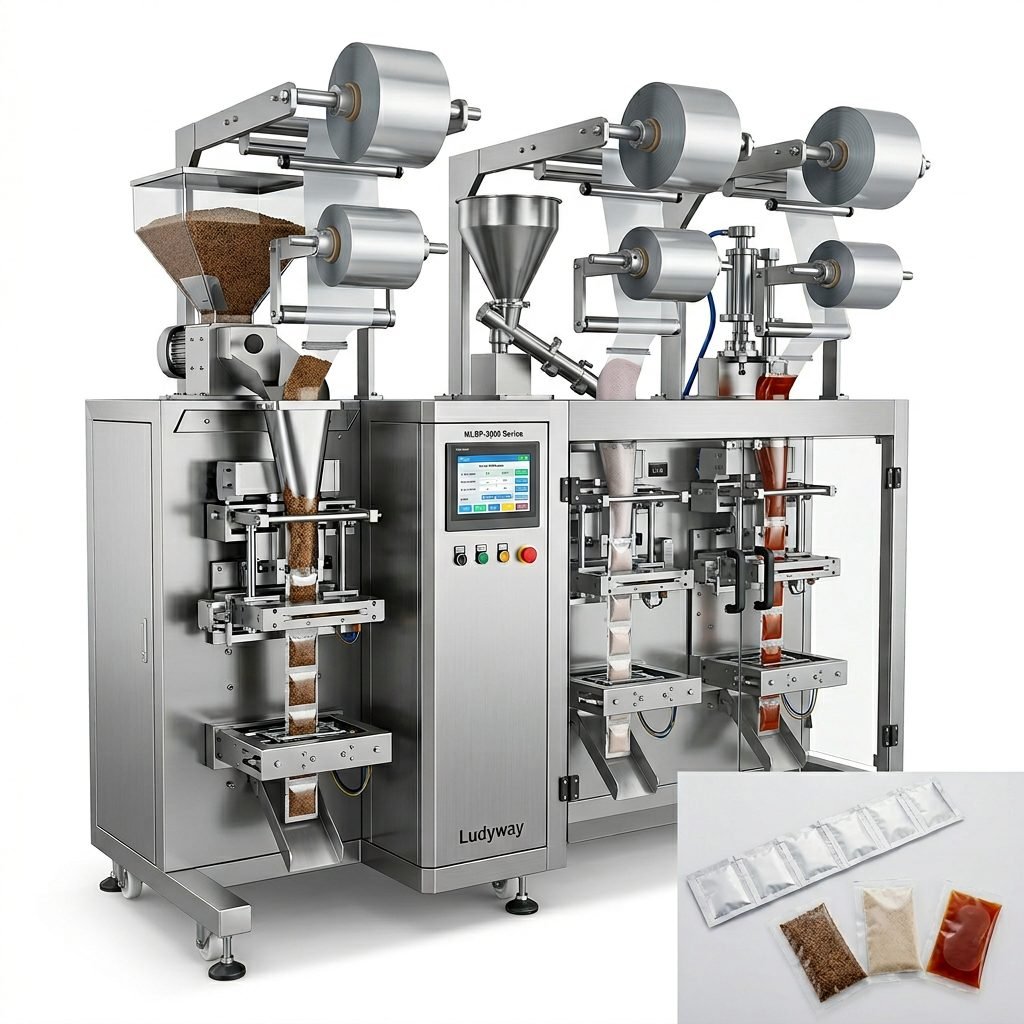
While more common for powders and granules, advanced sachet packaging machines can also handle effervescent tablets, chewables, or single-dose tablet-powder combinations. These machines create small, sealed pouches from roll film, offering high flexibility for promotional samples, hospital unit doses, or travel-friendly packaging.
Essential Features & Technological Considerations
Beyond the basic type, the capabilities and features of the equipment define its performance and suitability. Here are critical aspects to evaluate.
1. Speed & Production Capacity
Measured in cycles per minute (CPM) or packs per minute (PPM), this must align with your current and projected output. A common mistake is over-investing in ultra-high-speed machinery that operates below capacity, leading to unnecessary capital expenditure and maintenance costs.
2. Flexibility & Changeover Ease
Can the machine handle different tablet sizes and shapes with minimal changeover time? Look for features like quick-change tooling, servo-driven adjustments (where settings for different products can be saved and recalled digitally), and compatibility with various packaging materials. This is crucial for contract packagers or companies with diverse product lines.
3. Accuracy & Quality Assurance Systems
Precision is non-negotiable. For counters/fillers, accuracy of 99.5% or higher is expected. Integrated quality checks are vital:
• Metal Detection/X-ray Inspection: To detect foreign particles.
• Checkweighers: To ensure each pack meets the declared weight.
• Vision Inspection Systems: For blister and strip packs to verify fill, seal integrity, and print quality.
4. Material Compatibility & Sealing Integrity
The machine must be engineered to work seamlessly with your chosen packaging materials—whether it’s PVC/PVDC/Alu for blisters, cold-form foil, or various laminates for sachets. Consistent heat and pressure control are critical for creating a hermetic seal that protects the product throughout its shelf life.
5. Automation & Integration Level
From semi-automatic machines requiring manual loading to fully automated lines with robotic pick-and-place systems and integration with upstream tablet presses or downstream cartoning machines, the level of automation impacts labor costs and overall line efficiency. Consider solutions from experienced providers who can deliver integrated turnkey lines.
6. Compliance & Documentation
For pharmaceutical applications, equipment must be designed for easy cleaning and validation in accordance with cGMP (Current Good Manufacturing Practice) guidelines. Features like stainless-steel contact parts, clean-in-place (CIP) systems, and the ability to generate comprehensive audit trails are essential.
How to Choose the Right Solution: A Step-by-Step Framework
Navigating the selection process requires a methodical approach. Follow this framework to align your equipment choice with business objectives.
Step 1: Define Your Core Requirements
Start with a clear internal assessment. Document your tablet characteristics (size, shape, fragility, sensitivity), required packaging format (blister, bottle, strip), daily/weekly production volume, and available floor space. Also, clarify your budget, including not just the machine cost but also installation, training, and long-term maintenance.
Step 2: Research & Shortlist Reputable Suppliers
Look for manufacturers or specialized brands with a proven track record in your specific industry (e.g., pharmaceuticals vs. confectionery). Evaluate their industry experience, portfolio of successful installations, and after-sales service network. A supplier with deep application knowledge can be an invaluable partner.
Step 3: Request Detailed Proposals & Conduct Factory Acceptance Tests (FAT)
Provide your detailed specifications to shortlisted suppliers. A comprehensive proposal should include technical drawings, performance guarantees, a list of quality assurance features, and a clear delivery timeline. Insist on a Factory Acceptance Test (FAT), where you can see the machine run with your actual (or similar) tablets and materials to verify speed, accuracy, and output quality before shipment.
Step 4: Evaluate Total Cost of Ownership (TCO) & Support
Look beyond the initial price tag. Calculate the TCO, which includes energy consumption, expected spare parts costs, required operator skill level, and availability of technical support. A reliable supplier offering comprehensive training, readily available spare parts, and responsive service can prevent costly production downtime in the long run.
Step 5: Plan for Integration & Future Growth
Consider how the new equipment will integrate into your existing production floor. Does it allow for future upgrades or expansion? Choosing a modular or scalable solution from a partner with a broad equipment range can protect your investment as your business grows and packaging needs evolve.
Frequently Asked Questions (FAQs)
Q1: What is the main difference between blister and strip packaging for tablets?
A1: The primary difference is in the packaging form and material. Blister packaging uses a pre-formed plastic cavity sealed with a lid, offering superior rigidity and product visibility. Strip packaging creates pouches by sealing two flat webs of film around the tablet, often resulting in a more flexible, lightweight pack. Blisters are typically used for higher-value pharmaceuticals, while strips are common for OTC drugs and lozenges.
Q2: How important is it to have an integrated vision inspection system on the packaging line?
A2: For pharmaceutical and high-quality nutraceutical production, it is critically important. An integrated vision system provides 100% in-line inspection for defects like missing or broken tablets, misprints, and poor seal integrity. This not only ensures consumer safety and compliance with regulatory standards but also protects your brand by preventing defective products from reaching the market, ultimately reducing waste and recall risks.
Q3: Can one machine handle multiple, very different tablet sizes and shapes?
A3: Many modern machines are designed for flexibility, but there are limits. The key is “quick changeover” capability. Machines with servo-driven adjustments and tool-less or quick-change tooling (like interchangeable forming dies for blisters or slats for counters) can switch between a defined range of sizes in minutes. However, extremely dissimilar shapes (e.g., a tiny round tablet and a large oval caplet) may still require significant tooling changes. Discuss your specific product range with the equipment supplier.
Q4: What are the key maintenance requirements for tablet packaging equipment?
A4: Regular preventive maintenance is essential for longevity and consistent performance. Key tasks typically include daily cleaning to prevent product cross-contamination and dust buildup, regular lubrication of moving parts as per the manufacturer’s manual, inspection and calibration of sensors and weighing systems, and periodic replacement of wear parts like sealing jaws, forming dies, and feed tracks. A good service contract from your supplier can ensure this is done correctly.
Q5: How do I ensure the chosen equipment will be compliant with international regulatory standards (e.g., FDA, EMA)?
A5: Compliance starts with selecting a reputable manufacturer whose machines are designed and built according to relevant standards (like cGMP for pharmaceuticals). During procurement, request documentation such as a Machine Master File, risk assessments (e.g., FMEA), and materials certificates for product contact parts. Ensure the machine’s software provides the necessary data integrity and audit trail functions. The Factory Acceptance Test (FAT) protocol should also be aligned with your validation requirements to smooth the site qualification process.