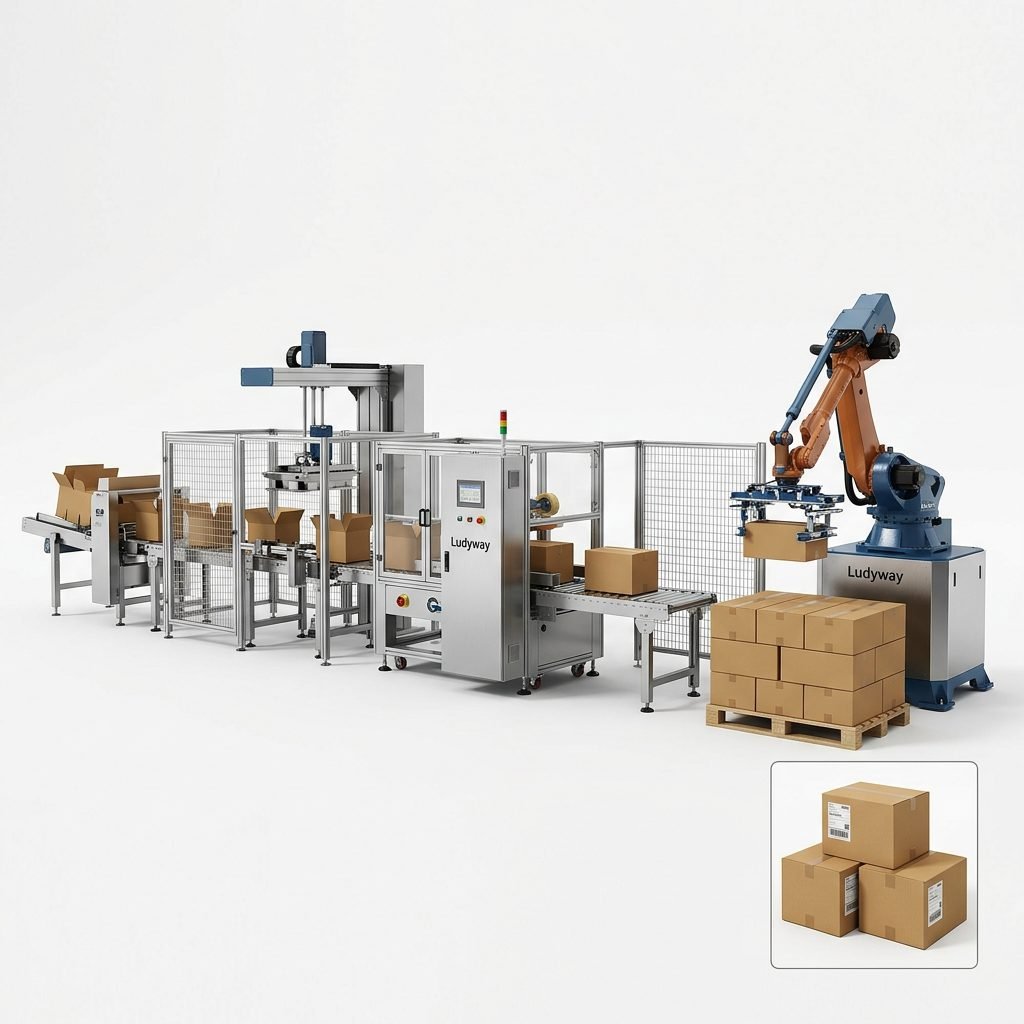
Selecting the right air cushion packaging machine is a critical decision for any business that ships products. An efficient inflatable packing system can dramatically reduce material costs, improve warehouse operations, and enhance customer satisfaction by ensuring items arrive safely. This guide will walk you through the key factors to consider when choosing the perfect system for your specific operational needs and budget.
Core Benefits of Switching to Air Cushion Systems
Before diving into selection criteria, it’s important to understand the transformative advantages these systems offer over traditional packing materials like foam peanuts or bubble wrap.
- Significant Cost Reduction: Air is free. By generating cushioning on-demand, you eliminate the need to purchase, store, and handle vast quantities of pre-made void fill. This saves on material costs, storage space, and freight expenses for incoming supplies.
- Enhanced Sustainability Profile: Modern inflatable packing films use up to 90% less plastic than solid alternatives and are often recyclable. This reduces your environmental footprint—a factor increasingly important to consumers and business partners.
- Optimized Warehouse Space: Rolls of flat film occupy a fraction of the space needed for bulky pre-inflated materials. This frees up valuable floor space for inventory and improves overall warehouse efficiency.
- Superior Product Protection: Air cushions provide consistent, adjustable cushioning that conforms to your products, offering superior shock absorption and reducing in-transit damage rates compared to many loose-fill options.
Key Factors for Choosing Your Inflatable Packing System
The ideal machine for your business depends on a combination of throughput requirements, product characteristics, and operational workflow. Let’s break down the essential considerations.
1. Assess Your Production Volume and Speed Needs
Your daily or hourly packing output is the primary driver for machine selection. Systems are broadly categorized by their speed and automation level.
- Manual & Semi-Automatic Machines: Ideal for low to medium volume operations (e.g., < 200 packages per day). Operators feed the film and may trigger inflation. These are cost-effective entry points with a smaller footprint.
- Fully Automatic Inline Systems: Designed for medium to high-volume environments (e.g., hundreds to thousands of packages per day). They integrate directly with conveyor belts, automatically dispensing cushions of preset length into boxes as they pass by. This maximizes packing station efficiency.
- High-Speed Automated Solutions: For large-scale e-commerce fulfillment or distribution centers. These robust systems feature advanced sealing technology and can run continuously at very high speeds, often with minimal operator intervention.
2. Understand Your Product and Packaging Requirements
The nature of what you ship dictates the type of cushioning you need. Not all air pillows are created equal.
Critical Product Considerations:
Cushion Size & Pattern: Do you need small pillows for filling voids, or larger, interconnected pads for wrapping and blocking? Machines can produce different pillow sizes and patterns (e.g., single-lane, multi-lane).
Film Type & Strength: The barrier quality and gauge of the polyethylene film determine cushion durability. Heavier or sharper items require stronger, puncture-resistant film. Discuss your product weight and edges with your supplier.
Box Size Variability: If you ship in many different box sizes, you need a system that can quickly adjust cushion length or switch between patterns to avoid waste.
3. Evaluate Machine Durability and Supplier Support
Your packing line is only as reliable as its weakest link. Investing in a durable machine from a reputable supplier prevents costly downtime.
- Construction Quality: Look for robust metal frames, reliable heat sealing elements, and quality components from known brands (e.g., for valves and motors). Avoid machines with predominantly plastic load-bearing parts for heavy-duty use.
- Ease of Maintenance: Machines should be designed for easy cleaning, film loading, and routine maintenance. Quick-access panels and clear manuals are essential.
- Technical & Service Support: This is perhaps the most critical factor. Choose a supplier known for strong after-sales service. Ensure they offer comprehensive training, clear troubleshooting guides, readily available spare parts, and responsive technical support. A partner like Ludyway Packing Machine, with decades of engineering experience in packaging automation, can provide the reliable support needed for continuous operation.
4. Calculate Total Cost of Ownership (TCO)
Look beyond the initial purchase price. The true cost includes ongoing operational expenses.
TCO = Initial Investment + (Film Cost per Cushion * Annual Usage) + Annual Maintenance Costs + Downtime Costs.
A slightly more expensive but more efficient and reliable machine that uses less film and rarely breaks down will have a lower TCO over 3-5 years than a cheaper, less efficient model.
Implementing Your New System Successfully
Planning the integration of your new air cushion machine is key to a smooth transition and realizing its full benefits.
Workflow Integration
Map out where the machine will sit in your packing line. For automatic systems, ensure your conveyor speed and box spacing are compatible. Provide adequate space for film roll storage and machine access for operators.
Staff Training
Proper training ensures safety, efficiency, and correct use. Operators should know how to load film, clear minor jams, perform basic cleaning, and understand the settings for different cushion types. A knowledgeable supplier will provide effective on-site or virtual training.
Performance Monitoring
After installation, track key metrics: film usage per package, packing station throughput, damage rates, and any machine downtime. This data will validate your investment and help identify further optimization opportunities. Leveraging the expertise of a professional packaging solutions provider can streamline this entire implementation process.
Final Checklist Before Purchase
- ✅ Have you accurately measured your average daily package volume and peak season spikes?
- ✅ Have you tested the machine’s film and cushion strength with your actual products?
- ✅ Does the supplier offer a warranty, and what does it cover?
- ✅ Are spare parts readily available, and what is the typical response time for service?
- ✅ Have you calculated the TCO over a 5-year period?
- ✅ Does the supplier have a proven track record? Review their company history and client portfolio to assess their experience and reliability.
Frequently Asked Questions (FAQs)
1. How much can I really save by switching to an air cushion system?
Savings vary but are often substantial. Businesses typically see a 40-70% reduction in material costs compared to bulk loose fill. Additional savings come from reduced storage needs, lower freight costs for materials, and decreased shipping costs due to lighter package weight (dimensional weight). The ROI period can be as short as 6-18 months for medium to high-volume shippers.
2. Is the film recyclable?
Most air cushion film is made from polyethylene (PE), which is recyclable under resin identification code #4. However, recyclability depends on local municipal recycling programs. Many major retailers and logistics companies have “store drop-off” programs for plastic film. Using recyclable film and clearly labeling it for customers enhances your sustainability efforts.
3. What is the most common maintenance required?
Regular maintenance is simple but crucial. It primarily involves keeping the heat sealing bars clean from film residue to ensure strong seals, checking for wear on the film feed gears, and ensuring the cutting mechanism is sharp and aligned. Daily visual checks and weekly cleaning as per the manufacturer’s manual will prevent most issues.
4. Can one machine handle all my different box sizes?
Yes, modern machines are highly adaptable. Many systems allow you to pre-program multiple cushion lengths or patterns. For highly variable operations, look for machines with automatic length adjustment sensors or simple manual dial controls that let operators change settings quickly between boxes.
5. How do I choose between a single-lane and a multi-lane machine?
This depends on your typical box width and desired fill pattern. Single-lane machines produce one column of pillows, perfect for narrow boxes or void fill. Multi-lane machines (e.g., 3-lane) produce a wider sheet of interconnected pillows, which is ideal for lining the bottom of larger boxes, wrapping products, or providing full-surface blocking and bracing. Assess your most common package sizes to decide.