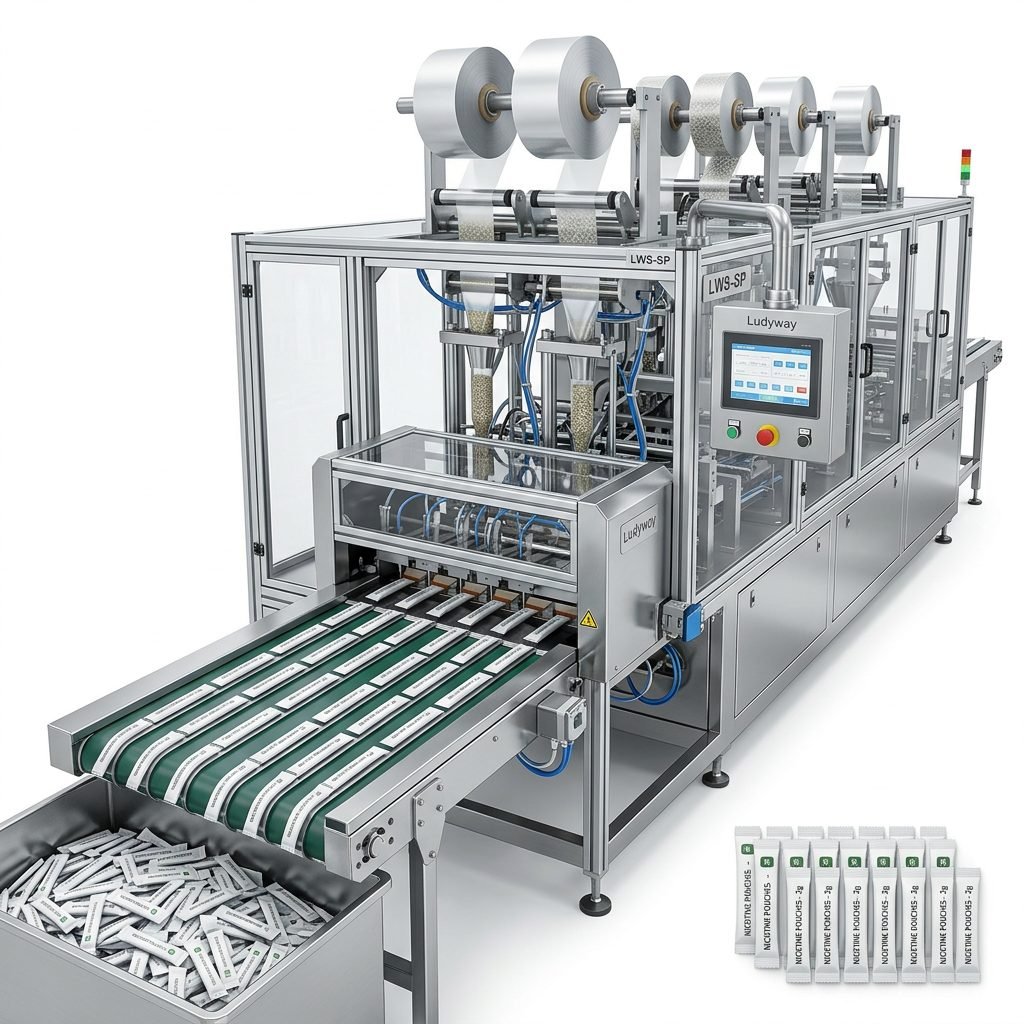
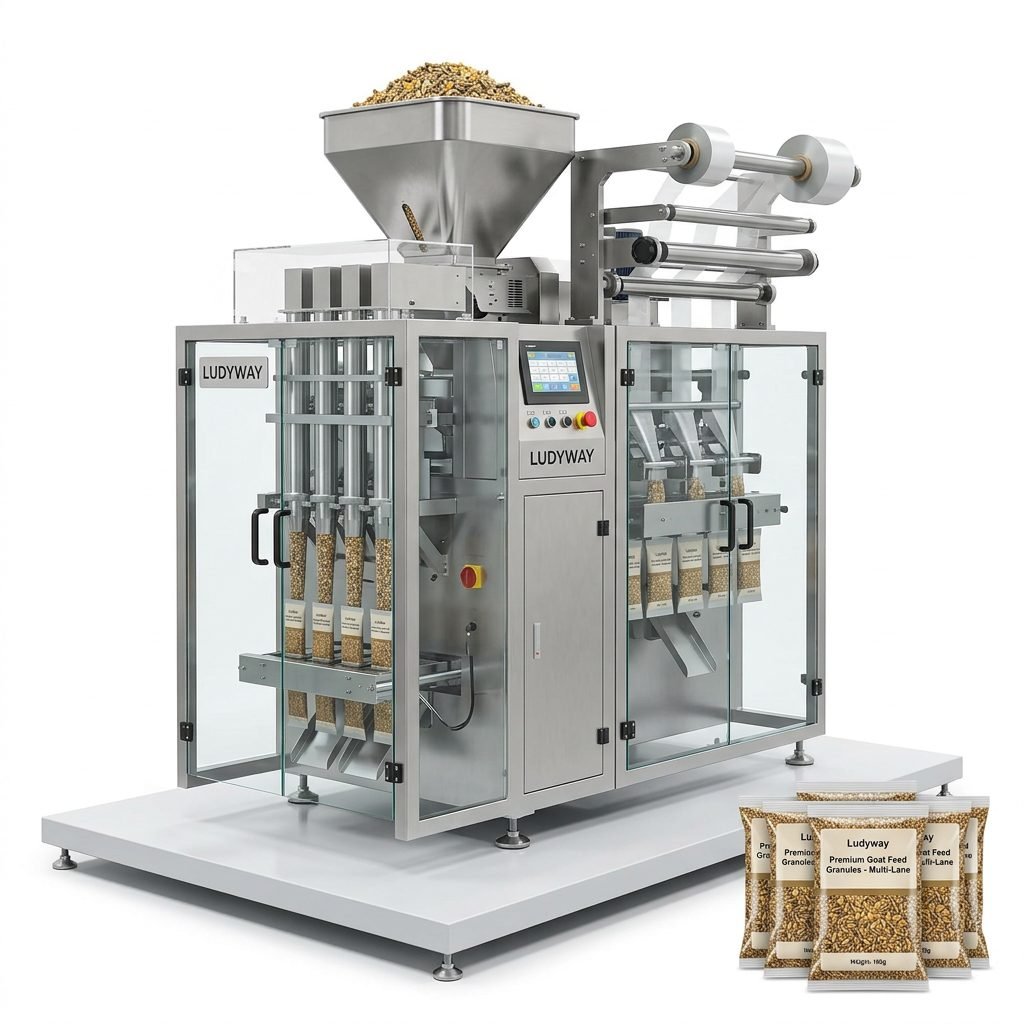
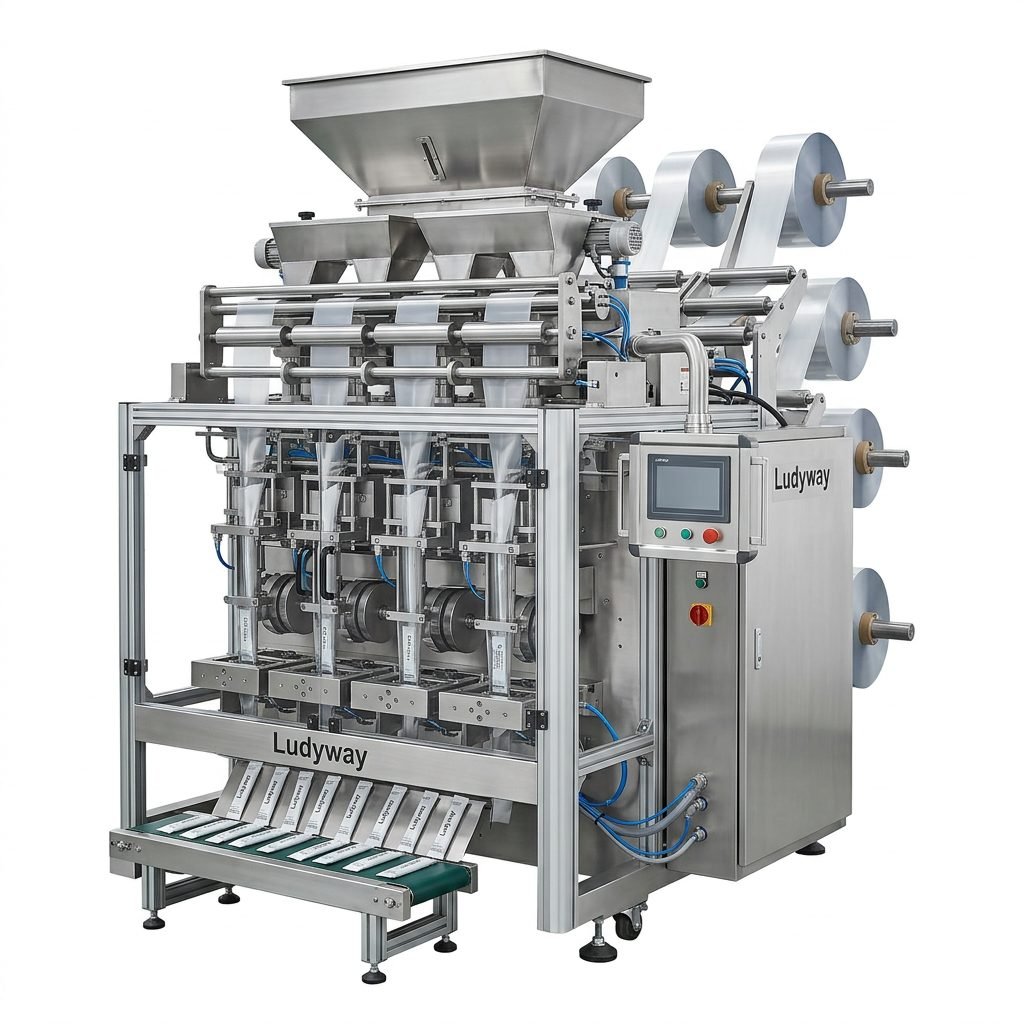
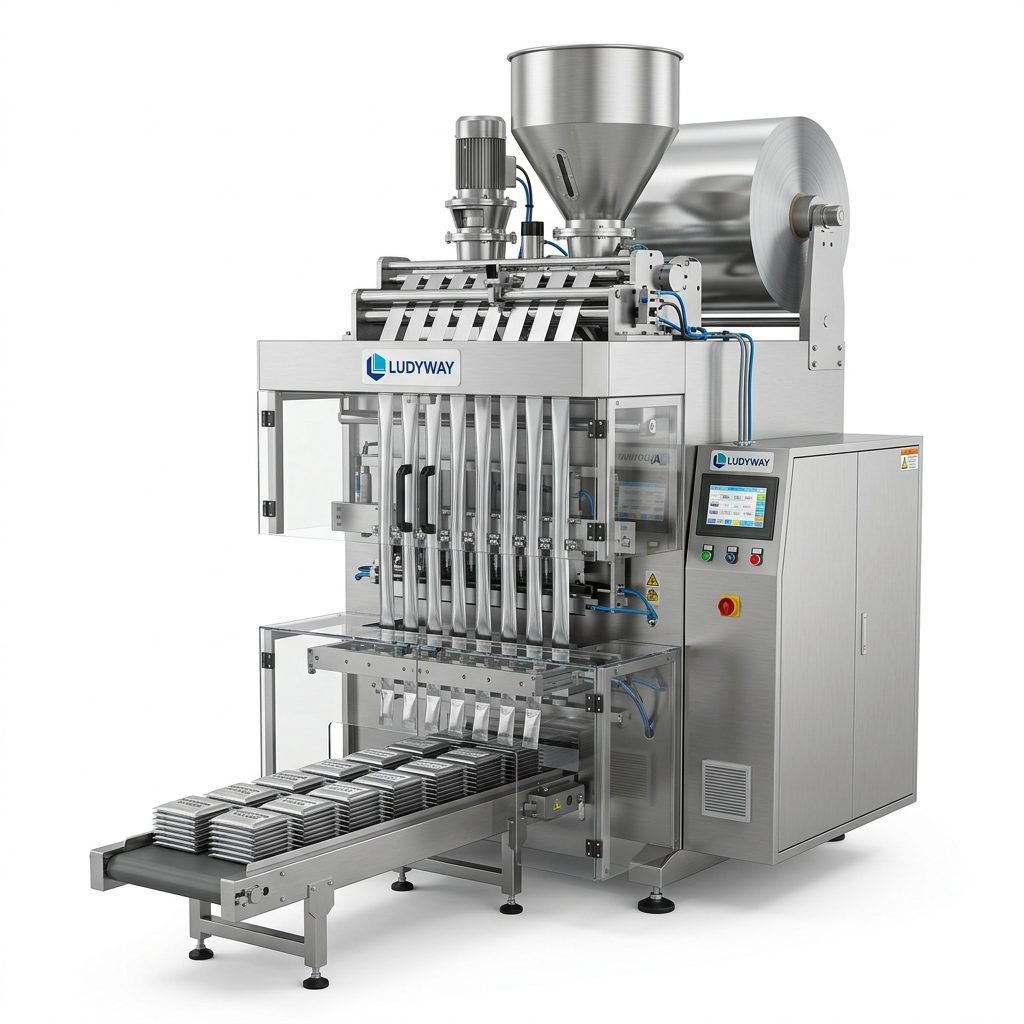
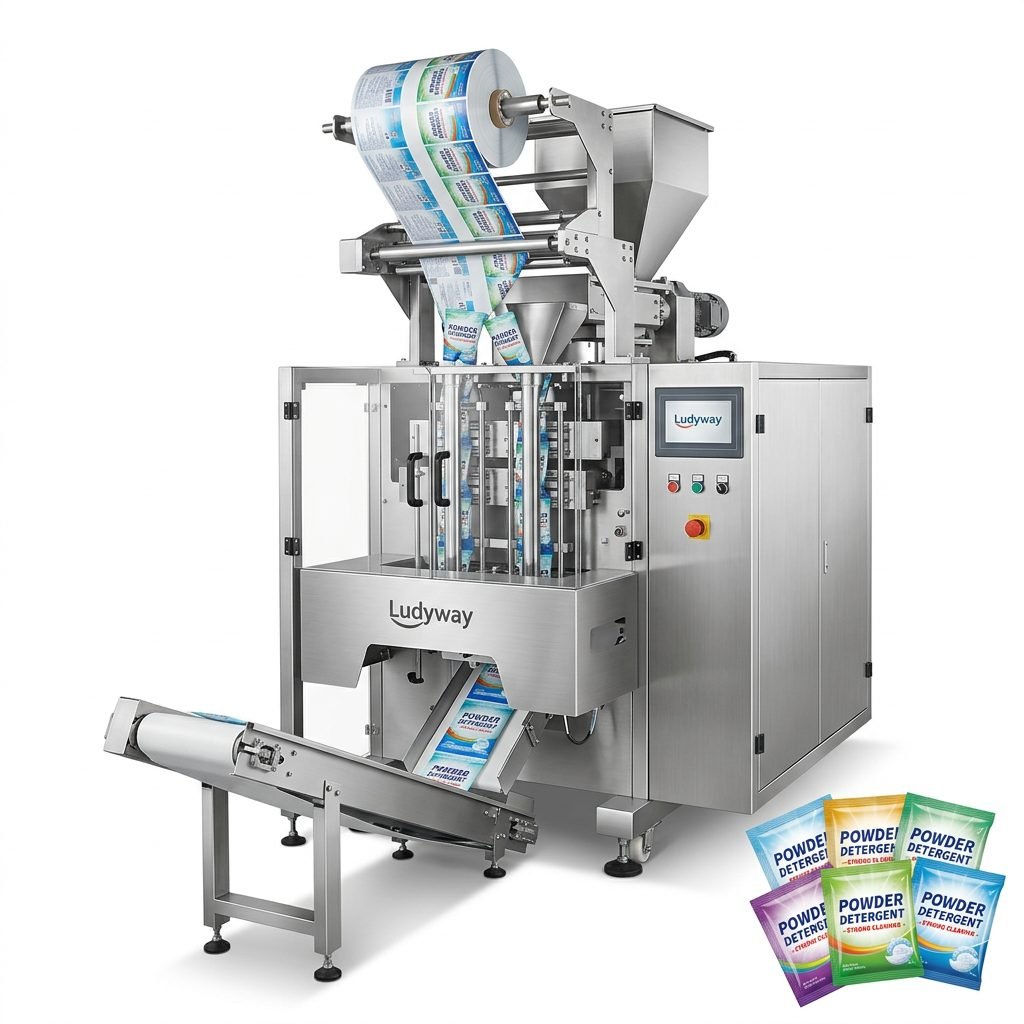
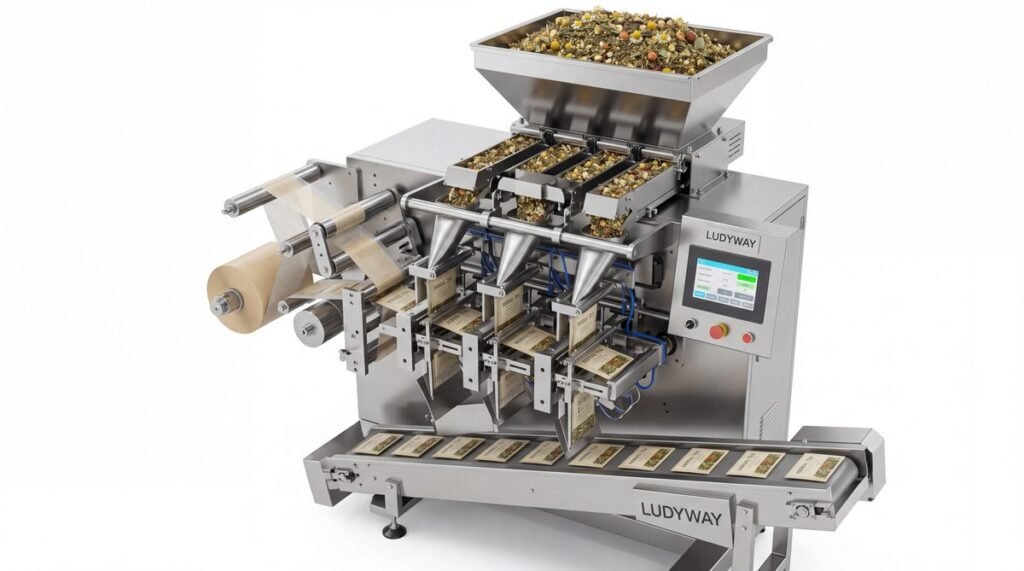
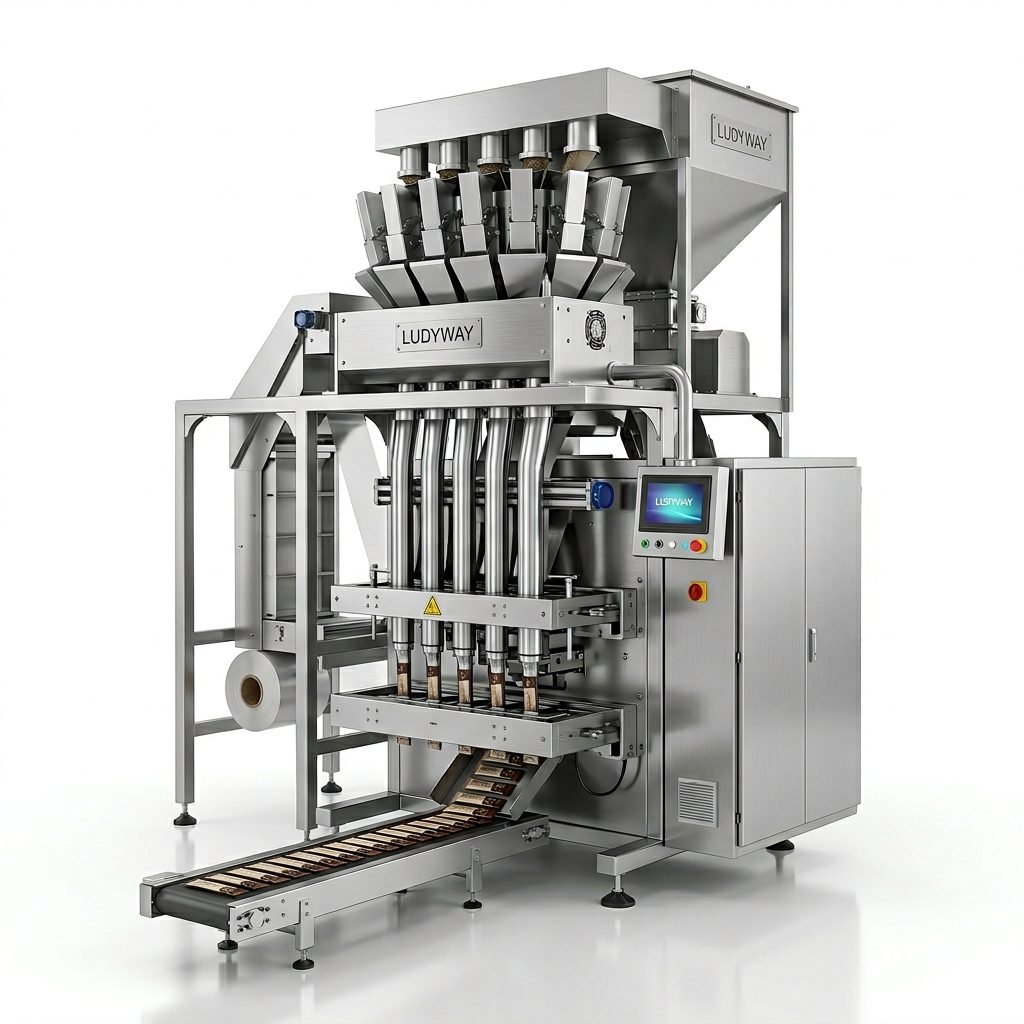
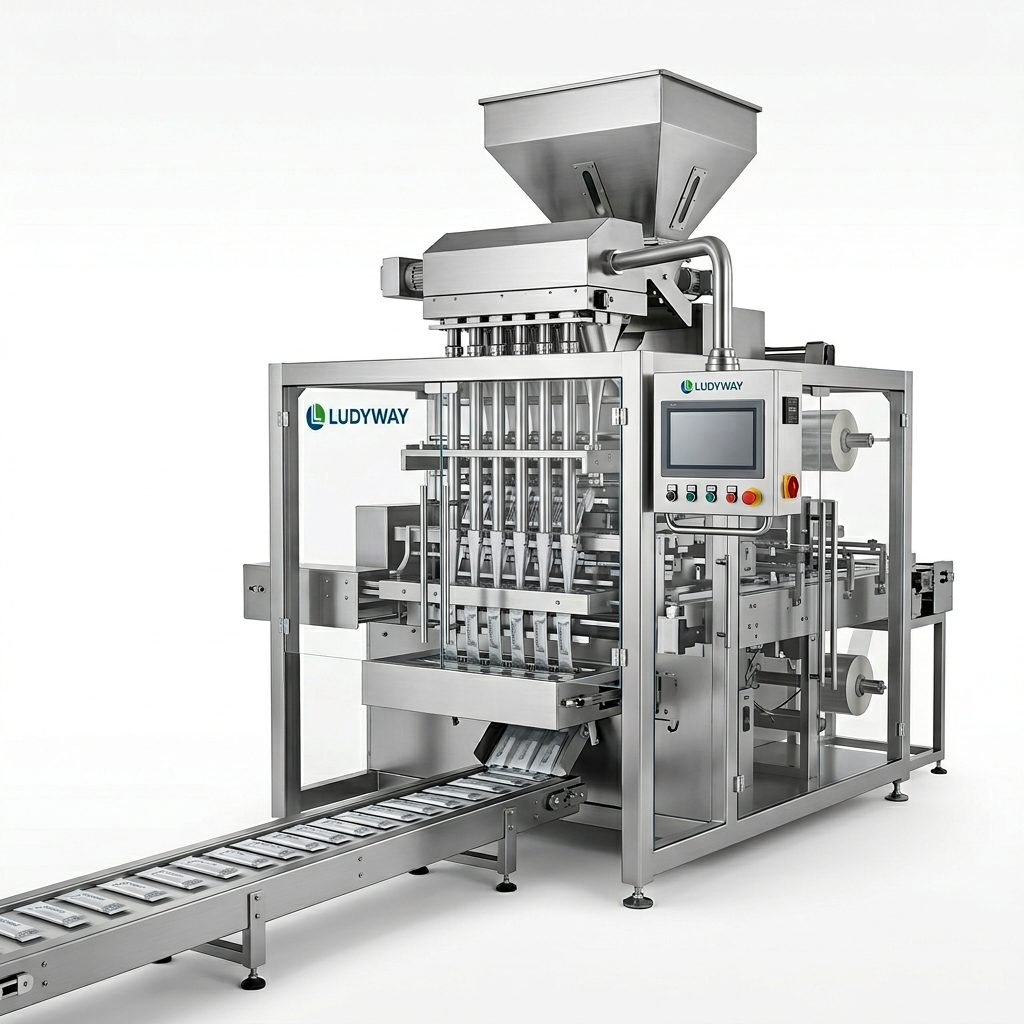
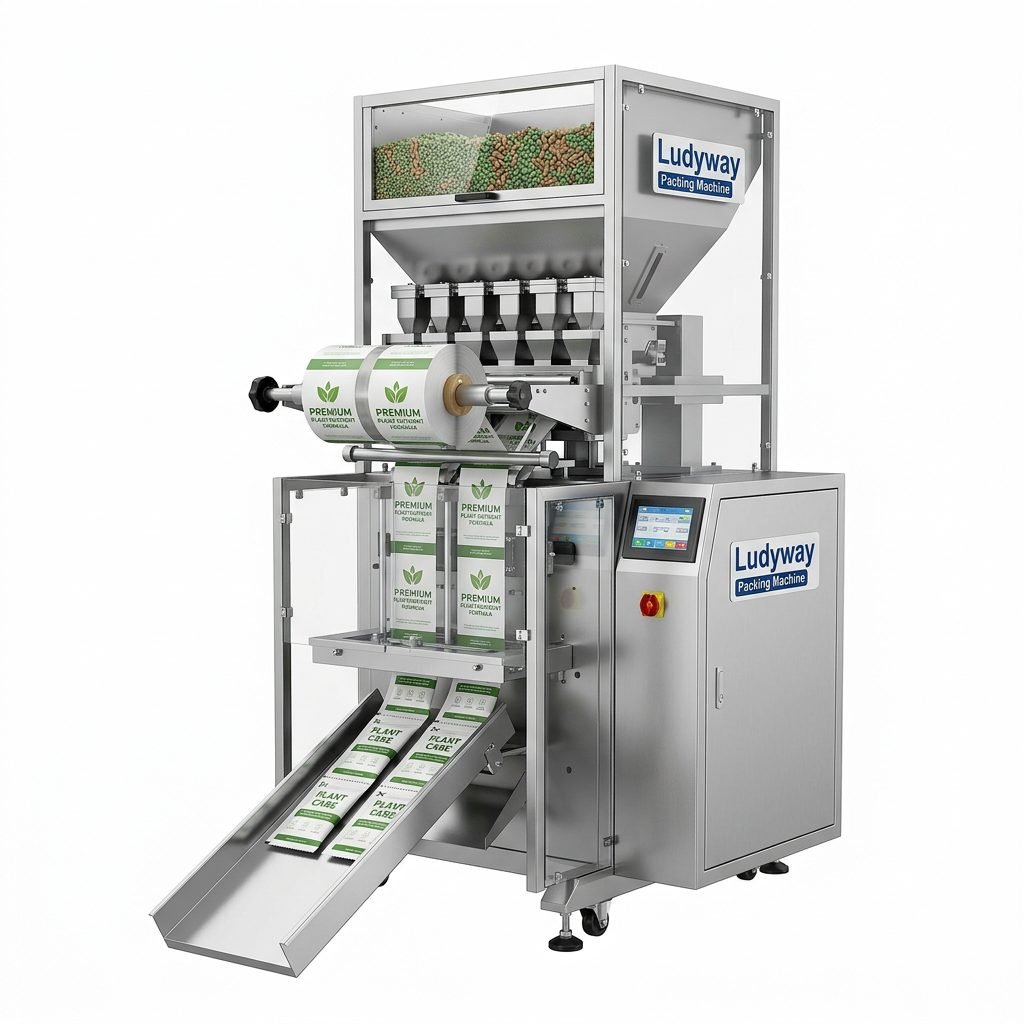
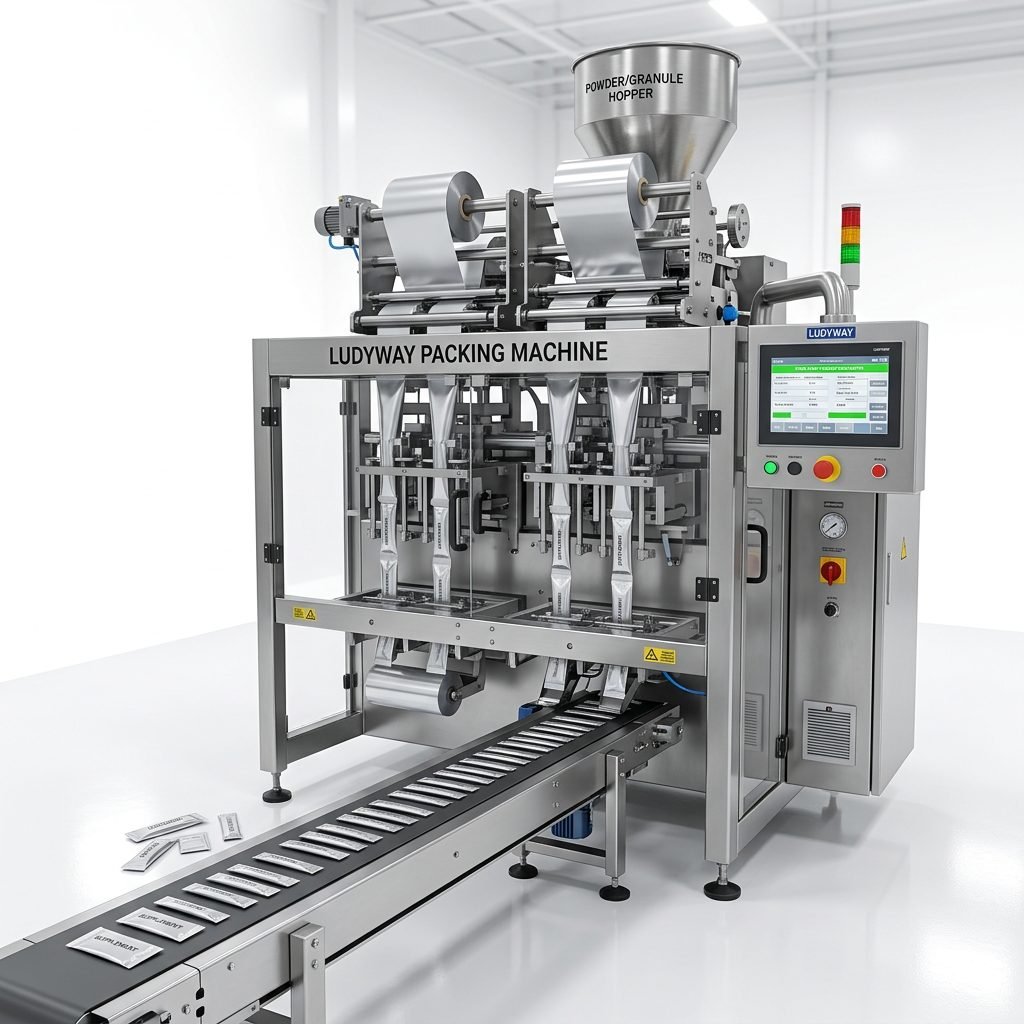
In the ammunition manufacturing and distribution industry, the final step of packaging is as critical as the production process itself. Efficient, secure, and reliable packaging protects the product, ensures safety during transport and storage, and maintains quality. An ammunition packaging machine automates this vital process, significantly enhancing speed, consistency, and operational safety. This guide explores the various types of systems, their key features, and provides a framework for selecting the right equipment for your specific operational needs.
Core Types of Ammunition Packaging Machinery
The market offers several specialized machines, each designed for different packaging formats and production scales. Understanding these types is the first step in making an informed choice.
Cartridge Box Loaders and Sealers
These systems are designed for the classic retail ammunition box. They automatically orient and load cartridges into pre-formed plastic or cardboard trays, insert the tray into a box, and often apply a lid or seal it shut. High-speed models can handle multiple calibers and box sizes with quick changeover features, making them ideal for manufacturers supplying a broad market.
Bulk Ammunition Packers
For military, law enforcement, or commercial bulk sales, ammunition is often packaged in larger containers like metal tins, plastic ammo cans, or heavy-duty cardboard cartons. Bulk packers are robust machines that count and fill high quantities of rounds into these containers, often incorporating weight-check systems to verify count accuracy before sealing.
Stretch Wrap and Palletizing Systems
Once individual boxes or bulk packs are ready for shipment, they need to be consolidated. Automated palletizers stack boxes onto pallets in stable, interlocking patterns. Subsequently, stretch wrapping machines securely wrap the entire pallet load with plastic film, protecting it from moisture and dust during warehousing and transit. This is essential for maintaining lot integrity and traceability in large-scale operations.
Specialized Systems: Clamshell, Blister, and Vacuum Packaging
Some market segments require distinct packaging. Clamshell or blister packaging machines thermoform a plastic shell around a cartridge or a set of cartridges, providing excellent visibility and theft deterrence for retail. Vacuum sealing systems remove air from a package before sealing, offering superior long-term protection against corrosion for premium or archival-grade ammunition.
Essential Features and Technological Considerations
Modern ammunition packaging machines incorporate advanced features that drive efficiency, safety, and flexibility. Key aspects to evaluate include:
→ Automation & Speed: The primary advantage is automation. Look for machines with high cycles-per-minute (CPM) rates that match your output goals. Integrated servo motors provide precise control over motion, reducing product jams and wear.
Safety and Reliability: Given the product nature, safety is non-negotiable. Machines should have comprehensive guarding, emergency stop systems, and sensors that halt operation if a jam or misfeed is detected. Reliability is measured by mean time between failures (MTBF); a robust machine design with quality components minimizes costly downtime.
Flexibility and Changeover: If you run multiple calibers or package types, quick changeover capability is vital. Machines with tool-less adjustments, digital settings recall, and modular components allow you to switch production runs in minutes rather than hours, maximizing equipment utilization.
Integration & Smart Features
Today’s packaging lines are data hubs. Machines with Programmable Logic Controller (PLC) interfaces and Industry 4.0 connectivity can integrate with Manufacturing Execution Systems (MES). This allows for real-time monitoring of production counts, OEE (Overall Equipment Effectiveness), and predictive maintenance alerts. Vision inspection systems can also be added to check for proper cartridge orientation, missing primers, or label placement, ensuring 100% quality compliance.
How to Choose the Right Packaging System: A Step-by-Step Guide
Selecting the ideal machine requires a thorough analysis of your current and future needs.
1. Assess Your Production Requirements
Begin by quantifying your needs. What is your required output in rounds per hour or shifts per day? What calibers and package types (boxes, bulk cans, etc.) do you need to handle? Project your growth for the next 3-5 years to ensure the machine you choose has the capacity to scale, either through higher-speed models or modular add-ons.
2. Evaluate Your Facility and Budget
Measure your available floor space carefully, including room for material infeed and finished product outflow. Consider utilities: power requirements (voltage, phases), and compressed air needs. Establish a total budget that includes not just the machine purchase price, but also installation, training, potential facility upgrades, and long-term maintenance costs.
3. Prioritize Key Machine Capabilities
Create a checklist based on the features discussed. How critical is quick changeover? Do you require advanced data integration? Is a particular sealing method (adhesive, thermal) required for your packaging materials? Safety features should always be at the top of this list.
4. Research and Select a Qualified Supplier
Partnering with the right manufacturer is as important as the machine itself. Look for a supplier with proven experience in ammunition or similarly demanding industries. Review their company history and technical support reputation. A reliable partner, like Ludyway Packing Machine, which brings deep industry expertise to the table, will provide not just equipment but a viable production solution. Always request references and, if possible, visit a site where their equipment is in operation. A detailed proposal should include performance guarantees, delivery timeline, training plan, and a clear service agreement.
5. Plan for Implementation and Support
Successful integration requires planning. Work with your supplier on site preparation. Ensure your team receives comprehensive operational and maintenance training. Understand the spare parts availability and the supplier’s response protocol for technical support. A well-supported installation minimizes startup delays and ensures long-term productivity.
Conclusion
Investing in an automated ammunition packaging system is a strategic decision that enhances safety, boosts throughput, and ensures consistent, professional product presentation. By carefully analyzing your production needs, understanding the different machine types and features, and partnering with an experienced and reputable supplier, you can select a system that delivers a strong return on investment and supports your operational goals for years to come. The right machine transforms packaging from a manual bottleneck into a streamlined, integrated component of your efficient manufacturing process.
Frequently Asked Questions (FAQs)
What is the typical production speed of an ammunition box packaging machine?
Speeds vary widely based on machine type and configuration. Standard carton loaders can range from 30 to over 200 boxes per minute. The required speed depends entirely on your total production volume and line balancing.
Can one machine handle multiple different calibers and box sizes?
Yes, many modern machines are designed for flexibility. Look for models with “quick-change” features, such as interchangeable product nests, adjustable guides, and servo-driven settings that can be saved and recalled digitally for different SKUs.
How important is integration with other factory systems (MES/ERP)?
For medium to large operations, integration is increasingly critical. It enables real-time production tracking, inventory management, and data-driven decision-making. Ensure the machine’s PLC supports standard communication protocols (e.g., OPC UA, Ethernet/IP) for seamless connectivity.
What safety features are mandatory for ammunition packaging equipment?
Essential safety features include full mechanical guarding, locked safety interlocks on access doors, emergency stop buttons at multiple points, and sensitive fault-detection systems that immediately halt operation if a cartridge is mis-fed or jammed to prevent damage or hazardous situations.
What should I look for in a supplier’s after-sales service?
Prioritize suppliers who offer comprehensive training, readily available spare parts, and clear service level agreements (SLAs). Look for providers with a global service network or responsive remote support capabilities. A strong service commitment, as emphasized by established industry players, is crucial for minimizing downtime.