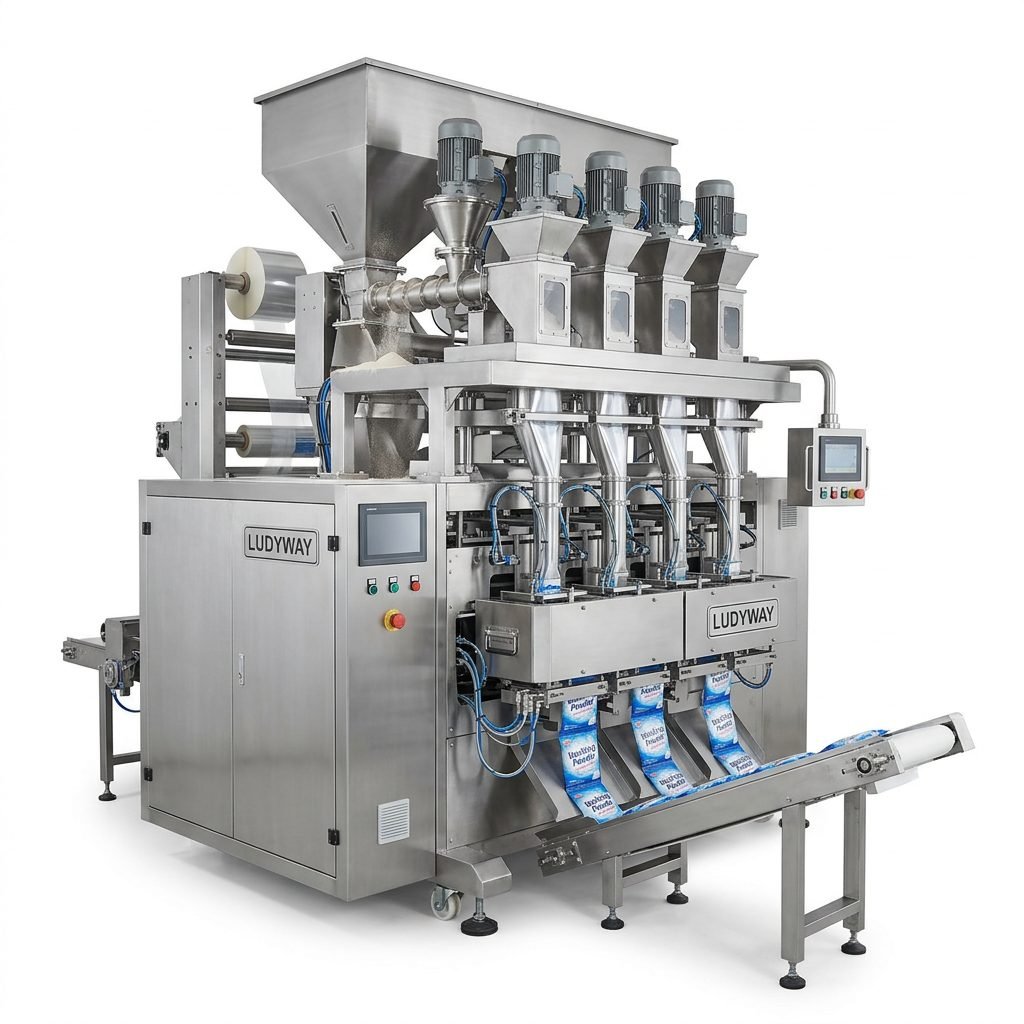
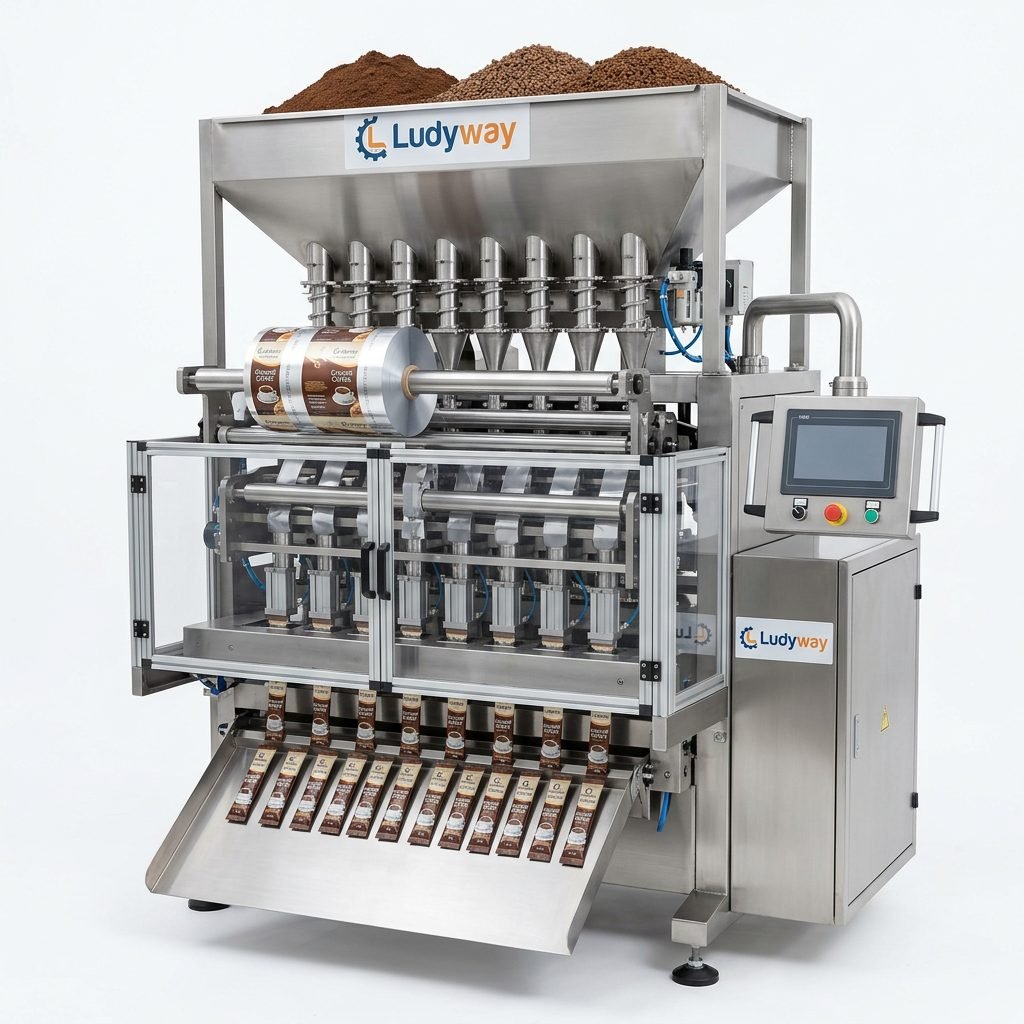
Managing daily medications can be a complex and critical task, especially for individuals managing chronic conditions, caregivers, or busy households. The simple act of organizing pills becomes a cornerstone of health management, ensuring safety, adherence, and peace of mind. For this reason, finding the best at-home pill packaging machine is not just about convenience; it’s about investing in a system that promotes independence, reduces errors, and simplifies a vital routine. This guide explores the key features, benefits, and considerations for choosing a machine that makes safe, easy daily medication organization a reality.
Why Daily Pill Organization Matters for Safety and Adherence
Missed or incorrect doses are among the most common and preventable healthcare problems. Manual sorting of pills into weekly containers is prone to human error, which can have serious consequences. An automated pill packaging machine eliminates this guesswork by precisely dispensing medications into sealed, clearly labeled packets. Each packet is typically marked with the date, time, and specific dosage, creating a foolproof system. This is particularly beneficial for the elderly, those with complex medication regimens, or anyone who wants to delegate medication management with confidence. The visual clarity of pre-sorted doses also makes it easier for users and caregivers to track adherence at a glance.
Key Safety Benefit: Automated packaging significantly reduces the risk of dosage errors, double-dosing, or missed medications by providing a single, organized source for each dose.
Core Features to Look for in a Home Pill Packager
Not all pill packaging machines are created equal. When searching for the best option for home use, prioritize these essential features:
1. Ease of Use and Software Interface
The machine should have an intuitive setup process and a user-friendly interface, often via a touchscreen or connected software. Look for systems that allow easy programming of medication schedules, patient profiles, and custom labeling. The ability to pause and modify schedules without wasting materials is a significant advantage.
2. Packaging Speed and Capacity
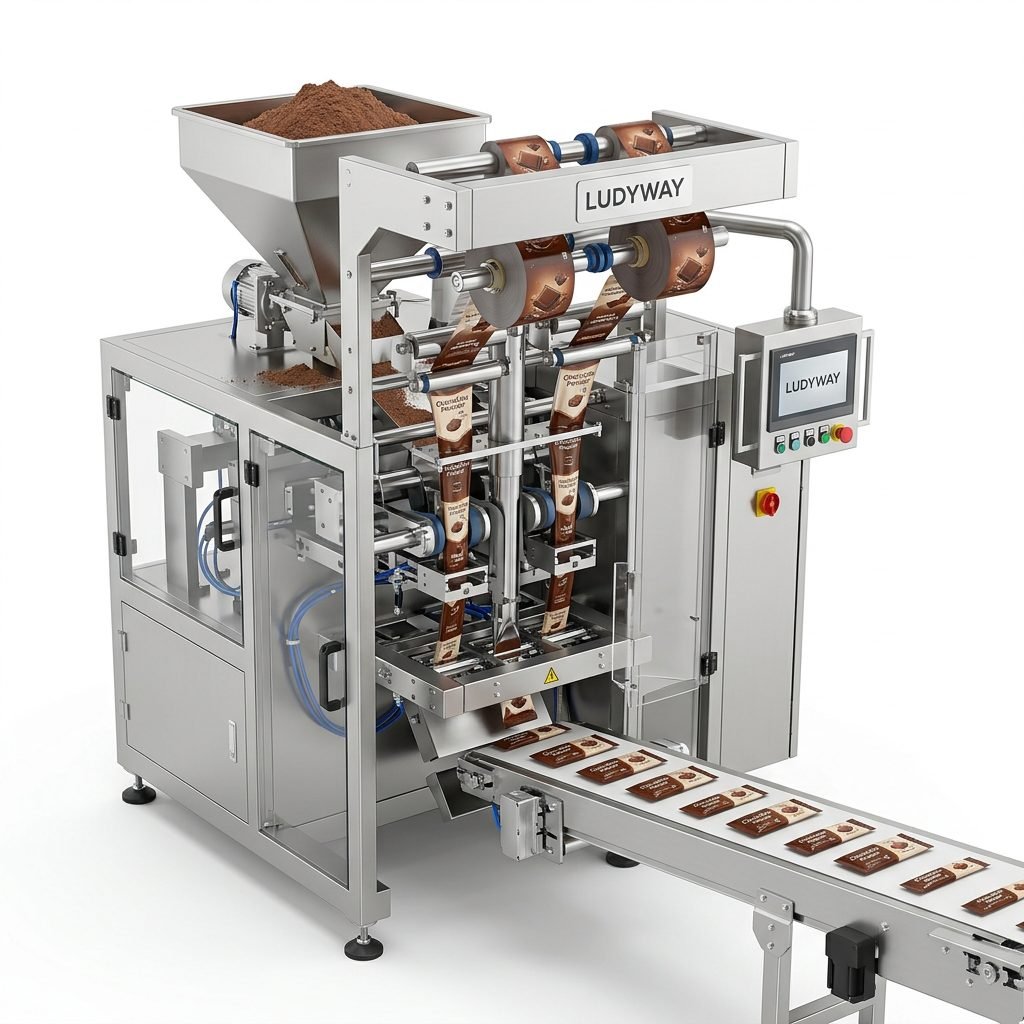
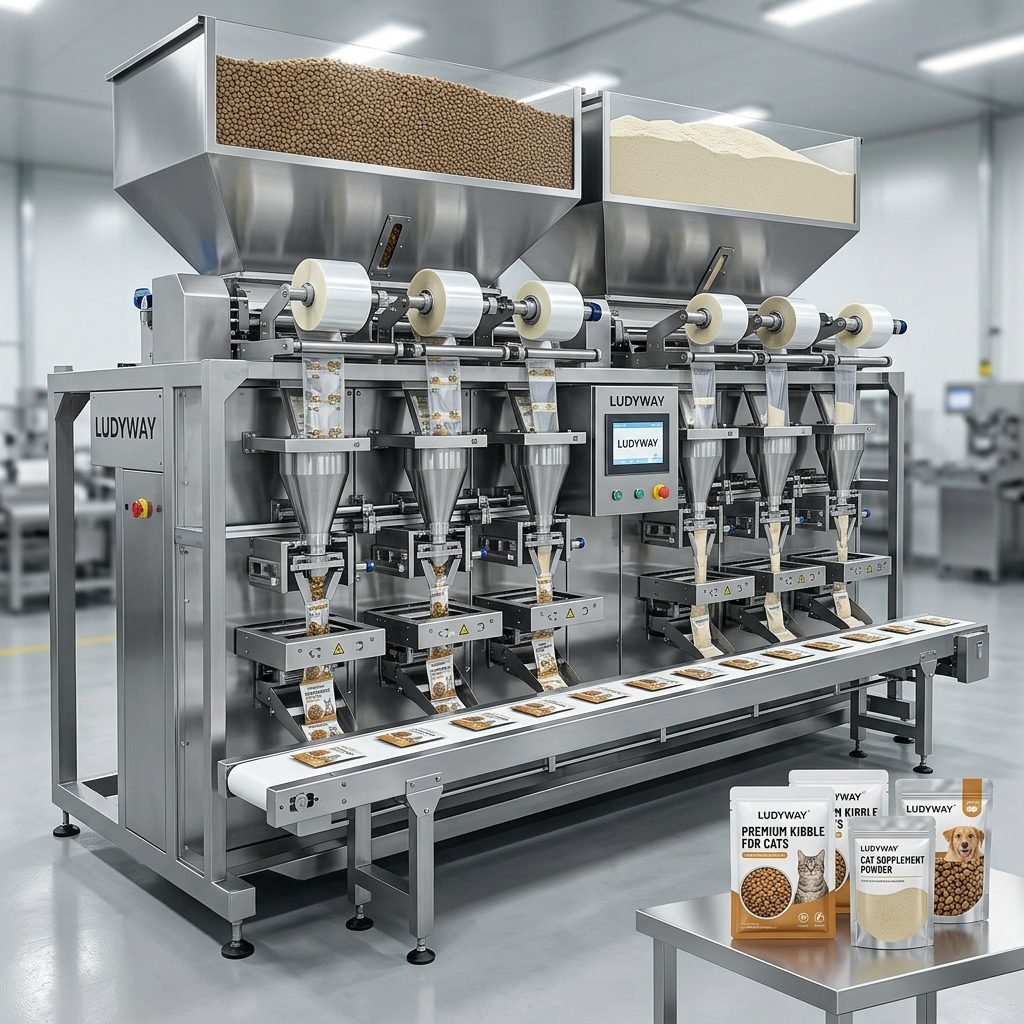
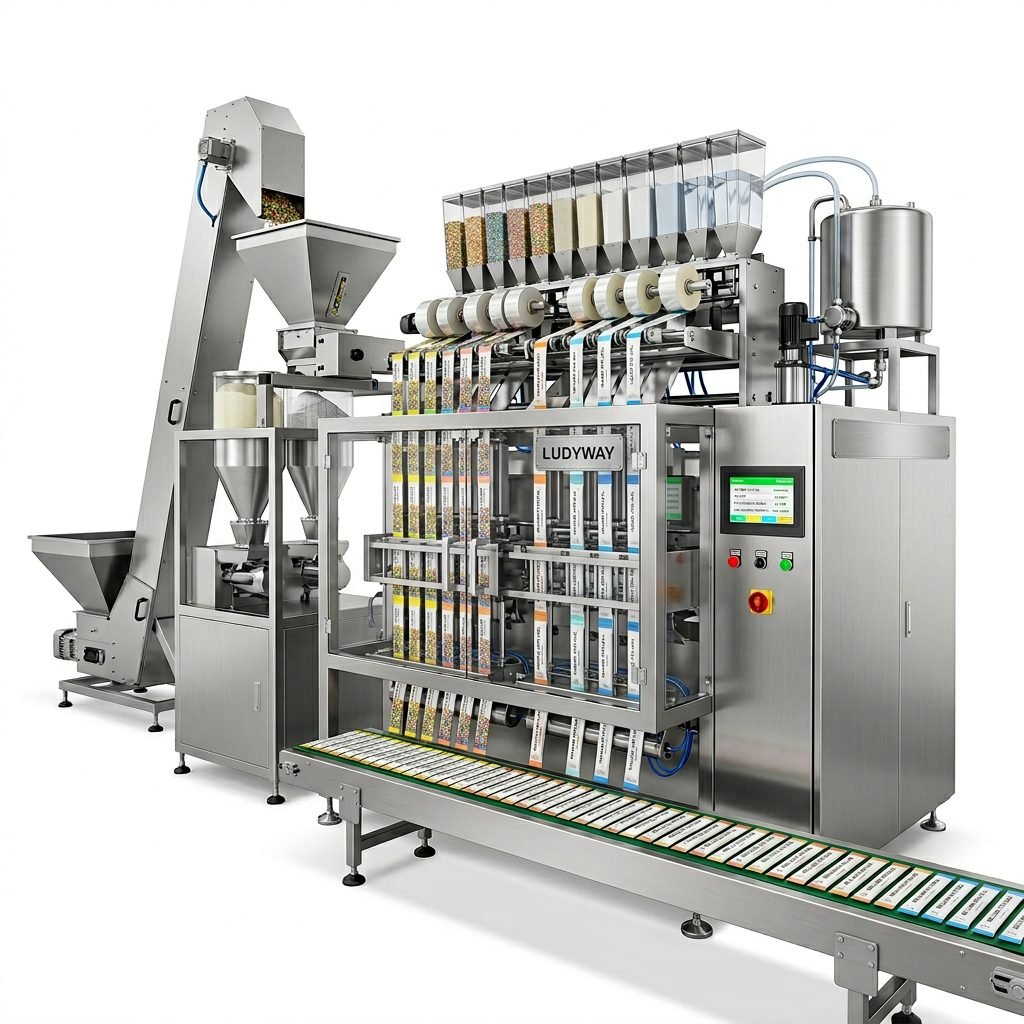
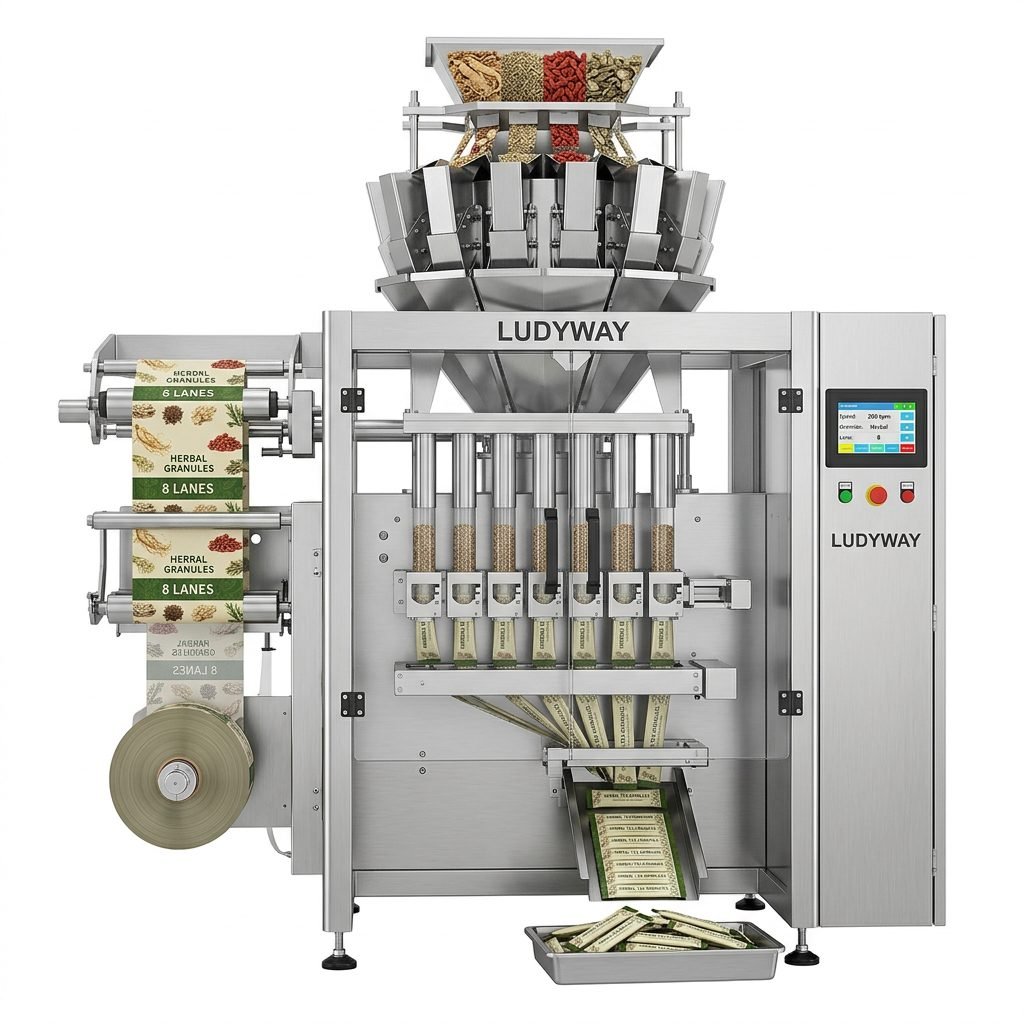
Consider your weekly or monthly medication needs. Home-use machines vary in output speed (e.g., doses per hour) and the number of different medications they can handle in one cycle. A machine with a multi-lane feeder can manage several pill types simultaneously, streamlining the packaging process for complex regimens.
3. Material Compatibility and Seal Integrity
The machine must use packaging films that provide a strong, tamper-evident, and moisture-resistant seal to protect medication potency. Ensure the device is compatible with standard, readily available roll films. A good heat-sealing mechanism is non-negotiable for preserving medication integrity.
4. Accuracy and Verification Systems
High accuracy in pill counting and dispensing is paramount. Some advanced models include verification features like weight checks or visual confirmation systems to flag potential errors—such as an empty medication hopper or a miscount—before the dose is sealed.
5. Size, Noise, and Maintenance
For home use, the machine’s footprint and noise level are practical concerns. It should fit comfortably in a dedicated space like a home office or kitchen. Additionally, opt for a model designed for easy cleaning and maintenance, with clear instructions and accessible customer support.
Transforming Home Healthcare with Automated Solutions
The adoption of a personal pill packaging machine represents a shift toward professional-grade organization in a home setting. It empowers users to take control of their health routines. For families, it reduces the stress and time burden on caregivers, allowing them to provide support without the constant worry of manual sorting errors. Furthermore, the neatly organized strips or pouches are portable, making it simple to take accurate doses on the go, whether to work, school, or on vacation. This technology bridges the gap between clinical pharmacy services and personalized, at-home care.
The Role of a Reliable Equipment Partner
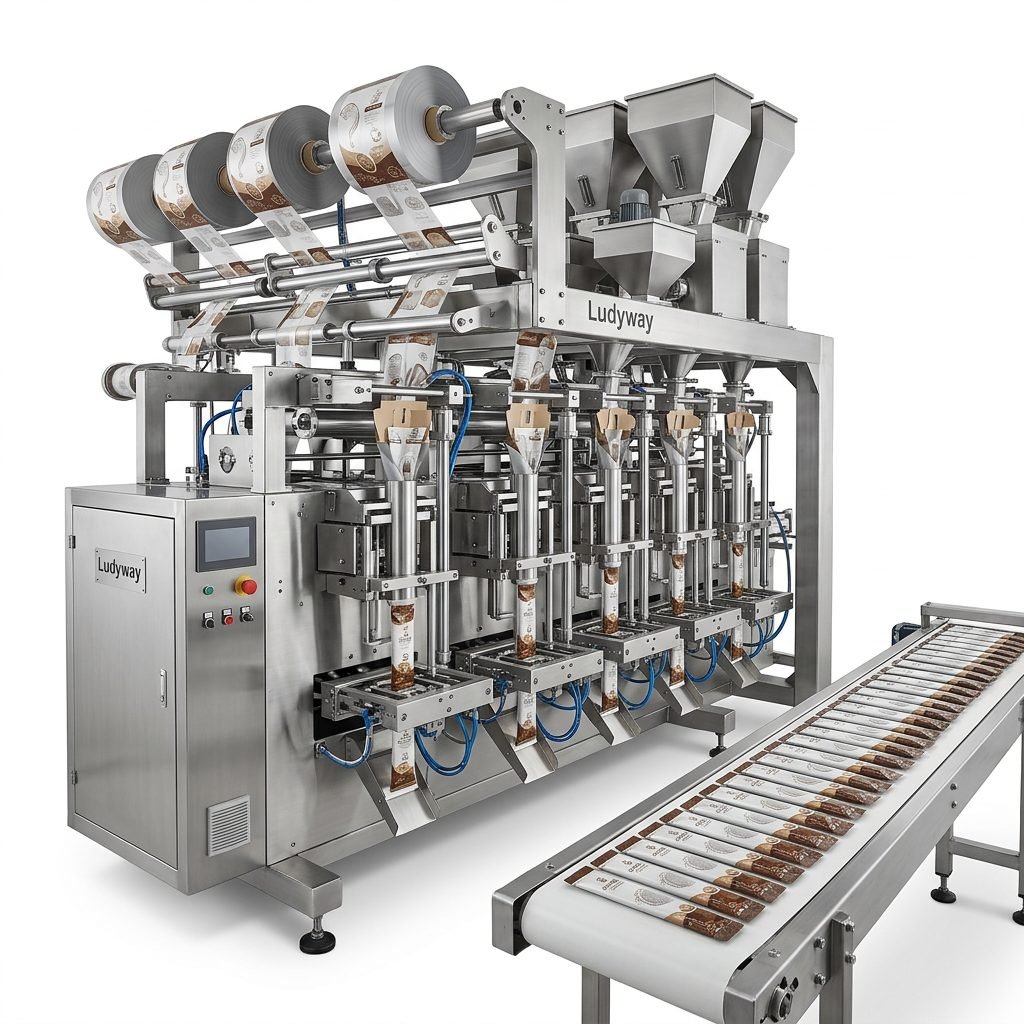
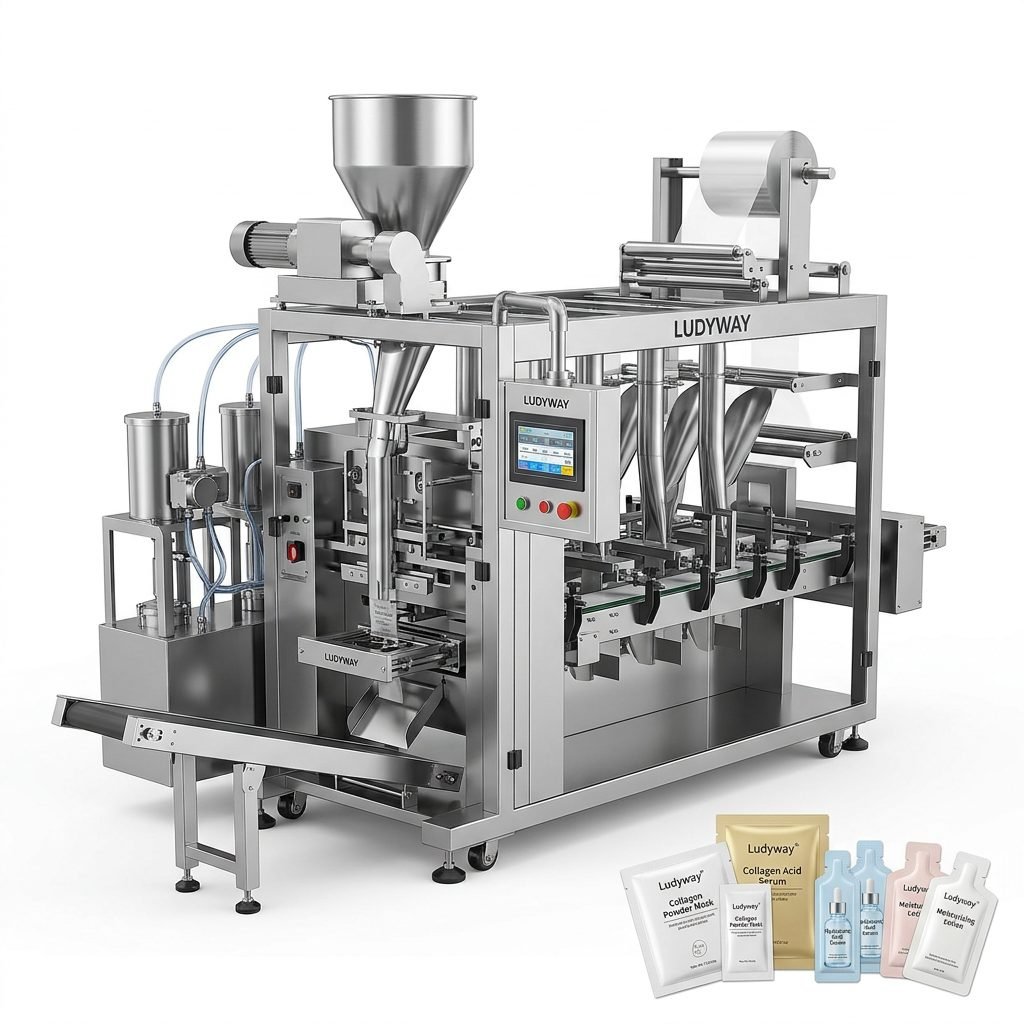
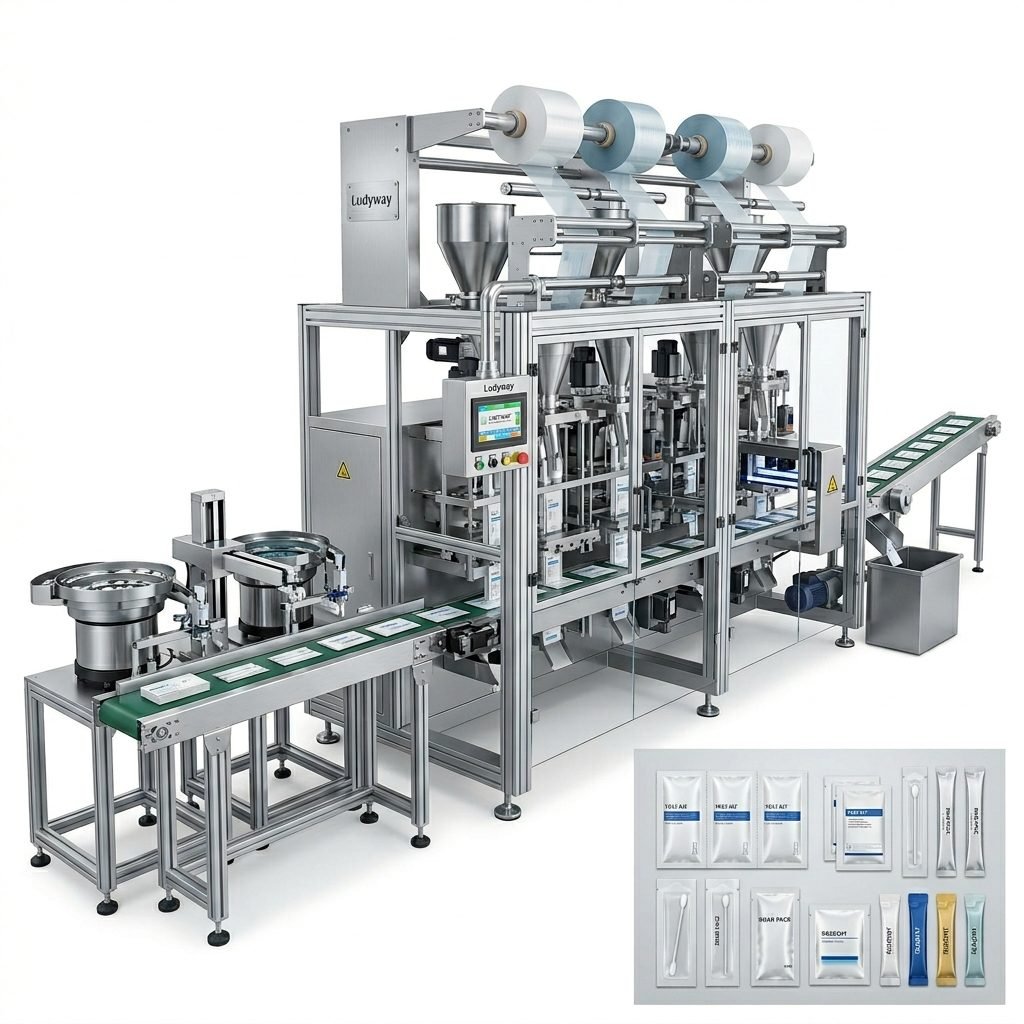
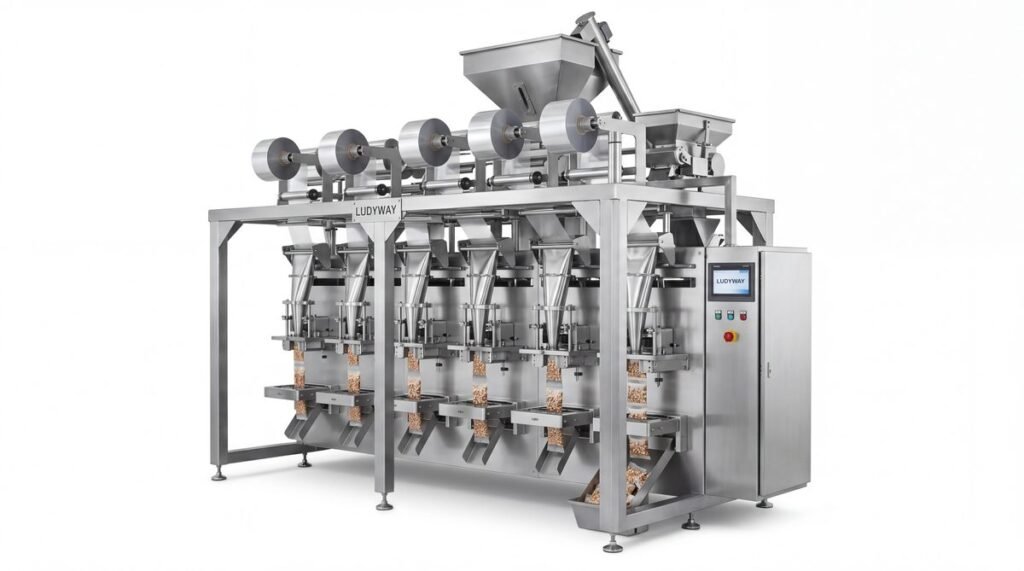
Choosing the right machine is only half the equation. Partnering with a knowledgeable provider ensures long-term success. A provider with deep industry experience, like Ludyway Packing Machine, understands the nuances of packaging technology. They don’t just sell a machine; they offer a solution backed by engineering expertise and support. With over 30 years of industry experience, such partners develop equipment that balances innovation with practical reliability. They provide access to a range of intelligent packaging models and can often advise on the best configuration for specific home or small-scale care needs, ensuring the technology truly fits the user’s lifestyle.
Exploring the company’s history reveals a focus on evolving with market demands, from industrial applications to more accessible solutions. This trajectory is crucial for developing home-use machines that are robust yet user-friendly. Their commitment to long-term cooperation means users have a resource for technical support, maintenance tips, and updates, making the investment more secure and sustainable.
Making the Investment: Cost vs. Long-Term Value
While the initial cost of a pill packaging machine is an investment, its value is measured in improved health outcomes and reduced long-term risks. Consider the potential costs avoided: hospital visits due to adverse drug events, wasted medications from confusion, and the invaluable time and mental energy saved for caregivers. For individuals managing multiple prescriptions, the machine pays for itself in safety and convenience. When evaluating models, look beyond the price tag to the total cost of ownership, including film rolls, potential maintenance, and the quality of included support.
Implementing Your Pill Packaging System
Once you’ve selected your machine, successful implementation involves a few key steps. First, thoroughly review the user manual and set up the machine in a clean, dry, and stable location. Input all medication information carefully into the software, double-checking dosages and schedules. It’s advisable to run a test cycle with a few doses to familiarize yourself with the process and verify accuracy. Establish a regular “packaging day” to prepare doses for the upcoming week or month. Finally, always keep a backup supply of medications in their original containers and maintain a good relationship with your pharmacist for consultations.
Integrating this technology creates a seamless routine. The machine handles the precise, repetitive task, freeing you to focus on overall well-being. It brings structure and clarity to medication management, transforming it from a daily chore into a simple, automated checkpoint in your day.
Frequently Asked Questions (FAQs)
1. Can these machines package all types of pills and tablets?
Most home pill packagers are designed for standard solid oral doses like tablets, caplets, and capsules. They may struggle with very large, oddly shaped, or extremely fragile pills. It’s crucial to check the machine’s specifications for size limitations and consult with the provider or your pharmacist if you have unique medications.
2. How accurate are automatic pill packaging machines?
High-quality machines are highly accurate, often boasting a rate of 99.9% or higher for standard pills. Accuracy depends on proper calibration, using the correct pill “cup” or channel size for the medication, and ensuring hoppers are correctly filled. Regular maintenance as per the manufacturer’s guide is key to sustaining accuracy.
3. Where do I buy the plastic film rolls for the machine?
The packaging film is typically purchased from the machine manufacturer or their authorized distributors, like Ludyway’s support channels. Using compatible, recommended film ensures proper sealing and machine operation. It’s often available in rolls of various lengths to suit different production volumes.
4. Is it difficult to clean and maintain the machine?
Home-use models are designed for user maintenance. This usually involves wiping down surfaces, using a small vacuum or brush to clear dust from counting channels, and occasionally lubricating moving parts as instructed. The complexity is minimal compared to the benefits of a clean, well-functioning device.
5. What happens if the machine makes an error or jams?
Good machines have error-detection systems that will pause operation and alert the user via the display. Common issues like a film jam or an empty hopper are usually easy to resolve by following the on-screen prompts. Having reliable technical support from your provider is essential for troubleshooting less common problems.