In today’s fast-paced manufacturing world, efficiency and product presentation are paramount. An automatic heat shrink packaging machine stands as a critical piece of equipment for businesses looking to streamline their packaging process, enhance product protection, and achieve a professional, shelf-ready look. This comprehensive guide will walk you through the different types of machines available, their significant benefits, and essential tips for making the right purchase decision for your operation.
Understanding Automatic Heat Shrink Packaging
Automatic heat shrink packaging is a process where products are wrapped in a plastic film, which is then heated, causing it to contract tightly around the item’s contours. This creates a secure, tamper-evident, and visually appealing package. Unlike manual methods, an automatic machine handles the entire sequence—feeding, wrapping, sealing, and shrinking—with minimal human intervention, dramatically increasing output and consistency.
Core Components of the System
A typical automatic heat shrink packaging system integrates several key components:
- Product Infeed Conveyor: Automatically feeds products into the machine at a consistent rate.
- Film Unwinding & Cutting System: Dispenses and cuts the shrink film to the required length.
- Sealing Mechanism: Creates a tight seal around the product, typically using a heated sealing bar.
- Heat Tunnel (Shrink Oven): Applies controlled heat to activate the film’s memory, causing it to shrink tightly. This is where the final, snug package is formed.
- Control Panel: The user interface for setting parameters like temperature, speed, and seal time.
Primary Types of Automatic Heat Shrink Machines
Choosing the right type of machine depends heavily on your product’s shape, size, and production volume. Here are the most common configurations:
1. L-Bar Sealers (Automatic Sleeve Wrappers)
Ideal for bundling multiple items together—like beverage cans, bottles, or food boxes—into a multi-pack. The machine forms a film sleeve around the product group and seals the ends, which then shrinks in the tunnel. It’s perfect for retail-ready bundling and promotional packs.
2. Side Seal Wrappers (Flow Wrappers)
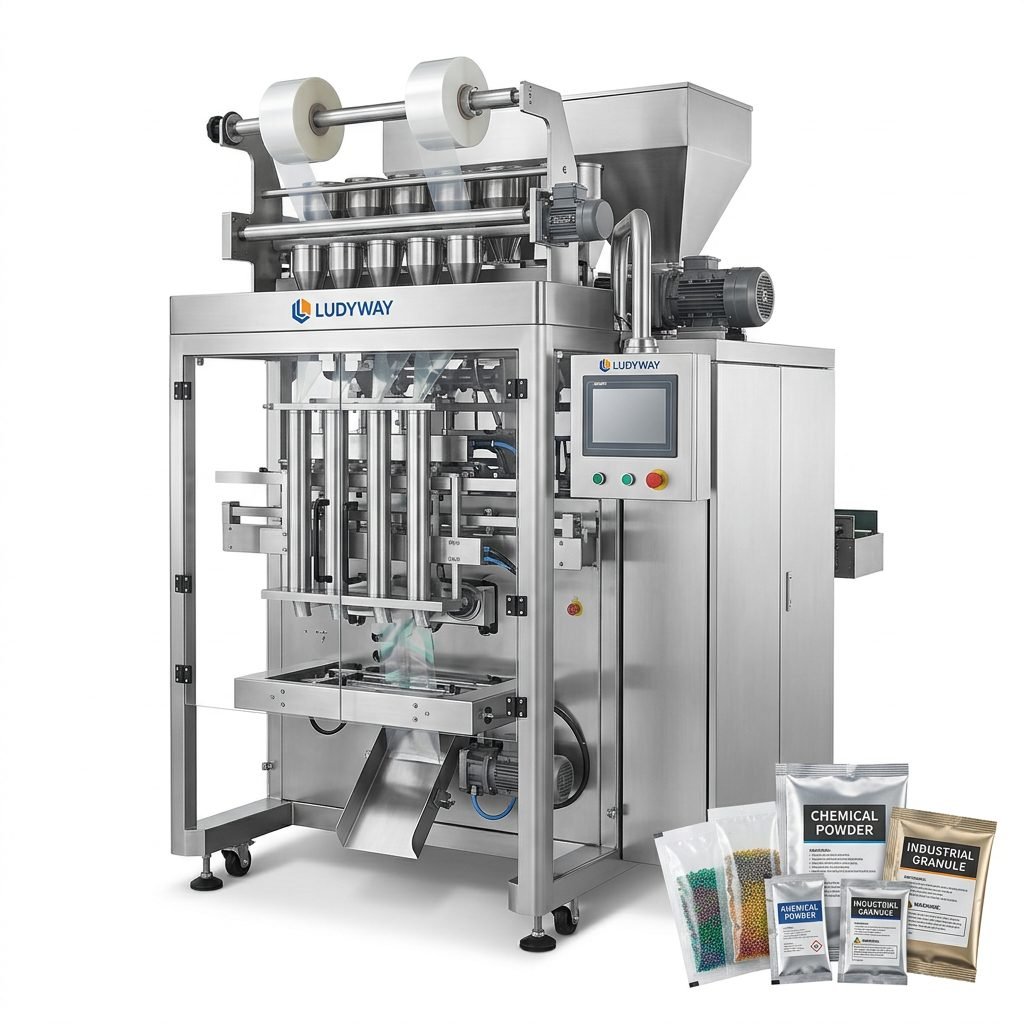
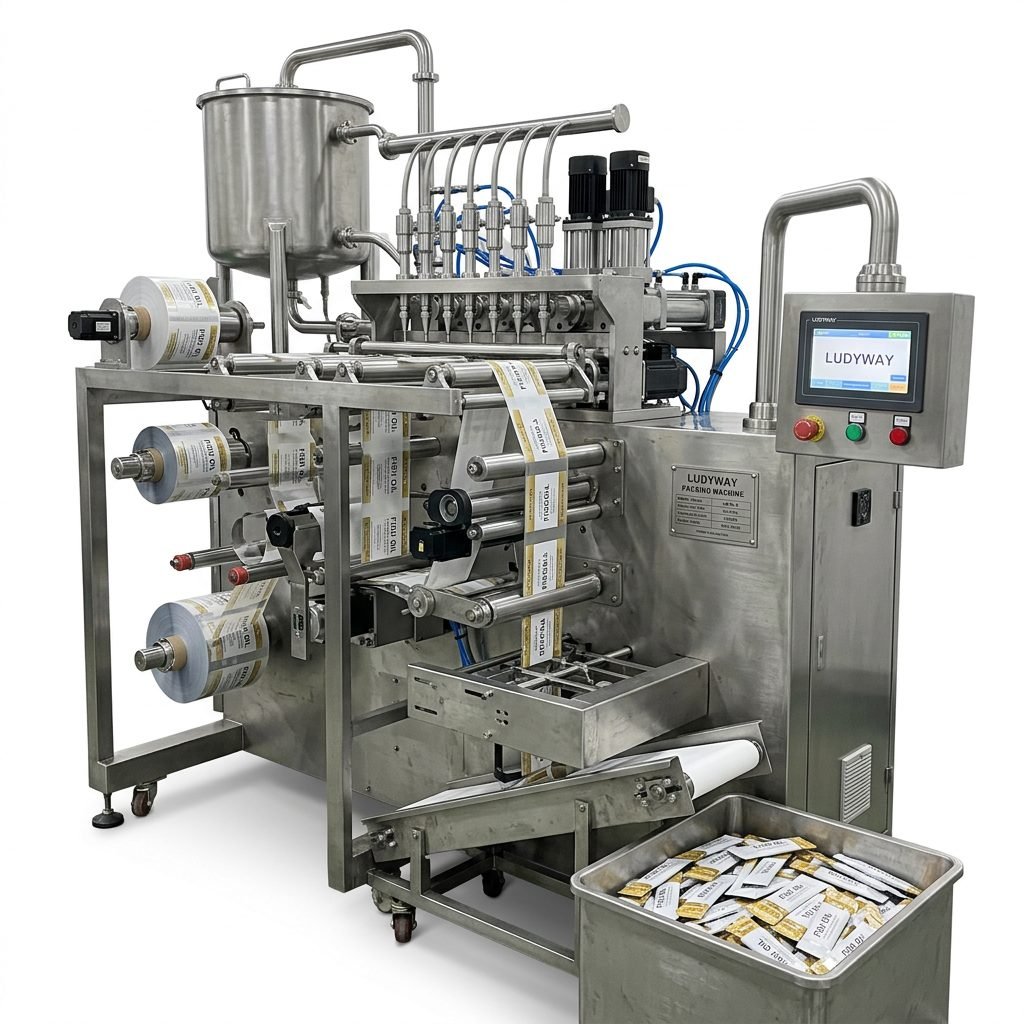
These machines are excellent for wrapping individual items. The film is formed around the product, and a longitudinal seal is made along the length, with end seals at the front and back. They are highly versatile and used for a vast range of products from software boxes to baked goods. For high-speed applications like stick pack bundling or sachet packaging, advanced flow wrappers are often integrated into complete lines.
3. Shrink Wrap Systems with Fully Automatic Turntables
Designed for high-volume operations, these systems often feature an automatic turntable that places products onto the film. A sealing station then creates a bag-like enclosure before the package enters the heat tunnel. This type is common for packaging irregularly shaped items or multiple products on a tray.
4. High-Speed Shrink Wrapping Lines
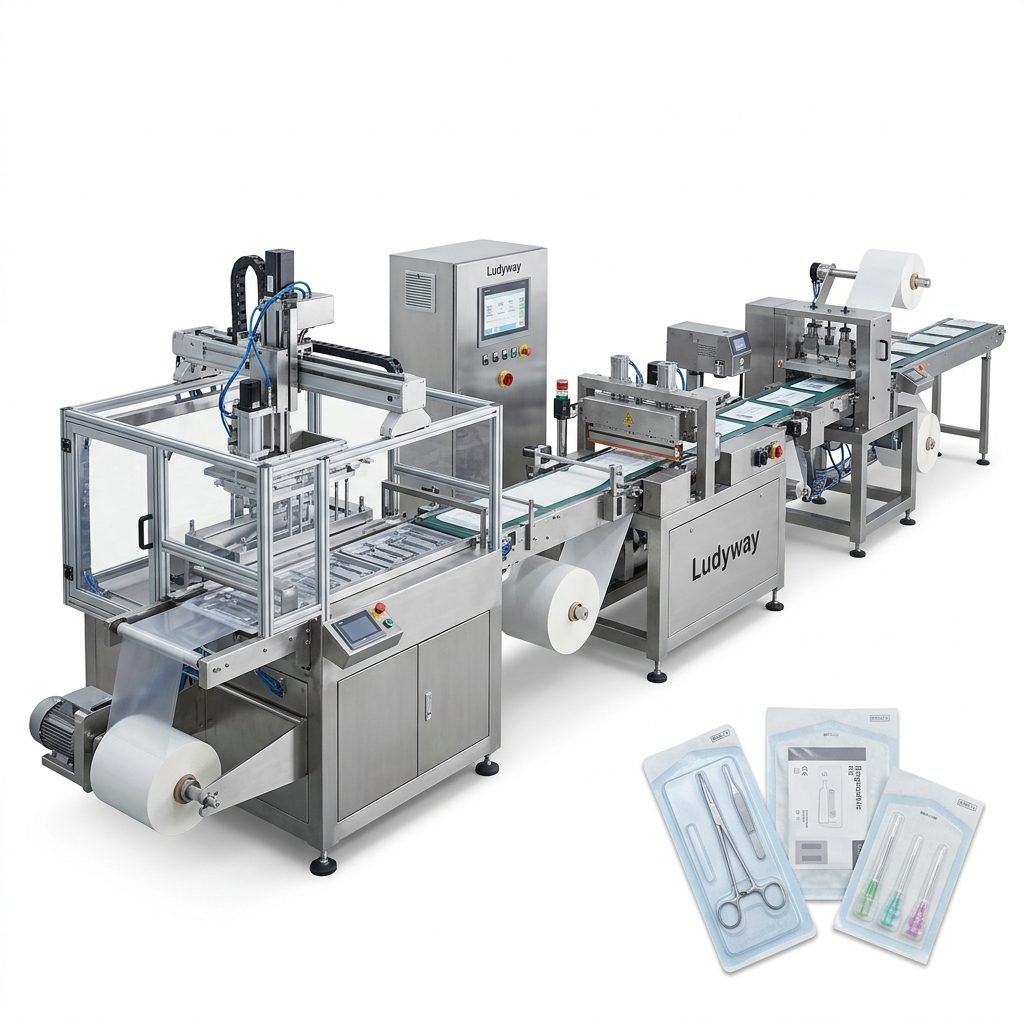
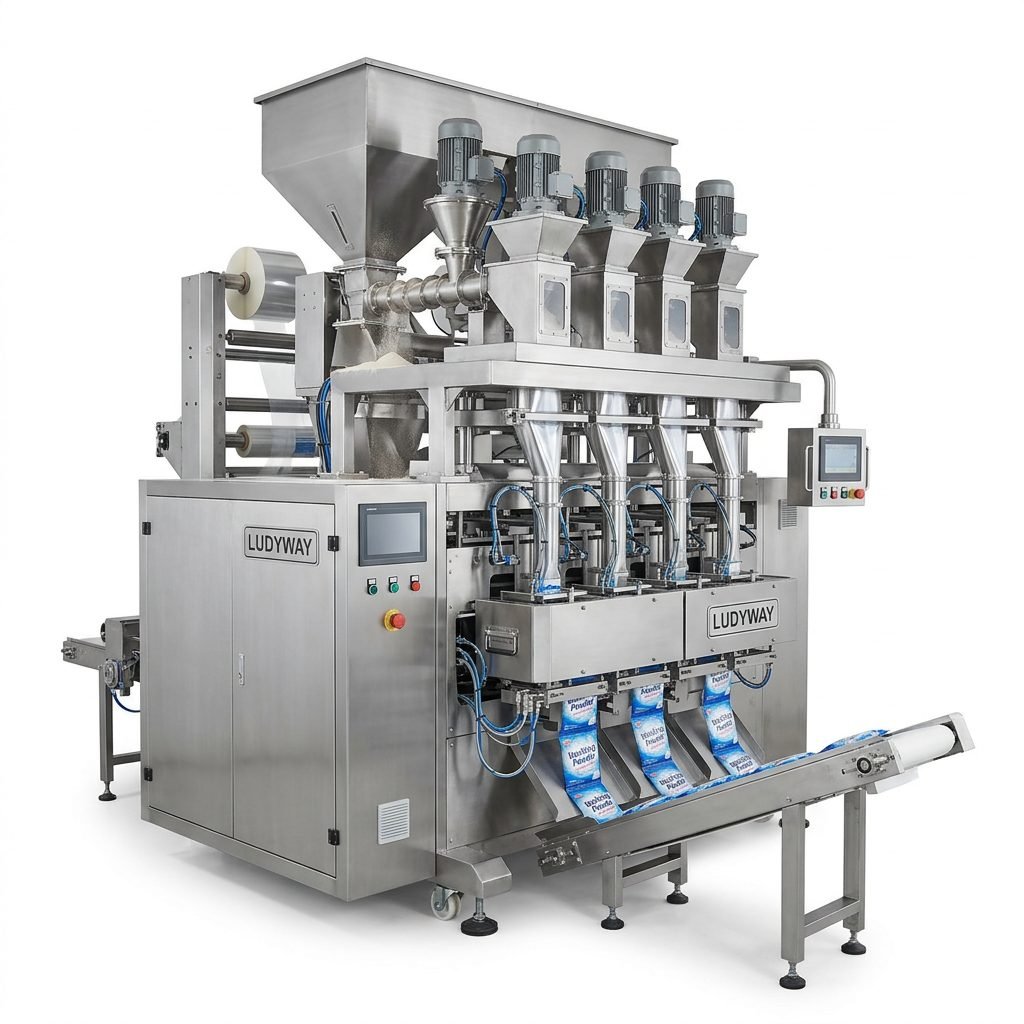
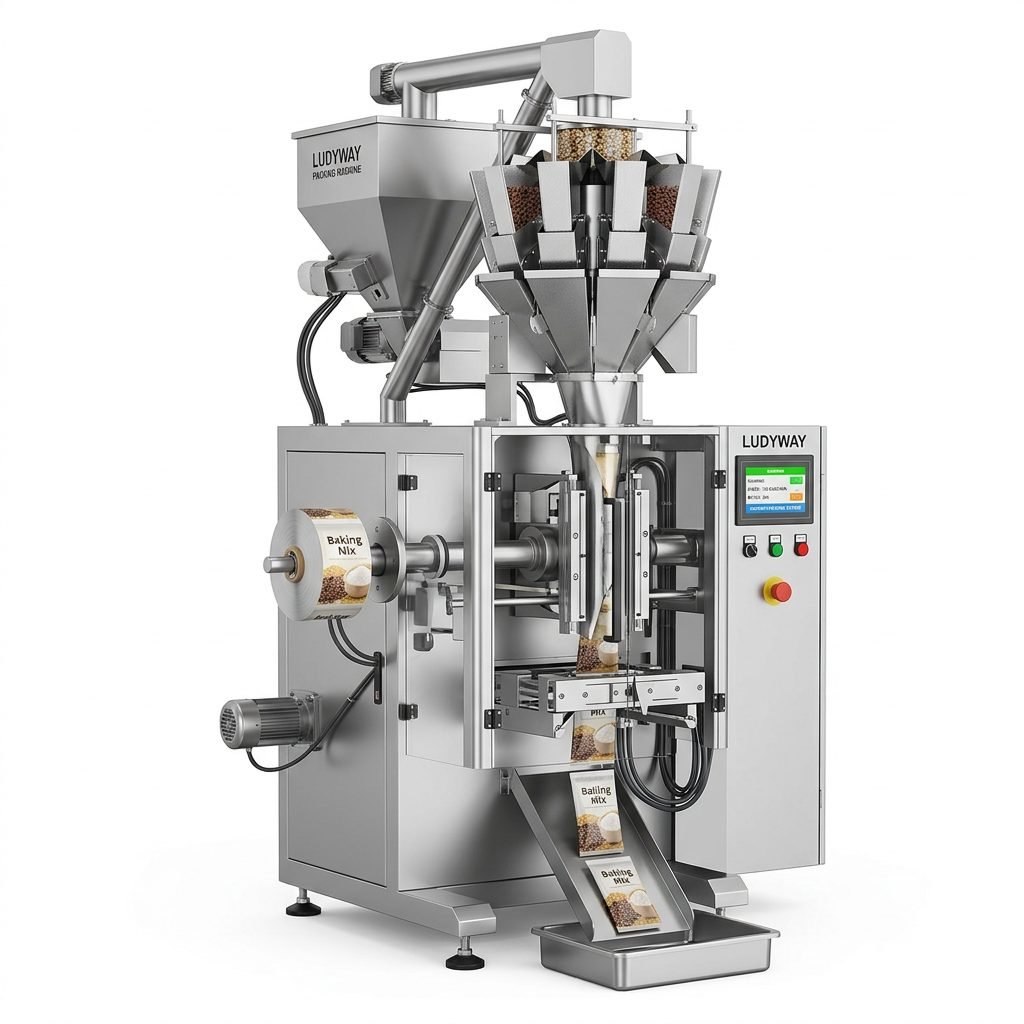
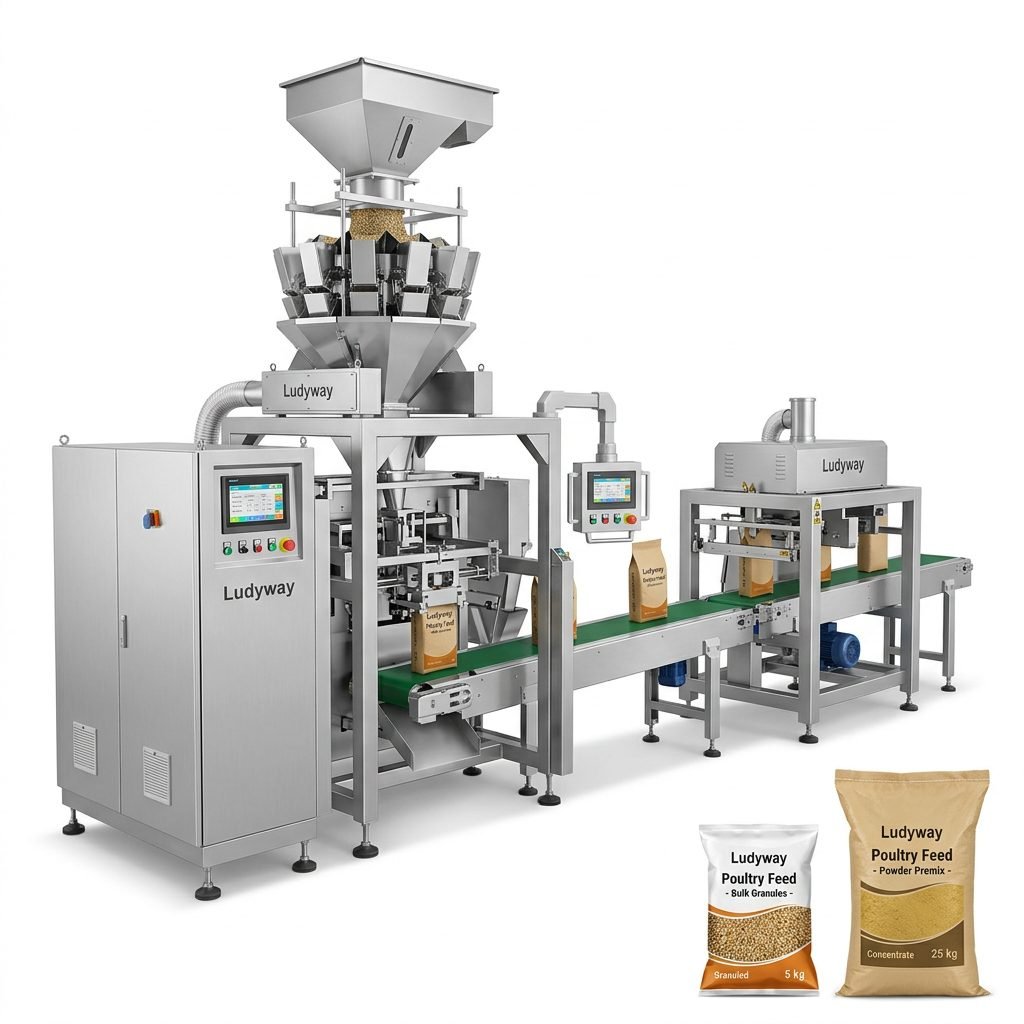
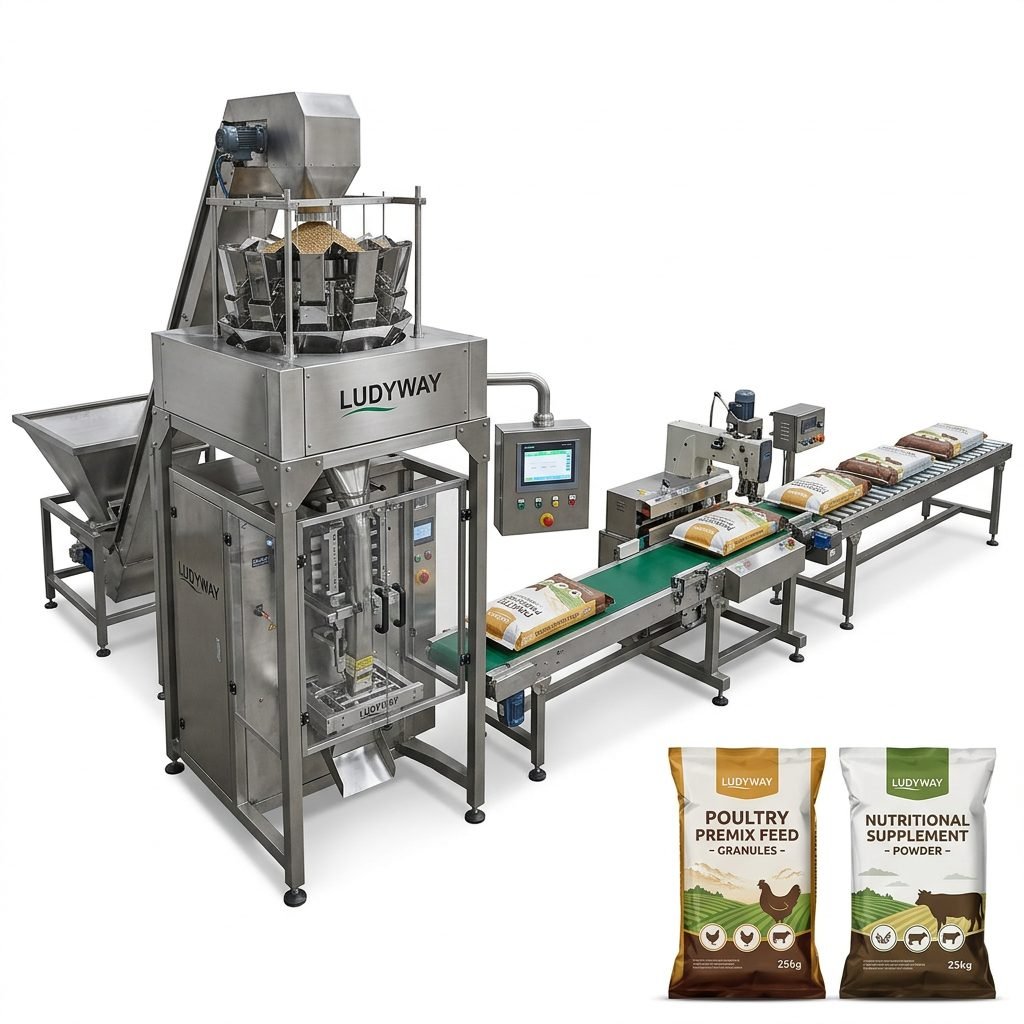
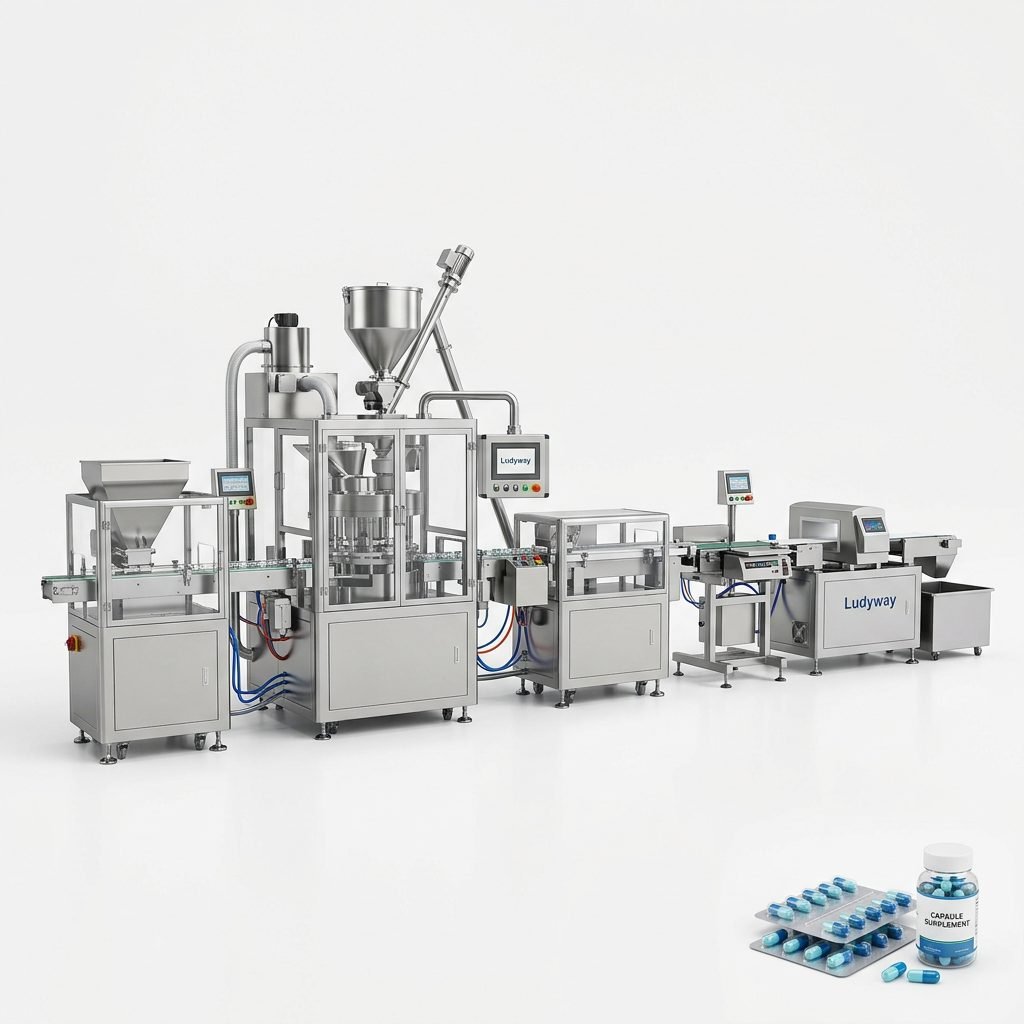
For maximum throughput, integrated lines combine automatic feeding, wrapping, sealing, and shrinking into one seamless operation. These are custom-engineered solutions often seen in large-scale food, pharmaceutical, and consumer goods production, where efficiency and hygiene are critical. Companies like Ludyway Machinery specialize in designing such turnkey solutions tailored to specific production needs.
Key Benefit Spotlight: Enhanced Product Integrity
Beyond just looking good, shrink wrapping provides a robust barrier against dust, moisture, and minor abrasions during handling and transit. This protective quality is invaluable for preserving product quality, especially for sensitive items in the food and pharmaceutical sectors.
Major Benefits of Automating Your Shrink Wrap Process
Investing in an automatic machine delivers a compelling return on investment through multiple channels:
✅ Dramatically Increased Production Speed & Output
Automation removes the speed limitations of manual labor. Machines can consistently wrap hundreds, even thousands, of units per hour, allowing you to scale production to meet demand.
✅ Significant Reduction in Labor Costs and Film Waste
One machine can do the work of several operators. Furthermore, precise film cutting and sealing mechanisms minimize material overuse, leading to substantial savings on packaging film—one of the largest ongoing costs.
✅ Unmatched Consistency and Professional Presentation
Every package comes out identical, with tight, wrinkle-free seals and a clear, glossy finish. This brand consistency strengthens your product’s image on retail shelves and builds consumer trust.
✅ Improved Workplace Safety
Automating the process reduces workers’ direct contact with heat sealing elements and repetitive strain injuries associated with manual wrapping, creating a safer operational environment.
✅ Versatility Across Product Lines
With adjustable settings and sometimes interchangeable tooling, a single automatic machine can often handle a variety of product sizes and shapes, making it a flexible asset for businesses with diverse offerings.
Essential Buying Tips for Your Investment
Selecting the right automatic heat shrink packaging machine requires careful consideration. Follow this checklist to guide your decision.
1. Analyze Your Product and Production Needs
Start with the basics: Product dimensions, weight, shape, and material. Calculate your required output (units per minute/hour). Also, consider future products to ensure the machine has the flexibility to grow with your business.
2. Choose the Correct Film Type
The machine must be compatible with your chosen shrink film (e.g., Polyolefin, PVC, PET). Discuss this with the supplier, as the film type affects the required sealing temperature and heat tunnel performance.
3. Evaluate Machine Construction and Key Features
Look for robust, durable construction from materials like stainless steel, especially for food-grade applications. Key features to prioritize include:
User-friendly PLC Touchscreen Control
Precise Temperature Control Systems
Easy-change Film Rolls
Robust Sealing Mechanism.
4. Prioritize Supplier Reputation and Support
Your relationship with the manufacturer or supplier is crucial. Choose a partner with proven industry experience, like Ludyway Machinery, which brings over a decade of expertise in packaging automation. Assess their technical support, availability of spare parts, warranty terms, and installation/training services. A reliable partner ensures minimal downtime and long-term machine reliability.
5. Consider Total Cost of Ownership (TCO)
Look beyond the initial purchase price. Factor in energy consumption, expected maintenance costs, film waste rates, and the potential cost of downtime. A slightly higher initial investment in a more efficient, reliable machine often leads to lower TCO.
Implementing an automatic heat shrink packaging machine is a strategic move that enhances operational efficiency, reduces costs, and elevates your brand’s market presence. By thoroughly understanding the types available, recognizing the full spectrum of benefits, and applying these practical buying tips, you can make an informed investment that drives productivity and profitability for years to come.
Frequently Asked Questions (FAQs)
Q1: What is the main difference between an L-bar sealer and a side seal wrapper?
A: An L-bar sealer is primarily used for bundling multiple items into a multi-pack by creating a sleeve around them. A side seal wrapper (or flow wrapper) is designed for wrapping individual items by forming the film around the product and creating a seal along its length. The choice depends on whether you need to bundle or individually wrap your products.
Q2: Can one machine handle products of very different sizes?
A: Many automatic machines offer a degree of flexibility through adjustable guides, conveyors, and programmable settings. However, there are physical limits. If your product range varies extremely in size, you may need a machine with a wide adjustment range or specific tooling. Discuss your full product portfolio with the supplier for the best recommendation.
Q3: How important is after-sales service when purchasing?
A: It is critically important. Reliable technical support, readily available spare parts, and comprehensive operator training are essential for minimizing production downtime. A supplier with a strong global service network ensures you get help when you need it, protecting your investment’s long-term value.
Q4: What are the ongoing operational costs?
A: The primary ongoing costs are the shrink film itself and electricity to power the sealer and heat tunnel. Maintenance costs for parts like sealing wires or Teflon sheets are also periodic. An efficient, well-maintained machine will optimize these costs by reducing film waste and energy use.
Q5: Is automation only suitable for large companies?
A: Not at all. While large operations benefit from high-speed lines, there are many semi-automatic and compact fully automatic models designed for small to medium-sized businesses (SMBs). The labor savings, material efficiency, and improved packaging quality often provide a rapid return on investment, making automation viable and advantageous for businesses of various scales.