Selecting the right bean paste packaging machine is a critical decision for manufacturers aiming to enhance efficiency, maintain product quality, and meet market demands. This guide provides a comprehensive overview of the types available, explains their working principles, and offers practical advice on choosing the perfect model for your production line.
Understanding Different Types of Bean Paste Packaging Machines
The packaging process for bean paste, given its viscous and sometimes coarse texture, requires specialized equipment. The primary machine types are categorized by their packaging output format.
Vertical Form-Fill-Seal (VFFS) Machines
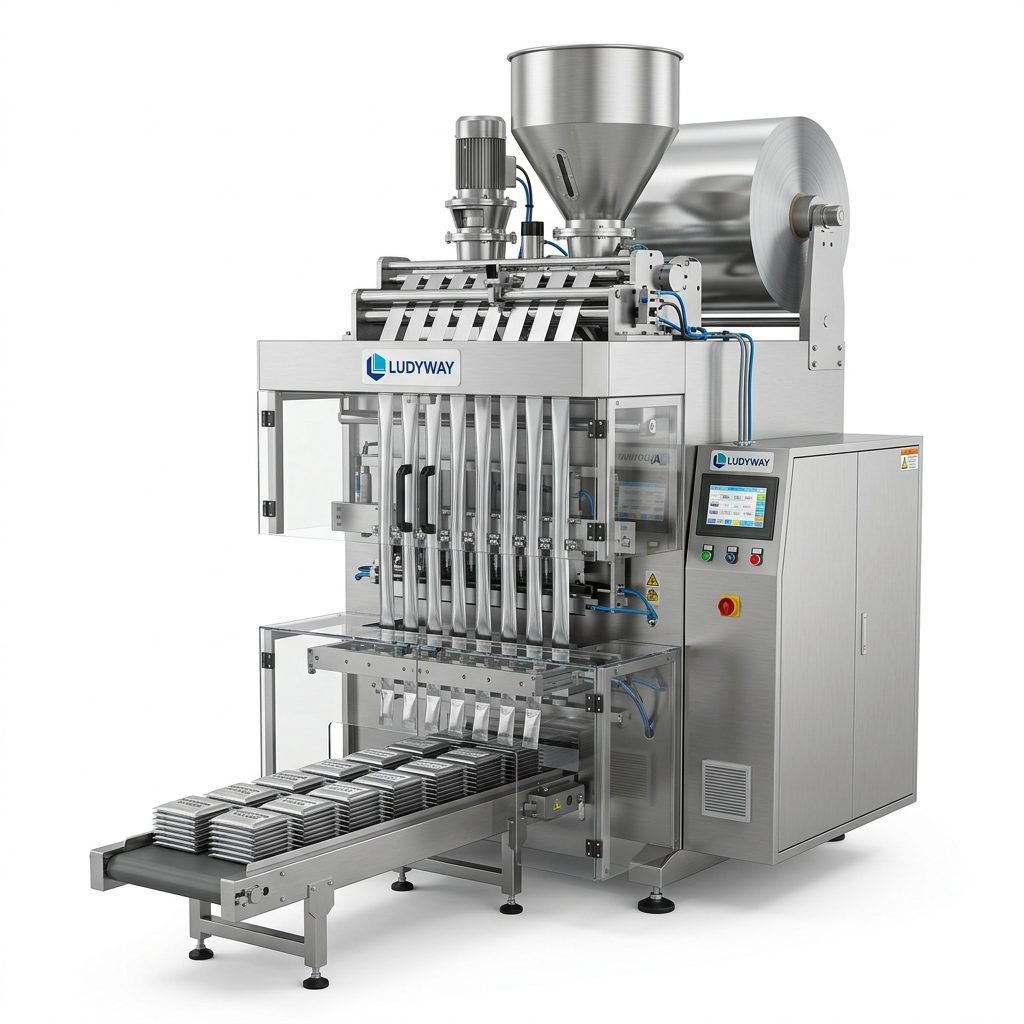
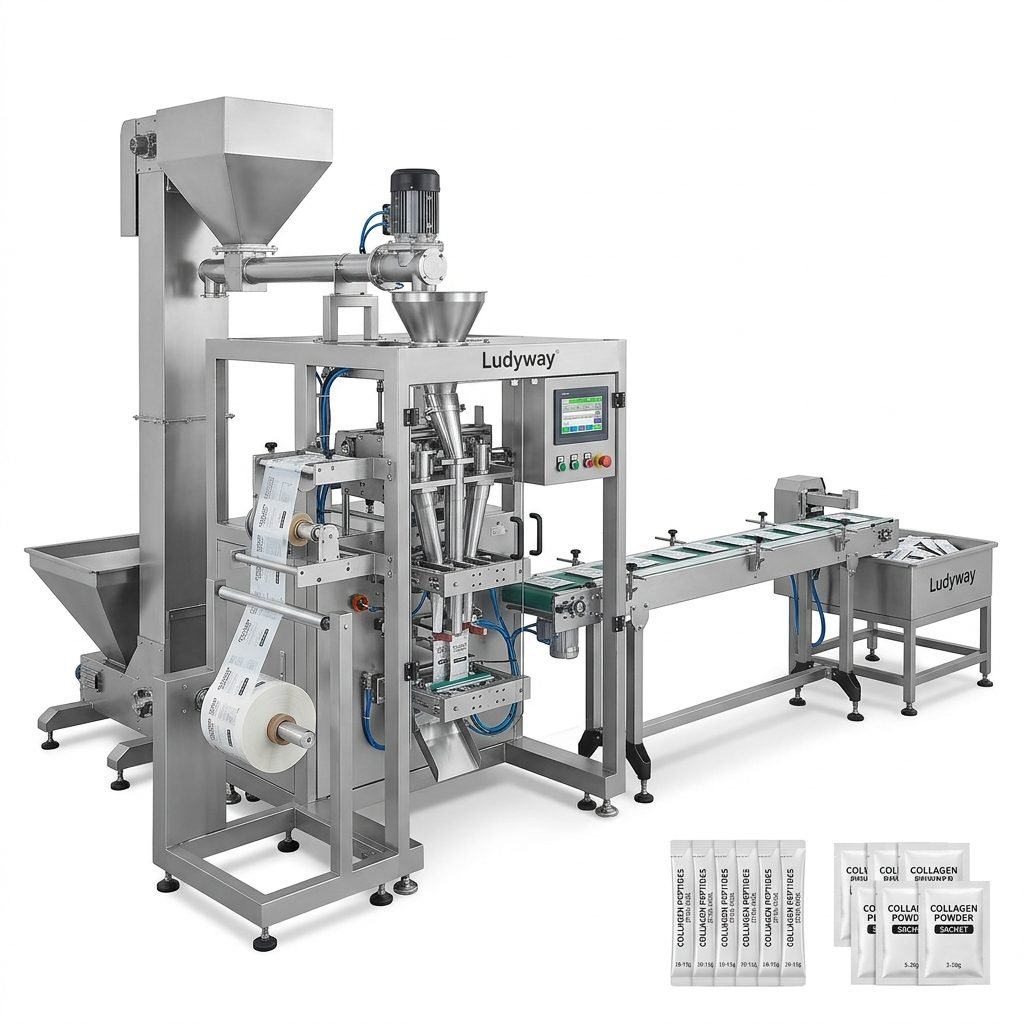
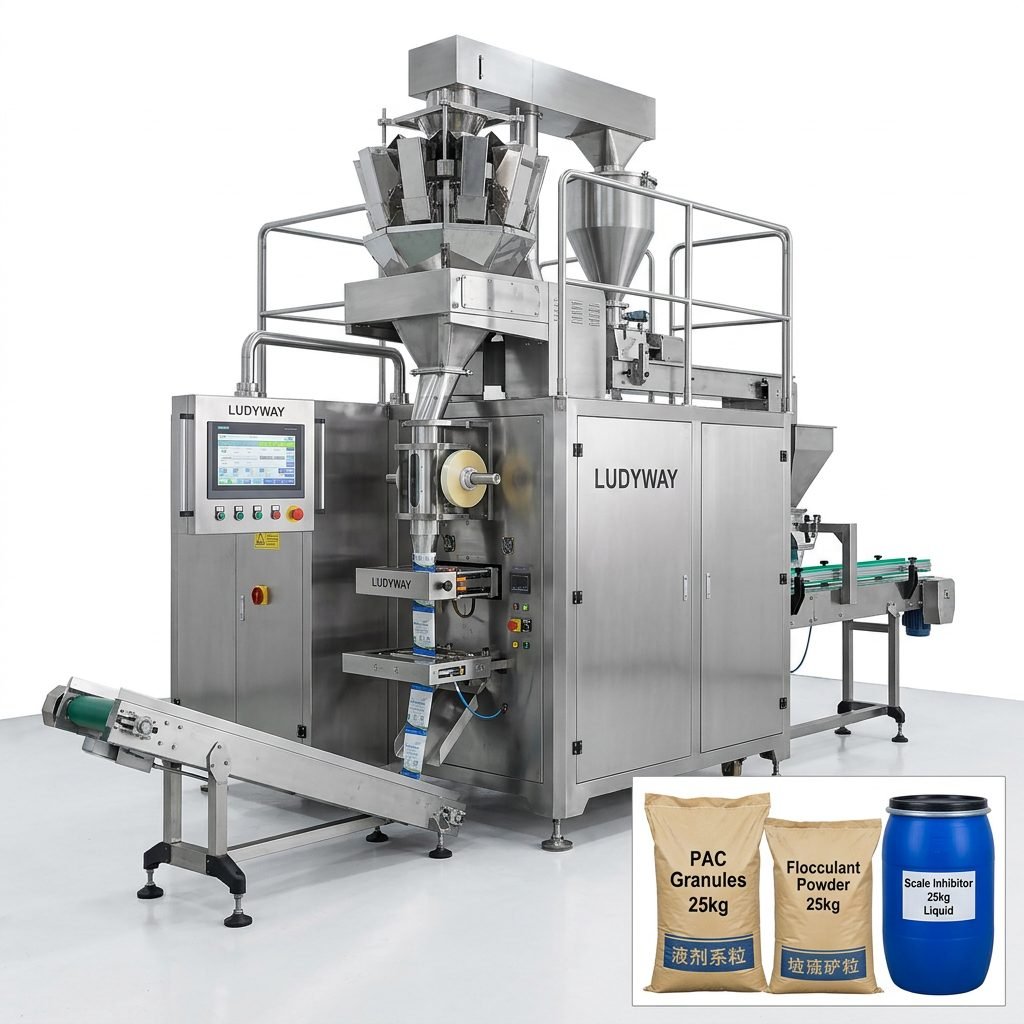
These are the most common and versatile machines for packaging bean paste. They form a bag from a roll of film, fill it with a pre-measured amount of product, and then seal it—all in a continuous vertical motion. They are ideal for producing pillow-style bags of various sizes and are highly efficient for medium to high-volume production.
Key Advantage: VFFS machines offer excellent flexibility, allowing quick changeovers for different bag sizes and designs, which is perfect for brands with diverse product lines.
Horizontal Form-Fill-Seal (HFFS) Machines
HFFS machines are typically used for more rigid or structured packaging, such as flat-bottom bags or stand-up pouches. The film moves horizontally, and the machine forms the bag shape before filling and sealing. This type is excellent for premium bean paste products that require a distinctive shelf presence.
Piston Filler Machines
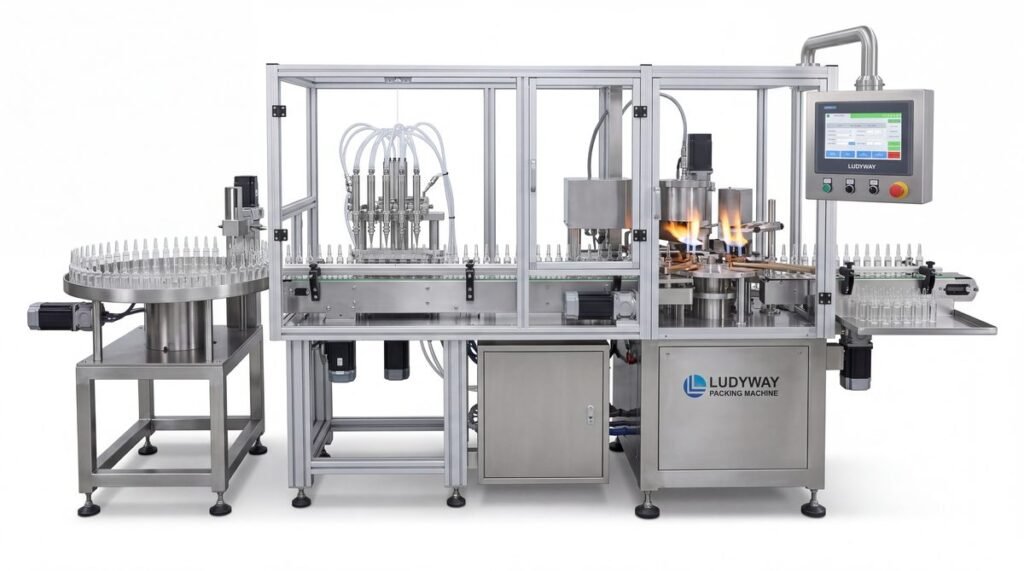
For extremely thick, chunky, or particulate-heavy bean pastes, piston fillers are often the preferred choice. These machines use a precision piston and cylinder mechanism to draw a specific volume of product and dispense it into pre-made bags, cups, or jars. They handle high-viscosity products with minimal shear force, preserving texture.
Application Note: Piston fillers are frequently integrated into a complete automated packaging line that includes capping, labeling, and case packing systems for jarred bean paste products.
Core Working Principle of a Bean Paste Packaging System
While machine types differ, the fundamental packaging sequence remains consistent: Forming → Filling → Sealing. Understanding this process helps in identifying potential bottlenecks for your specific product.
1. Film Feeding & Bag Forming
A roll of packaging material (laminate or film) is fed into the machine. In VFFS machines, a forming tube shapes the flat film into a cylinder. The longitudinal seal is made, creating a continuous tube. In HFFS machines, the film is shaped into individual pockets.
2. Precise Product Filling
This is the most critical stage for bean paste. Machines employ different filling systems:
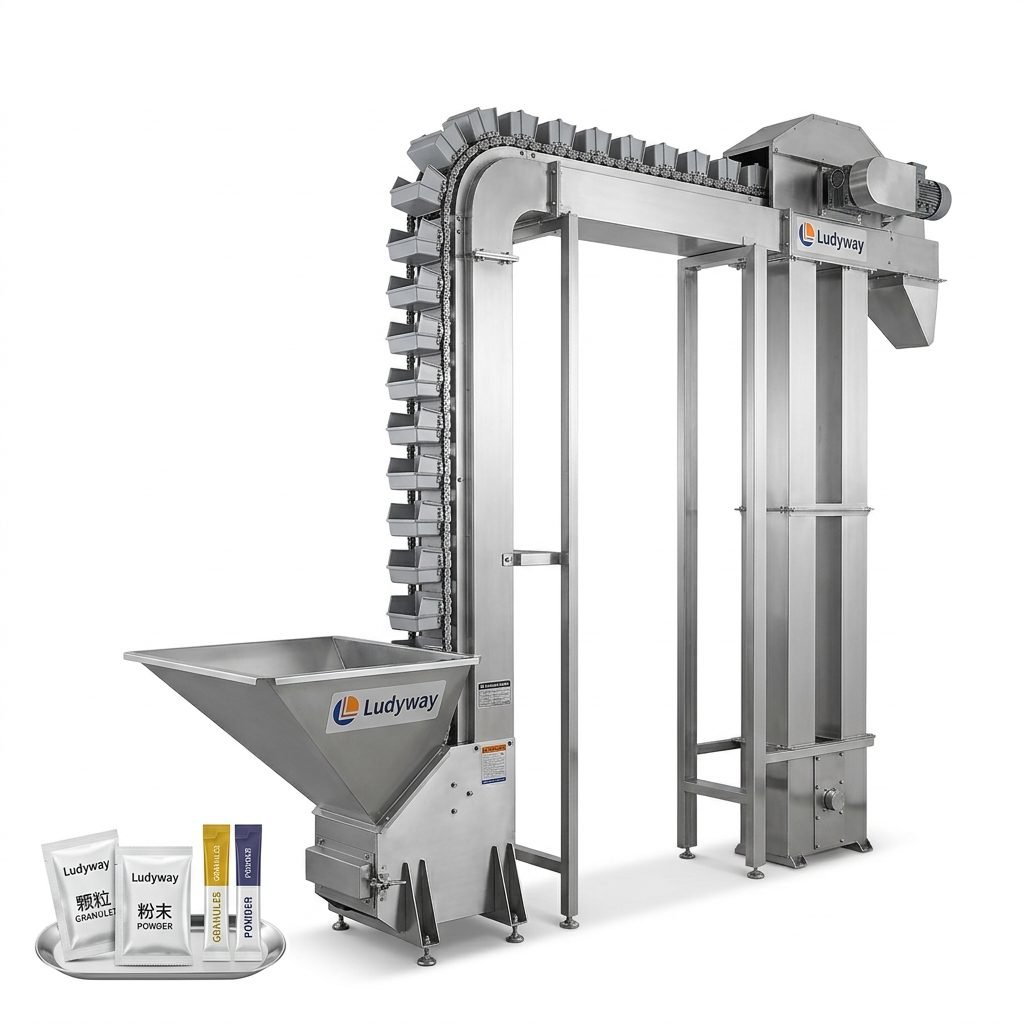
- Auger Filler: Uses a rotating screw (auger) within a hopper to push product out. Excellent for fine, uniform pastes. Accuracy depends on product density and flowability.
- Piston Filler: As described above, ideal for pastes with chunks or variable consistency. Offers volumetric filling with high accuracy.
- Pump Filler: Often used for liquid or semi-liquid pastes, transferring product via a rotary lobe or gear pump.
3. Sealing and Cutting
After filling, the top of the bag is sealed (transverse seal). Heated jaws melt the inner layer of the film to create a hermetic seal, crucial for preserving freshness and preventing leakage. A cutting mechanism then separates the individual bags. Modern machines often include gas flushing (nitrogen) before sealing to extend shelf life by displacing oxygen.
How to Choose the Right Model for Your Needs
Investing in a bean paste packaging machine requires careful evaluation of several factors beyond just the purchase price.
1. Analyze Your Product Characteristics
The nature of your bean paste dictates the machine type. Consider its viscosity (how easily it flows), particulate size (are there whole beans or large chunks?), oil content, and temperature during packaging. A sample test with the machine supplier is highly recommended.
2. Define Your Production Requirements
Calculate your required speed (bags per minute) and output volume. Also, consider future growth. Do you need flexibility for multiple bag sizes or weights? Answering these questions helps determine the machine’s capacity and level of automation needed.
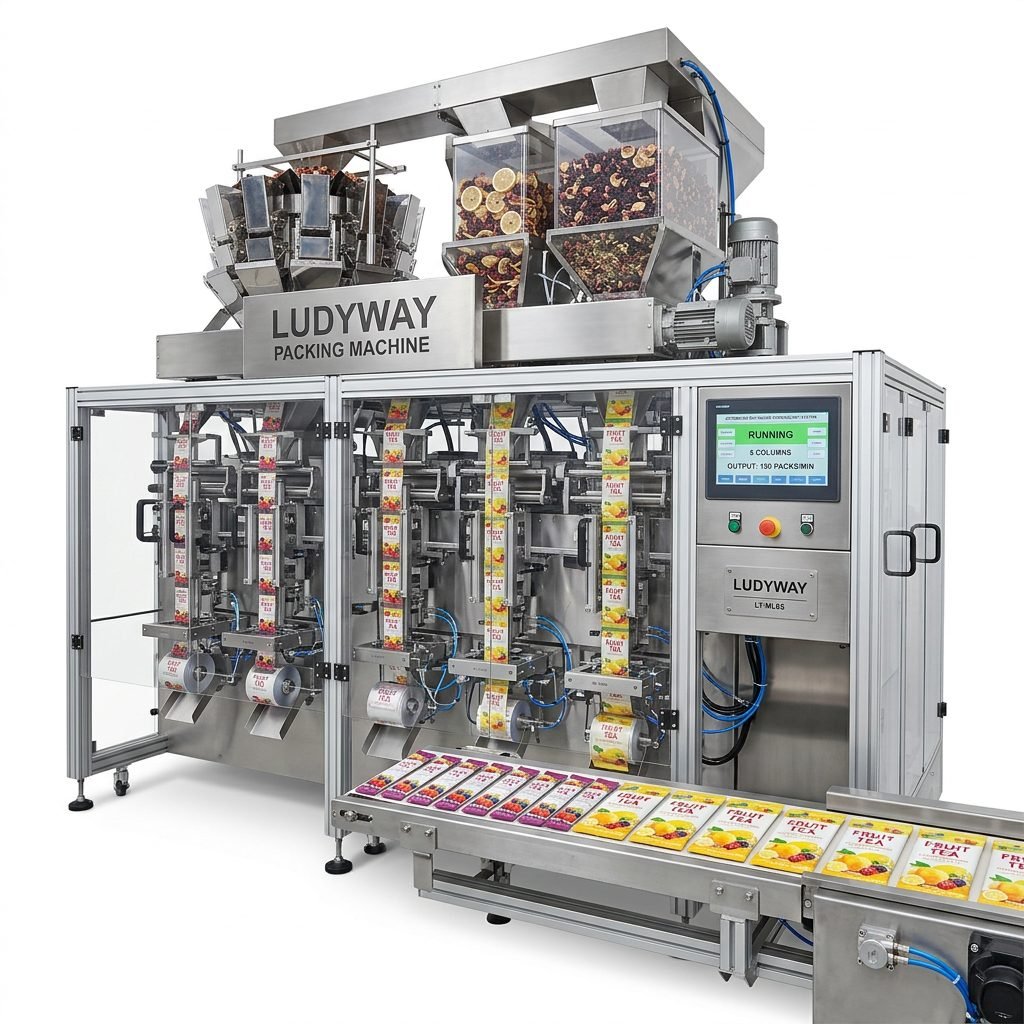
Pro Tip: For businesses looking to scale, opting for a multi-lane packaging machine can double or triple output without significantly increasing floor space.
3. Evaluate Packaging Material Compatibility
The machine must be compatible with your desired packaging film or laminate. Discuss barrier properties (moisture, oxygen), seal layer type, and thickness with your material supplier and machine manufacturer to ensure perfect sealing performance.
4. Prioritize Hygiene and Ease of Cleaning
Bean paste is a food product. Machines with stainless steel contact parts, smooth surfaces, and a modular design that allows for quick disassembly and cleaning (CIP/SIP capabilities) are essential for maintaining food safety standards and reducing downtime.
5. Consider After-Sales Support and Service
The reliability of the supplier is paramount. Look for a provider with a strong track record, readily available spare parts, comprehensive training, and responsive technical support. A partner like Ludyway Machinery, with deep industry experience, can provide not just a machine but a reliable production solution.
Frequently Asked Questions (FAQs)
Q1: What is the main difference between auger filling and piston filling for bean paste?
A: Auger fillers are best for smooth, homogeneous pastes as they can achieve high speeds. Piston fillers are superior for pastes containing chunks, nuts, or whole beans, as they gently handle the product with volumetric accuracy without damaging the particulates.
Q2: Can one machine package different flavors or varieties of bean paste?
A: Yes, but it requires a thorough cleaning between runs to prevent cross-contamination. Machines designed with quick-release parts and easy-clean features significantly streamline this changeover process.
Q3: How important is gas flushing (nitrogen flushing) in bean paste packaging?
A: It is highly recommended for extending shelf life. Bean paste can be susceptible to oxidation and mold growth. Replacing the air inside the bag with an inert gas like nitrogen before sealing greatly inhibits microbial growth and preserves flavor and color.
Q4: What machine features help reduce product waste during packaging?
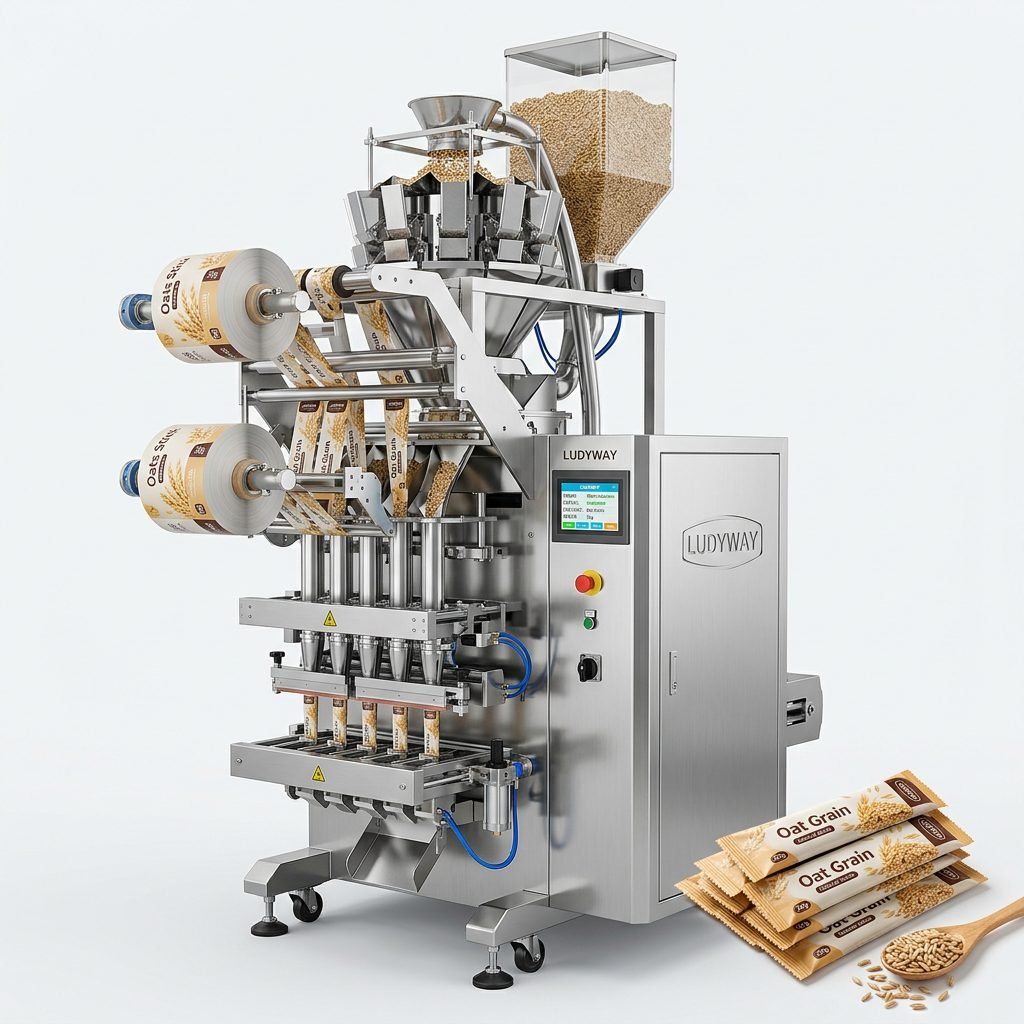
A: Look for machines with a “no product, no bag” feature, precise servo-driven filling systems, and easy adjustment mechanisms for fill weight. A well-designed sachet packaging machine will also have minimal residual product in the filling nozzle.
Q5: What are the key maintenance routines for a bean paste packaging machine?
A: Daily cleaning of all product contact zones is essential. Regular lubrication of moving parts (as per manual), inspection and cleaning of sealing jaws, and checking the tightness of auger/piston components are crucial for consistent performance and longevity.