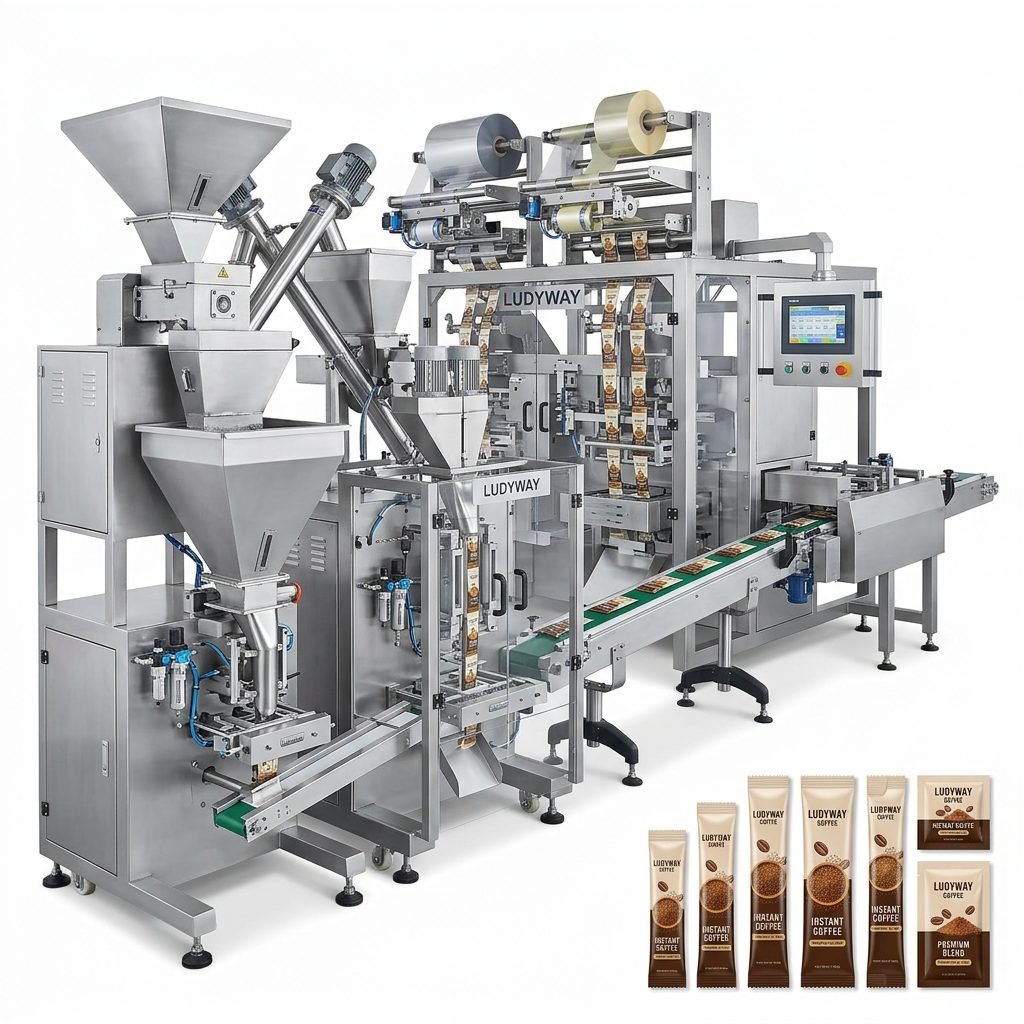
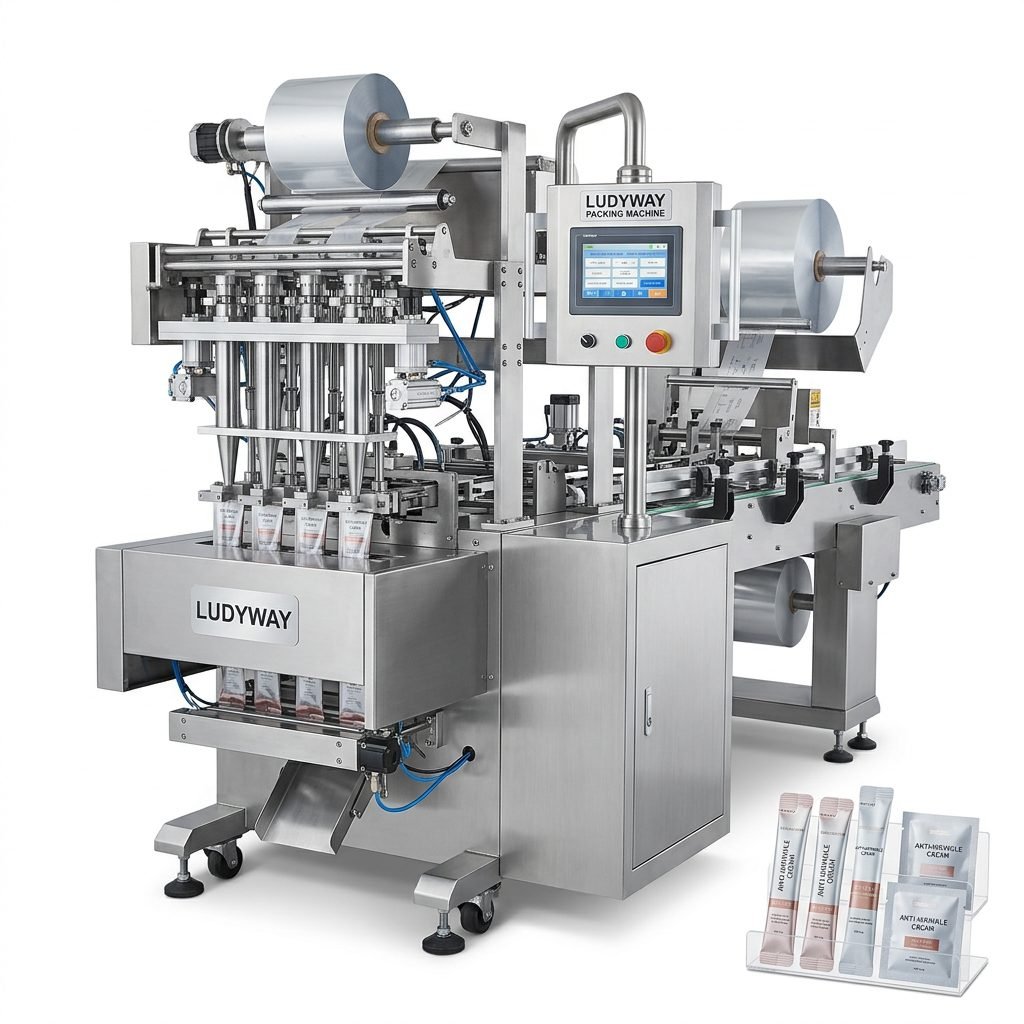
For professionals in the packaging industry, having a comprehensive and reliable guide to Vertical Form Fill Seal (VFFS) machinery is essential. This article serves as a detailed resource, providing key specifications, explaining the core working principle, and offering access to a downloadable manual in PDF format. Whether you are an operations manager, a maintenance technician, or a business owner evaluating equipment, this guide consolidates the critical information you need.
Understanding VFFS Packaging Machines
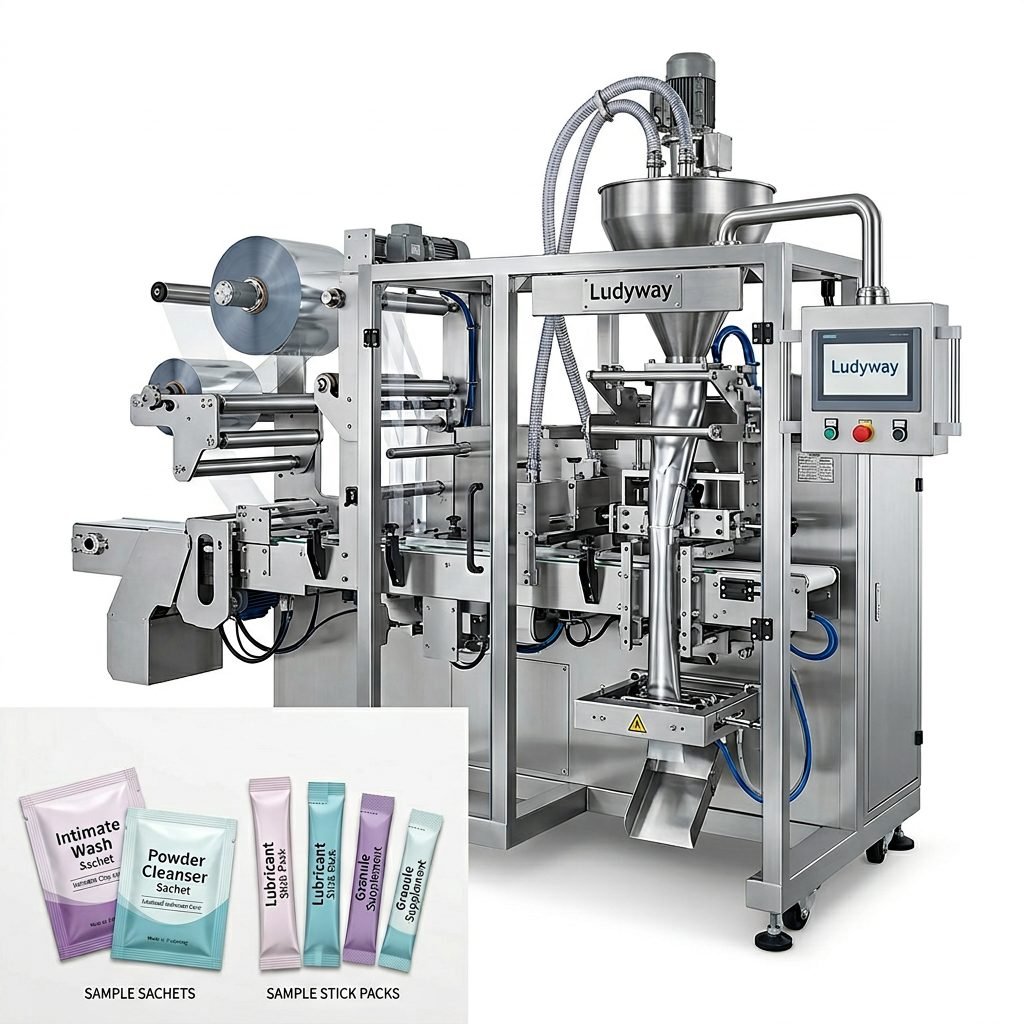
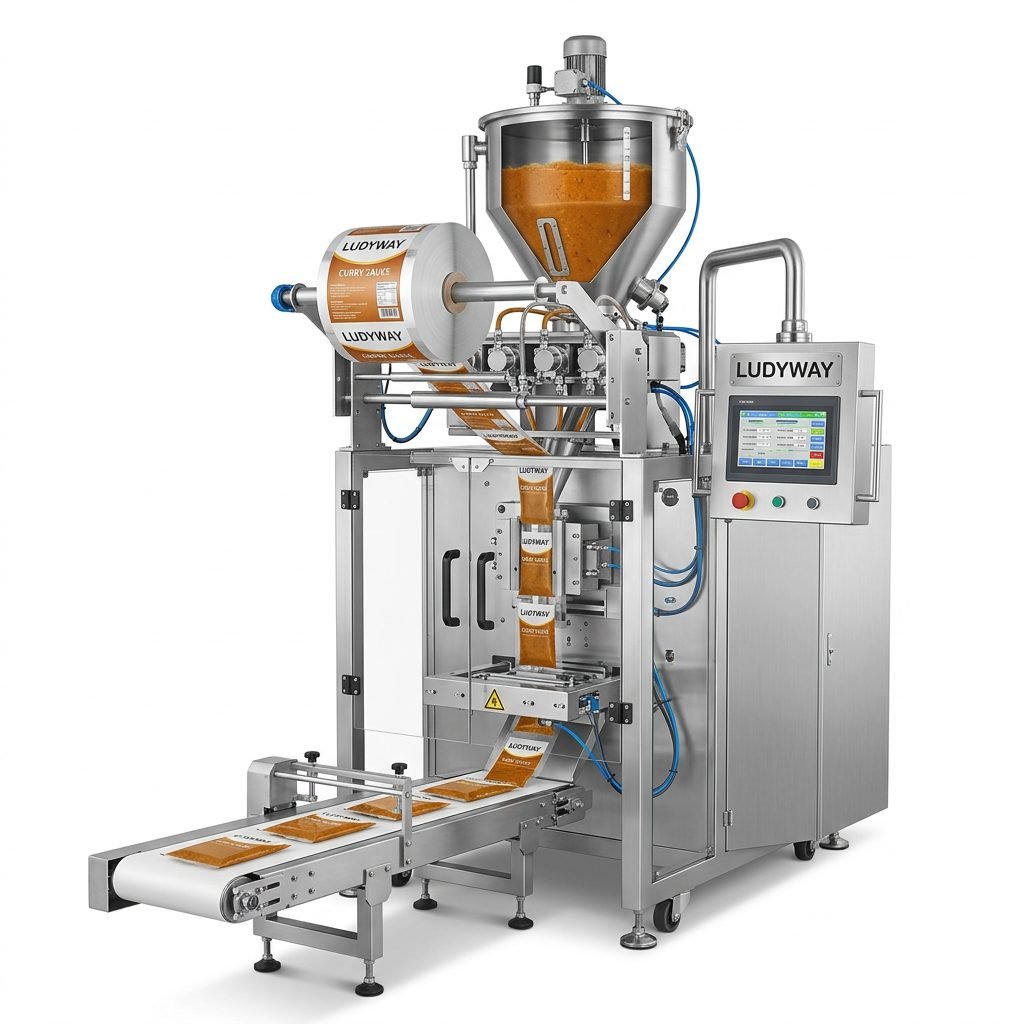
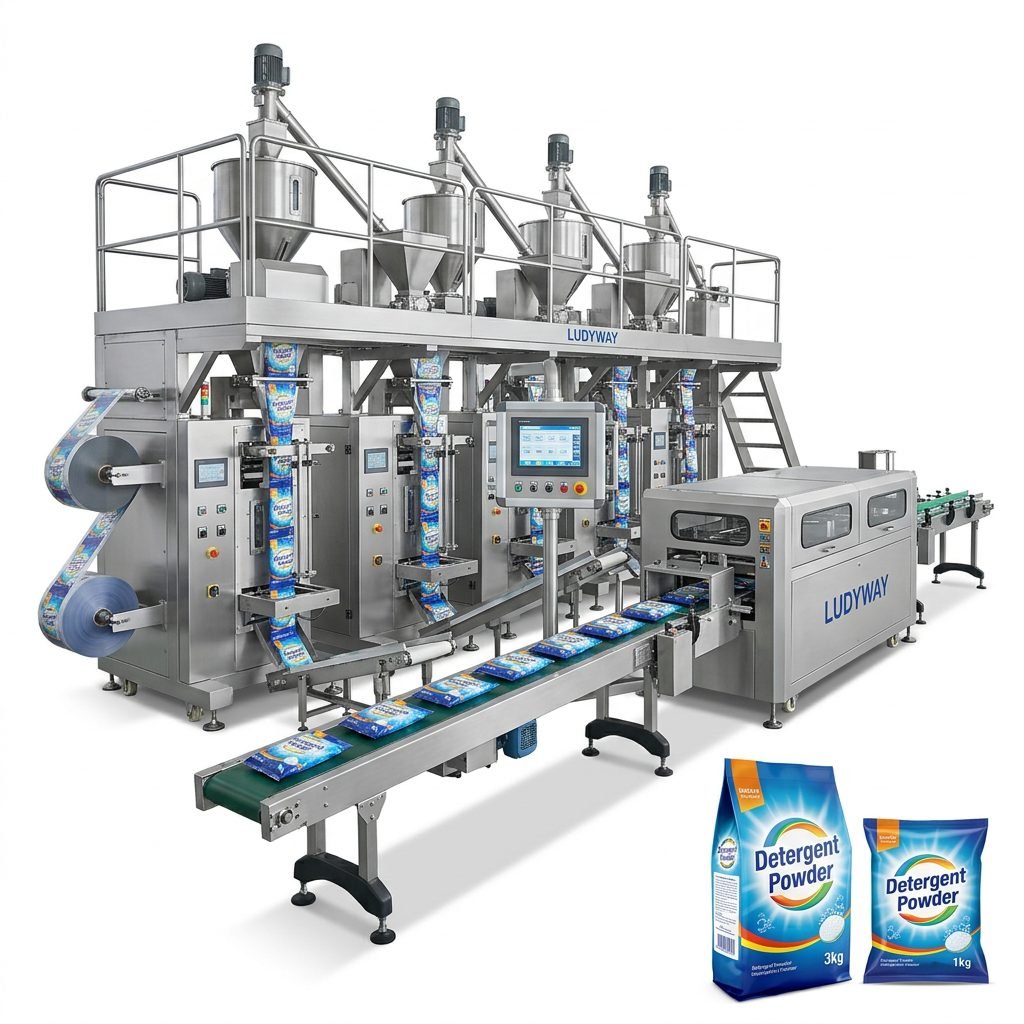
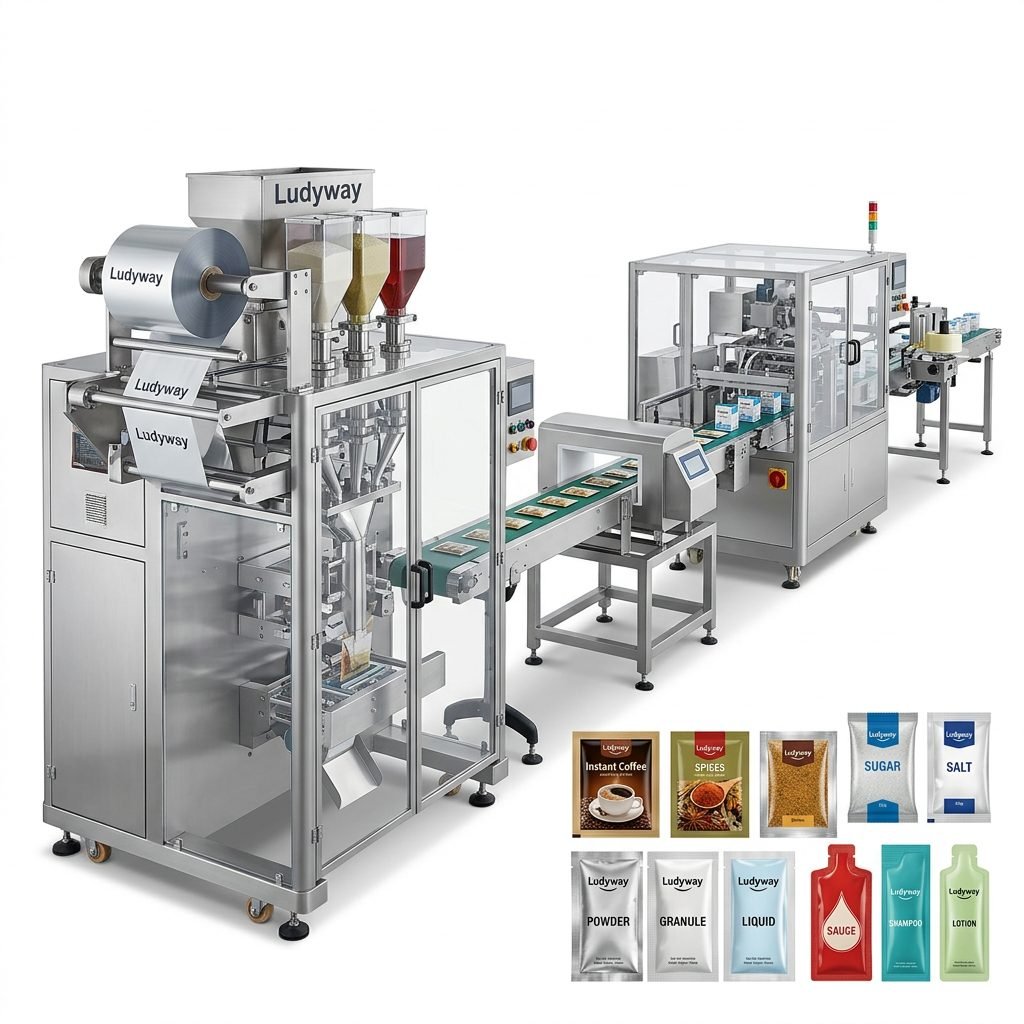
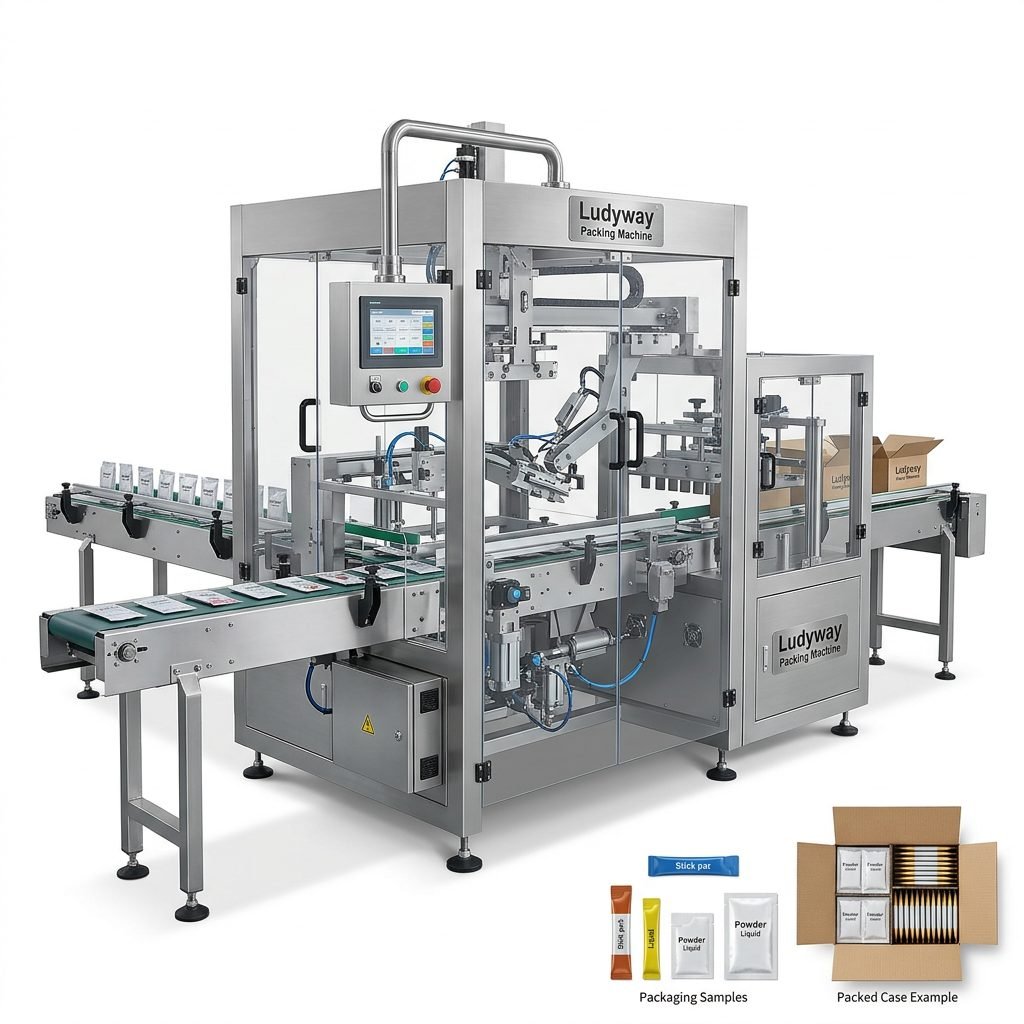
Vertical Form Fill Seal machines are the backbone of modern packaging lines for a vast array of products, including granules, powders, seeds, snacks, and liquids. Their primary function is to automatically form a bag from a roll of packaging film, fill it with a precise amount of product, and then seal it—all in one continuous, vertical operation. The efficiency, speed, and versatility of VFFS machines make them indispensable for achieving high-volume, consistent packaging output.
Core Components and Their Functions
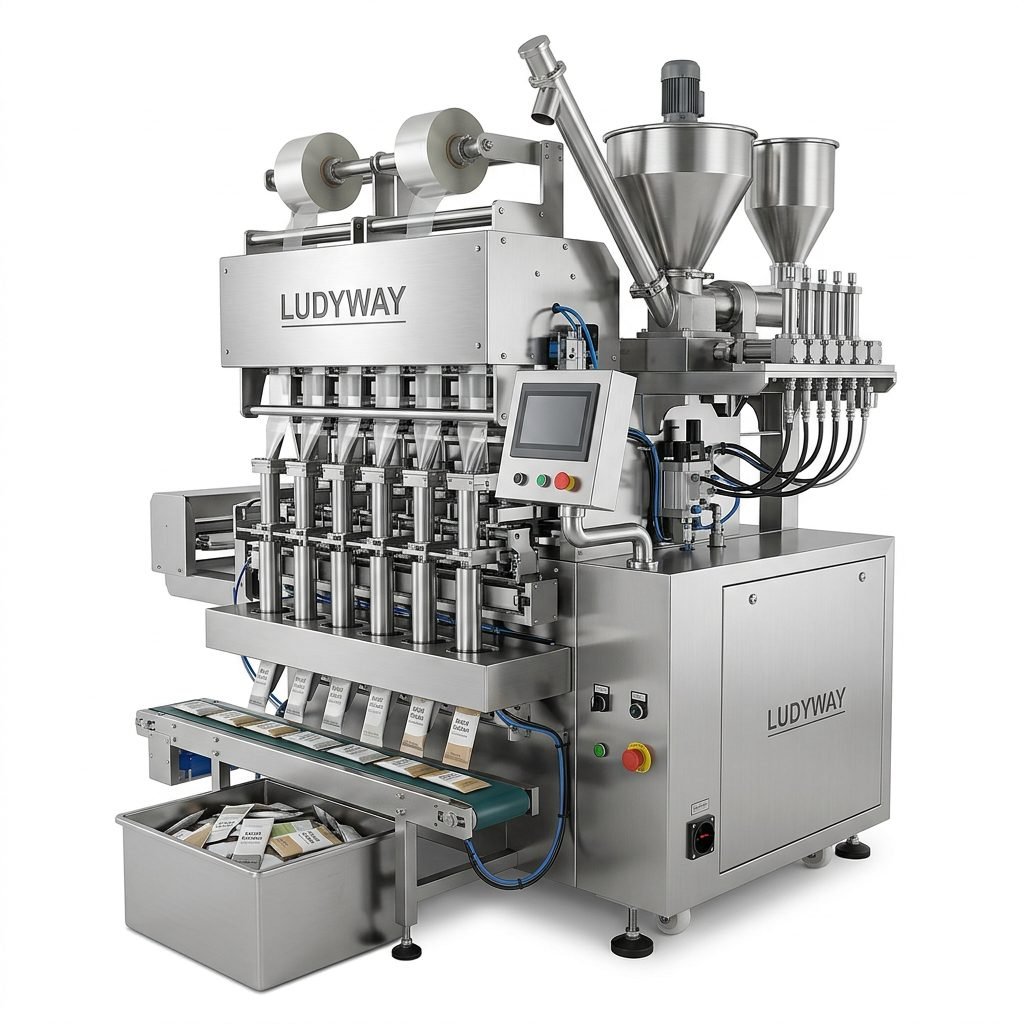
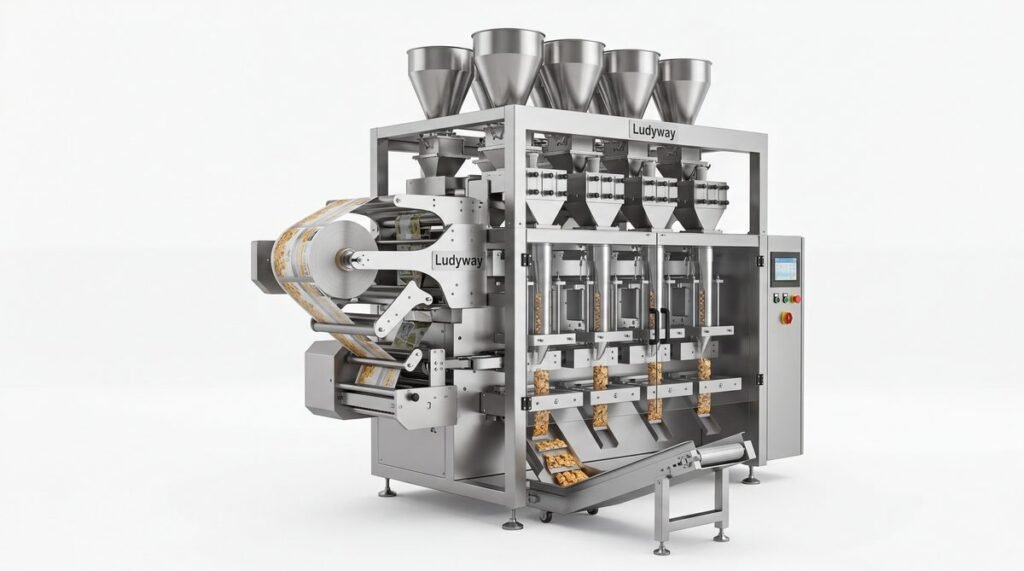
A standard VFFS machine comprises several synchronized subsystems. The film unwinding system feeds the packaging material from a roll. The forming tube and collar shape the flat film into a continuous tube. The longitudinal sealer creates the back seam of the bag. The cross (transverse) sealing jaws simultaneously seal the top of one bag and the bottom of the next while cutting them apart. Finally, the filling system, which can be a auger, volumetric cup, or scale, dispenses the product into the formed tube.
Detailed Specifications of Modern VFFS Machines
When selecting a VFFS machine, understanding its technical specifications is crucial for matching the equipment to your production requirements. Key parameters typically include:
Speed and Capacity
Production speed is measured in bags per minute (BPM). Modern machines can range from 60 to 150+ BPM, depending on the bag size, product type, and level of automation. The machine’s capacity is also defined by the maximum film roll diameter and width it can accommodate.
Bag Size Range
This specifies the minimum and maximum dimensions (length and width) of bags the machine can produce. A wider range offers greater flexibility for packaging different product quantities. Common ranges might be from (L) 50mm – 180mm x (W) 30mm – 120mm.
Film Material Compatibility
VFFS machines are designed to handle various laminates, including PET/PE, OPP/CPP, MET-PET/PE, and paper composites. The sealing jaw temperature control and pressure must be adjustable to suit different materials.
Filling System Accuracy
The choice of filling system directly impacts dosing precision. Auger fillers are ideal for powders and fine granules, volumetric cup fillers for uniform granules, and multi-head weighers for high-speed, high-accuracy snack packaging.
Working Principle: A Step-by-Step Breakdown
The operation of a VFFS machine is a marvel of mechanical synchronization. The process can be broken down into a continuous cycle:
1. Film Feeding & Forming: The packaging film is drawn over a forming collar and wrapped around a vertical forming tube, creating a cylindrical shape.
2. Longitudinal Sealing: The overlapping edges of the film are sealed together by a heated vertical seal bar, creating a continuous tube.
3. Product Filling: The measured product is dropped through the forming tube into the waiting bag below, which has been created by the previous transverse seal.
4. Transverse Sealing & Cutting: The heated cross-sealing jaws close, simultaneously sealing the top of the filled bag and the bottom of the next bag being formed. A cutting mechanism within the jaws separates the two bags.
5. Discharge: The finished, sealed bag is released onto a conveyor or collection chute, and the cycle immediately repeats.
Accessing Your VFFS Machine Guide PDF & Downloadable Manual
A well-structured manual is vital for safe operation, routine maintenance, and troubleshooting. Our comprehensive VFFS Packaging Machine Guide PDF includes detailed electrical diagrams, parts lists, maintenance schedules, and calibration procedures. To ensure you have the correct manual for your specific model, it is essential to refer to the machine’s unique model number and serial plate. For detailed guides and technical documentation from experienced providers, you can explore resources from packaging machinery experts who offer in-depth support.
⚠️ Important Safety Note
Before attempting any operation, maintenance, or consulting the manual, always ensure the machine is completely powered off and locked out (LOTO procedure). Never bypass safety guards or interlocks. The manual contains critical safety warnings that must be read and understood by all operating personnel.
For businesses seeking reliable and innovative packaging solutions, partnering with a manufacturer with a strong track record is key. Companies like Ludyway Machinery, with decades of industry experience, provide not only robust equipment but also the essential documentation and support. Their expertise in turnkey production solutions ensures that your VFFS machine integrates seamlessly into your overall line.
Frequently Asked Questions (FAQs)
Q1: What is the main difference between a VFFS and an HFFS machine?
A: VFFS (Vertical Form Fill Seal) machines form bags vertically from a single roll of film, ideal for free-flowing products. HFFS (Horizontal Form Fill Seal) machines typically use pre-made pouches or form bags horizontally, often better suited for irregularly shaped or fragile items that require careful placement.
Q2: How can I improve the seal integrity on my VFFS machine?
A: Seal integrity depends on three main factors: Temperature, Pressure, and Dwell Time. Ensure your sealing jaws are clean, evenly heated, and applying consistent pressure. Adjust parameters based on the specific film material. Contamination from product dust or grease is a common cause of seal failure.
Q3: What routine maintenance is critical for a VFFS machine?
A: Daily cleaning of product contact parts and sealing jaws is essential. Weekly, check and lubricate moving parts as per the manual. Monthly, inspect wear items like sealing jaw Teflon covers, cutting blades, and film pull belts for damage and replace them as needed to prevent downtime.
Q4: Can one VFFS machine handle vastly different product types?
A: While versatile, significant product changes (e.g., from fine powder to large granules) often require a changeover of the filling system (e.g., swapping an auger for volumetric cups). Quick-changeover designs and having dedicated tooling for different products can minimize switchover time.
Q5: Where can I find genuine spare parts and technical support?
A: Always source parts from the original equipment manufacturer (OEM) or their authorized distributors to ensure compatibility and quality. Reputable suppliers, such as those providing advanced packaging equipment, offer reliable technical support and genuine spare parts to maintain your machine’s performance and longevity.