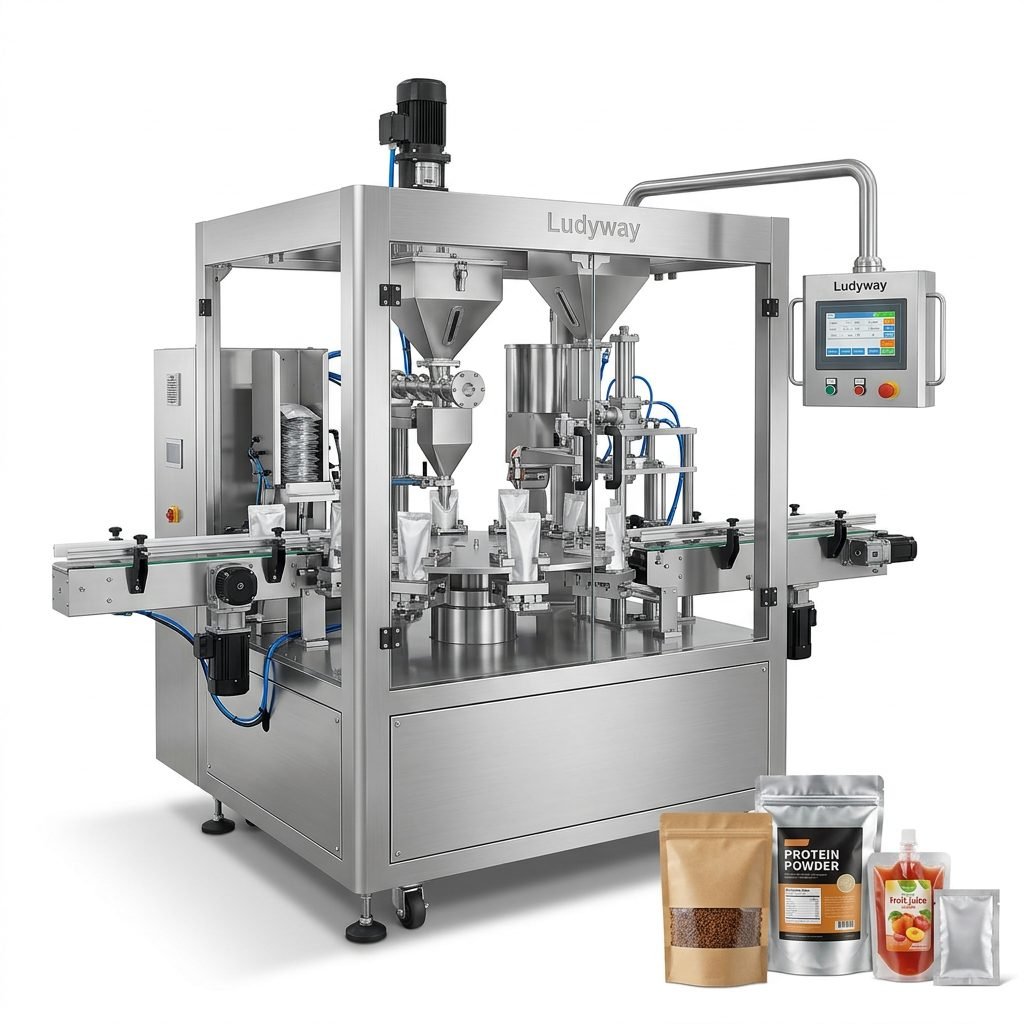
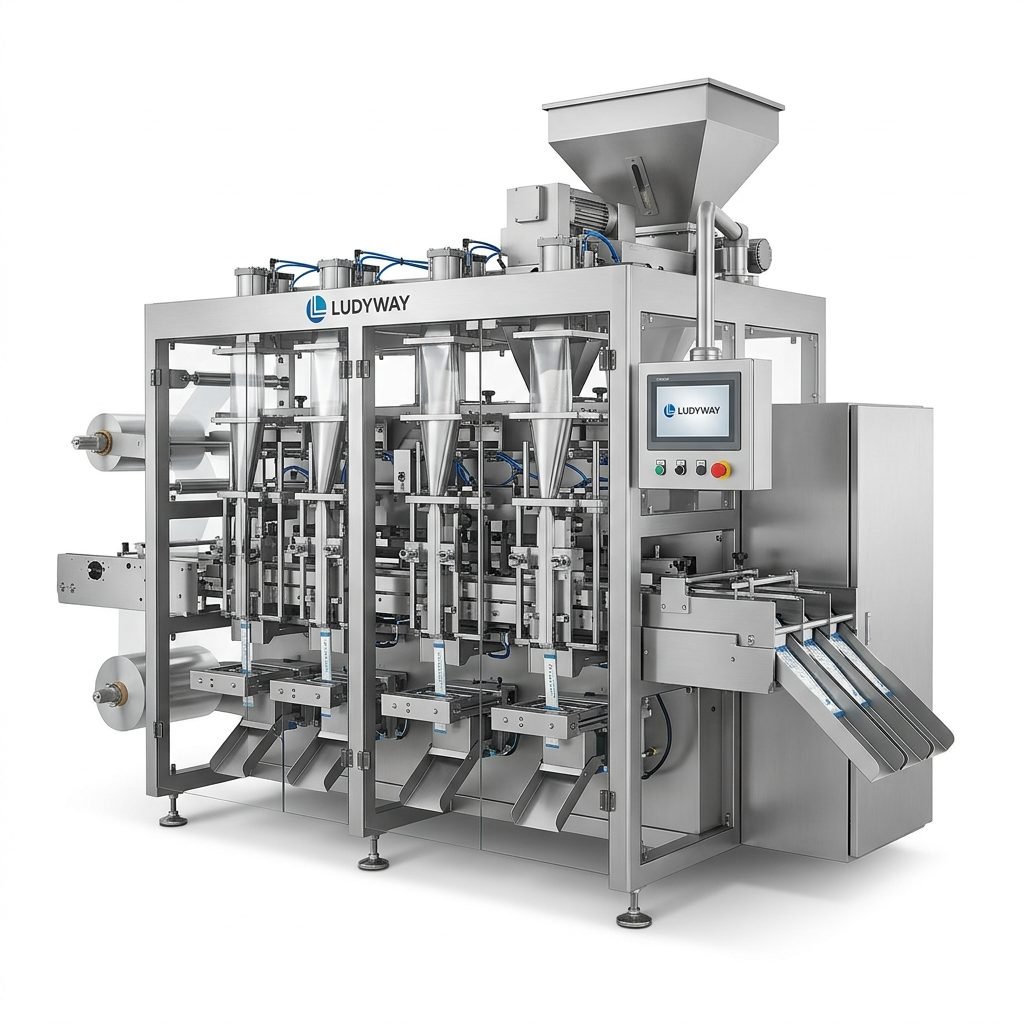
Modern manufacturing depends on packaging systems that can do far more than simply place products into bags or pouches. Today’s production lines must deliver consistent wrapping, reliable sealing, precise dosing, fast changeovers, and scalable automation across food, pharmaceutical, cosmetic, chemical, and consumer goods industries.
Businesses that invest in the right packaging machinery often gain measurable advantages in productivity, labor efficiency, packaging accuracy, product protection, and final shelf appearance. Whether you are packing powders, granules, liquids, pastes, or premade pouches, the right machinery configuration can significantly reduce waste while improving output quality.
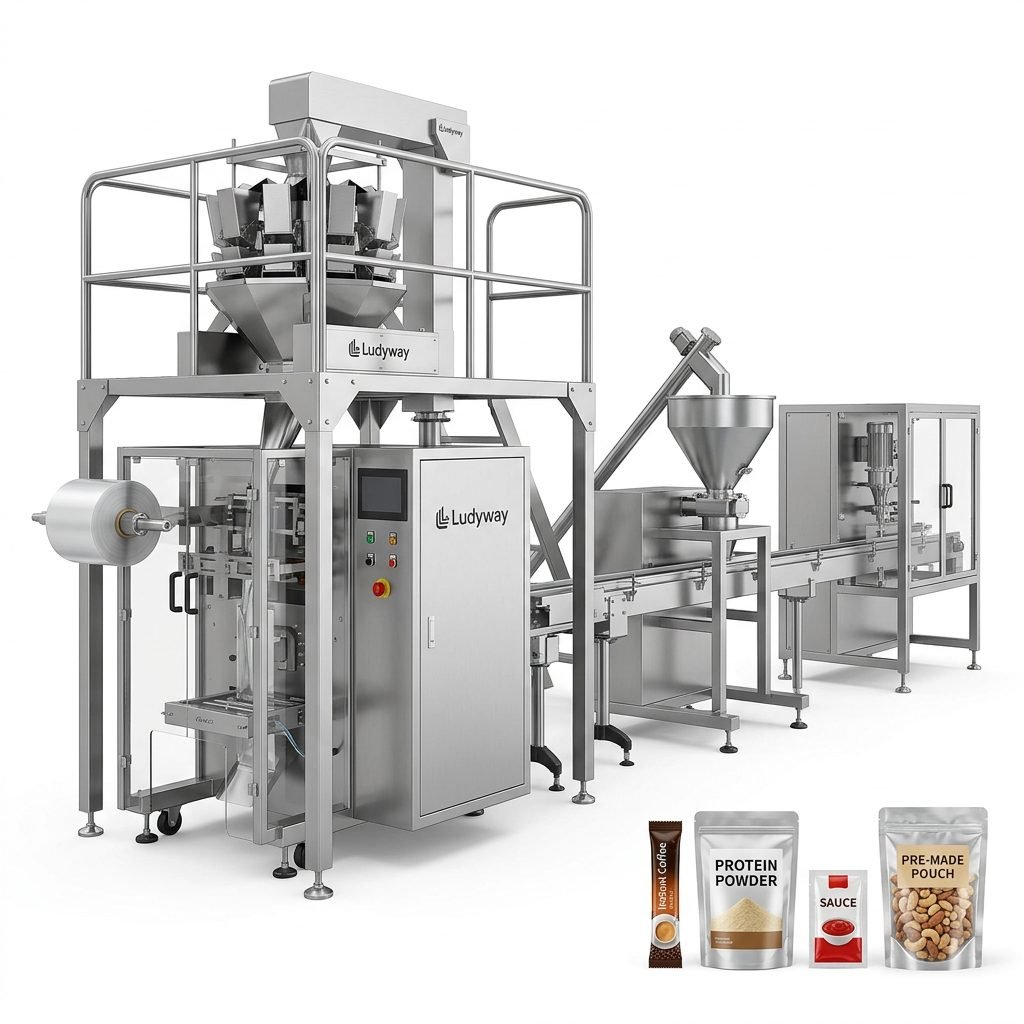
Why Efficient Packaging Machinery Matters
An efficient packaging solution is not only about speed. It is about creating a stable process from product feeding to final discharge. A well-designed system helps manufacturers:
- Reduce manual intervention and labor intensity
- Improve seal strength and package integrity
- Maintain accurate fill weights and dosage consistency
- Support continuous high-volume production
- Minimize material waste and rework
- Meet hygiene, safety, and industry compliance requirements
For growing factories, packaging automation also improves planning flexibility. It becomes easier to run multiple SKUs, adapt to retail or bulk formats, and maintain stable output during seasonal demand peaks.
Core Packaging Functions: Wrapping, Sealing, and Automated Packing
Product Wrapping
Wrapping systems are used to enclose products securely for protection, branding, and downstream handling. Depending on the product type, wrapping may involve film forming, pouch making, flow wrapping, or bundled outer wrapping. Good wrapping performance ensures clean presentation and supports transport stability.
Sealing Performance
Sealing is one of the most critical functions in any packaging process. Weak or inconsistent seals can lead to leakage, contamination, spoilage, and customer complaints. Advanced sealing systems are designed to provide controlled temperature, pressure, and dwell time for different film structures and product characteristics.
Automated Packing
Automated packing combines feeding, dosing, filling, bag forming, sealing, coding, inspection, cartoning, and end-of-line handling into a streamlined system. This reduces bottlenecks and helps manufacturers create a more predictable production environment.
Packaging Machine Types Commonly Used in Modern Production
The ideal machine depends on product form, required output, package style, and plant layout. Below is a practical overview of common equipment categories.
| Machine Type | Best For | Key Advantages |
|---|---|---|
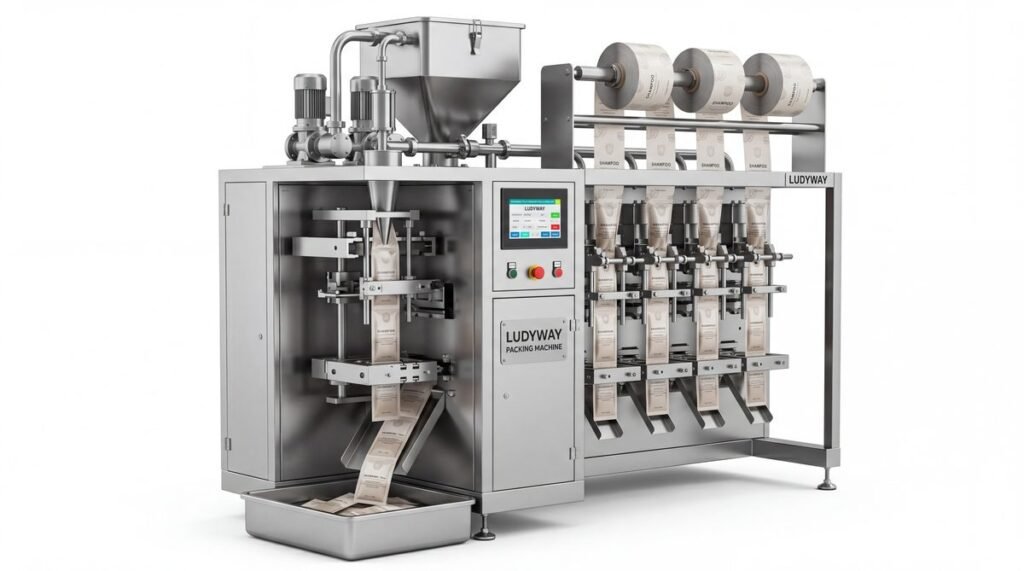
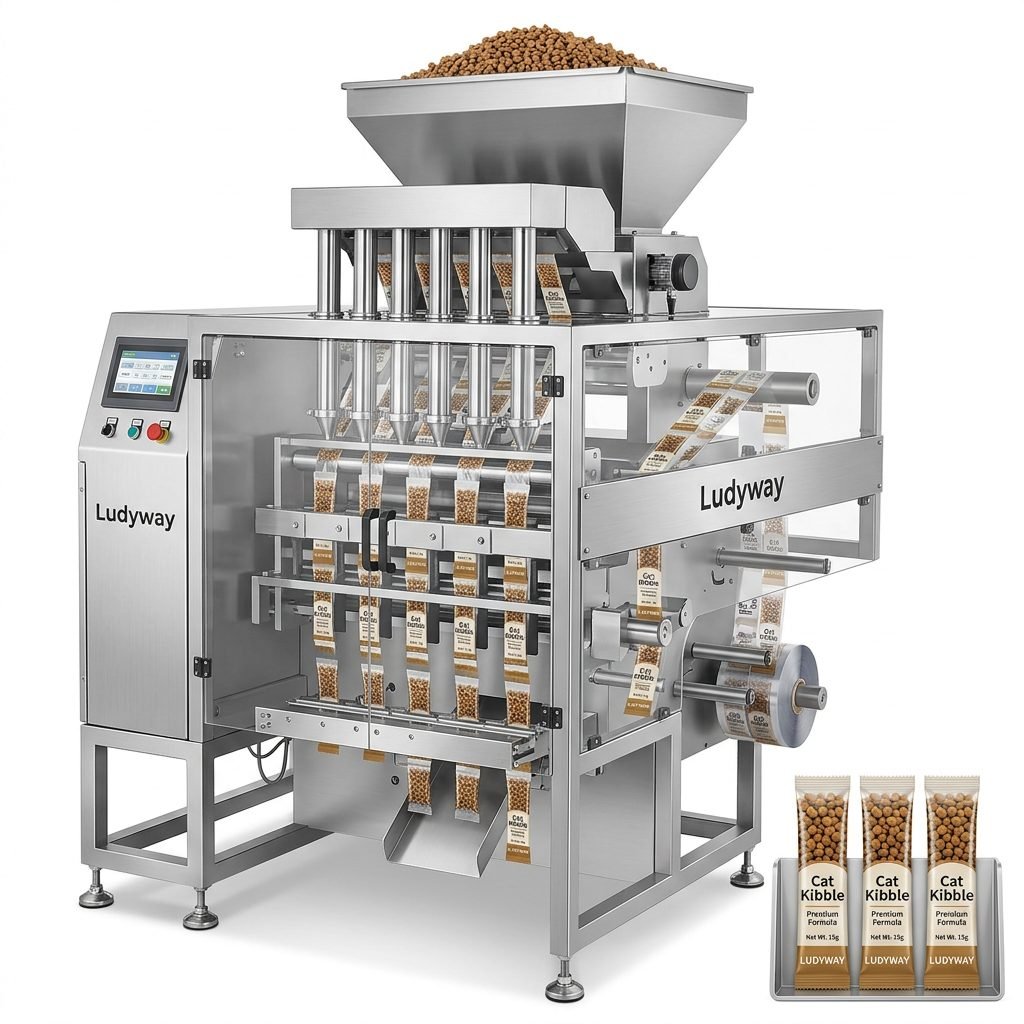
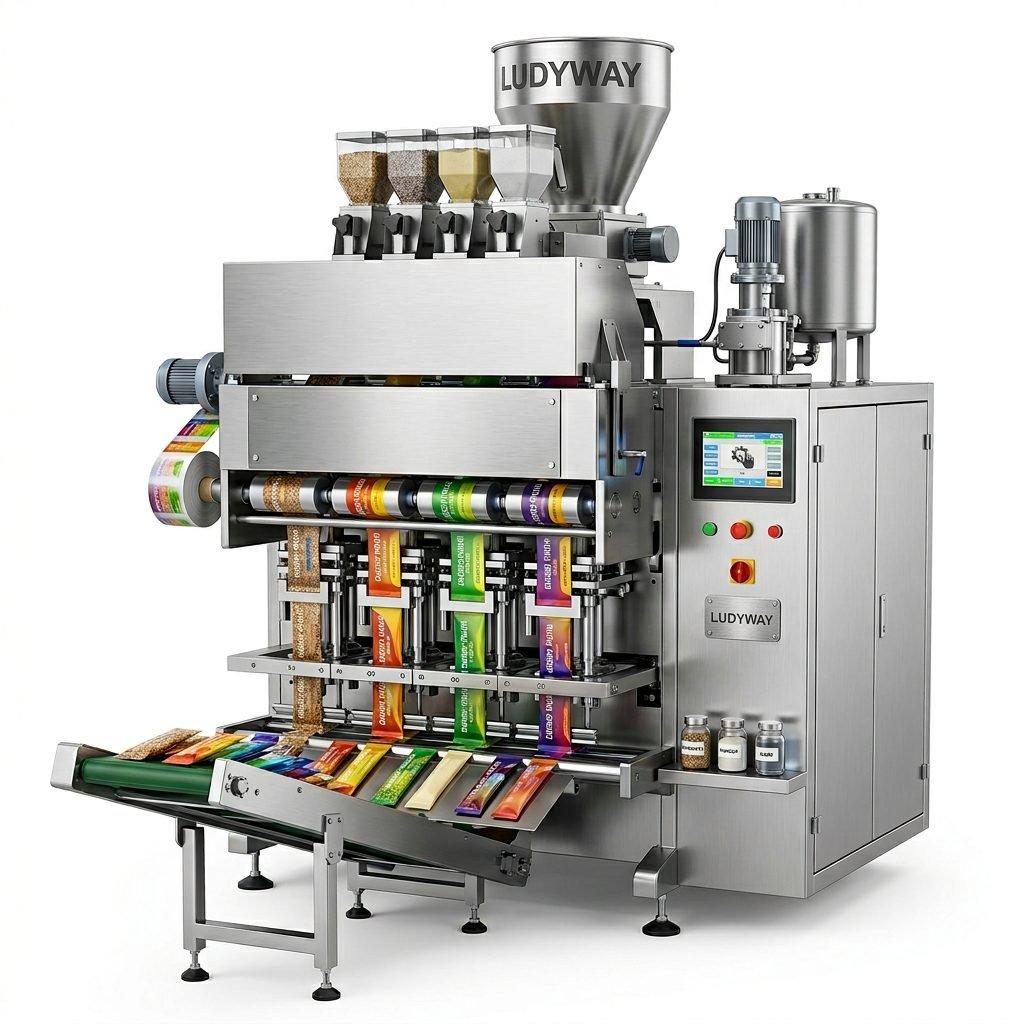
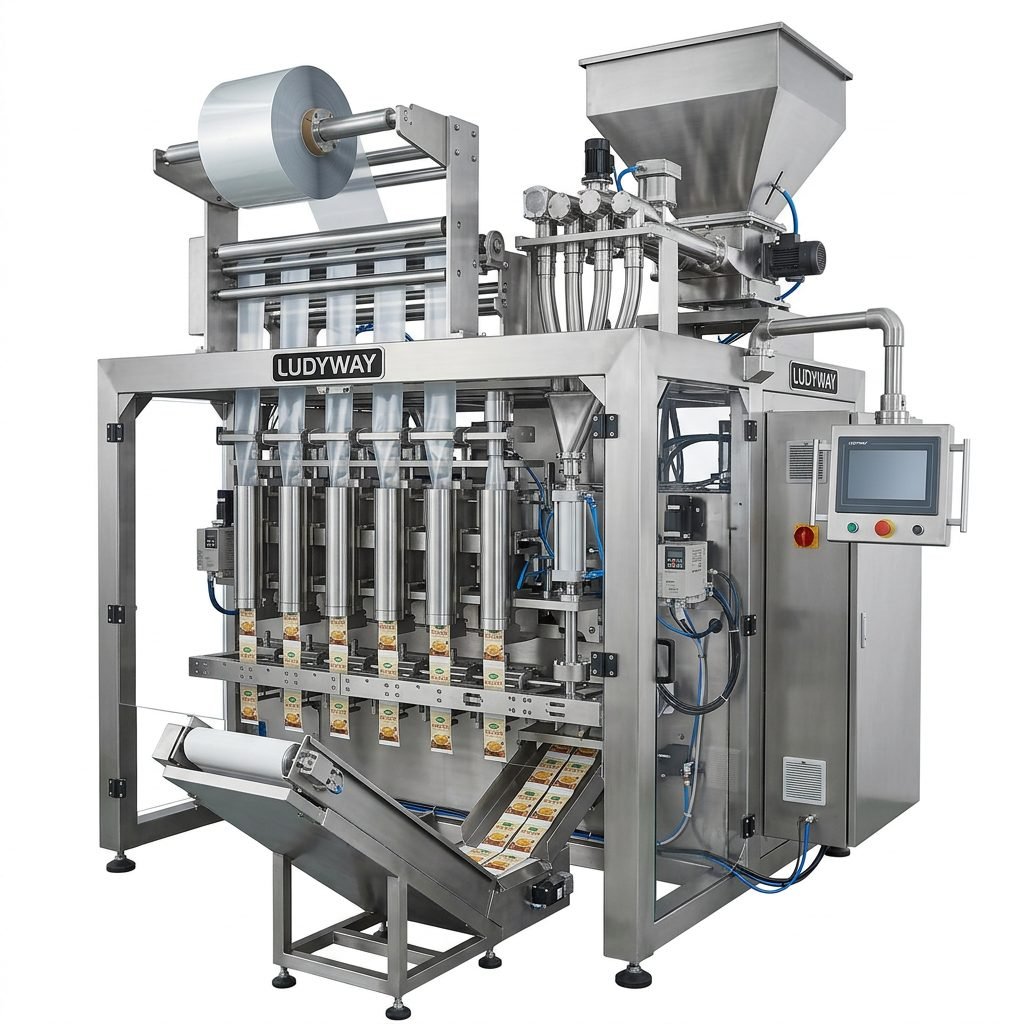
| Multi-lane stick pack machines | Powders, granules, liquids, supplements | High speed, compact packs, strong retail convenience |
| Sachet packing machines | Single-dose and sample-size products | Flexible formats, accurate filling, efficient sealing |
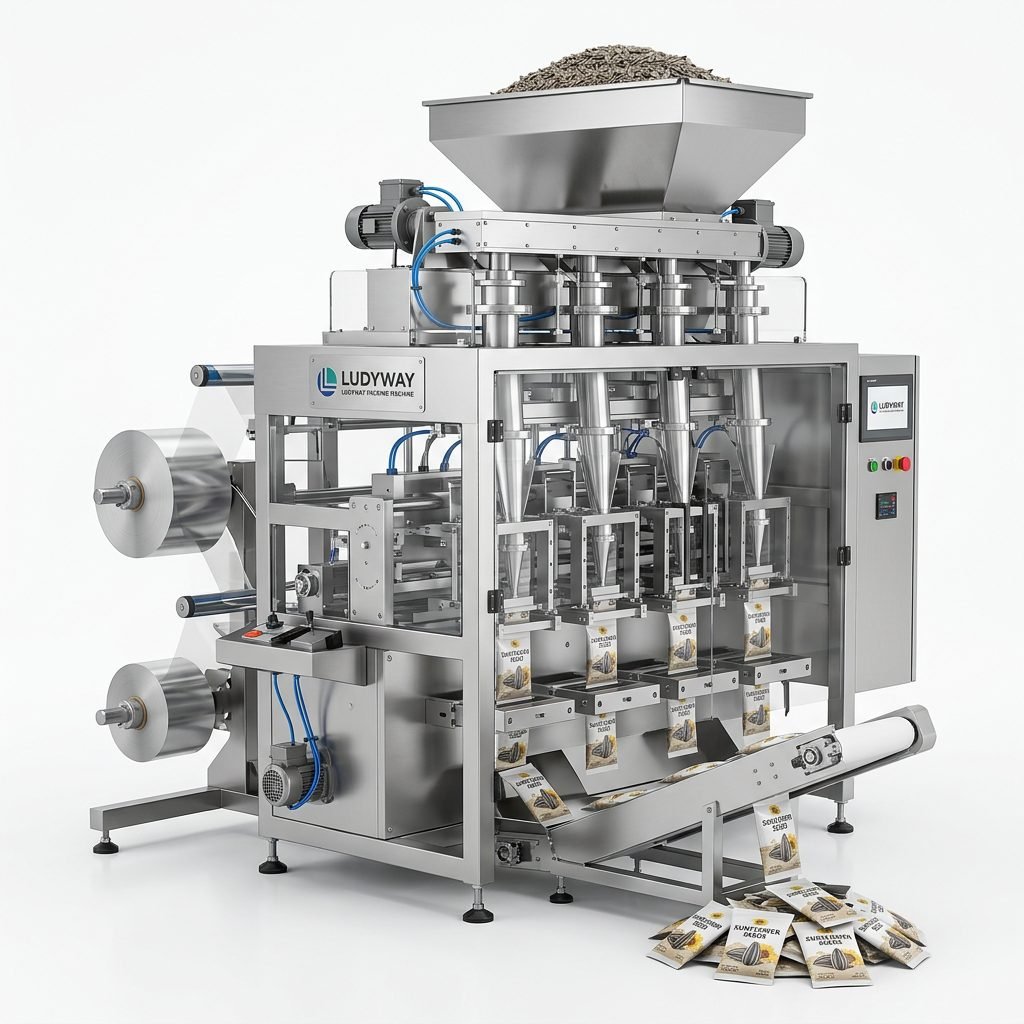
| Vertical packaging systems | Granules, powders, snacks, seeds | Versatility, space efficiency, scalable throughput |
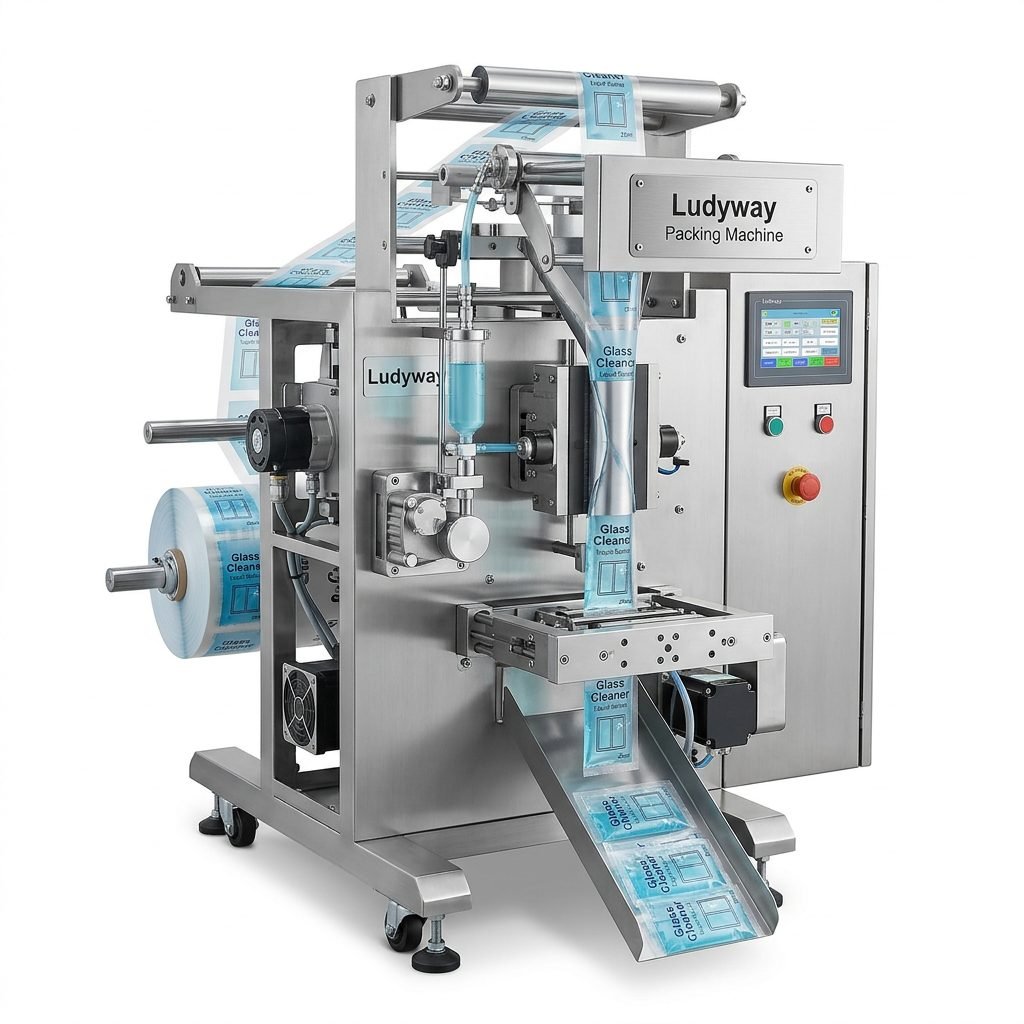
| Liquid and paste filling-sealing machines | Sauces, oils, gels, creams, detergents | Precise dosing, leak control, neat package appearance |
| Premade pouch systems | Premium products and flexible pouch formats | Strong branding presentation, convenient consumer use |
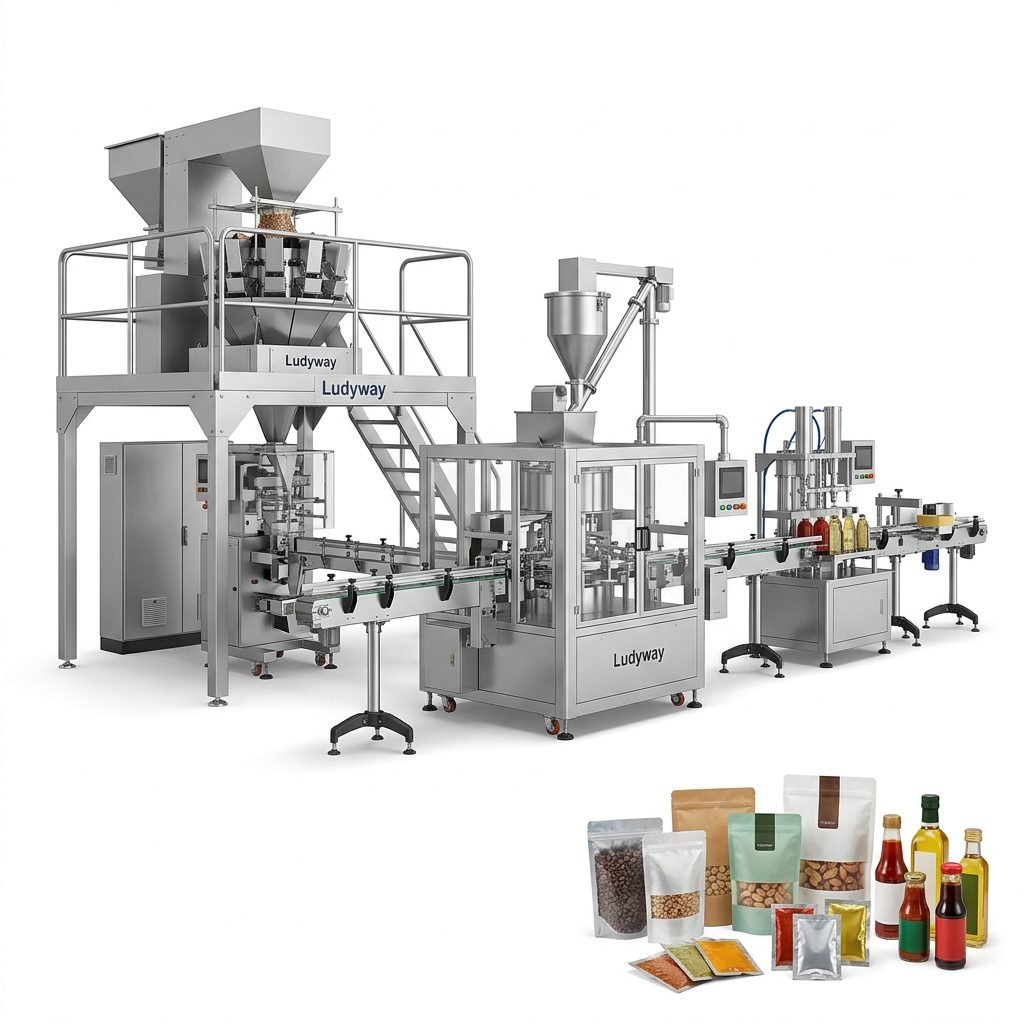
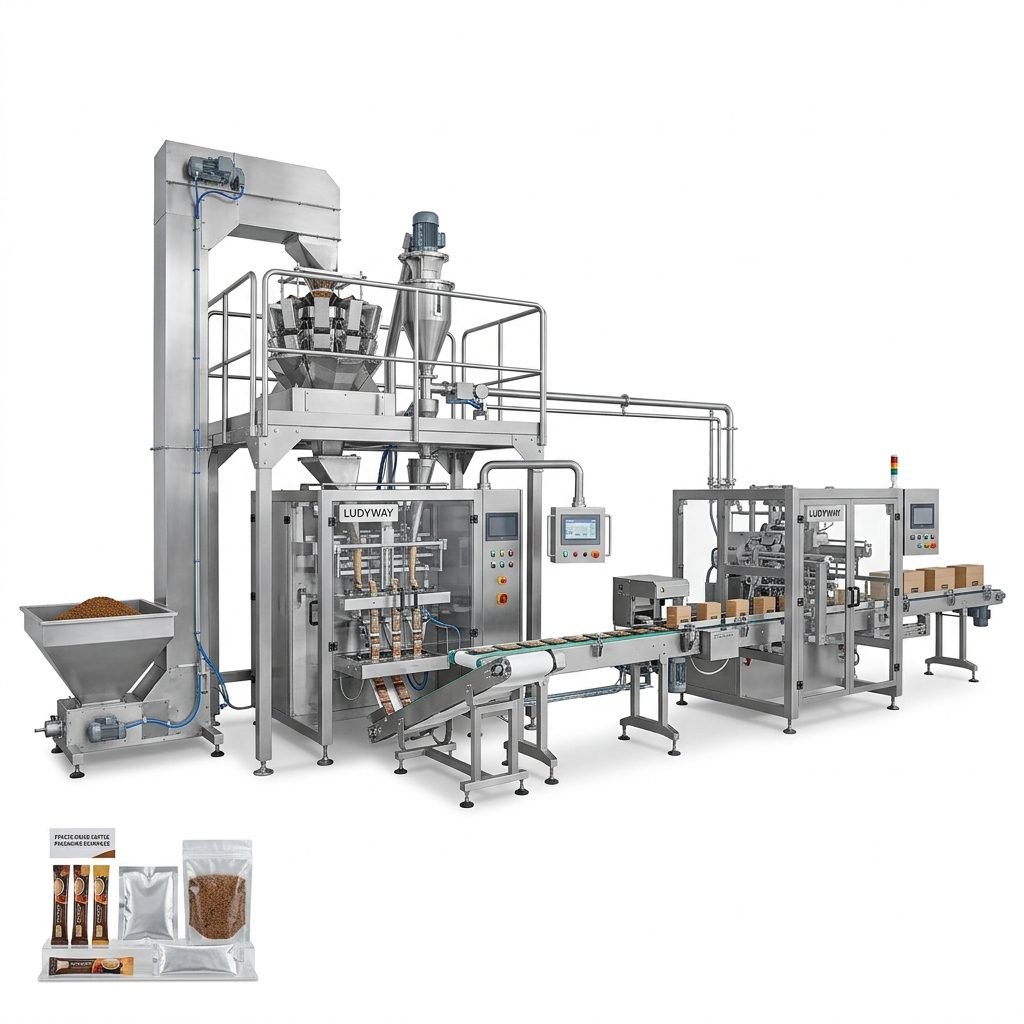
| Turnkey packaging lines | Integrated automated production | Full-line coordination, less downtime, better line control |
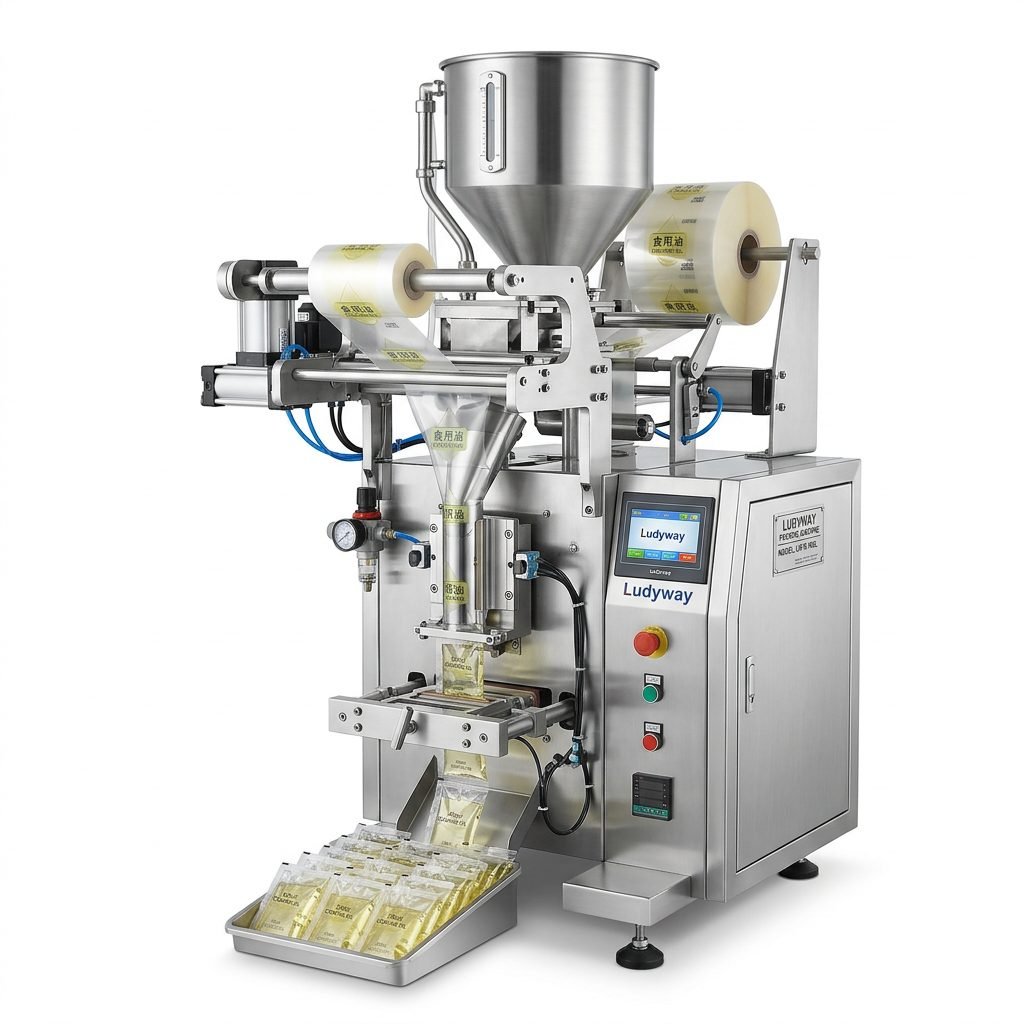
How to Choose the Right Packaging Machinery
Selecting the right equipment involves more than reviewing speed data. A successful packaging project should consider the full operating environment.
1. Product Characteristics
- Is the product a powder, granule, liquid, or paste?
- Does it flow easily or bridge during feeding?
- Is it sensitive to moisture, oxygen, or contamination?
- Does it require hygienic or sterile handling?
2. Packaging Format
- Sachet, stick pack, pouch, bottle, carton, or bulk bag
- Single-serve, retail pack, institutional pack, or industrial bagging
- Required sealing style and tear convenience
3. Output Requirements
The machine should match both current capacity and future expansion goals. A line designed only for today’s demand may become a bottleneck quickly. Many manufacturers benefit from modular systems that allow staged upgrades.
4. Automation Level
Some businesses need a standalone machine, while others require a complete system with conveyors, elevators, coding devices, checkweighers, metal detection, case packing, and palletizing. The right automation level should balance investment, labor savings, and long-term output goals.
5. Cleaning and Maintenance
For food, pharmaceutical, and health products, easy cleaning is essential. Equipment with accessible contact parts, hygienic design, and simplified maintenance helps reduce downtime and supports compliance.
Benefits of Integrated Turnkey Packaging Lines
Many manufacturers are moving beyond single machines and choosing integrated lines. This approach helps synchronize every process step, from bulk feeding to final packed goods handling.
- Better line efficiency: Machines are engineered to work together instead of being retrofitted from mixed suppliers.
- Reduced transfer losses: Product movement between stages is more controlled.
- Simplified project management: Fewer coordination issues during installation and commissioning.
- Improved data visibility: Integrated controls support easier monitoring and troubleshooting.
- Greater scalability: Future upgrades are easier when the line is designed as a complete system.
For businesses with multiple SKUs or diversified product portfolios, turnkey solutions are especially valuable because they allow packaging automation to grow with changing market needs.
Industry Applications for Advanced Packaging Equipment
Food Industry
Food packaging machinery is widely used for coffee, sugar, spices, snack products, seasoning powders, sauces, oils, grains, baking ingredients, pet food, and frozen or dried products. Key priorities include hygiene, sealing reliability, product freshness, and attractive packaging presentation.
Pharmaceutical and Health Supplement Industry
Pharmaceutical packaging requires precision, consistency, and regulatory awareness. Granules, powders, tablets, oral liquids, and medical consumables often need exact dosing and dependable sealing to protect efficacy and safety.
Cosmetic and Personal Care Industry
Creams, lotions, serums, shampoos, gels, and sample sachets benefit from automated filling and sealing systems that support leak-free packaging and high-quality shelf appeal.
Chemical and Industrial Products
Chemical packaging machinery is designed for powders, granules, cleaning products, additives, lubricants, and other industrial materials. These applications often require robust construction, controlled filling, dust management, and durable seals.
Key Features to Look for in High-Performance Packaging Machinery
| Feature | Why It Matters |
|---|---|
| Servo-driven control | Improves accuracy, speed stability, and changeover consistency |
| Intelligent HMI interface | Simplifies operation, recipe storage, and troubleshooting |
| Precision dosing system | Helps maintain fill weight consistency and reduce giveaway |
| Reliable sealing module | Protects product integrity and minimizes leakage risk |
| Quick-change tooling | Supports fast SKU changes and flexible production |
| Modular integration | Allows future expansion into coding, cartoning, and palletizing |
Reducing Downtime Through Smarter Packaging Design
One of the biggest cost drivers in packaging operations is unplanned downtime. Smarter machinery design helps reduce this through better film tracking, stable feeding, easy-to-access maintenance points, automated alarms, and synchronized machine control. When evaluating equipment, buyers should ask not only how fast a machine runs, but how consistently it performs over full production shifts.
A dependable machine with slightly lower maximum speed may deliver better real-world output than a faster machine that stops frequently. In practice, stability often creates more value than headline speed alone.
Customization for Different Packaging Projects
No two factories are exactly alike. Packaging machinery frequently needs to be customized around:
- Product density and flowability
- Target bag or pouch dimensions
- Required packaging material structure
- Available installation space
- Integration with existing upstream and downstream equipment
- Regional compliance and export market expectations
This is why many buyers prefer manufacturers that can provide both standalone machines and complete production line engineering support.
A Reliable Manufacturing Partner for Packaging Automation
For companies seeking scalable wrapping, sealing, and automated packing equipment, Ludyway packaging machinery solutions offer strong value for food, pharmaceutical, health supplement, cosmetic, chemical, and related industries. With more than 30 years of manufacturing experience, a factory exceeding 20,000 square meters, and export coverage across more than 100 countries and regions, the company is recognized for broad machine selection, customized engineering capability, and turnkey line support.
Final Considerations Before Investing
Before selecting a packaging machine or complete line, buyers should confirm several project details:
- Expected hourly and daily output
- Product sample behavior during filling and sealing tests
- Packaging material compatibility
- Required package appearance and shelf performance
- Future expansion and SKU flexibility
- After-sales support, spare parts access, and technical service responsiveness
The right packaging machinery investment should support long-term efficiency, not just immediate production needs. When wrapping, sealing, and automated packing are engineered as a complete process, manufacturers are better positioned to improve quality, reduce waste, and compete more effectively in demanding global markets.