In today’s fast-paced manufacturing environment, selecting the right packaging machinery is crucial for operational efficiency, product quality, and cost-effectiveness. Among the various options available, Bossar packaging machines have established a strong reputation for reliability and versatility in the packaging industry. This article delves into what a Bossar packaging machine is, its key features, and provides a comprehensive guide on how to choose the perfect model to meet your specific production requirements.
Understanding Bossar Packaging Machines
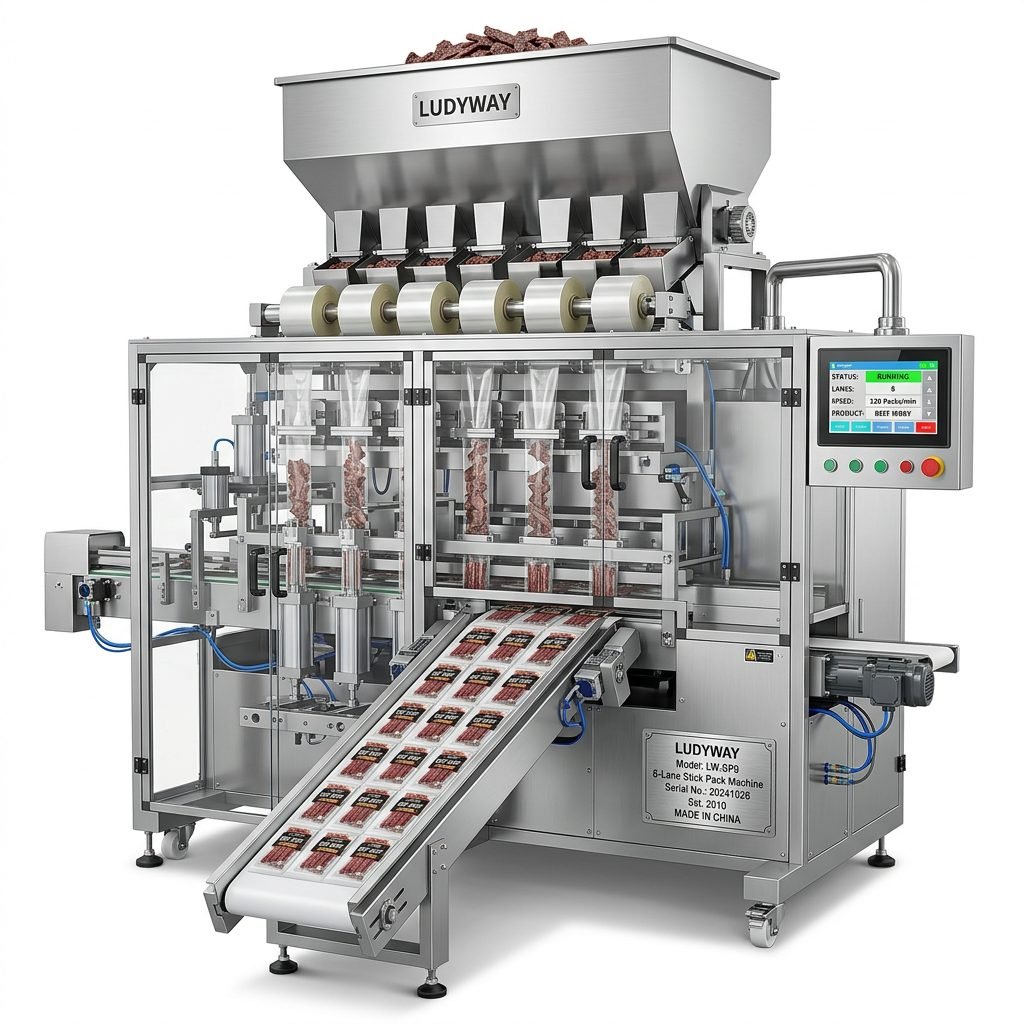
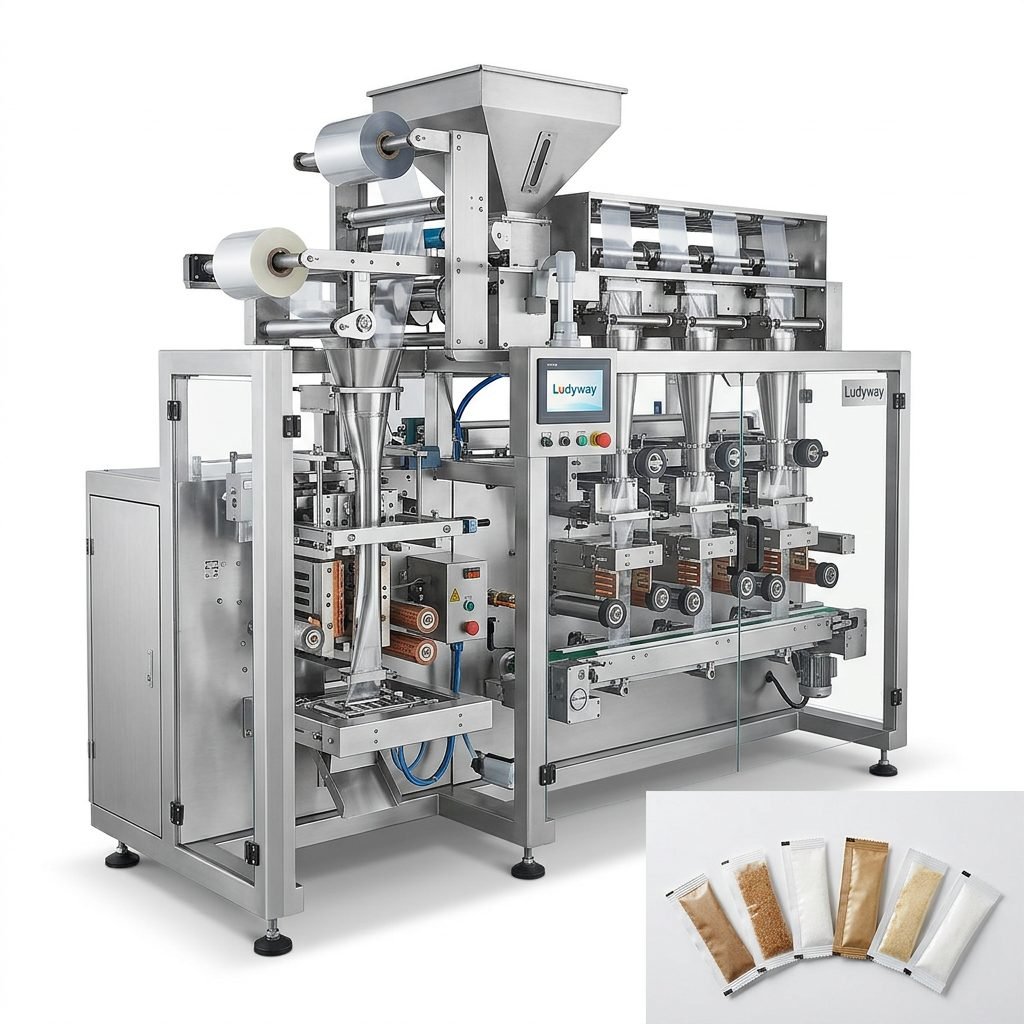
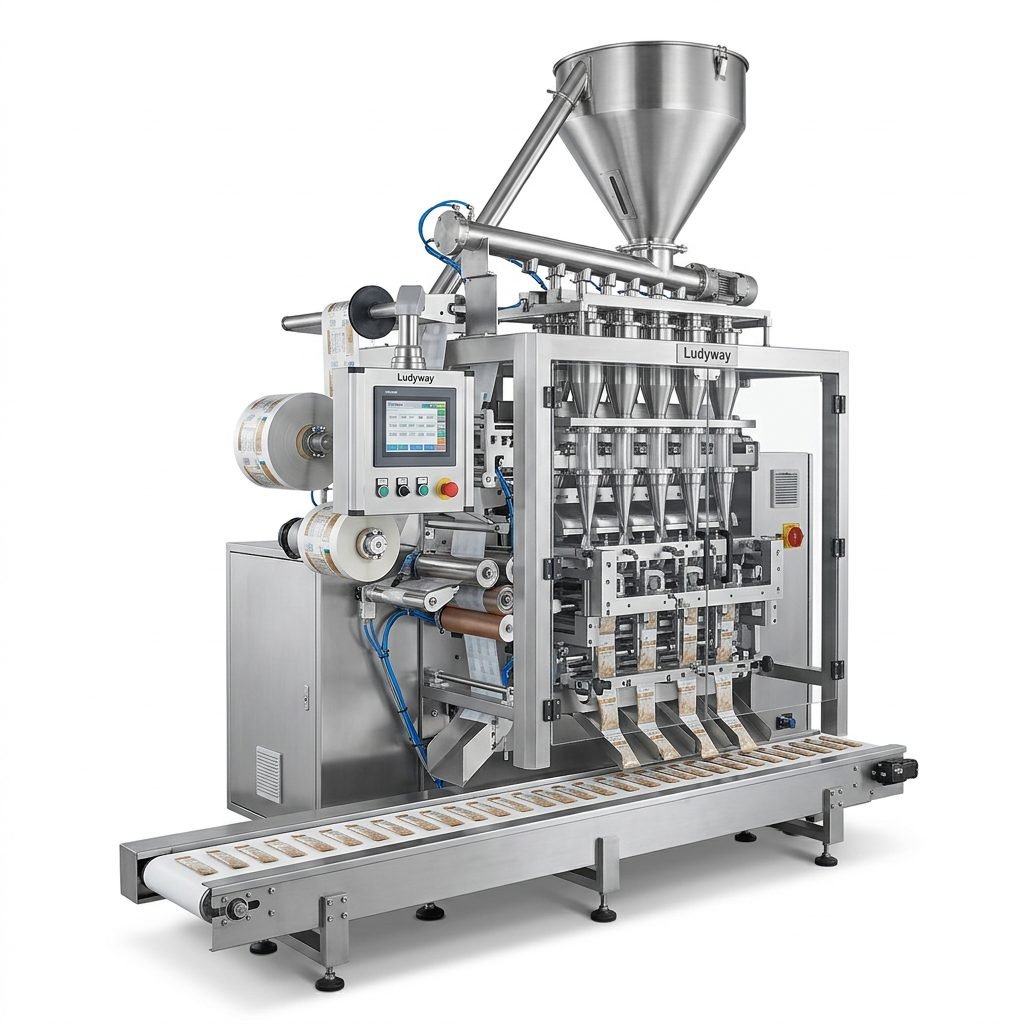
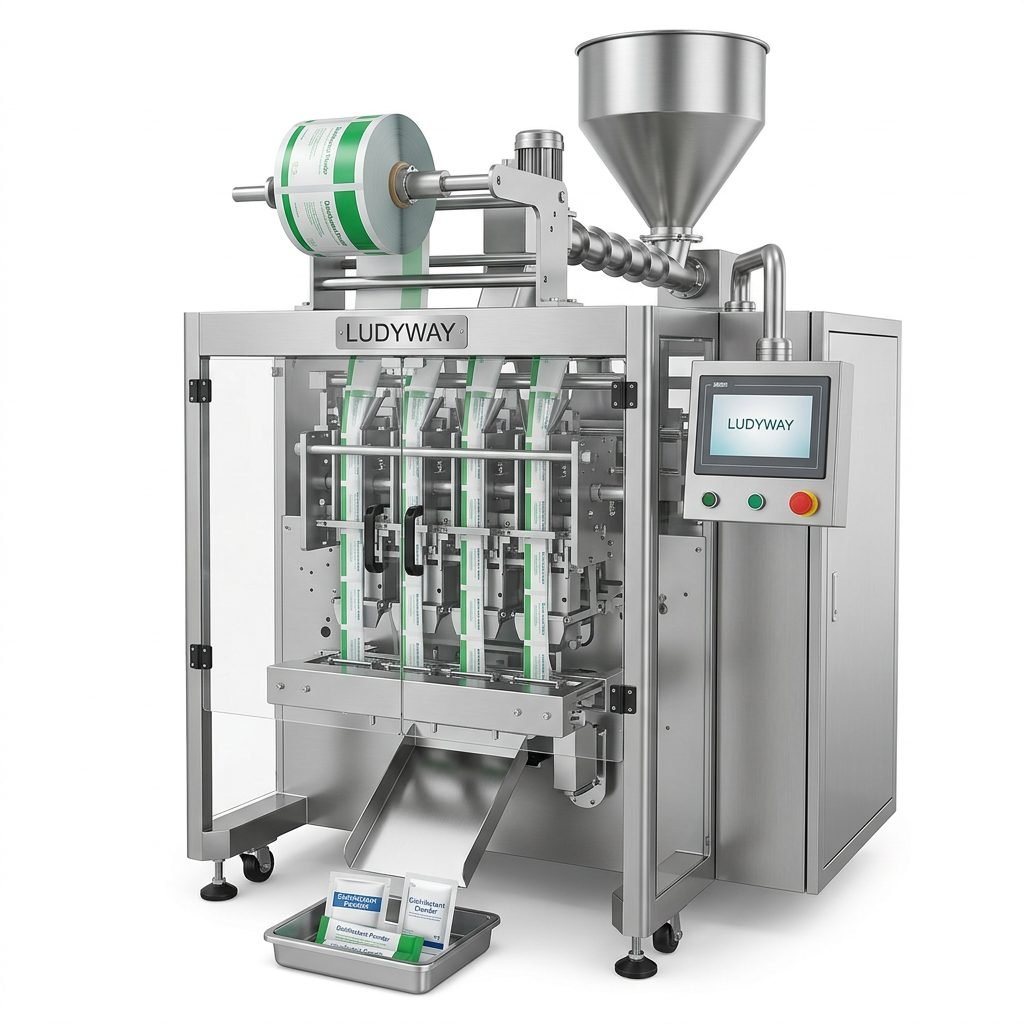
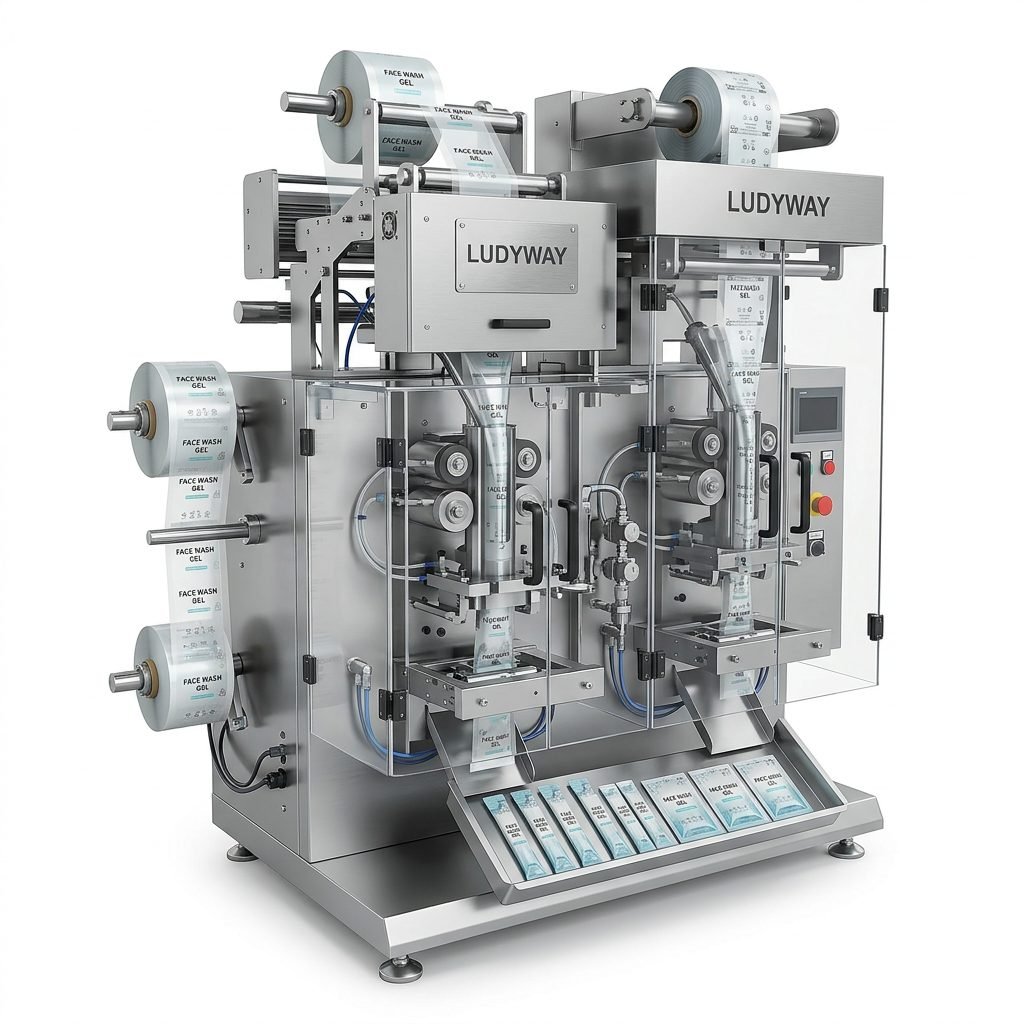
Bossar is a well-known brand in the packaging machinery sector, recognized for its innovative horizontal form-fill-seal (HFFS) machines. These machines are engineered to create pouches from a roll of film, fill them with product, and seal them—all in one continuous, automated process. They are predominantly used for packaging a wide array of products, including food items, pharmaceuticals, cosmetics, and hardware components. The core principle involves forming a tube from a flat roll of packaging material, sealing it longitudinally, filling it with the product, and then making transverse seals to create individual pouches before cutting them apart.
Core Advantages of Bossar Technology
The design philosophy behind Bossar machines emphasizes flexibility, speed, and precision. They can handle various packaging materials, from simple polyethylene to complex multi-layer laminates, and are capable of producing different pouch styles such as pillow bags, gusseted bags, or bags with zippers. This adaptability makes them a cornerstone for businesses looking to scale or diversify their product lines without significant machinery overhaul.
Key Components and Operational Workflow
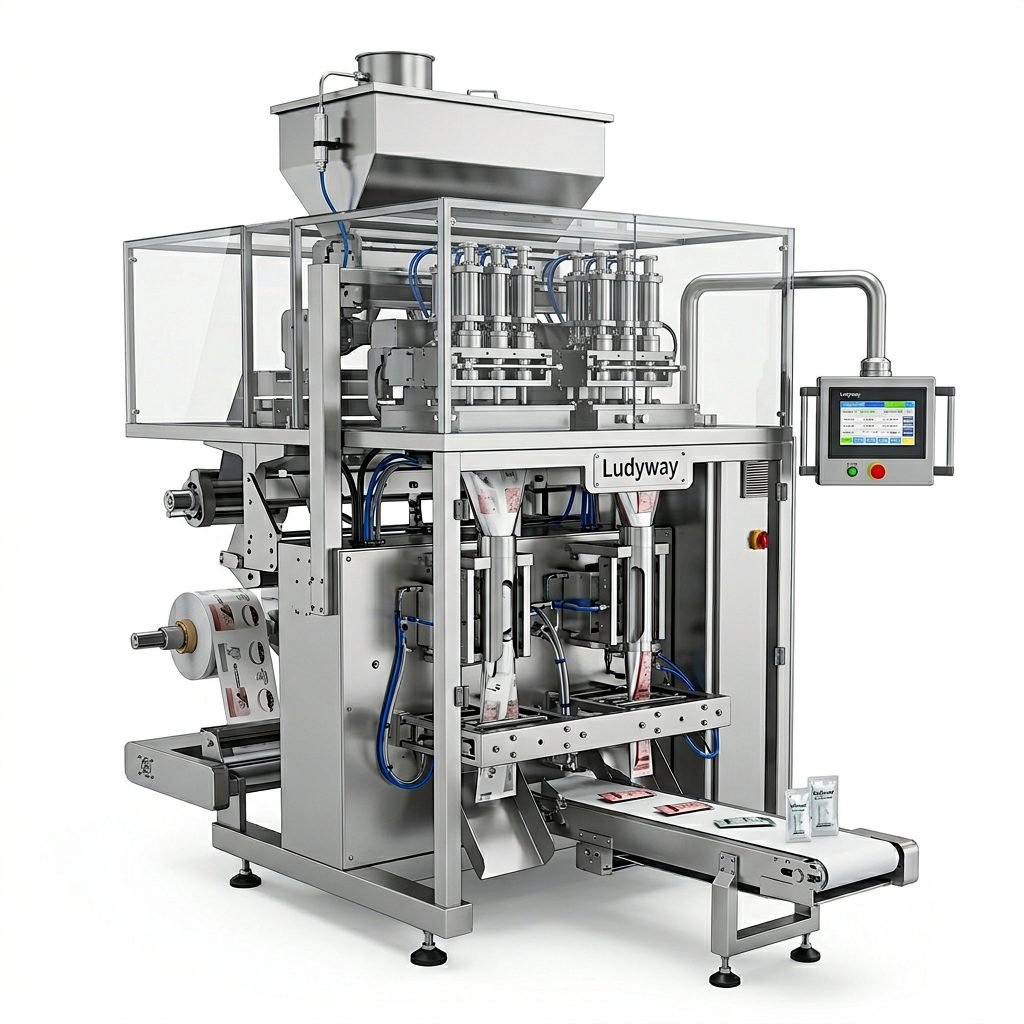
A standard Bossar packaging system comprises several integrated components: the film unwinder, forming shoulder, longitudinal sealer, filling system (which can be volumetric, auger, or scale-based), transverse sealer, and cutting mechanism. The synchronized operation of these parts ensures a smooth production flow. Advanced models often incorporate servo-driven technology for enhanced motion control, resulting in higher accuracy, reduced film waste, and quieter operation compared to traditional mechanical machines.
How to Choose the Right Bossar Model for Your Needs
Selecting the appropriate packaging machine is a strategic decision. A mismatch can lead to production bottlenecks, increased waste, and higher operational costs. Here is a detailed framework to guide your selection process.
Step 1: Analyze Your Product Characteristics
The nature of your product is the primary deciding factor. Consider its physical state (granule, powder, liquid, solid), abrasiveness, flowability, and sensitivity (e.g., to oxygen or moisture). For instance, fine powders require auger fillers with anti-bridging features, while oily snacks might need specialized sealing jaws. Clearly defining your product specs narrows down the suitable machine configurations.
Step 2: Define Your Production Output Goals
Your required production speed, measured in pouches per minute (PPM), directly influences the model choice. Bossar offers machines ranging from standard speeds to high-velocity models. It’s prudent to choose a machine that can handle your peak demand with some overhead for future growth, but avoid over-specifying as it increases initial investment unnecessarily.
💡 Pro Tip: Evaluate your long-term business plan. If you anticipate launching new product formats or sizes, prioritize a model known for quick changeover capabilities and tooling flexibility.
Step 3: Determine Packaging Specifications
What does your final package need to look like? Define the pouch dimensions (length, width), film type, and seal type (e.g., 3-side seal, 4-side seal, back seal). Also, consider any special features like hang holes, tear notches, or resealable zippers. The machine must be compatible with your desired packaging material’s thickness and coefficient of friction.
Step 4: Assess Integration and Automation Needs
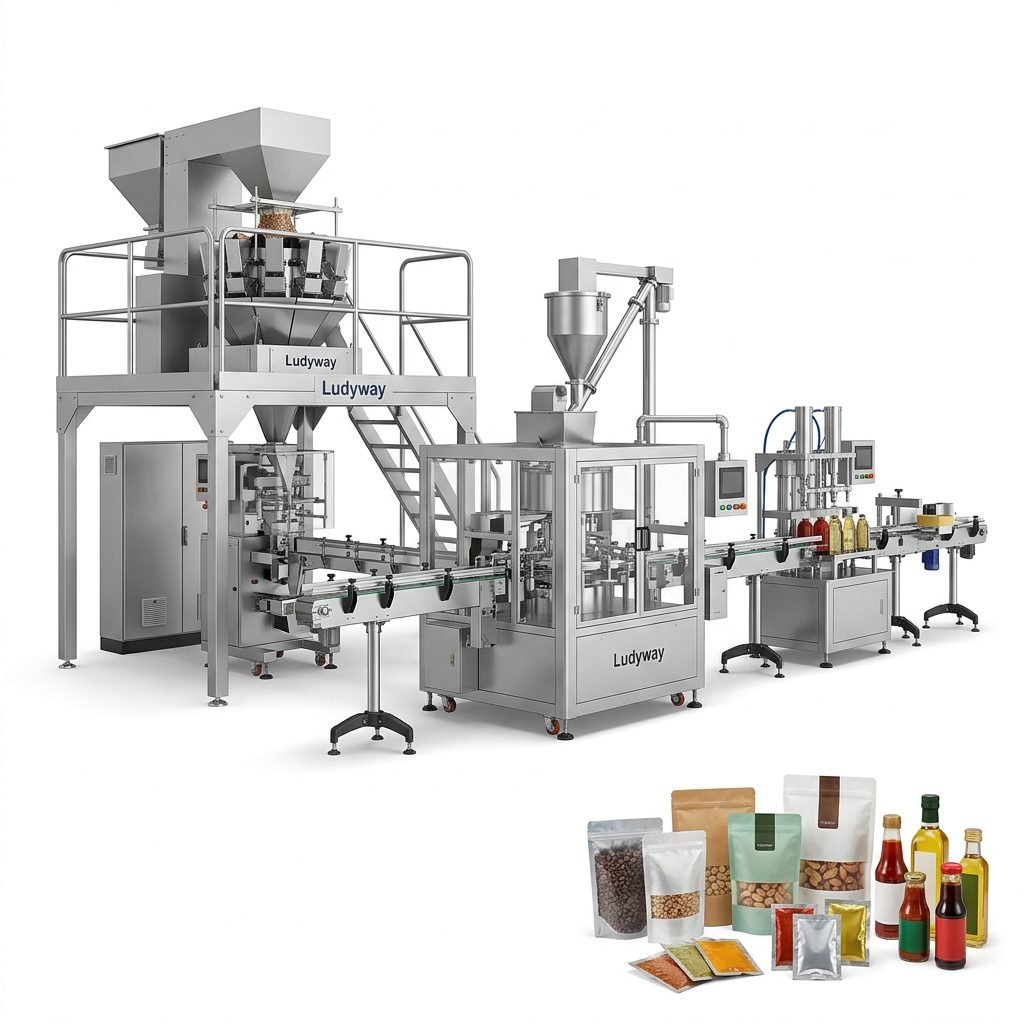
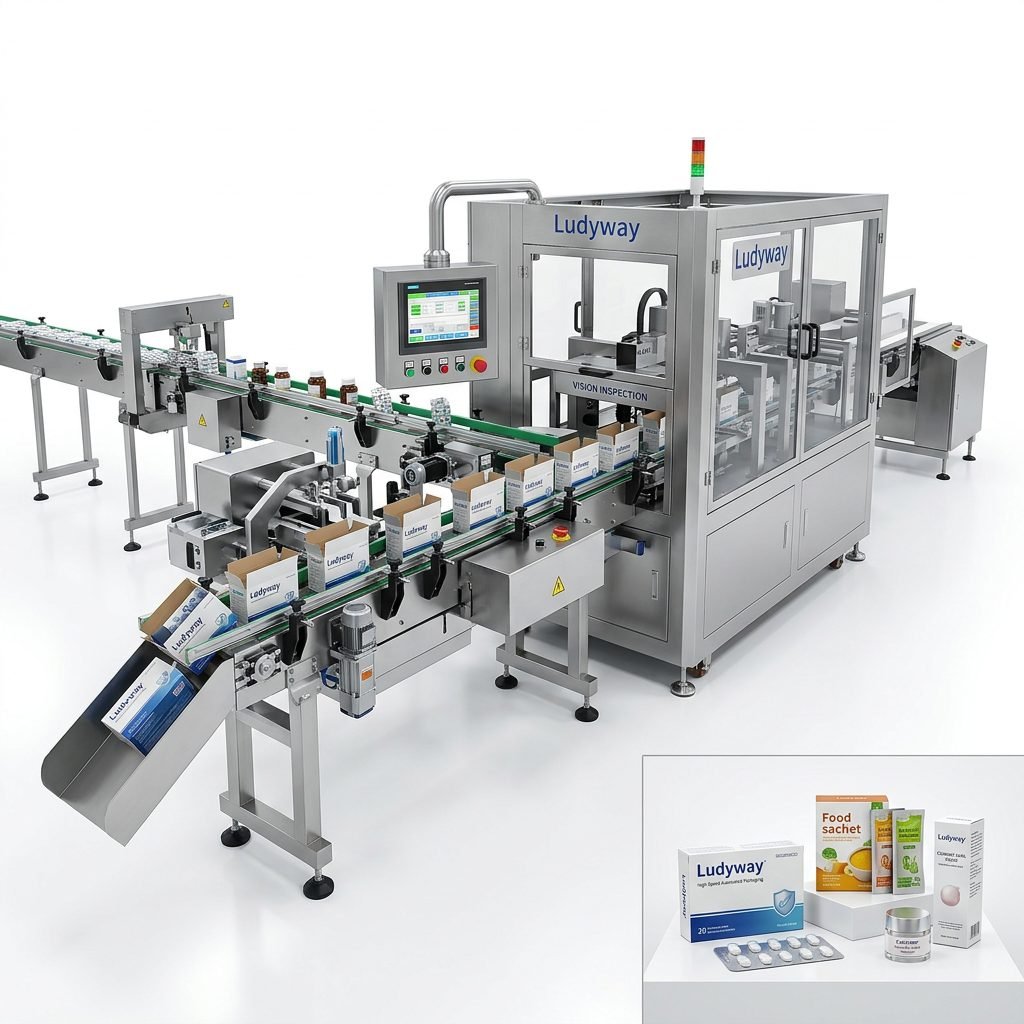
Modern packaging is rarely an isolated operation. Consider how the Bossar machine will integrate into your existing or planned production line. Does it need to connect with upstream equipment like mixers or downstream systems like cartoners? Look for models with standard communication protocols (like Ethernet/IP) and compatibility with automated guided vehicles (AGVs) or robotic palletizers for a seamless smart factory setup.
Step 5: Evaluate Supplier Support and Service
The machine’s quality is only part of the equation. The supplier’s expertise and support network are critical for long-term success. A partner like Ludyway Machinery, with over 30 years of industry experience, provides not just the equipment but also comprehensive support. When evaluating, consider:
- Technical Support & Spare Parts: Availability of local service engineers and a readily accessible spare parts inventory minimizes downtime.
- Training: Does the supplier offer thorough operational and maintenance training for your team?
- Customization: Can they provide tailored turnkey solutions if your needs are unique?
The Ludyway Advantage in Packaging Solutions
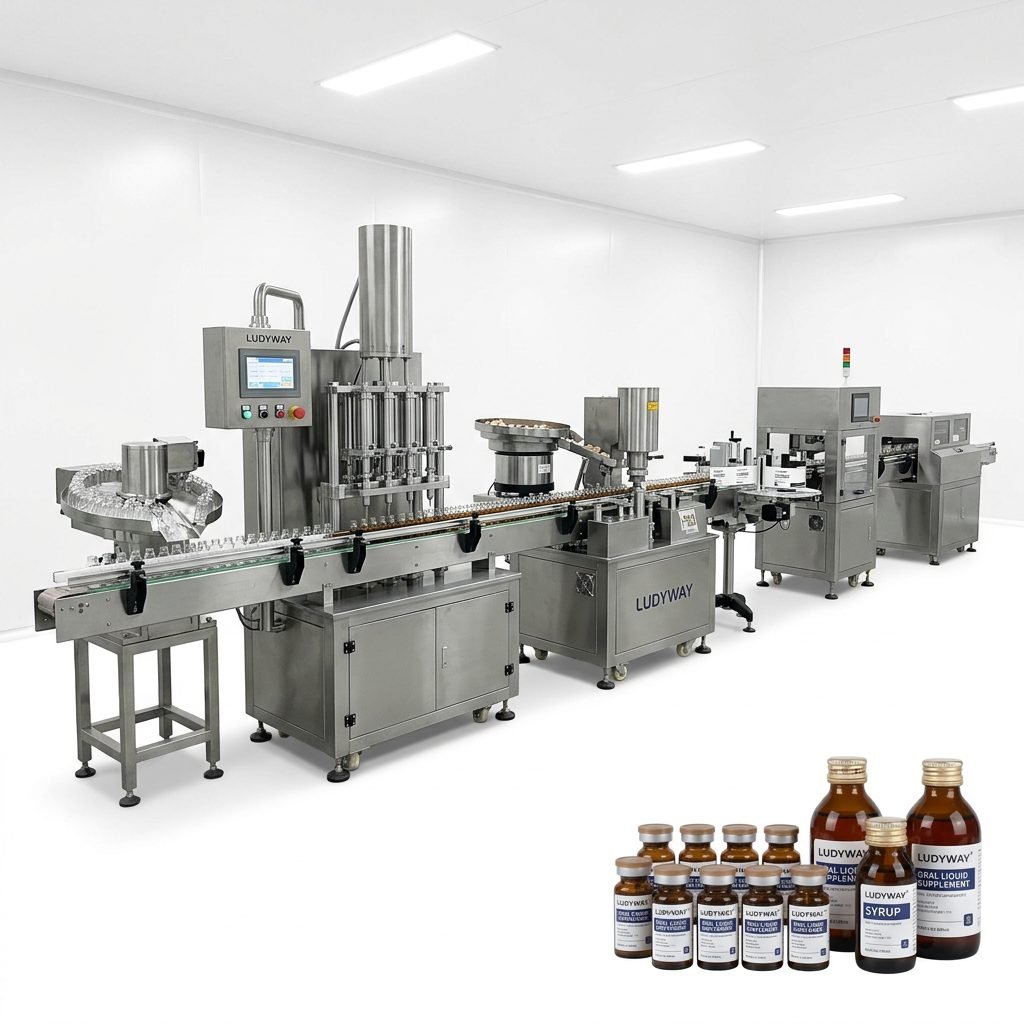
As a specialized provider of advanced packaging equipment, Ludyway Machinery brings substantial value to the selection process. With a portfolio of over 50 intelligent packaging machine models and a 20,000㎡ modern production facility, they possess the engineering capability to match clients with the ideal Bossar model or a comparable high-performance alternative. Their focus on the food, pharmaceutical, and health industries means they understand the stringent hygiene and accuracy standards required. Partnering with an expert ensures you get a machine that is not just purchased but properly specified, installed, and supported for your specific production ecosystem.
Conclusion: Making an Informed Investment
Choosing the right Bossar packaging machine is a multifaceted process that balances your current product and output needs with future scalability and operational efficiency. By meticulously analyzing your product, defining clear output goals, specifying packaging details, planning for integration, and partnering with a reliable, experienced supplier like Ludyway Machinery, you can make a confident investment. The right machine becomes a strategic asset, driving productivity, ensuring product integrity, and enhancing your brand’s market presence through professional, consistent packaging.
Frequently Asked Questions (FAQs)
What types of products are best suited for Bossar packaging machines?
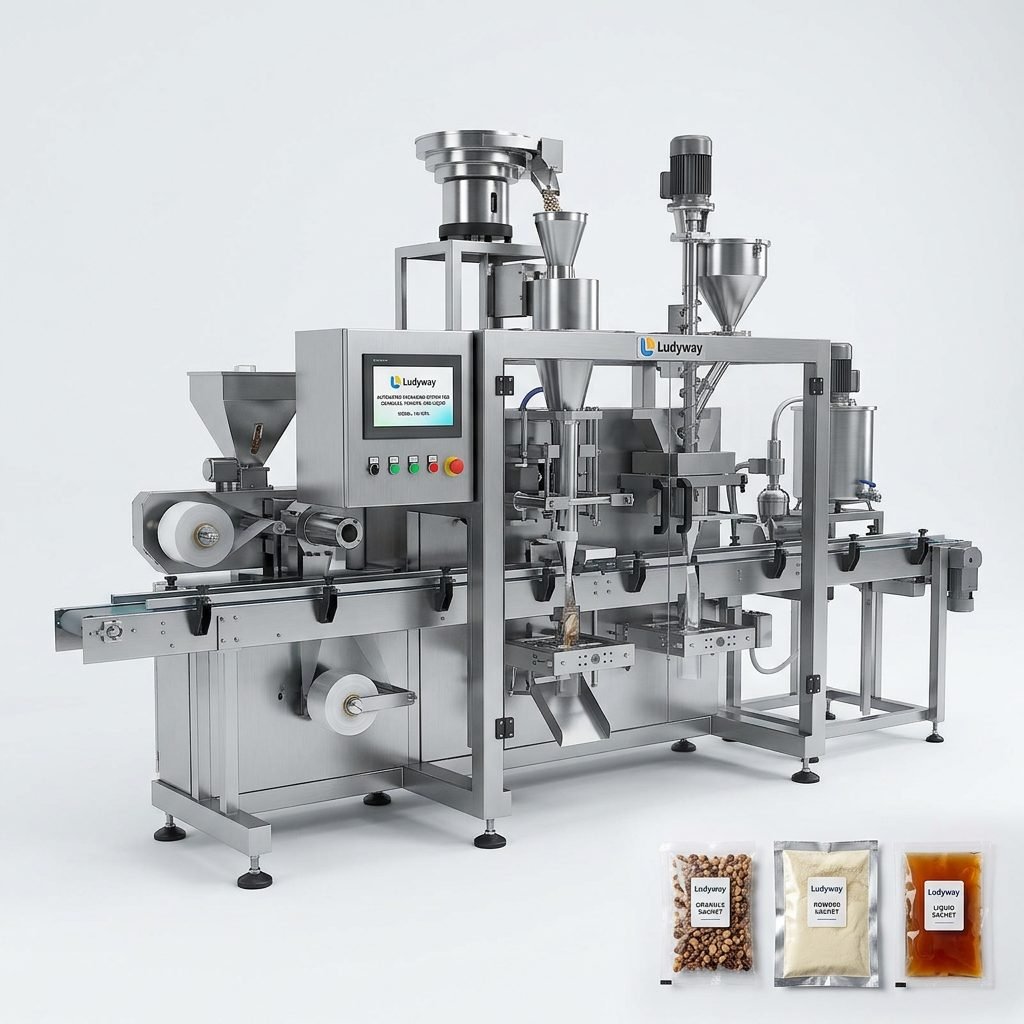
Bossar HFFS machines are incredibly versatile and are excellently suited for a wide range of free-flowing and non-free-flowing products. Common applications include snack foods (chips, nuts, candy), powdered products (milk powder, spices, protein supplements), granular items (coffee beans, rice, seeds), liquids (sauces, oils, shampoos), and small hardware items. The key is matching the product characteristics with the appropriate filling system on the machine.
How difficult is it to change packaging sizes or materials on a Bossar machine?
Modern servo-driven Bossar models are designed for relatively quick changeovers. The process typically involves changing the forming shoulder, adjusting the film guide rails, and updating parameters in the human-machine interface (HMI). Changeover time can range from 15 minutes to an hour, depending on the complexity and the operator’s experience. For high-mix production environments, it’s advisable to opt for models specifically engineered for fast, tool-less changeovers.
What is the typical maintenance required for these machines?
Regular maintenance is essential for longevity and consistent performance. Daily tasks include cleaning debris from sealing jaws and the product handling area. Weekly or monthly maintenance might involve lubricating specific mechanical parts (following the manufacturer’s guidelines), checking pneumatic filters, and inspecting wear parts like sealing jaws or cutting blades. Partnering with a supplier that offers clear maintenance schedules and training, such as Ludyway’s support programs, is highly beneficial.
Can Bossar machines be integrated into a fully automated production line?
Absolutely. Most contemporary Bossar models are built with Industry 4.0 integration in mind. They can be equipped with communication interfaces (e.g., PROFINET, Ethernet/IP, Modbus TCP) to connect with upstream feeders, downstream cartoners, checkweighers, and labelers, as well as with factory-level Manufacturing Execution Systems (MES) for real-time data monitoring and production management.
What after-sales support should I expect from a reputable supplier?
A comprehensive after-sales support package should include detailed installation supervision, thorough operator and maintenance training, a readily available inventory of spare parts, and access to responsive technical support (both remote and on-site). Reputable suppliers like Ludyway Machinery often provide service contracts and periodic health checks to ensure your machine operates at peak efficiency throughout its lifecycle.