Whether you’re a home cook looking to extend the shelf life of your meals or a business owner aiming to improve product preservation and presentation, investing in a vacuum packaging machine is a significant step. This guide will walk you through everything you need to know to make an informed purchase, from understanding the core technology to selecting the perfect model for your specific needs.
Understanding Vacuum Packaging Technology
At its heart, a vacuum sealer removes air from a specially designed plastic bag and seals it shut. This process, known as modified atmosphere packaging, drastically slows down spoilage caused by oxidation and the growth of aerobic bacteria and fungi. The result is food that stays fresher, retains its flavor and nutritional value longer, and is protected from freezer burn.
Key Benefits of Vacuum Sealing
✔ Extended Shelf Life: Food can last 3-5 times longer in the refrigerator and even longer in the freezer.
✔ Protection & Preservation: Prevents freezer burn, locks in moisture, and maintains texture and taste.
✔ Space Efficiency: Removes bulky air, allowing for compact, organized storage.
✔ Cost Savings: Reduces food waste by preserving bulk purchases, leftovers, and seasonal produce.
✔ Versatility: Useful for marinating foods quickly, protecting non-food items from moisture (e.g., documents, electronics), and creating sous-vide ready packages.
Types of Vacuum Packaging Machines
Choosing the right machine starts with knowing the different categories available on the market.
1. External Vacuum Sealers (For Home & Light Use)
These are the most common household models. The machine has a sealing strip and a nozzle. You place the open end of the bag over the strip, and the nozzle sucks air out before heat-sealing the bag. They are affordable, compact, and user-friendly, perfect for occasional home use.
2. Chamber Vacuum Sealers (For Serious Home Cooks & Business)
These machines feature a chamber where the entire bag is placed. The lid closes, the chamber evacuates all air, and then the bag is sealed. Chamber sealers are more powerful, can handle liquids and moist foods without issue, and create a stronger vacuum. They are the preferred choice for small businesses, restaurants, and dedicated home kitchens.
3. Single-Chamber & Double-Chamber Industrial Machines
Designed for continuous, high-volume production. A double-chamber machine allows loading one chamber while the other is in a vacuum cycle, maximizing output. These are essential for food processing plants, large-scale meal prep services, and commercial packaging operations.
Critical Features to Consider Before You Buy
Look beyond the basic type and evaluate these key specifications and features.
Vacuum Power & Speed
Measured in bar, mbar, or CFM (cubic feet per minute). A higher power rating means faster, more complete air removal. For home use, 0.8 to 1 bar is often sufficient. For business, look for 1 bar or higher for efficiency.
Seal Bar Quality & Width
The seal bar creates the airtight closure. Look for durable materials (like Teflon-coated) and a sufficient width. A wider seal (e.g., 3-10mm) is stronger and more reliable, especially for heavier or sharp-edged items.
Bag Compatibility & Roll Storage
Some machines only work with pre-made bags, while others can seal bags you create from a roll, offering tremendous flexibility and cost savings. Check if the machine has a built-in cutter and bag roll compartment.
Specialized Functions
Pulse/Pause Function: Allows manual control for delicate items like soft bread or chips.
Moist/Dry Settings: Adjusts the vacuum strength for wet or dry foods.
Gas Flush (for Chamber Sealers): Replaces air with inert gas like nitrogen for packaging crispy snacks or fresh coffee beans.
Home Use vs. Business Use: Making the Right Choice
Your primary use case is the most important deciding factor.
For Home Kitchens
Focus on ease of use, size, and noise level. An external sealer is typically perfect. Prioritize features like a quick seal function for simple bags, an accessory port for vacuum canisters, and straightforward cleaning. Consider how often you’ll use it—a mid-range model with a good warranty is often a better investment than the cheapest option.
For Business & Commercial Applications
Here, durability, speed, and total cost of ownership are paramount. A chamber vacuum sealer is almost always necessary for its power, liquid handling, and professional-grade seals. Evaluate cycles per hour, maintenance requirements, and the availability of technical support and spare parts. The reliability of your equipment directly impacts your operation’s efficiency and product quality.
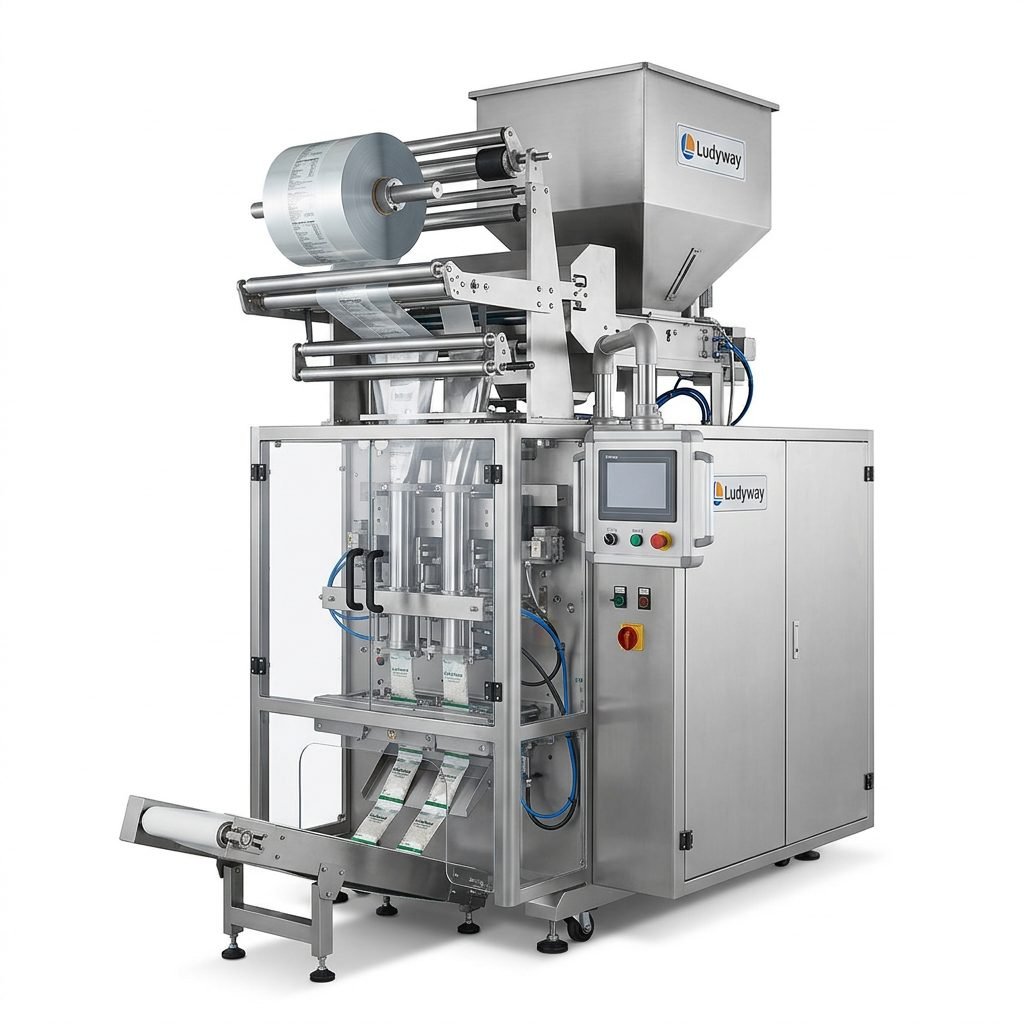
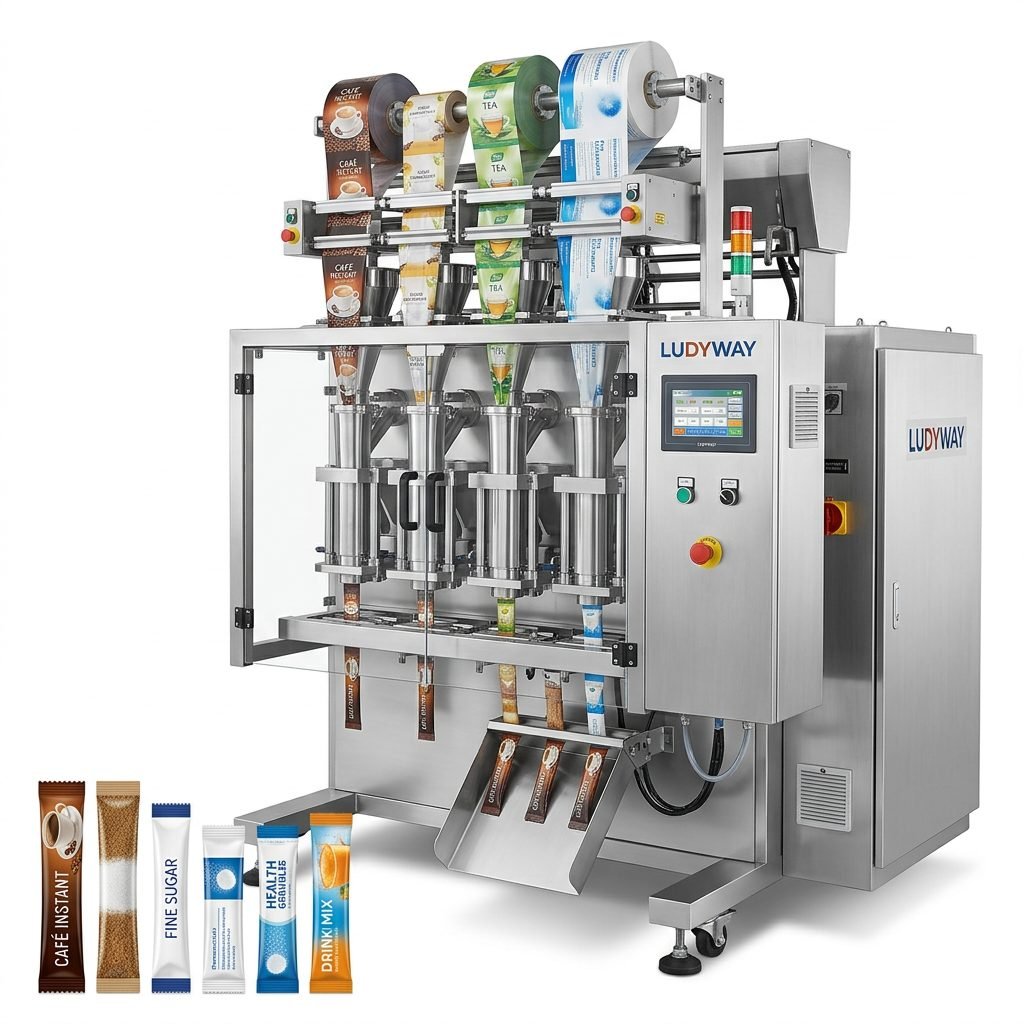
For businesses looking to scale, partnering with an experienced provider like Ludyway Machinery can offer access to robust industrial-grade solutions and tailored support.
Essential Accessories & Consumables
Your machine is only as good as the bags and accessories you use with it.
Bags & Rolls: Use only bags designed for vacuum sealing. They are made from multi-layer, puncture-resistant materials like PA/PE. Thicker mil ratings (e.g., 3-5 mil for home, 8+ mil for commercial) offer more durability.
Vacuum Canisters & Jars: Great for storing dry goods, leftovers, or marinating in the refrigerator without using a bag.
Bag Holders & Cutter Accessories: These make the process of filling and cutting bags from a roll much easier and neater.
Maintenance Tips for Longevity
Proper care ensures your vacuum sealer performs reliably for years.
- Clean Regularly: Wipe the sealing strip and chamber (if applicable) after every use to remove debris or moisture.
- Check the Seal Bar: Periodically inspect for residue or damage. A clean bar is essential for perfect seals.
- Prevent Overheating: Follow the manufacturer’s guidelines for continuous operation, especially for external sealers. Allow cool-down periods during heavy use.
- Use Genuine Parts: For replacements like gaskets (on chamber machines) or sealing strips, use manufacturer-recommended parts to maintain performance and safety.
For businesses, establishing a routine maintenance schedule is crucial. Providers with deep industry expertise, such as Ludyway Packaging Machine experts, often provide comprehensive service plans to minimize downtime.
Frequently Asked Questions (FAQs)
1. Can I vacuum seal liquids?
Answer: Yes, but typically only with a chamber vacuum sealer. External sealers will suck the liquid into the machine, causing damage. With a chamber machine, the pressure is equalized around the bag, allowing liquids to be sealed safely.
2. How long does vacuum-sealed food really last?
Answer: It varies by food. In the refrigerator, most cooked meats last 1-2 weeks (vs. 3-4 days), and hard cheeses can last 4-8 months. In the freezer, meats can remain high-quality for 2-3 years. Always start with fresh, properly handled food and store it at safe temperatures.
3. Are vacuum sealers expensive to run?
Answer: The main ongoing cost is the bags. Buying rolls and cutting your own bags is significantly cheaper than pre-made pouches. The electricity consumption of a home machine is minimal. For businesses, the efficiency gains and reduced food waste far outweigh the utility and consumable costs.
4. What can’t I vacuum seal?
Answer: Avoid sealing raw mushrooms (they release gases), soft cheeses that can be crushed (like brie), and raw onions/garlic in a freezer (their strong flavors can permeate). Never vacuum seal perishable foods you intend to store at room temperature, as anaerobic bacteria like botulism can still grow.
5. How do I choose a reliable supplier for a business machine?
Answer: Look for suppliers with proven industry experience, strong technical support, and a portfolio of reliable equipment. Evaluate their company history and commitment to innovation. A partner that offers training, warranty, and readily available spare parts is invaluable for ensuring your packaging line’s smooth operation and longevity.