The pet food industry has witnessed remarkable growth, with cat snacks becoming a significant segment. Efficient and appealing packaging is crucial for product preservation, brand differentiation, and consumer convenience. Selecting the right cat snacks packaging machine is a strategic decision that impacts production efficiency, product quality, and overall business success. This guide explores the various types of packaging machines, their key features, and provides a framework for choosing the best solution for your specific needs.
Understanding the Types of Cat Snacks Packaging Machines
Cat snacks come in diverse forms—dry kibble, semi-moist treats, paste, and liquid supplements—each requiring specific packaging technology. The primary machine types are defined by the package format they produce.
Vertical Form-Fill-Seal (VFFS) Machines
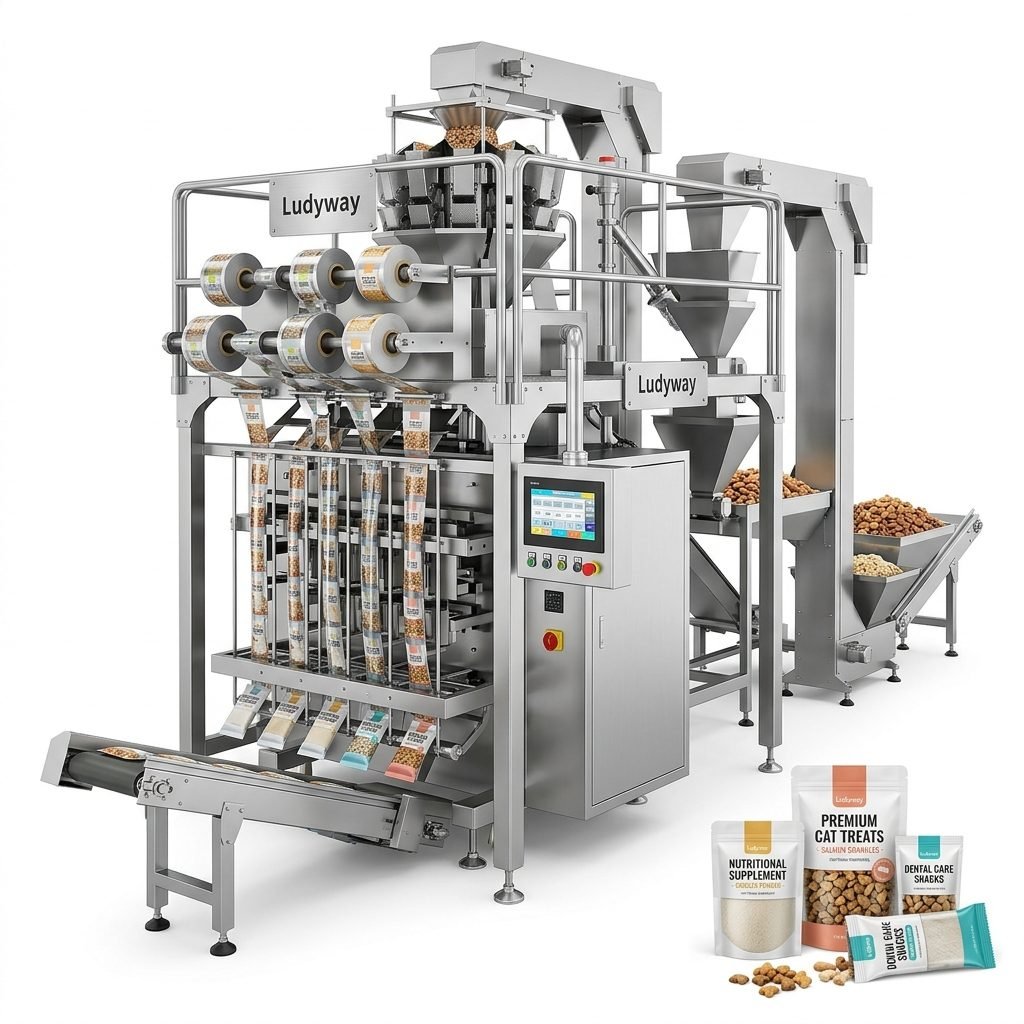
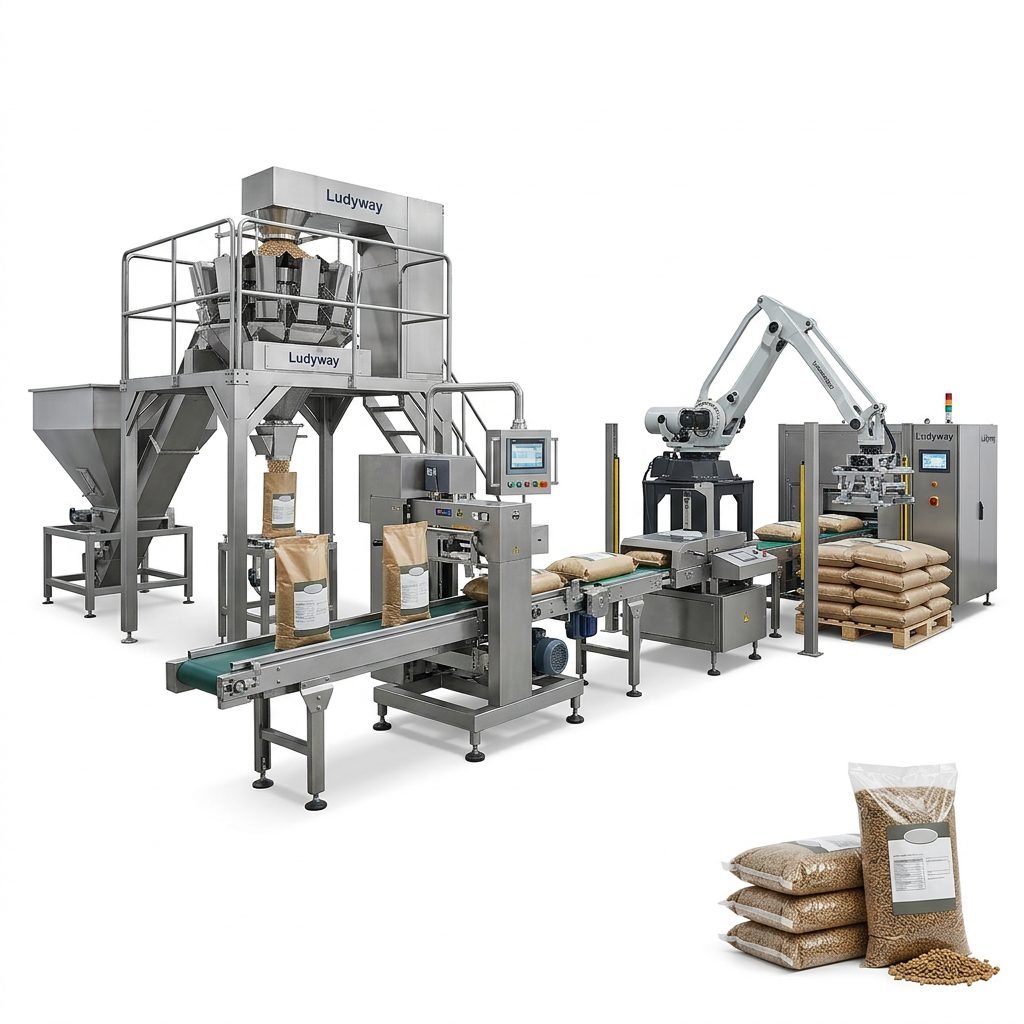
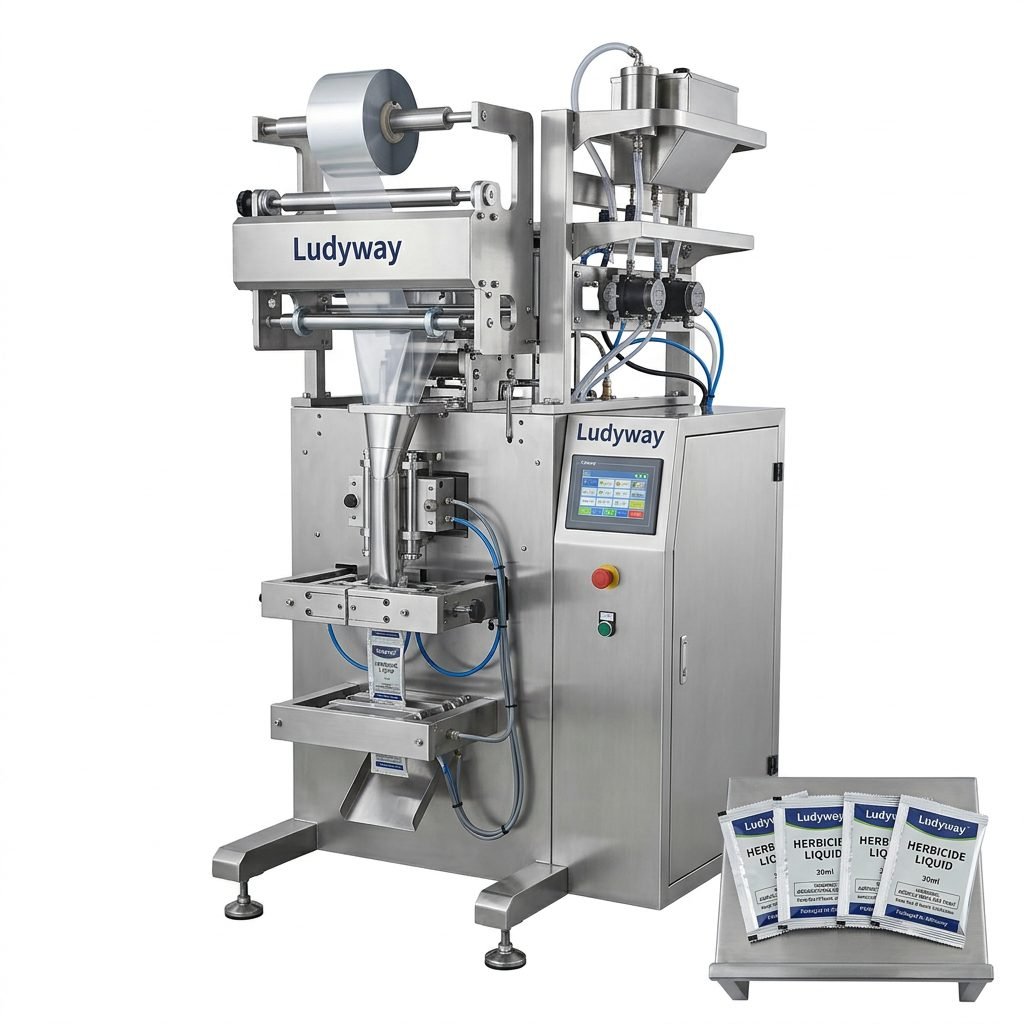
These are the workhorses of the industry for granular and small-piece snacks. A VFFS machine forms a bag from a roll of film, fills it with the product, and seals it in a continuous vertical motion. They are highly versatile and efficient for producing pillow bags, gusseted bags, or block-bottom bags. Their speed and ability to handle various bag sizes make them ideal for high-volume production of standard treat packs.
Horizontal Form-Fill-Seal (HFFS) Machines
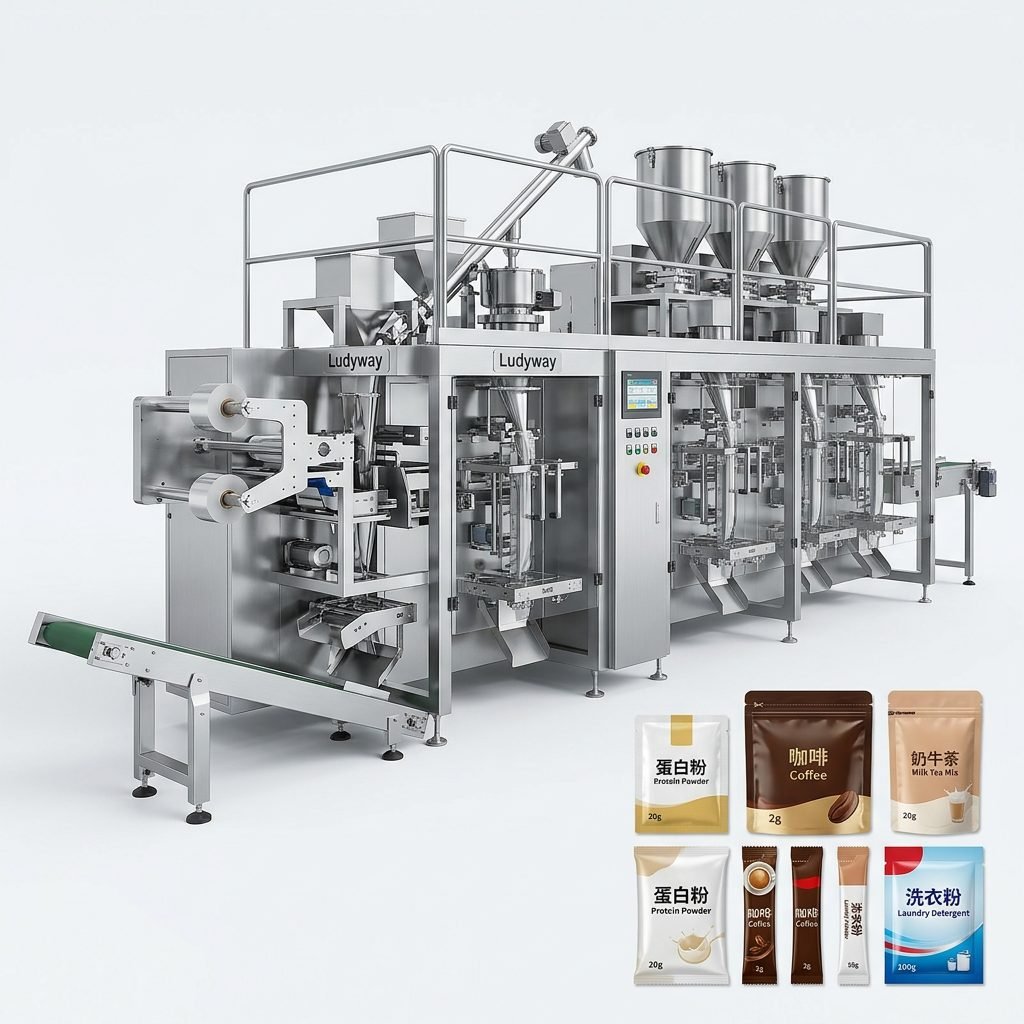
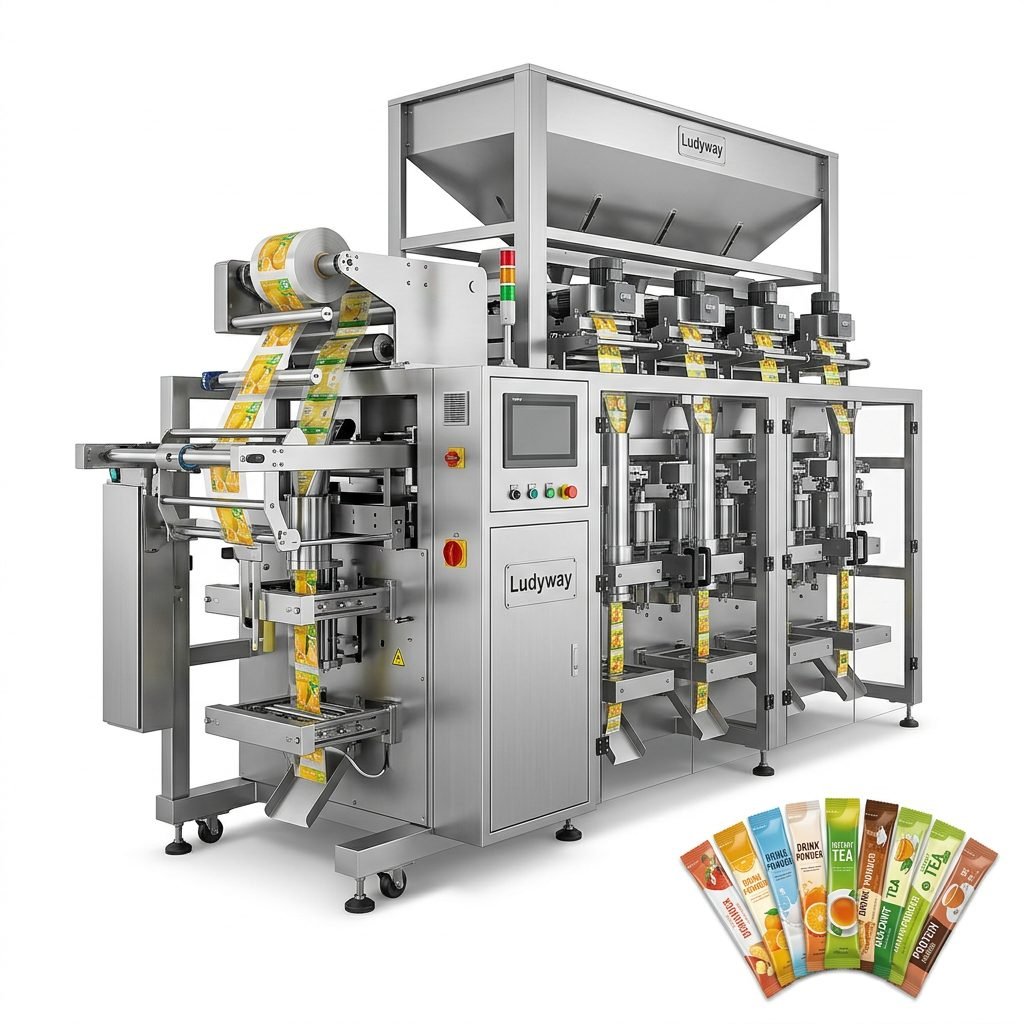
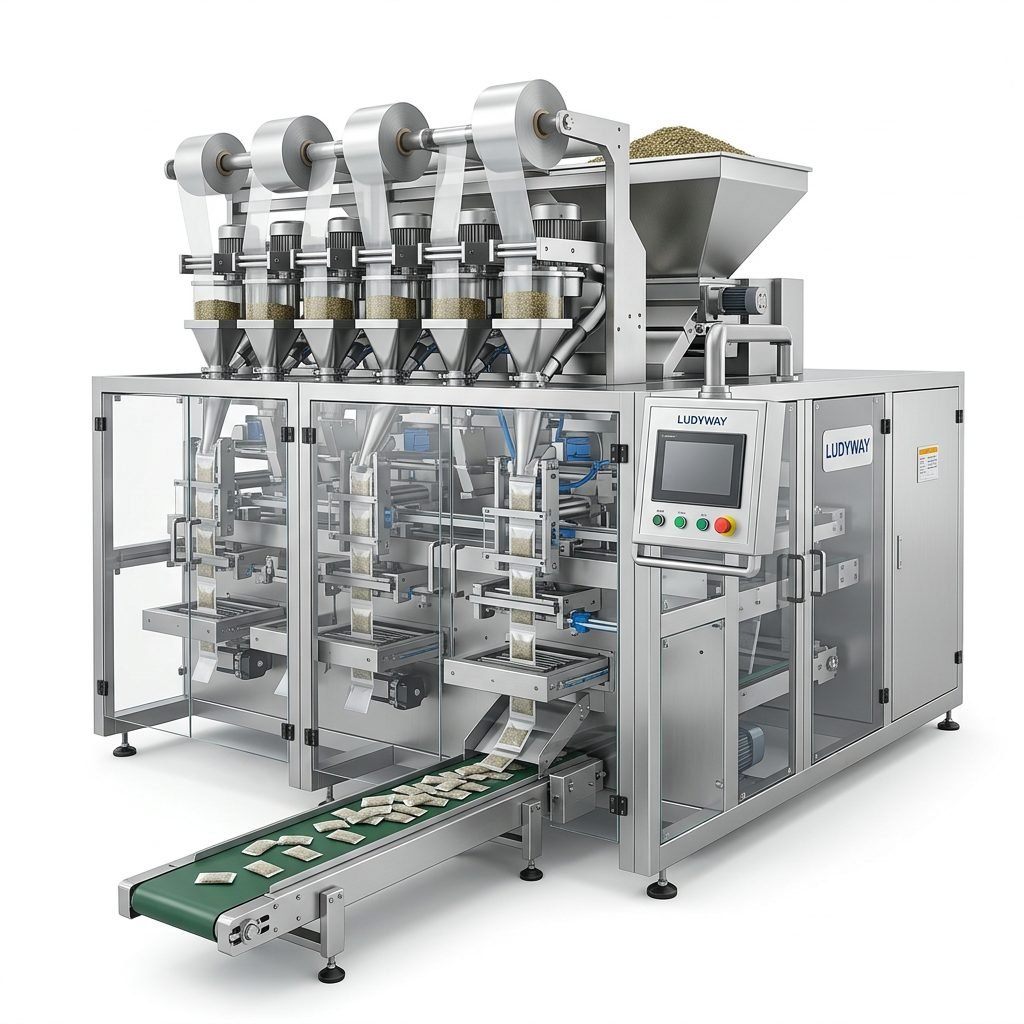
Often used for more rigid structures or multi-lane packaging. HFFS machines are typically employed for flow-wrapping individual treats or creating stick packs and sachets. This method is excellent for creating a premium, shelf-stable presentation and is common for portion-controlled treats or paste-based snacks.
Pre-Made Pouch Fillers
This system uses pre-manufactured, often stand-up, pouches (Doypack style). The machine opens, fills, and seals these pre-printed pouches. This option is perfect for brands seeking high-quality, complex graphics and unique pouch shapes that are difficult to achieve with form-fill-seal technology. It offers excellent branding potential but may have a higher cost per unit.
Multi-Lane & Stick Pack Machines
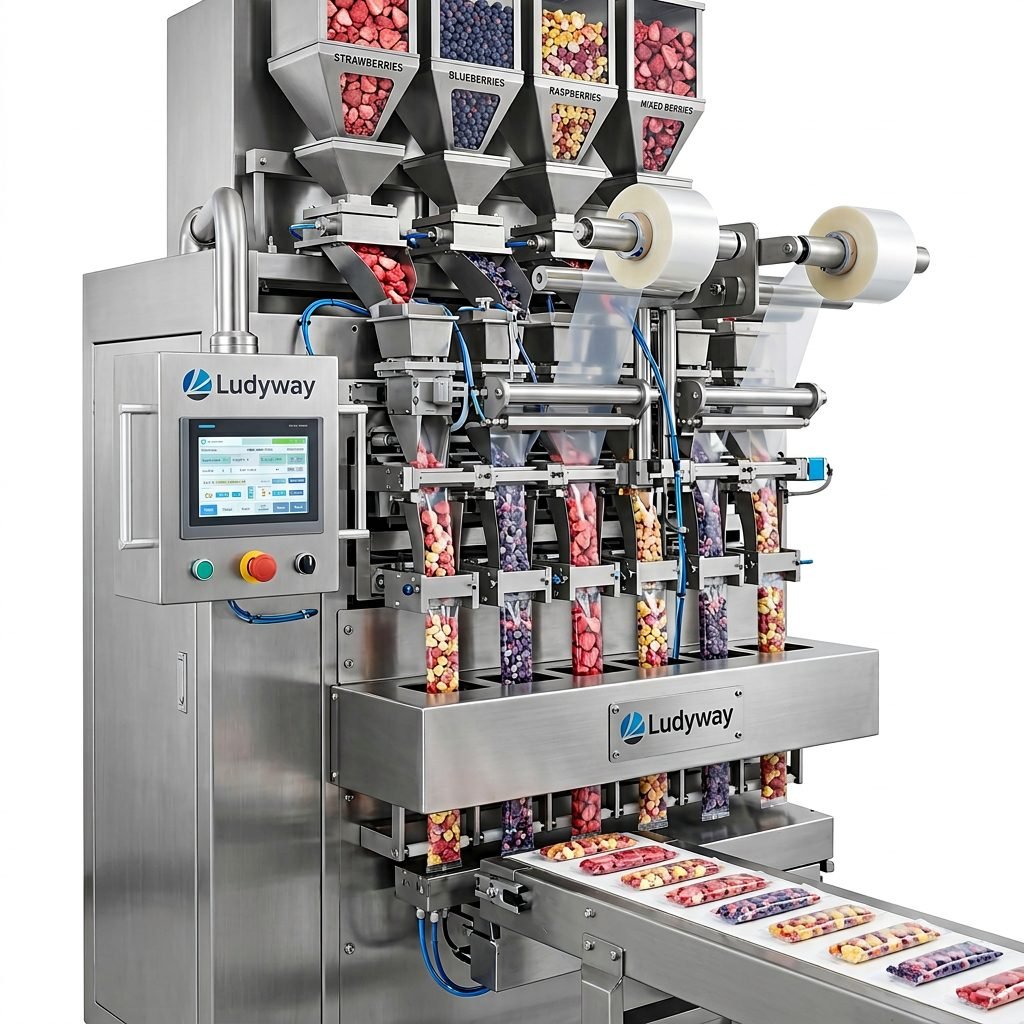
Specialized for high-speed production of small, single-serve packages. These machines run multiple lanes simultaneously, filling and sealing dozens of stick packs per minute. They are the go-to solution for sample-sized treats or products marketed in small, daily-dose portions, maximizing output for these specific formats.
Essential Features to Evaluate in a Packaging Machine
Beyond the basic type, several features determine a machine’s suitability, reliability, and return on investment.
1. Material Compatibility and Sealing Integrity
The machine must reliably handle the specific packaging films required for cat snacks, which often need high barrier properties against moisture, oxygen, and light to maintain freshness and nutritional value. Look for robust sealing systems (such as constant-heat or impulse sealers) that can create strong, consistent seals even with challenging multi-layer laminates or coated films.
2. Weighing and Dosing Accuracy
Precise filling is non-negotiable for product consistency, cost control, and regulatory compliance. Machines may use volumetric cups, auger fillers for powders/pastes, or advanced multi-head weighers for granular snacks. The chosen system must deliver ±1% or better accuracy to avoid giveaways and ensure every pack meets its declared weight.
3. Automation and Changeover Efficiency
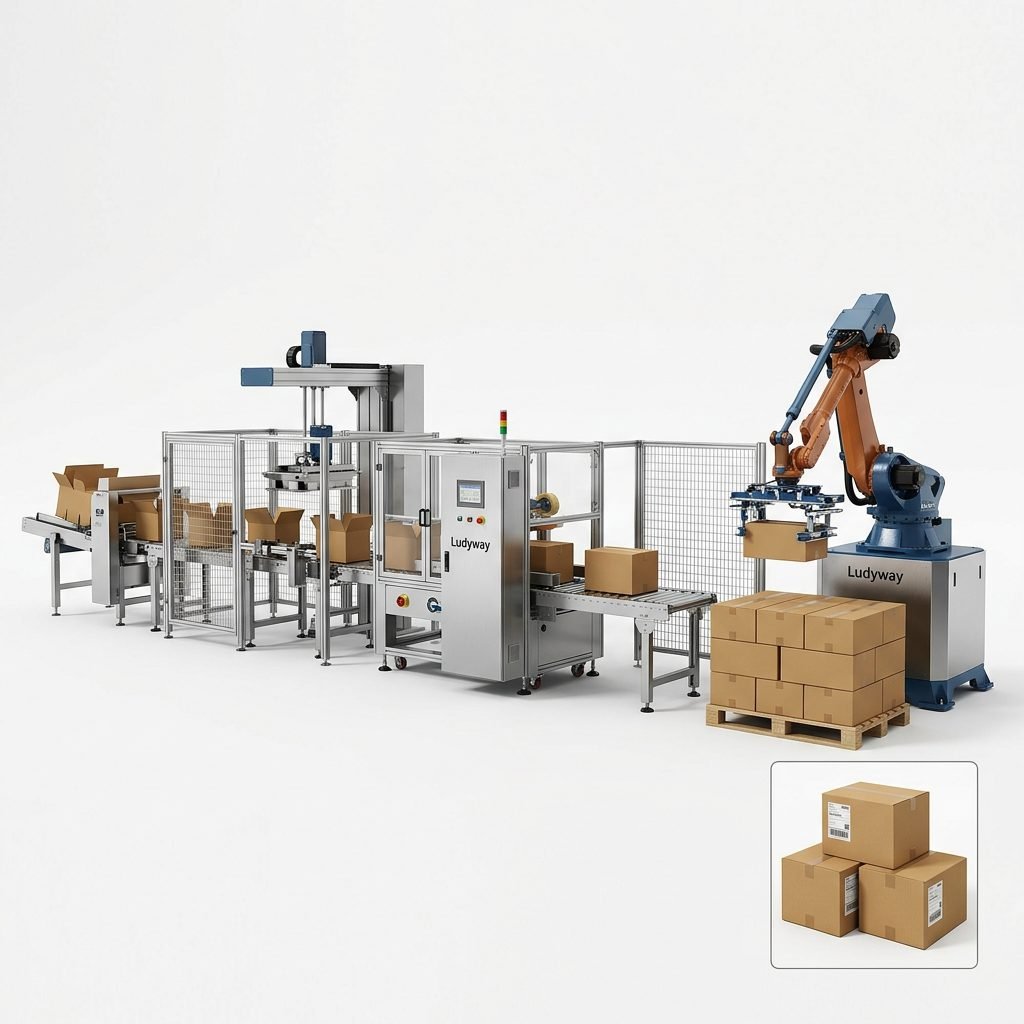
Modern lines demand minimal downtime. Machines with quick-change features for bag size, film reels, and filling heads are essential for manufacturers running multiple SKUs. Integration with upstream feeders and downstream cartoners via PLC controls creates a smooth, efficient production line.
4. Hygiene and Cleanability Design
Food-grade manufacturing requires machines designed for easy and thorough cleaning. Features like stainless steel contact surfaces, smooth welds, easily dismantled parts, and protection against product accumulation in crevices are critical for meeting food safety standards like GMP and HACCP.
5. Operational Intelligence and Data Tracking
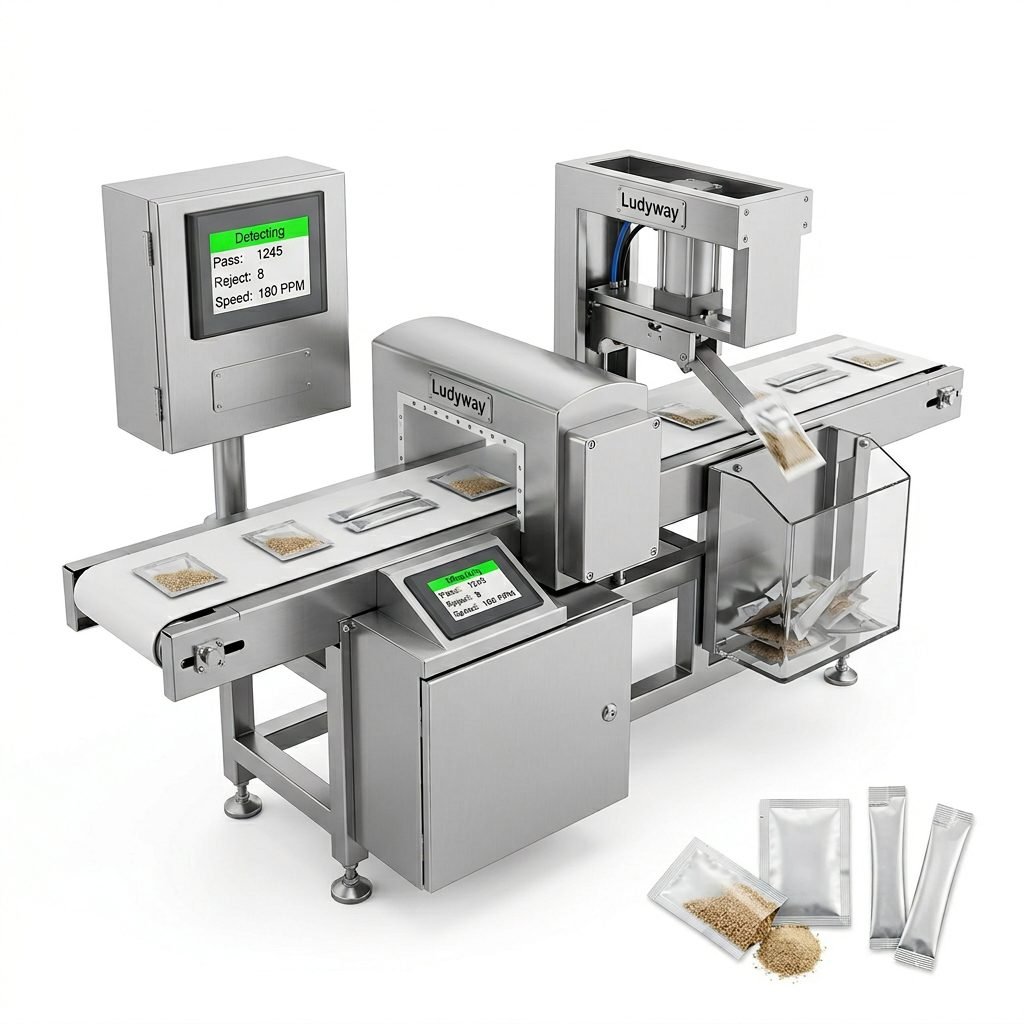
A modern machine should offer more than just mechanics. Touchscreen HMIs (Human-Machine Interfaces) for intuitive operation, production data logging (output, downtime, efficiency), and diagnostic alerts are invaluable for proactive maintenance and optimizing Overall Equipment Effectiveness (OEE).
How to Choose the Best Packaging Solution: A Step-by-Step Guide
Selecting the ideal machine involves a thorough analysis of your product, business goals, and operational environment.
Step 1: Define Your Product and Packaging Specifications
Start with absolute clarity on your product’s physical characteristics (size, shape, density, oiliness) and its packaging requirements (material type, bag size/shape, required shelf life). This is the foundation for all subsequent decisions.
Step 2: Analyze Your Production Volume and Growth Plans
Match the machine’s speed (bags/minute) to your current and projected 3-5 year volume. Avoid under-specifying, which creates bottlenecks, or over-specifying, which leads to unnecessary capital expenditure. Consider if you need a single machine or a complete turnkey production line.
Step 3: Evaluate Total Cost of Ownership (TCO)
Look beyond the initial purchase price. Factor in long-term costs: energy consumption, spare parts availability and cost, required maintenance labor, and the machine’s expected lifespan. A slightly more expensive but robust and efficient machine often has a lower TCO.
Step 4: Prioritize Supplier Support and Service
The machine is only as good as the support behind it. Investigate the supplier’s reputation, availability of technical documentation, training programs, spare parts logistics, and service response times. A reliable partner like Ludyway Machinery ensures minimal disruption over the machine’s lifetime.
Step 5: Request a Product Trial
Never buy based on specifications alone. Arrange to run your actual product and packaging materials on the shortlisted machine. This live test reveals true performance regarding speed, accuracy, seal quality, and any potential handling issues.
Future-Proofing Your Investment
The packaging landscape evolves. Consider machines with modular designs that allow for future upgrades (e.g., adding gas flushing for extended freshness, vision inspection systems, or IoT connectivity for remote monitoring). Choosing a flexible platform protects your investment against changing market demands.
Investing in the right cat snacks packaging machine is a cornerstone for building a successful brand. By thoroughly understanding the machine types, critically evaluating key features, and following a structured selection process, you can secure a solution that delivers reliability, efficiency, and scalability. The optimal machine not only packages your product but also enhances its market appeal and safeguards your profitability for years to come.
Frequently Asked Questions (FAQs)
What is the typical speed range for a cat snack packaging machine?
Speeds vary widely by format. Vertical form-fill-seal machines for granular treats can range from 40 to over 200 bags per minute. Multi-lane stick pack machines can achieve speeds of 400+ sticks per minute. The right speed depends entirely on your production volume requirements.
Can one machine handle different types of cat snacks?
Versatility depends on the machine design. A well-configured VFFS machine with quick-change augers or weighing heads can often switch between similar-sized dry kibble and small treats. However, switching from a dry product to a moist paste typically requires significant reconfiguration or a different machine type due to differing material handling and sealing needs.
How important is gas flushing (nitrogen flushing) for cat snack packaging?
It is critical for products with high fat content or those requiring extended shelf life and freshness. Gas flushing replaces oxygen inside the package with an inert gas like nitrogen, drastically slowing oxidation and rancidity. If your product is susceptible to spoilage, a machine with integrated gas flushing capability is a key feature to specify.
What are the key maintenance routines for these machines?
Daily cleaning and visual inspection of seals and moving parts are essential. Weekly lubrication (as per manual) and checking for wear on critical components like film pull belts, sealing jaws, and cutting blades are standard. Adhering to the manufacturer’s preventive maintenance schedule is the best way to ensure longevity and avoid unplanned downtime.
How do I ensure the packaging meets regulatory standards in my target market?
Your machine supplier should have expertise in the regulations of your export markets. Provide your target countries to the supplier. They can advise on machine features necessary for compliance (e.g., specific sealing standards, data tracking for traceability) and recommend appropriate, approved packaging materials that work reliably on their equipment.