Choosing the right packaging machine for cat treats is a critical decision for any pet food manufacturer. The right equipment can significantly boost production efficiency, ensure product freshness, and create eye-catching packages that appeal to pet owners. This guide will walk you through the different types of machines, their key features, and how to select the best solution for your specific needs.
Key Considerations at a Glance
Before diving into the details, remember these core factors: Production Speed, Packaging Format, Product Type (dry, semi-moist, paste), Budget, and Future Scalability.
Types of Cat Treats Packaging Machines
The packaging process must align with the treat’s form and shelf-life requirements. Here are the primary machine types used in the industry.
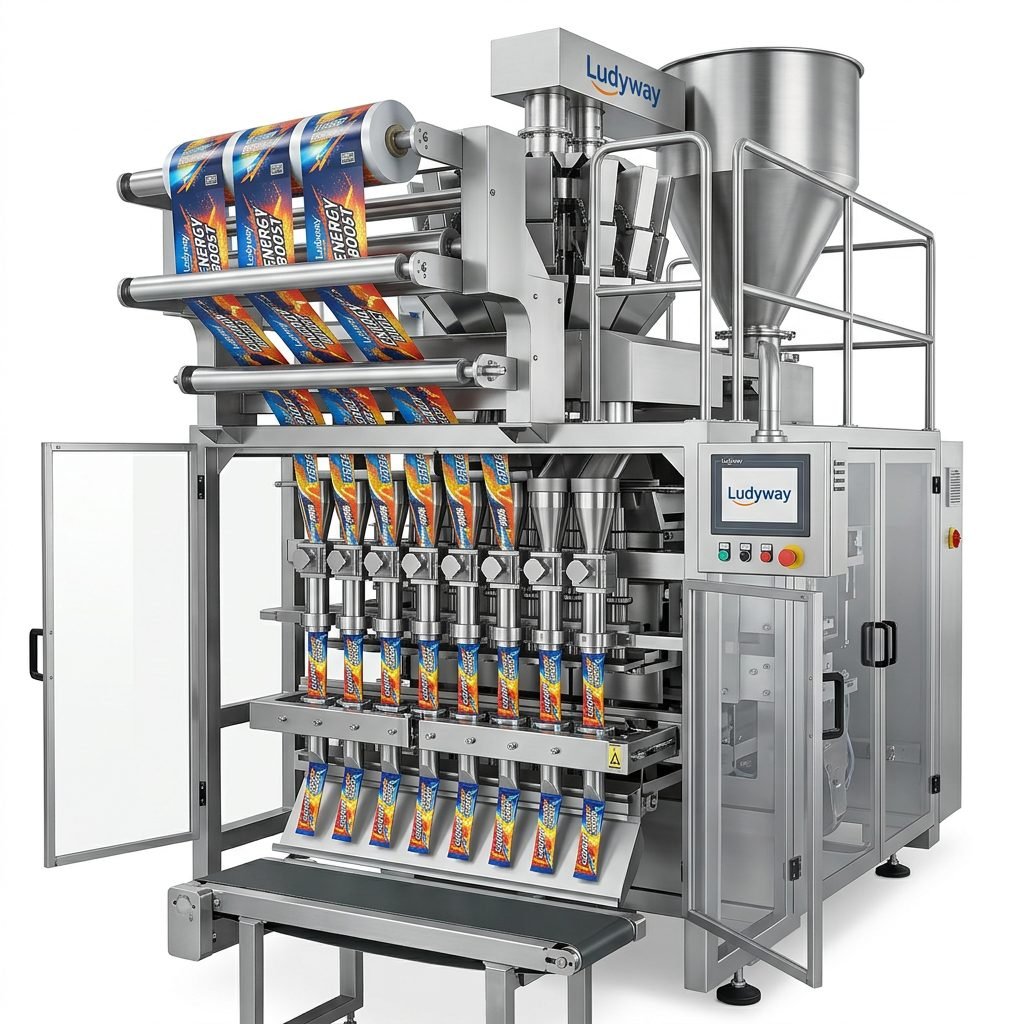
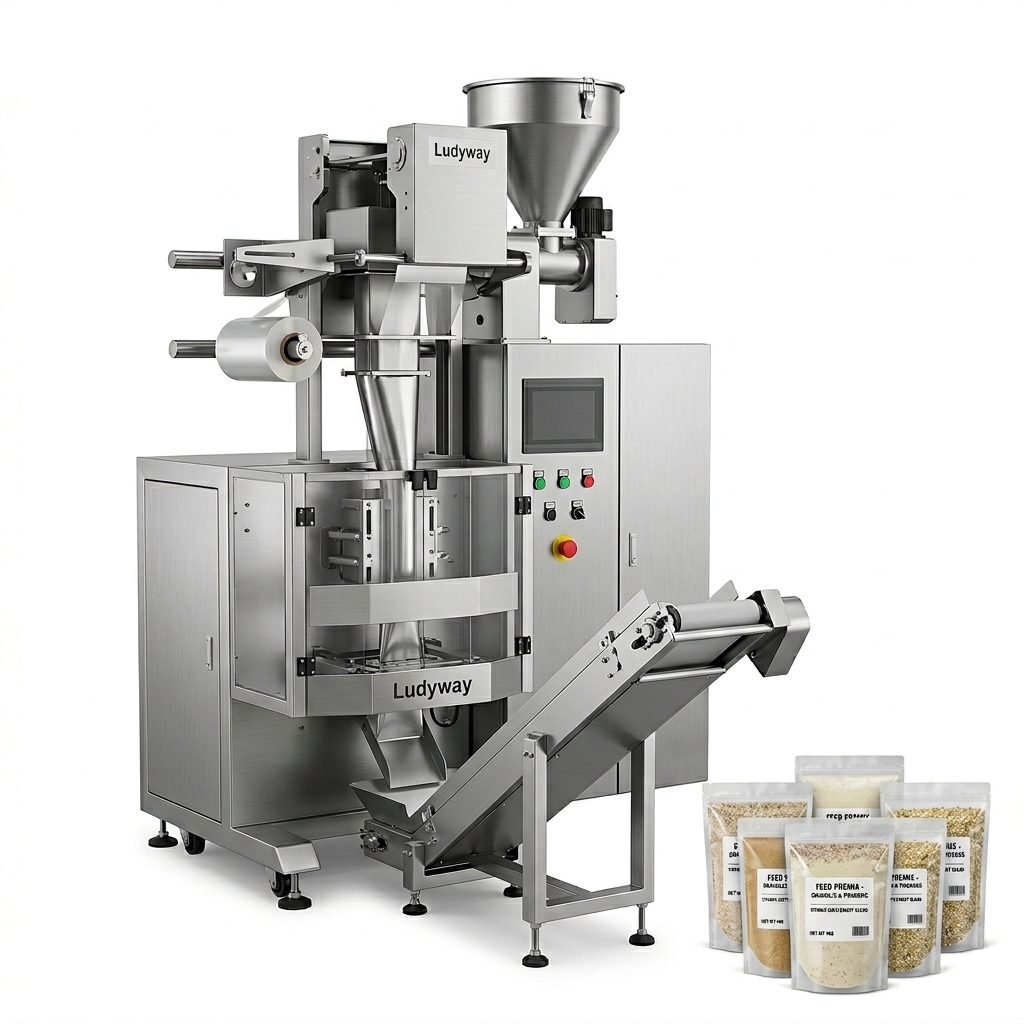
1. Vertical Form-Fill-Seal (VFFS) Machines
These are the most common and versatile machines for packaging dry and semi-moist cat treats. They form a bag from a roll of film, fill it with the product, and then seal it—all in one continuous vertical operation.
- Best For: Dry kibble, freeze-dried treats, small biscuits.
- Advantages: High speed, cost-effective for medium to high volumes, flexible for different bag sizes.
- Packaging Formats: Pillow bags, gusseted bags, block-bottom bags.
2. Horizontal Flow Wrappers
Ideal for individually wrapping single-serve treats, bars, or larger biscuit shapes. The product is placed on a flat film, which is then folded around it and sealed.
- Best For: Individual treat bars, larger crunchy biscuits, chew sticks.
- Advantages: Excellent product presentation, good for portion control, robust seal.
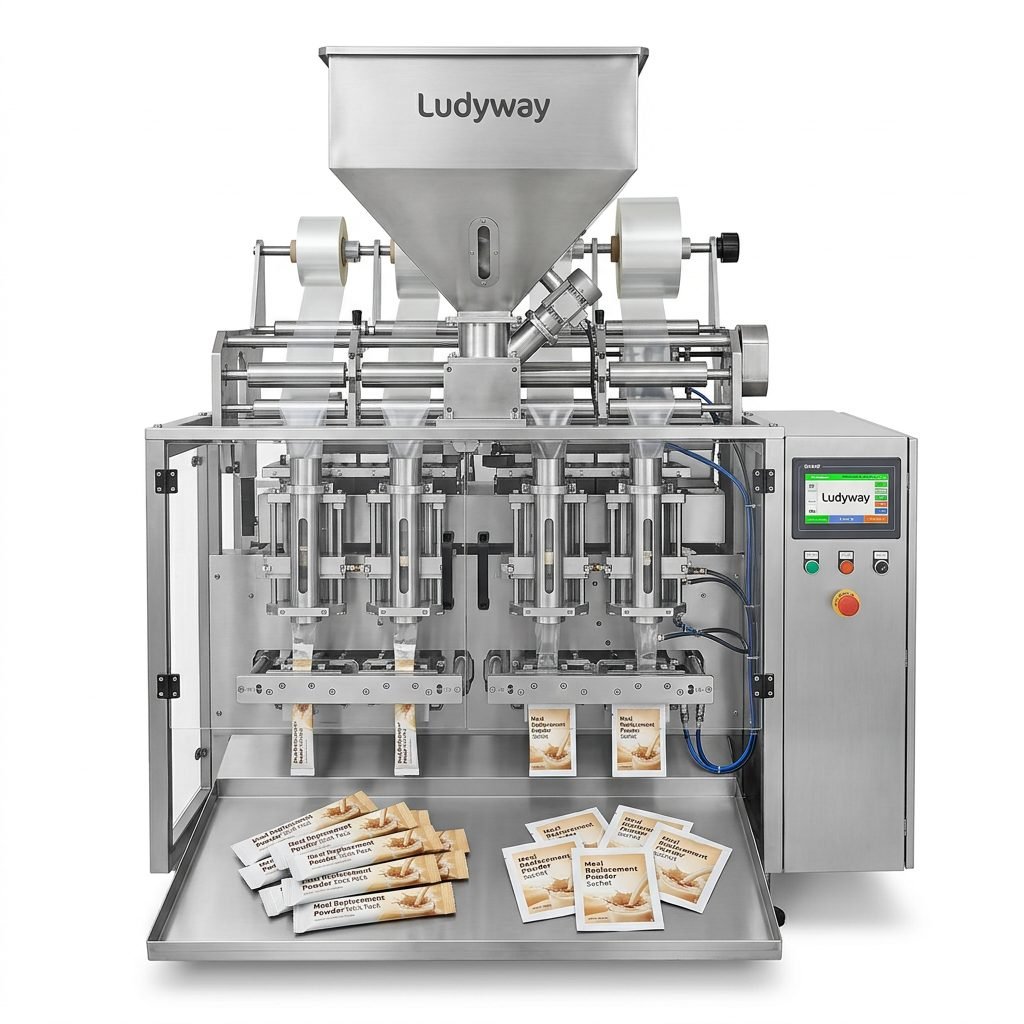
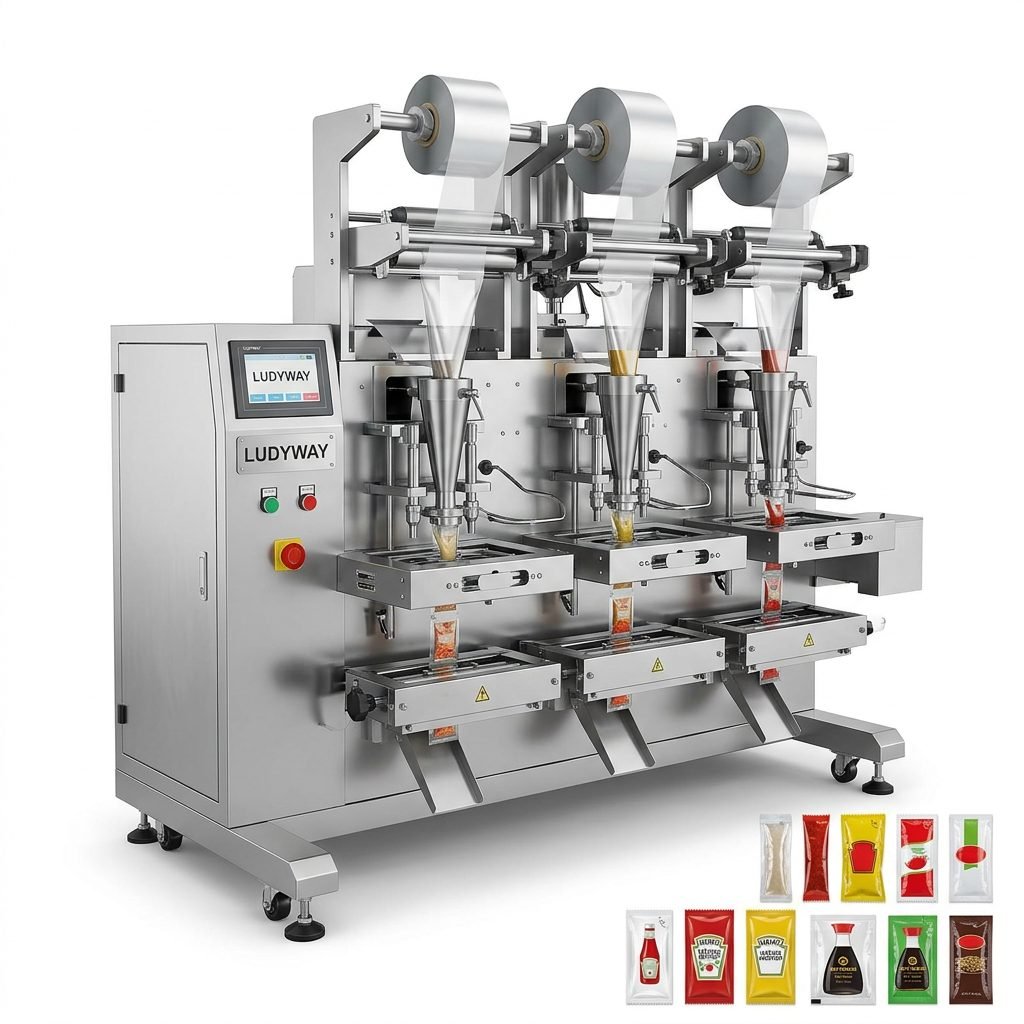
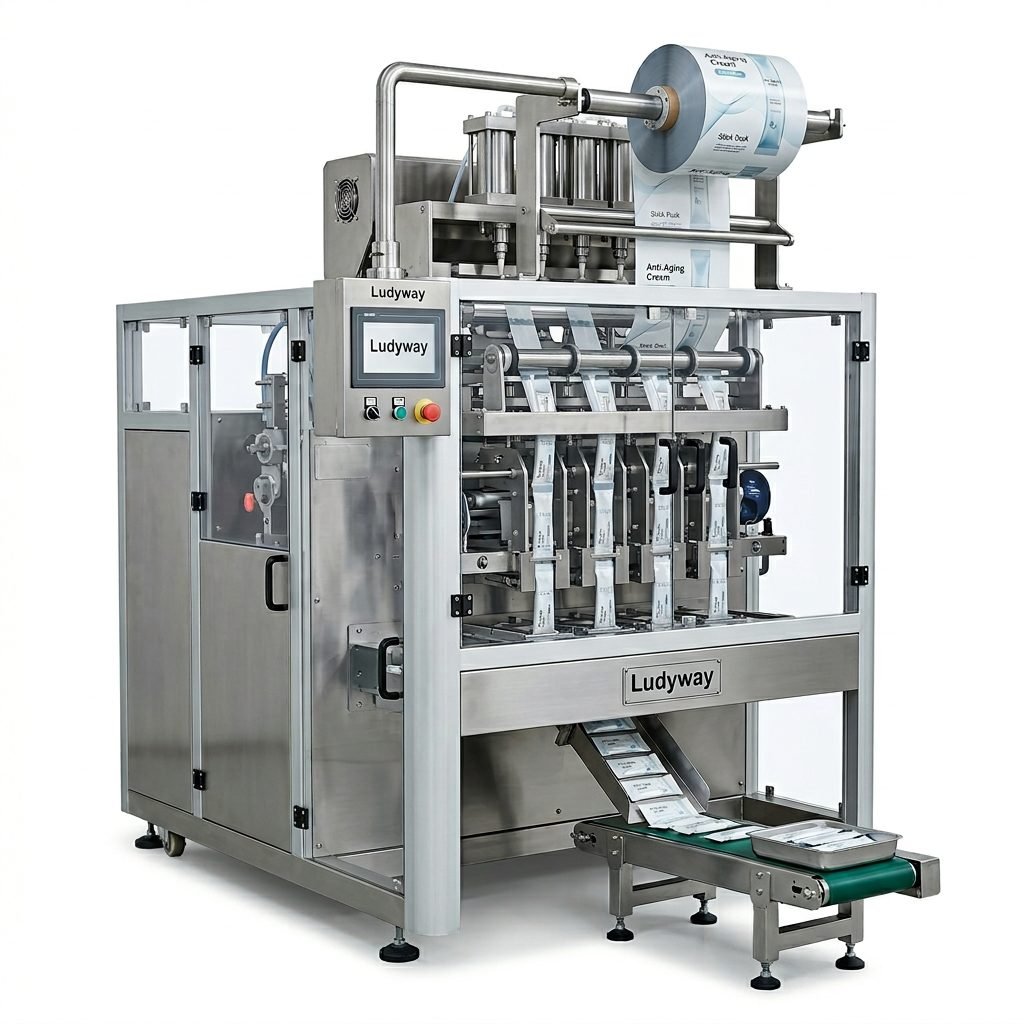
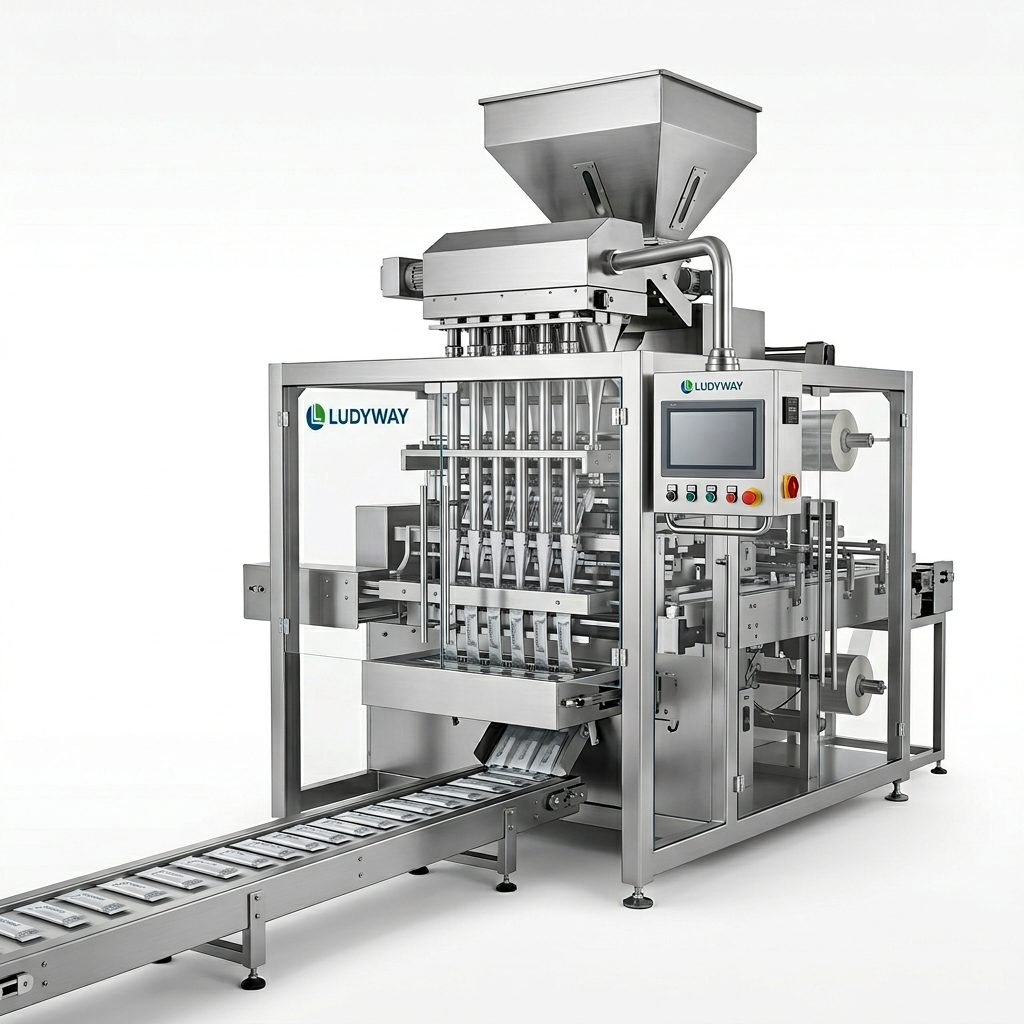
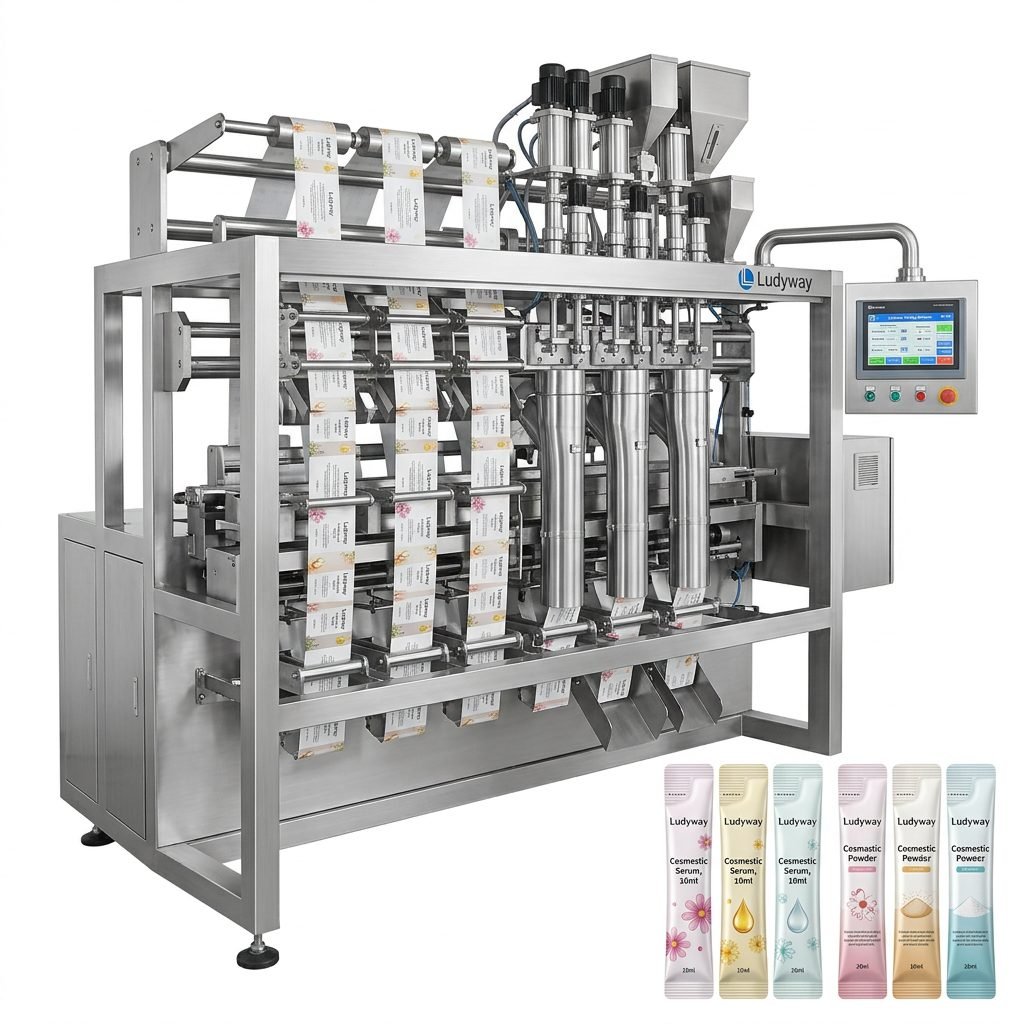
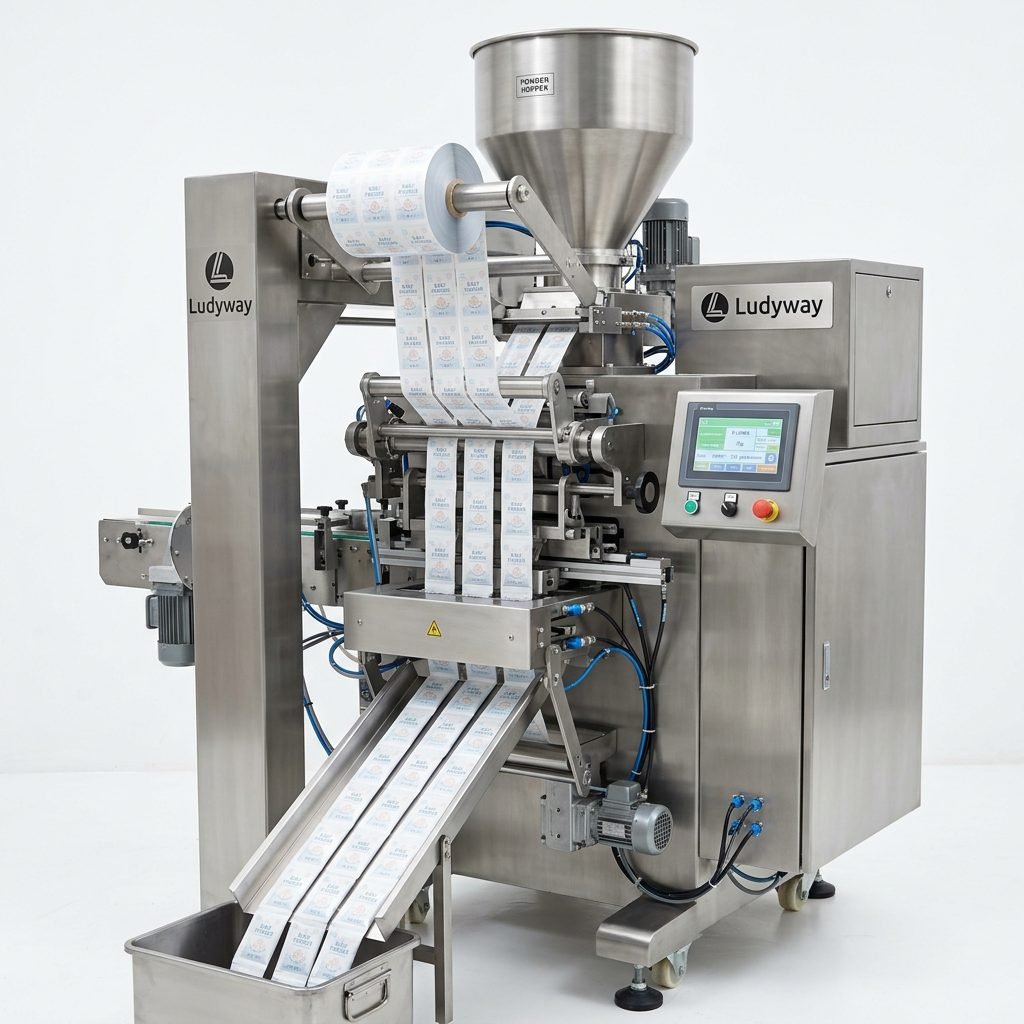
3. Stick Pack and Sachet Machines
Perfect for liquid or paste-based treats, like purees, gels, or powdered supplements. These machines create small, sealed pouches from roll stock.
- Best For: Liquid treats, meat pastes, powdered toppers, single-dose supplements.
- Advantages: Precise filling of liquids/pastes, hygienic, great for sample packs or small portions.
4. Pre-Made Pouch Machines
These machines use pre-manufactured, often stand-up, pouches (Doypack style). They are opened, filled, and then sealed.
- Best For: Premium treat lines, resealable packaging for larger quantities.
- Advantages: Superior graphic print quality, high consumer appeal, often feature zippers for freshness.
Essential Features to Look For
Beyond the machine type, specific features determine reliability, efficiency, and final package quality.
⚙️ Core Operational Features
Weighing & Filling System: Accuracy is non-negotiable. Look for multi-head weighers for dry treats or precision piston pumps for liquids. Inconsistent fills lead to product giveaway and regulatory issues.
Film Handling & Sealing: A robust sealing system (constant heat, impulse, or ultrasonic) is vital for strong, airtight seals that prevent staleness. The machine should handle various film types (mono-material, laminates) reliably.
Changeover Ease: If you run multiple product sizes, quick-change parts and recipe memory on the HMI can slash downtime from hours to minutes.
📈 Advanced & Hygiene Features
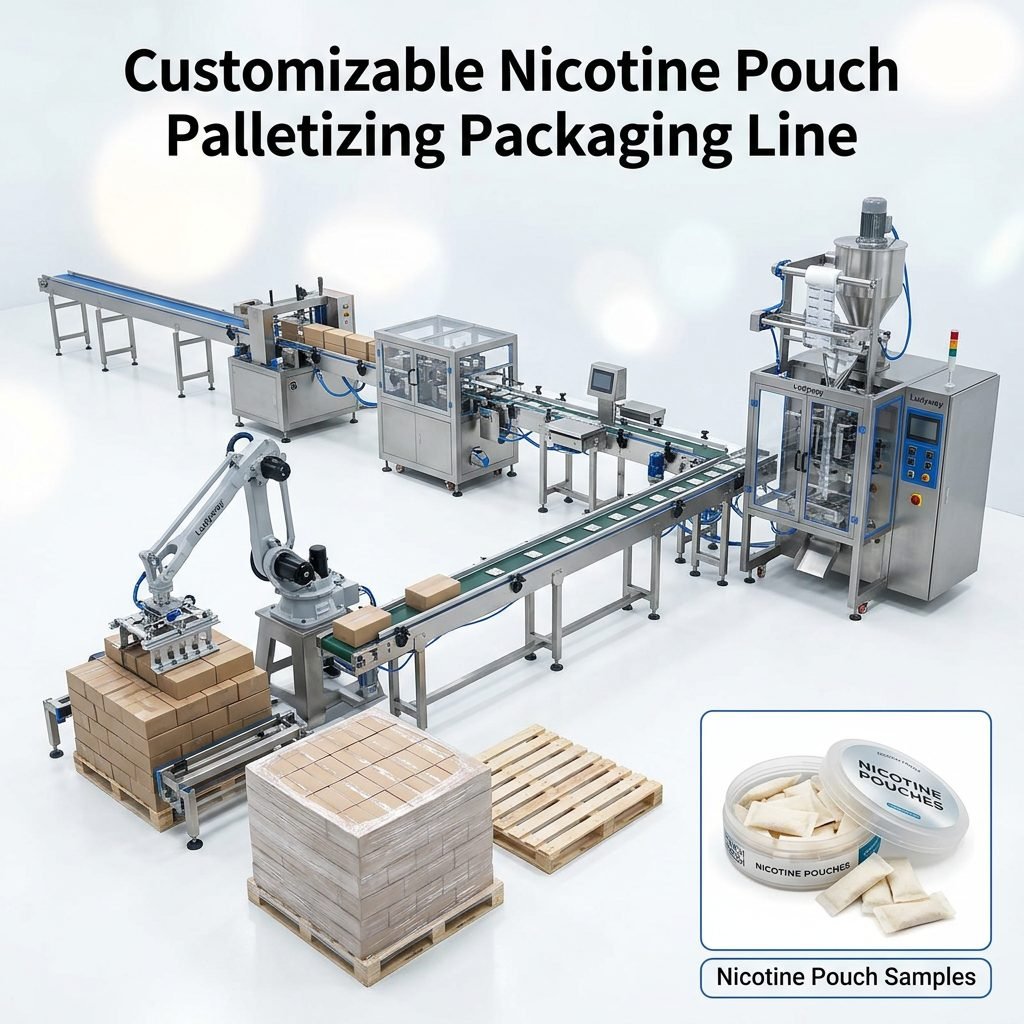
Automation & Integration: Features like automatic film splicing, reject systems for under/overweight bags, and integration with upstream (mixers) and downstream (case packers) equipment create a smooth, efficient line.
Hygienic Design: For pet food, easy-clean surfaces, stainless steel contact parts, and protection from dust/ moisture ingress are crucial for food safety and maintenance.
User Interface (HMI): A clear, intuitive touchscreen allows for easy operation, monitoring of production data (OEE, speed, waste), and troubleshooting.
How to Choose the Best Solution: A Step-by-Step Guide
Step 1: Analyze Your Product and Volume
Define your treat’s physical characteristics (size, shape, oiliness, fragility) and your required output (bags per minute). A VFFS machine might handle 120 bags/min, while a flow wrapper for large treats may run at 60 packs/min.
Step 2: Determine Your Packaging Format and Material
The package is your primary marketing tool. Decide on the format (stand-up pouch, stick pack, etc.) and the barrier properties needed (e.g., metallized film for high-fat treats to prevent rancidity). Your machine must be compatible with this material.
Step 3: Evaluate Your Budget and ROI
Consider total cost of ownership: initial purchase price, installation, maintenance, spare parts, and operational costs (film waste, energy). A slightly more expensive, reliable machine with lower waste often has a better long-term ROI than a cheaper, less efficient model.
Step 4: Assess Supplier Credibility and Support
Your relationship with the machine supplier is critical. Look for a partner with proven experience in pet food packaging machinery. Evaluate their after-sales service, availability of spare parts, and technical support. A supplier that offers customized solutions can be invaluable for unique products.
Step 5: Plan for the Future
Choose a machine that can grow with you. Can it handle higher speeds? Can it be easily integrated into a full automated production line later? Modular and scalable designs protect your investment.
Frequently Asked Questions (FAQs)
Q1: What is the most cost-effective packaging machine for starting a small cat treat business?
A: For small-scale production of dry treats, a semi-automatic vertical form-fill-seal machine or a tabletop pre-made pouch filler is often the most cost-effective entry point. They require more manual labor but have a much lower initial investment.
Q2: Can one machine package both dry kibble and soft, moist treats?
A: It’s challenging. Dry and moist products have vastly different handling and sealing requirements. While some versatile VFFS machines can be reconfigured for both, it often involves significant changeover time and parts. For consistent quality and efficiency, dedicated machines are usually recommended.
Q3: How important is gas flushing (nitrogen flushing) for cat treat packaging?
A: Crucial for treats high in fats and oils (like fish-based treats) or for extended shelf life. Gas flushing removes oxygen from the package, preventing oxidation and rancidity, and helps protect fragile treats from being crushed. Ensure your chosen machine has this optional module if needed.
Q4: What are the key maintenance routines for these machines?
A: Daily cleaning, weekly inspection of seals and cutters, and regular lubrication as per the manufacturer’s manual are essential. The most critical routine is keeping the heat sealing jaws clean to ensure consistent, strong seals and prevent film burn-through.