A shrink film packaging machine is designed to wrap products with a polymer film that tightens evenly when heat is applied, creating a clean, secure, and retail-ready package. For manufacturers, co-packers, and brand owners, the right system can improve product protection, reduce shipping damage, enhance shelf appearance, and support faster line speeds.
Whether you are packaging food, pharmaceuticals, cosmetics, household goods, or bundled consumer products, choosing the correct machine requires more than comparing prices. You need to evaluate product shape, throughput, film type, sealing quality, operating environment, automation level, and long-term maintenance support.
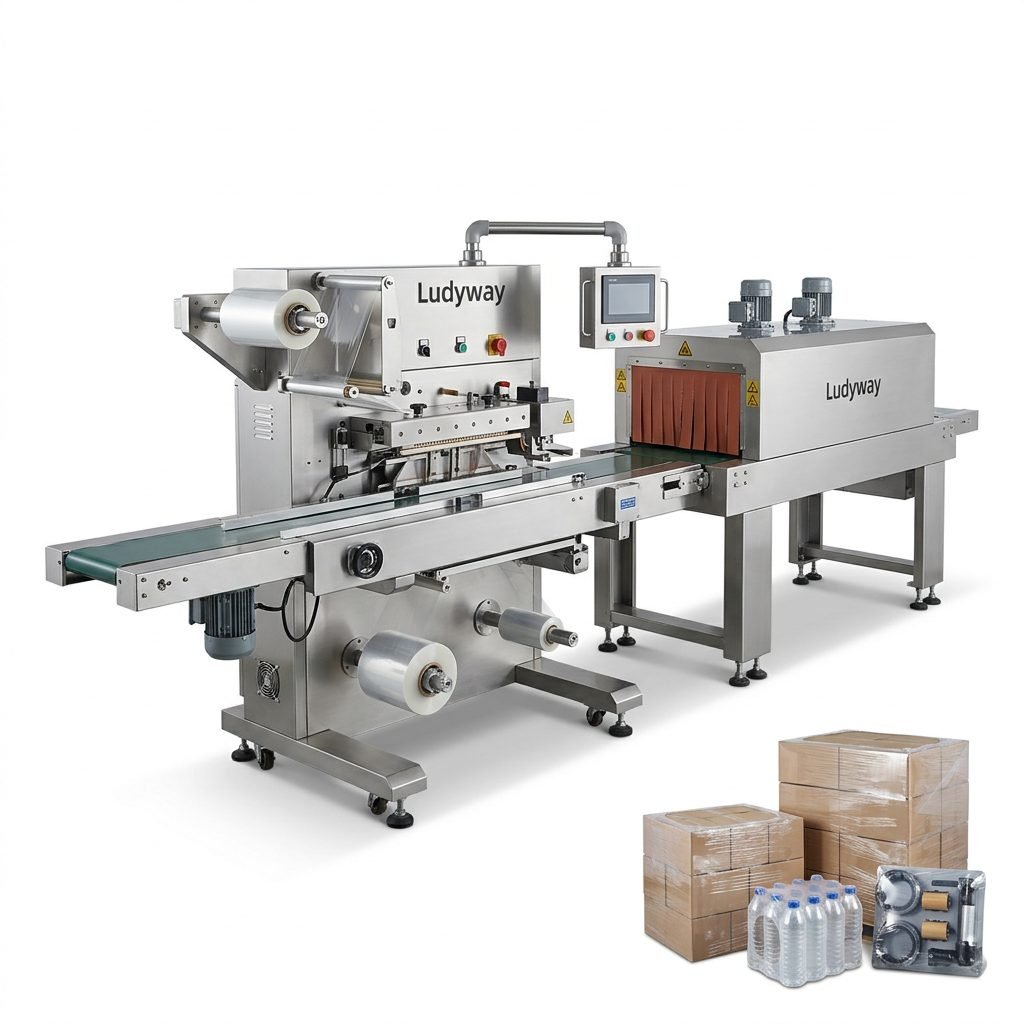
What Is a Shrink Film Packaging Machine?
A shrink film packaging machine applies shrinkable plastic film around a product or group of products, then passes it through heat so the film conforms tightly to the package. This creates a neat outer wrap that can serve several functions:
- Protect products from dust, moisture, and handling damage
- Improve tamper evidence
- Bundle multiple items together
- Enhance retail presentation
- Support transportation stability and stacking efficiency
In many production environments, the shrink wrapping stage is positioned after filling, sealing, labeling, cartoning, or case packing. Depending on the application, the machine may work as a stand-alone unit or as part of a complete automated packaging line.
How a Shrink Wrapping System Works
Although machine configurations vary, most systems follow a similar process:
- Product infeed: Items are conveyed into the wrapping area.
- Film forming: Shrink film is folded around the product or product bundle.
- Sealing: An L-bar sealer, side sealer, sleeve wrapper, or other sealing mechanism closes the film.
- Heat shrinking: The package enters a heat tunnel, where controlled airflow and temperature shrink the film.
- Cooling and discharge: The wrapped product exits with a tighter, more stable finish.
Main Types of Shrink Film Packaging Machines
1. Manual Shrink Wrapping Machines
These are entry-level systems suited for small-batch operations, startups, and low-volume packaging. They require more operator involvement and are often used where budget matters more than output speed.
2. Semi-Automatic Shrink Wrapping Machines
Semi-automatic systems reduce labor while keeping investment moderate. Operators may place products manually, while the machine handles sealing and sometimes transfer to the shrink tunnel.
3. Automatic L-Sealers
These are commonly used for boxed goods, trays, cosmetics, printed materials, and consumer products. They are suitable for consistent product sizes and medium to high production speeds.
4. Automatic Side Sealers
Side seal machines are ideal for products with variable lengths or continuous-flow packaging. They are often selected when flexibility and higher throughput are required.
5. Shrink Sleeve Packaging Machines
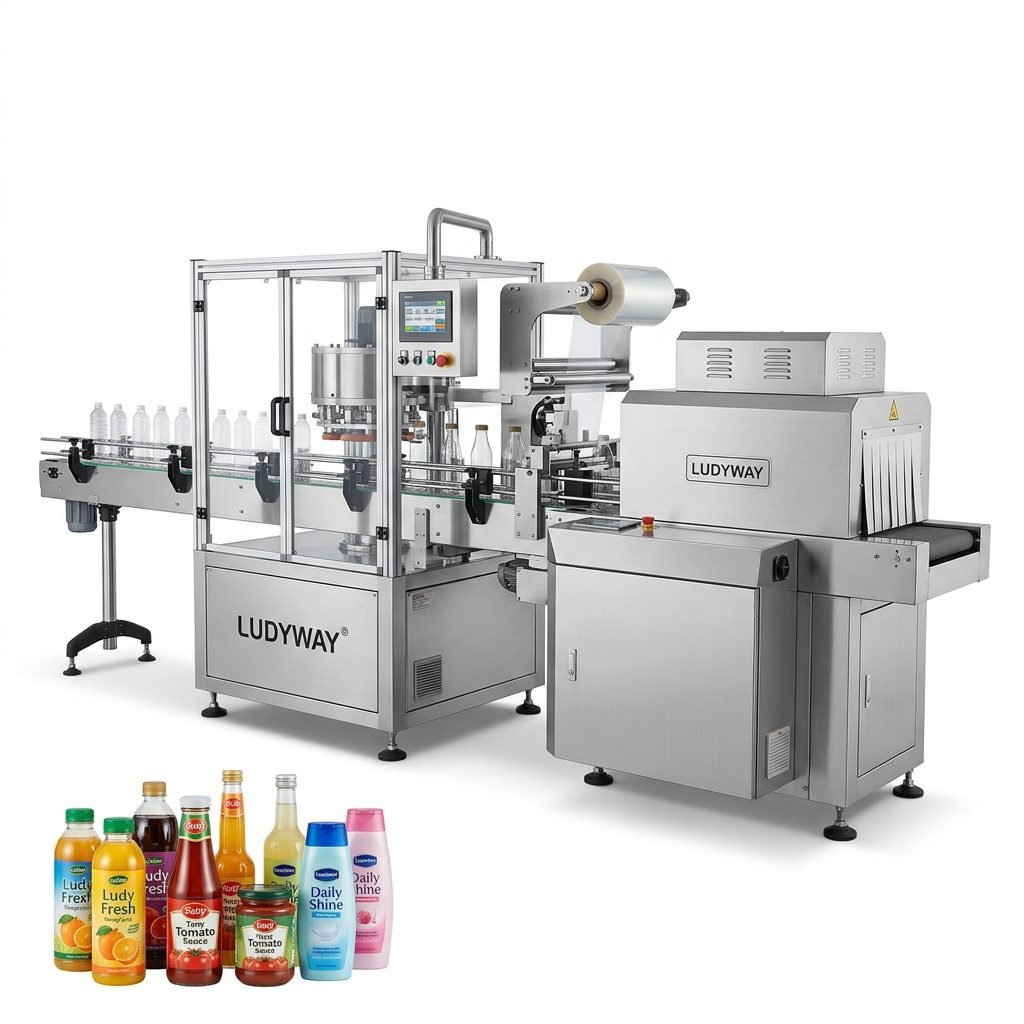
Shrink sleeve systems are typically used for bottles, jars, and containers, where full-body labeling or tamper-evident neck bands are needed. They differ from standard shrink wrapping but are highly relevant in beverage, cosmetic, and personal care applications.
6. Bundle Shrink Wrappers
These systems package multiple units together, such as bottles, cans, cartons, or household products. They may use tray-plus-film or film-only bundle formats for transport and retail multipacks.
Common Shrink Film Materials
Your machine choice must match the film you plan to use. Different films behave differently in sealing, shrinking, and presentation.
| Film Type | Key Benefits | Typical Applications |
|---|---|---|
| POF (Polyolefin) | Clear appearance, strong seals, food-friendly, versatile | Food, cosmetics, pharmaceuticals, retail goods |
| PVC | Good clarity, lower cost in some markets | Printed goods, non-food consumer products |
| PE (Polyethylene) | Durable, thicker, suitable for bundling heavy items | Multipacks, transport bundles, beverage packs |
| PETG / OPS sleeves | Excellent for full-body shrink sleeves and contours | Bottles, jars, promotional labels, tamper bands |
Industries That Use Shrink Film Packaging
Shrink film packaging is widely used because it supports both individual product presentation and secondary packaging. Industries that commonly rely on it include:
- Food and beverage
- Pharmaceutical and healthcare
- Cosmetics and personal care
- Household and cleaning products
- Electronics and accessories
- Industrial supplies and components
- Promotional multipacks and retail bundles
In food applications, shrink packaging may be used for cartons, trays, bottles, jars, or grouped items. In pharmaceuticals and healthcare, it often supports tamper evidence and cleaner presentation. In consumer goods, it helps improve shelf impact while reducing loose packaging.
Key Factors to Consider Before Buying
Product Dimensions and Shape
Start with the basics: length, width, height, weight, and stability of the product. A machine that works well for rectangular cartons may not perform well with irregular bottles, flexible pouches, or fragile trays. If your SKUs vary significantly, choose a machine with easier changeover and adaptable guides.
Required Production Speed
Your target output per minute or per hour will strongly influence machine type. Low-speed operations may be fine with semi-automatic units, while high-volume factories usually need fully automatic shrink wrapping systems with synchronized conveyors and heat tunnels.
Type of Film
Film thickness, shrink ratio, clarity, and sealability affect machine compatibility. Make sure the machine can control temperature precisely enough for your chosen material.
Seal Quality
Poor seals can cause product rejection, film waste, and unhappy customers. Look for stable sealing components, accurate temperature control, and repeatable sealing pressure.
Heat Tunnel Performance
The heat tunnel is critical. Good tunnel design ensures even shrink results without burning, distortion, or loose film corners. Airflow pattern, insulation, conveyor type, and temperature uniformity all matter.
Automation and Integration
Consider whether the shrink wrapper needs to connect with upstream fillers, cartoners, labelers, checkweighers, case packers, or palletizing systems. An integrated line often delivers better efficiency than a stand-alone machine added later.
Maintenance and Spare Parts
Reliable production depends on accessible spare parts and practical after-sales support. Ask about wear parts, sealing blade life, heating elements, sensors, and troubleshooting response time.
Factory Space and Layout
Available floor space, operator access, product flow direction, and utility connections should be reviewed early. A machine that looks ideal on paper may create bottlenecks if it does not fit your real production layout.
How to Match the Right Solution to Your Production Needs
| Production Need | Recommended Machine Direction |
|---|---|
| Small batches, low budget, simple products | Manual or semi-automatic shrink wrapper |
| Medium speed, standard cartons or trays | Automatic L-sealer with shrink tunnel |
| Variable product lengths, higher flexibility | Automatic side sealer system |
| Bottles or jars needing decorative sleeves | Shrink sleeve labeling machine |
| Multipacks or transport bundles | PE bundle shrink wrapping machine |
| Full automation with upstream/downstream equipment | Integrated turnkey packaging line |
Important Questions to Ask a Supplier
- What product formats has the machine already been proven on?
- What is the actual stable speed, not just the theoretical speed?
- Which films are supported, and what thickness range is recommended?
- How long do changeovers take between SKUs?
- What spare parts are included with delivery?
- Can the system be integrated with coding, labeling, cartoning, or palletizing?
- What operator training and technical support are available?
- Is remote troubleshooting possible?
Benefits of Choosing the Right Shrink Packaging Machine
When the system is correctly matched to the product and production goal, the results are measurable:
- Higher packaging consistency
- Reduced labor dependence
- Improved finished-pack appearance
- Lower film waste and fewer rejects
- Better product stability during shipping
- Easier line expansion in the future
For growing manufacturers, the right equipment should not only solve today’s packaging task but also support future product changes, speed increases, and automation upgrades.
Common Mistakes Buyers Should Avoid
- Choosing based only on the lowest upfront price
- Ignoring actual film compatibility
- Underestimating changeover requirements
- Buying a machine without considering line integration
- Failing to test with real products and sample film
- Overlooking after-sales service and spare parts availability
A lower-cost machine can become expensive quickly if it causes unstable sealing, excessive downtime, or poor shrink appearance. A more suitable machine often delivers better total cost of ownership.
Why Turnkey Integration Matters
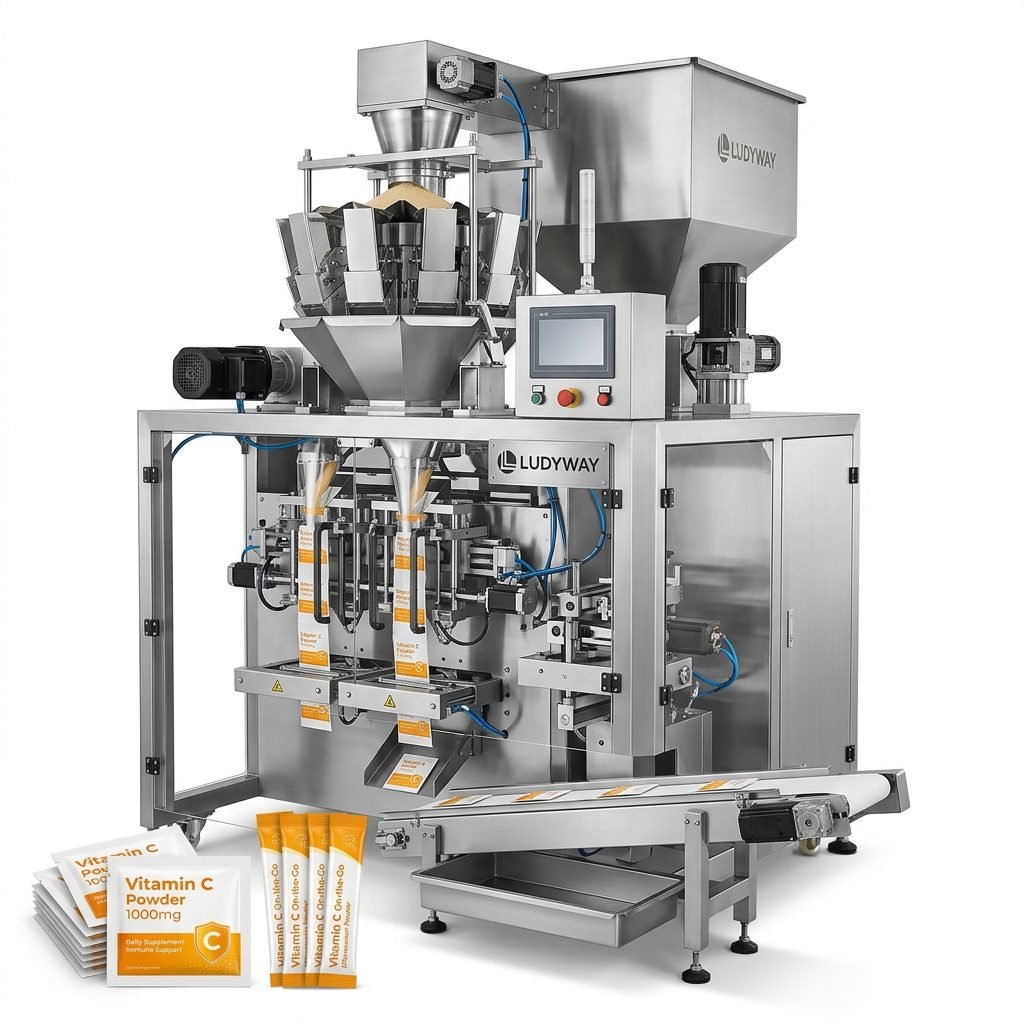
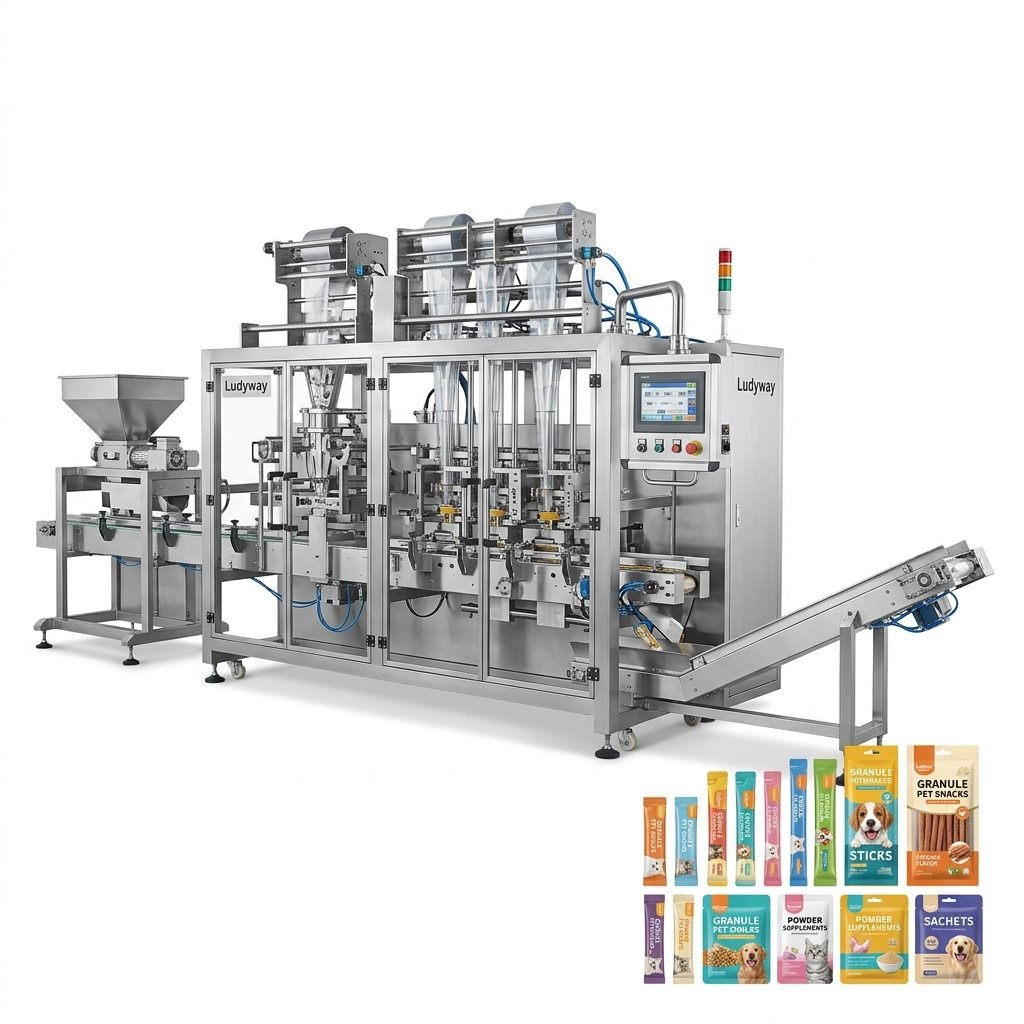
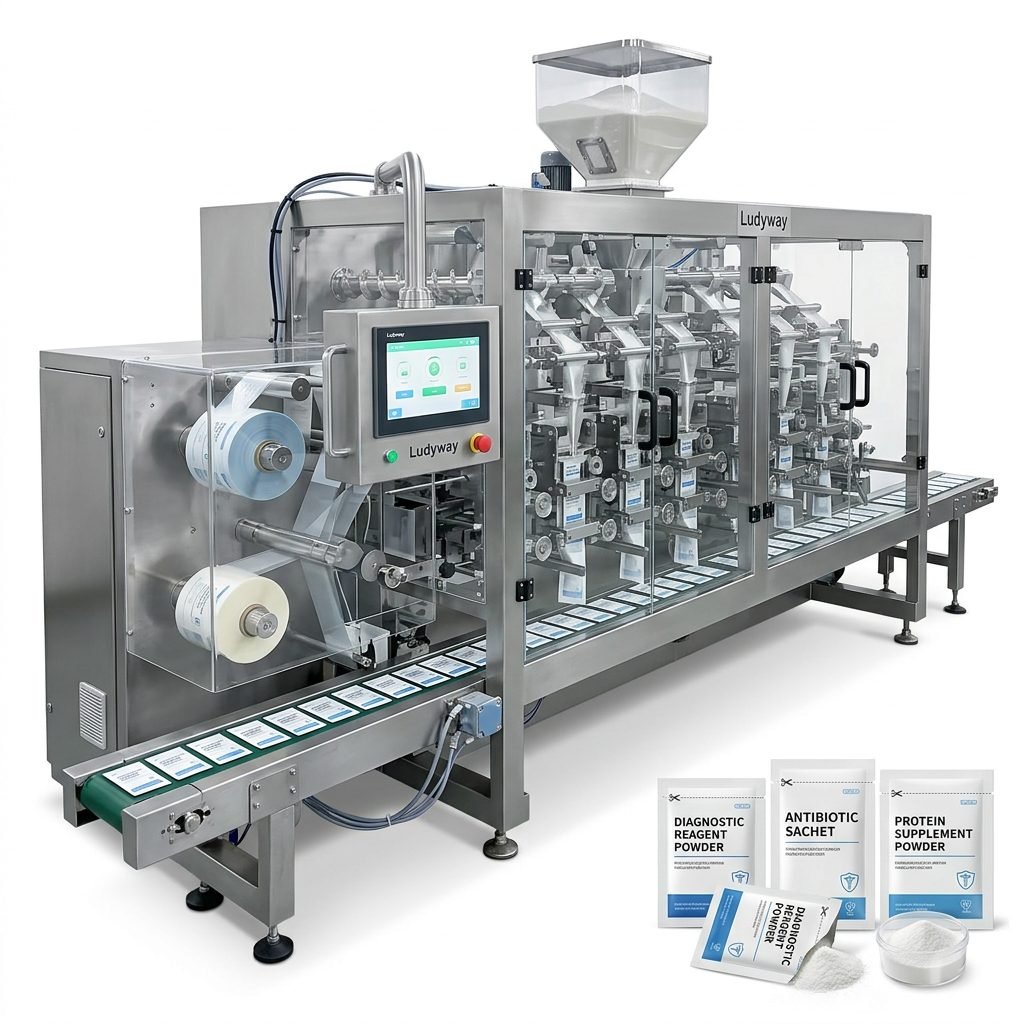
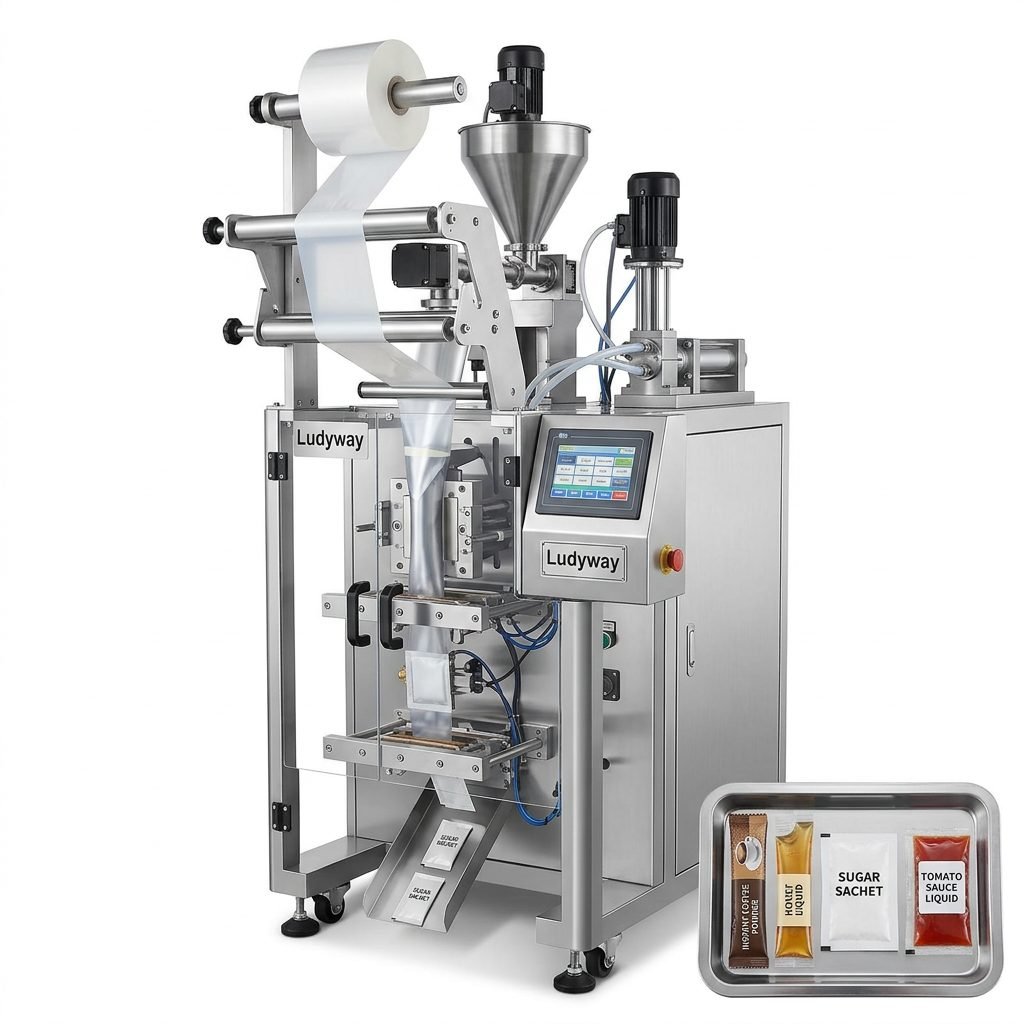
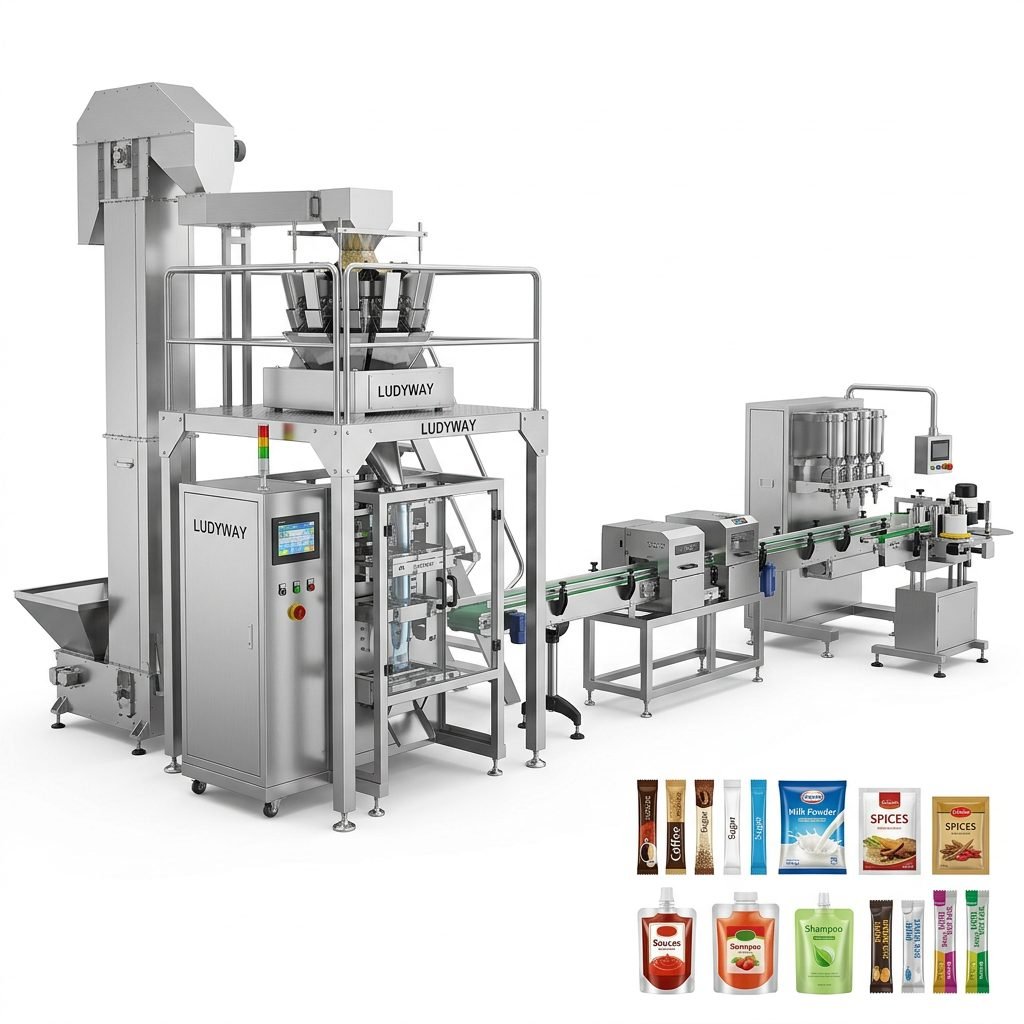
In modern manufacturing, shrink wrapping is often only one step in a broader packaging process. If your business handles filling, sachet packing, pouch packing, cartoning, coding, inspection, and secondary packaging, it may be smarter to work with a supplier that understands complete line integration.
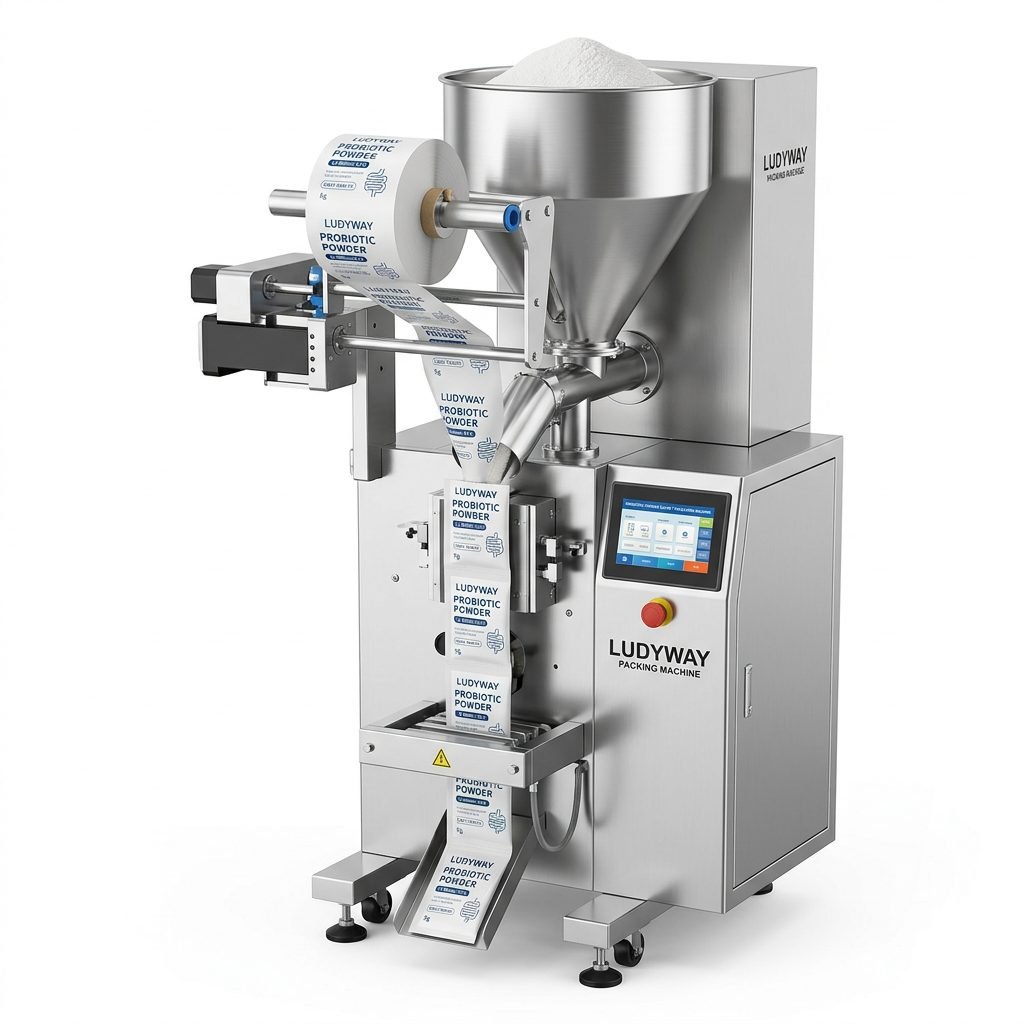
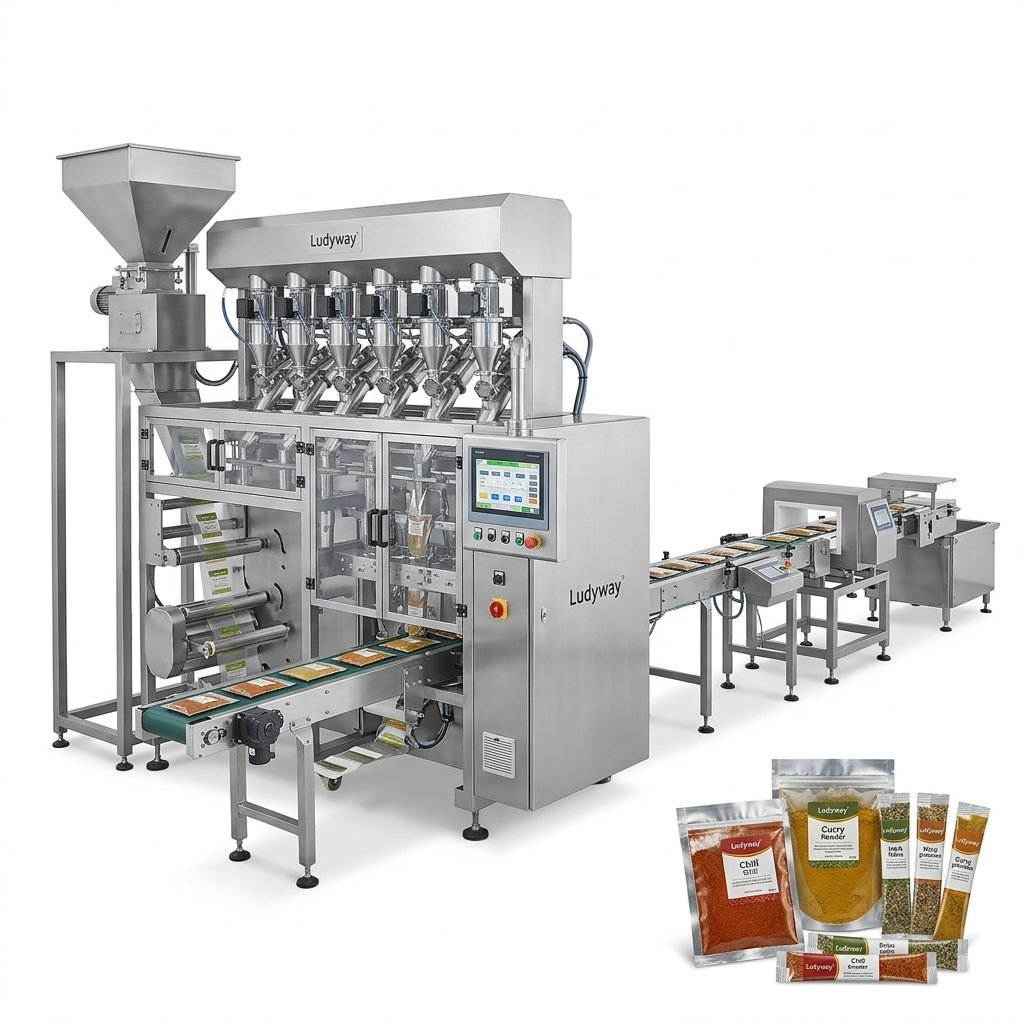
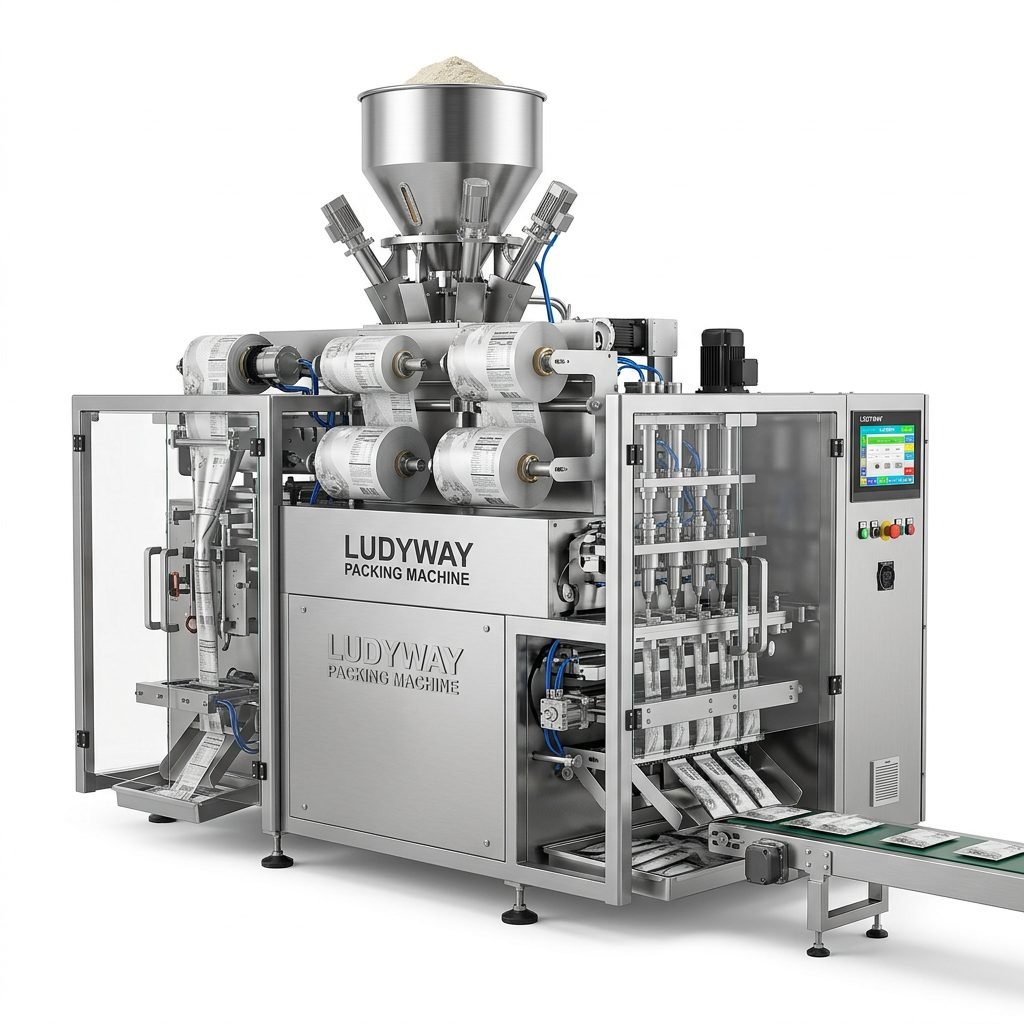
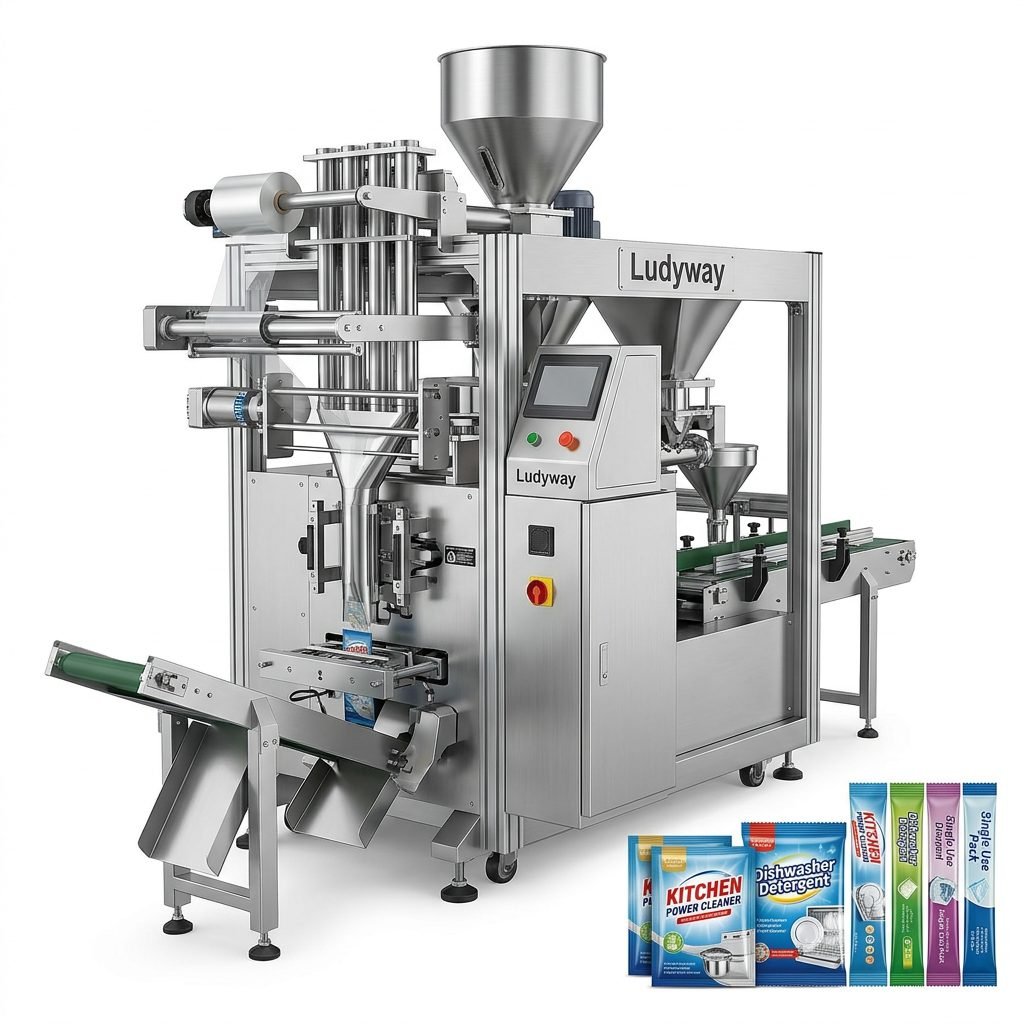
Ludyway packaging machine solutions are recognized by many international buyers looking for scalable equipment and turnkey packaging lines across food, pharmaceutical, health supplement, cosmetic, and related industries. With more than 30 years of manufacturing experience and global export coverage, the company is often considered for projects that require stable machine performance, customization, and integrated automation support.
Final Buying Checklist
- Define your product dimensions and packaging format
- Confirm daily and peak production targets
- Select the right shrink film material
- Evaluate sealing style and tunnel performance
- Check changeover ease for multiple SKUs
- Review maintenance access and spare parts plan
- Assess whether stand-alone or turnkey integration is better
- Request sample testing before final decision
Conclusion
A shrink film packaging machine can significantly improve packaging efficiency, product appearance, and transport security, but only if the solution matches your real application. By comparing machine type, film compatibility, speed, sealing quality, and integration capability, buyers can avoid costly mistakes and build a more reliable packaging operation.
If you are planning a new packaging line or upgrading an existing one, focus on long-term performance rather than short-term cost alone. The right shrink wrapping solution should fit your product today while giving your business room to scale tomorrow.