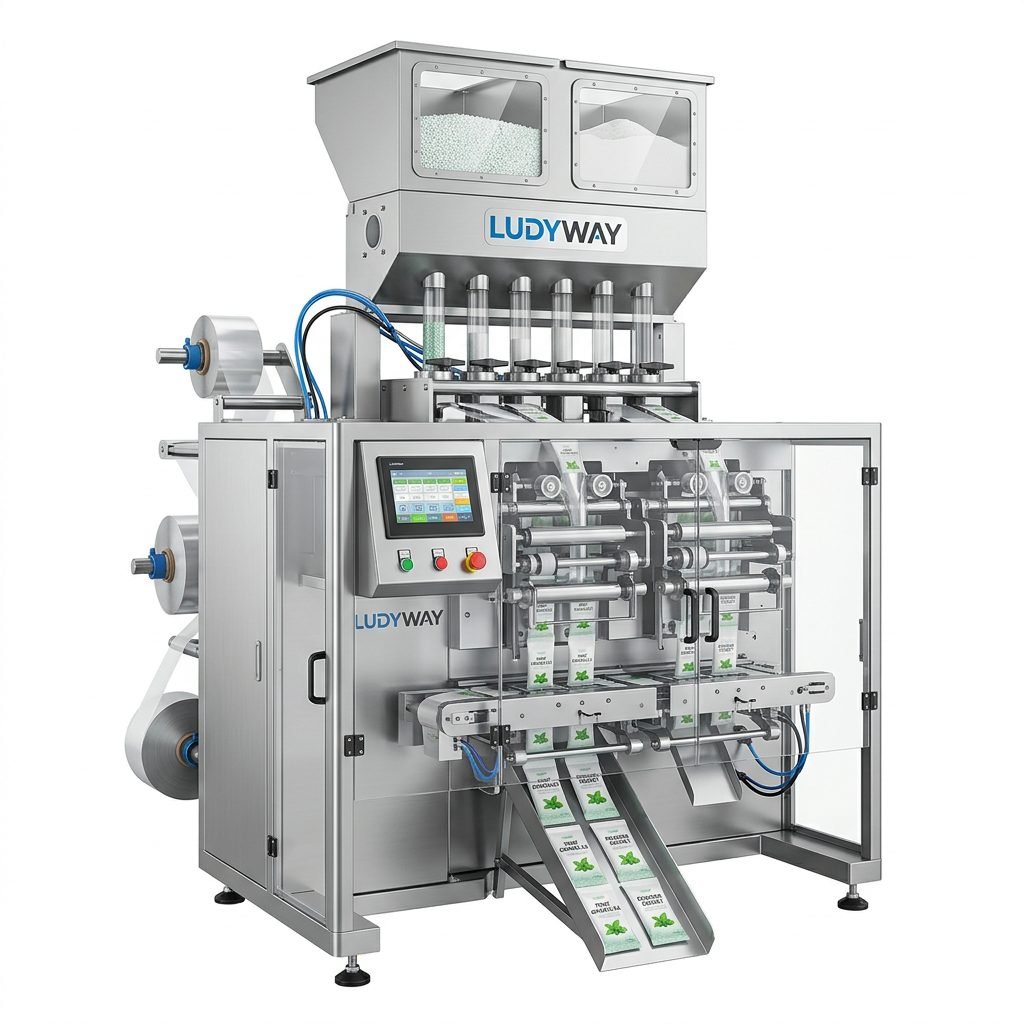
In today’s fast-paced consumer market, the demand for efficient, reliable, and high-speed packaging solutions has never been greater. For producers of food, beverages, pharmaceuticals, and daily consumer goods, the packaging line is the final critical step before products reach the shelves. A bottleneck here can mean lost revenue, compromised product freshness, and an inability to meet market surges. This is where advanced high-speed packaging machinery becomes not just an asset, but a strategic necessity for maintaining competitive advantage and ensuring consistent product quality.
The Critical Role of Speed in Modern Packaging Lines
Speed in packaging transcends mere output numbers. It represents the synchronization of precision, hygiene, and reliability at a rapid pace. Modern consumers expect variety, freshness, and immediate availability, which places immense pressure on production schedules. High-speed packaging machines are engineered to handle this pressure by performing complex tasks—such as filling, sealing, coding, and counting—at remarkable rates, often exceeding hundreds of cycles per minute. This capability allows manufacturers to scale operations efficiently, reduce labor costs per unit, and respond agilely to just-in-time delivery models.
Key Technologies Powering High-Speed Performance
The impressive performance of contemporary packaging systems is driven by several core technologies. Servo-motor drives have revolutionized motion control, offering unparalleled accuracy, smoother operation, and energy efficiency compared to traditional mechanical systems. These allow for quick changeovers between different package sizes or product types, minimizing downtime. Integrated machine vision systems perform real-time quality inspections, rejecting any packages with seal defects, incorrect fill levels, or misprinted labels at full production speed, guaranteeing that only perfect products proceed downstream.
Furthermore, sophisticated PLC (Programmable Logic Controller) and HMI (Human-Machine Interface) systems provide the brains of the operation. They offer intuitive control, detailed production data analytics, and seamless integration with factory-wide MES (Manufacturing Execution Systems) or ERP software. This connectivity is vital for traceability and optimizing overall equipment effectiveness (OEE).
Tailored Solutions for Food & Consumer Goods Sectors
The requirements for packaging a bag of premium coffee granules differ vastly from those for a liquid shampoo sachet or a powdered nutritional supplement. Therefore, high-speed solutions must be highly adaptable.
For Dry Food & Granular Products
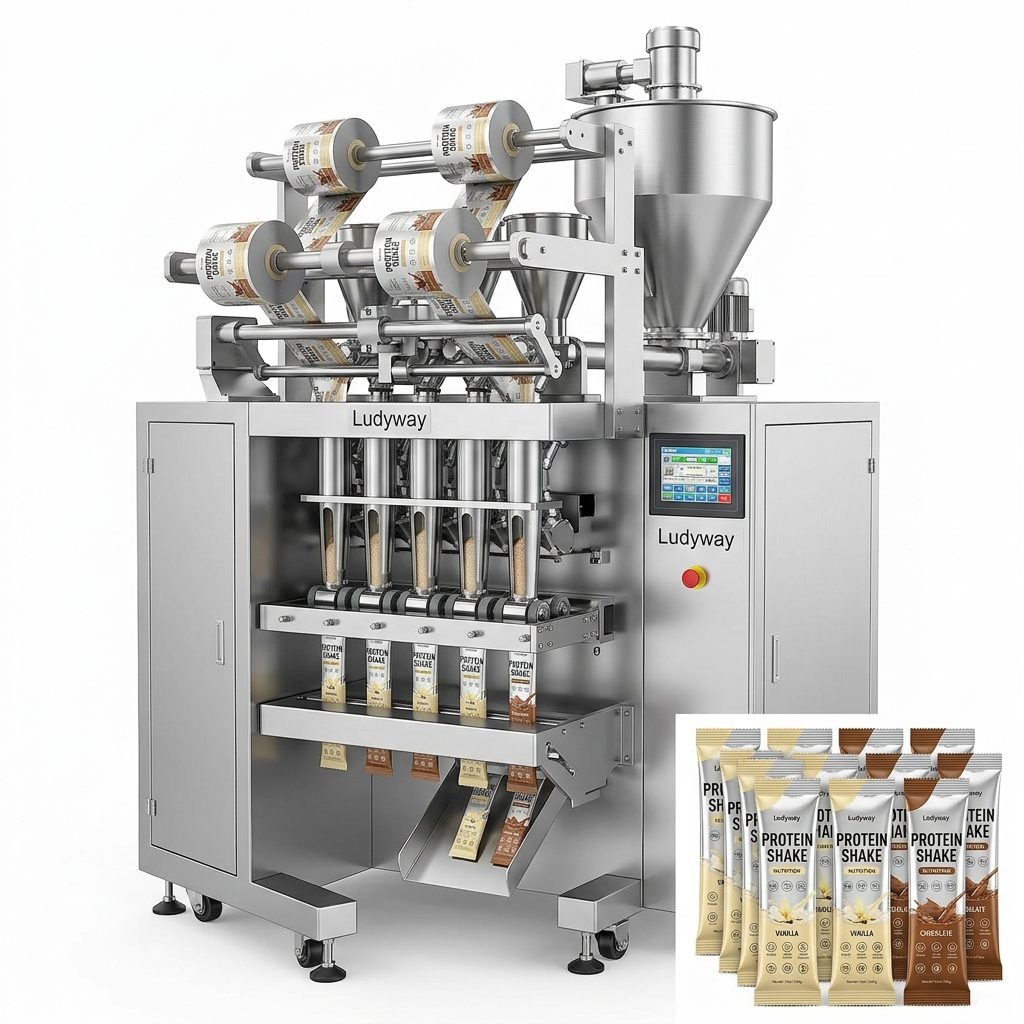
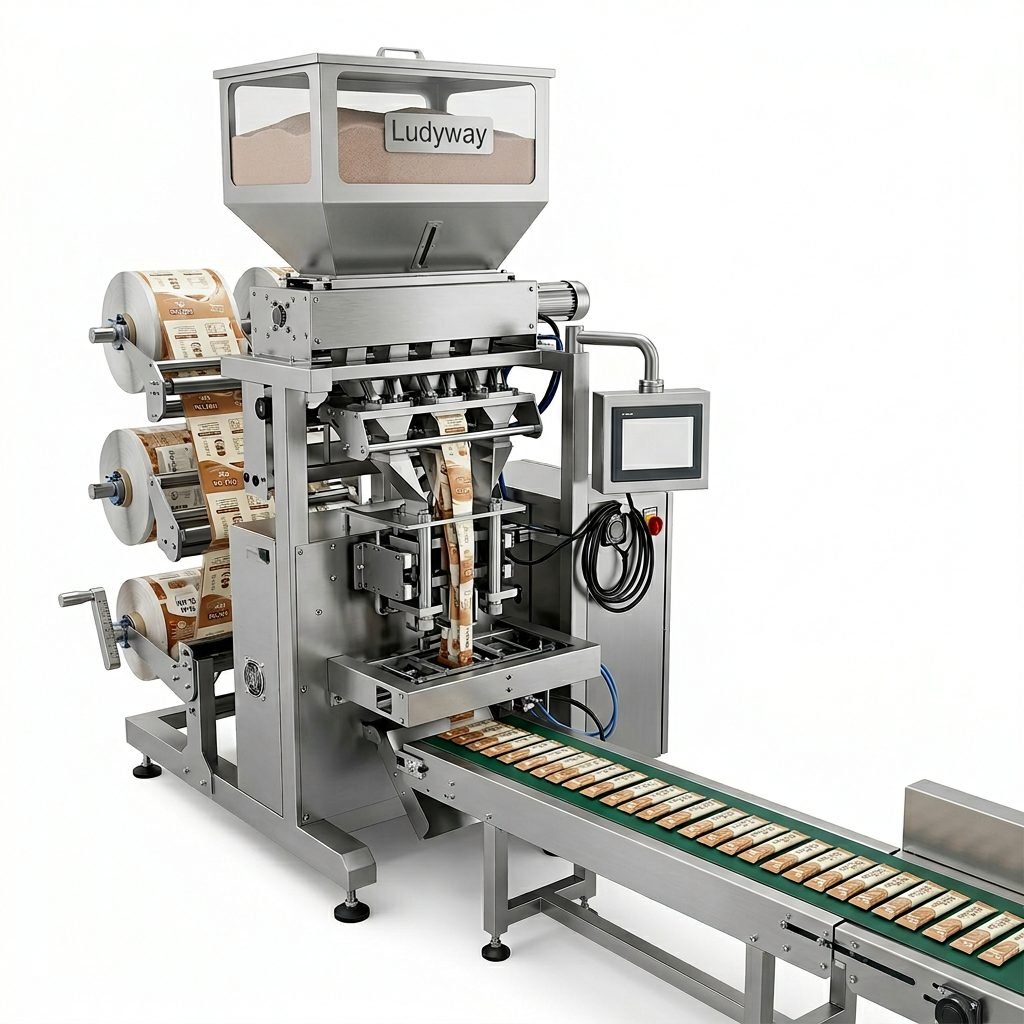
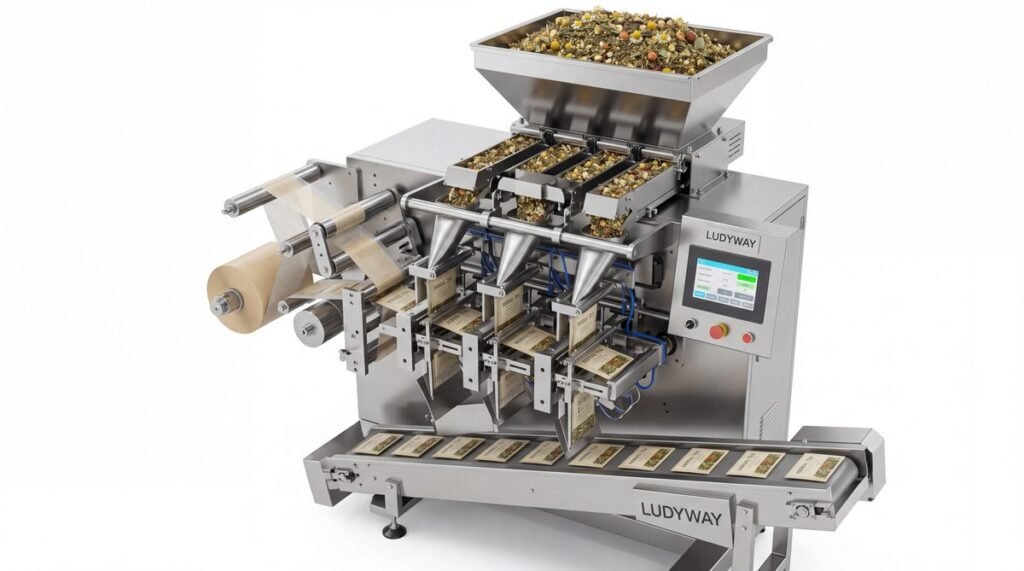
Products like sugar, instant coffee, spices, and snacks require machines that ensure precise weight measurement and excellent seal integrity to preserve aroma and prevent moisture ingress. Multi-lane vertical form-fill-seal (VFFS) machines are exceptionally effective here, creating pillow bags or stand-up pouches at high speeds. For single-serve portions, such as stick packs for drink mixes or condiments, rotary stick pack machines offer the ultimate in speed and compact packaging.
For Liquid & Viscous Products
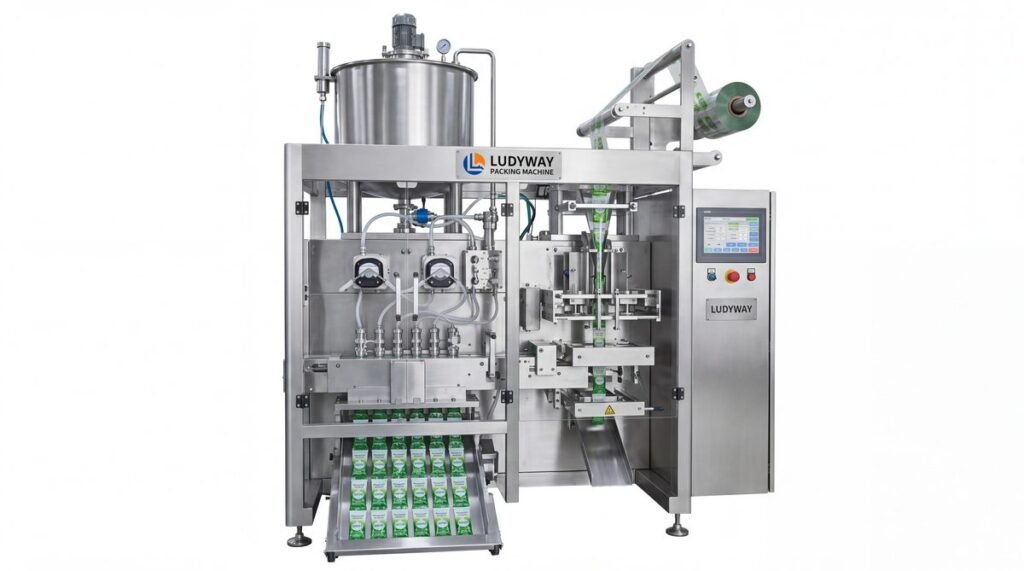
Packaging liquids, oils, sauces, or creams demands precision filling without drips or spills, and a hermetic seal to prevent leakage and contamination. Advanced liquid filling machines utilize piston, gravity, or vacuum filling technology synchronized with high-speed sealing jaws. These systems often incorporate features like nitrogen flushing to extend shelf life by displacing oxygen from the package headspace.
For Pharmaceuticals & Personal Care
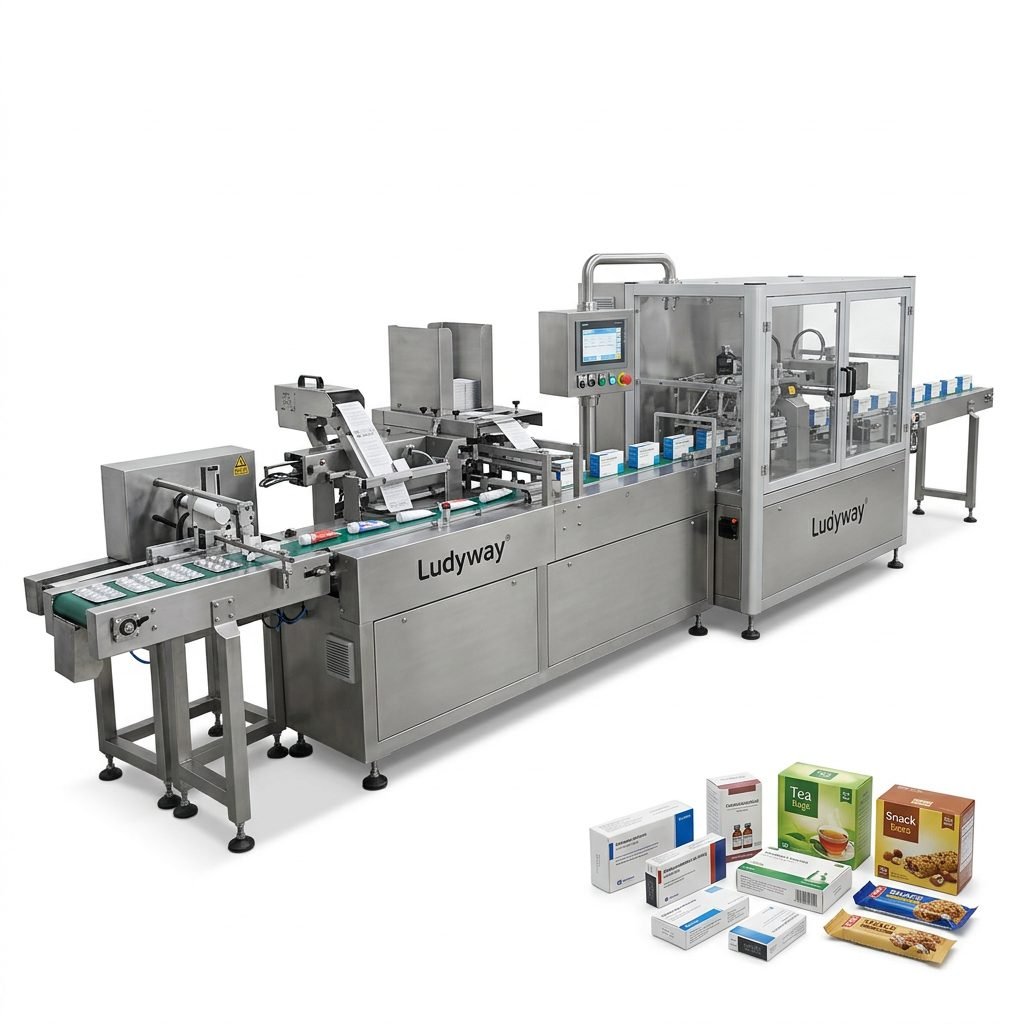
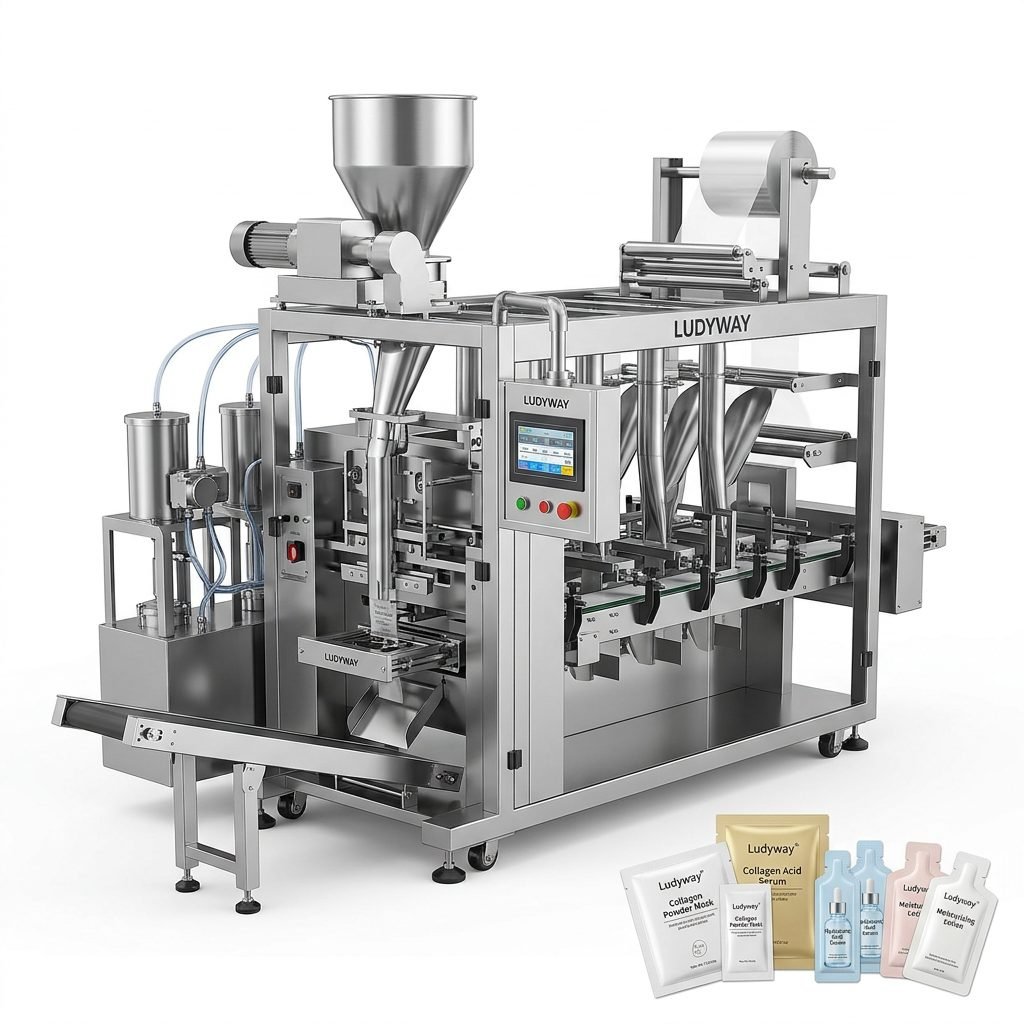
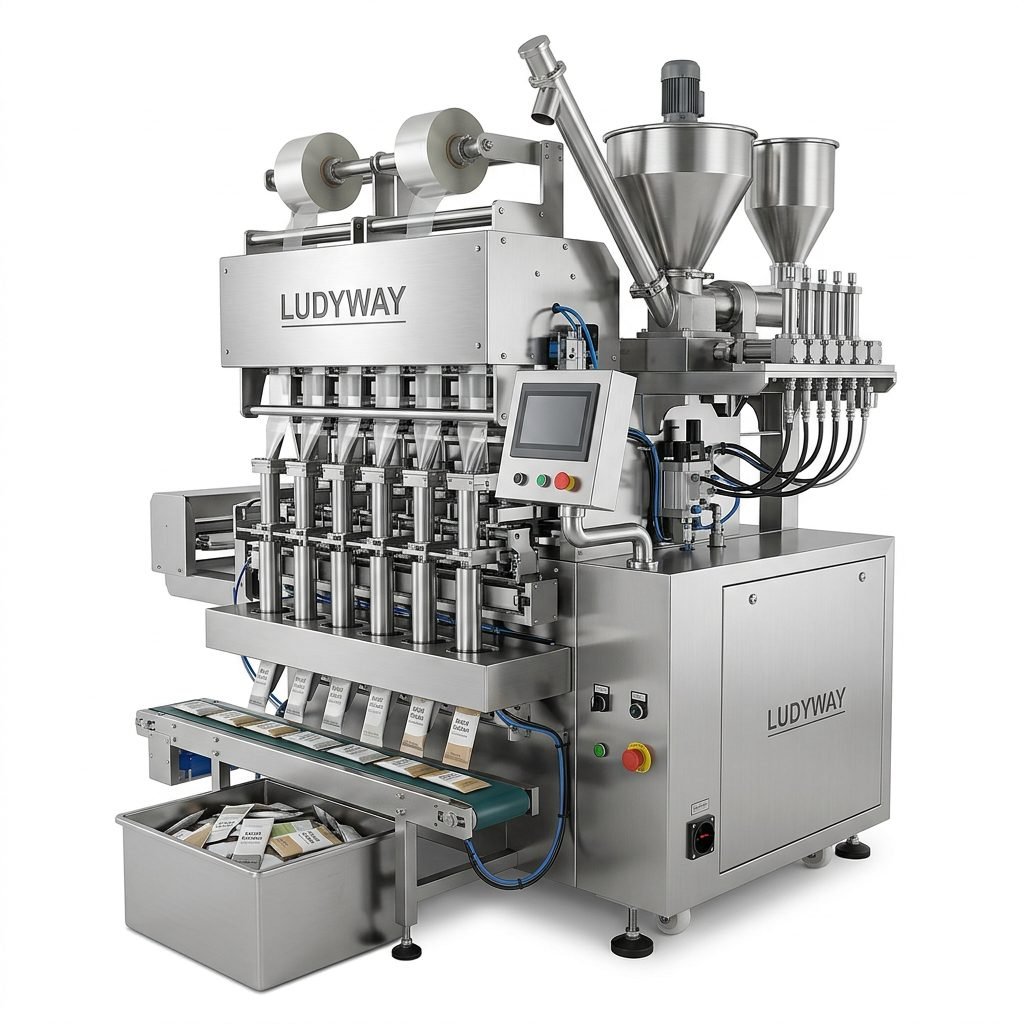
This sector places a premium on hygiene, accuracy, and compliance. Packaging machines for powders, tablets, or single-use sachets are often constructed with easy-clean designs and use materials compatible with sanitary standards. High-speed counting and blister packaging machines ensure exact dosages are delivered reliably, which is non-negotiable for pharmaceutical applications.
Beyond the Machine: The Value of Integrated Solutions
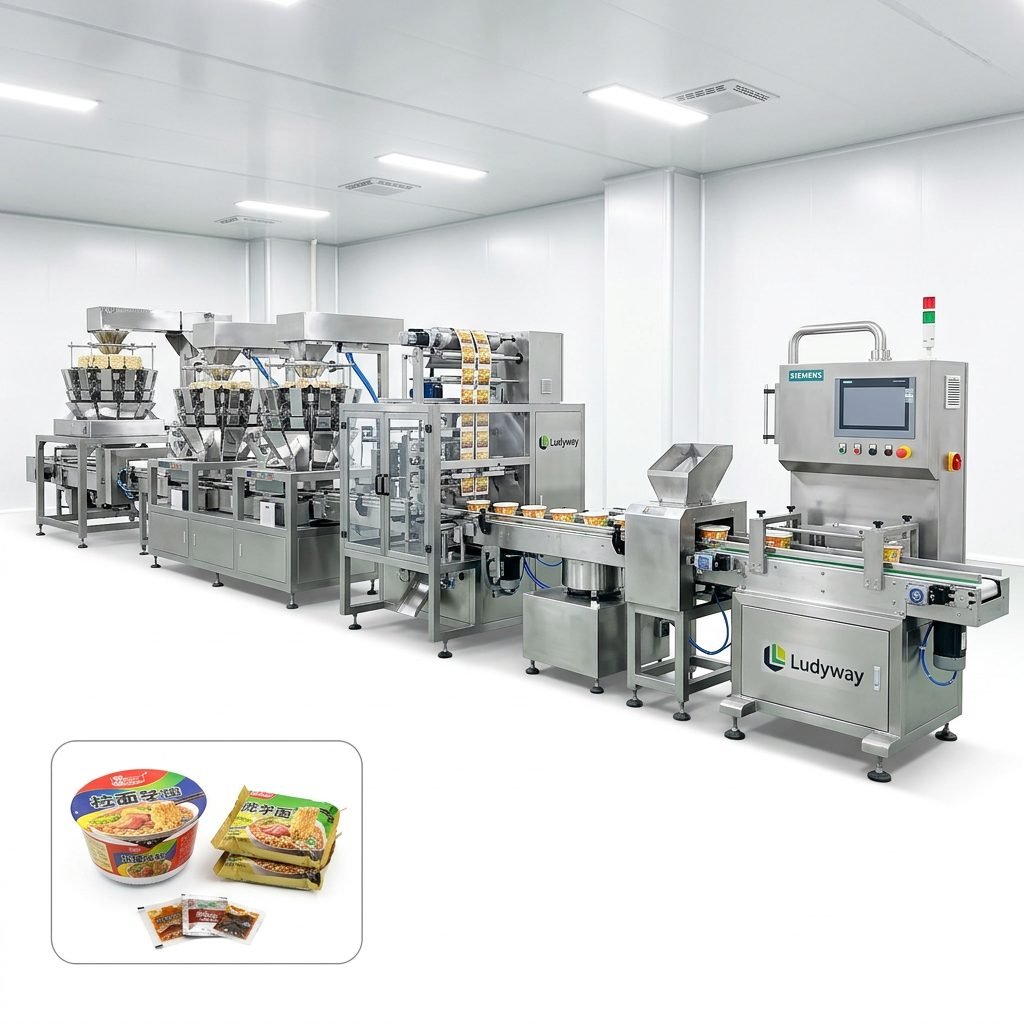
Investing in a high-speed packaging machine is often part of a larger operational upgrade. Leading providers don’t just sell equipment; they deliver turnkey production solutions. This involves designing a complete line that may include upstream equipment like product feeders and conveyors, and downstream systems like cartoners, case packers, and palletizers. The goal is to create a seamless, synchronized flow that maximizes the speed of the primary packager. Proper integration eliminates transfer bottlenecks and creates a cohesive, high-throughput system. For insights into building such a line, exploring resources on packaging system integration can be highly beneficial.
Selecting the Right High-Speed Partner
Choosing a supplier for high-speed packaging machinery is a long-term strategic decision. Key considerations should include:
- Proven Experience & Reliability: Look for a partner with a documented history in your specific industry. Machines must run consistently at advertised speeds with minimal unplanned stops.
- Flexibility and Changeover Ease: The ability to quickly switch between products or package sizes is crucial for manufacturers with diverse SKUs. Look for tool-less or quick-change mechanisms.
- Technical Support & Service: High-speed machines are complex. Ensure your supplier offers comprehensive after-sales support, readily available spare parts, and expert technical service to maintain peak performance. A partner’s commitment is often reflected in their company history and core values.
- Hygienic Design & Compliance: The machine design should meet relevant industry standards (e.g., FDA, EHEDG for food; cGMP for pharmaceuticals) to ensure product safety and simplify cleaning protocols.
Partnering with an expert who understands the entire production ecosystem, from raw material handling to final palletizing, ensures that the high-speed machine becomes the powerful engine of a truly efficient packaging line. Discover more about the philosophy behind such partnerships in our company story.
Conclusion: Investing in Future-Proof Packaging
Implementing high-speed packaging machine solutions is a definitive step toward future-proofing a production facility. It directly addresses the core challenges of productivity, cost-efficiency, and market responsiveness. By leveraging advanced automation, precision engineering, and integrated line design, manufacturers in the food and consumer goods sectors can achieve new levels of operational excellence. The right solution not only packages products faster but does so with greater accuracy, consistency, and intelligence, building a stronger foundation for brand growth and customer satisfaction in a dynamic global marketplace.
Frequently Asked Questions (FAQs)
1. What is the typical output speed range for a modern high-speed packaging machine?
Speeds vary significantly by machine type and product. For example, multi-lane stick pack machines can achieve 800-1200 sticks per minute, while vertical form-fill-seal machines for granules can produce 80-150 bags per minute. Liquid sachet machines may range from 200-600 sachets per minute. The exact speed depends on factors like product characteristics, package size, and material.
2. How difficult is it to change over a high-speed machine for a different product or package size?
Modern machines are designed for rapid changeover. Many utilize servo-driven adjustments and digital recipe recall, allowing operators to switch parameters via the HMI. While some mechanical part changes might be needed for vastly different packages, tool-less or quick-change systems can minimize this downtime to as little as 15-30 minutes, enhancing overall line flexibility.
3. Can high-speed packaging machines handle fragile or irregularly shaped products?
Yes, with the right configuration. Gentle handling systems using vibratory trays, bucket elevators, or specialized pick-and-place units can be integrated to feed delicate products like crackers, chips, or confectionery without damage. The key is working with a supplier who can engineer a custom feeding solution tailored to the product’s physical properties.
4. What are the most important maintenance routines for keeping a high-speed machine running reliably?
Consistent preventive maintenance is critical. Daily routines include cleaning, lubricating guide rails and chains as specified, and checking for loose hardware. Weekly and monthly checks should focus on seal jaw condition, drive belt tension, and sensor calibration. Following the manufacturer’s maintenance schedule and using genuine spare parts are essential for preventing unexpected breakdowns and maintaining optimal speed.
5. How do I ensure the packaging materials (film, laminate) are compatible with my high-speed machine?
Material compatibility is paramount. It’s highly recommended to conduct trials with your chosen film before finalizing the purchase. Reputable machine suppliers often have testing facilities to verify that the material runs smoothly at high speed, provides a consistent seal, and has the necessary tensile strength. They can also provide specifications for optimal film properties like coefficient of friction, seal layer composition, and thickness.