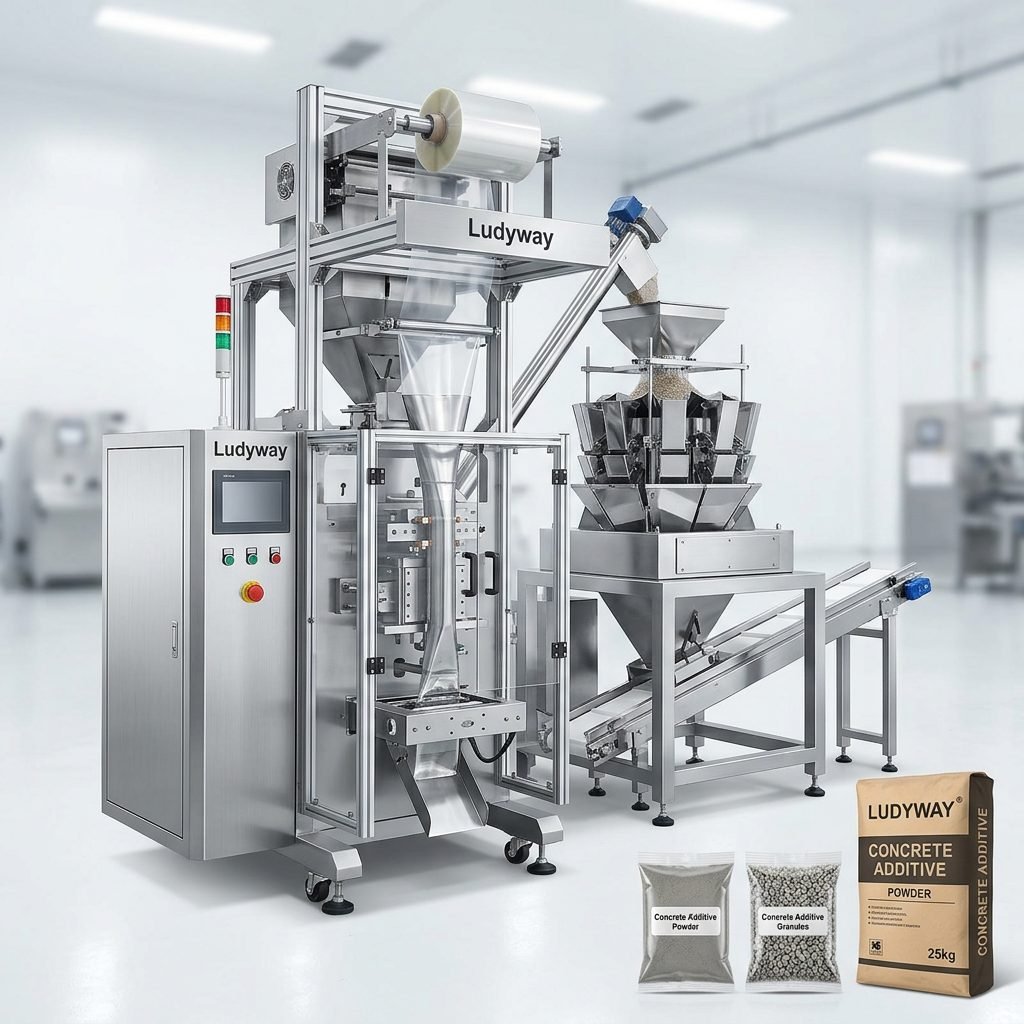
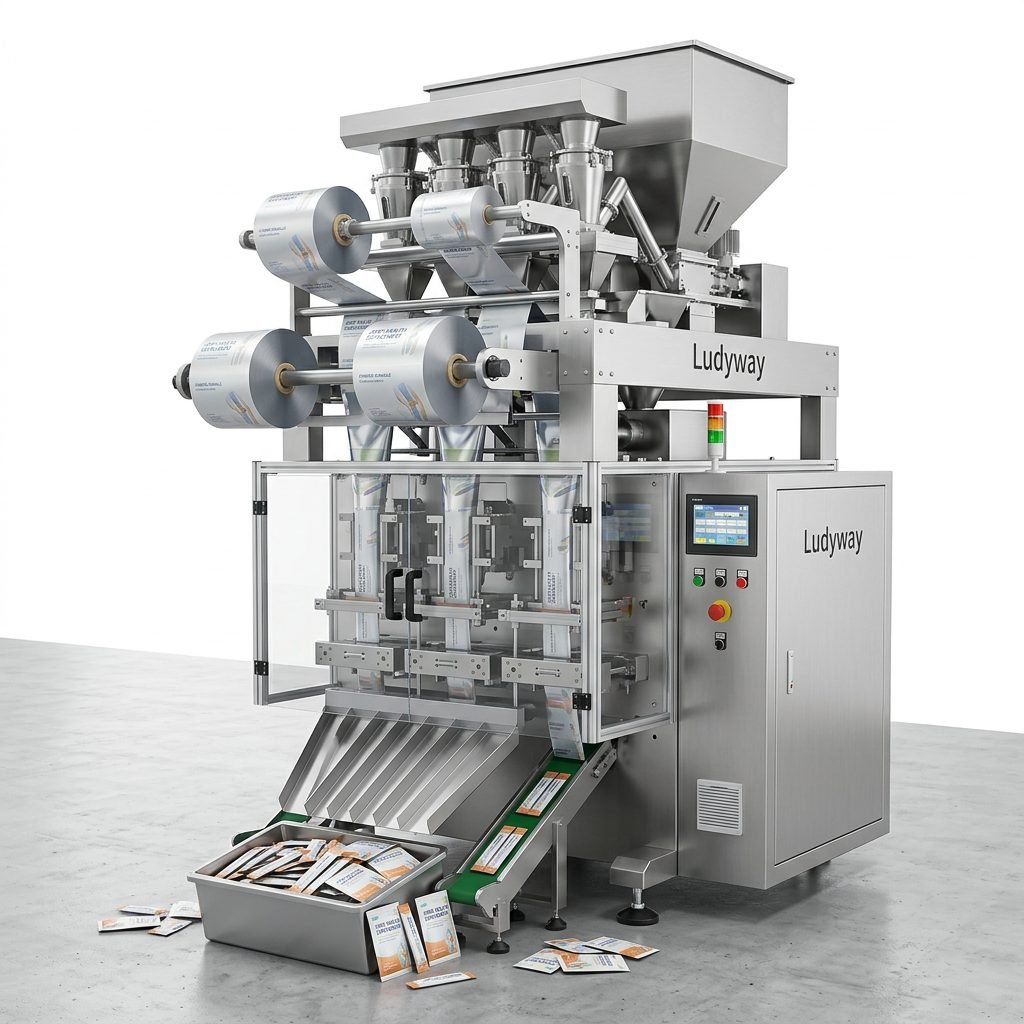
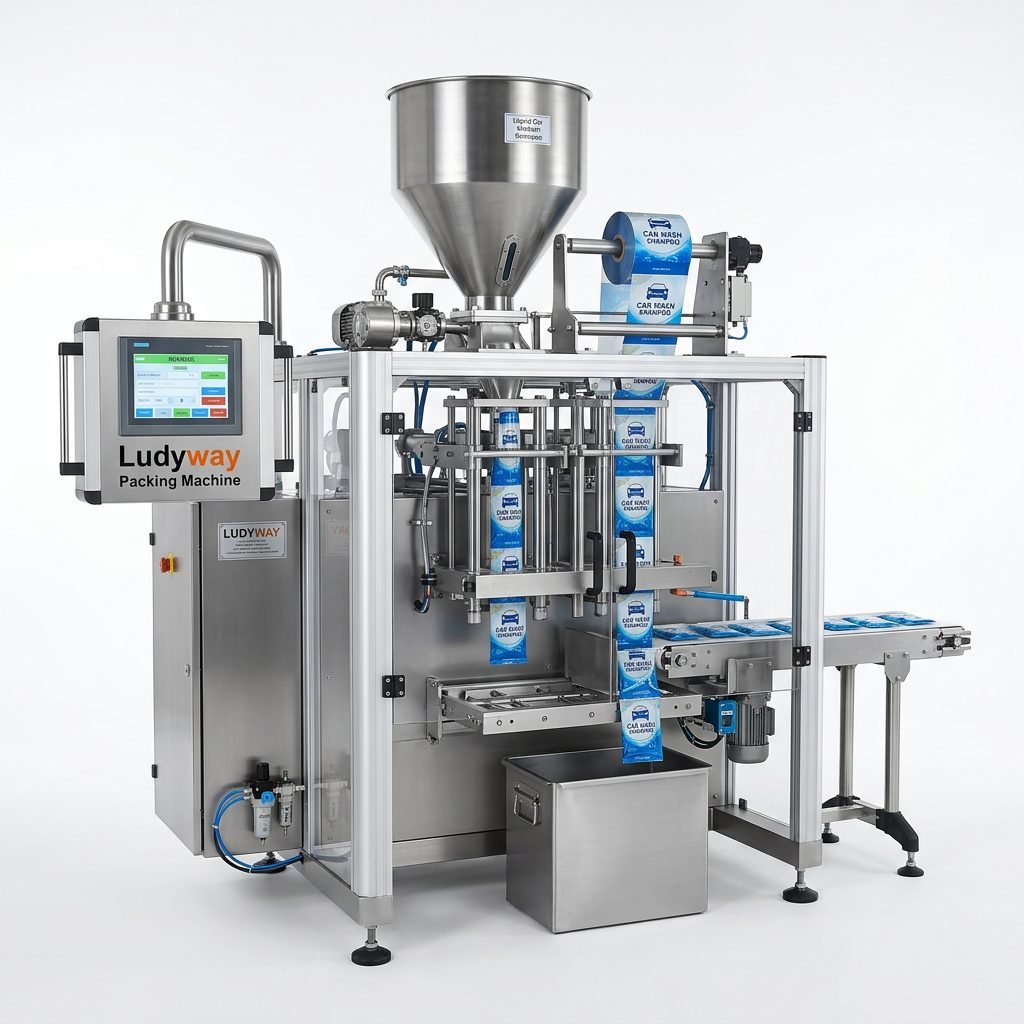
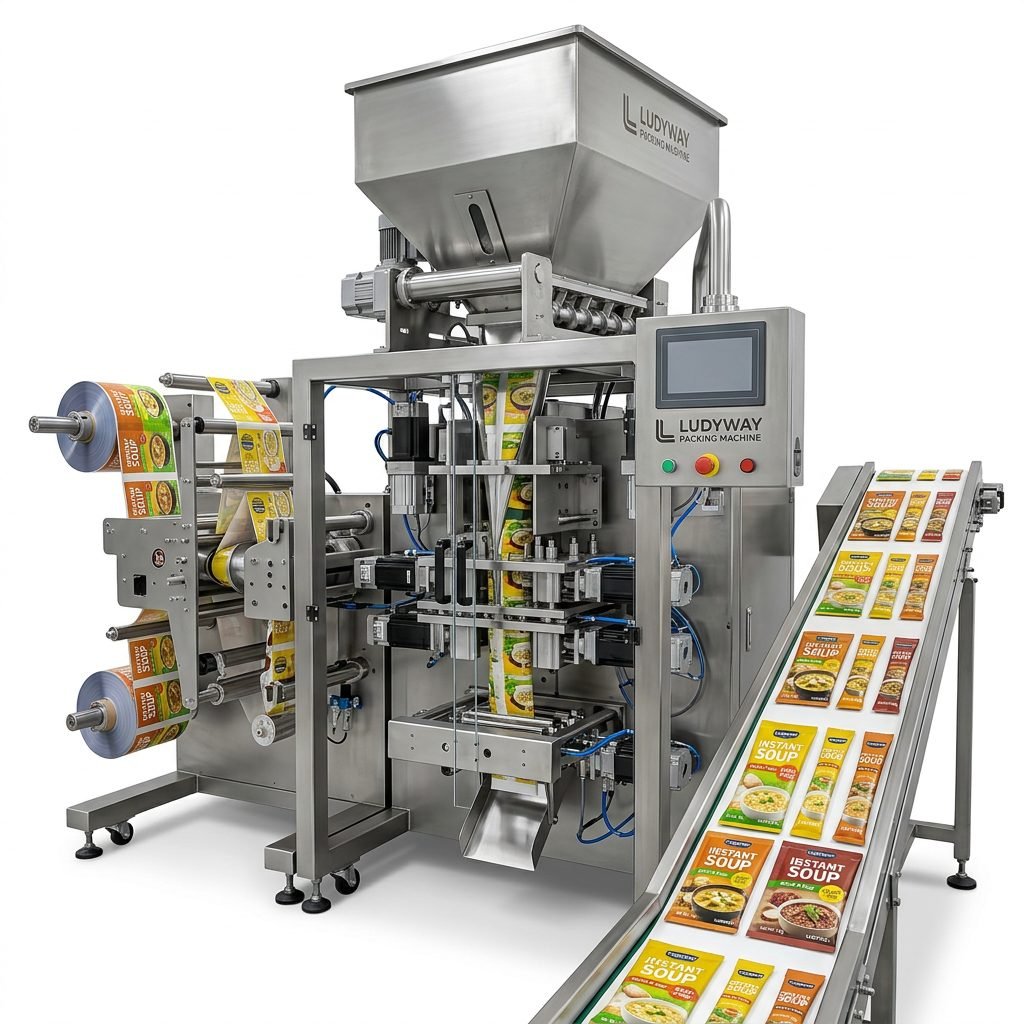
In China’s bustling manufacturing landscape, the stick pack packaging machine industry reflects the nation’s deep-rooted appreciation for efficiency, precision, and practicality—values that resonate strongly in both traditional craftsmanship and modern industrial development. For businesses looking to source reliable packaging equipment, understanding the types, pricing structures, and key purchasing considerations is essential to making an informed investment that aligns with both operational needs and cultural expectations of quality and longevity.
Understanding Stick Pack Packaging Machines
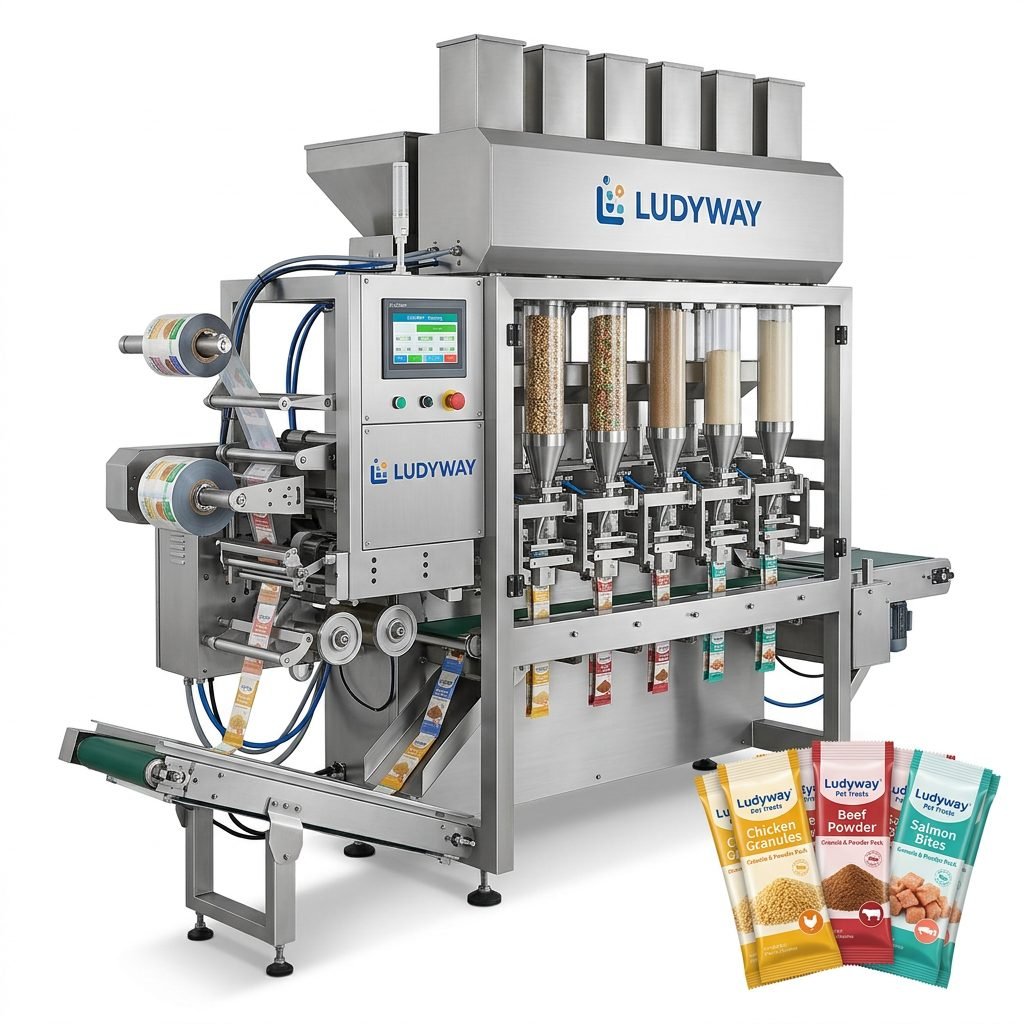
Stick pack packaging machines are specialized automated systems designed to form, fill, and seal individual stick-shaped pouches. These machines are widely used for packaging single-serving quantities of powders, granules, instant beverages, supplements, and pharmaceuticals. The compact, portable nature of stick packs makes them highly popular in markets that value convenience and portion control.
Key Takeaway: Stick pack machines offer high-speed, hygienic packaging ideal for single-use products, aligning with growing global demand for convenience and reduced waste.
Primary Types of Stick Pack Machines Available
The Chinese market offers a diverse range of stick pack machines, categorized mainly by their automation level, number of lanes, and specific application focus.
1. Single-Lane Stick Pack Machines
These are entry-level or specialized machines suitable for low to medium production output. They are often chosen by small businesses, startups, or for packaging premium products where speed is secondary to precision and flexibility.
- ✓ Best for: Small-batch production, product development, and niche markets.
- ✓ Advantage: Lower initial investment, easier operation and maintenance.
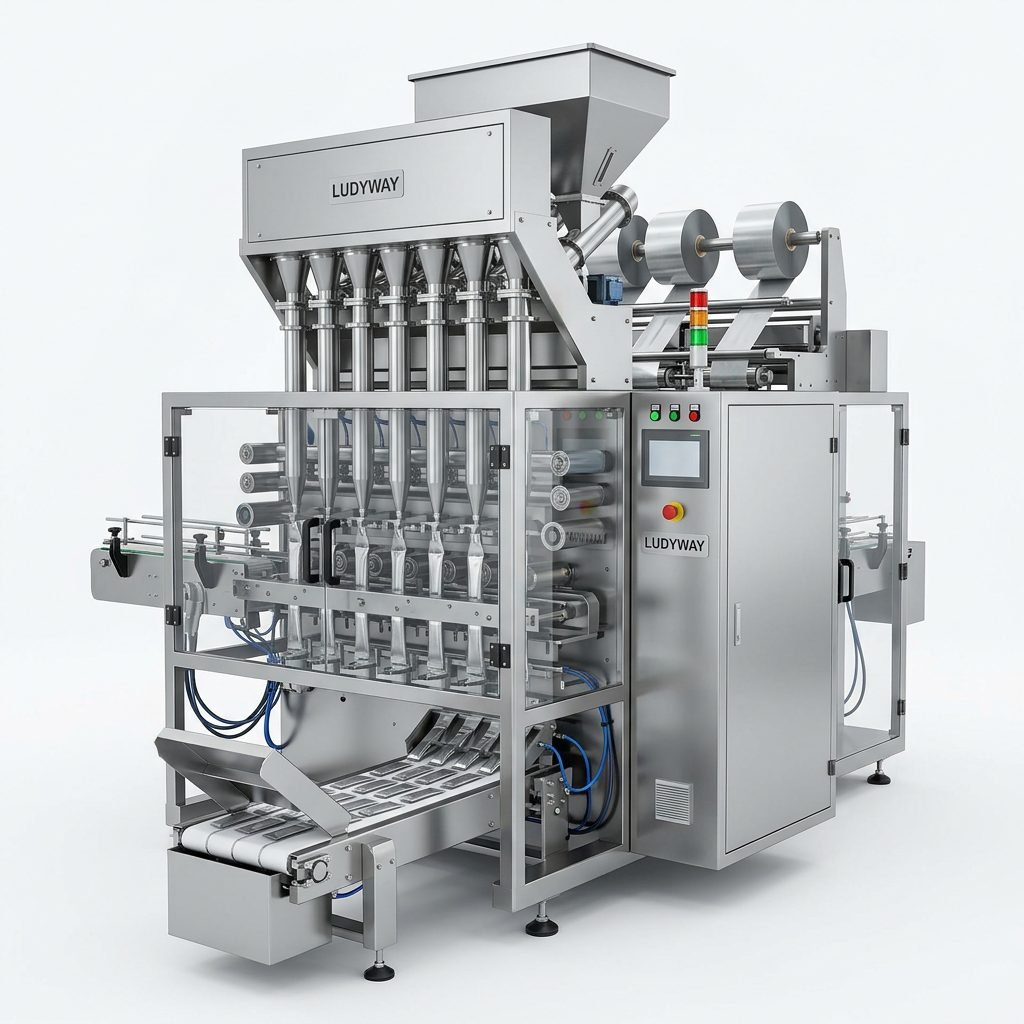
2. Multi-Lane Stick Pack Machines
Featuring multiple parallel lanes (commonly 2 to 10 lanes), these machines significantly boost production capacity. They are the workhorses of large-scale manufacturing for items like instant coffee, sugar, and powdered drinks.
- ✓ Best for: High-volume production lines requiring maximum output.
- ✓ Advantage: Superior production efficiency and lower cost per unit.
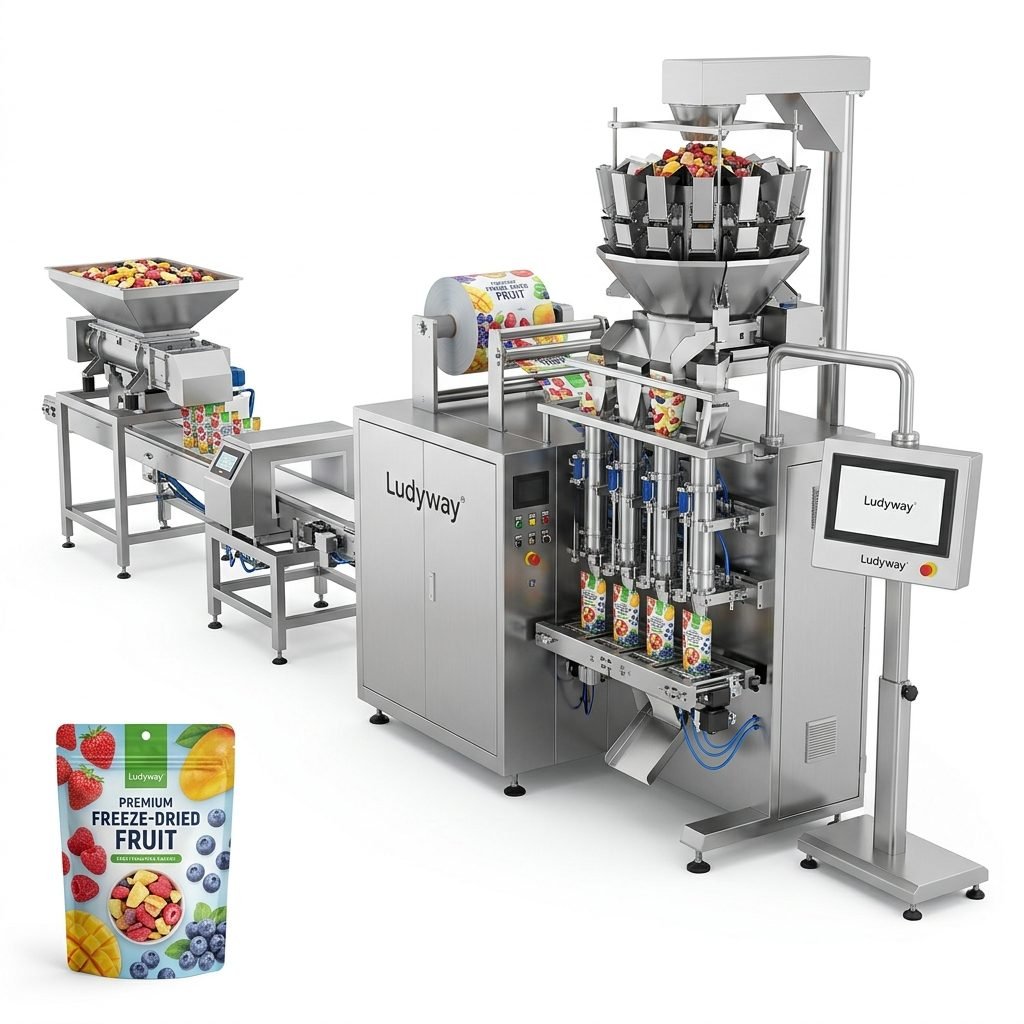
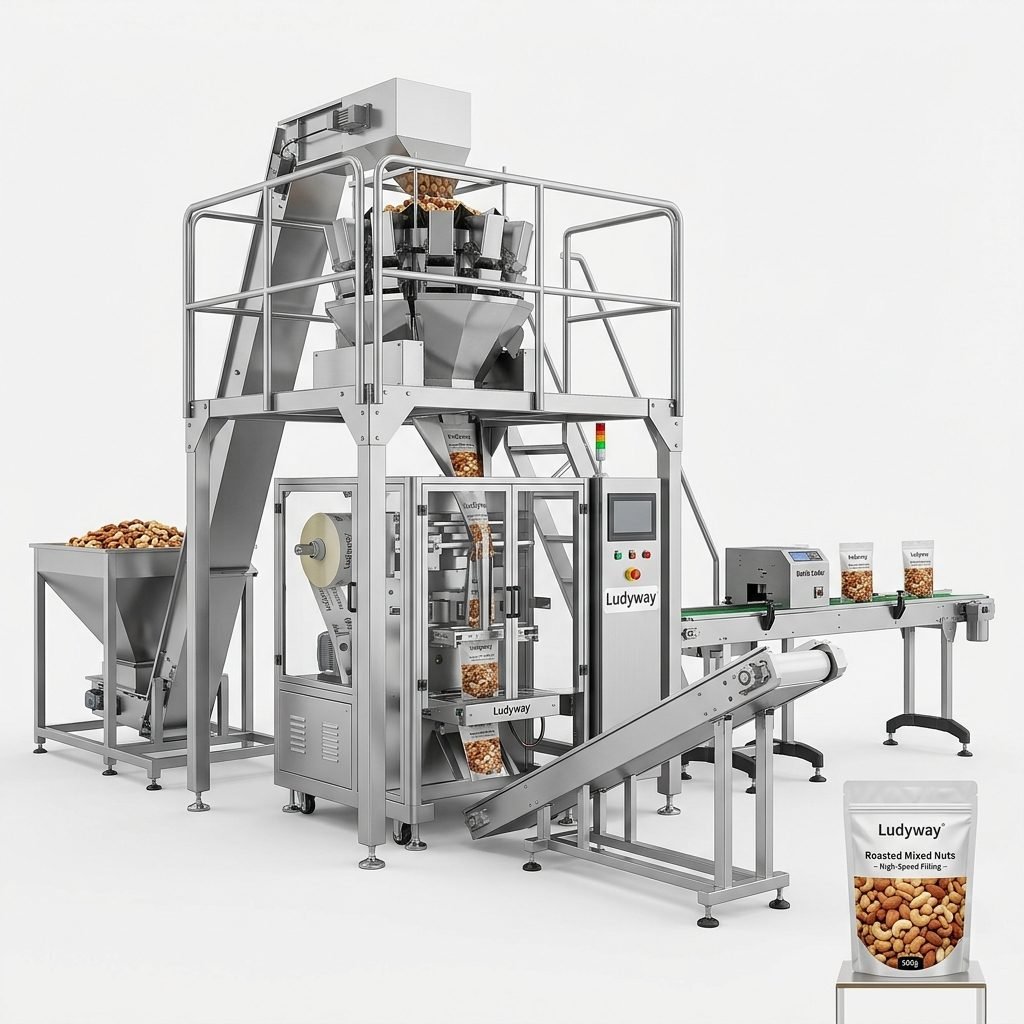
3. Fully Automatic Integrated Lines
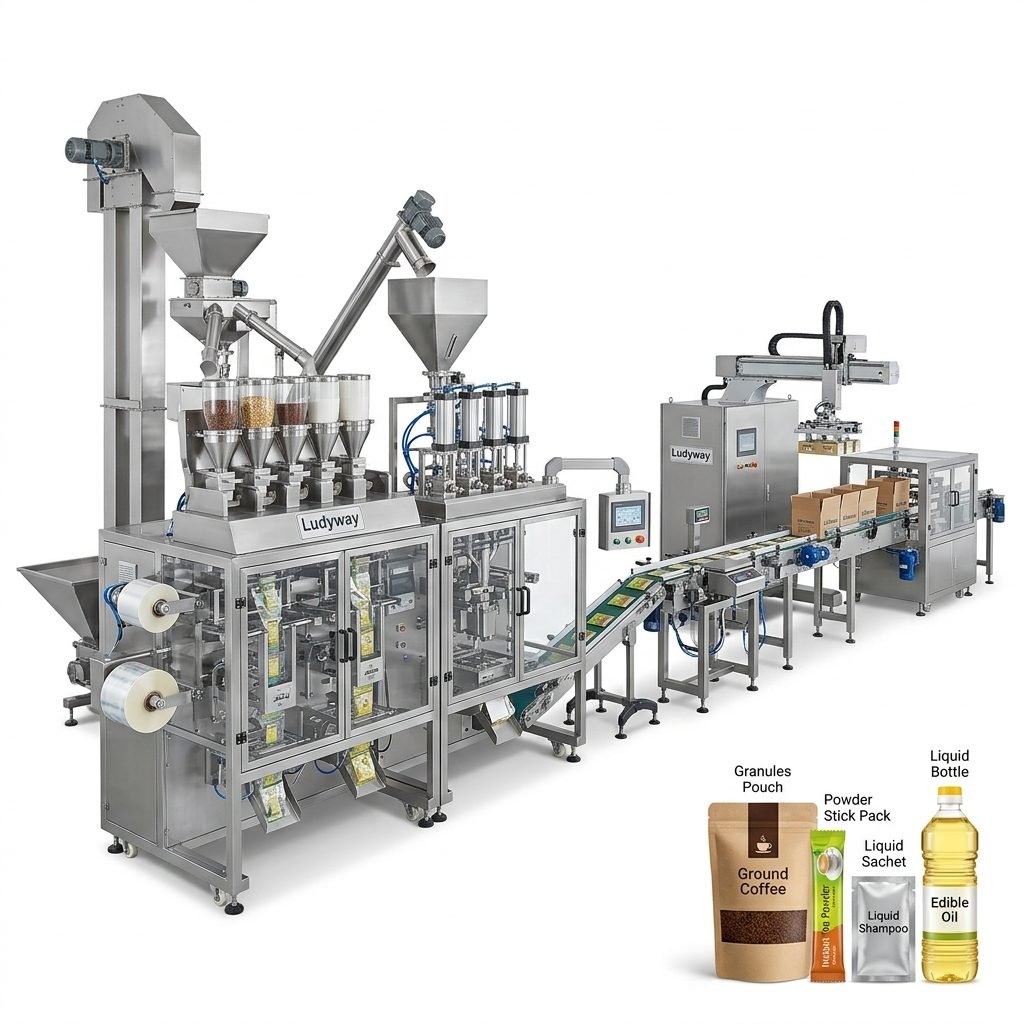
These are complete turnkey systems that integrate the stick pack machine with auxiliary equipment like auger fillers, weigh scales, cartoners, and case packers. They represent the pinnacle of automation for end-to-end packaging.
- ✓ Best for: Large factories aiming for minimal manual intervention and seamless logistics.
- ✓ Advantage: Complete automation, consistent quality, and integrated data tracking.
Price Range and Investment Considerations
The price of a China-made stick pack packaging machine varies dramatically based on its type, configuration, brand, and after-sales support. Understanding this breakdown helps in budget planning.
Estimated Price Guide
Basic Single-Lane Machine: $8,000 – $20,000 USD. A cost-effective solution for starting production.
Standard Multi-Lane Machine (4-6 lanes): $25,000 – $60,000 USD. The most common choice for medium to large businesses.
High-Speed, Fully Automatic Line: $70,000 – $200,000+ USD. A major investment for industrial-scale, high-output facilities.
Note: These are approximate ranges. Final quotes depend on specifications, customization, and optional features like nitrogen flushing or advanced PLC controls.
Factors Influencing the Final Price
Production Speed & Capacity: Machines with higher speeds (e.g., 200+ sticks per minute per lane) command a premium.
Level of Automation: Fully automatic systems with robotic handling are more expensive than semi-automatic models.
Material & Build Quality: Machines built with food-grade stainless steel and high-precision components have higher durability and cost.
Brand & Supplier Reputation: Established brands with proven track records often price their reliable machines higher. For instance, exploring the portfolio of a specialist like Ludyway Machinery can reveal the value behind pricing tied to engineering expertise and support.
Customization & After-Sales Service: Tailored solutions for unique pouch sizes, materials, or integration needs add cost but deliver long-term value.
Essential Buying Tips for Global Buyers
Purchasing machinery from China requires careful due diligence to ensure quality, reliability, and a smooth partnership.
1. Define Your Requirements Clearly
Before contacting suppliers, have detailed specifications ready: desired pouch size and material, product characteristics (flowability, hygroscopicity), required output speed, and available factory space. This clarity helps suppliers provide accurate proposals and avoids costly misunderstandings.
2. Vet Suppliers Thoroughly
Look beyond the price. Investigate the supplier’s manufacturing history, client portfolio, and industry reputation. A supplier with over 30 years of collective industry experience often indicates deeper technical knowledge and stability. Request customer references and, if possible, visit their production facility or arrange a live video inspection.
3. Prioritize After-Sales Support
The machine’s lifecycle support is critical. Confirm the warranty terms, availability of spare parts, and the supplier’s technical support structure (remote assistance, on-site engineer dispatch). A reliable partner will offer comprehensive packaging solutions and stand by their equipment long after the sale.
4. Request a Factory Acceptance Test (FAT)
Always insist on testing the machine with your actual product (or a close simulation) before shipment. A FAT allows you to verify performance, speed, and packaging quality firsthand, ensuring the machine meets all agreed-upon standards.
5. Consider Total Cost of Ownership (TCO)
Evaluate the long-term costs, including energy consumption, maintenance needs, operator training, and potential downtime. A slightly higher initial investment in a robust, energy-efficient machine from a trusted packaging machinery brand can lead to significantly lower TCO and higher ROI.
Pro Tip for Successful Sourcing
Building a relationship with your supplier is key in Chinese business culture. Clear communication, mutual respect, and viewing the transaction as a long-term partnership can lead to better service, priority support, and valuable insights into industry trends and advanced packaging equipment innovations.
Conclusion
Selecting the right stick pack packaging machine from China is a strategic decision that impacts your production efficiency, product quality, and bottom line. By thoroughly understanding the different machine types, transparently analyzing pricing factors, and following diligent buying practices, you can secure a reliable piece of equipment that serves your business for years to come. Partnering with an experienced and reputable supplier is the cornerstone of a successful investment in automation.
Frequently Asked Questions (FAQs)
What is the typical lead time for a stick pack machine from China?
Lead times vary based on machine complexity. A standard model may take 30-60 days from order to shipment, while a fully customized or high-speed line can require 60-90 days or more. Always confirm the timeline with your supplier during negotiation.
Can Chinese stick pack machines handle different packaging materials?
Yes, most modern machines are versatile and can run various laminates like PET/AL/PE, PET/PE, and paper composites. However, you must specify your material during the ordering process so the supplier can configure the sealing jaws and temperature controls appropriately.
How do I ensure the machine meets international safety and quality standards?
Request certifications such as CE (for Europe) or relevant electrical safety standards. Reputable suppliers design their machines to meet these international benchmarks. Reviewing technical documentation and asking for turnkey production solutions case studies from similar international clients can provide assurance.
What kind of training is provided with the machine?
A professional supplier should provide comprehensive training, typically including operational guidance, basic troubleshooting, maintenance procedures, and safety protocols. This can be conducted at their facility (during FAT), at your site during installation, or via detailed manuals and video tutorials.
Are spare parts readily available for Chinese packaging machines?
This depends heavily on the supplier. Established companies maintain an inventory of common spare parts and provide clear parts manuals. Before purchasing, clarify the spare parts policy, pricing, and estimated delivery times for critical components to minimize future downtime.