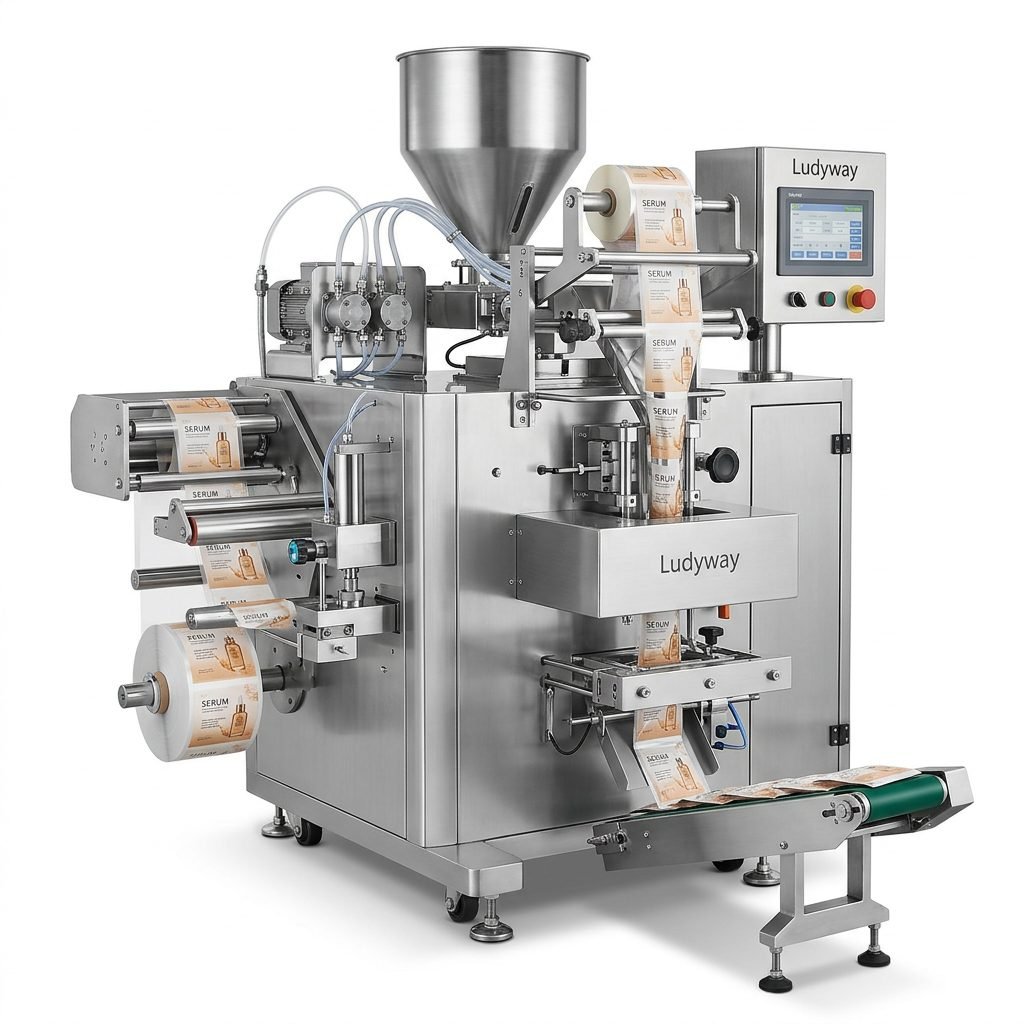
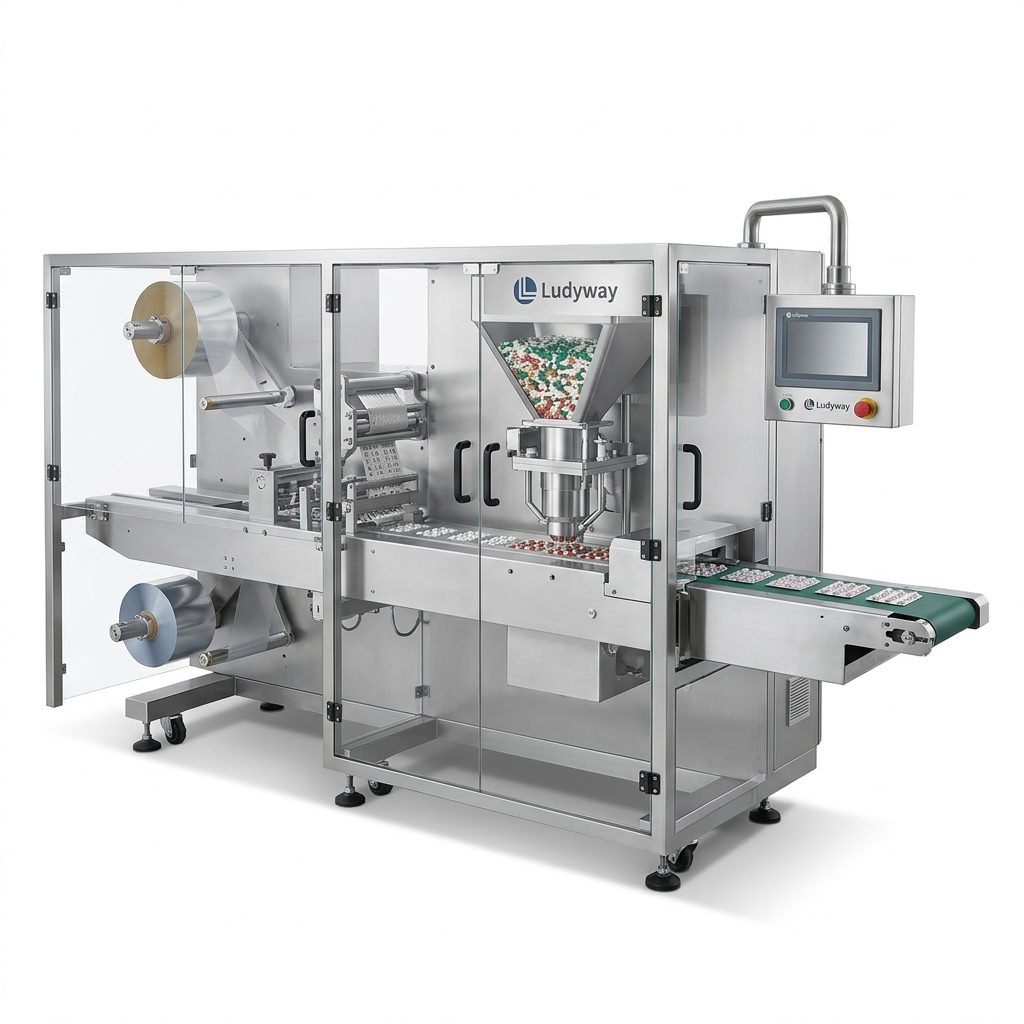
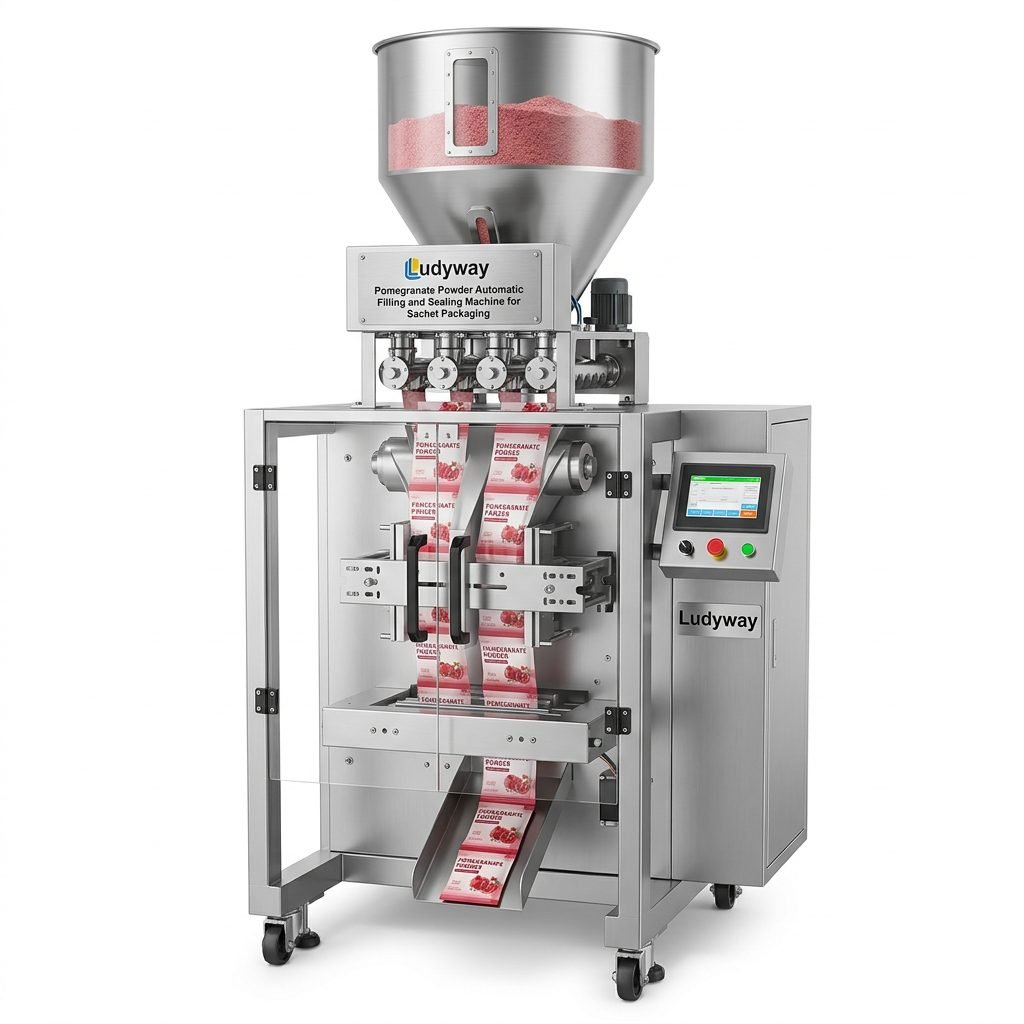
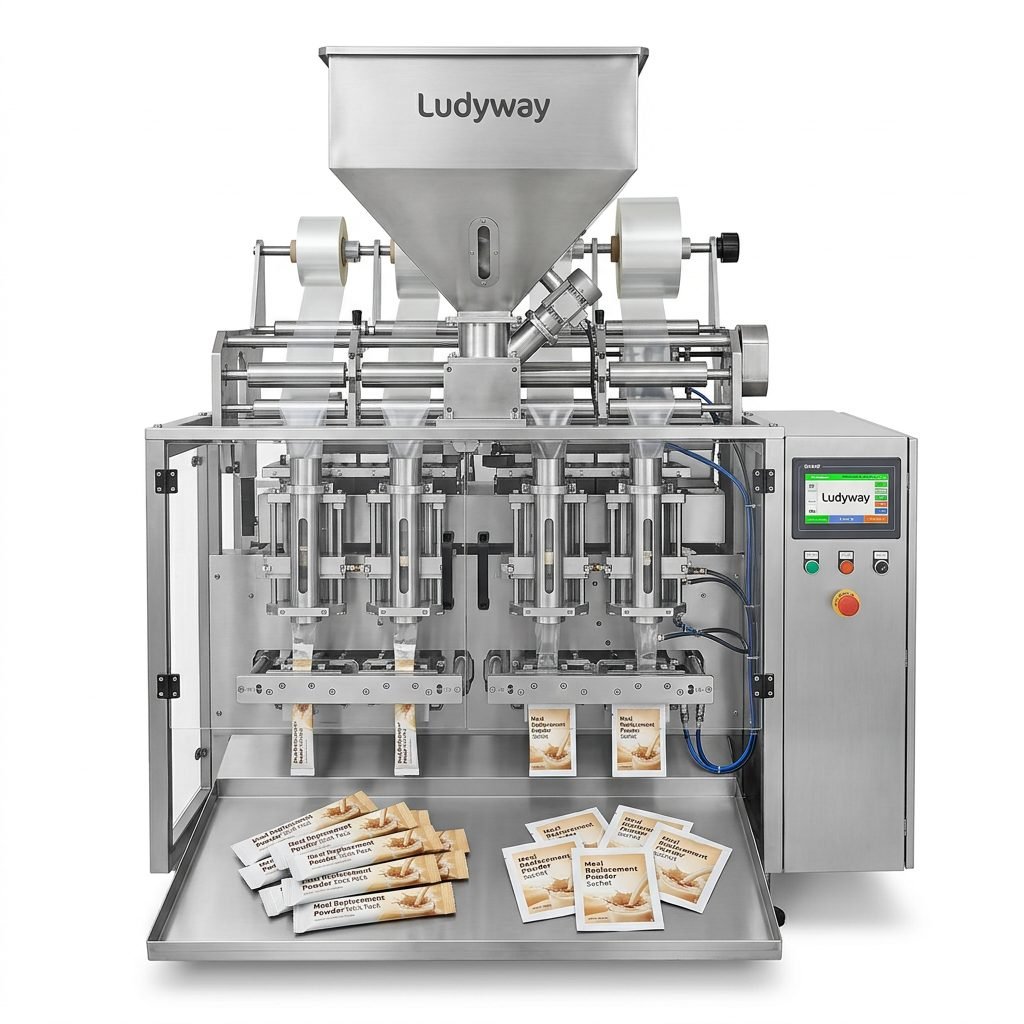
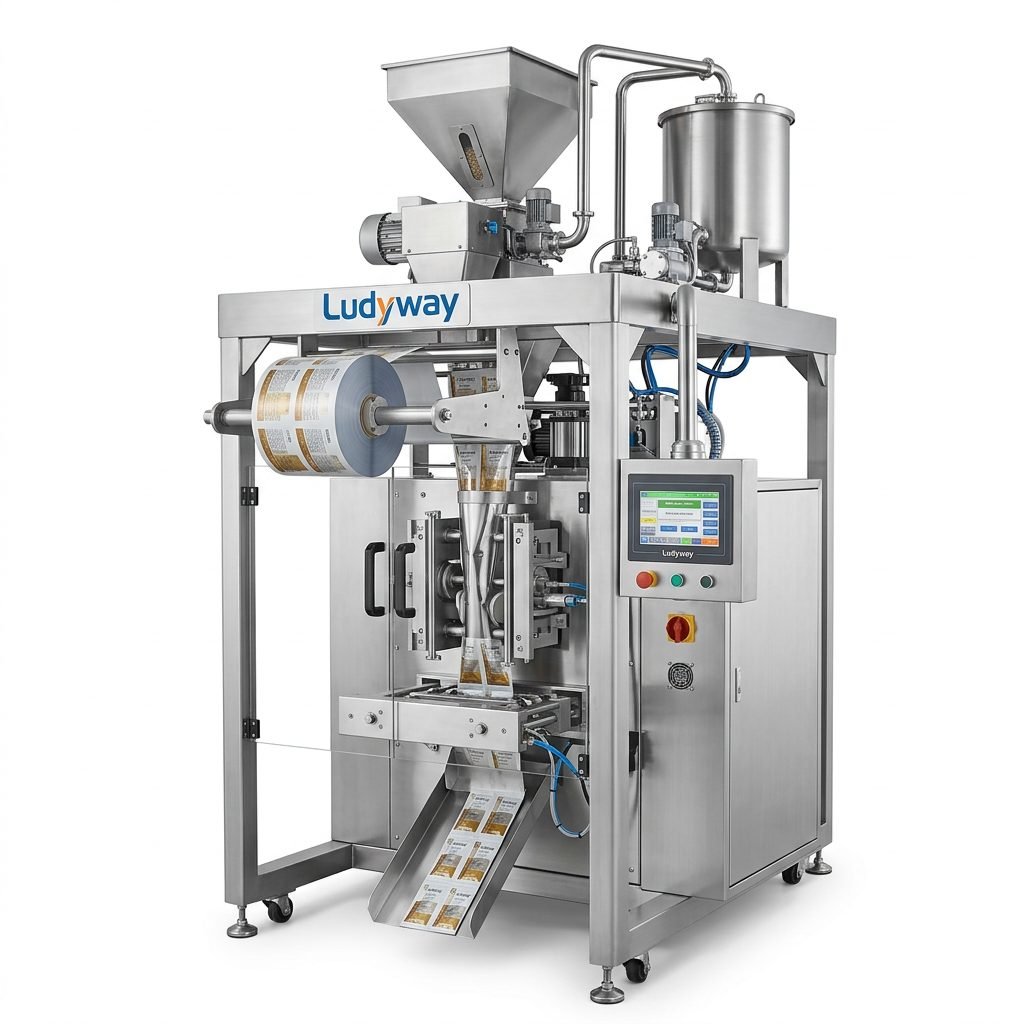
In today’s fast-paced manufacturing world, efficiency and precision are paramount. For industries ranging from food and pharmaceuticals to health supplements and chemicals, the packaging process is a critical final step that directly impacts product quality, shelf life, and brand perception. Traditional manual or semi-automated packing methods often struggle with consistency, speed, and waste reduction. This is where Computer Numerical Control (CNC) technology makes a transformative entry. A CNC packaging machine represents the pinnacle of automated packing, leveraging computerized controls to execute packaging operations with unprecedented accuracy and speed. But what exactly is it, and how does it revolutionize packing lines?
Understanding the CNC Packaging Machine
At its core, a CNC packaging machine is an automated system that uses computer-programmed instructions to control the movement and operation of packaging machinery. Unlike conventional machines that rely on mechanical cams or manual settings, CNC machines interpret a digital design file (often a CAD model) and precisely direct actuators, motors, and tools to perform tasks such as filling, sealing, cutting, and labeling.
Key Takeaway: The “CNC” aspect refers to the computerized brain of the machine. It replaces human guesswork and mechanical limitations with digital precision, allowing for complex, repeatable, and fast packaging sequences that are easily adjustable via software.
The typical components of a CNC packaging system include:
- Control Unit: The industrial computer or PLC (Programmable Logic Controller) that stores and executes the packaging program.
- Servo Motors & Drives: Provide precise, computer-controlled movement for axes controlling film feed, sealing jaws, cutters, and fillers.
- Human-Machine Interface (HMI): A touchscreen panel where operators input parameters, select recipes, and monitor machine performance.
- Precision Mechanical Assembly: High-quality frames, guides, and tools that carry out the physical packaging tasks as directed by the control unit.
Core Mechanisms: How It Operates
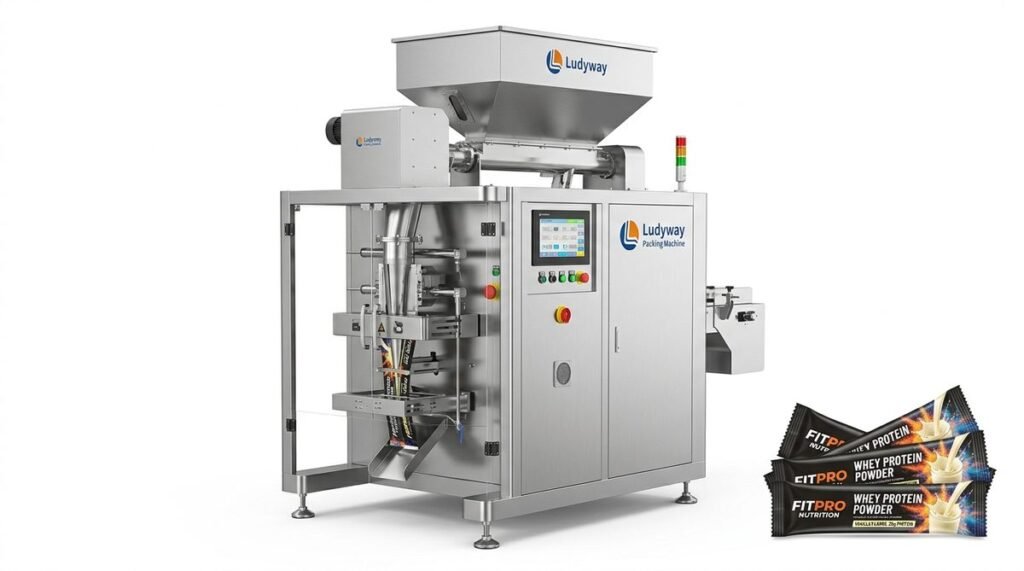
The operation follows a seamless digital-to-physical workflow. First, packaging parameters (bag size, fill weight, seal temperature, production speed) are entered into the HMI or loaded from a saved recipe. The CNC control unit then coordinates all subsequent actions. A film web is precisely fed and formed into a tube. Product is dispensed by a CNC-controlled auger or pump with exact volumetric or weight measurement. Finally, heated jaws seal the package at the exact programmed temperature and pressure, and a cutter separates the finished pack—all synchronized to microsecond accuracy.
How CNC Technology Drastically Improves Packing Efficiency
The integration of CNC principles into packaging machinery delivers multi-faceted efficiency gains that translate directly to a healthier bottom line.
1. Unmatched Precision & Consistency
Every movement in a CNC machine is digitally defined. This eliminates the variances inherent in mechanical systems and manual operation. The result is perfectly consistent package seals, accurate fill weights (minimizing give-away), and uniform package dimensions. This precision reduces product waste, ensures compliance with stringent regulatory standards in industries like pharmaceuticals, and enhances overall product presentation.
2. Remarkable Speed & Throughput
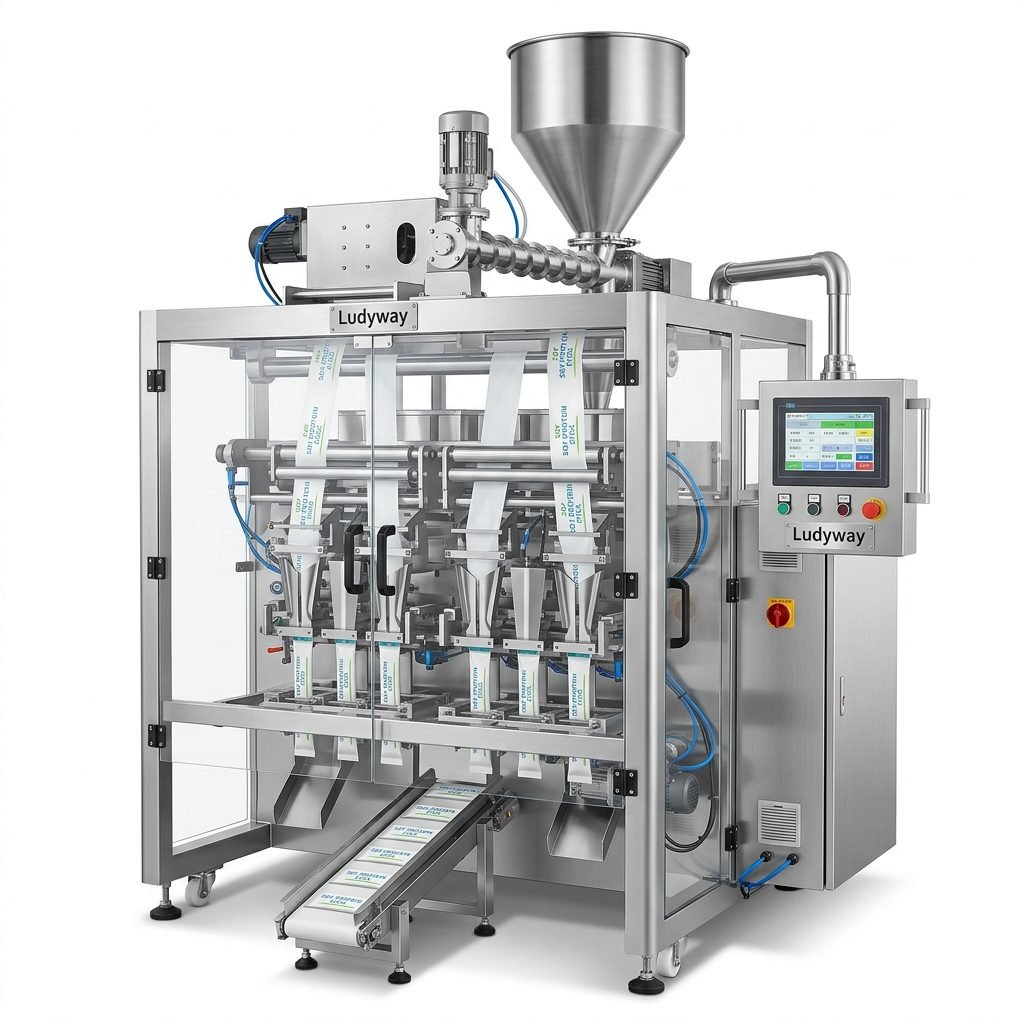
CNC systems can operate at very high speeds with minimal downtime for adjustments. Complex motion profiles allow for faster acceleration and deceleration of moving parts, optimizing cycle times. Machines like modern multi-lane stick pack machines can produce hundreds of pouches per minute, a rate unattainable with manual or less automated equipment. This high throughput is essential for meeting large-scale production demands.
Efficiency in Action:
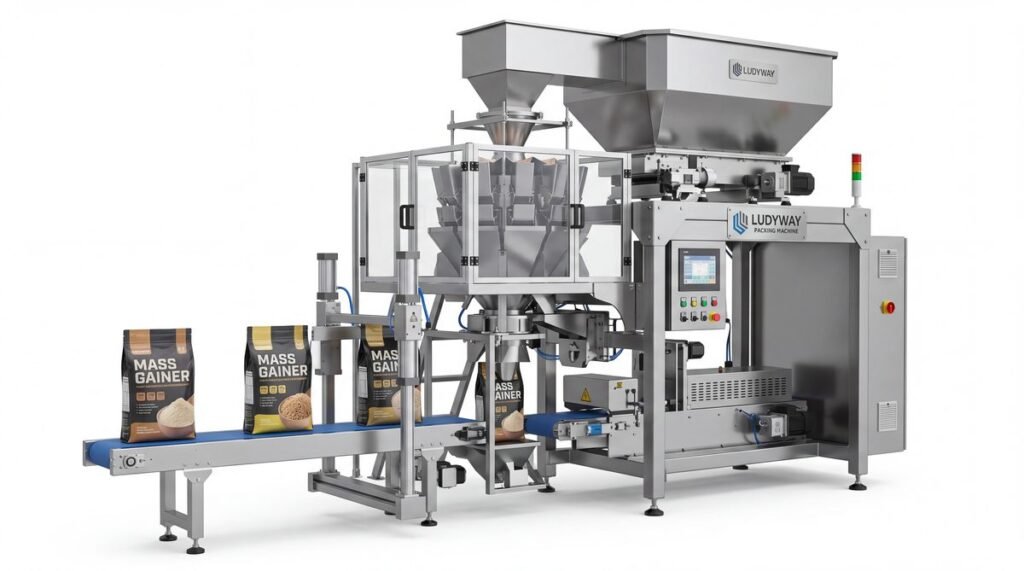
Consider a health powder manufacturer. A CNC granule packaging machine can switch between 5g sample sachets and 500g retail bags in minutes simply by loading a different program. The machine auto-adjusts all settings, achieving >99% uptime and maximizing output across multiple product lines without costly changeover delays.
3. Flexibility & Quick Changeovers
This is a game-changer. Changing package size or product on a traditional machine involves manually changing mechanical parts, which takes hours. With CNC, changeovers are often tool-less and software-driven. Operators simply select a new product recipe on the HMI, and the machine automatically adjusts film feed length, sealing jaw positions, and filler settings. This agility allows manufacturers to run smaller, customized batches profitably and respond swiftly to market trends.
4. Reduced Material Waste & Cost Savings
Precision directly correlates to waste reduction. Accurate film feeding and sealing reduce trim waste. Exact filling minimizes product “give-away,” where overfilling costs significant money over millions of units. Furthermore, the reliability of CNC systems reduces downtime and the waste associated with machine jams or mis-packs. These savings on raw materials (product and packaging film) often provide a rapid return on investment.
5. Enhanced Data Collection & Integration
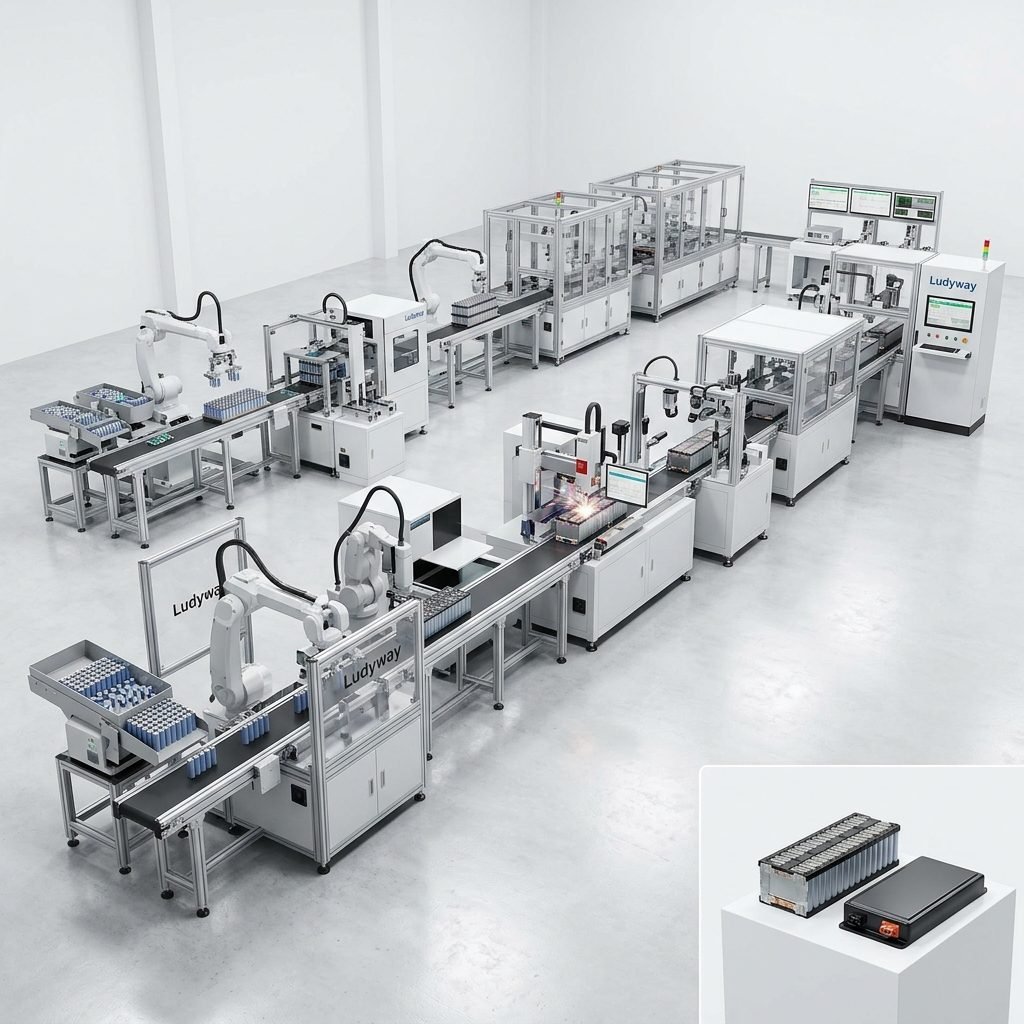
Modern CNC packaging machines are Industry 4.0 ready. They can collect real-time data on production counts, efficiency (OEE), downtime reasons, and maintenance alerts. This data can be integrated into factory-wide MES or ERP systems for smarter production planning, predictive maintenance, and comprehensive quality traceability—a critical feature for food and pharmaceutical safety.
Applications Across Key Industries
The benefits of CNC packaging are universal, but they are particularly impactful in sectors where precision, hygiene, and speed are non-negotiable.
- Food & Beverage: For packaging spices, tea, coffee, instant soup mixes, and sauces. CNC ensures accurate flavor portioning and maintains freshness with perfect seals.
- Pharmaceuticals & Nutraceuticals: Essential for dosing powders, granules, and effervescent tablets into stick packs or sachets. The precision guarantees dosage accuracy, and the automated process minimizes human contamination risk. Companies like Ludyway Machinery provide tailored solutions for these sensitive applications.
- Chemicals & Agrochemicals: Safely and accurately packages detergents, pesticides, and fertilizers, protecting workers and ensuring correct application doses.
Choosing the Right CNC Packaging Solution
Investing in a CNC packaging machine requires careful consideration. Key factors include the type of product (granule, powder, liquid), required output speed, the range of package sizes needed, and compliance with industry-specific standards (e.g., GMP for pharmaceuticals, FDA for food). Partnering with an experienced provider who offers robust technical support and custom engineering is crucial to ensure the system integrates seamlessly into your existing production line and meets your long-term goals.
The evolution from mechanical to digital control in packaging machinery marks a significant industrial leap. A CNC packaging machine is not merely an incremental improvement; it is a strategic tool that drives packing efficiency through precision, speed, flexibility, and intelligence. By minimizing waste, maximizing uptime, and enabling agile production, it empowers manufacturers to enhance quality, reduce costs, and strengthen their competitive edge in a global marketplace. As technology advances, the integration of AI and machine learning with CNC systems promises to unlock even greater levels of autonomous optimization and efficiency in the packaging halls of the future.
Frequently Asked Questions (FAQs)
Q1: What is the main difference between a CNC and a standard automatic packaging machine?
The core difference is the control system. Standard automatics often use mechanical cams and relays, limiting precision and making changeovers slow and manual. CNC machines use computer-controlled servo motors for every movement, allowing for digital precision, software-based changeovers, and complex, high-speed motion profiles.
Q2: Are CNC packaging machines difficult to operate and maintain?
Modern CNC machines are designed with user-friendly HMIs (touchscreen interfaces), making operation intuitive through recipe selection. Maintenance is often simpler as well, with the system providing diagnostic alerts. However, technicians require training in basic software parameters and servo system maintenance, which reputable suppliers typically provide.
Q3: How long does it typically take to see an ROI (Return on Investment) on a CNC packaging machine?
ROI depends on factors like previous waste levels, labor costs, and production volume. Many facilities see a return within 12 to 24 months due to dramatic reductions in material waste (product and film), increased production speed, lower labor requirements, and fewer rejected packs.
Q4: Can a CNC machine handle all types of packaging materials?
CNC machines are highly adaptable but must be configured for the specific material. They excel with common laminates (PET/AL/PE, CPP/OPP) used for pouches. The sealing jaws and temperature control are precisely programmable to suit different material thicknesses and compositions. Consulting with your machine supplier about your specific film is essential.
Q5: Is CNC packaging suitable for small-batch or custom product runs?
Absolutely. In fact, one of the greatest strengths of CNC technology is its support for quick changeovers. This makes it economically viable to run small batches of custom or seasonal products without the lengthy downtime associated with traditional machine changeovers, thereby enabling mass customization.