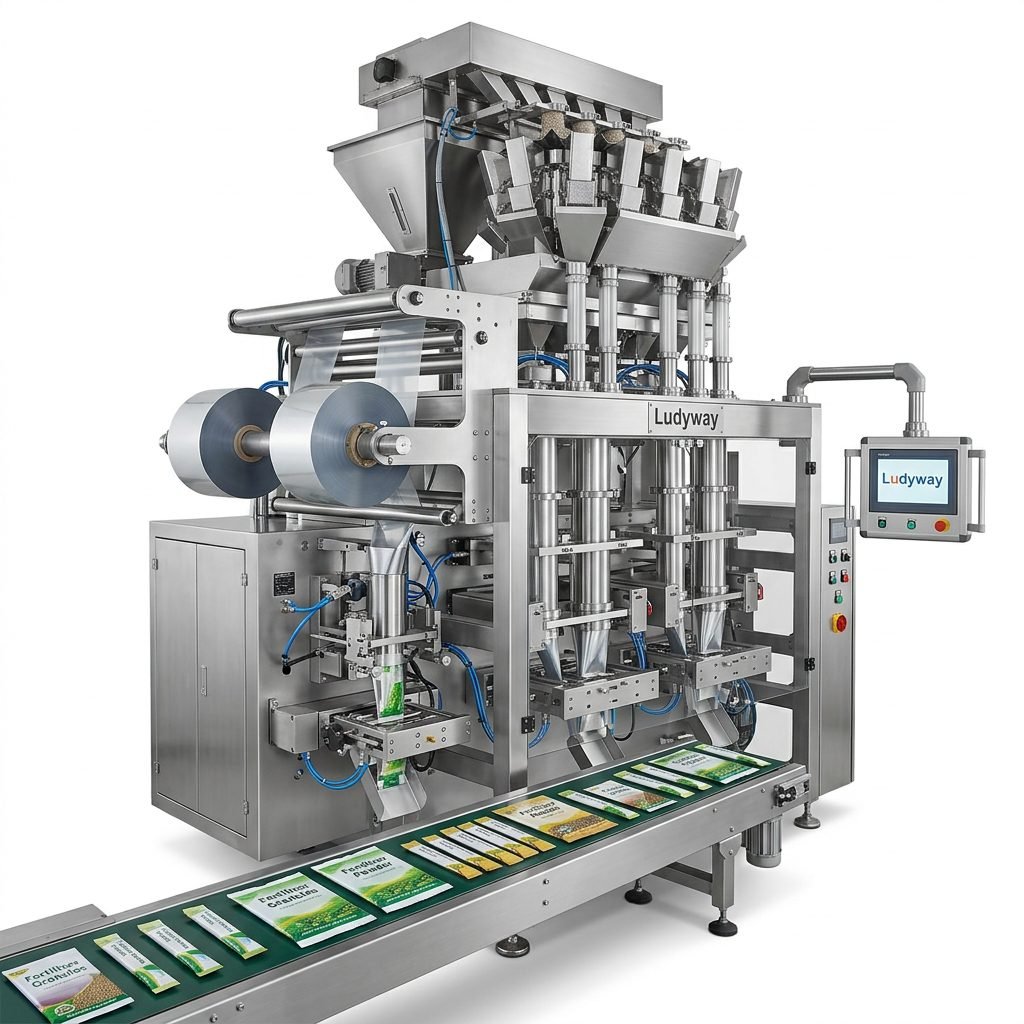
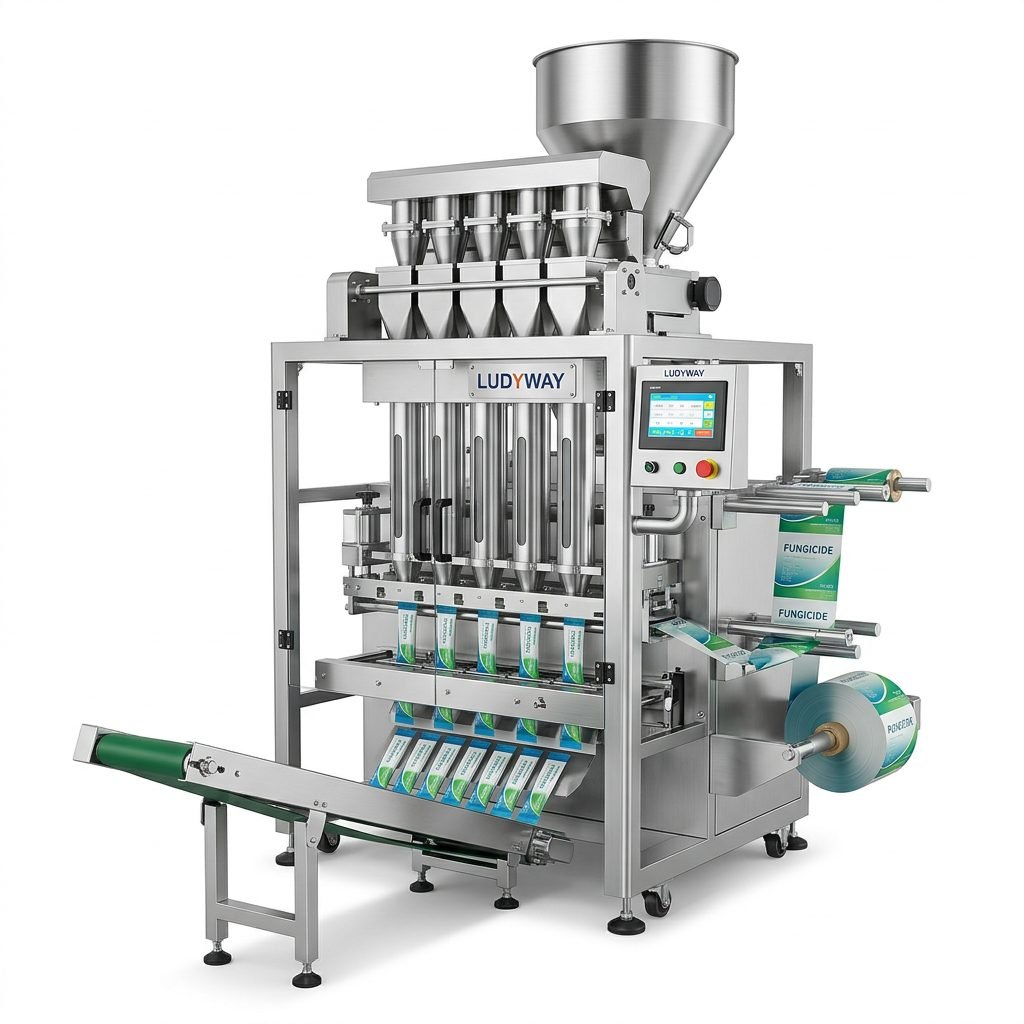
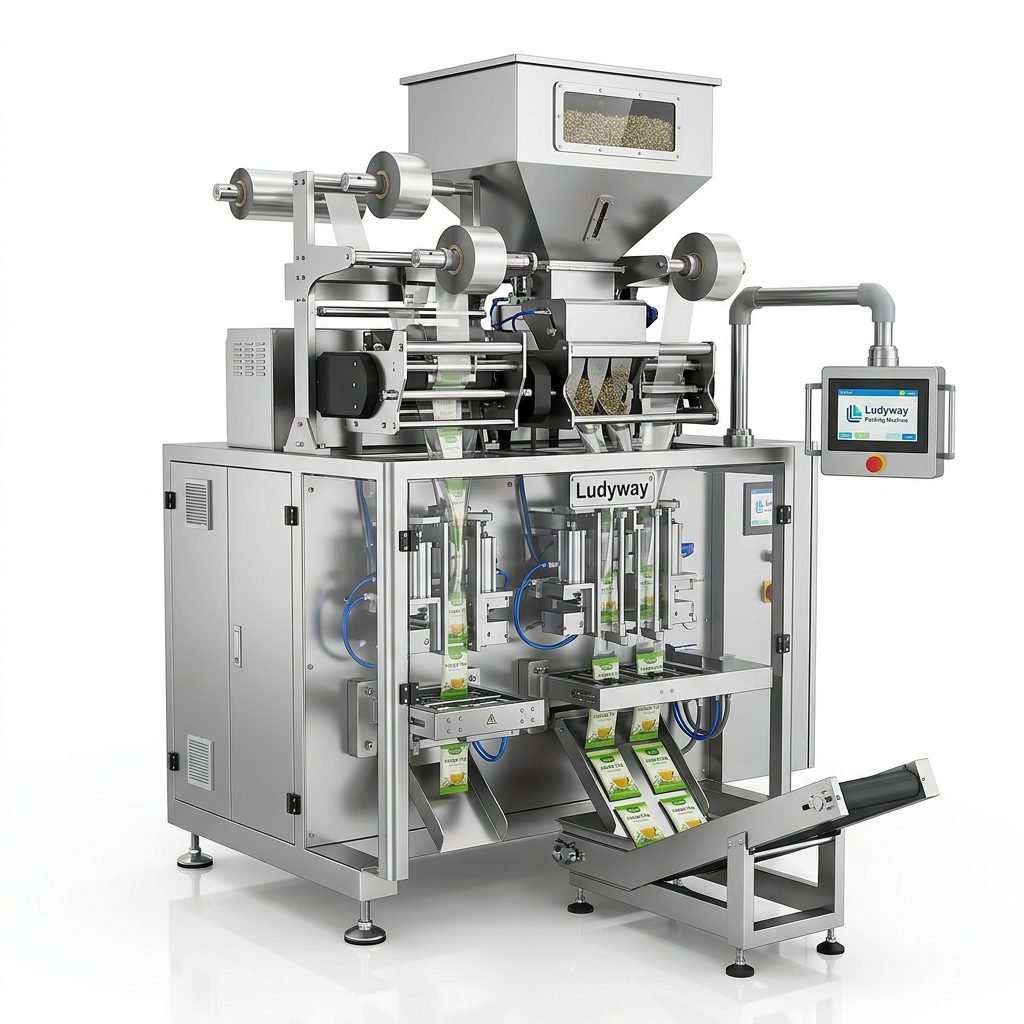
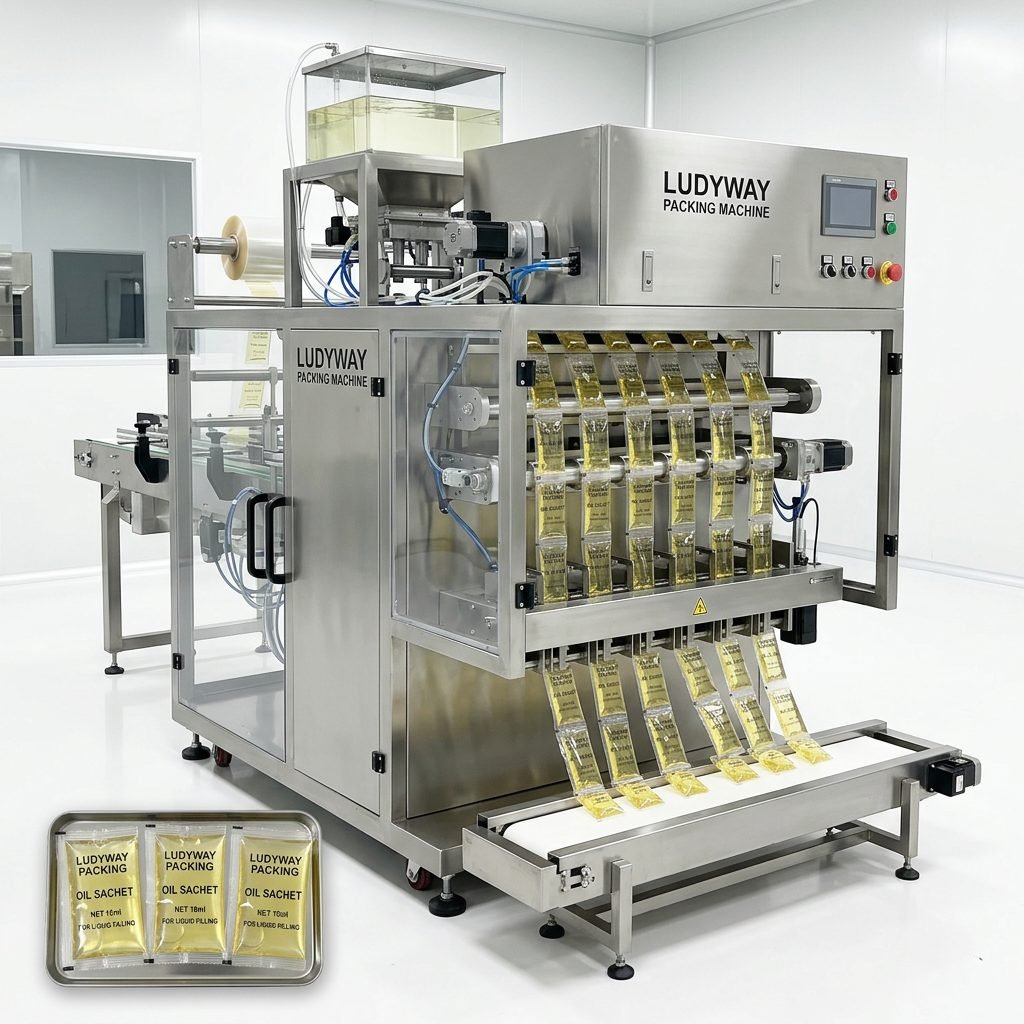
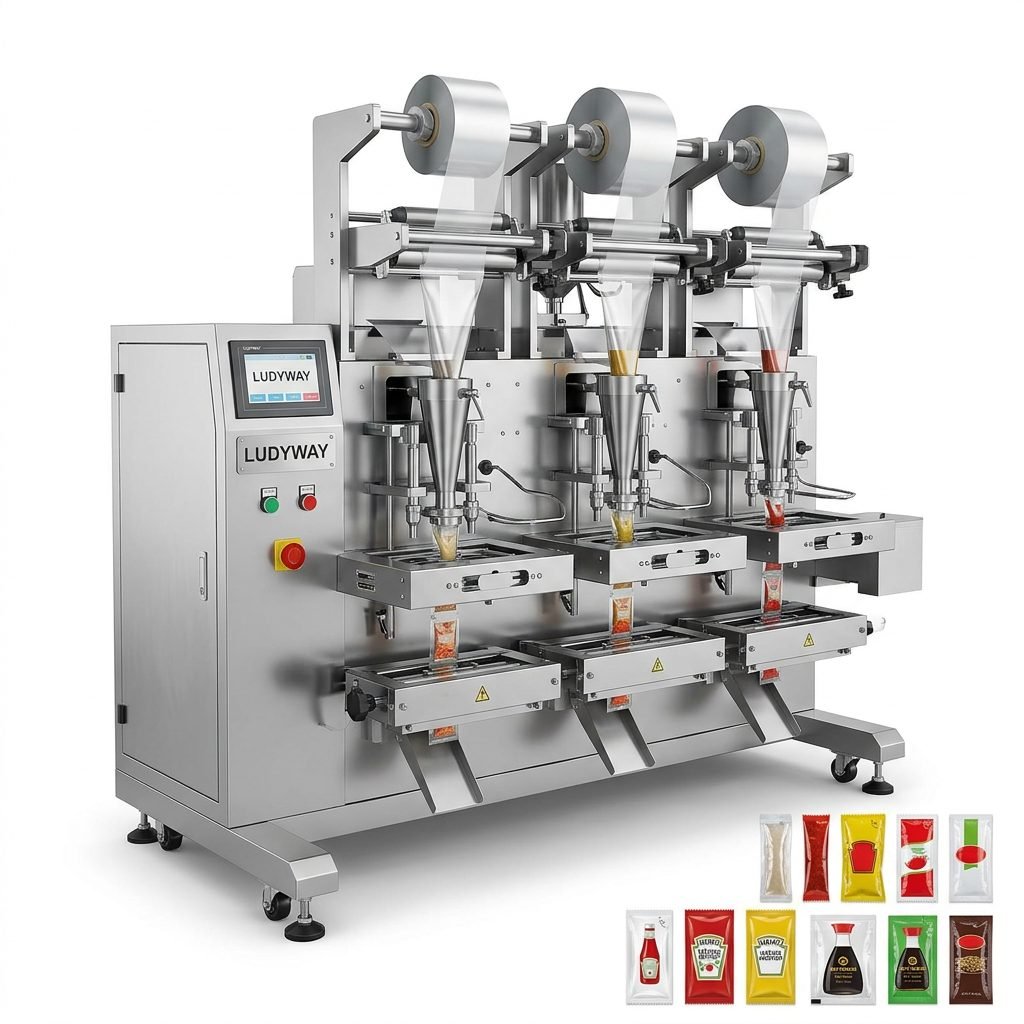
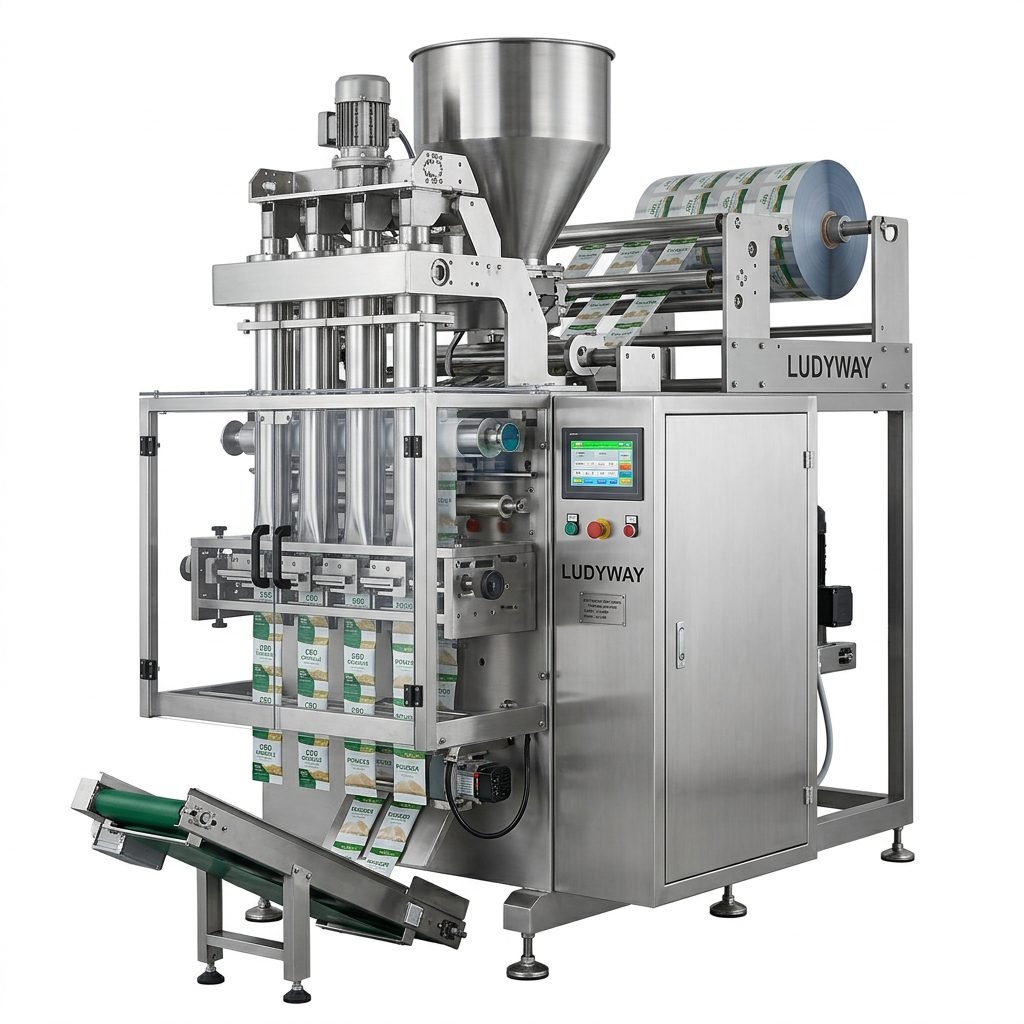
In the fast-paced world of manufacturing, efficiency and precision in packaging are non-negotiable. Among the various technologies available, the form fill packaging machine stands out as a cornerstone of modern production lines. These machines are designed to create, fill, and seal packages from a roll of flexible film in a single, continuous operation. This guide will delve into the different types of form fill packaging machines, explain their working principles, highlight their key benefits, and provide essential buying tips to help you select the right equipment for your needs.
Understanding Form Fill Packaging Machines
A form fill packaging machine, often abbreviated as FFS, is an automated system that forms a package from a roll of film, fills it with a precise amount of product, and then seals it. This process replaces manual or semi-automated packaging methods, offering unparalleled speed, consistency, and hygiene. The primary advantage of this technology is its ability to handle a wide variety of products—from granules and powders to liquids and solids—while minimizing material waste and human intervention.
Core Function of FFS Machines:
The machine’s core function is to create a hermetically sealed package that protects the product from contamination, moisture, and physical damage. This is crucial for industries like food, pharmaceuticals, and health products, where product integrity and shelf life are paramount.
Types of Form Fill Packaging Machines
Form fill packaging machines are categorized based on the package style they produce and their level of automation. Choosing the right type depends on your product characteristics, production volume, and budget.
1. Vertical Form Fill Seal (VFFS) Machines
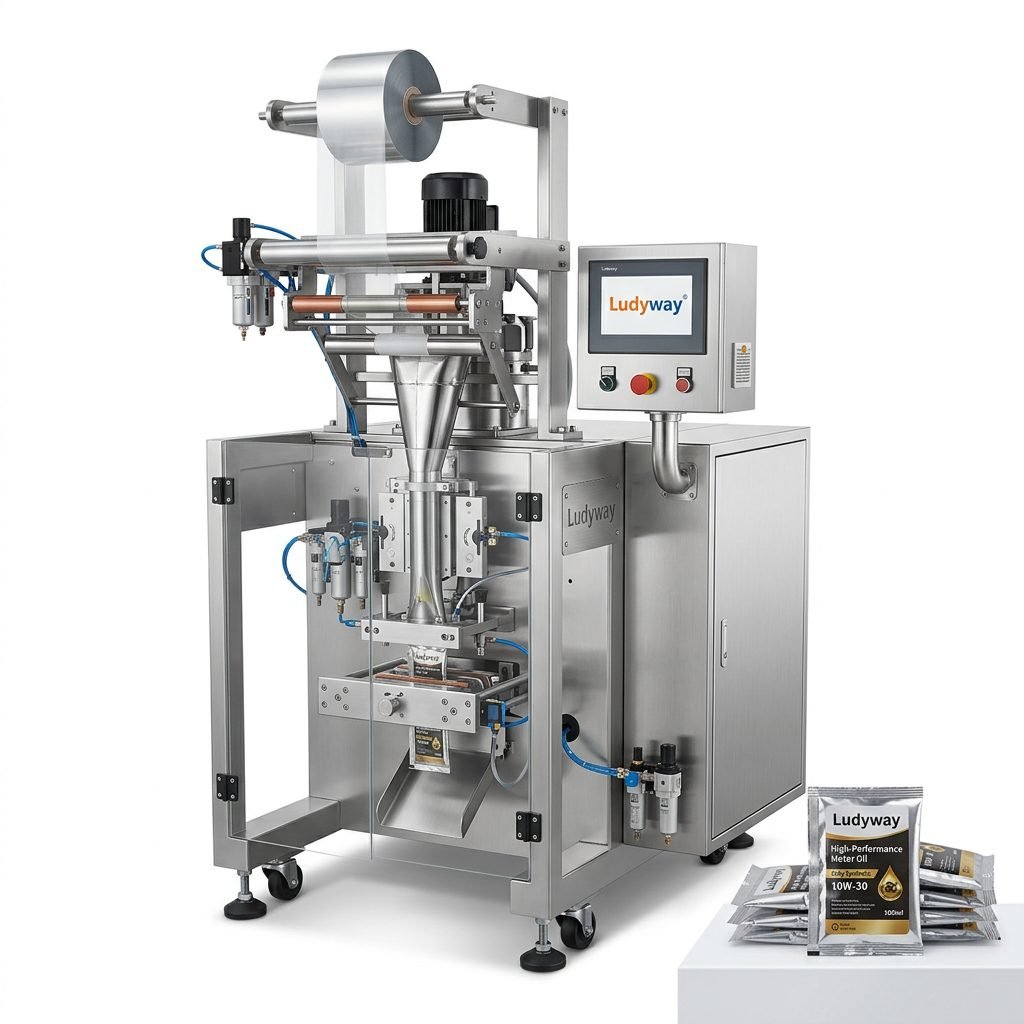
Vertical machines are the most common type. The film is fed vertically downward, formed into a tube around a filling tube, sealed longitudinally, and then sealed transversely at the bottom and top to create individual pouches. They are ideal for free-flowing products like snacks, coffee, grains, and powders.
- Best for: High-speed packaging of granules, powders, and small solids.
- Package Styles: Pillow bags, gusseted bags, block-bottom bags.
2. Horizontal Form Fill Seal (HFFS) Machines
In horizontal machines, the film is fed horizontally. The product is placed on the lower web of film, and a top web is then sealed over it. These are typically used for non-free-flowing or delicate items that need to be placed in a specific orientation, such as biscuits, chocolate bars, medical devices, or sliced meats.
- Best for: Products that are fragile, irregularly shaped, or require precise placement.
- Package Styles: Sachets, stick packs, trays, blister packs.
3. Multi-Lane Form Fill Seal Machines
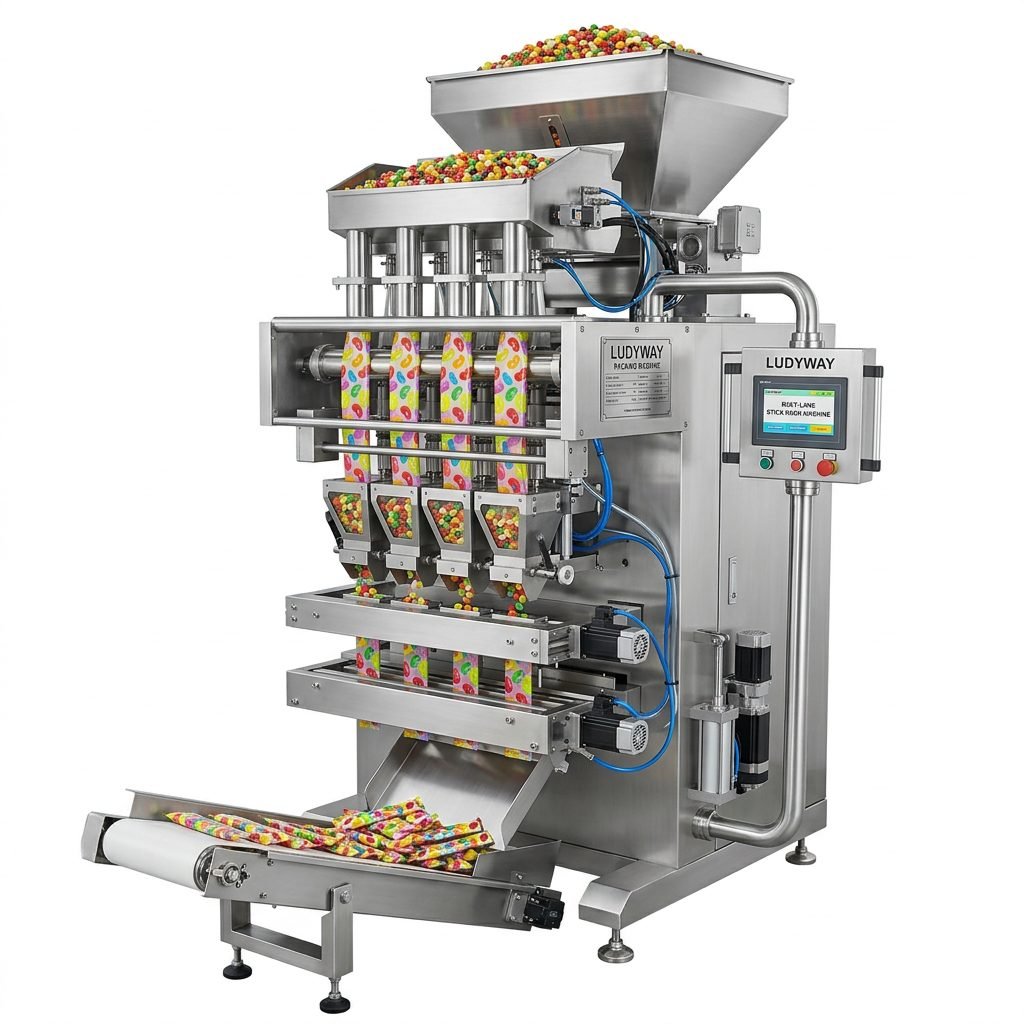
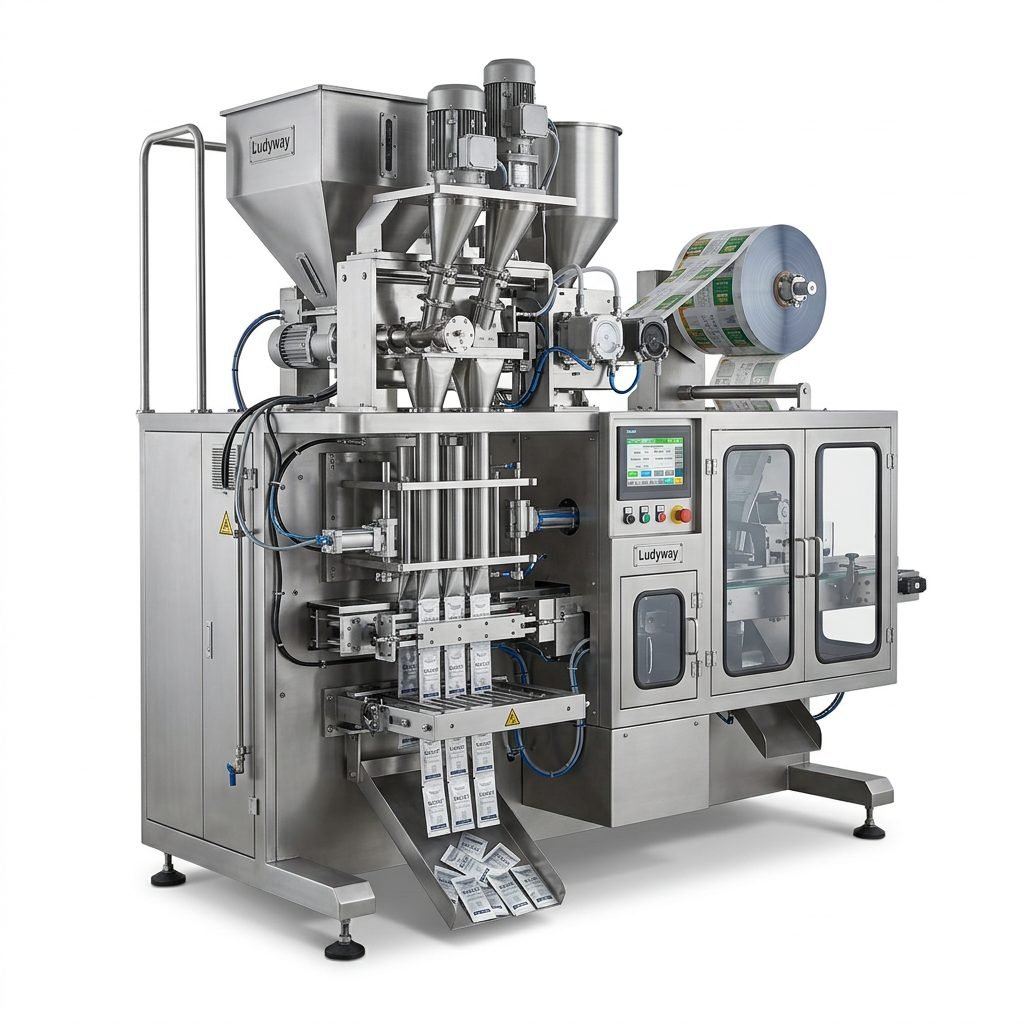
These are advanced systems, often based on VFFS or HFFS technology, that feature multiple parallel lanes. They can produce several packages simultaneously, dramatically increasing output. This is a key solution for manufacturers needing to scale up production, such as in the production of stick packs for supplements or single-serve condiments.
- Best for: Extremely high-volume production of small sachets or stick packs.
- Key Advantage: Maximizes production efficiency within a compact footprint.
How Does a Form Fill Packaging Machine Work?
The operation of a form fill packaging machine is a symphony of precision engineering. While details vary between vertical and horizontal types, the fundamental stages remain consistent.
Stage 1: Film Feeding and Forming
A roll of packaging material (laminate, polyethylene, etc.) is mounted on an unwind stand. The film is fed through a series of tensioners and guides to ensure smooth, wrinkle-free movement. In a VFFS machine, the film is pulled over a forming collar, which shapes it into a vertical tube. In an HFFS machine, the film is drawn flat over a forming bed.
Stage 2: Longitudinal Sealing
As the film is formed into a tube (VFFS) or layered (HFFS), a heat-sealing mechanism creates a continuous seal along the length of the package. This seal is critical for the pouch’s integrity.
Stage 3: Product Filling
This is the heart of the process. The product is dispensed into the formed package via a filling system. The type of filler depends on the product:
⚖️ Volumetric Cup Fillers: Ideal for uniform granules or chunks.
⚖️ Auger Fillers: The gold standard for powders, providing excellent accuracy.
⚖️ Liquid Pumps: Used for sauces, oils, and other liquids.
⚖️ Weighing Scales (Net Weighers): Provide the highest accuracy for valuable products by weighing each dose.
Stage 4: Transverse Sealing and Cutting
After filling, the package moves to the sealing jaws. These jaws perform two functions: they seal the top of the filled pouch and simultaneously seal the bottom of the next pouch to be formed. A cutting mechanism then separates the individual packages. Modern machines often use servo motors for this stage, allowing for precise control of seal time, pressure, and cut position.
Key Benefits of Automating with FFS Machines
Investing in a form fill packaging machine delivers significant competitive advantages across multiple facets of your operation.
✅ Dramatically Increased Production Speed & Efficiency
FFS machines operate continuously at high speeds, from dozens to hundreds of packages per minute. This eliminates bottlenecks, increases overall output, and allows you to meet large order demands consistently.
✅ Unmatched Consistency and Accuracy
Automation ensures every package has the same fill weight, seal integrity, and dimensions. This reduces product giveaway (overfilling) and prevents underfilling, protecting your profit margins and brand reputation. Consistent seals also ensure optimal product shelf life.
✅ Enhanced Hygiene and Reduced Contamination Risk
The enclosed, automated process minimizes human contact with the product and packaging material. This is a critical requirement in food and pharmaceutical packaging, helping you comply with stringent safety standards like GMP, HACCP, and FDA regulations.
✅ Material Savings and Sustainability
FFS machines use film from rolls, which generates less scrap than pre-made bags. Precise film control and minimal trim waste contribute to lower material costs. Furthermore, you can easily switch to more sustainable, thinner, or recyclable films as needed.
✅ Labor Cost Reduction and Operational Flexibility
One machine can often do the work of several operators. Staff can be reassigned to higher-value tasks like quality control and machine supervision. Quick changeover features also allow for flexible production runs of different products or package sizes.
Essential Buying Tips for Your Form Fill Packaging Machine
Selecting the right machine is a strategic decision. Here are key factors to consider to ensure a successful investment.
1. Define Your Product and Packaging Requirements
This is the first and most crucial step. Be specific about:
- Product Type: Is it a powder, granule, liquid, or solid? What is its flowability and density?
- Package Style & Size: Do you need pillow bags, stand-up pouches, stick packs, or sachets? What are the dimensions?
- Production Volume: What are your current and projected output requirements (bags per minute/hour)?
2. Evaluate Machine Construction and Technology
Look for robust, food-grade stainless steel construction, especially in product contact areas. Assess the control system—a user-friendly PLC with a touchscreen HMI simplifies operation and recipe changes. Servo-driven systems offer greater precision, energy efficiency, and quieter operation than traditional mechanical systems.
3. Prioritize After-Sales Support and Service
The machine’s reliability is only as good as the support behind it. Inquire about:
🔧 Warranty Period: A comprehensive warranty is a sign of manufacturer confidence.
🔧 Availability of Spare Parts: Ensure parts are readily available to minimize downtime.
🔧 Technical Support: Does the supplier offer remote assistance, on-site training, and installation support?
Choosing a supplier with a proven track record and strong engineering capabilities, like Ludyway Machinery with over 30 years of industry experience, ensures you have a reliable partner for the long term.
4. Consider Future-Proofing and Scalability
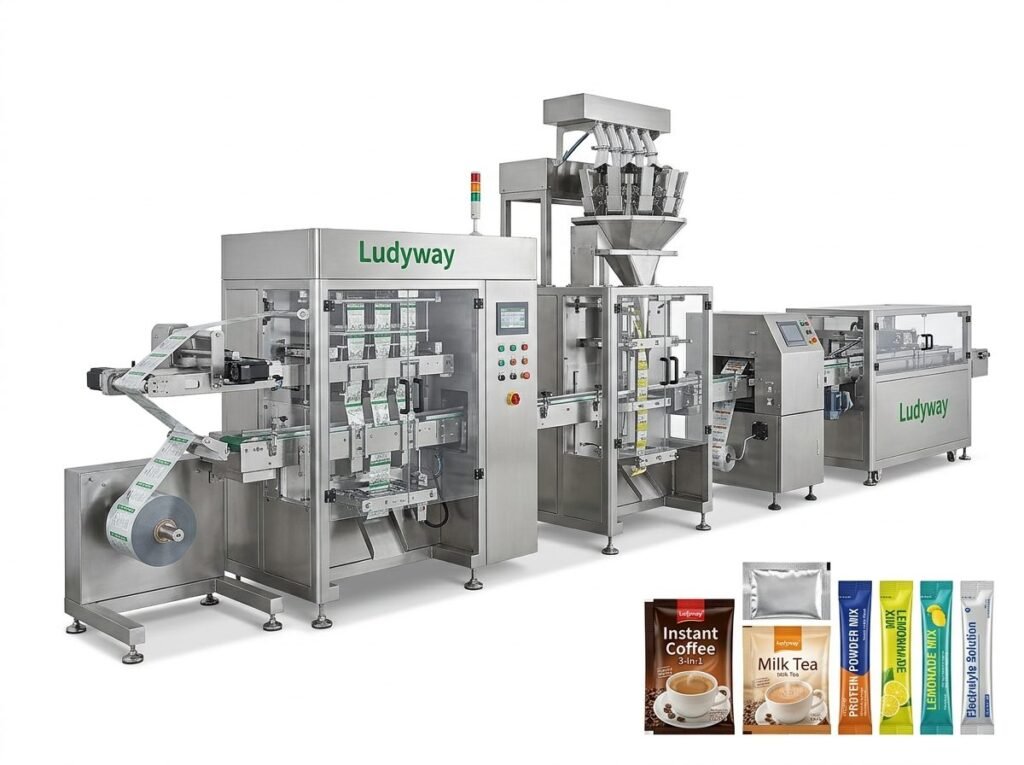
Think about your business growth. Can the machine handle a range of package sizes? Is it easy to integrate with upstream (e.g., mixers) and downstream (e.g., cartoners) equipment? Opting for a modular or multi-lane system can provide a path to scale production without a complete line overhaul.
5. Request a Product Test
Never buy based on specifications alone. Always send your actual product and packaging material to the supplier for a live demonstration or trial run. This test will reveal the machine’s true performance regarding speed, accuracy, and seal quality with your specific materials.
Frequently Asked Questions (FAQs)
Q1: What is the main difference between vertical (VFFS) and horizontal (HFFS) form fill seal machines?
A: The primary difference is the direction of film travel and product placement. VFFS machines are best for free-flowing products that can be poured into a vertical tube. HFFS machines are used for products that need to be placed horizontally, such as fragile or irregularly shaped items, allowing for more precise positioning and different package styles like trays or blister packs.
Q2: Can one FFS machine handle different types of products?
A: Yes, many machines are designed for flexibility. However, switching between vastly different products (e.g., powder to liquid) usually requires changing the filling system (e.g., auger to pump). Switching between similar product types or package sizes is easier and faster, especially on machines with servo drives and recipe memory functions.
Q3: How important is the choice of packaging film for an FFS machine?
A: It is critically important. The film must have good heat-seal properties compatible with the machine’s sealing jaws. Its thickness, coefficient of friction, and stiffness affect how it feeds and forms. Always consult with your machine supplier and film vendor to select the optimal material for your product, machine, and shelf-life requirements.
Q4: What kind of maintenance does a form fill packaging machine require?
A: Regular maintenance is key to longevity and performance. Daily tasks include cleaning product contact zones and checking for debris. Weekly or monthly maintenance involves lubricating moving parts, inspecting seals and wear parts, and verifying the accuracy of the filling system. A good supplier will provide a detailed maintenance schedule and training.
Q5: Are form fill packaging machines suitable for small businesses or startups?
A: Absolutely. While high-speed multi-lane systems cater to large manufacturers, there are many compact, semi-automatic, or lower-speed fully automatic FFS machines designed for small to medium-scale production. The investment is often justified by the savings in labor, material, and the professional, consistent packaging quality it brings to a growing brand.