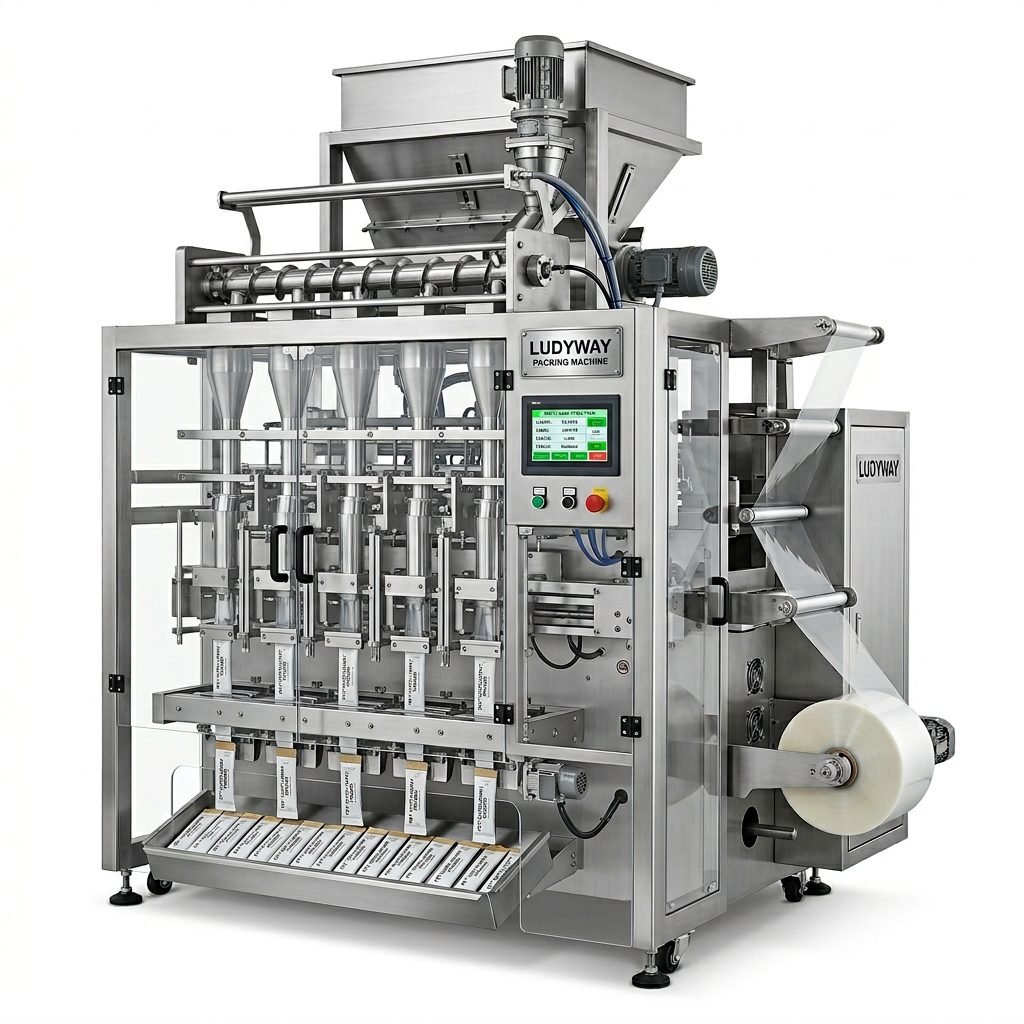
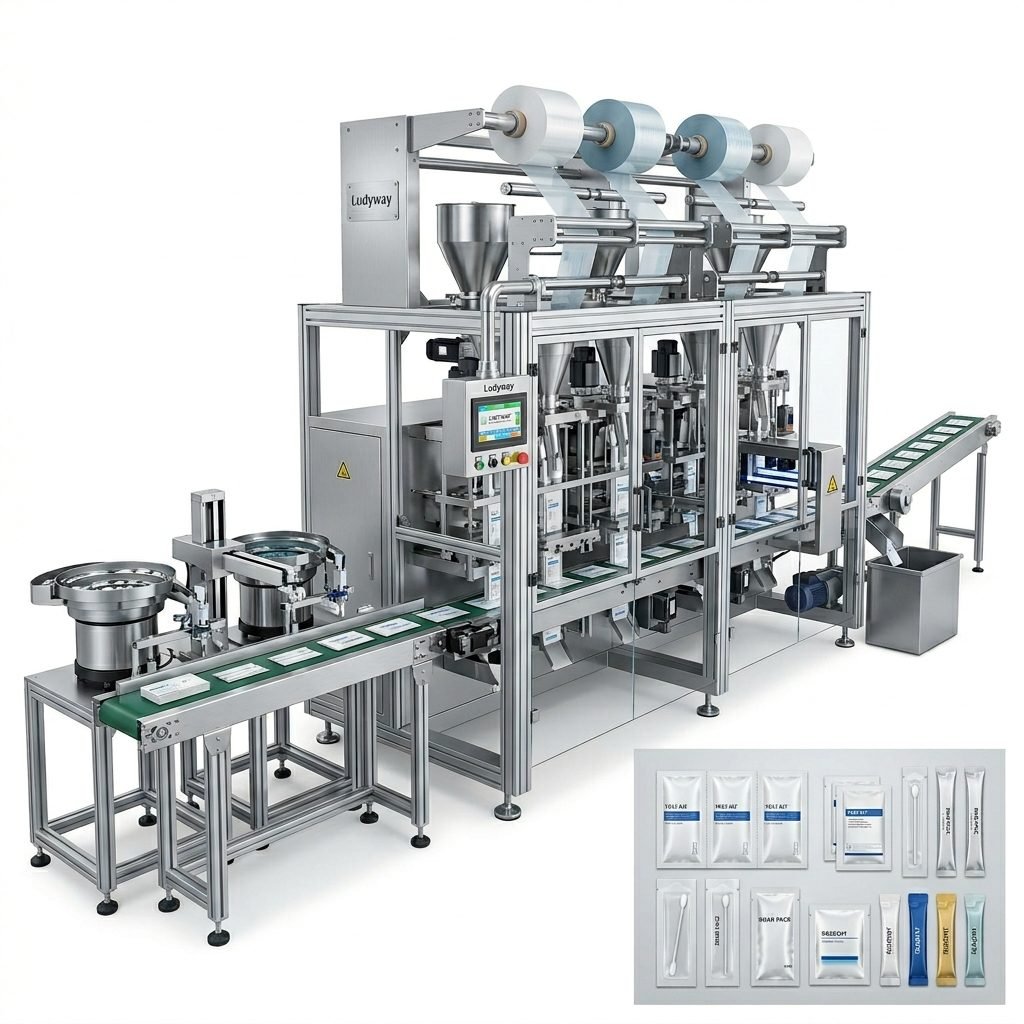
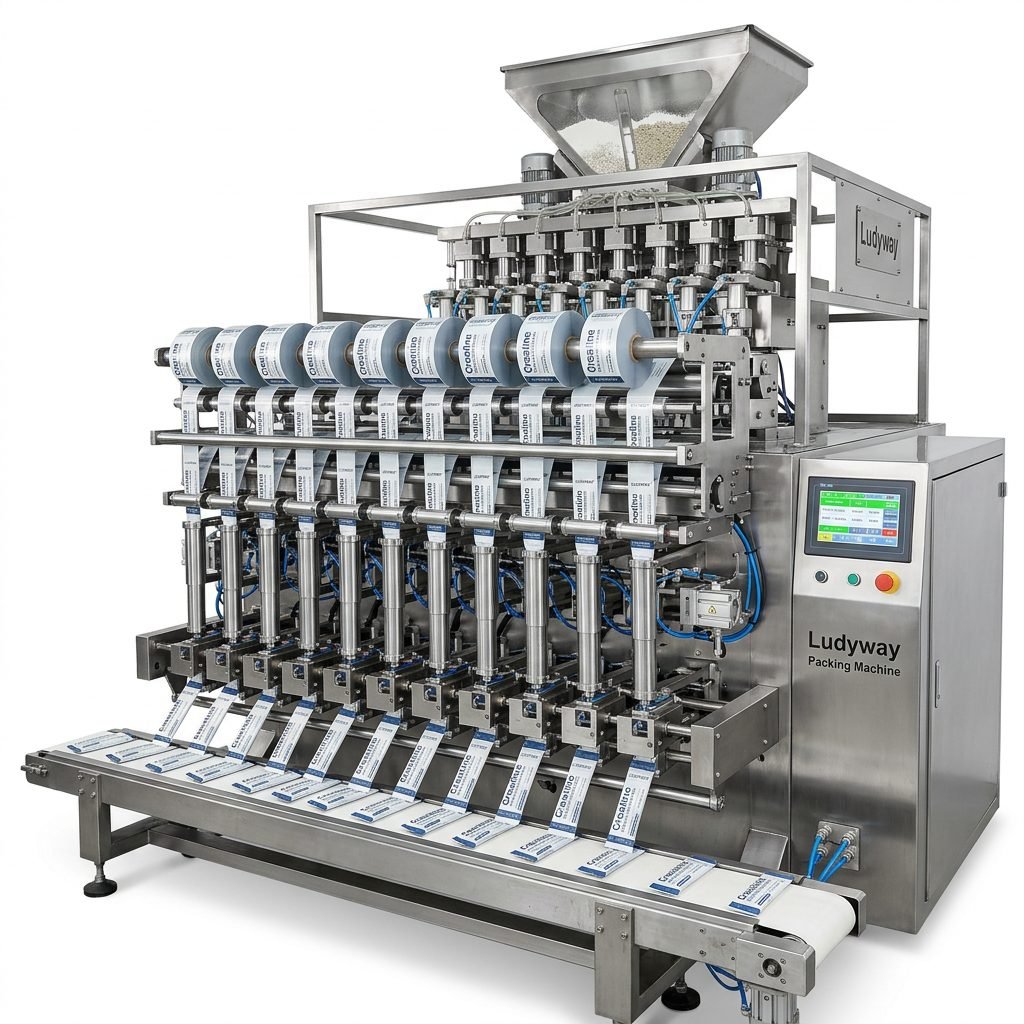
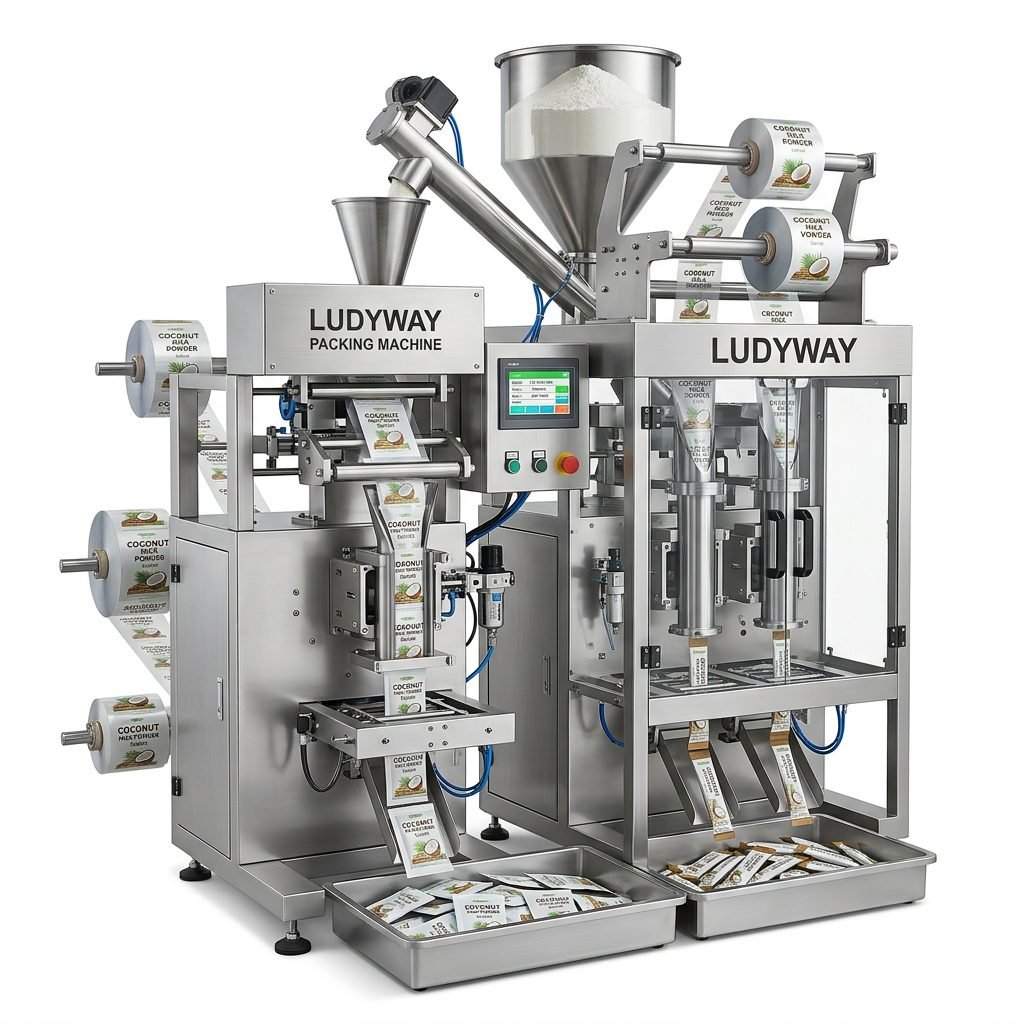
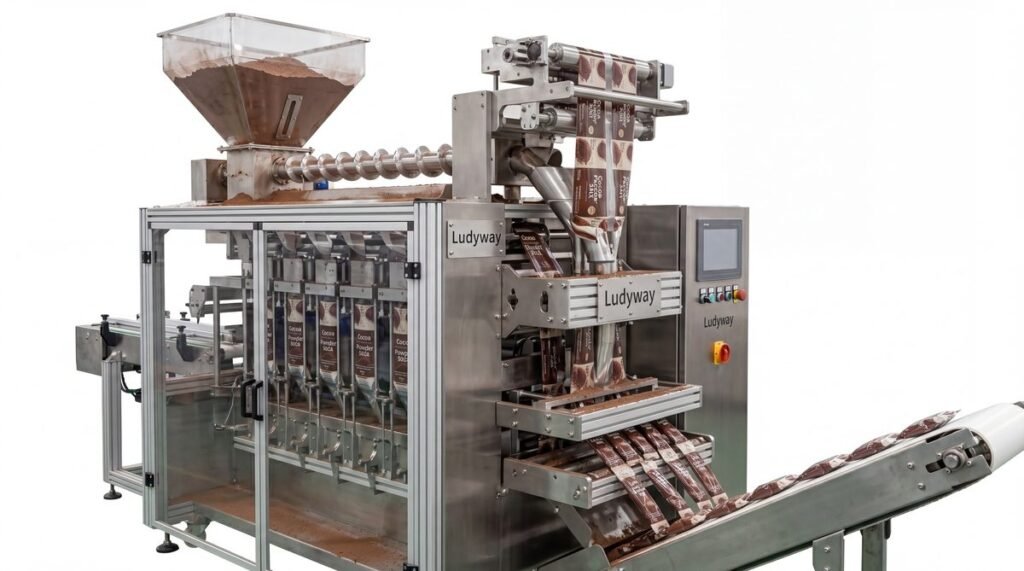
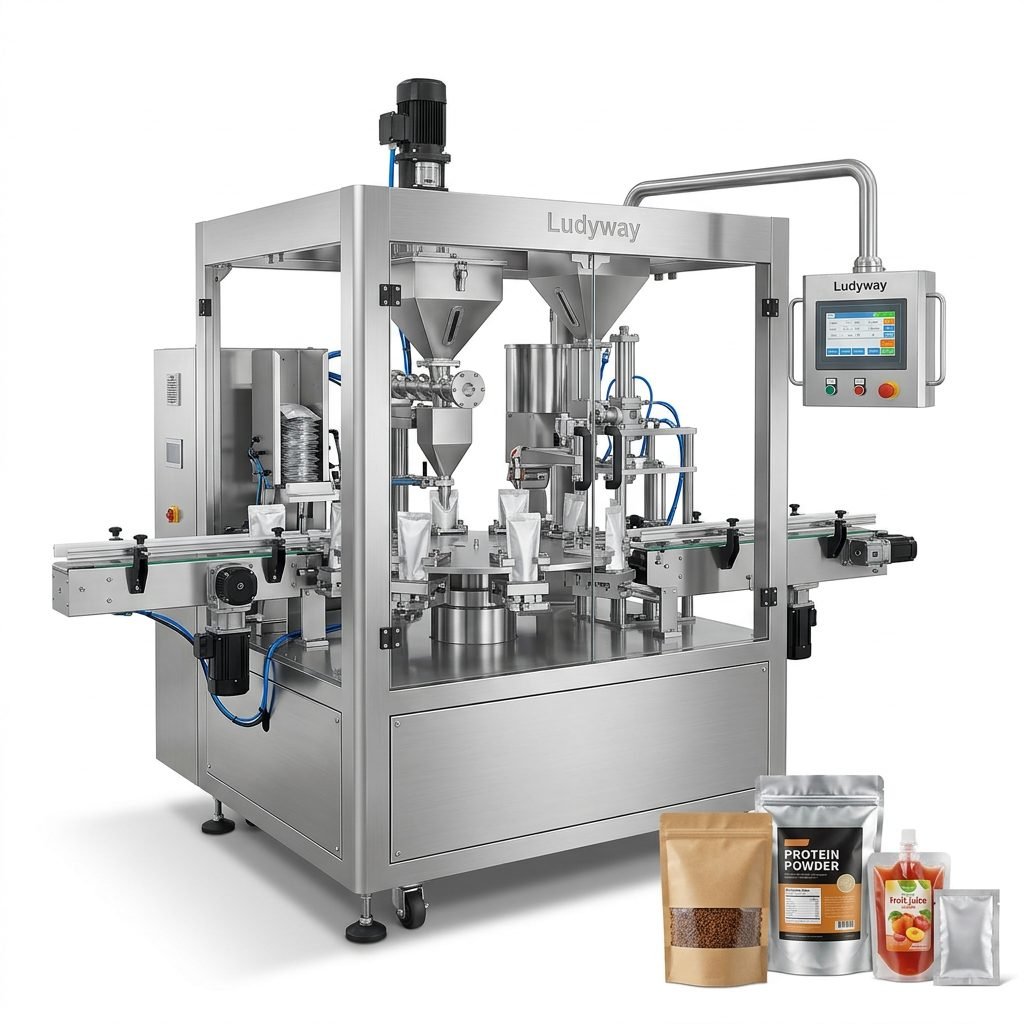
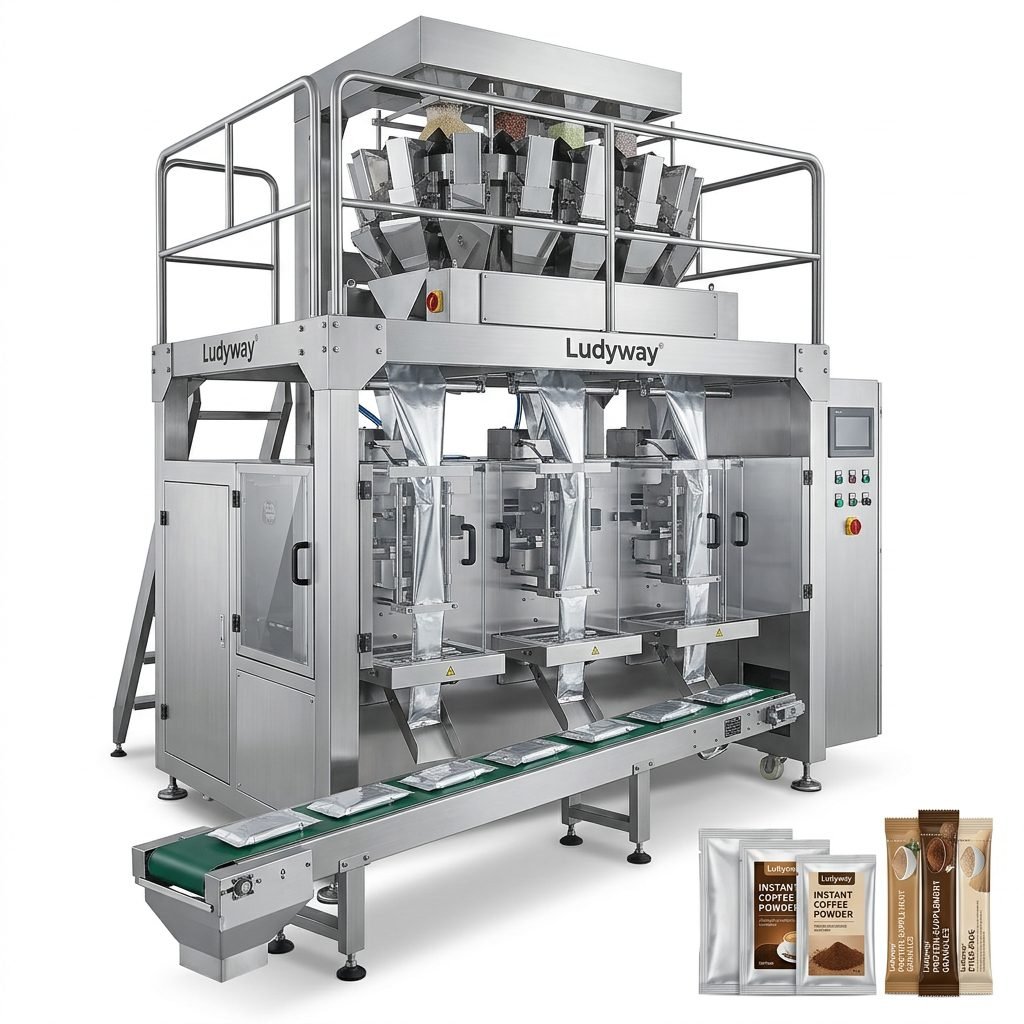
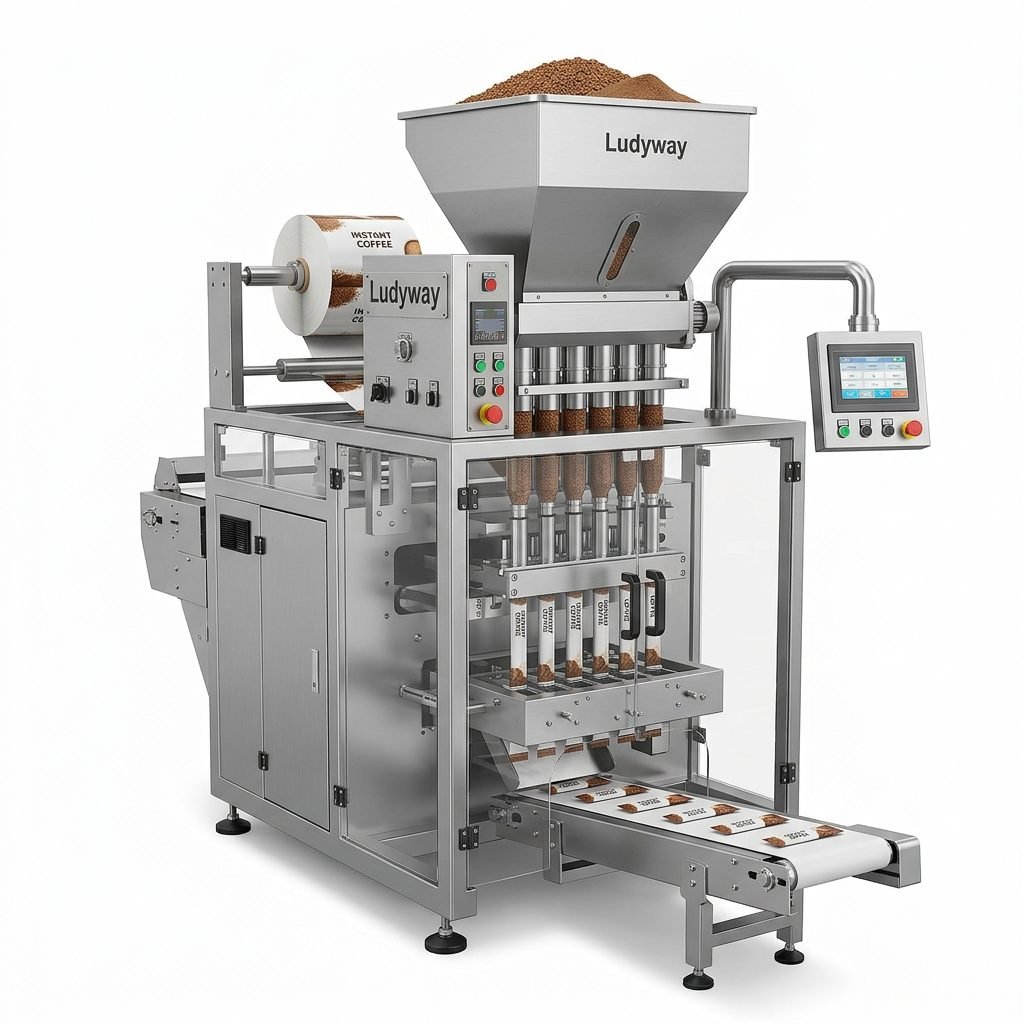
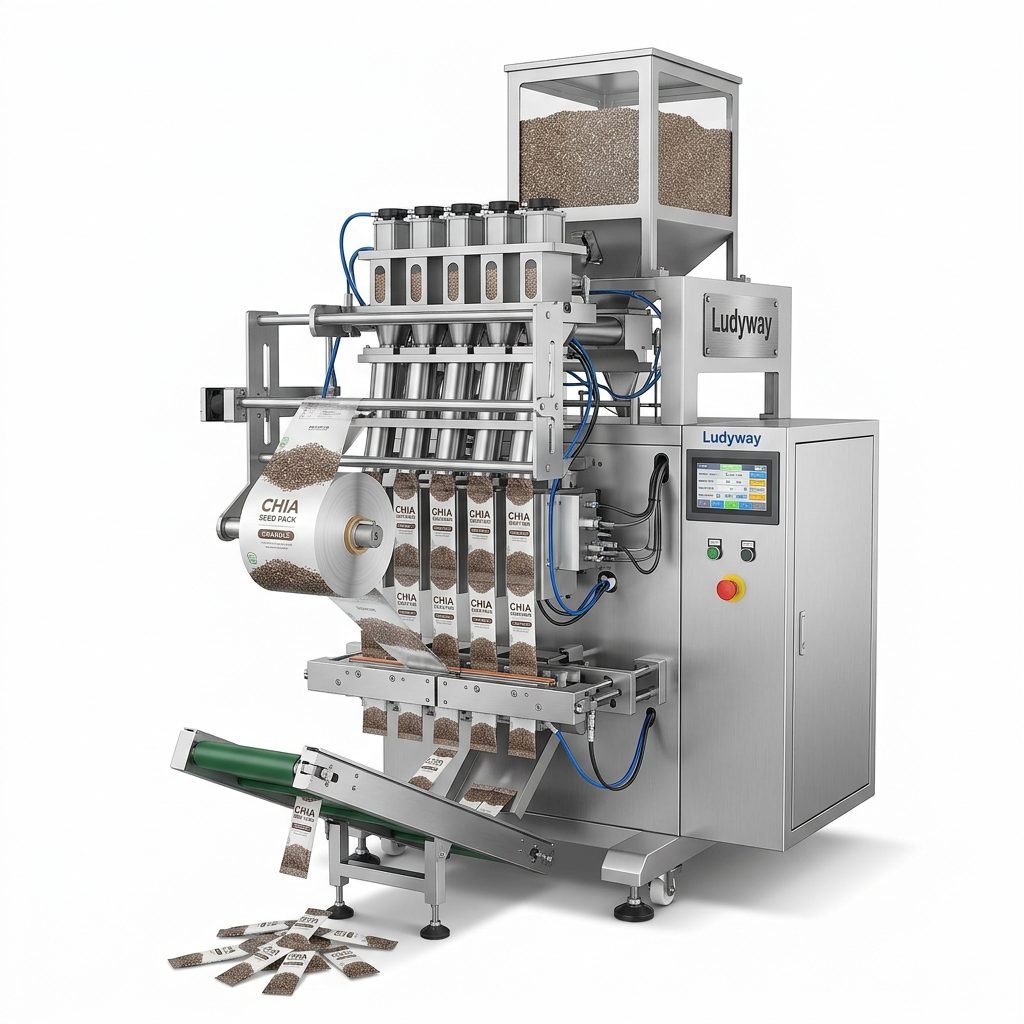
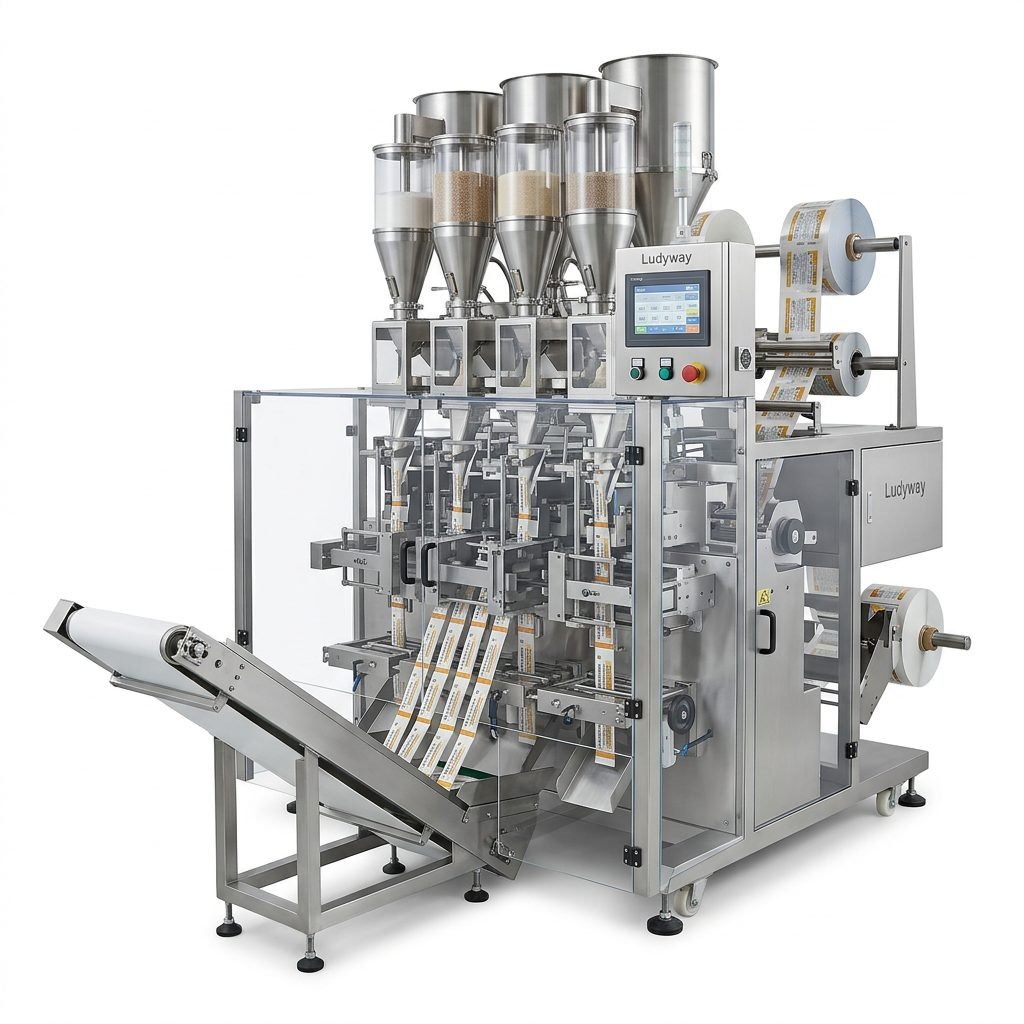
Container packaging machines have revolutionized how products are sealed, protected, and presented across numerous industries. From food and pharmaceuticals to chemicals and cosmetics, these automated systems ensure efficiency, hygiene, and consistency. This comprehensive guide explores the different types of container packaging machines, their working principles, key applications, and essential factors to consider before making a purchase.
Understanding Container Packaging Machines
A container packaging machine is an automated system designed to fill, seal, cap, label, or otherwise prepare various containers—such as bottles, jars, cans, tubes, or pouches—for distribution and sale. These machines streamline production lines, reduce labor costs, minimize product waste, and maintain stringent quality standards.
Core Function:
The primary role of these machines is to automate the packaging process, transitioning from manual, inconsistent methods to a high-speed, precise, and repeatable operation. This is crucial for meeting modern production volumes and regulatory compliance, especially in sectors like pharmaceuticals.
Primary Types of Container Packaging Machines
The technology is categorized based on its function within the packaging line. Understanding these types is the first step in selecting the right equipment.
1. Filling Machines
These machines accurately dispense a predetermined volume or weight of product into containers. The choice depends on the product’s physical properties.
- Volumetric Fillers: Use pistons, cups, or augers to measure by volume. Ideal for granules, powders, and pastes.
- Gravity & Pressure Fillers: Best for free-flowing liquids like water, juices, or oils.
- Aseptic Fillers: Perform filling in a sterile environment, critical for pharmaceuticals and dairy products to prevent contamination.
2. Capping & Sealing Machines
After filling, containers must be securely closed. These machines apply caps, lids, seals, or induction seals.
- Spindle Cappers: Twist screw caps onto bottles with precise torque control.
- Snap Cappers: Press fit lids onto containers like tubs or jars.
- Induction Sealers: Apply an airtight foil liner under a plastic cap using electromagnetic induction, providing tamper-evidence and freshness.
3. Labeling Machines
They apply product labels accurately and consistently. Options include pressure-sensitive (sticker) labelers, wrap-around labelers, and hot melt labelers.
4. Multi-Function & Turnkey Lines
For high-volume production, machines are integrated into a complete system. A turnkey packaging line might include a bottle unscrambler, filler, capper, labeler, and case packer in one synchronized unit. Companies like Ludyway Packing Machine specialize in designing such customized, end-to-end solutions.
How Do Container Packaging Machines Work?
The working principle generally follows a sequential, automated process, though it varies by machine type.
A Standard Sequence for a Bottling Line:
- Container Feeding & Unscrambling: Empty containers are fed from a bulk hopper and oriented correctly.
- Cleaning & Purging (Optional): Containers may be air-blown clean or purged with an inert gas.
- Filling: The product is dispensed with high precision (±0.5-1% accuracy is common).
- Sealing/Capping: Closures are applied and tightened to specification.
- Labeling & Coding: Labels are applied, and batch/expiry dates are printed.
- Inspection & Rejection: Vision systems check fill levels, cap presence, and label alignment, rejecting faulty units.
- Outfeed & Secondary Packaging: Finished containers are collated for boxing or shrink-wrapping.
Automation is driven by Programmable Logic Controllers (PLCs) and servo motors, allowing for easy changeovers and recipe management.
Key Industries and Applications
The versatility of these machines makes them indispensable. Here are some sector-specific applications:
Food & Beverage Industry
This is the largest application sector. Machines handle everything from sauces and dressings to snacks and beverages. Hygiene, speed, and the ability to handle viscous products are paramount. Liquid and paste filling machines are particularly in demand here.
Pharmaceutical & Healthcare
Precision and sterility are non-negotiable. Machines used must comply with cGMP (current Good Manufacturing Practice) standards. Applications include packaging syrups, tablets into bottles, ointments into tubes, and sterile solutions. Aseptic filling and tamper-evident sealing are standard requirements.
Cosmetics & Personal Care
This industry demands aesthetic precision and the ability to handle diverse container shapes (fancy bottles, tubes, jars). Machines often include gentle handling features to prevent scuffing and high-accuracy fillers for expensive creams and serums.
Chemicals & Household Products
From detergents to industrial lubricants, machines must be constructed from corrosion-resistant materials like stainless steel 316 and handle a wide range of viscosities and chemical properties safely.
Essential Buying Tips for Your Business
Investing in a container packaging machine is significant. Here’s a structured approach to making the right choice.
1. Analyze Your Product & Container
This is the foundation. Define your product’s characteristics: Is it a liquid, powder, granule, or paste? What is its viscosity and foaming tendency? Also, specify your container: material (glass, plastic, metal), size, shape, and opening type. The machine must be compatible with both.
2. Determine Required Speed & Output
Calculate your required production speed in containers per minute (CPM) or hour (CPH). Factor in future growth. Don’t overpay for excessive speed you won’t use, but ensure the machine can handle peak demands.
3. Prioritize Accuracy & Hygiene
For costly or regulated products, filling accuracy is critical. In food and pharma, the machine’s cleanability and material (food-grade stainless steel) are vital. Look for machines with CIP (Clean-in-Place) systems and sanitary design.
4. Evaluate Flexibility & Changeover Time
If you run multiple products or container sizes, quick changeover is essential. Seek machines with tool-less adjustments and digital memory for different settings.
5. Assess Integration & Automation Needs
Will the machine stand alone or integrate into a full line? Consider connectivity for Industry 4.0 data collection. Discuss integration support with the supplier. Providers like Ludyway Machinery, with over 30 years of experience, offer valuable expertise in building cohesive, automated lines.
6. Consider Supplier Reputation & Support
The supplier is as important as the machine. Choose one with a strong track record, available spare parts, training, and responsive technical support. Review their client portfolio and ask for references.
Total Cost of Ownership (TCO)
Look beyond the initial purchase price. Factor in installation, maintenance, energy consumption, spare parts, and potential downtime costs. A slightly more expensive, reliable machine from a reputable supplier often has a lower TCO than a cheaper, less supported alternative.
Frequently Asked Questions (FAQs)
What is the main difference between a volumetric and a weight-based filler?
Volumetric fillers measure product by volume (using a fixed cavity) and are cost-effective for consistent-density products. Weight-based fillers (net weigh fillers) measure by mass on a scale, offering superior accuracy (±0.1% or better) for uneven-density or high-value products, but are typically slower and more expensive.
How often does a container packaging machine require maintenance?
Regular maintenance is key. Daily cleaning and visual checks are essential. Scheduled preventive maintenance (lubrication, part inspection) should be performed weekly, monthly, and annually as per the manufacturer’s manual. Proper maintenance drastically reduces unplanned downtime.
Can one machine handle different container shapes and sizes?
Many machines are designed for flexibility. However, switching between vastly different containers (e.g., from a small round bottle to a large rectangular jar) usually requires a changeover kit involving different size parts (filling nozzles, capping heads, grippers). The ease and speed of this changeover is a critical buying factor.
What safety features should I look for?
Essential safety features include emergency stop buttons, protective guarding with safety interlocks (machine stops if guard is opened), overload protection on motors, and proper electrical certifications (CE, UL). For hazardous environments, explosion-proof specifications may be needed.
Is it better to buy a standalone machine or a complete turnkey line?
This depends on your scale and operational maturity. A standalone machine (e.g., just a filler) is suitable for startups or low-volume manual lines. A turnkey automated line is ideal for high-volume production, ensuring synchronized speed, consistent quality, and lower labor costs. It requires a higher initial investment but offers greater long-term efficiency.