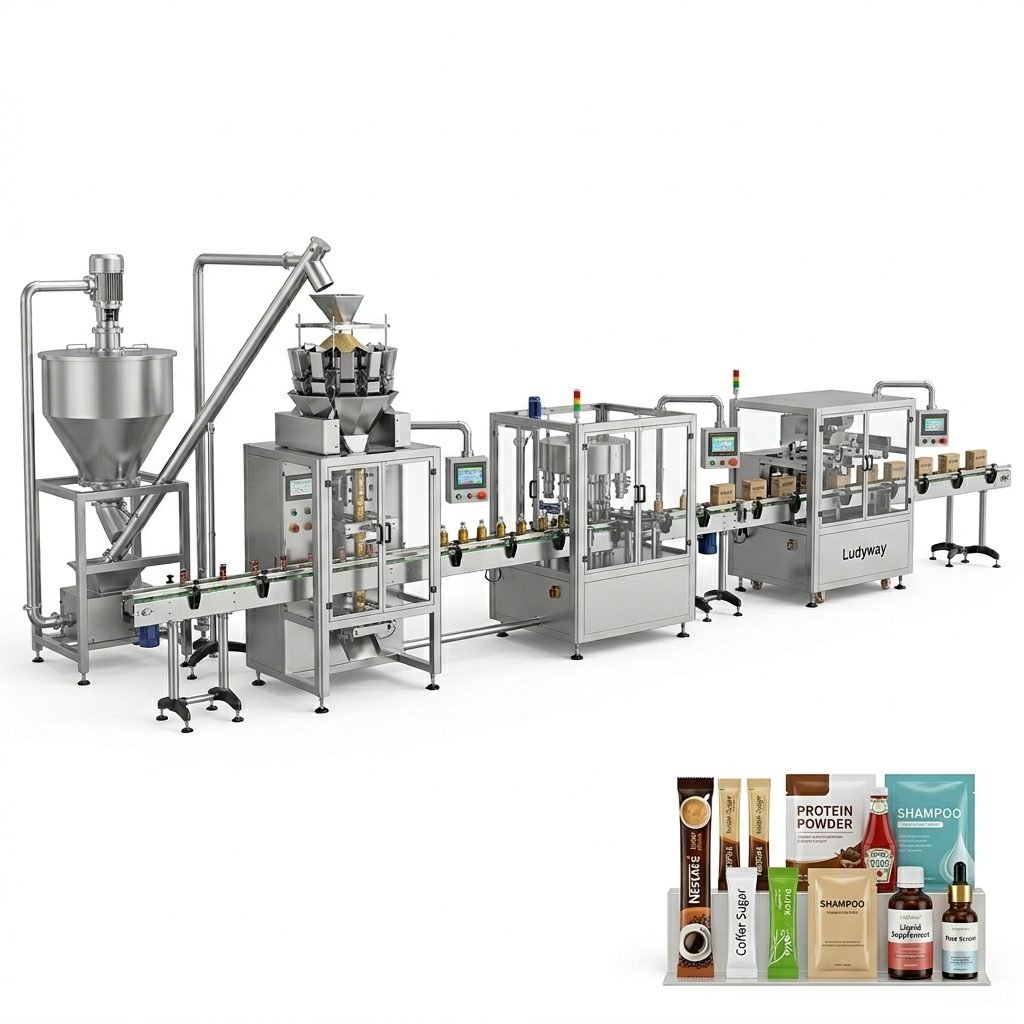
In the rapidly evolving food industry, dehydrated products have gained immense popularity due to their long shelf life, convenience, and nutritional retention. From camping meals and emergency supplies to everyday snacks and ingredients, the demand for high-quality dried foods is on the rise. At the heart of producing these goods efficiently and hygienically lies a critical piece of equipment: the dehydrated food packaging machine. This guide delves into the different types of packaging systems available, their key features, and provides a comprehensive framework to help you select the best system for your specific production needs.
Understanding Dehydrated Food Packaging
Dehydrated food packaging involves more than just placing dried goods into a bag. It is a precise process designed to protect the product from moisture, oxygen, light, and contamination—all of which can degrade quality and shorten shelf life. Effective packaging maintains the texture, flavor, and nutritional value that consumers expect. The right packaging machine automates this process, ensuring consistency, speed, and compliance with food safety standards, which is crucial for both small-scale artisanal producers and large industrial manufacturers.
Key Objective: The primary goal of dehydrated food packaging is to create a hermetic seal that locks out environmental factors, preserving the product’s integrity from the production line to the consumer’s pantry.
Common Types of Dehydrated Food Packaging Machines
The market offers a variety of machines, each suited to different product forms, scales, and packaging styles. Understanding these types is the first step in making an informed choice.
Vertical Form-Fill-Seal (VFFS) Machines
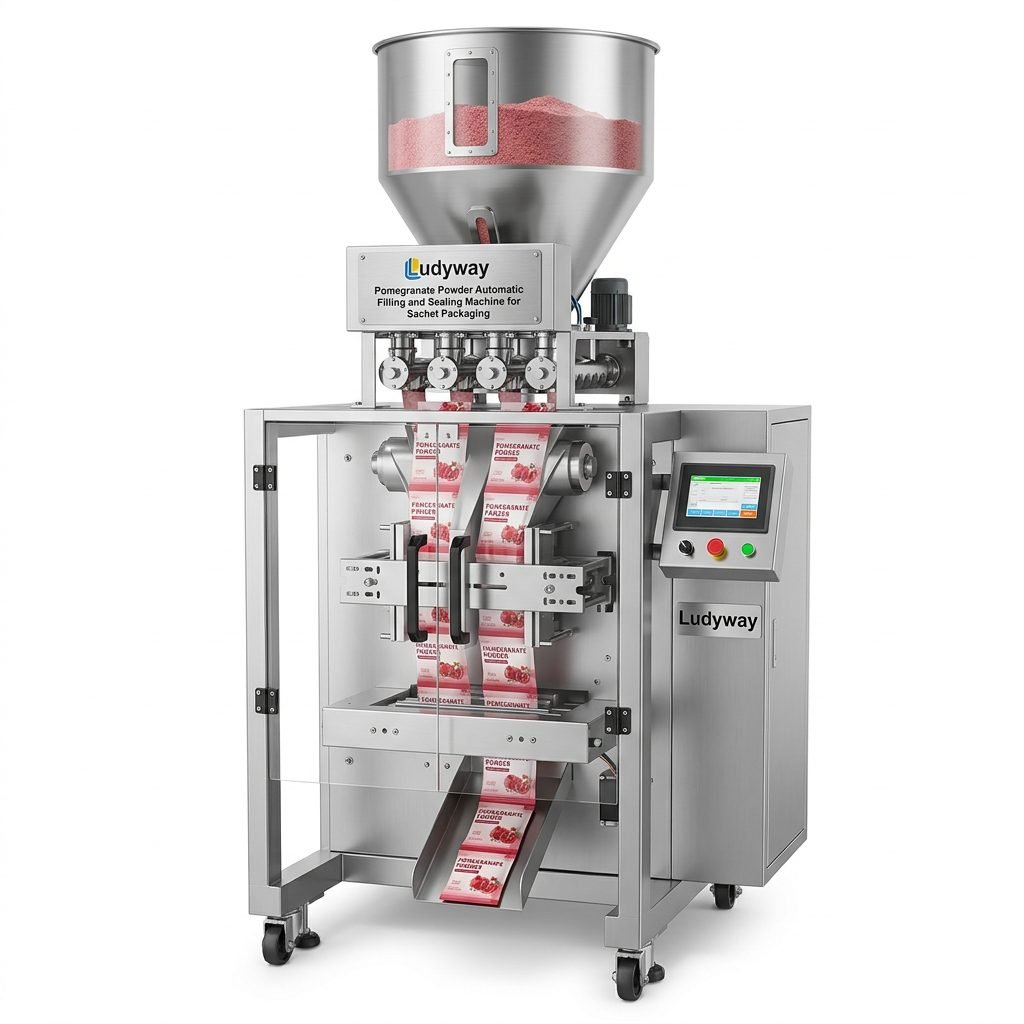
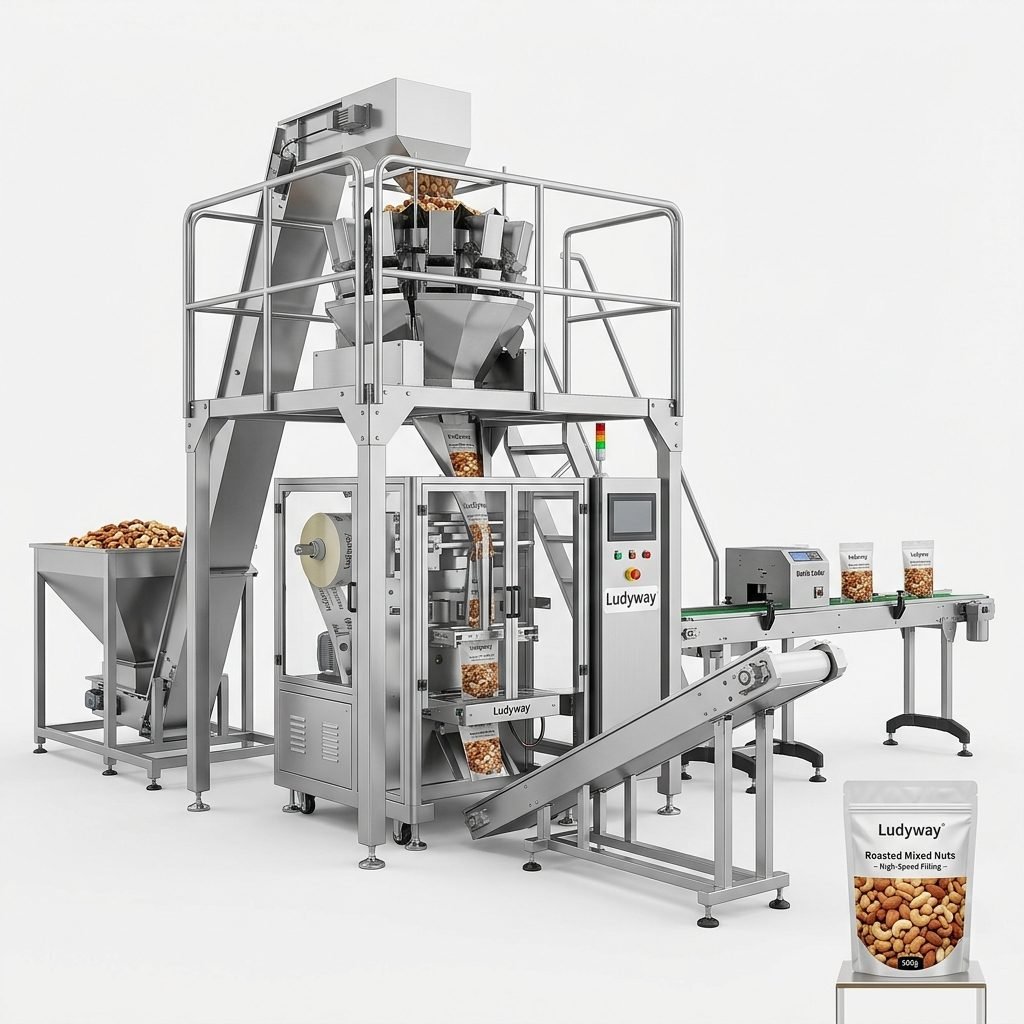
These are among the most versatile and widely used systems. A VFFS machine forms a bag from a roll of packaging film, fills it with a pre-measured amount of product, and then seals it—all in one continuous vertical operation. They are ideal for granules, powders, and small pieces like dried fruits, vegetables, herbs, and soup mixes.
- Pros: High speed, efficient material use, compact footprint, easy changeover between bag sizes.
- Cons: Less suitable for very large or fragile pieces that might be damaged in the drop.
Horizontal Form-Fill-Seal (HFFS) Machines
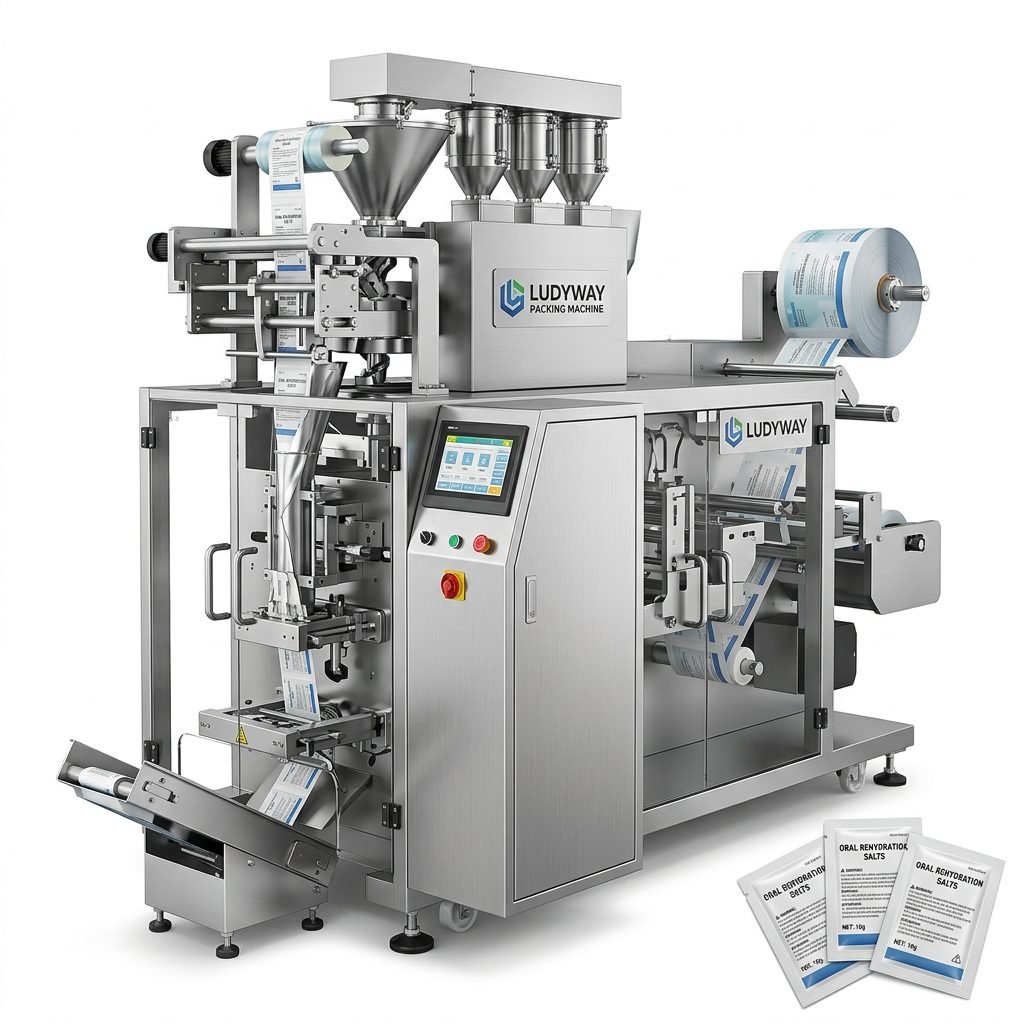
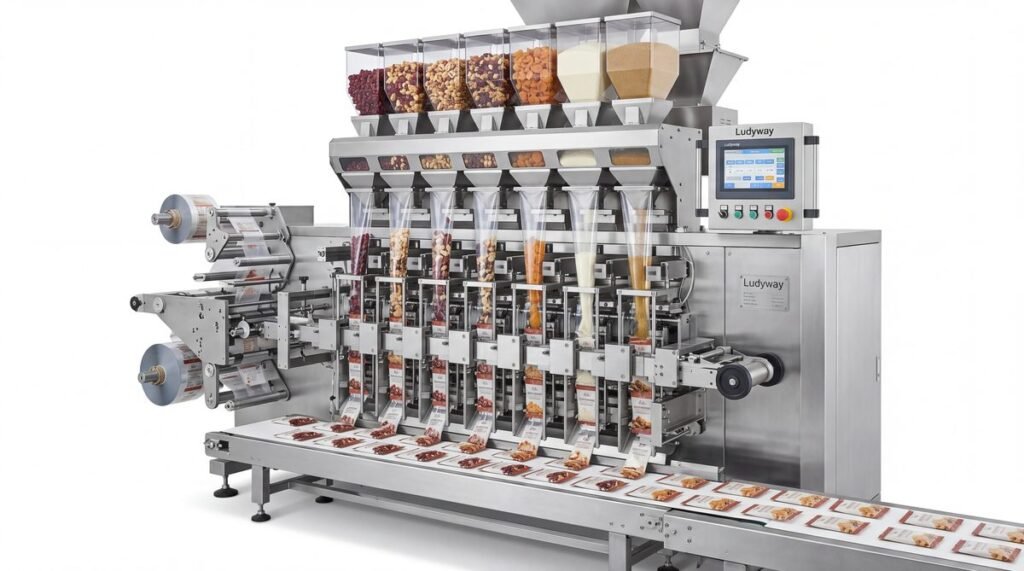
HFFS machines form pouches horizontally, which is often better for products that need to be laid flat or for creating more complex pouch structures with multiple compartments. They are excellent for delicate dried meats (jerky), larger fruit slices, or combo packs containing different ingredients.
- Pros: Gentle handling, ability to create stand-up pouches, good for marketing-oriented packaging.
- Cons: Generally larger and more expensive than VFFS machines.
Pre-Made Pouch Fillers
This system uses pre-manufactured bags or pouches. The machine opens the pouch, fills it, and then seals it. It’s a perfect solution for businesses that have custom-printed packaging or for products where the packaging material is unique or difficult to form on-site.
- Pros: Maximum graphic flexibility, ideal for short runs or premium products.
- Cons: Higher cost per package due to pre-made bags, slower speeds compared to FFS systems.
Stick Pack and Sachet Machines
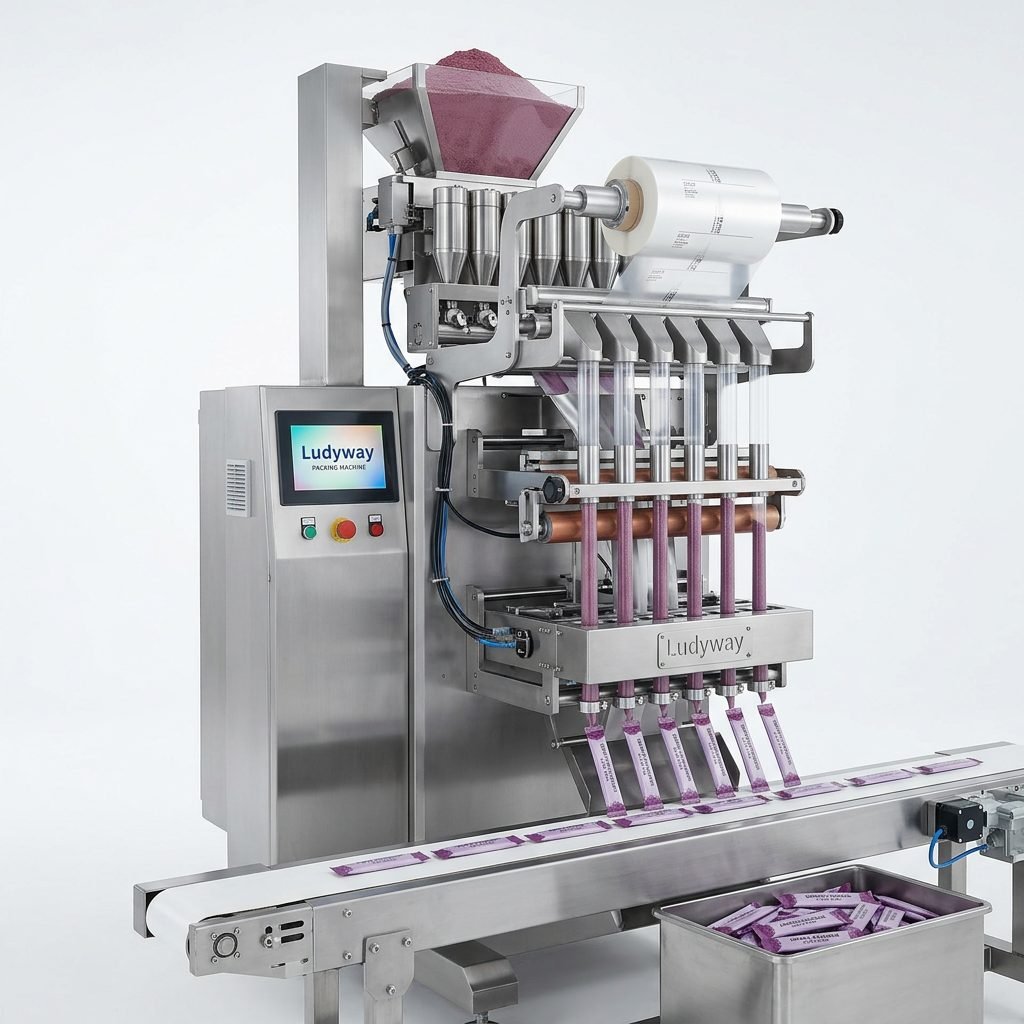
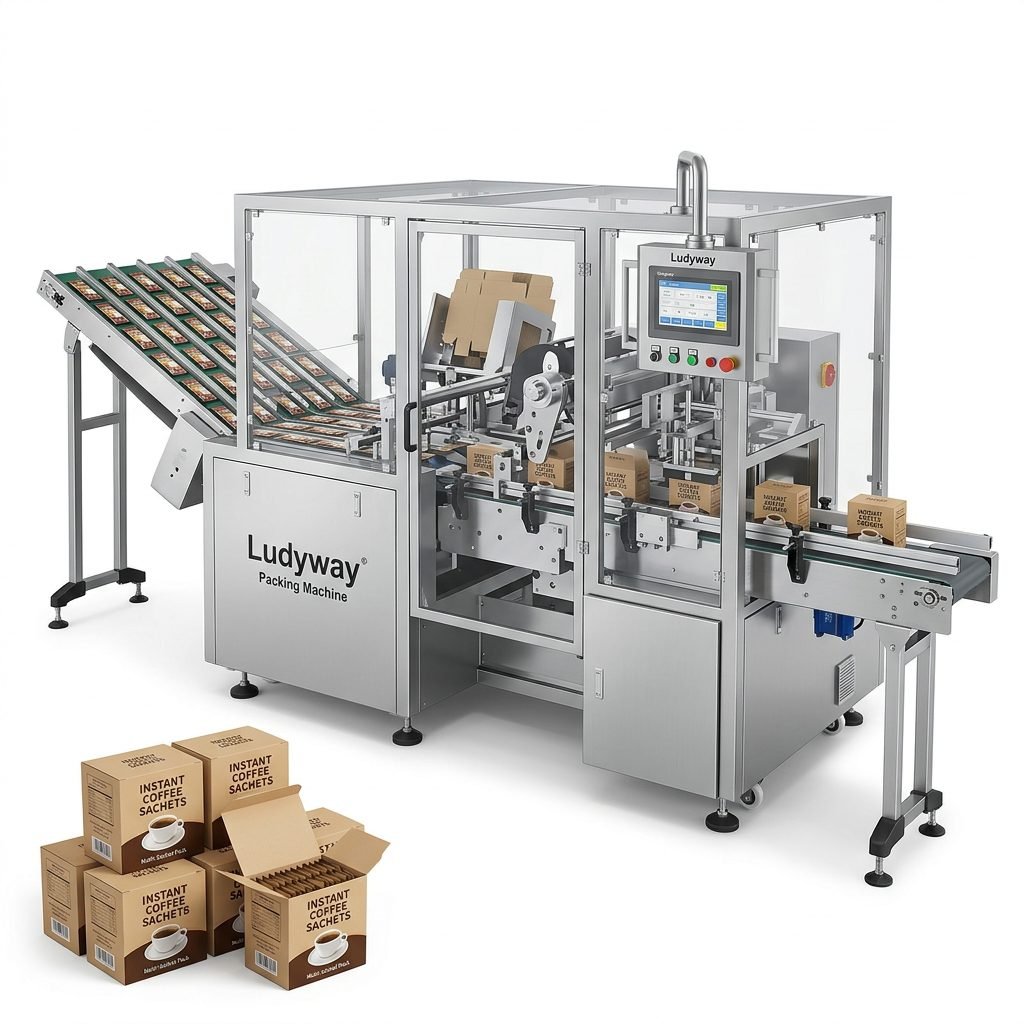
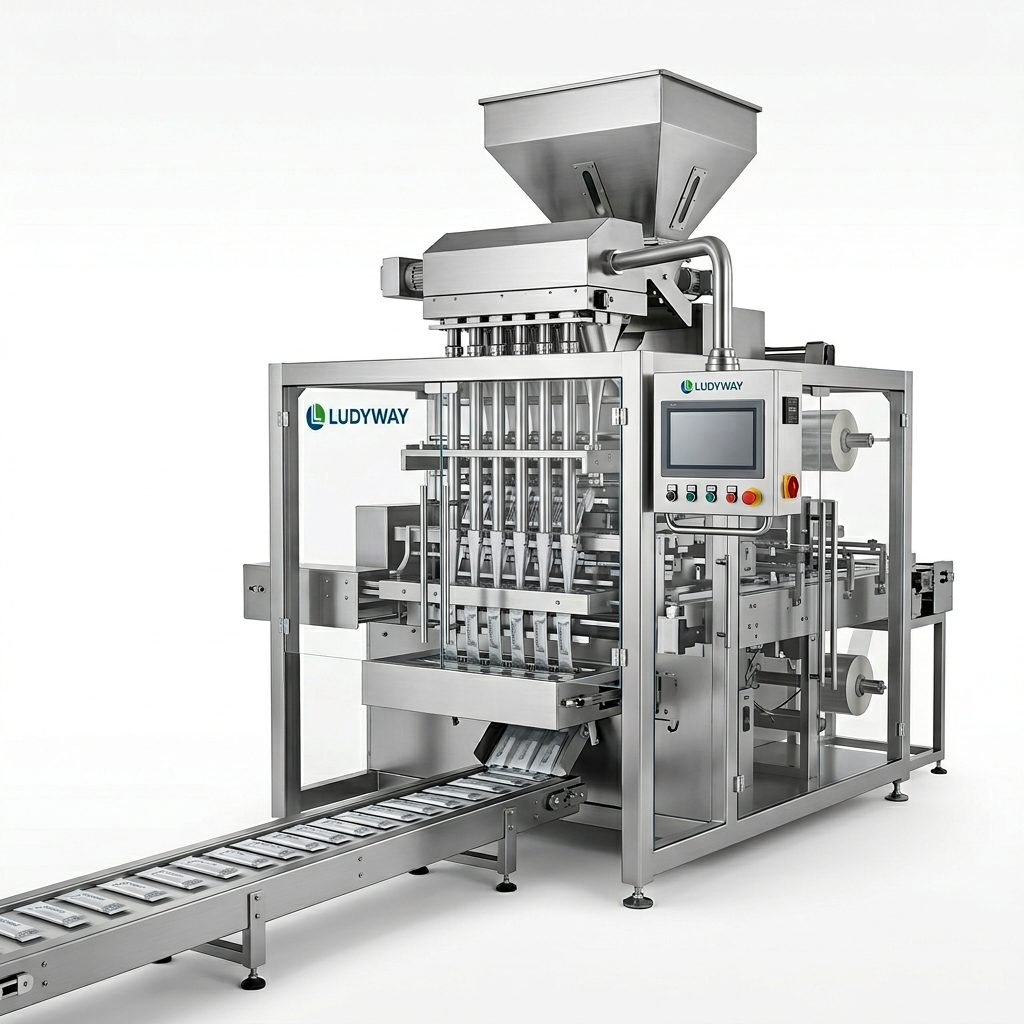
Designed for single-serve portions, these machines create slim, elongated packets. They are extremely popular for powdered drink mixes, instant coffee, spices, and sauce mixes. Modern multi-lane systems can produce dozens of stick packs per minute.
Essential Features to Consider
Beyond the basic type, several features determine a machine’s performance, reliability, and suitability for your operation.
Weighing and Dosing Accuracy
For dehydrated foods, precise weight control is critical for cost management and regulatory compliance. Look for machines with high-precision auger fillers for powders, cup fillers for granules, or combination weighers for mixed pieces. Check the machine’s weight tolerance range.
Packaging Material Compatibility
Your machine must handle the specific films or laminates required for dehydrated foods, such as metallized polyester, aluminum foil laminates, or high-barrier plastics. Ensure the sealing system (heat, vacuum, or gas flush) is compatible with your chosen material to ensure a perfect, durable seal.
Automation and Control Level
A user-friendly touchscreen HMI (Human-Machine Interface) allows for easy setup, recipe storage, and monitoring. Advanced machines offer PLC control, data logging, and connectivity for Industry 4.0 integration. Automated features like film splicing and CIP (Clean-in-Place) systems boost uptime.
Hygiene and Cleanability
Food safety is paramount. Machines designed with stainless steel contact parts, smooth surfaces without crevices, and easy disassembly simplify cleaning and reduce the risk of cross-contamination. This is a non-negotiable feature for any food packaging line.
How to Choose the Best System for Your Needs
Selecting the right machine is a strategic decision. Follow this step-by-step framework to guide your investment.
Step 1: Analyze Your Product Profile
Start with a deep understanding of your product. Is it a fine powder (protein powder), a granule (instant rice), a flake (herbs), or a piece (dried mango)? What is its bulk density and flowability? Is it abrasive or oily? The physical characteristics directly dictate the type of filler and handling system needed. For instance, a sticky fruit powder may require a specialized auger with a coating, while fragile kale chips need a gentle horizontal or pre-made pouch system.
Step 2: Define Your Production Requirements
Be realistic about your output. Calculate your required bags-per-minute (BPM) speed based on current and projected future demand. Also, consider your bag size range—will you run only one size, or do you need quick changeover between multiple sizes? A machine that’s too slow creates a bottleneck, while an overly complex, high-speed machine may be a costly over-investment for a small business.
Step 3: Evaluate Your Packaging Specifications
Your brand and market dictate the packaging. Do you need a simple pillow bag, a stand-up zipper pouch for premium snacks, or a nitrogen-flushed pack for extreme shelf life? The packaging format narrows down your machine choices. Consult with both your packaging material supplier and potential machine suppliers early in the process to ensure compatibility.
Step 4: Assess Operational and Budget Constraints
Consider your factory space, available utilities (electrical, compressed air), and operator skill level. A fully automated line requires less labor but a higher upfront investment. Weigh the Total Cost of Ownership (TCO), which includes not just the purchase price, but also installation, maintenance, spare parts, energy consumption, and potential downtime costs.
Step 5: Prioritize Supplier Support and Service
The machine is only as good as the company behind it. Choose a supplier with a proven track record in the food industry. Look for:
- Technical Expertise: Can they provide a tailored solution and not just an off-the-shelf machine?
- After-Sales Service: What is their warranty? How quickly can they provide spare parts and on-site technical support?
- Training and Documentation: Comprehensive training for your team is essential for smooth operation and maintenance.
Partnering with an experienced provider like Ludyway Machinery, which offers over 50 models and custom solutions, can ensure you get a system that grows with your business.
Conclusion
Investing in a dehydrated food packaging machine is a significant step toward scaling production, ensuring consistency, and protecting product quality. By thoroughly understanding the different machine types—from versatile VFFS to specialized stick pack systems—and critically evaluating features like dosing accuracy, material compatibility, and hygiene, you can make a confident choice. Remember to base your decision on a clear analysis of your product, output goals, packaging needs, and long-term operational strategy. The right partnership with a knowledgeable equipment supplier will provide not just a machine, but a reliable foundation for your brand’s success in the competitive dried foods market.
Frequently Asked Questions (FAQs)
1. What is the difference between a VFFS and an HFFS machine for dehydrated foods?
VFFS (Vertical Form-Fill-Seal) machines are best for free-flowing products like granules, powders, and small pieces where the product is filled vertically into a bag formed on the spot. They are space-efficient and high-speed. HFFS (Horizontal Form-Fill-Seal) machines form pouches on a horizontal plane, offering gentler handling for delicate, large, or irregular items like jerky or dried fruit slices, and are better for creating premium stand-up pouch formats.
2. Can one machine handle both powder and granule dehydrated products?
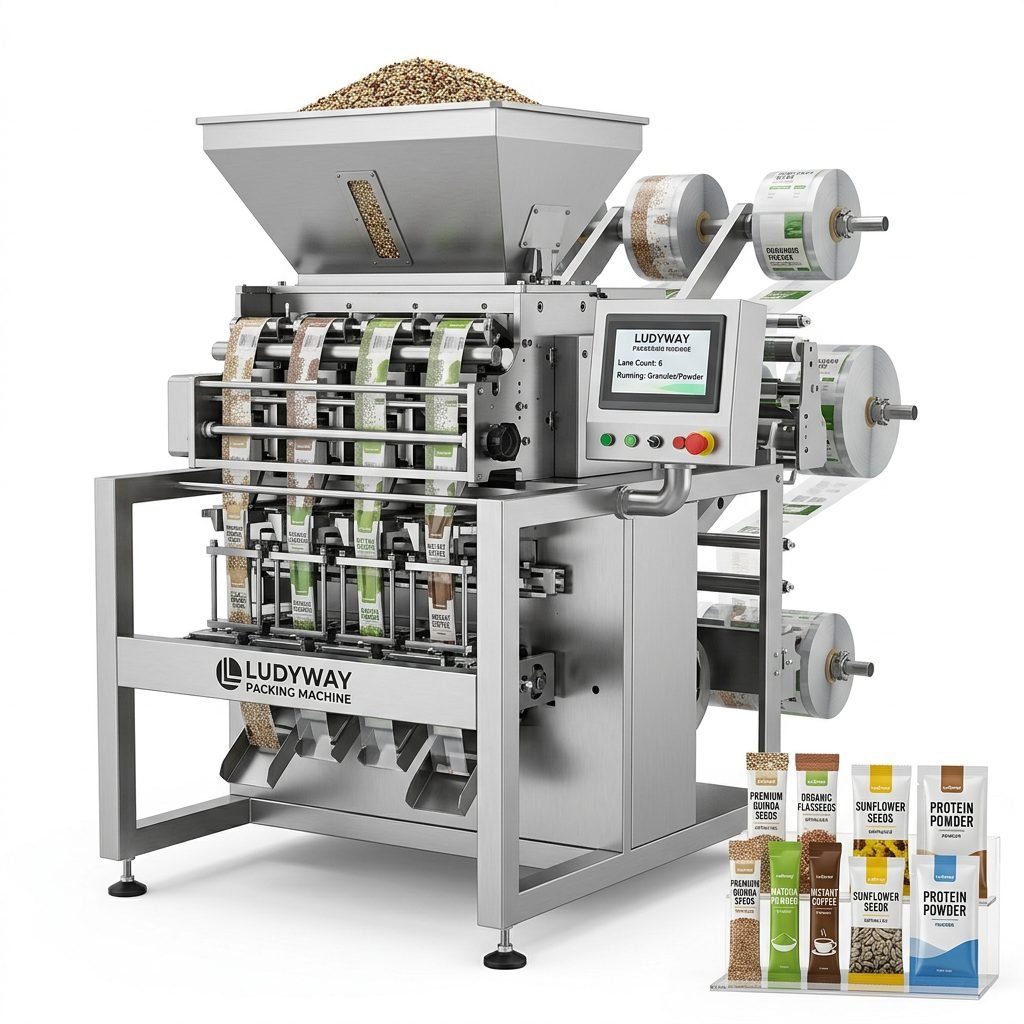
Yes, many versatile packaging machines can handle both, but it depends on the filling system. A machine equipped with an interchangeable auger filler (for powders) and a cup filler or volumetric filler (for granules) can switch between product types. However, changeover may require cleaning and part swaps, so it’s crucial to discuss your specific product mix with the supplier.
3. How important is gas flushing (nitrogen flushing) in dehydrated food packaging?
Extremely important for certain products. While dehydration removes water, oxygen remains the enemy. Gas flushing replaces oxygen inside the package with an inert gas like nitrogen. This drastically reduces oxidation, preserves color and flavor, prevents insect infestation, and extends shelf life far beyond what a simple sealed package can achieve. It’s highly recommended for fatty foods (nuts, meats) and premium products.
4. What maintenance does a dehydrated food packaging machine require?
Regular maintenance is key to longevity and avoiding downtime. Daily tasks include cleaning all product contact parts and inspecting seals. Weekly or monthly maintenance involves lubricating moving parts (with food-grade lubricant), checking drive belts for tension, and calibrating the weighing system. Always follow the manufacturer’s maintenance schedule and keep a stock of common wear parts like sealing jaws, cutter blades, and filters.
5. How do I ensure my packaging meets food safety regulations?
First, ensure your packaging materials are FDA-compliant or meet the relevant standards for your target market (e.g., EU regulations). Second, your machine should be constructed with food-grade materials (e.g., 304/316 stainless steel) and designed for easy cleaning. Implementing a robust sanitation protocol (like SSOPs) and validating your sealing process are critical steps. A reputable machine supplier should be able to guide you on compliance aspects for your region.