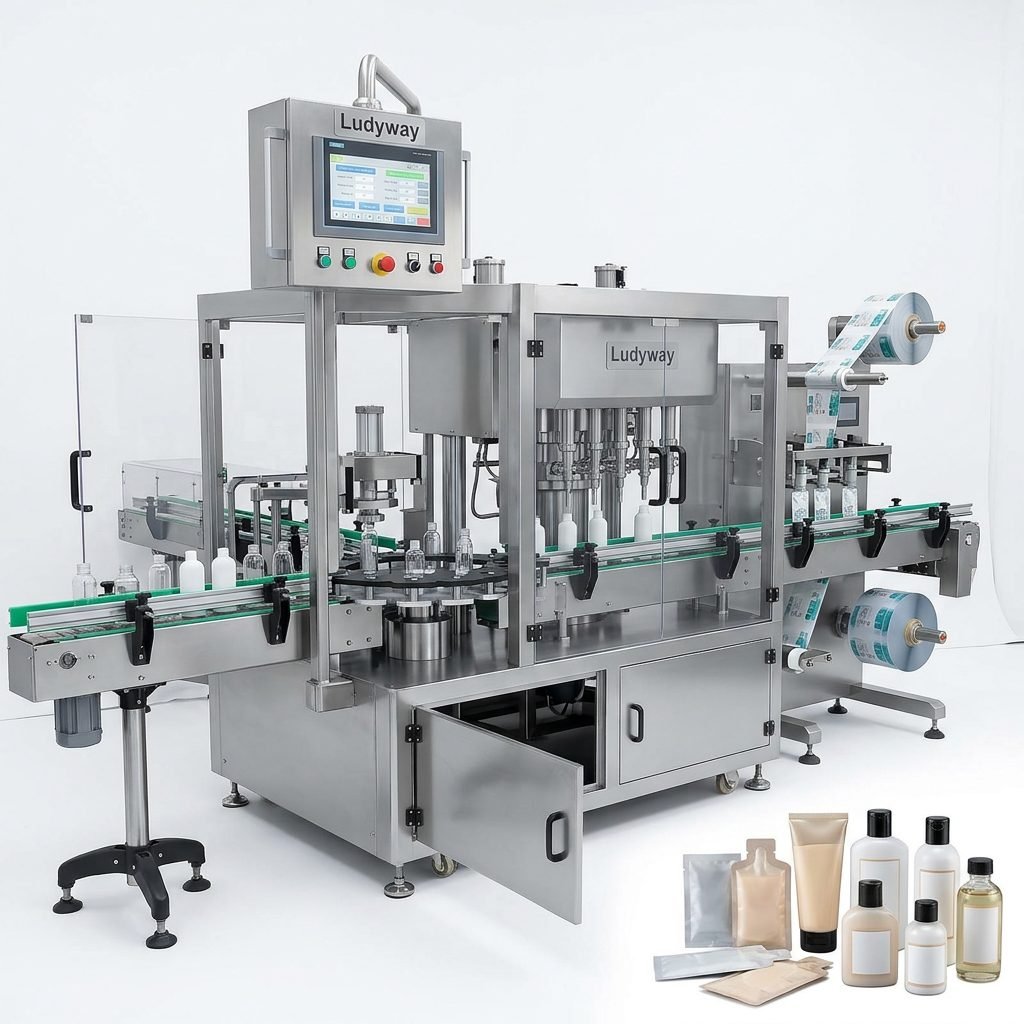
In the competitive landscape of modern manufacturing, efficient and reliable packaging is paramount. For businesses dealing with dry goods—from food items like coffee and spices to pharmaceuticals and chemicals—selecting the right packaging machine is a critical operational decision. This guide delves into the types, key features, and essential selection criteria for dry goods packaging machinery to help you make an informed investment.
Understanding the Different Types of Dry Goods Packaging Machines
The market offers a variety of packaging machines, each designed for specific formats, speeds, and product characteristics. Choosing the correct type is the first step toward automation success.
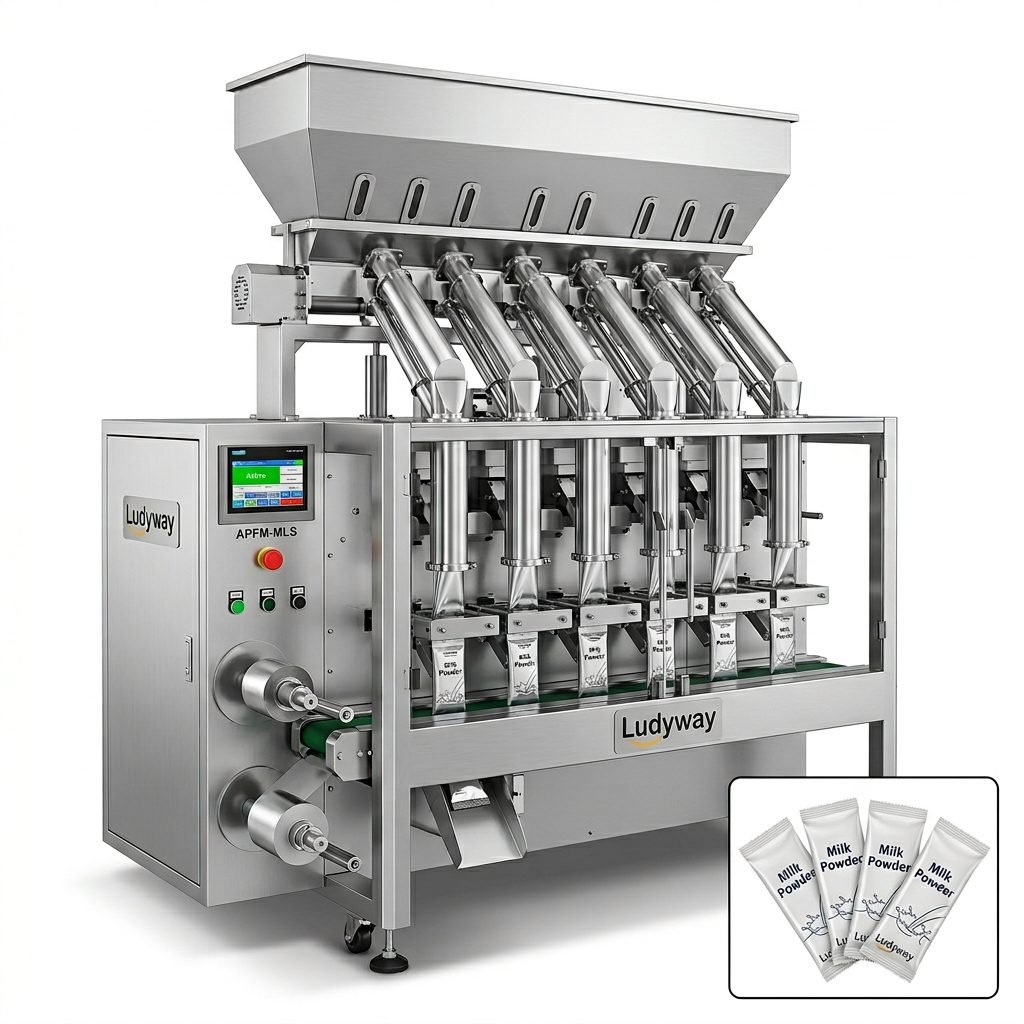
Vertical Form-Fill-Seal (VFFS) Machines
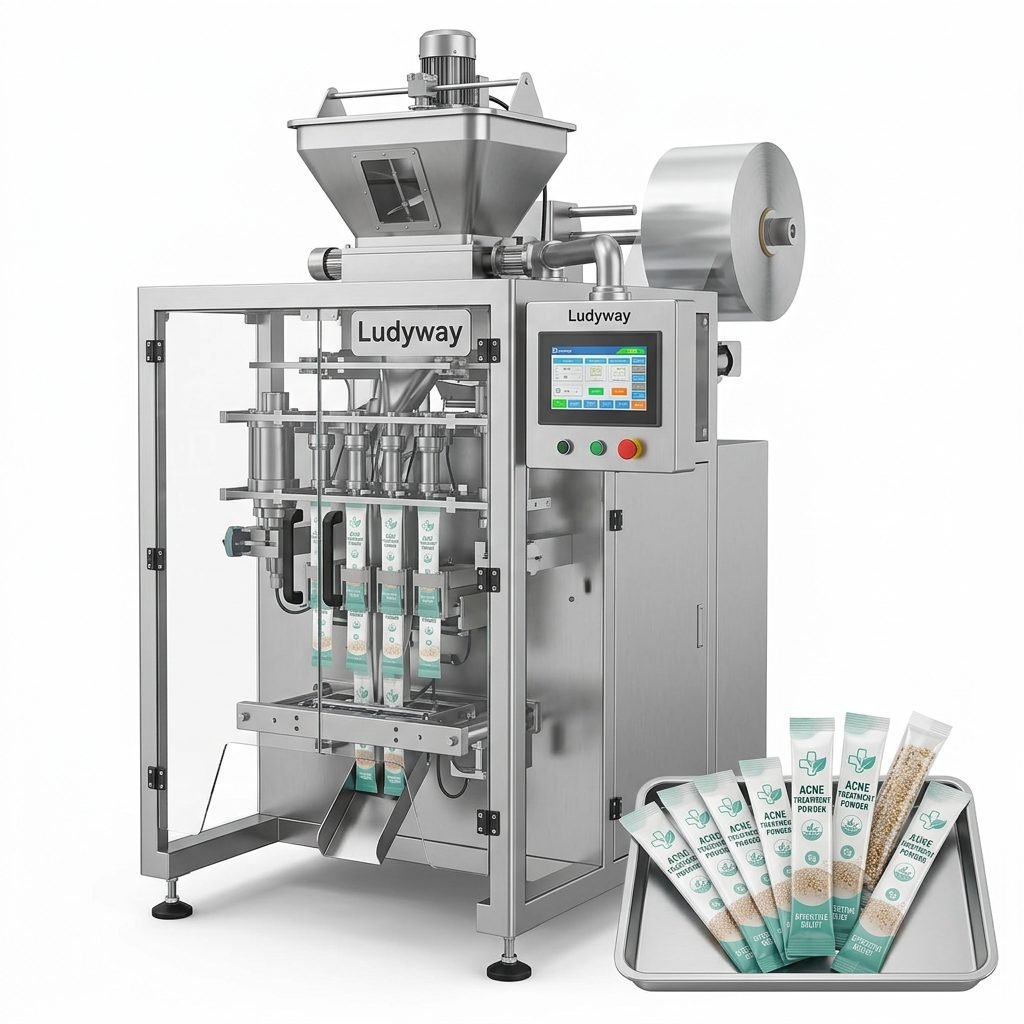
These are the workhorses of the industry for granular, powdered, and small solid items. A VFFS machine forms a bag from a roll of film, fills it with the pre-measured product, and then seals it—all in a continuous vertical motion. They are highly versatile and suitable for a wide range of bag styles, including pillow bags, gusseted bags, and block-bottom bags.
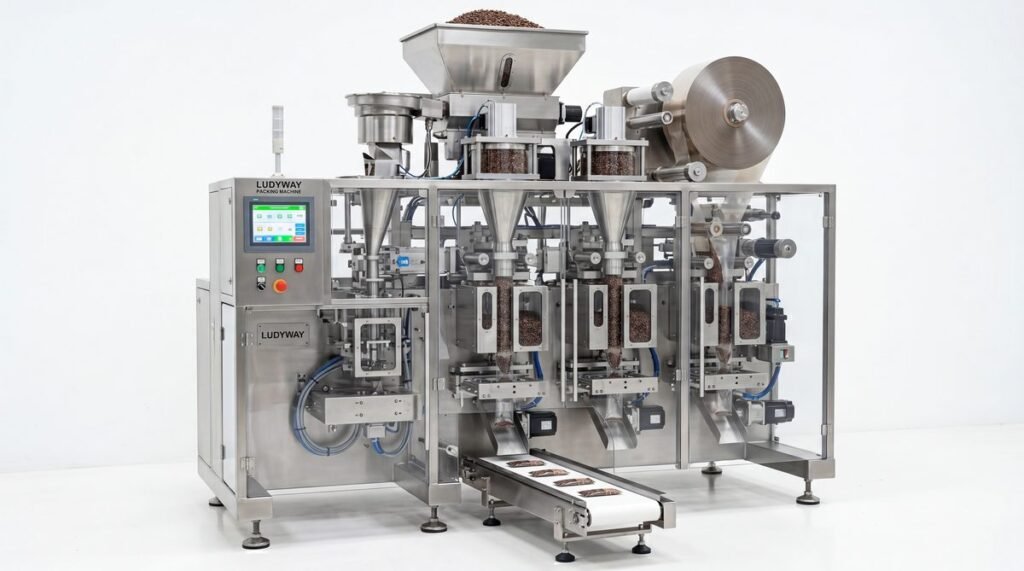
Horizontal Form-Fill-Seal (HFFS) Machines
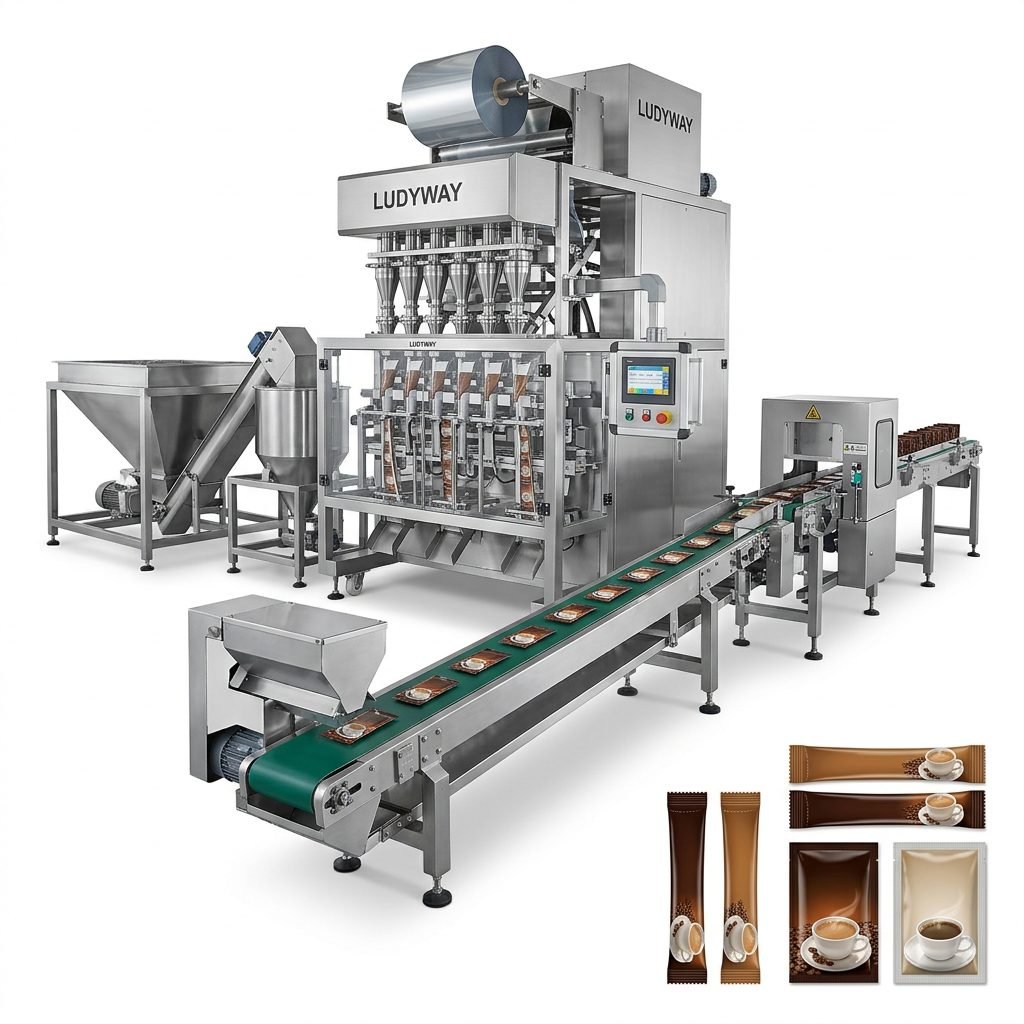
Ideal for more rigid structures or when product presentation is key, HFFS machines form pouches horizontally. They are often used for stick packs and sachets, especially for single-serve portions of beverages, supplements, or condiments. This format is popular in markets where convenience and portability drive consumer choices.
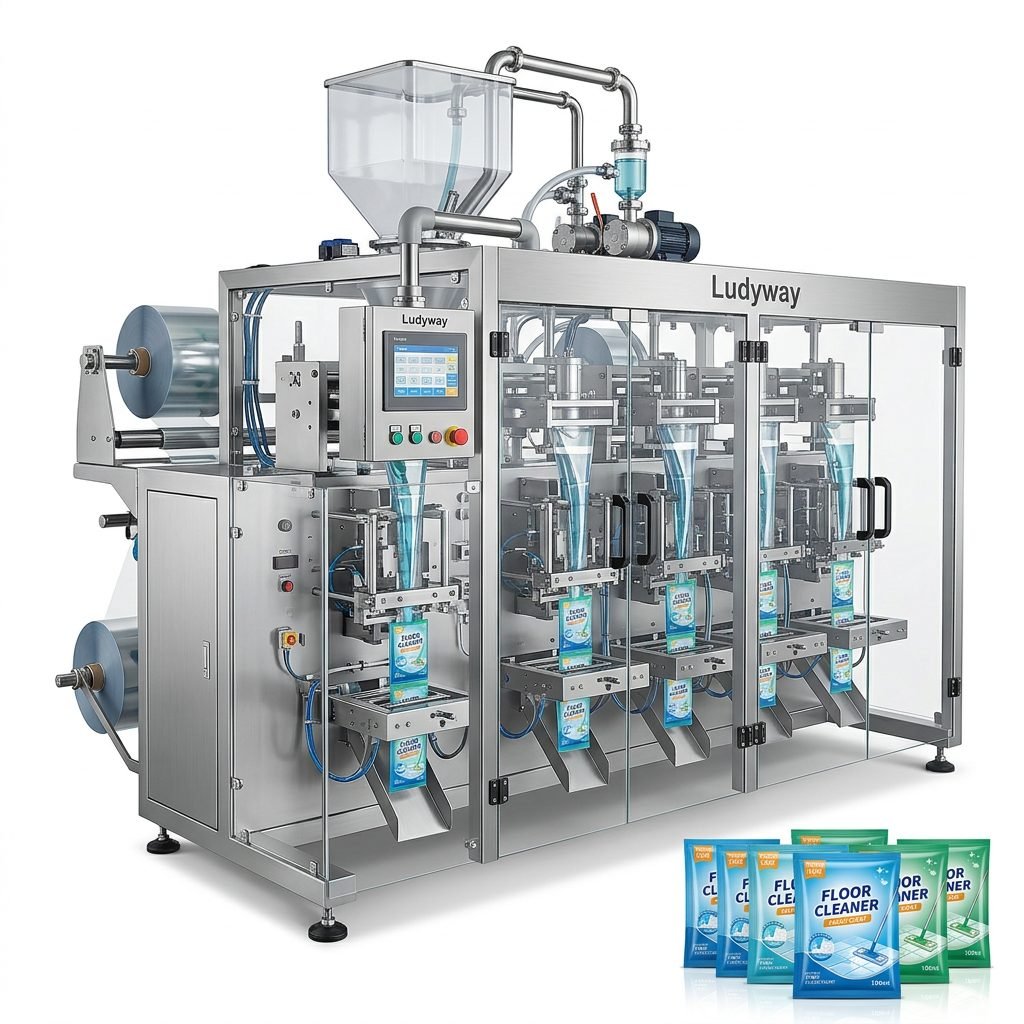
Pre-Made Pouch Machines
If you have custom-printed, pre-made pouches, these machines automate the opening, filling, and sealing processes. They are perfect for brands with established, high-quality pouch designs who want to automate their filling line without changing their packaging aesthetics.
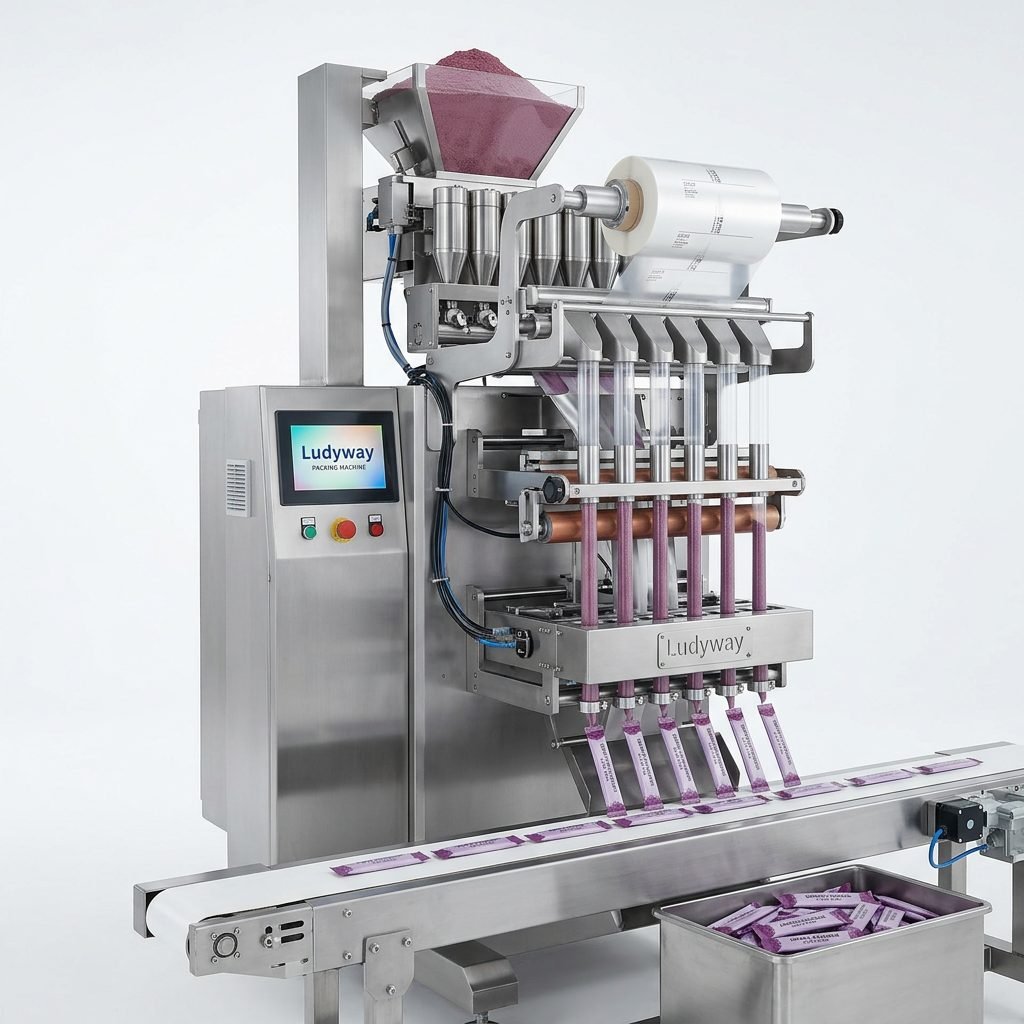
Multi-Lane & High-Speed Sachet Machines
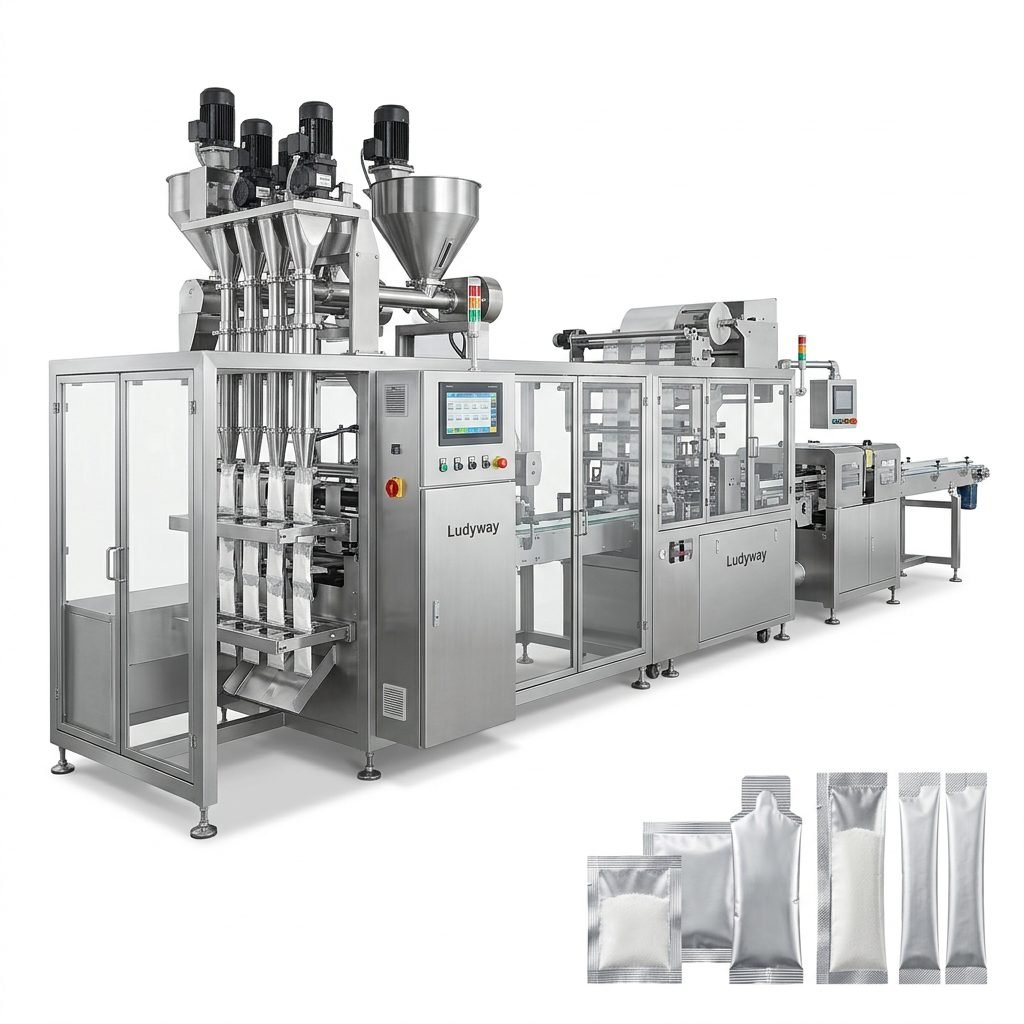
For maximum output of small packets, multi-lane machines run several packaging lines in parallel. They are the go-to solution for industries requiring high-volume production of items like sugar, instant drink mixes, or pharmaceutical powders, dramatically increasing throughput compared to single-lane units.
Key Takeaway:
Your product’s form (granule, powder), desired package style (pouch, stick pack), and required production speed are the primary factors that determine whether a VFFS, HFFS, or multi-lane system is the best fit for your operation.
Essential Features to Look for in a Packaging Machine
Beyond the basic type, several advanced features define a machine’s capability, reliability, and suitability for your specific needs.
1. Precision Weighing and Dosing Systems
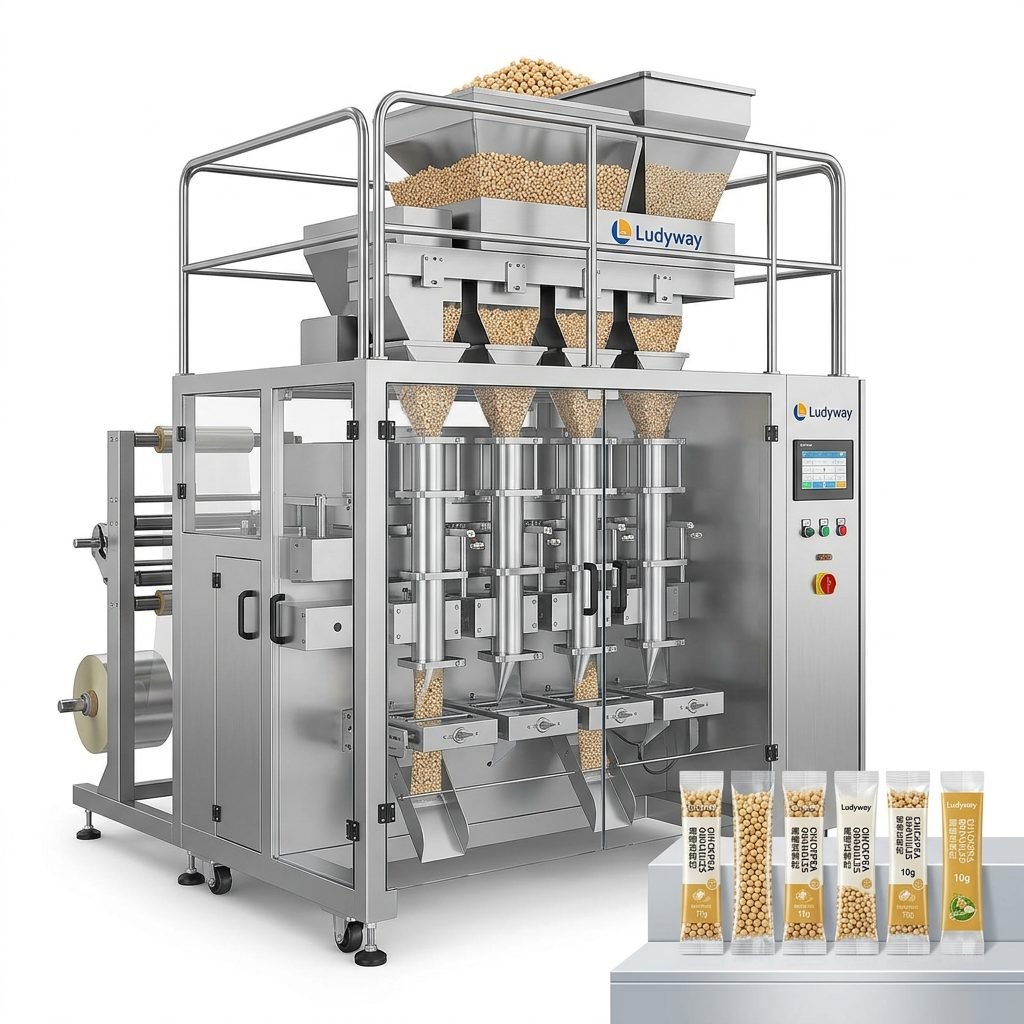
Accurate filling is non-negotiable. Look for machines equipped with high-precision multi-head weighers for granules or auger fillers for powders. Consistent dosing ensures product giveaways are minimized and compliance with net content regulations is maintained.
2. Advanced Sealing Technology
A strong, hermetic seal protects product integrity. Machines should offer robust heat sealing systems with precise temperature control. For challenging environments or products, options like gas flushing (for modified atmosphere packaging) or ultrasonic sealing (for films that are difficult to heat seal) can be critical.
3. User-Friendly HMI and Connectivity
A modern touch-screen Human-Machine Interface (HMI) allows for easy recipe changes, operation monitoring, and troubleshooting. Connectivity for Industry 4.0 integration, such as data export for OEE (Overall Equipment Effectiveness) tracking, is becoming a standard expectation for smart factories.
4. Robust Construction and Easy Maintenance
The machine frame should be constructed from durable, food-grade stainless steel. Design for easy access and cleaning (e.g., tool-less parts removal) reduces downtime during changeovers and is essential for industries with strict hygiene protocols like food and pharmaceuticals.
5. Flexibility and Changeover Ease
If you run multiple products or package sizes, the machine’s changeover time directly impacts productivity. Look for features like quick-change film roll assemblies, adjustable forming collars, and digital size adjustments stored in the HMI to minimize switchover downtime.
A Step-by-Step Guide to Choosing the Best Machine
Selecting equipment is a strategic process. Follow this framework to evaluate your options systematically.
Step 1: Define Your Product and Packaging Specifications
Start with absolute clarity on what you are packaging. Document the product’s physical characteristics (size, shape, flowability, abrasiveness). Then, define your packaging material (film type, thickness, print requirements) and the final bag/pouch dimensions.
Step 2: Calculate Your Required Output (Speed)
Determine your current and future production needs in bags per minute (BPM) or shifts per day. Always factor in a buffer for growth. A machine operating at 80-90% of its maximum speed typically offers the best balance of output, stability, and longevity.
Step 3: Evaluate Supplier Expertise and Support
The machine is only as good as the company behind it. Assess the supplier’s industry experience, reputation, and the depth of their technical support and after-sales service. A provider with deep application knowledge can prevent costly mistakes.
Step 4: Consider Total Cost of Ownership (TCO)
Look beyond the initial purchase price. Factor in long-term costs for spare parts, energy consumption, required operator skill level, and potential downtime. A slightly more expensive but more reliable and efficient machine often has a lower TCO.
Step 5: Request a Product Test
Never buy based on specifications alone. Arrange to send your actual product and packaging material to the supplier for a live performance test. This validates speed, accuracy, and seal quality, giving you concrete data for your final decision.
Why Partner with a Specialist Provider?
Choosing a machinery partner like Ludyway Packing Machine, which specializes in turnkey solutions, brings significant advantages. With over 30 years of collective industry experience and a portfolio of more than 50 intelligent machine models, such a partner can offer unbiased advice tailored to your specific granules, powders, or solid goods. They provide not just a machine, but a complete production solution backed by global service and a commitment to innovation, ensuring your packaging line drives efficiency and growth for years to come. Explore their range of advanced packaging solutions to see how specialized engineering meets diverse production needs.
Frequently Asked Questions (FAQs)
1. What is the main difference between VFFS and HFFS machines?
VFFS (Vertical Form-Fill-Seal) machines create bags from a vertical roll of film and are best for free-flowing granular/powdered products in stand-up or pillow pouches. HFFS (Horizontal Form-Fill-Seal) machines form pouches in a horizontal plane and are typically used for producing flat sachets, stick packs, or more complex pouch shapes where product presentation is crucial.
2. How do I know what speed (BPM) machine I need?
Calculate your required daily output in bags. Divide this by your operational hours per day and then by 60 (minutes). This gives you your average BPM requirement. It is advisable to choose a machine with a maximum speed 20-30% higher than this average to handle peak demand and allow for future growth without overstressing the equipment.
3. Can one machine handle different types of dry goods?
Many machines are designed for flexibility, but changeovers require adjustments. A machine can often handle different products of similar physical characteristics (e.g., various granule sizes) with quick tooling changes. However, switching from a fine powder to large granules usually requires significant component changes and is not considered efficient on a single machine.
4. What maintenance is required for a dry goods packaging machine?
Regular maintenance includes daily cleaning to prevent product buildup, lubrication of moving parts as per the manual, inspection and replacement of wear parts like sealing jaws and cutter blades, and periodic calibration of the weighing system. A strong service support plan from your supplier is invaluable for scheduled maintenance and parts supply.
5. How important is after-sales service when purchasing?
Extremely important. The quality and responsiveness of technical support, availability of spare parts, and training offered directly impact your machine’s uptime and productivity. A supplier with a global service network and readily available expertise, like those with extensive international project experience, ensures long-term operational success and protects your investment.