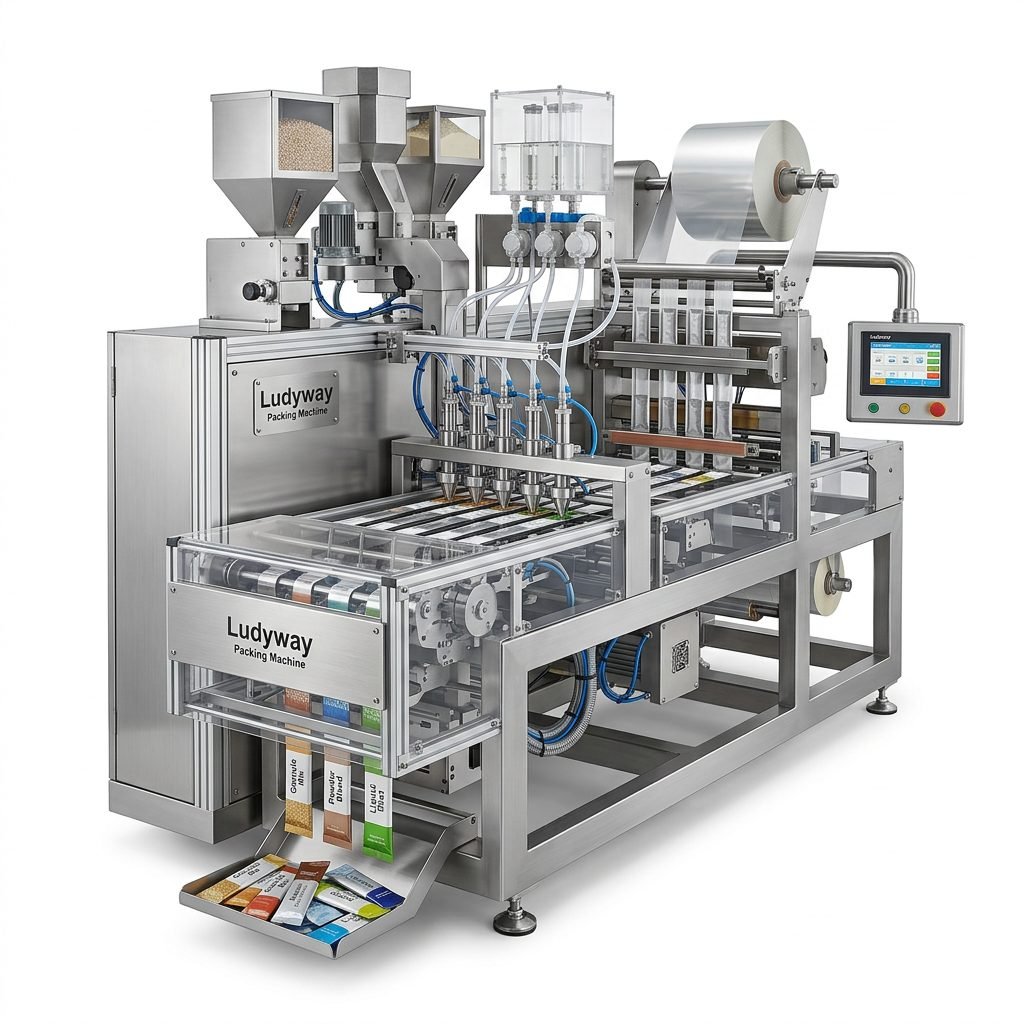
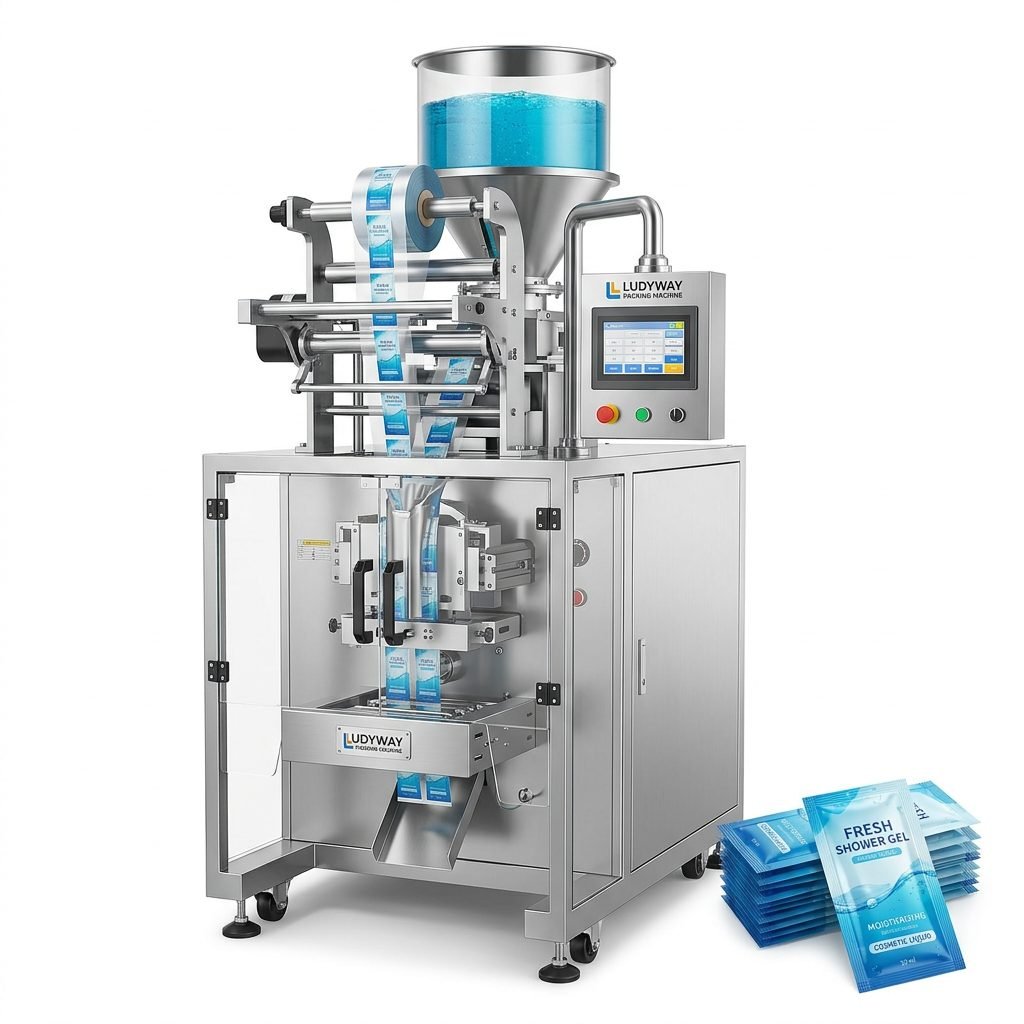
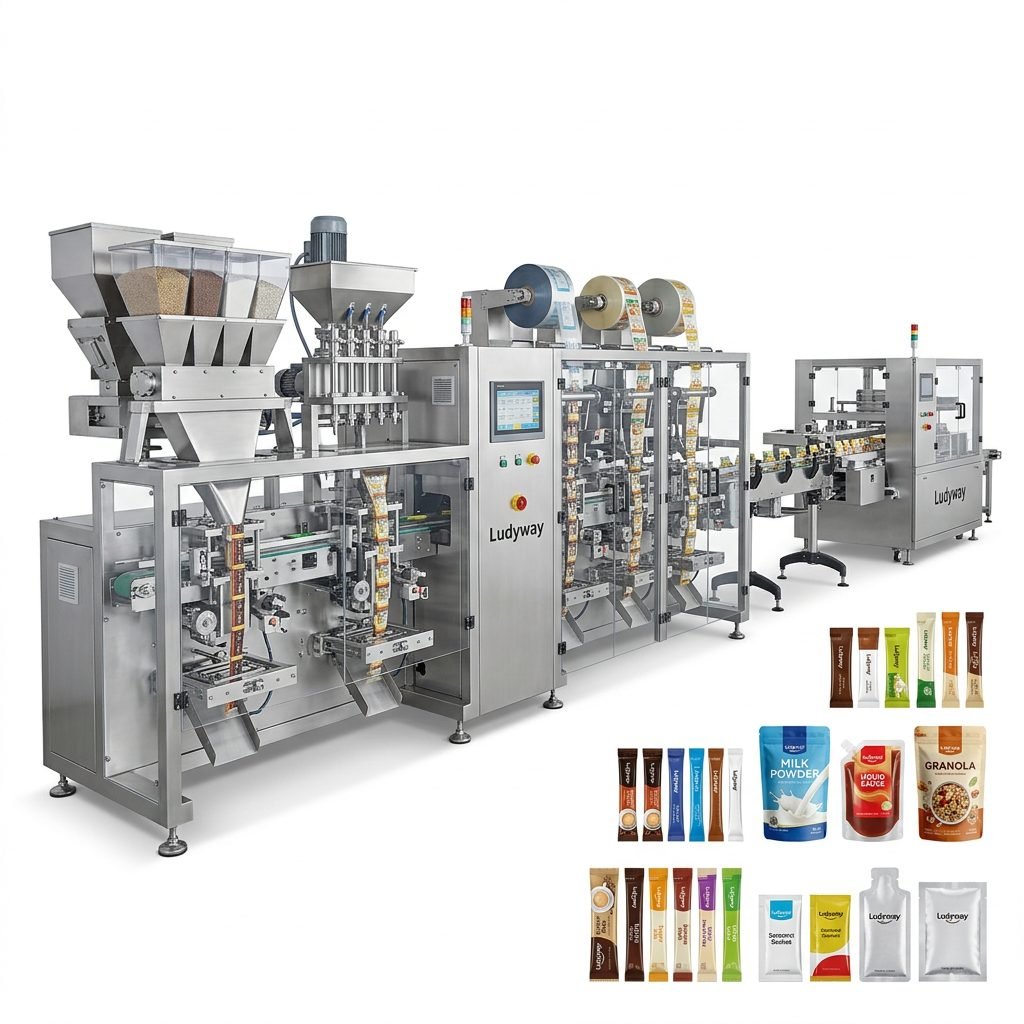
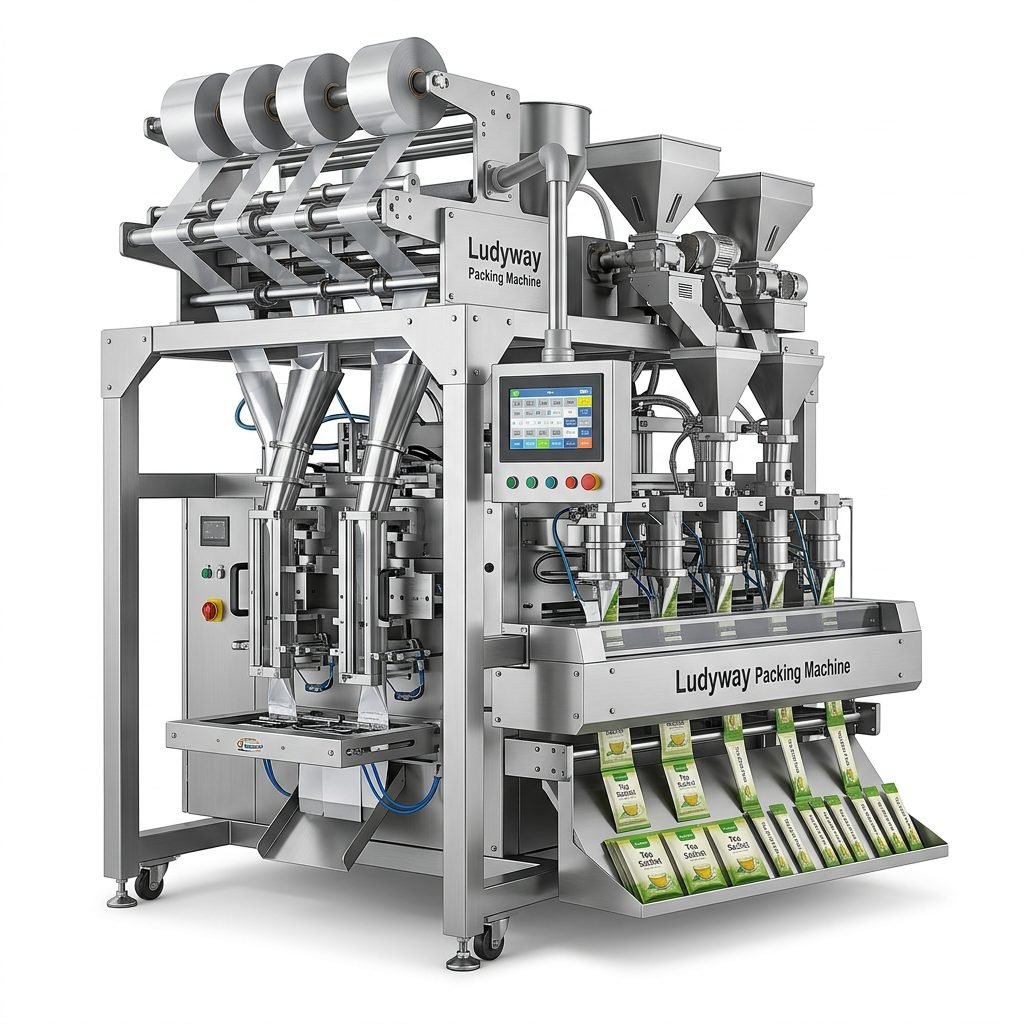
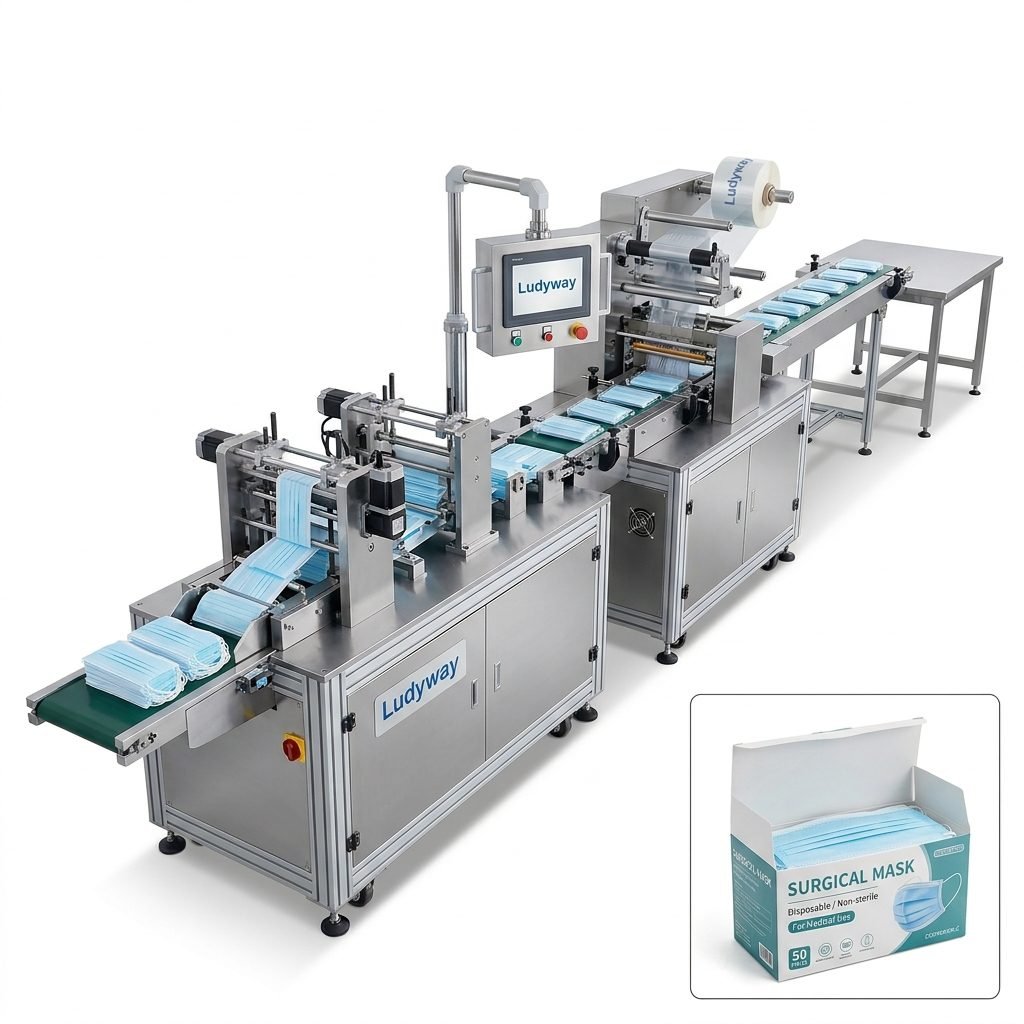
Selecting the right food box packaging machine is a critical decision for any food production business. The correct equipment enhances efficiency, ensures product safety and quality, and optimizes operational costs. This comprehensive guide will walk you through the various types of food box packaging machines, their key features, and provide a structured approach to choosing the best one for your specific needs.
Understanding Food Box Packaging Machines
Food box packaging machines are automated systems designed to form, fill, and seal pre-cut cardboard or paperboard blanks into rigid boxes or cartons. They are essential for packaging a wide range of food products, from dry goods like cereals and pasta to frozen meals, confectionery, and bakery items. The primary goal is to protect the product, extend its shelf life, and present it attractively on retail shelves.
Modern machines integrate precision mechanics, programmable logic controllers (PLCs), and often robotic elements to handle tasks with high speed and accuracy. Investing in a reliable system from a trusted supplier like Ludyway Machinery can significantly boost your production line’s output and reliability.
Core Components of a Packaging Line
A typical food box packaging system involves several integrated components:
→ Blank Feeder: Automatically separates and feeds flat box blanks into the machine.
→ Forming Section: Folds and erects the flat blank into a three-dimensional box shape.
→ Product Loading/Filling Unit: Precisely places the food product into the formed box. This can be volumetric, auger-based, or robotic.
→ Closing & Sealing Mechanism: Folds and secures the box flaps using glue, tuck-ins, or locking tabs.
→ Control Panel (HMI): The user interface for setting parameters, monitoring operations, and troubleshooting.
Main Types of Food Box Packaging Machines
Choosing the right type depends on your box style, production volume, and product characteristics.
1. Automatic Cartoners
These are the most common and versatile machines. They take flat carton blanks, form them into boxes, insert the product (often with leaflets or spoons), and close the flaps. They are ideal for high-speed production of standard-sized boxes.
Best for: Cereal boxes, snack boxes, tea cartons, pharmaceutical boxes.
2. Tray Forming & Sealing Machines
These machines form trays from roll stock or pre-cut blanks, which are then filled and sealed with a lidding film. They offer excellent product visibility and are commonly used for fresh or frozen foods.
Best for: Frozen meals, fresh produce, bakery items, ready-to-eat meals.
3. Wrap-Around Cartoners
This machine forms the box around a group of products (like multiple yogurt cups or beverage cans). It’s highly efficient for bundling primary packages into a secondary retail carton.
Best for: Multi-packs of bottles, cans, cups, or pouches.
4. Robotic Loading Systems
Not a machine type per se, but a critical integration. Robotic arms are used for delicate, irregular, or high-speed product placement into boxes or trays where traditional methods are unsuitable.
Best for: Fragile baked goods, irregularly shaped chocolates, premium products requiring careful handling.
Key Features and Technological Considerations
When evaluating machines, look beyond the basic type. These features define performance and flexibility.
Speed and Production Capacity
Measured in boxes per minute (BPM). Match the machine’s speed to your current and future output requirements. A high-speed automatic cartoner from a capable manufacturer can exceed 100 BPM.
Flexibility and Changeover
How quickly can you switch between different box sizes or styles? Look for machines with tool-less changeover or quick-change parts to minimize downtime during production runs.
Construction and Hygiene
Food-grade construction is non-negotiable. Machines should have stainless steel contact surfaces, easy-clean designs, and comply with relevant standards like FDA or EU regulations for food safety.
Control System and Connectivity
A modern, intuitive Human-Machine Interface (HMI) is crucial for operation and diagnostics. Advanced machines offer Industry 4.0 connectivity for data collection, predictive maintenance, and integration into factory networks.
Sealing Methods
The choice depends on your box material and design:
• Hot Melt Glue: Strong, fast, and common for rigid boxes.
• Cold Glue: Suitable for porous materials; slower drying time.
• Tuck-End or Lock-Tab: No glue required; relies on the carton design.
How to Choose the Best Food Box Packaging Machine
Follow this step-by-step framework to make an informed investment decision.
Step 1: Define Your Product and Packaging Specifications
Start with the basics: your product’s physical state (solid, granular, frozen), dimensions, and weight. Then, detail your box: material (cardboard, recycled paperboard), size range, style (tuck-end, glue-end, tray), and any special printing or window requirements.
Step 2: Assess Your Production Volume and Goals
Calculate your required output in boxes per shift. Factor in potential business growth. A machine operating at 80% of its max capacity is ideal, allowing headroom for peak demand without over-stressing the equipment.
Step 3: Evaluate Your Facility and Line Integration
Measure your available floor space, power supply, and compressed air availability. Consider how the new machine will connect to your upstream (filling) and downstream (case packing, palletizing) processes. A supplier like Ludyway Machinery can provide turnkey line solutions for seamless integration.
Step 4: Analyze Total Cost of Ownership (TCO)
Look beyond the initial purchase price. Include costs for installation, training, maintenance, spare parts, energy consumption, and potential downtime. A slightly more expensive, robust machine with lower operating costs often provides better long-term value.
Step 5: Select a Reputable and Supportive Supplier
This is perhaps the most critical step. Choose a supplier with proven expertise, like Ludyway Machinery, which brings over 30 years of industry experience. Evaluate their after-sales support, availability of spare parts, technical training, and warranty terms. Request references and, if possible, visit a machine in operation.
Pro Tip: Always request a product sample test run at the supplier’s facility or via video demonstration. This is the best way to verify the machine’s performance with your actual product and packaging.
Future Trends in Food Box Packaging
The industry is moving towards greater sustainability and intelligence. Expect increased demand for machines that handle recycled and biodegradable materials efficiently. Smart machines with IoT sensors for real-time monitoring and AI-driven optimization for reducing material waste are becoming the new standard. Partnering with an innovative supplier ensures your investment remains relevant for years to come.
Frequently Asked Questions (FAQs)
1. What is the typical lifespan of a food box packaging machine?
With proper maintenance and operation, a well-built automatic cartoner from a quality manufacturer can have a lifespan of 15 to 20 years. Key components may require servicing or replacement during this time.
2. How much maintenance do these machines require?
Regular daily cleaning and weekly lubrication are essential. Scheduled preventive maintenance, as recommended by the manufacturer (often quarterly or bi-annually), is crucial to prevent unexpected breakdowns and ensure consistent performance.
3. Can one machine handle multiple box sizes?
Yes, most machines are designed to be adjustable within a specific size range. The ease and speed of this changeover vary. Machines with tool-less adjustment offer the greatest flexibility for frequent size changes.
4. What safety features should I look for?
Essential safety features include emergency stop buttons, safety interlocks on guarding, presence-sensing devices, and proper machine guarding to protect operators from moving parts, in compliance with CE or other local safety standards.
5. How do I ensure the machine meets food safety regulations?
Choose a machine constructed with food-grade materials (e.g., 304 or 316 stainless steel) in product contact zones. It should have a design that prevents contamination, is easy to clean, and the supplier should provide documentation confirming compliance with relevant food safety directives.