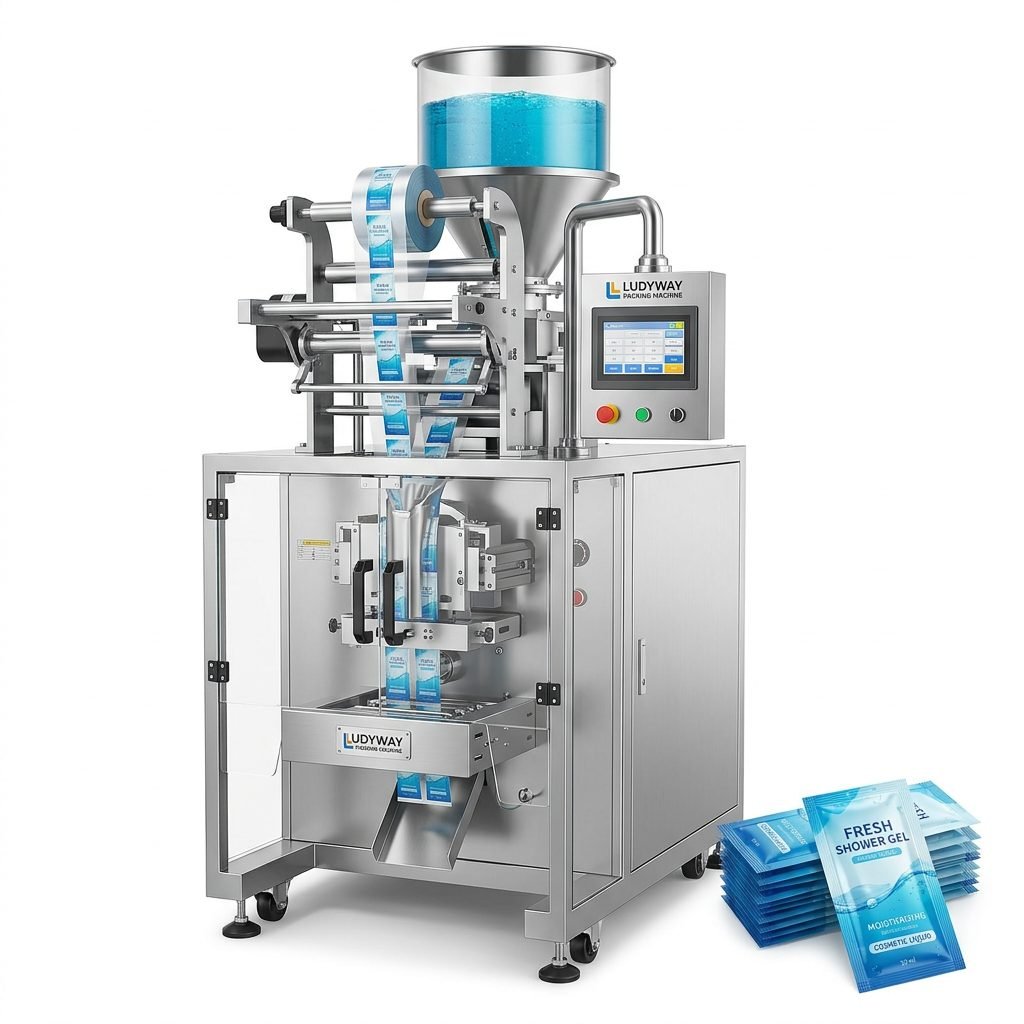
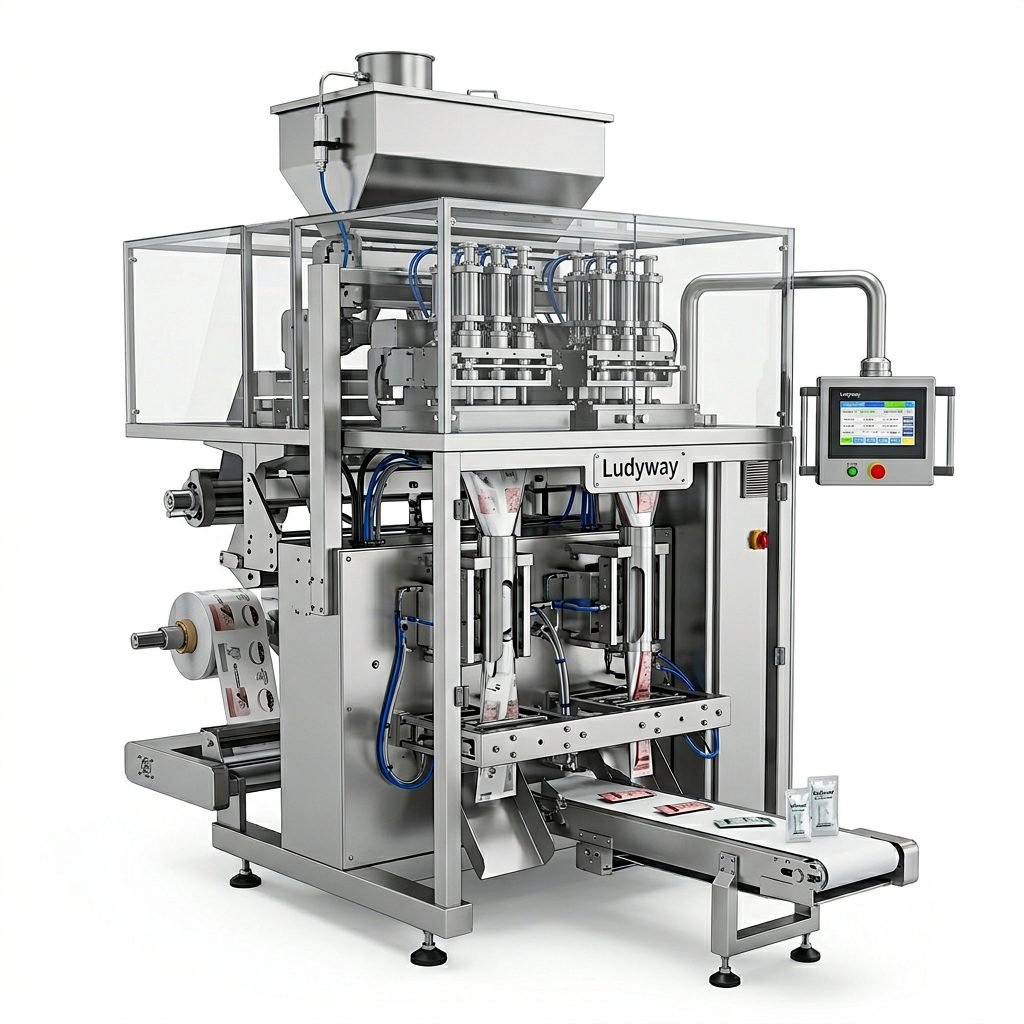
When investing in food packaging machinery, understanding the cost landscape is crucial for making an informed decision that balances budget, production needs, and long-term value. Prices can vary dramatically based on the machine type, automation level, capacity, and specific features. This guide breaks down the real costs associated with different categories of food packaging equipment, helping you navigate this essential investment.
1. Basic Manual & Semi-Automatic Machines
These machines represent the entry point into automated packaging, often suitable for small-scale operations, startups, or specific low-volume tasks.
A typical manual volumetric filler for powders or a semi-automatic cup sealer might range from $3,000 to $15,000. The price heavily depends on the construction materials (e.g., stainless steel contact parts), the precision of the dosing mechanism, and any basic electronic controls. While offering a lower initial cost, they require more operator involvement and have slower output speeds.
2. Standard Automatic Single Machines
This category encompasses the core of many food production lines, including common fillers, sealers, and labelers designed for continuous operation.
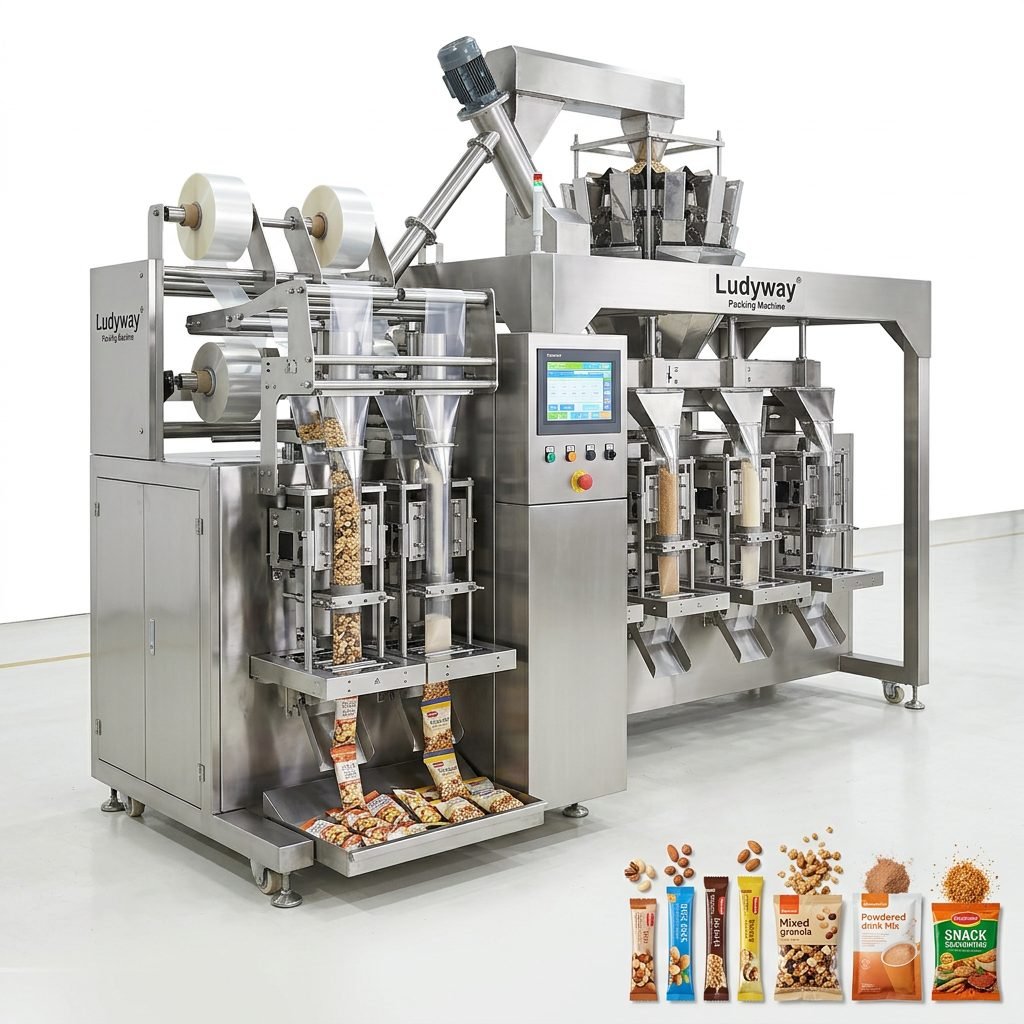
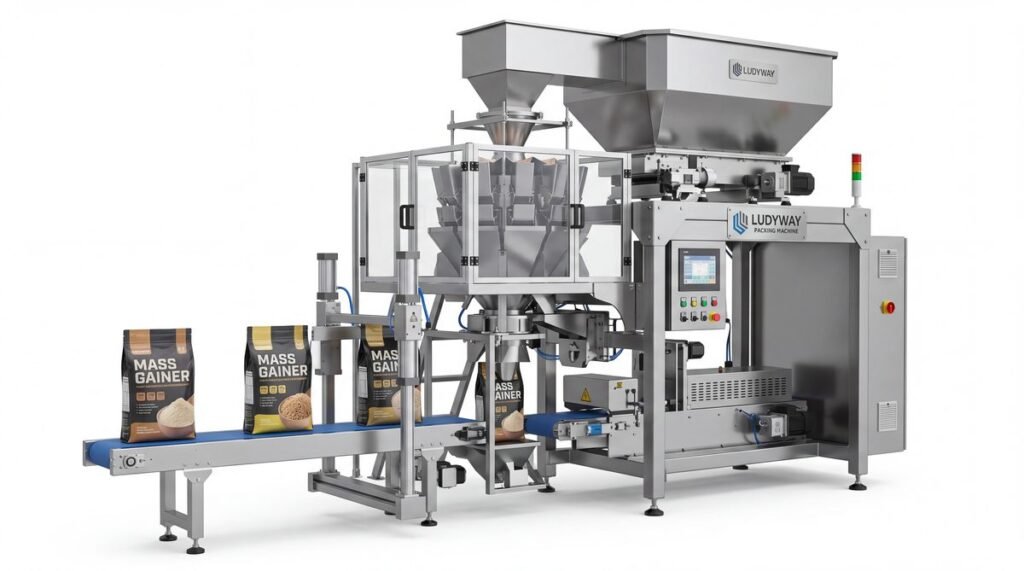
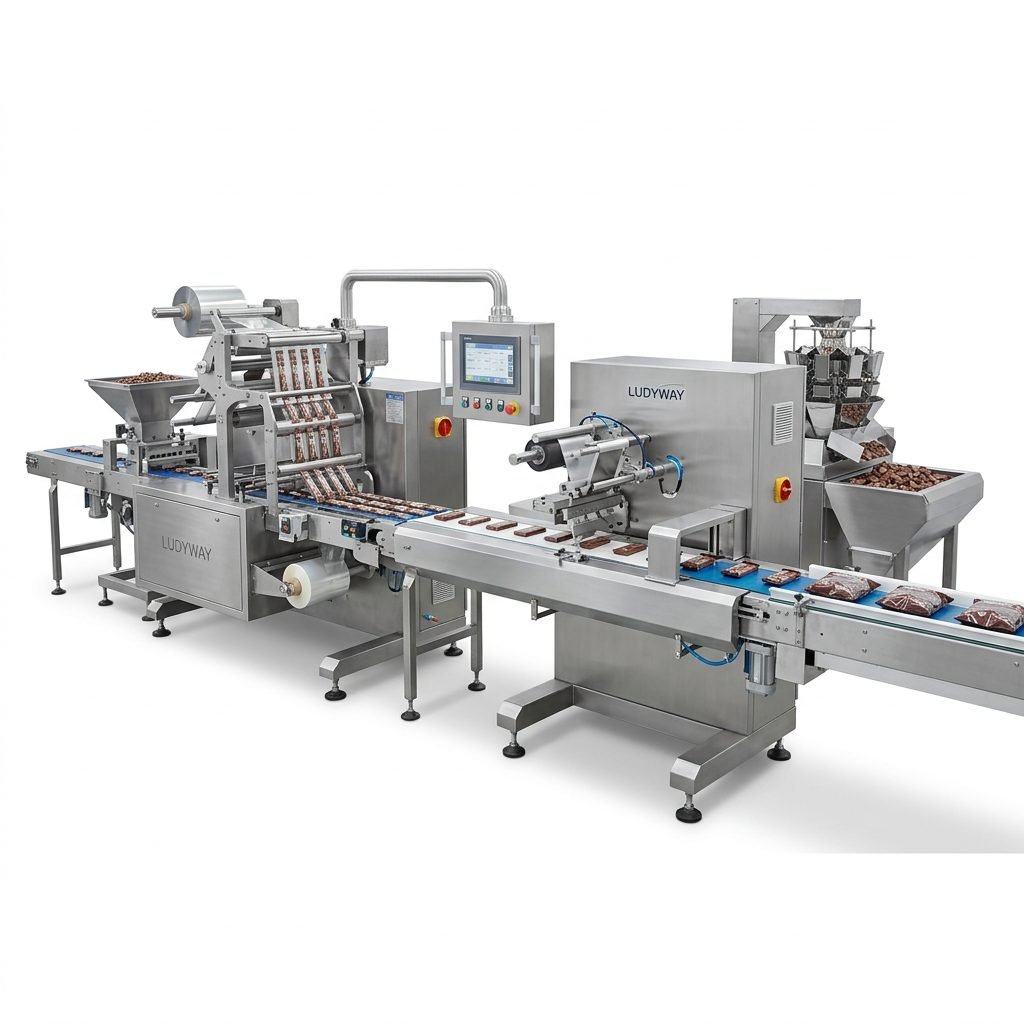
For example, a reliable automatic auger filler for granular products or a linear weigh scale filler can cost between $20,000 and $60,000. An automatic horizontal flow wrapper for candy bars might fall in the $40,000 to $80,000 range. These prices include standard speeds, common container handling, and basic PLC controls. Factors like weighing accuracy, changeover flexibility for different package sizes, and brand reputation significantly influence the final figure.
Key Cost Drivers in This Range:
- Speed & Capacity: Higher output per minute commands a higher price.
- Precision & Accuracy: Systems with tighter tolerances for weight or volume control are more expensive.
- Material Compatibility: Machines designed to handle abrasive, oily, or sticky products require specialized components.
- Control System: A more user-friendly touchscreen HMI adds cost over a basic button panel.
3. Integrated Monoblock & Multi-Function Systems
These are sophisticated machines that combine multiple packaging steps—like forming, filling, and sealing—into one synchronized unit, maximizing efficiency for specific package types.
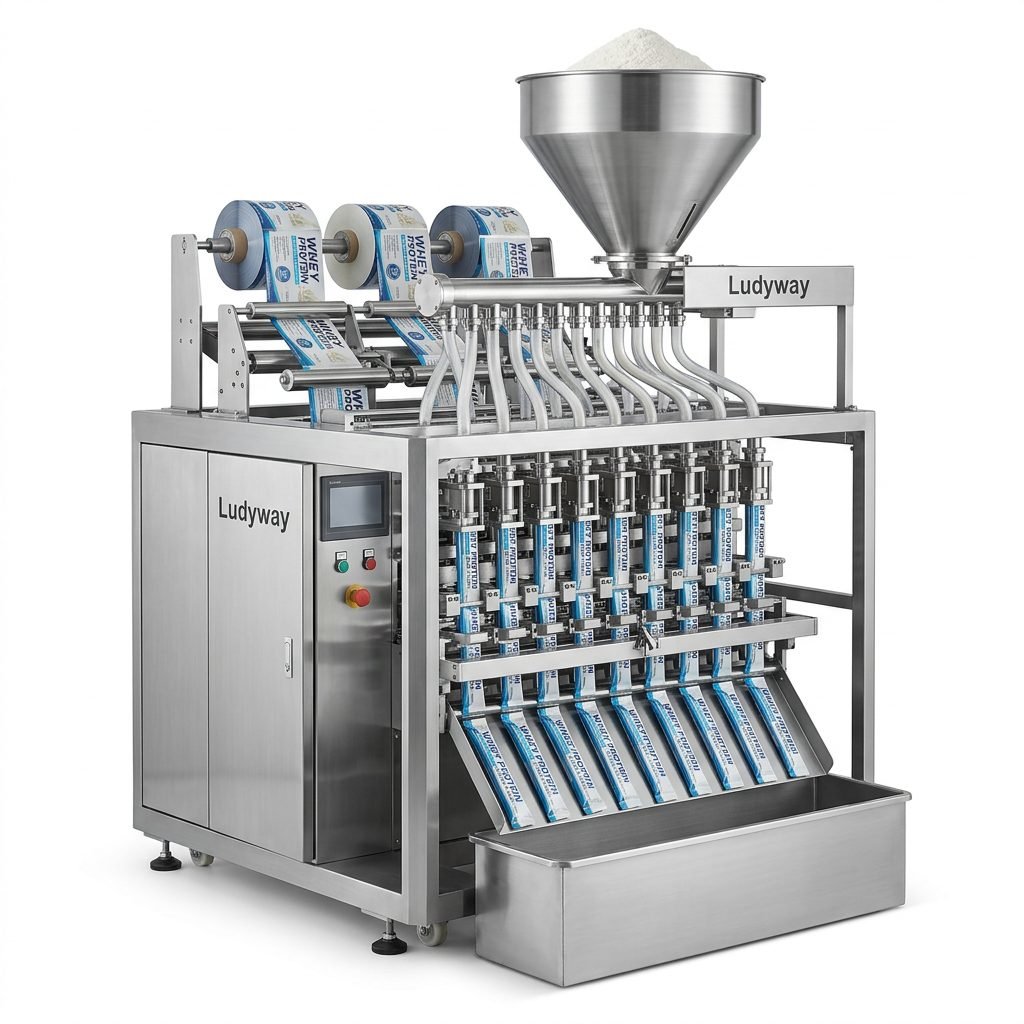
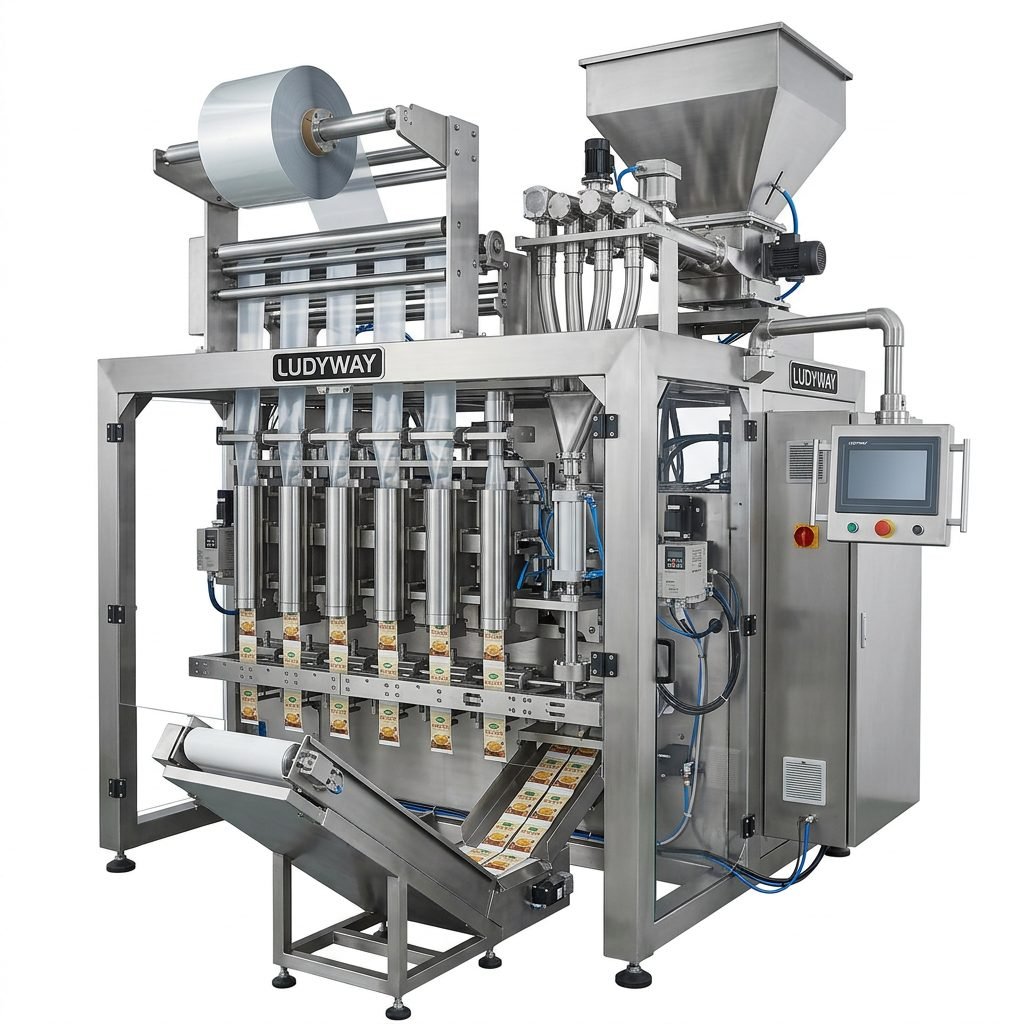
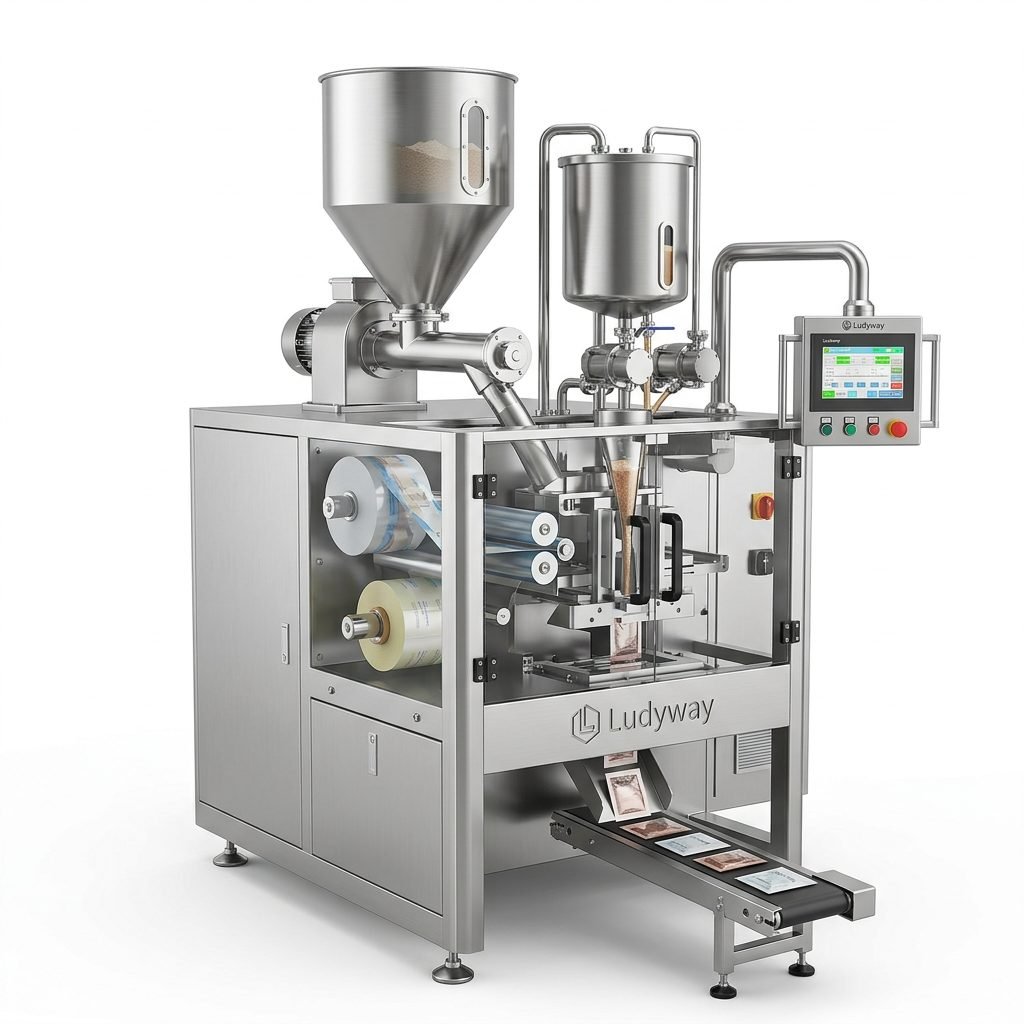
A monoblock stick pack machine for portioned coffee or supplements is a prime example. Prices for such systems start from around $70,000 and can exceed $150,000 for high-speed, multi-lane configurations with integrated vision inspection. Similarly, an integrated sachet packaging line for sauces or powders can range from $80,000 to $200,000+. The cost incorporates the complexity of synchronized mechanics, specialized tooling for different film materials, and advanced servo-driven motion control.
4. Complete Turnkey Production Lines
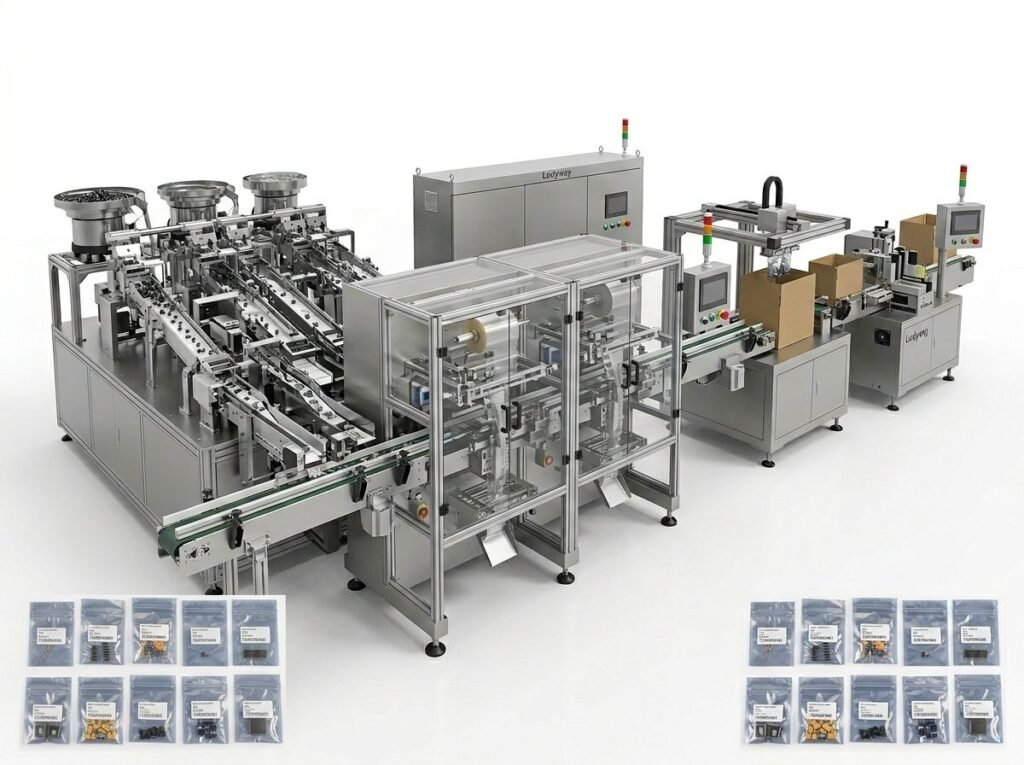
This is the top-tier investment, involving a fully automated line that may include upstream product handling, multiple packaging stages, downstream casing/palletizing, and comprehensive control integration.
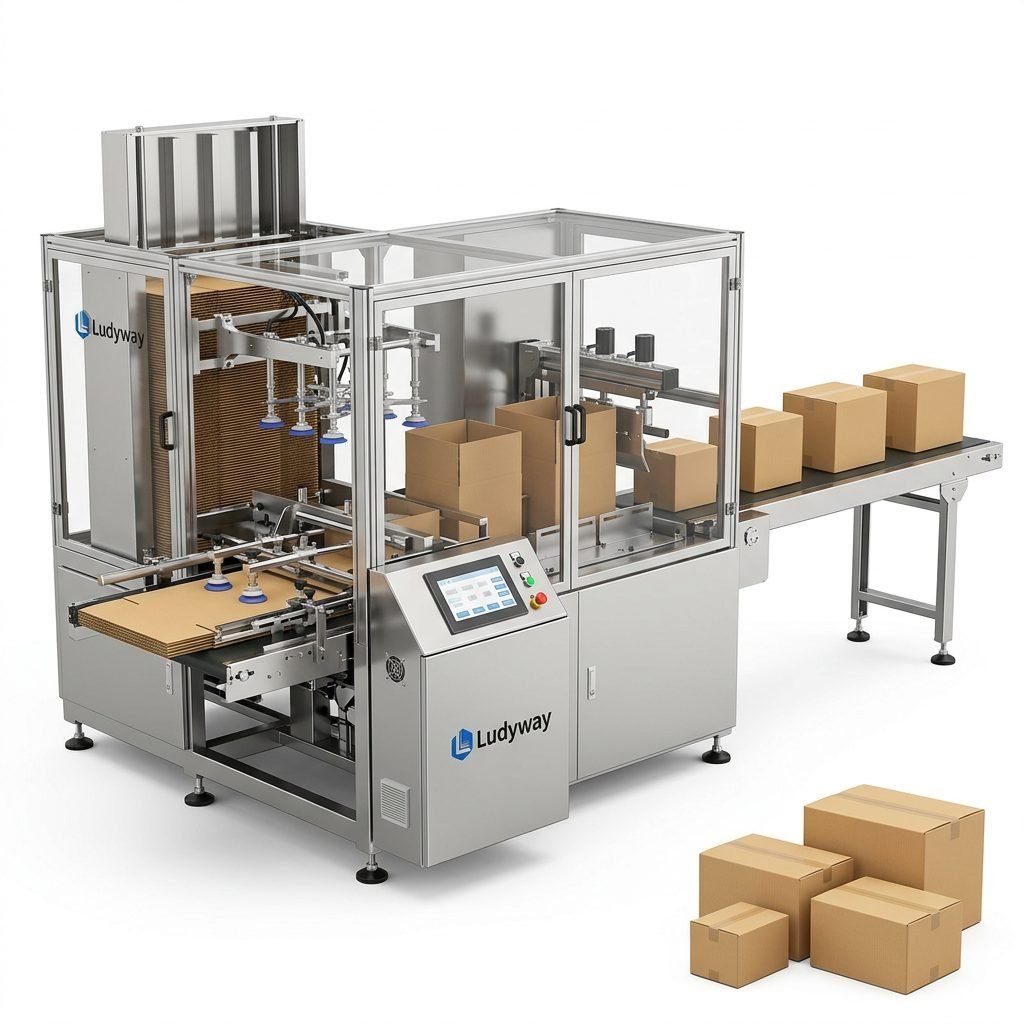
A complete line for packaging snacks into pouches, including a filler, a nitrogen flushing system, a high-speed pouch sealer, and a robotic carton packer, can easily range from $250,000 to over $1 million. The price is project-specific, determined by the required throughput (e.g., packs per hour), the level of automation (e.g., robotic integration), the sophistication of the line control software, and the extent of custom engineering needed to match your unique product and factory layout.
Beyond the Base Price: Hidden & Ongoing Costs
Your total investment includes more than the machine invoice:
- Installation & Training: Professional setup and operator training are essential and often quoted separately.
- Spare Parts & Maintenance: Initial spare parts kits and planned maintenance contracts add to the upfront cost.
- Utilities & Consumables: Consider energy consumption and costs for packaging films, labels, or coding supplies.
- Future Scalability: Choosing a machine that can be upgraded or integrated later might save significant capital long-term.
Making the Right Investment Decision
Focus not just on the purchase price, but on the Total Cost of Ownership (TCO) and the Return on Investment (ROI). A slightly more expensive machine with higher reliability, speed, and flexibility can lower operational costs and increase output, paying for itself over time. Always request detailed quotations that break down all components, and consider the supplier’s reputation for service and support as a critical part of the value equation.
Frequently Asked Questions (FAQs)
Q1: Can I get a good automatic packaging machine under $50,000?
Yes, for many standard applications like filling pre-formed bags or sealing cups, robust automatic machines are available in the $30,000-$50,000 range. Focus on machines from established suppliers with proven performance in your specific product category.
Q2: Why is a monoblock system so much more expensive than buying separate machines?
The higher cost integrates and synchronizes multiple processes into one compact, efficient unit, reducing floor space, labor, and transfer issues. It represents engineering complexity and often delivers higher net output and consistency.
Q3: Are there significant price differences between suppliers for the same type of machine?
Yes. Differences arise from build quality (component brands, frame construction), control system sophistication, included features (e.g., automatic changeover), warranty terms, and the comprehensiveness of after-sales support. Compare specifications and service offerings carefully.
Q4: What ongoing costs should I budget for after purchase?
Budget for routine maintenance (often via a service contract), spare parts (like seals and sensors), operator training refreshers, and potential consumables specific to the machine (e.g., specialized lubricants).
Q5: Is financing or leasing available for packaging machinery?
Many equipment suppliers and third-party financial institutions offer leasing or financing options. This can help manage cash flow by spreading the cost over time, often making advanced technology accessible sooner.