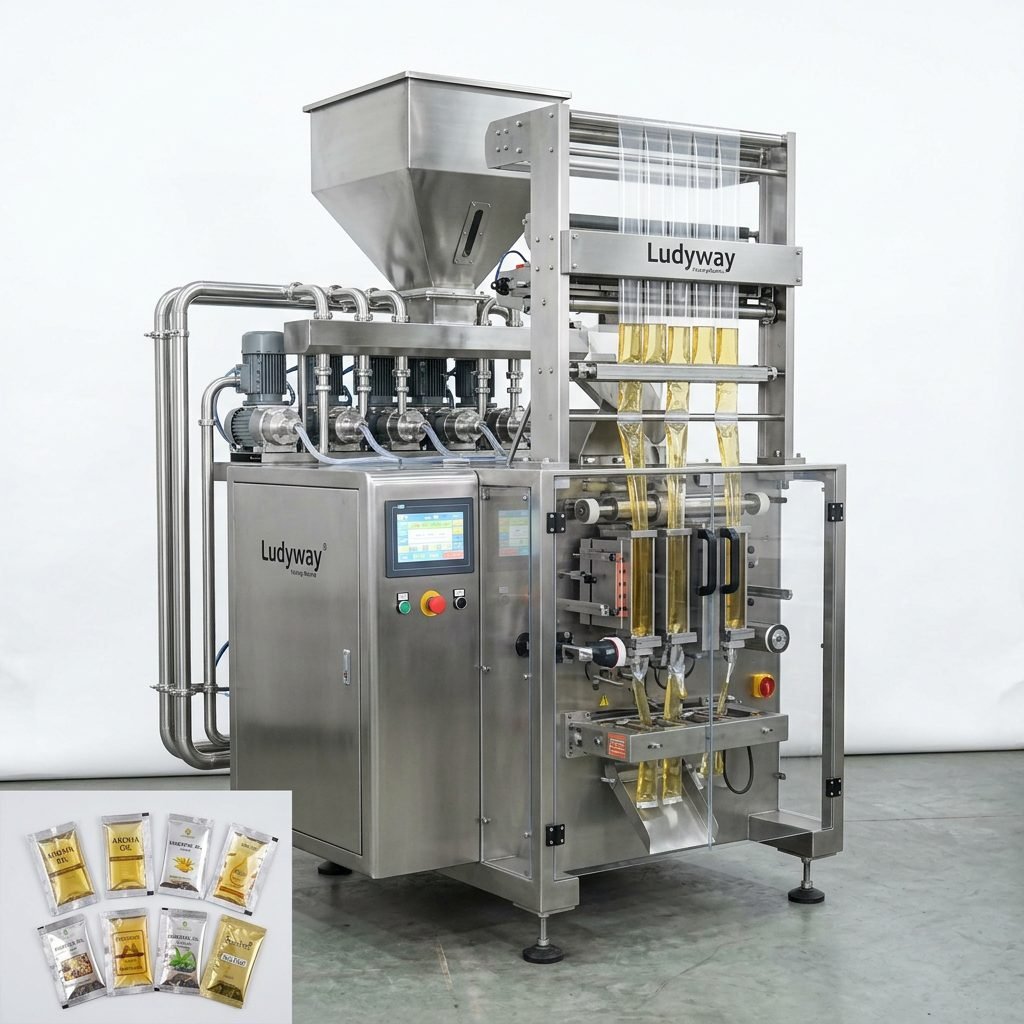
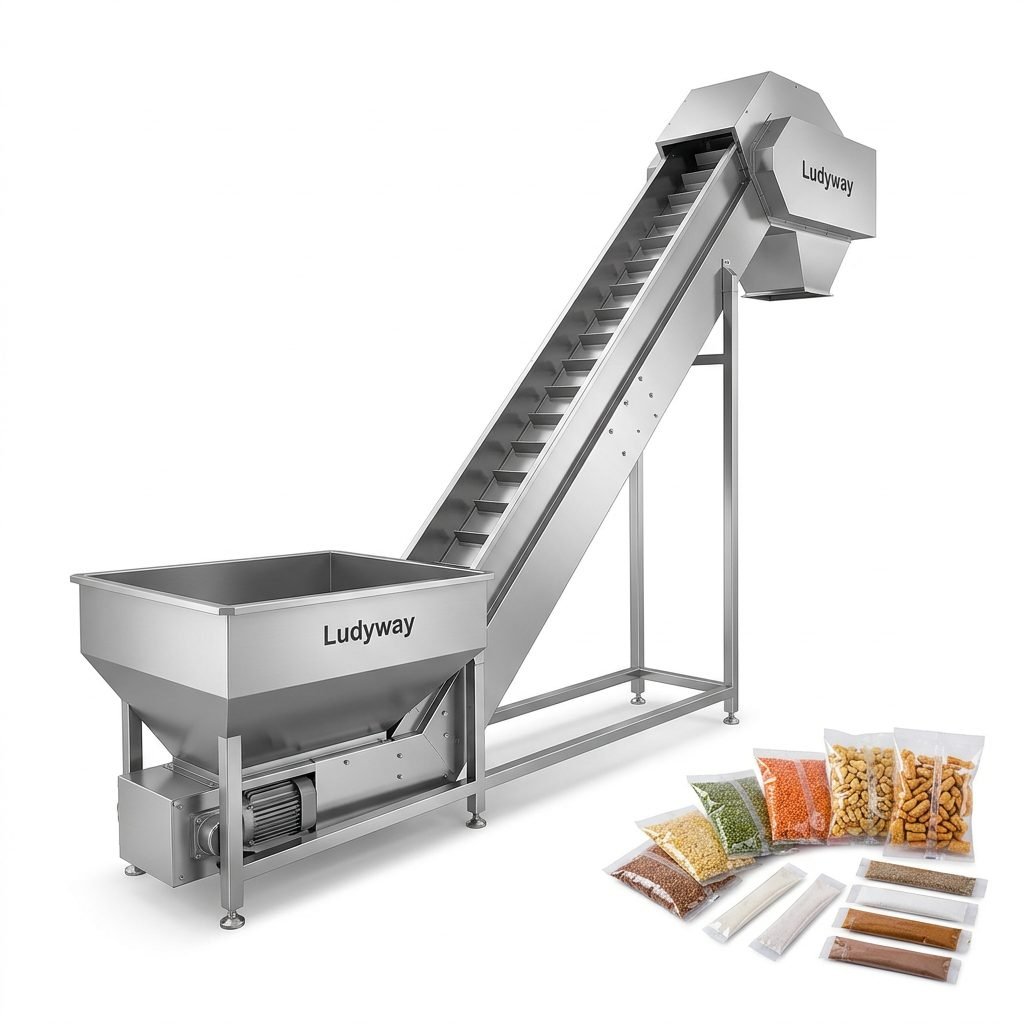
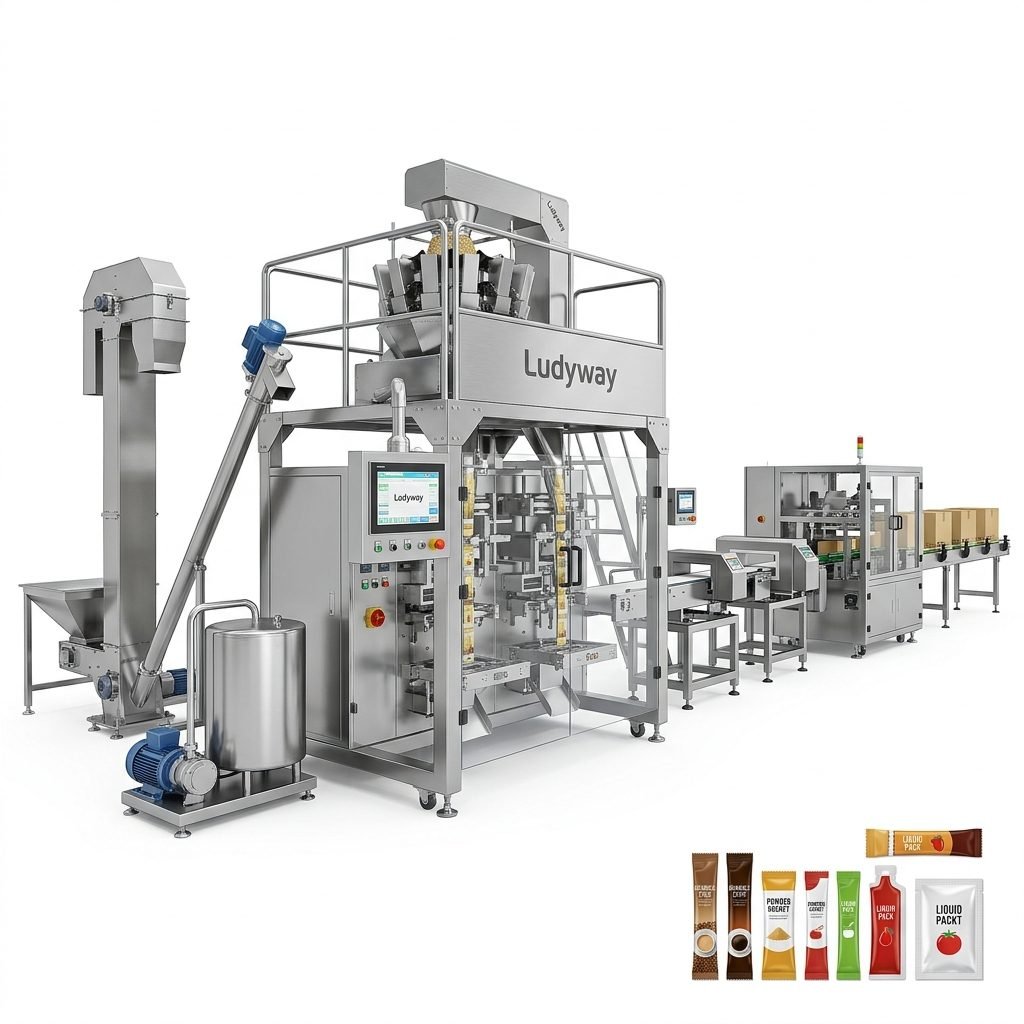
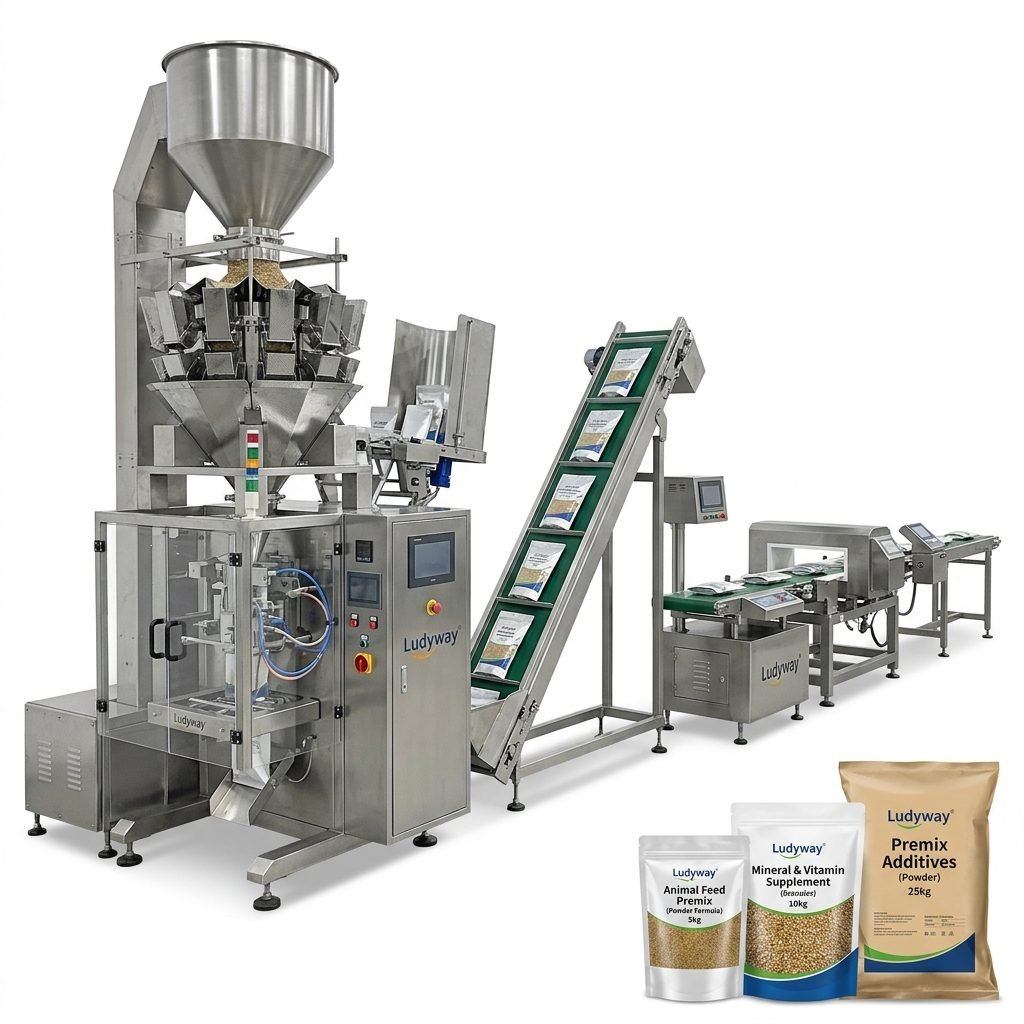
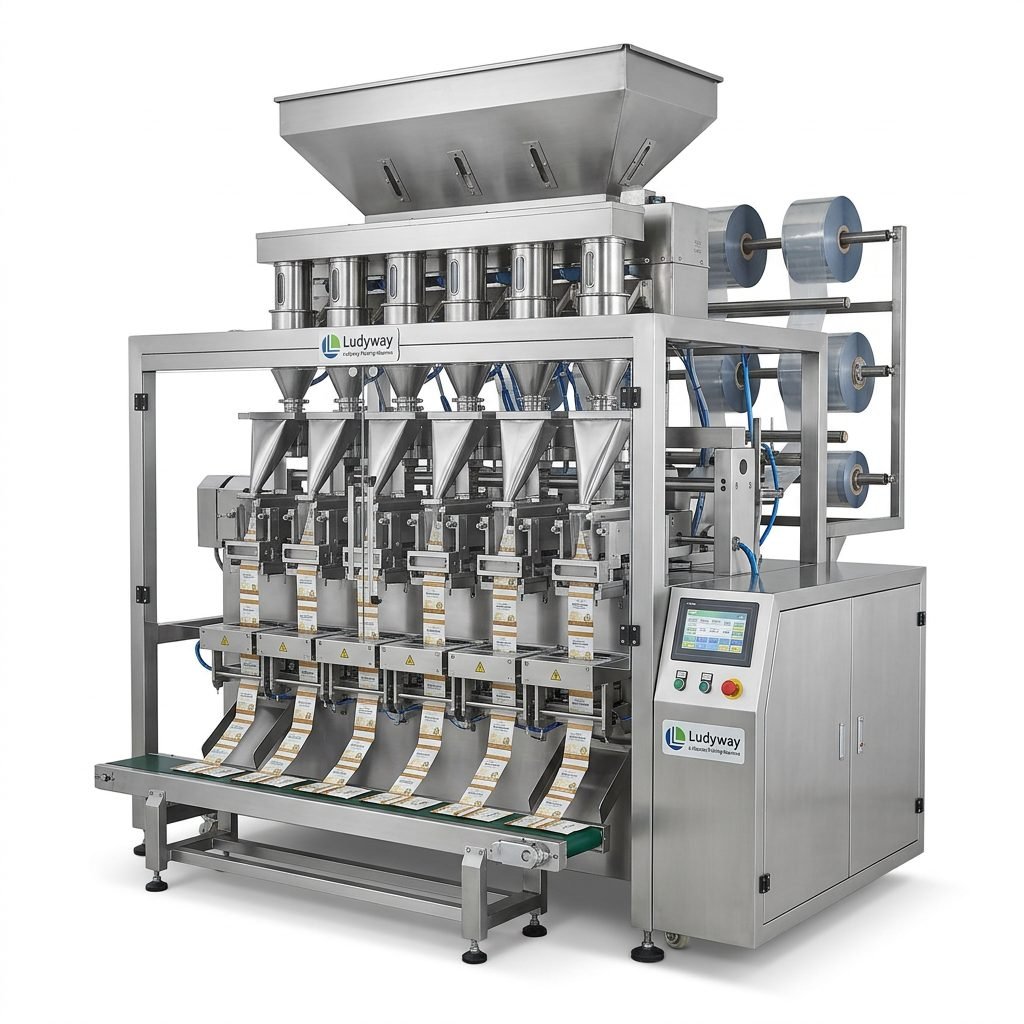
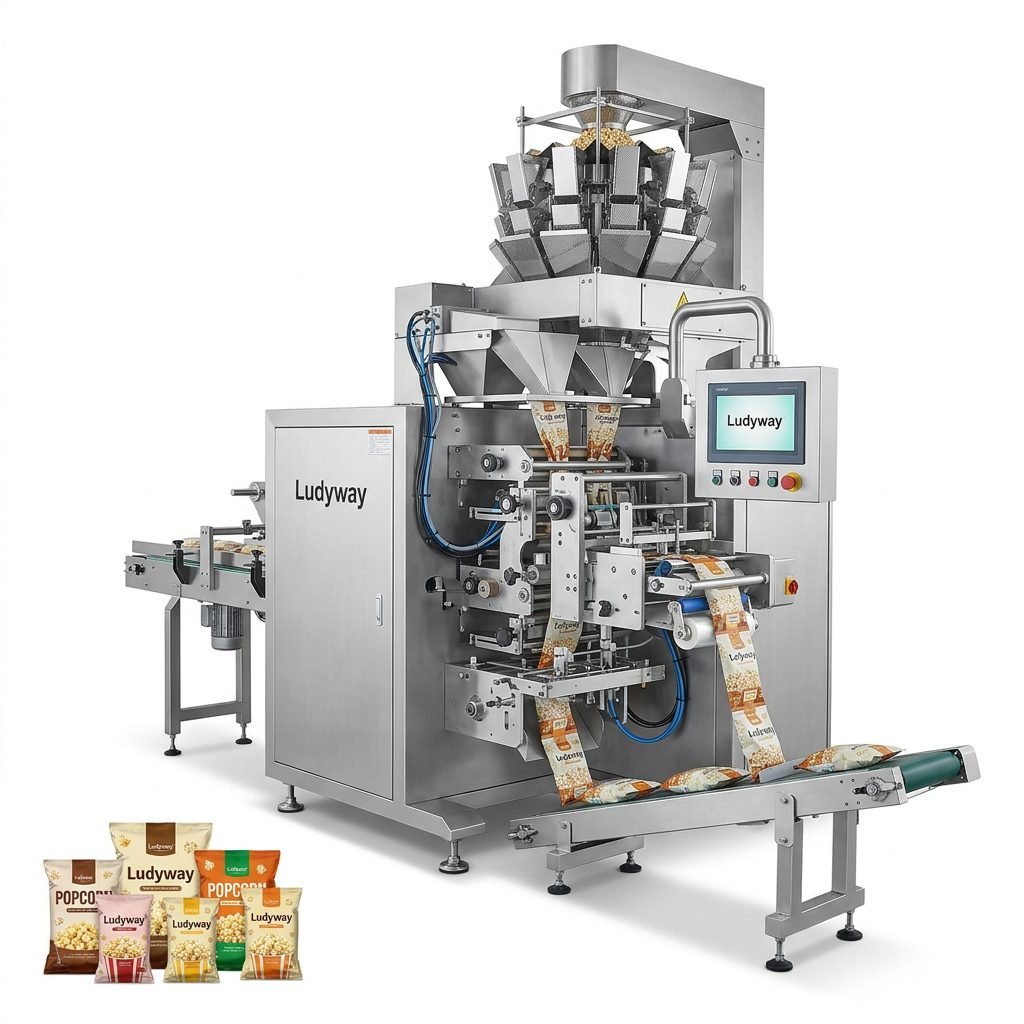
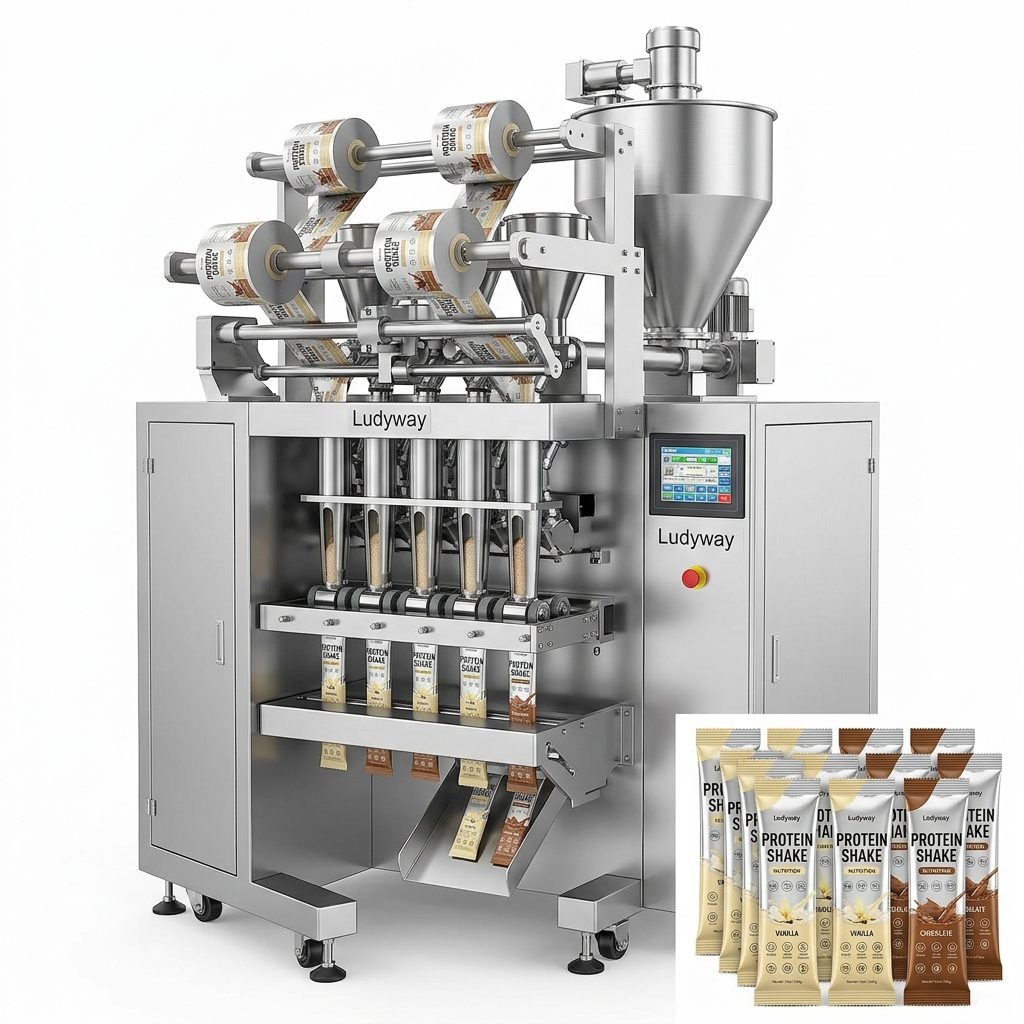
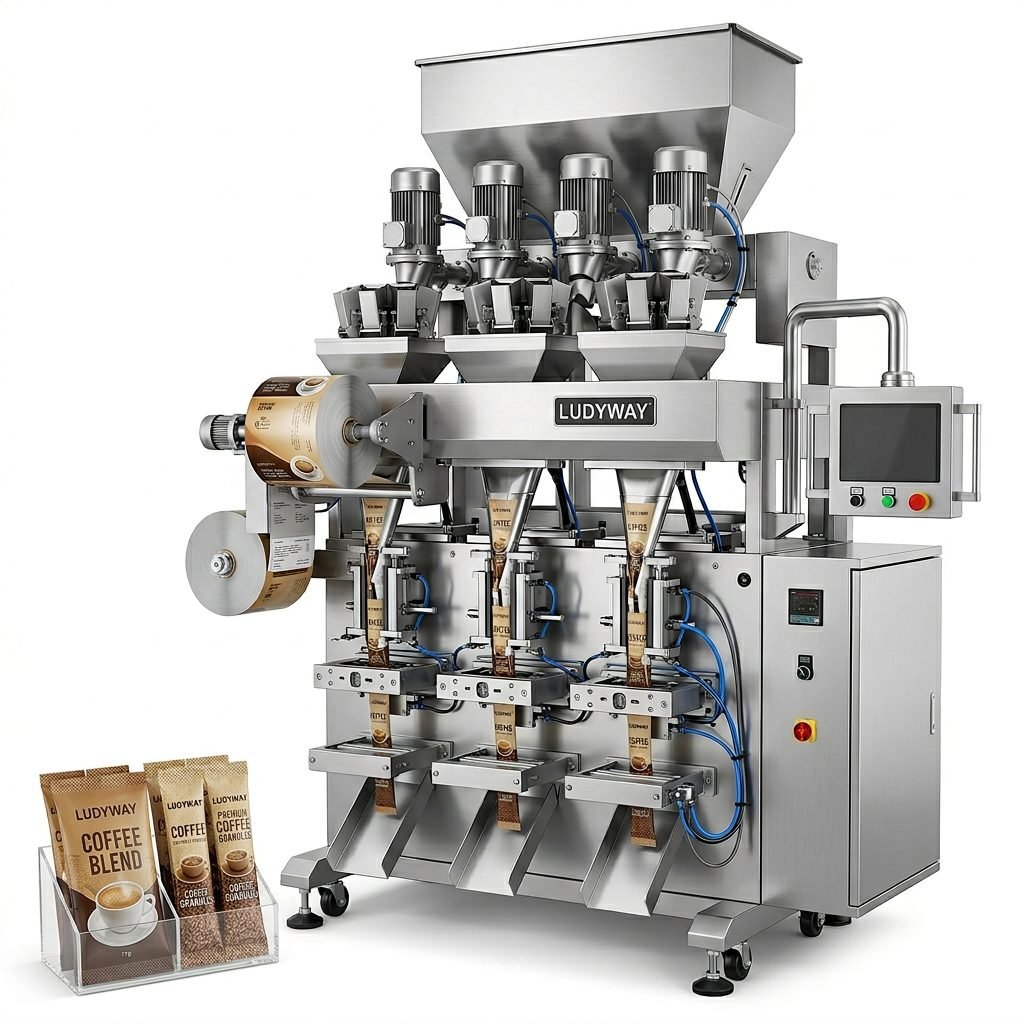
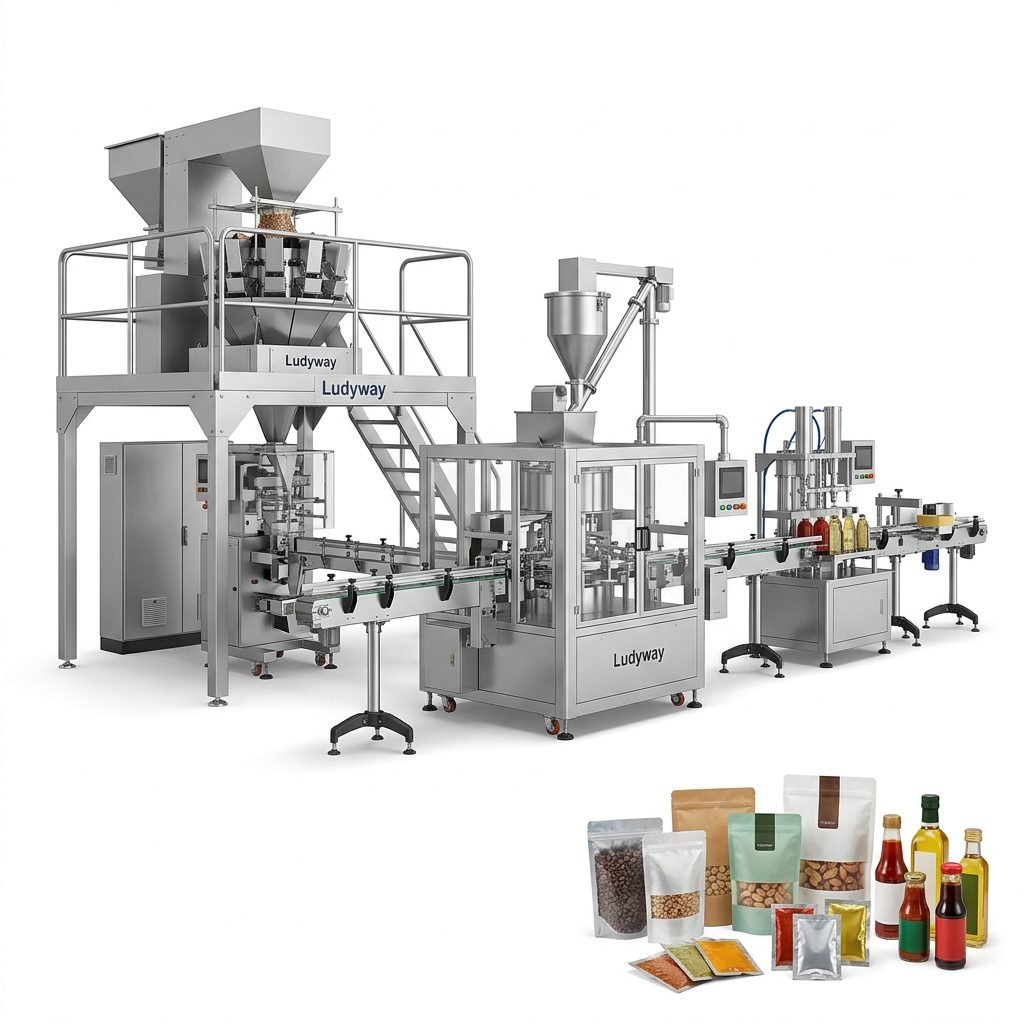
Selecting the right frozen pizza packaging machine is a critical decision that directly impacts your production efficiency, product quality, and overall profitability. An automatic solution streamlines the packaging process, ensuring consistency, reducing labor costs, and maintaining the freshness and integrity of your pizzas from the production line to the consumer’s freezer. This guide will walk you through the key factors to consider when choosing the best automatic packaging solution for your frozen pizza operation.
Understanding Your Production Requirements
Before evaluating specific machines, you must have a clear understanding of your own production needs. This forms the foundation for a suitable investment.
Key Production Parameters to Assess
Start by analyzing your current and projected output. What is your required pizzas-per-minute (PPM) rate? Consider peak seasons and potential business growth. The machine’s speed must align with your line’s capacity to avoid bottlenecks. Next, evaluate your product range. Do you produce single-size pizzas, or multiple diameters and thicknesses? A machine with quick changeover capabilities is essential for flexible production runs. Finally, assess your packaging format—whether you use flat cardboard boxes, sleeve-style cartons, or specialized retail-ready trays.
⚠️ Pro Tip:
Always plan for 20-25% more capacity than your current maximum output. This future-proofs your investment and accommodates unexpected demand surges without requiring an immediate new capital purchase.
Core Features of an Automatic Frozen Pizza Packager
A high-performance machine integrates several subsystems to handle the delicate and often sticky nature of frozen pizzas.
1. Gentle and Reliable Product Handling
Frozen pizzas are susceptible to topping displacement and breakage. Look for machines with low-friction conveyors, gentle robotic pick-and-place arms, or vacuum lifters designed specifically for food products. The transfer from the freezing tunnel to the packaging infeed must be smooth to preserve product presentation.
2. Precision Carton Forming and Loading
The heart of the system is the cartoner. It should reliably form flat corrugated blanks into precise boxes. Critical features include:
✅ High-accuracy servo drives for consistent box forming.
✅ Adjustable forming mandrels to handle different box sizes with minimal downtime.
✅ An oriented loading system that places each pizza squarely into the box, ensuring a perfect fit every time.
3. Integrated Safety and Hygiene Design
Given direct food contact, the machine must comply with food safety standards like FDA and EHEDG guidelines. Key aspects are:
🔵 Stainless steel or food-grade coated contact surfaces.
🔵 Easy-clean design with smooth surfaces and minimal crevices.
🔵 Safety guarding with interlocks to protect operators during maintenance and clearance of jams.
Evaluating Automation and Integration Level
The “automatic” label covers a spectrum. Define how much integration you need with your existing line.
Levels of Automation
Stand-Alone Automatic Cartoner: Receives manually or conveyor-fed pizzas, forms, loads, and closes boxes. A good entry point for automation.
Fully Integrated Line: Connected directly to upstream equipment (freezer, metal detector) and downstream systems (case packer, palletizer). This maximizes throughput with minimal manual intervention.
Smart Connected System: Equipped with IIoT (Industrial Internet of Things) sensors and software for real-time OEE monitoring, predictive maintenance alerts, and production data analytics. This is the future of packaging lines.
The Importance of Supplier Support and Reliability
The machine is only as good as the company behind it. A reliable partner ensures long-term success.
Look for a supplier with proven industry experience in food packaging, particularly with frozen or delicate products. They should offer comprehensive training for your operators and maintenance staff. Most critically, evaluate their service and parts support—ask about response times, availability of spare parts, and remote diagnostic capabilities. A partner like Ludyway Machinery, with decades of engineering expertise, can provide not just a machine but a viable production solution backed by strong technical support.
Cost Considerations: Beyond the Initial Purchase Price
Adopting a Total Cost of Ownership (TCO) perspective is vital for an accurate financial assessment.
- Capital Expenditure (CapEx): The machine’s purchase price, installation, and commissioning costs.
- Operational Expenditure (OpEx): Ongoing costs for energy consumption, compressed air, routine maintenance, and wear parts (like belts and seals).
- Labor Savings: Calculate the reduction in manual packing staff. This is often the most significant ROI driver.
- Material Efficiency: A precise machine reduces cardboard waste from misfolded boxes and minimizes product giveaway.
- Uptime & Productivity: A reliable machine with high OEE (Overall Equipment Effectiveness) produces more saleable product, directly boosting revenue.
Investing in a demonstration or a small pilot run using your actual product and packaging materials is highly recommended. This de-risks the purchase and provides tangible proof of performance. For businesses looking to scale, exploring complete turnkey production line solutions can streamline the entire project from design to implementation.
Final Checklist Before You Decide
Use this quick list to compare potential suppliers and machines:
✔ Speed & Capacity: Matches your required PPM with a safety margin.
✔ Flexibility: Handles your size range with changeovers under 15-20 minutes.
✔ Hygiene & Safety: Constructed with food-grade materials and full safety guarding.
✔ Integration: Can communicate with your existing PLC or line controllers.
✔ Supplier Reputation: Strong references, clear warranty, and responsive service agreement.
✔ TCO Justification: Clear ROI calculation based on labor, waste savings, and increased output.
Choosing the best frozen pizza packaging machine requires a balance of technical specifications, operational needs, and strategic partnership. By thoroughly evaluating your requirements against the machine’s capabilities and the supplier’s support ecosystem, you can implement an automatic solution that enhances efficiency, protects product quality, and supports your business growth for years to come. Partnering with experienced providers in automated packaging systems ensures you gain from industry best practices and technological innovation.
Frequently Asked Questions (FAQs)
1. What is the typical output speed of an automatic frozen pizza packaging machine?
Speeds vary significantly based on machine design and pizza size. Entry-level models may handle 30-60 pizzas per minute (PPM), while high-speed, fully integrated lines can achieve 120+ PPM. The key is to match the machine’s speed to the output of your freezing tunnel and upstream equipment to create a balanced line.
2. How difficult is it to change over the machine for different pizza sizes?
Modern servo-driven machines are designed for quick changeover. For experienced operators, switching between similar box sizes can take 10-20 minutes using stored recipes on the HMI (Human-Machine Interface). Changes involving drastically different diameters or thicknesses may require more time to adjust guides and handling mechanisms. Always request a changeover demonstration during the machine trial.
3. Can one machine handle both thin-crust and thick, heavily topped pizzas?
This is a major challenge. Thin-crust pizzas are fragile, while deep-dish pizzas are heavy and sticky. A machine capable of both requires extremely versatile and adjustable handling systems, often increasing complexity and cost. Many manufacturers opt for dedicated lines for substantially different product types to optimize speed and reliability.
4. What are the most common maintenance requirements?
Regular maintenance is crucial. Daily tasks include cleaning food debris and lubricating specific points with food-grade oil. Weekly checks involve inspecting belts, chains, and sensors. Periodic maintenance (monthly/quarterly) includes checking servo motor alignment, tightening mechanical fasteners, and replacing high-wear items like forming mandrel pads or vacuum cups. A good supplier will provide a detailed preventive maintenance schedule.
5. How does automatic packaging impact my overall packaging material costs?
Properly tuned automatic packagers can improve material efficiency. They consistently form boxes correctly, reducing waste from misfolds. Precise product placement allows for optimized box sizes, potentially reducing cardboard usage. However, you may need to invest in higher-quality, consistently dimensioned corrugated blanks to ensure reliable machine performance, which can slightly increase material cost per unit while decreasing waste.