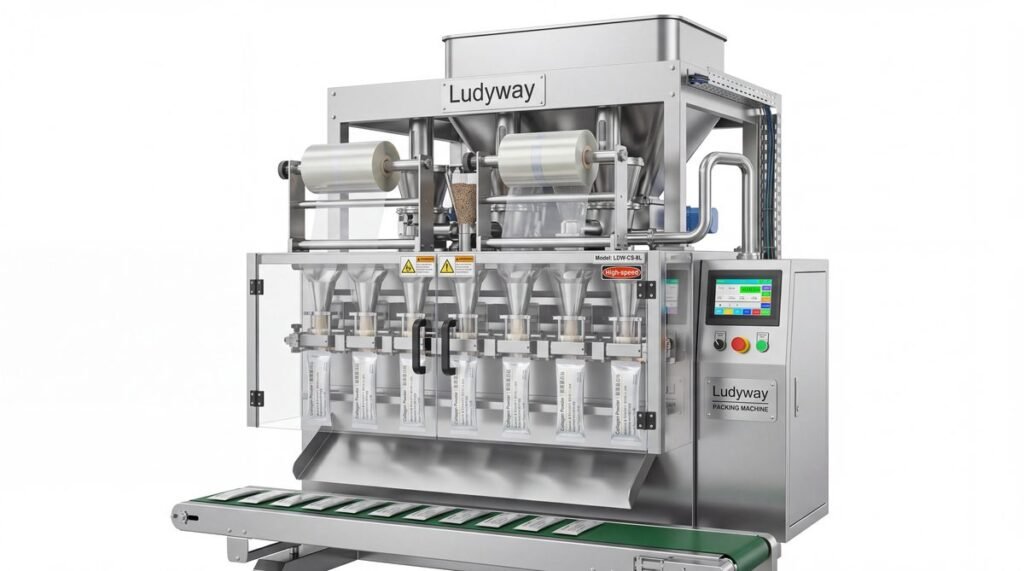
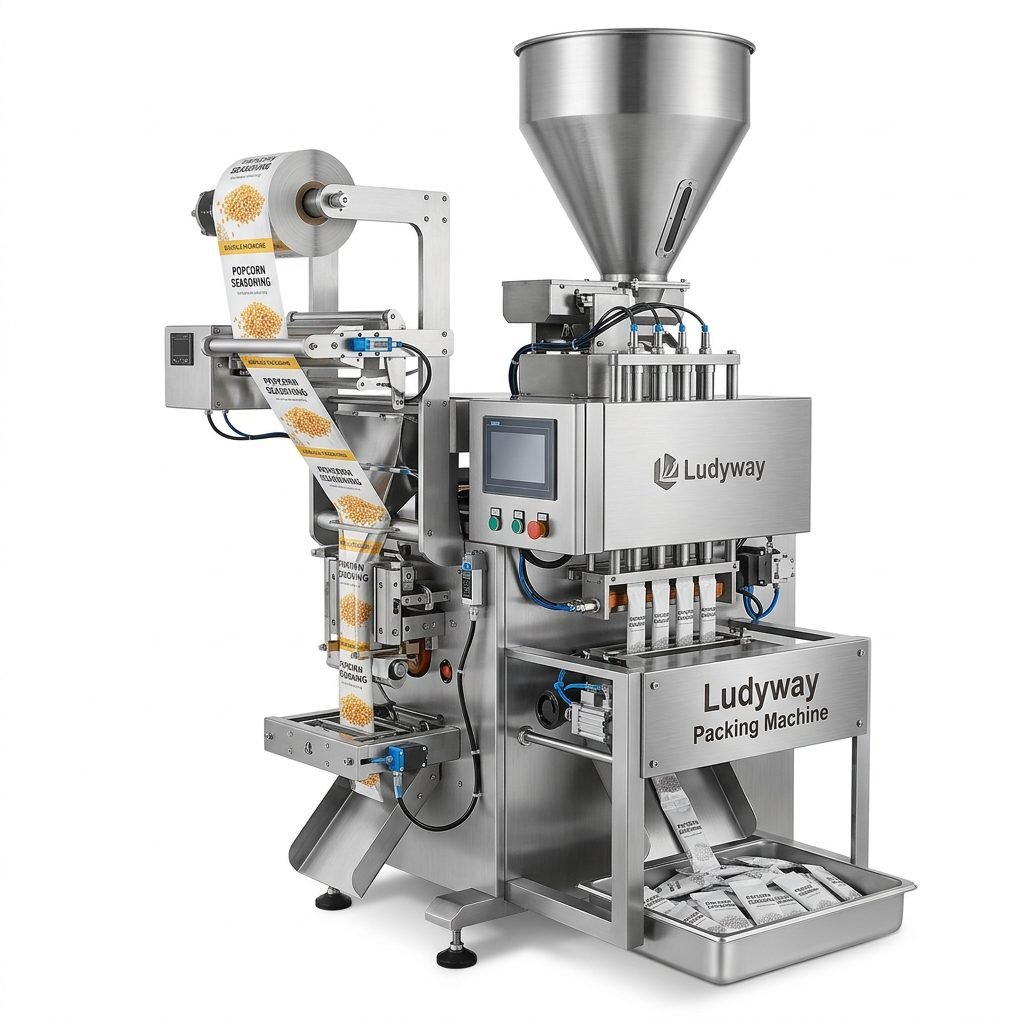
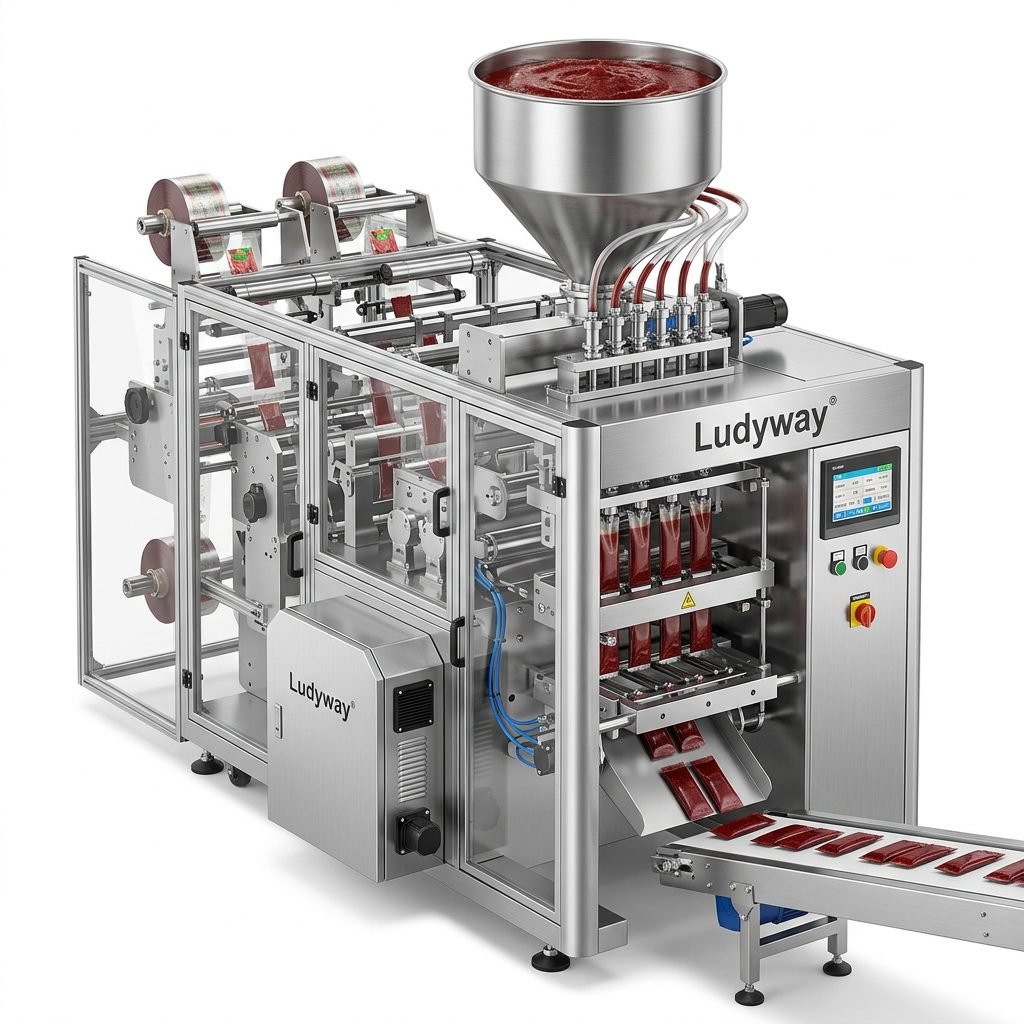
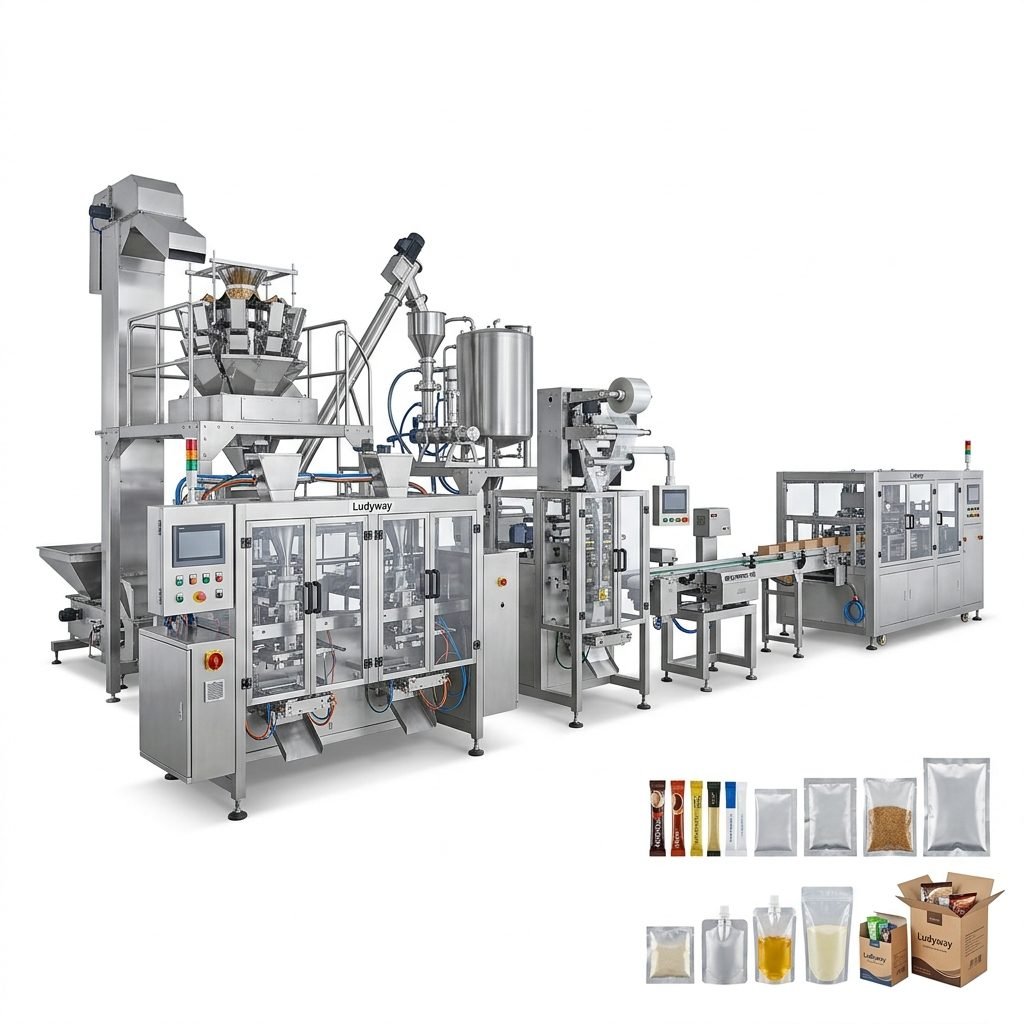
Choosing the right granola packaging machine is a critical decision for any food production business. An automatic solution can dramatically improve your line’s efficiency, consistency, and scalability. This comprehensive guide will walk you through the key factors to consider, ensuring you select the best automatic packaging solution tailored to your specific production needs and goals.
Understanding Your Production Requirements
Before diving into machine specifications, a thorough analysis of your current and future production is essential. This foundational step ensures your investment aligns with your operational reality.
Key Questions to Ask:
Output Speed: What is your required output in bags or pouches per minute (PPM)? Consider both your current demand and projected growth for the next 3-5 years.
Product Characteristics: Is your granola fine, chunky, or includes large pieces like nuts and dried fruit? This affects the type of filling system needed.
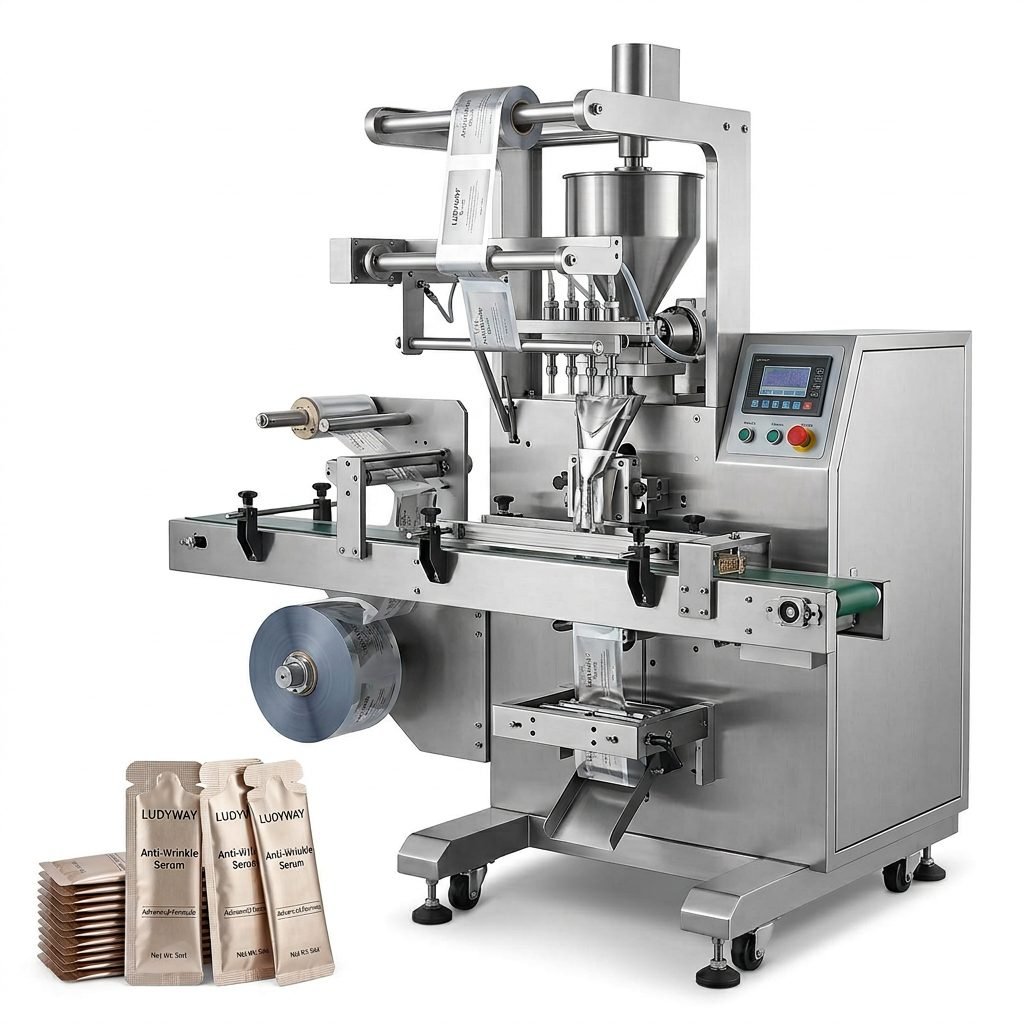
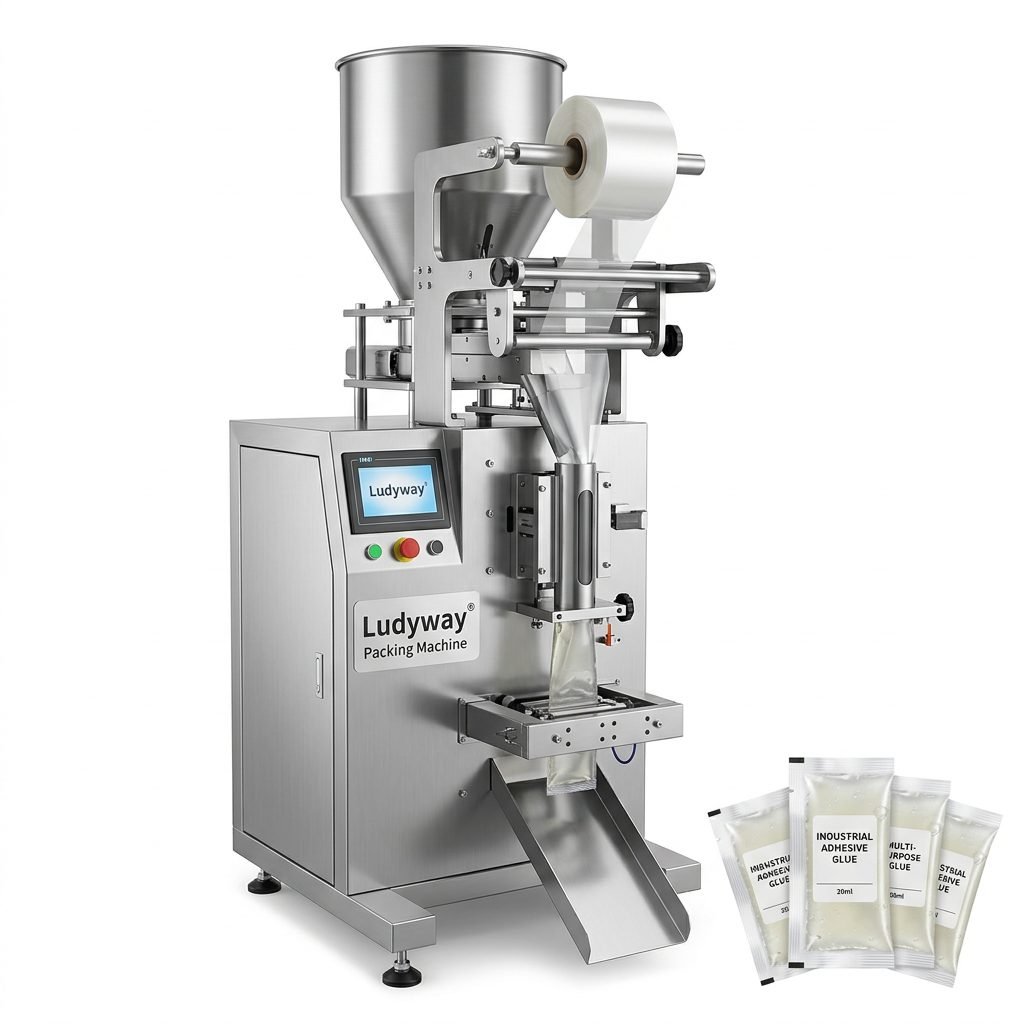
Packaging Format: Do you need stand-up pouches, flat bottom bags, stick packs, or sachets? The machine must be compatible with your desired bag style.
Film & Material: What type of packaging material will you use (e.g., laminated films for barrier properties)? The machine’s sealing system must handle it effectively.
Core Components of an Automatic Granola Packaging Machine
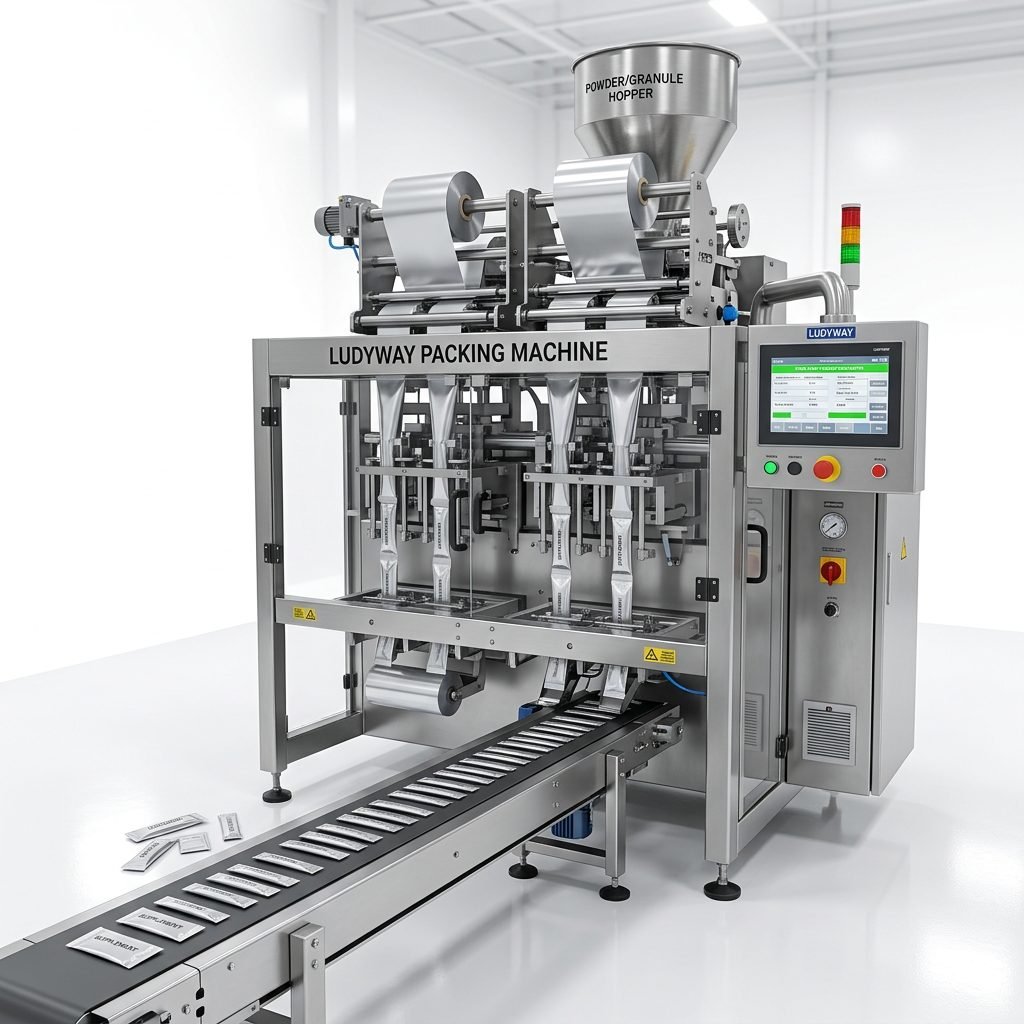
A high-performance automatic packaging system is an integration of several sophisticated subsystems working in harmony.
1. The Weighing and Filling System
This is the heart of accuracy. For granola, which is often a free-flowing but irregular product, the choice of weigher is paramount.
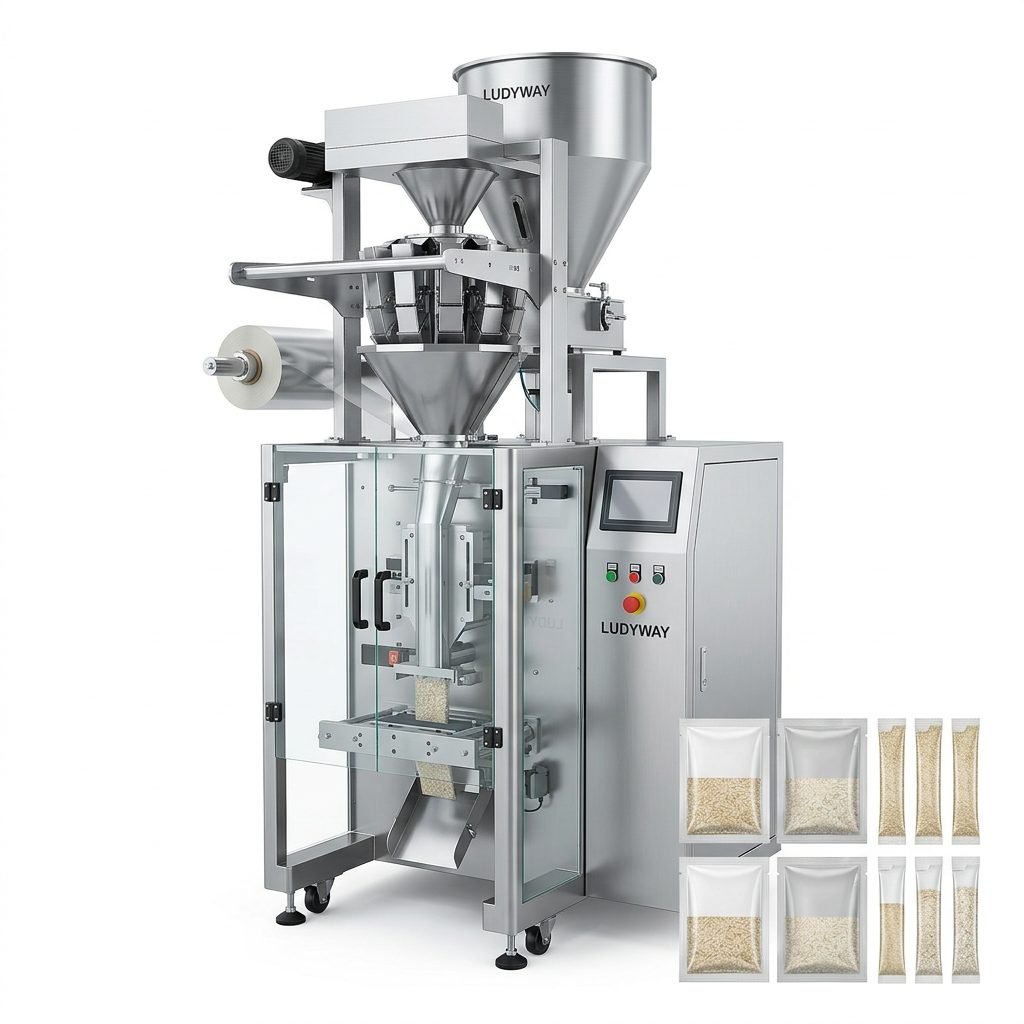
- Multi-Head Weighers: The industry standard for speed and accuracy with granular products. They use multiple weigh buckets to combine doses for precise target weights at high speeds.
- Volumetric Cup Fillers: Suitable for more uniform granola where extreme weight precision is less critical. They are often a more cost-effective solution.
- Auger Fillers: Best for fine, powdery, or small-grained granola. They provide good accuracy but may struggle with very chunky mixes.
For businesses looking to scale, a multi-head weigher system integrated with the packaging machine offers the best balance of speed and precision.
2. The Bag Making and Sealing System
This system forms the bag from a roll of film, fills it, and creates a hermetic seal.
→ Critical Consideration: Seal Integrity
Granola’s shelf life and freshness depend on a perfect seal. Look for machines with robust, temperature-controlled sealing jaws that can handle your specific film material. Dual sealing (e.g., fin seal and end seal) often provides greater reliability.
3. The Control System and HMI
Modern machines are driven by programmable logic controllers (PLCs) with intuitive touch-screen Human-Machine Interfaces (HMIs). A user-friendly HMI allows for quick changeovers between different bag sizes and granola types, minimizing downtime.
Evaluating Machine Features for Your Needs
Beyond the core components, several features can significantly impact operational efficiency and product quality.
Changeover Flexibility
If you produce multiple SKUs (different flavors, bag sizes), look for machines with quick-change parts and recipe memory on the HMI. This reduces changeover time from hours to minutes.
Hygiene and Cleanability
Food safety is non-negotiable. Machines with stainless steel contact surfaces, smooth edges, and easy-access panels for cleaning will help you meet stringent hygiene standards like FDA and EU food safety regulations.
Integration Capabilities
Consider how the packager will fit into your full line. Does it need to integrate with an upstream mixer or cooler and a downstream case packer or cartoner? Compatibility is key for a smooth turnkey production line.
Supplier Support and Service
The machine’s quality is only half the equation. Choose a supplier with a proven track record of reliable after-sales support, readily available spare parts, and comprehensive training. A partner like Ludyway Packaging Machinery, with over 30 years of industry experience, provides not just equipment but long-term production partnership and technical expertise.
Making the Final Decision: Cost vs. Value
While upfront cost is a major factor, the Total Cost of Ownership (TCO) is a more accurate measure. A slightly higher initial investment in a robust, efficient, and reliable machine from a reputable supplier often leads to lower long-term costs through:
- Higher uptime and productivity
- Less product giveaway (savings from accurate weighing)
- Reduced film waste
- Lower maintenance and repair costs
- Longer machine lifespan
Investing in the right automatic granola packaging machine is an investment in your brand’s consistency, efficiency, and growth. By carefully assessing your production requirements, understanding the critical machine components, and partnering with an experienced supplier, you can implement a solution that delivers value for years to come.
Frequently Asked Questions (FAQs)
What is the typical output speed of an automatic granola packaging machine?
Speeds vary widely based on the machine type and bag size. Entry-level vertical form-fill-seal (VFFS) machines may run at 40-60 bags per minute (BPM), while high-end systems with multi-head weighers can achieve 120+ BPM for standard-sized pouches. The key is to match the speed to your actual production volume.
Can one machine handle different granola mixes (e.g., fine vs. chunky)?
Yes, but it requires the right filling system. A multi-head weigher is the most versatile, handling a wide range of particle sizes effectively. If switching between extremely different mixes, some adjustment or changeover of the weigher’s buckets or cups may be necessary for optimal performance.
How important is the packaging film material?
Extremely important. The film must provide an adequate moisture and oxygen barrier to maintain granola’s crispness and prevent staleness. The machine’s sealing jaws must be precisely calibrated for your chosen film’s thickness and composition to ensure strong, consistent seals every time.
What kind of maintenance do these machines require?
Regular preventive maintenance is crucial. Daily cleaning, weekly lubrication of moving parts (as per manual), and periodic inspection of wear items like sealing jaws, film pull belts, and cutting blades will ensure longevity and prevent unplanned downtime. Your supplier should provide a detailed maintenance schedule.
We are a startup with a limited budget. What should we prioritize?
Prioritize accuracy and reliability over top speed. A slower but dependable machine that minimizes product giveaway and downtime is more valuable for a growing business than a fast machine that frequently breaks down. Consider scalable solutions that allow you to add features (like a faster weigher) as your production grows. Explore our range of entry-level packaging solutions designed for growing businesses.