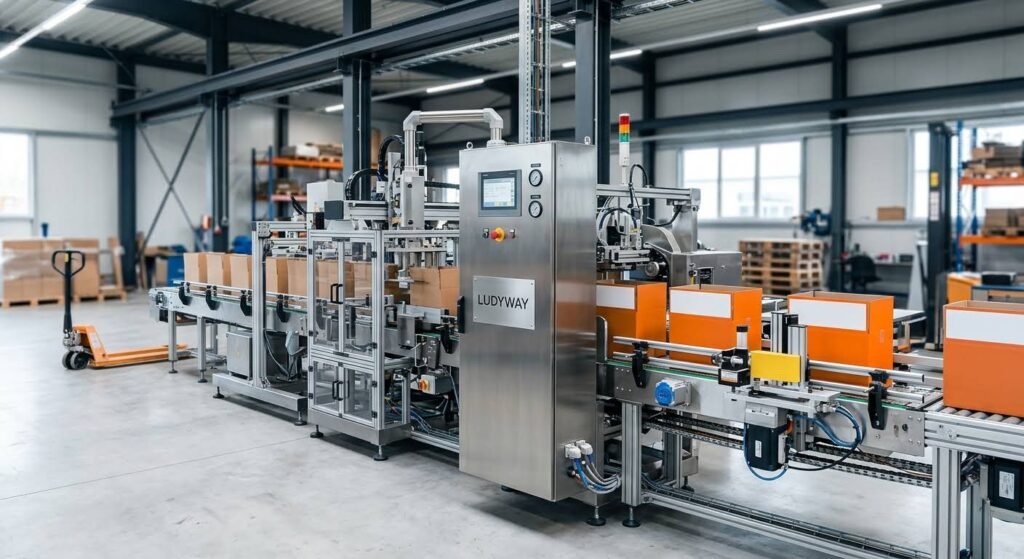
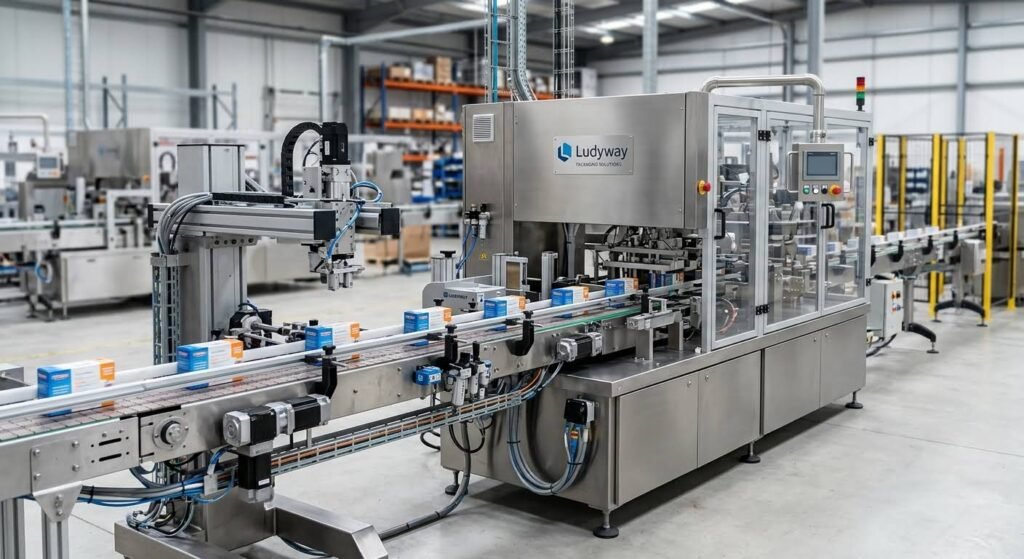
The world of gummy bear production is vibrant, colorful, and highly competitive. To stand out, the final packaging must not only protect the product but also capture its playful spirit and appeal to consumers. Selecting the right gummy bear packaging machine is therefore a critical decision that directly impacts production efficiency, product quality, and brand perception. This guide will walk you through the different types of machines, their key features, and provide a clear framework for choosing the perfect one for your operation.
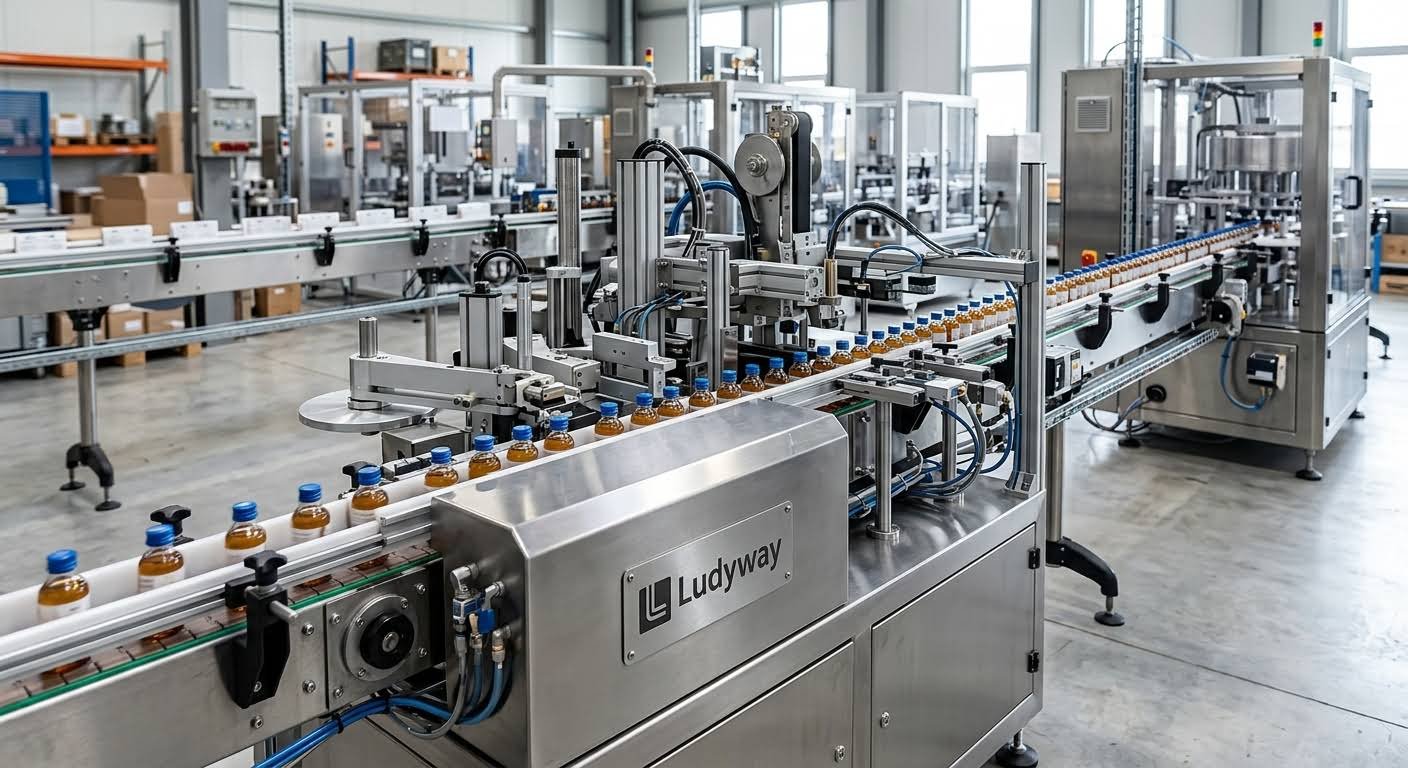
Types of Gummy Bear Packaging Machines
Gummy bears are typically packaged in various formats, each requiring specific machinery. Understanding these types is the first step in your selection process.
1. Stick Pack Packaging Machines
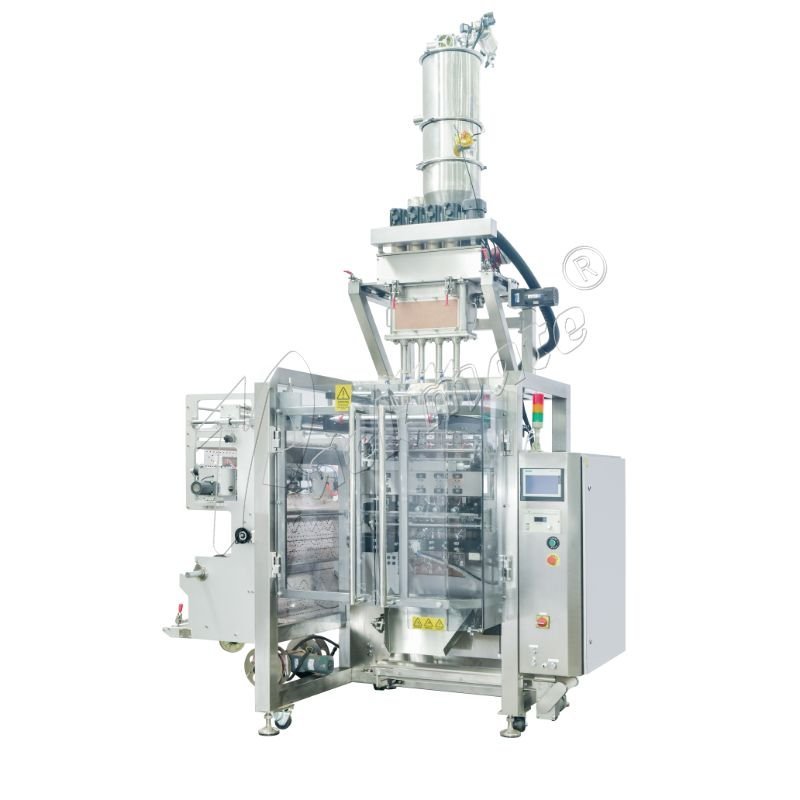
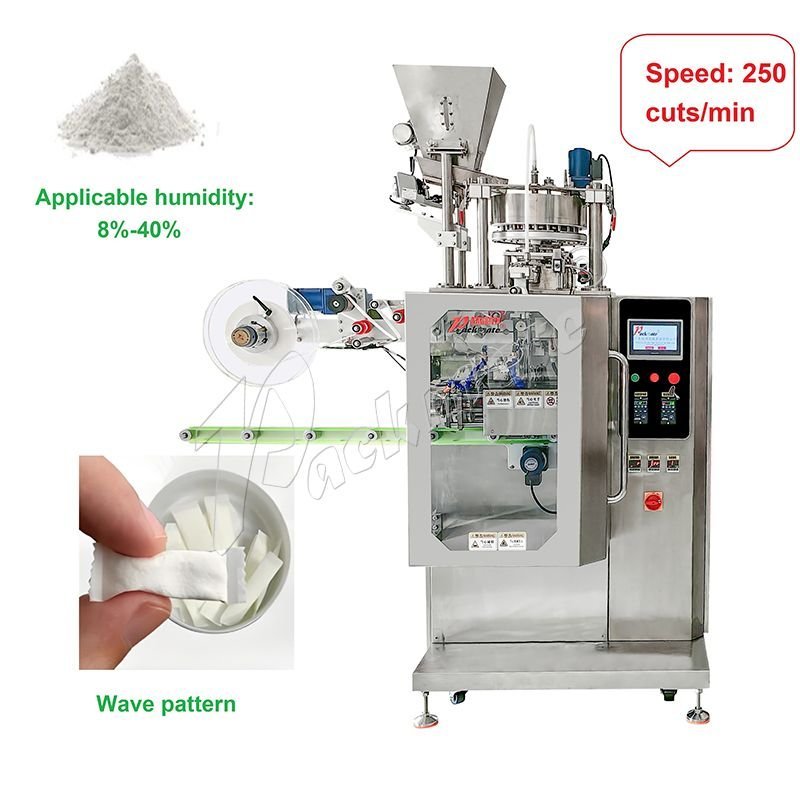
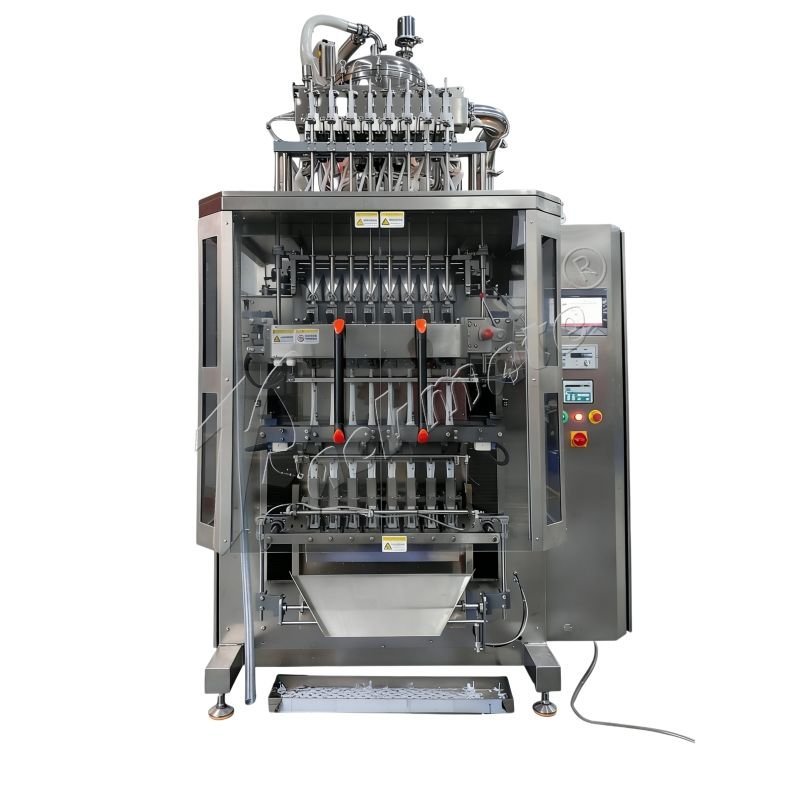
Stick packs are slender, single-serving pouches popular for on-the-go consumption. Machines for this format are designed for high-speed, multi-lane production. They precisely fill a measured amount of gummies into a narrow pouch, which is then sealed and cut. These systems are ideal for brands focusing on convenience and portion control.
2. Sachet & Pouch Packaging Machines
For larger servings or multi-pack offerings, sachet and pouch machines are used. They can create bags of various sizes and shapes, from small square sachets to larger stand-up pouches. These machines offer great flexibility in packaging design and are suitable for both retail and bulk packaging.
3. Bulk Bagging Machines
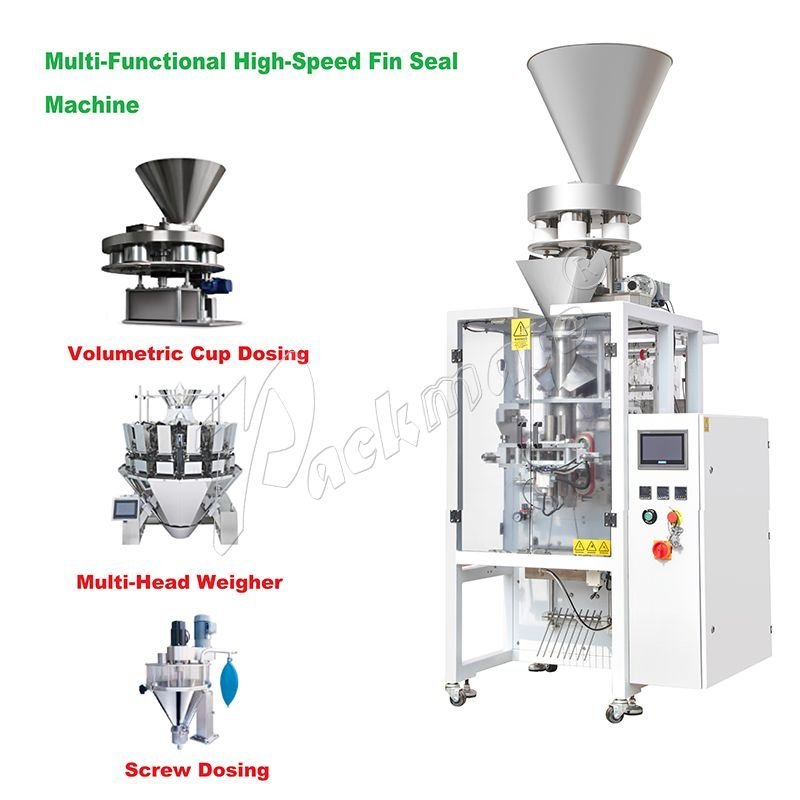
When packaging gummy bears for wholesale, large bags, or “bag-in-box” formats, bulk bagging machines come into play. They handle larger volumes per bag and often integrate with weighing systems for precise fill weights. This type is essential for cost-effective packaging of products destined for further distribution or large retail packs.
4. Integrated Turnkey Production Lines
Beyond standalone packaging units, complete turnkey lines integrate the packaging machine with upstream and downstream processes. This might include cooling conveyors, sorting systems, and automated cartoning. Investing in a integrated line maximizes automation, reduces labor, and ensures a seamless flow from production to final packed product.
Key Features to Evaluate in a Packaging Machine
Once you know the packaging type, delve into the features that define machine performance, reliability, and suitability.
Production Speed & Output
Measured in packs per minute (PPM), speed is a primary consideration. Match the machine’s output to your current and forecasted production demands. High-speed multi-lane stick pack machines can exceed 1000 PPM, while larger pouch machines may operate at lower but sufficient speeds for their format.
Accuracy & Precision Filling
Gummy bears are sold by count or weight. The machine must fill each pouch accurately to maintain consistency and comply with labeling regulations. Look for machines with advanced weighing or volumetric filling systems and minimal give-away (overfill).
Flexibility & Changeover Capability
Can the machine handle different gummy bear sizes, shapes, or packaging materials? Quick changeover between products or pack sizes is vital for manufacturers running multiple SKUs. Features like adjustable forming boxes, easy-access tooling, and programmable settings enhance flexibility.
Material Compatibility
The machine must be compatible with your chosen packaging film. Consider the thickness, composition (e.g., metallized, transparent), and sealing properties of the material. A good machine will have adjustable heat controls and sealing mechanisms to work perfectly with your specific film.
Automation Level & Ease of Operation
From manual film loading to fully automated reel feeding, the automation level affects labor requirements. Touch-screen PLC controls, recipe storage, and automated fault detection simplify operation and reduce operator dependency.
Durability & Construction Quality
Packaging machines run for long hours. Robust construction using stainless steel or high-grade alloys for critical parts ensures longevity and reduces maintenance downtime. Assess the overall build quality and reputation of the manufacturer.
Safety & Hygiene Features
Food safety is paramount. Machines should have smooth, accessible surfaces for cleaning, comply with food-grade material standards (where applicable), and incorporate safety guards and interlocks to protect operators.
How to Choose the Right Gummy Bear Packaging Machine
Making the final choice involves a strategic evaluation of your needs against the available options.
Step 1: Define Your Packaging Requirements
Start with clarity on your end goal. Determine the pack format (stick pack, pouch, bag), target output speed, film material, and any special requirements like unique shapes or high-barrier properties. This forms your selection baseline.
Step 2: Assess Your Production Environment
Consider your factory space, available utilities (power, compressed air), and the skill level of your operators. A large, high-speed machine may require more space and a skilled technician, whereas a simpler model might fit a smaller operation.
Step 3: Prioritize Critical Features
Based on your business, decide which features are non-negotiable. Is top speed the priority, or is flexibility to run five different products more important? Is ultra-high fill accuracy critical for your premium brand? Rank these priorities.
Step 4: Evaluate Supplier Expertise & Support
The machine supplier is as important as the machine itself. Look for a provider with specific experience in confectionery packaging, particularly gummy bears. They should offer comprehensive support: installation, training, spare parts availability, and reliable technical service. A supplier with a proven track history, like Ludyway Machinery, which brings over 30 years of industry experience and offers more than 50 intelligent packaging models, can provide invaluable guidance and reliable solutions.
Step 5: Consider Long-Term Value & ROI
Calculate not just the purchase price, but the total cost of ownership. A slightly more expensive machine with higher efficiency, lower maintenance, and better durability often provides a better return on investment over 5-10 years. It ensures consistent quality and packaging efficiency for your growing brand.
Step 6: Request Demos & Trial Runs
Whenever possible, see the machine run. Request a video demonstration of it packaging a product similar to your gummy bears, or ask for a trial run using your materials. This hands-on evaluation reveals practical performance and any potential issues.
Conclusion
Choosing a gummy bear packaging machine is a significant investment that shapes your production capability. By systematically understanding the machine types, scrutinizing the key features, and following a structured selection process that emphasizes both technical specs and supplier partnership, you can secure a machine that not only packs your product reliably today but also scales and adapts for your future success. The right packaging system becomes a cornerstone of your brand’s quality and market appeal.
Frequently Asked Questions (FAQs)
What is the typical production speed for a gummy bear stick pack machine?
Speeds vary greatly by model and configuration. Entry-level machines may produce 200-400 stick packs per minute, while advanced multi-lane machines can achieve speeds of 800-1200 packs per minute. The exact speed depends on gummy size, film properties, and machine design.
Can one machine package different shapes and sizes of gummy bears?
Many modern machines offer good flexibility. By adjusting the forming tools, filling heads, and PLC settings, they can often handle a range of sizes and shapes. However, significant changes (e.g., from tiny bears to large rings) might require mechanical changeover parts. Discuss your specific product range with the supplier.
How important is the packaging film material when selecting a machine?
Extremely important. The machine’s sealing system (temperature, pressure, timing) must be compatible with the film’s melting point and layer structure. Using an incompatible film can lead to poor seals, leaks, or production stoppages. Always consult with both your film supplier and machine manufacturer to ensure compatibility.
What kind of maintenance does a gummy bear packaging machine require?
Regular maintenance includes daily cleaning of product contact areas, lubrication of moving parts as per the manual, inspection of seals and wear parts, and calibration of weighing systems. Preventive maintenance schedules, provided by the manufacturer, are crucial to avoid unplanned downtime and maintain accuracy.
Is it better to buy a standalone machine or an integrated production line?
The choice depends on your scale and automation goals. A standalone machine is suitable for adding packaging to an existing line or for smaller operations. An integrated turnkey production line, which automates from cooling to final cartoning, is ideal for large-scale, high-output facilities looking to minimize manual handling and maximize efficiency.