Choosing the right chamber vacuum packaging machine is a critical decision for any food business, from small-scale producers to large-scale manufacturers. The Henky chamber vacuum packaging machine series offers a range of models designed to meet diverse needs in food storage and sealing. This guide will help you navigate the key factors to consider, ensuring you select the best model to preserve freshness, extend shelf life, and optimize your packaging workflow.
Understanding Chamber Vacuum Packaging Technology
Unlike external vacuum sealers, a chamber vacuum machine places the entire product and bag inside a sealed chamber. The air is then removed from the chamber itself, creating a uniform vacuum around the product before the bag is heat-sealed. This method is superior for packaging liquids, moist foods, and delicate items, as it prevents liquid from being sucked out and allows for more consistent, professional results. The Henky series utilizes this proven technology, providing a reliable barrier against oxygen and moisture, the primary culprits of food spoilage.
Key Advantage of Chamber Vacuum Sealers:
They excel at packaging wet or liquid-rich foods—like soups, sauces, marinated meats, and soft cheeses—without the mess or seal failure common with external suction machines.
Core Factors for Choosing Your Henky Model
Selecting the ideal machine requires a careful assessment of your specific operational requirements. Here are the primary dimensions to evaluate.
1. Chamber Size and Productivity
The internal dimensions of the vacuum chamber dictate the maximum bag size and the volume of product you can process per cycle. Consider both the depth (for bag length) and the width/height (for bag capacity).
- ➤ Small Batch & Versatility: A compact chamber is perfect for kitchens, delis, or businesses with varied, smaller items.
- ➤ High-Volume Processing: For consistent packaging of larger cuts of meat, bulk ingredients, or meal prep services, a larger chamber is essential for efficiency.
2. Pump Power and Vacuum Strength
The vacuum pump is the heart of the machine. Its power, measured in cubic meters per hour (m³/h) or by its ultimate vacuum level (e.g., 0.8-1.0 mbar), determines how quickly and thoroughly air is removed. A stronger pump achieves a deeper vacuum faster, which is crucial for optimal preservation and for handling a high cycle rate without burnout. For demanding commercial environments, investing in a model with a robust, oil-lubricated rotary vane pump is often recommended for durability.
3. Seal Bar Length and Type
The seal bar is responsible for creating an airtight closure on the bag. The length must accommodate the width of your bags. Henky models typically offer single or double seal bars. A double seal provides a redundant safety seal, greatly reducing the risk of leakers—a critical feature for long-term storage or shipping. The seal time and temperature should be adjustable to handle different bag materials (e.g., multilayer poly, nylon) effectively.
Pro Tip for Bag Selection
Always use bags designed for chamber vacuum sealers. They are textured on one side to allow air channels for proper evacuation. Using smooth, non-embossed bags will trap air and result in a failed seal. Partnering with a professional supplier like Ludyway Machinery ensures you get compatible, high-quality packaging materials.
4. Cycle Time and Automation Features
Cycle time—from closing the lid to completing the seal—directly impacts throughput. Basic models have manual lid closing and start buttons. Advanced Henky models may feature:
- ➤ Gas Flushing (Modified Atmosphere Packaging – MAP): Injects inert gases like nitrogen to preserve color and texture in delicate products like red meat or crispy snacks.
- ➤ Programmable Memory: Stores settings for different products, streamlining operation and reducing errors.
- ➤ Semi-Automatic or Automatic Lids: Significantly speed up operation and reduce operator fatigue in high-volume settings.
Matching the Machine to Your Food Application
Your specific product line should guide your final choice. Here’s how different Henky models cater to various needs.
For Butchers, Meat & Seafood Processors
Prioritize a deep vacuum (strong pump), a large chamber for primal cuts, a double seal bar for security, and optional gas flush for vibrant meat color. Stainless steel construction is vital for easy sanitation.
For Restaurants, Caterers & Meal Prep Services
Look for a balance of chamber size (to handle various portion sizes), fast cycle times, and user-friendly programmable settings to switch between different pre-portioned meals, sous-vide ingredients, or sauces quickly.
For Specialty Producers (Cheese, Coffee, Dried Goods)
A precise, adjustable vacuum level is key to avoid crushing delicate products like soft cheese or coffee beans. A machine with gentle vacuum settings and a reliable seal bar for textured bags is ideal.
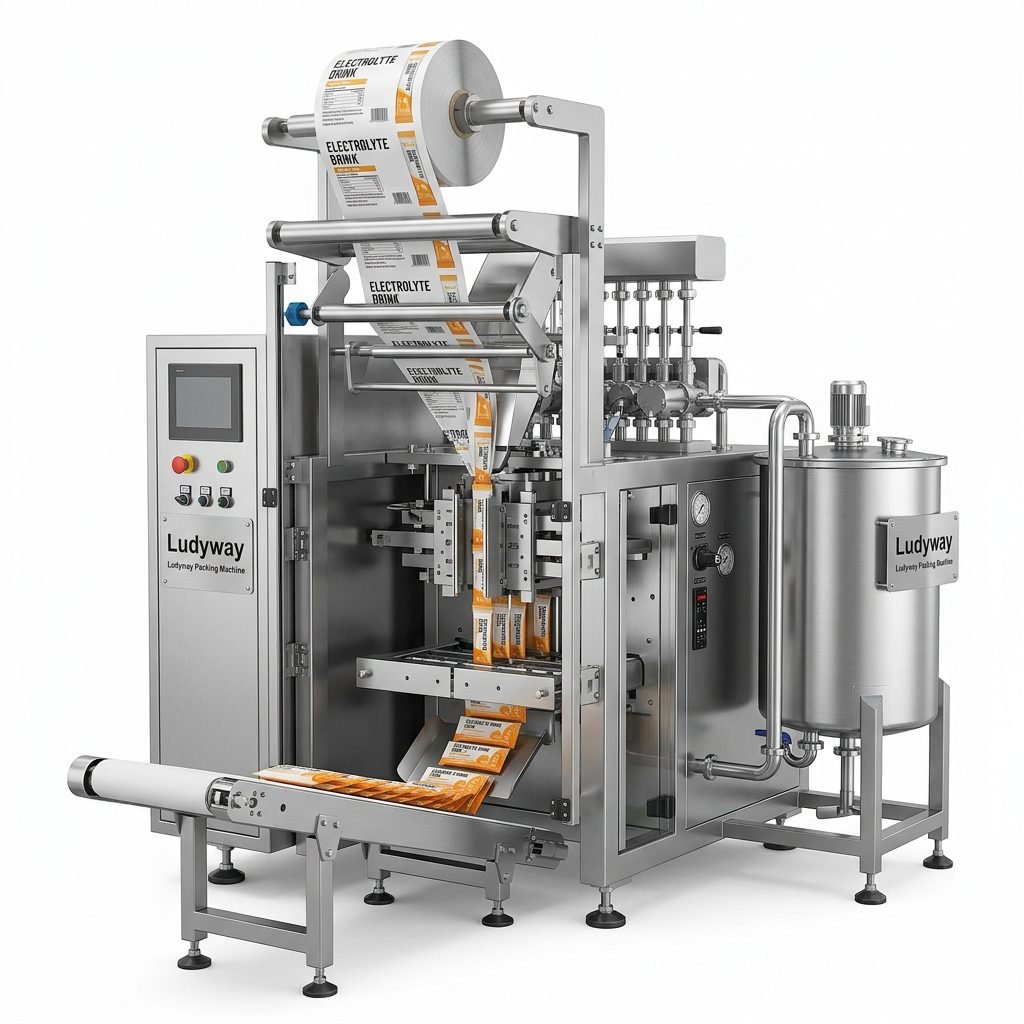
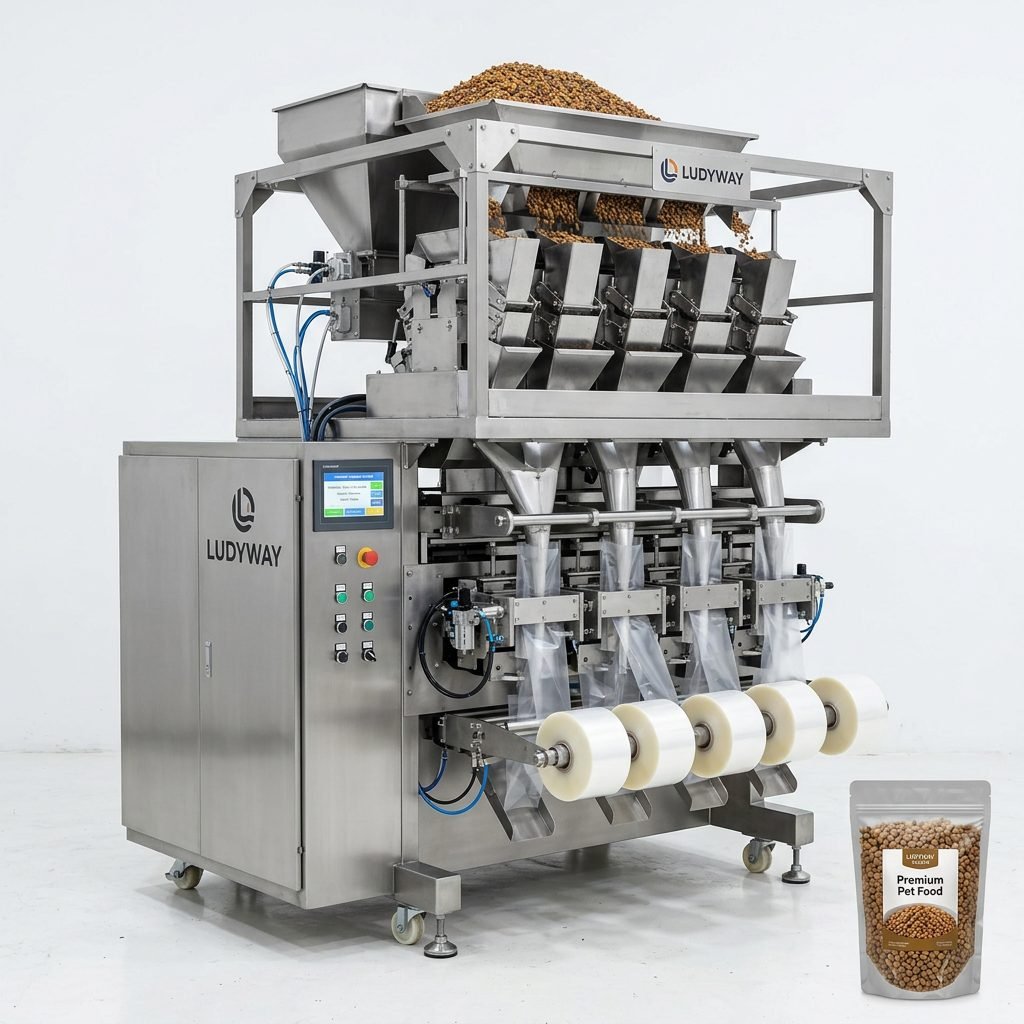
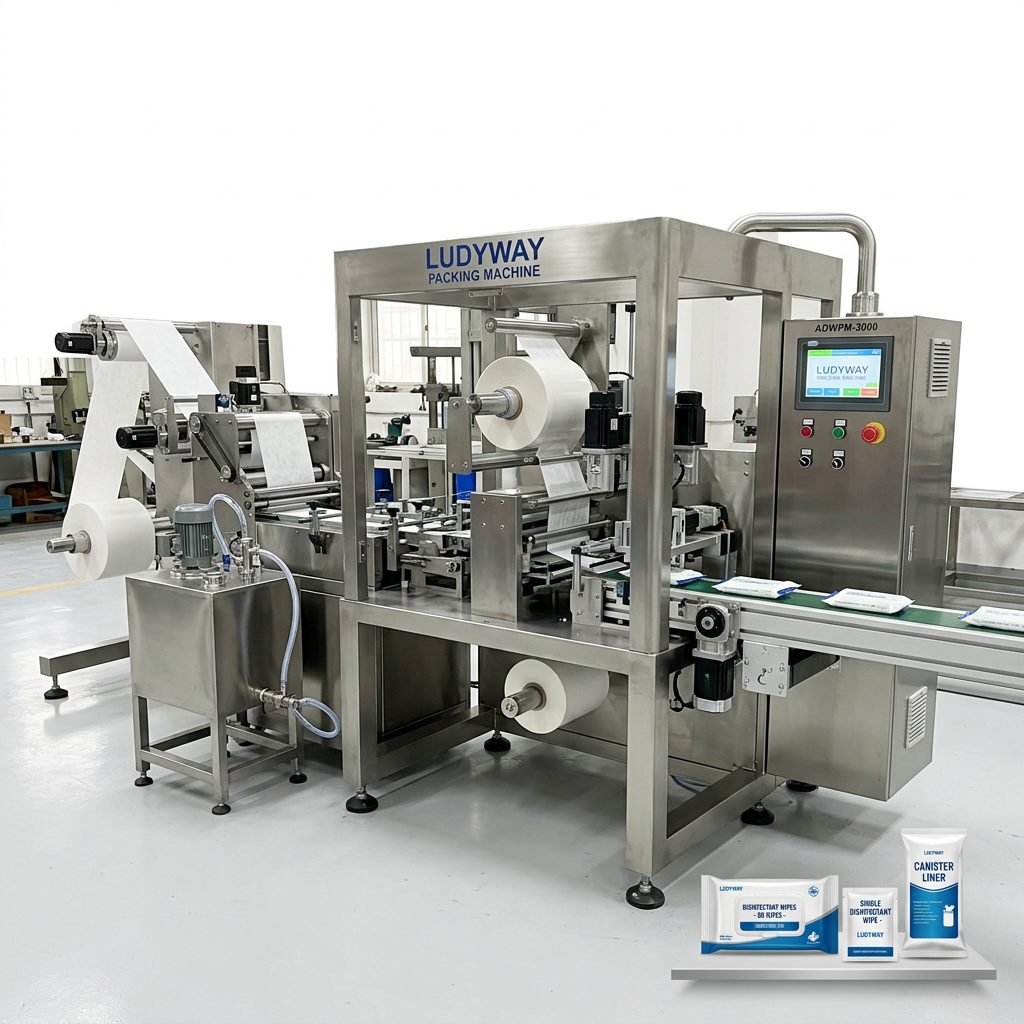
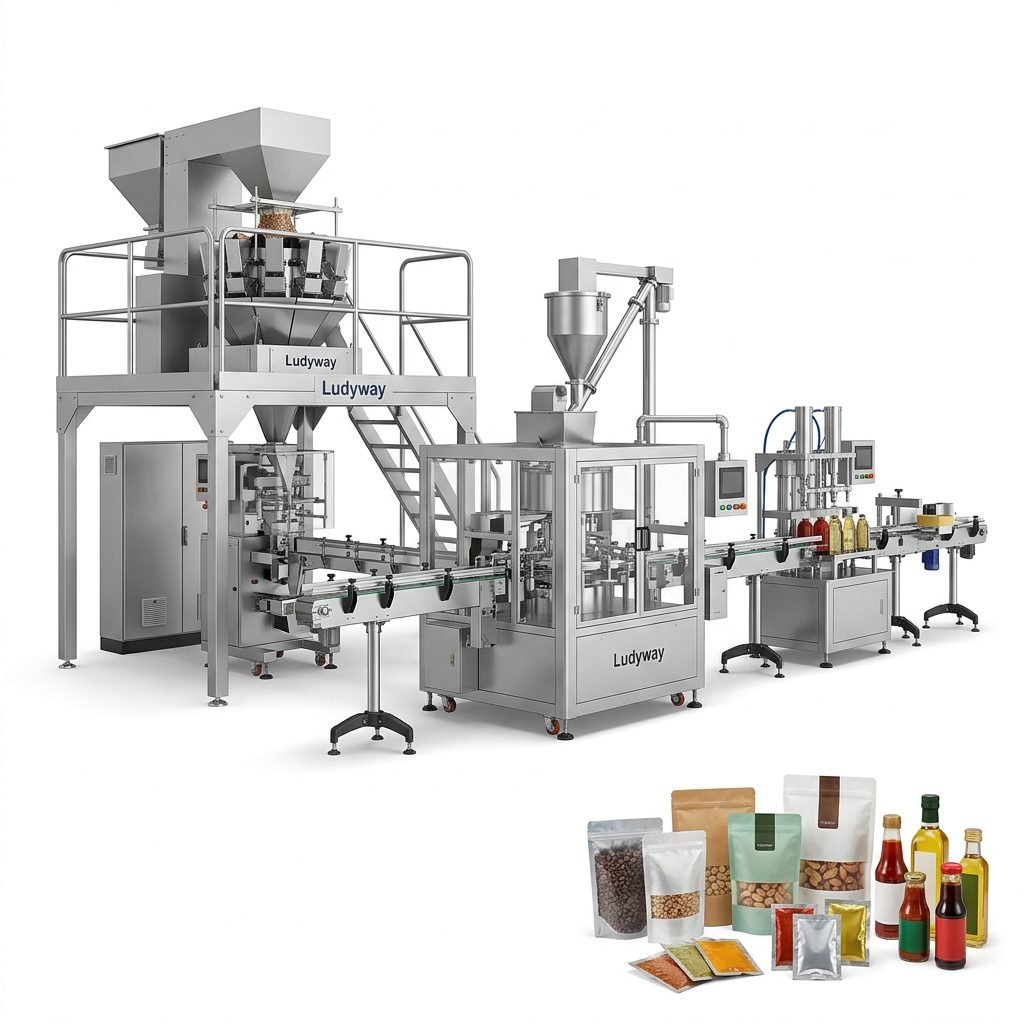
For businesses looking to scale or integrate packaging into a full production line, exploring turnkey packaging solutions from an experienced provider can offer seamless automation and efficiency gains.
Beyond the Machine: Service and Support
The longevity and performance of your investment depend heavily on the manufacturer’s support. Consider the warranty period, availability of spare parts (like seal bars and pump oil), and the provider’s technical expertise. A company with deep industry roots, like Ludyway Machinery with its decades of experience, can offer invaluable guidance, from machine selection to maintenance, ensuring your operation runs smoothly for years.
Final Checklist Before Purchase
- ✓ Confirm chamber dimensions fit your largest common product/bag.
- ✓ Verify pump specifications (m³/h, ultimate vacuum) match your product needs.
- ✓ Ensure seal bar type (single/double) and length are appropriate.
- ✓ List required special functions (MAP, memory programs, automation).
- ✓ Assess build quality, materials (food-grade stainless steel), and ease of cleaning.
- ✓ Research the supplier’s reputation, warranty, and service network.
Frequently Asked Questions (FAQs)
1. What is the main difference between a chamber sealer and an external suction sealer?
An external sealer sucks air out through the bag’s open end, which can pull liquids and fine particles into the machine, damaging it and ruining the seal. A chamber sealer removes air from around the entire bag inside a sealed chamber, making it the only effective choice for liquid, moist, or powdery products.
2. Can I use any plastic bags with a Henky chamber vacuum machine?
No. You must use bags specifically designed for chamber vacuum machines. These bags have a textured (embossed) surface that creates microscopic channels for air to escape during the vacuum process. Using smooth bags will prevent proper air evacuation.
3. How often does the vacuum pump require maintenance?
Maintenance frequency depends on usage and pump type. Oil-lubricated rotary vane pumps require regular oil changes (as per the manual, often after 50-100 hours of operation). Oil-free pumps have less maintenance but may have different performance characteristics. Always follow the manufacturer’s maintenance schedule.
4. Is Modified Atmosphere Packaging (MAP/Gas Flushing) necessary for my business?
MAP is crucial if you need to preserve the original color and texture of products like fresh red meat, delicate seafood, or certain baked goods. It replaces oxygen with inert gases to slow oxidation. For general shelf-life extension through vacuum alone, a standard model may suffice.
5. What should I do if the machine fails to create a strong vacuum or the seal is weak?
First, check the most common issues: ensure the chamber lid gasket is clean and undamaged, confirm you are using correct chamber bags, check that the seal bar is clean and free of debris, and verify the bag is placed correctly over the seal bar. If problems persist, consult the troubleshooting guide or contact your supplier’s technical support.