Selecting the right honey stick packaging machine is a critical decision for producers aiming to scale their operations, ensure product integrity, and meet market demands efficiently. An automatic honey filling and sealing solution not only boosts productivity but also guarantees consistency, hygiene, and a professional finish that consumers trust. This guide will walk you through the key factors to consider when choosing the best equipment for your honey packaging needs.
Understanding Honey Stick Packaging Machines
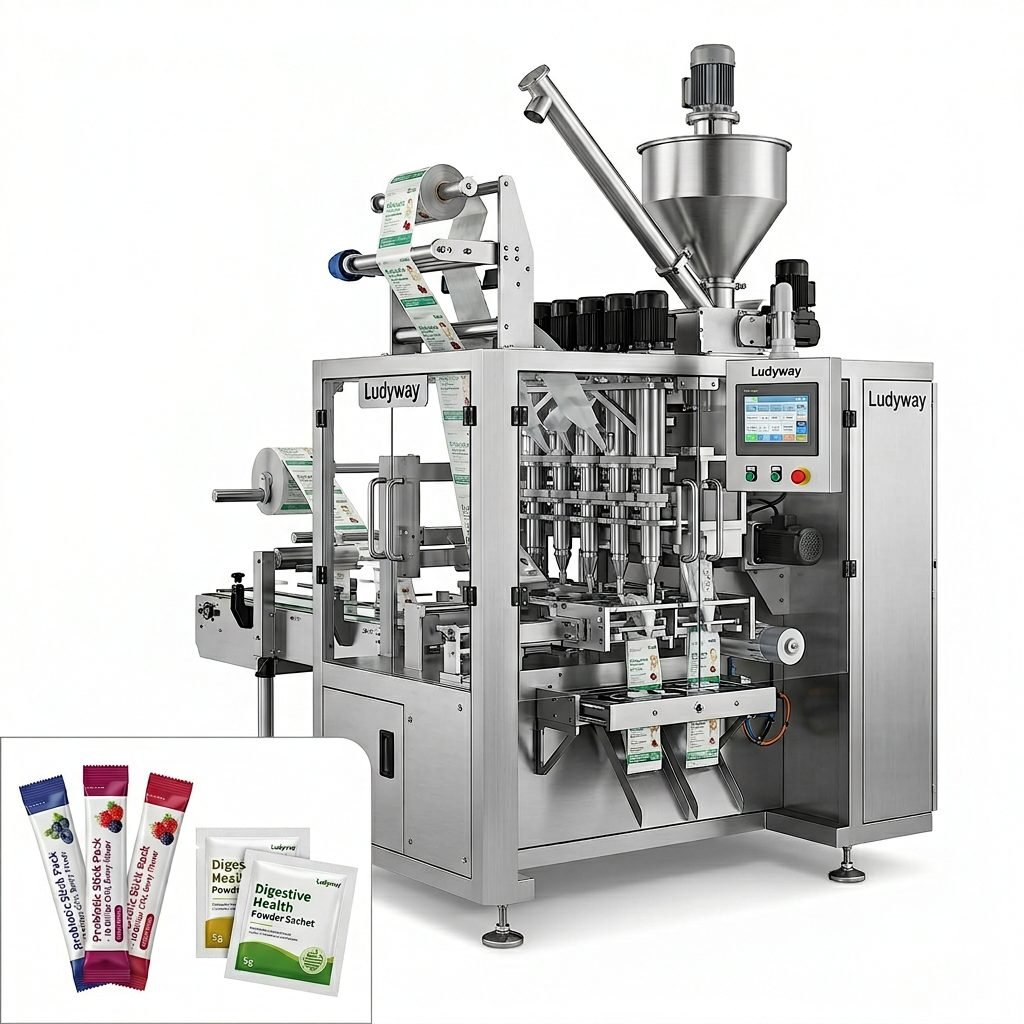
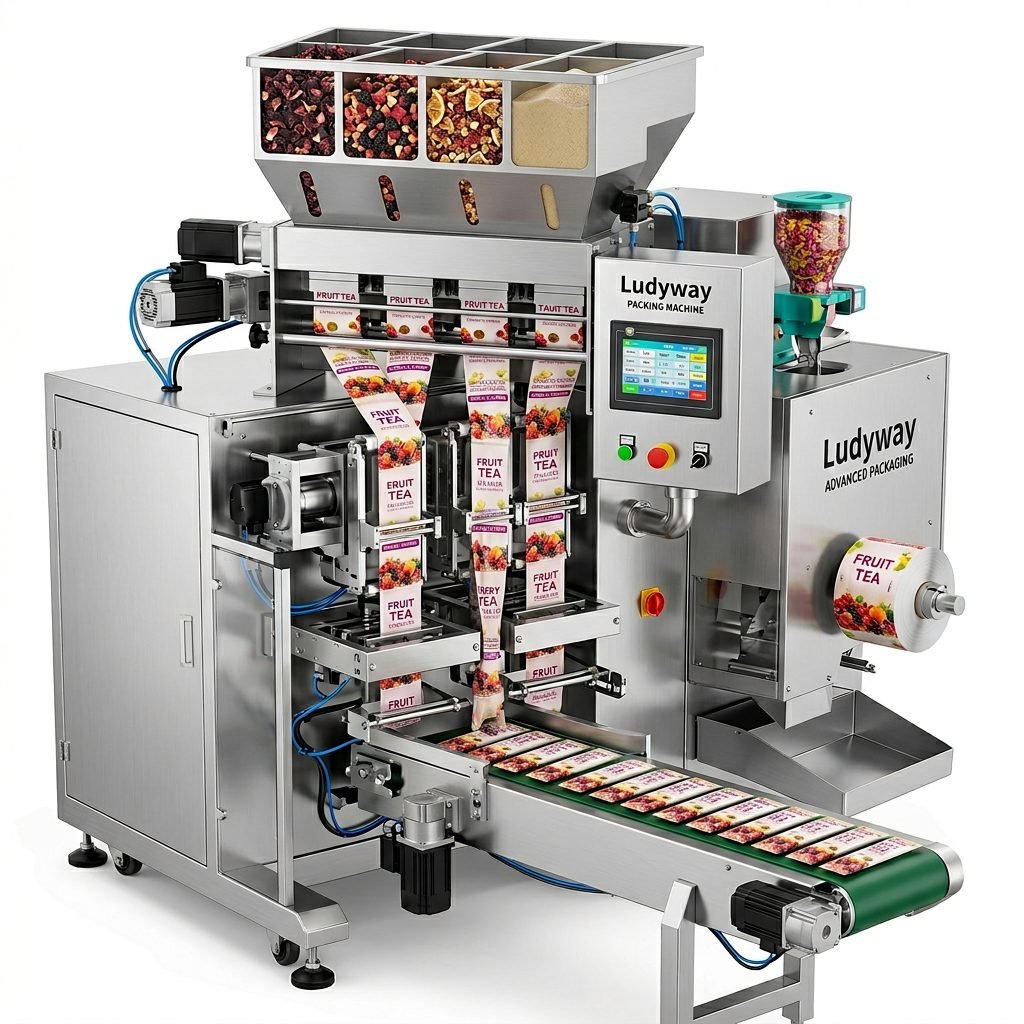
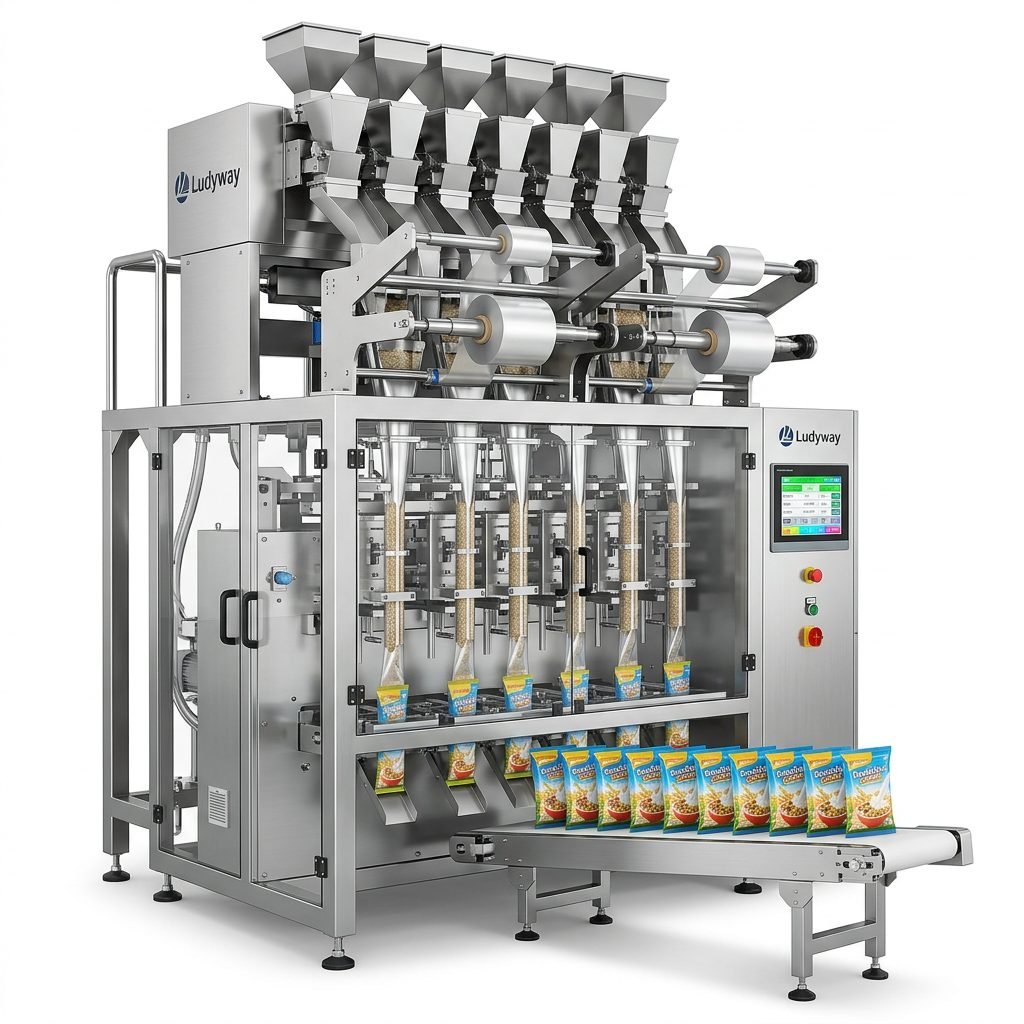
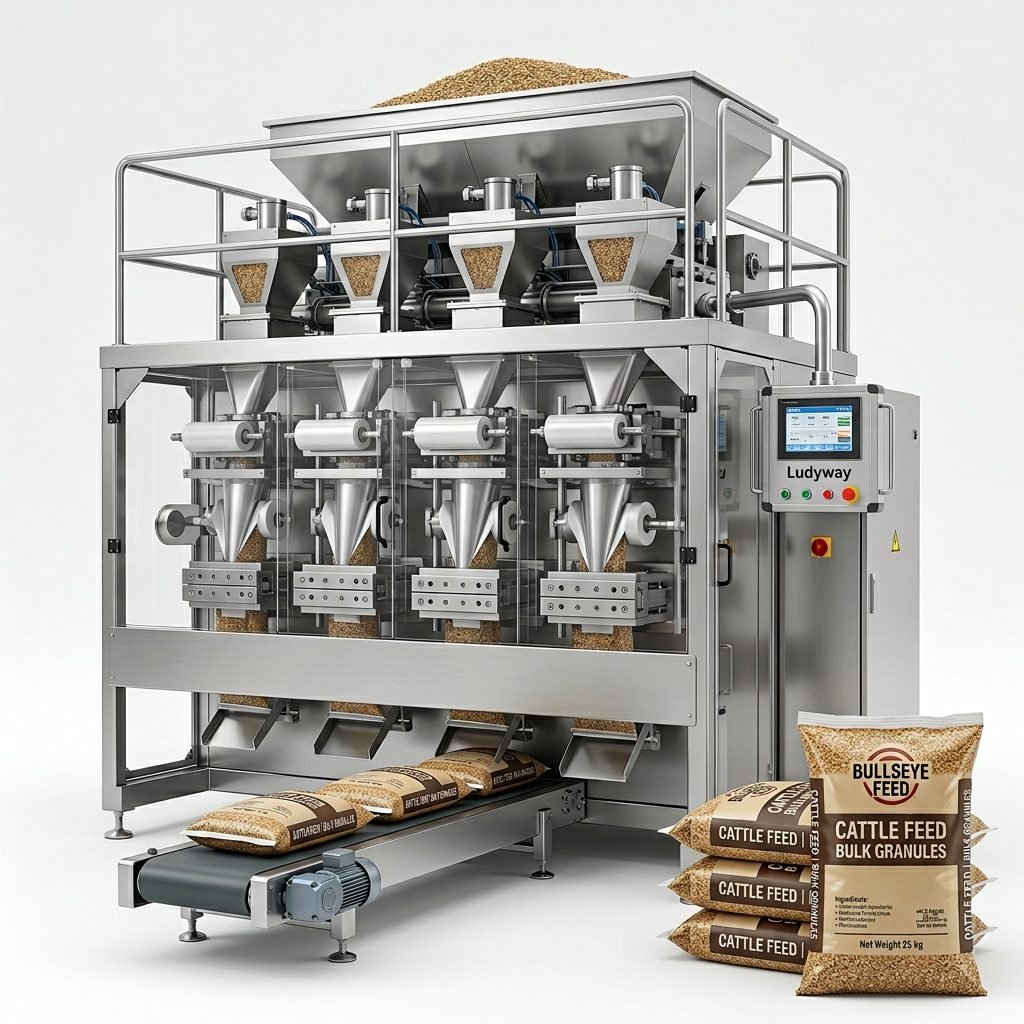
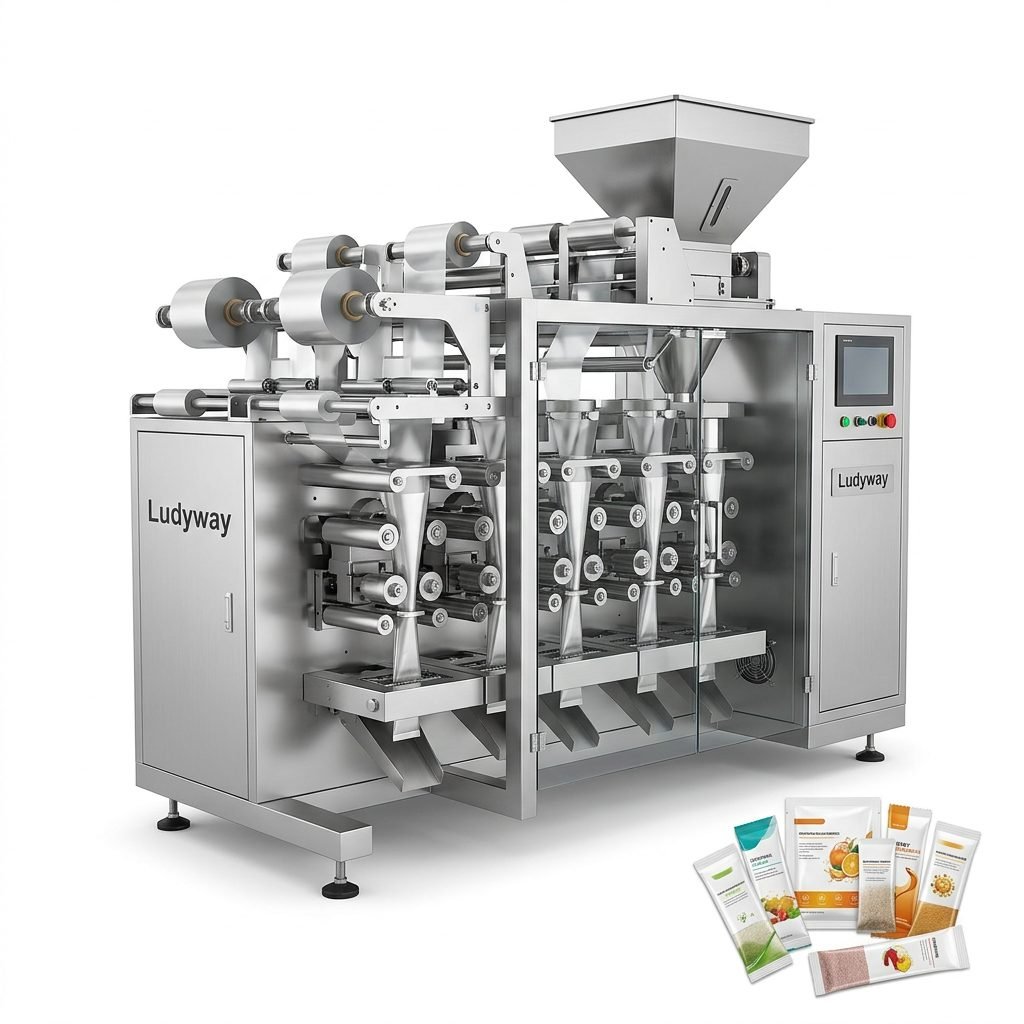
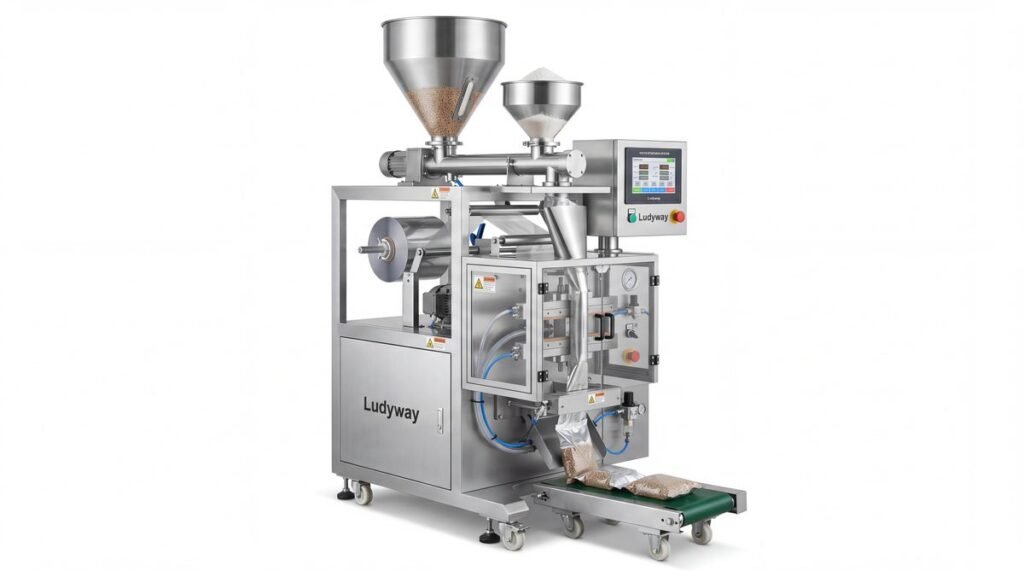
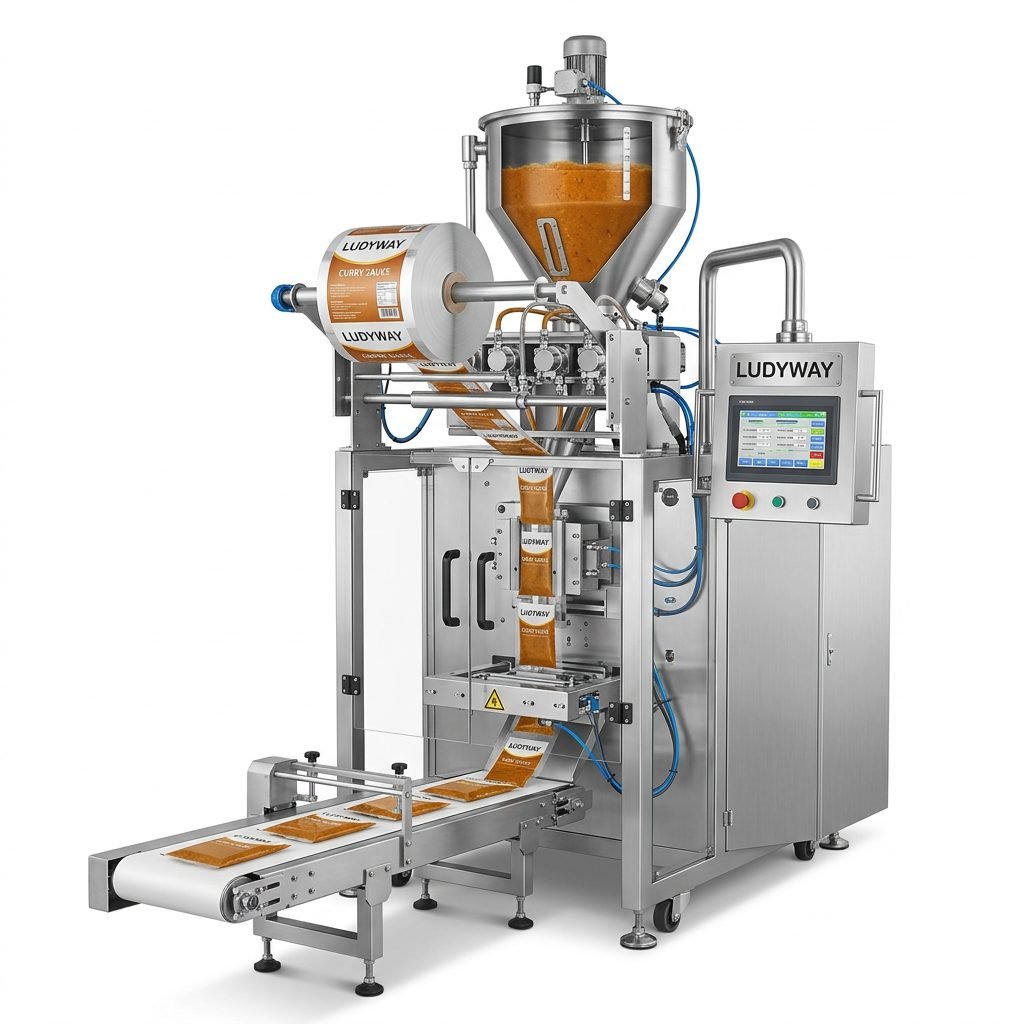
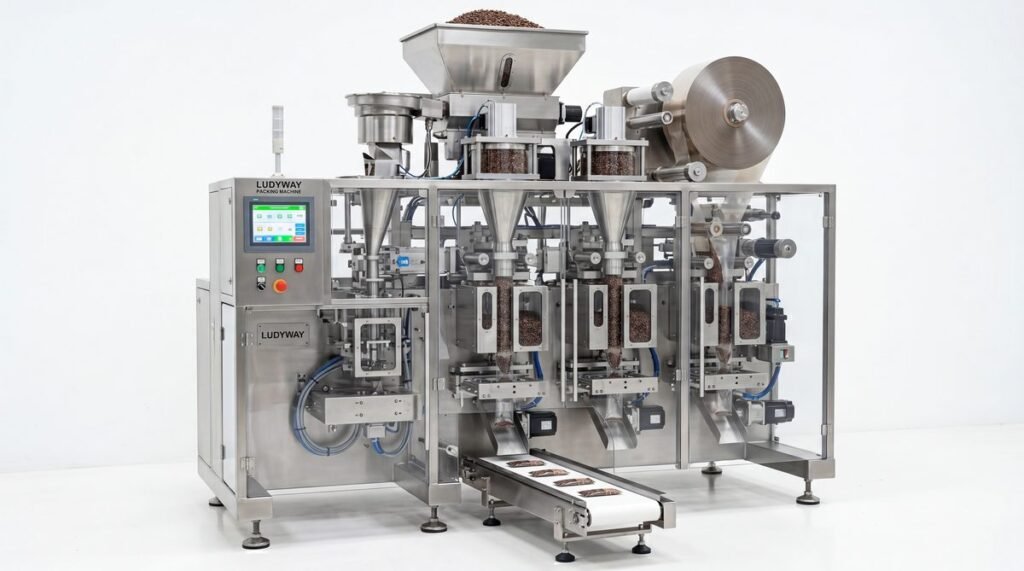
An automatic honey stick packaging machine is a specialized form of vertical form-fill-seal (VFFS) equipment designed to produce single-serve stick packs. The process involves forming a tube from a roll of packaging film, precisely metering and filling a pre-set volume of honey, and then sealing and cutting the film to create individual sticks. Modern machines are fully automated, integrating functions like film feeding, filling, sealing, coding, and counting into one continuous, high-speed operation.
Core Advantages of Automation
Transitioning from manual or semi-automatic methods to a fully automatic system offers transformative benefits:
• Dramatically Increased Output: Machines can produce thousands of sticks per hour, far surpassing manual capabilities.
• Unmatched Consistency: Every stick receives an identical fill volume, ensuring product uniformity and compliance with net weight regulations.
• Superior Hygiene & Reduced Waste: A closed, automated process minimizes human contact with the product and packaging materials, enhancing food safety and reducing spillage.
• Labor Savings & Operational Efficiency: One operator can manage the entire production line, freeing up staff for other tasks and lowering long-term labor costs.
Key Factors for Choosing the Best Machine
Not all packaging machines are created equal. Your choice must align with your specific product characteristics, production goals, and business environment. Here are the essential criteria to evaluate.
1. Production Capacity & Speed Requirements
Your required output is the primary driver. Machines are rated by sticks-per-minute (SPM) or sticks-per-hour (SPH).
- Low to Mid-Volume: For startups or smaller brands, a machine with a speed of 60-120 SPM might be sufficient.
- High-Volume Commercial Production: Established manufacturers often need equipment capable of 200-400 SPM or higher. Consider if the machine can run continuously for 8+ hour shifts.
It’s wise to choose a machine with slightly more capacity than your current needs to accommodate future growth.
2. Filling Accuracy and Technology
Honey’s viscosity can vary with temperature and type, making precise filling a technical challenge. The filling system is the heart of the machine.
Piston Filler: The industry standard for viscous liquids like honey. A piston draws a precise volume from a hopper and injects it into the forming tube. Look for:
- Stainless steel pistons and cylinders for durability and easy cleaning.
- Micro-adjustable piston stroke for fine-tuning fill volume.
- Multiple piston heads for higher speed (e.g., dual or quad piston systems).
Accuracy should be within ±1% to ensure you are not giving away product or falling short of labeled weight.
3. Machine Construction and Hygiene Design
Honey is a food product, so the machine must meet stringent hygiene standards.
Material Contact Parts: All parts touching the product (hopper, filler, nozzles, funnels) must be made of food-grade 304 or 316 stainless steel. This material is corrosion-resistant, non-toxic, and easy to sanitize.
Frame and Covers: A robust, powder-coated or stainless steel frame ensures stability. Smooth, rounded surfaces and easily removable panels facilitate quick cleaning and prevent bacterial harborage.
4. Packaging Material Compatibility
The machine must be compatible with your chosen stick pack film. Key considerations include:
- Film Structure: Common laminates for honey include PET/ALU/PE or PET/MPET/PE, which provide excellent barrier properties against moisture and oxygen.
- Sealing Method: Most machines use hot-bar sealing with precise temperature control (adjustable for different film layers) to create strong, leak-proof seals.
- Film Width & Thickness Range: Ensure the machine can handle the roll width and gauge (thickness) of your material.
Some advanced machines offer gas flushing (nitrogen injection) before sealing to extend shelf life by removing oxygen from the pack.
Pro Tip: The Importance of a Test Run
Before finalizing your purchase, always request a factory acceptance test (FAT) or a video demonstration using your actual honey and packaging material. This is the only way to verify real-world performance, filling accuracy, seal integrity, and speed with your specific product.
5. Automation Level and Ease of Use
Consider the operator interface and level of automation.
Control System: A modern PLC (Programmable Logic Controller) with a touchscreen HMI (Human-Machine Interface) is essential. It should allow for easy parameter setting (fill volume, speed, seal temperature), recipe storage for different products, and provide clear fault diagnostics.
Additional Features: Look for value-adding automation like automatic film splicing (for non-stop production), date/batch coding integration, and automatic stick counting and bundling.
6. Supplier Reliability and After-Sales Support
The machine is a long-term investment. The supplier’s reputation is as important as the equipment itself.
Choose a manufacturer with proven experience in liquid and honey stick packaging, like Ludyway Machinery. Key support aspects include:
- Comprehensive Warranty: Typically 12-24 months on major components.
- Technical Training & Installation Support: On-site or detailed remote training for your engineers.
- Availability of Spare Parts: Quick access to commonly wearing parts like sealing jaws, heater bands, and pistons.
- Responsive Service: Access to technical support via phone, email, or video call for troubleshooting.
Integrating Your Packaging Line
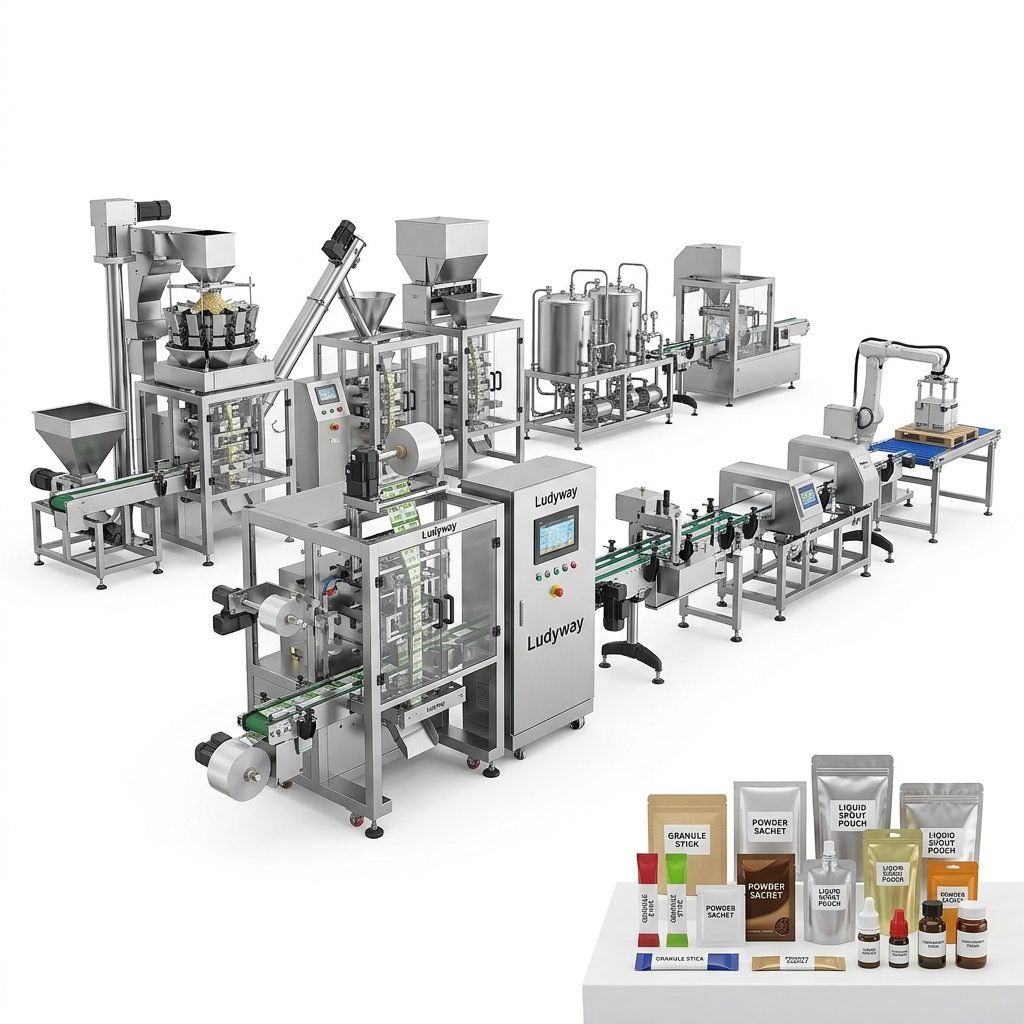
A stand-alone machine is often part of a larger system. For a complete turnkey solution, you may need upstream and downstream equipment:
Upstream: Honey storage tank, heating/mixing vessel (to maintain optimal viscosity), and a pump system to feed the machine’s hopper.
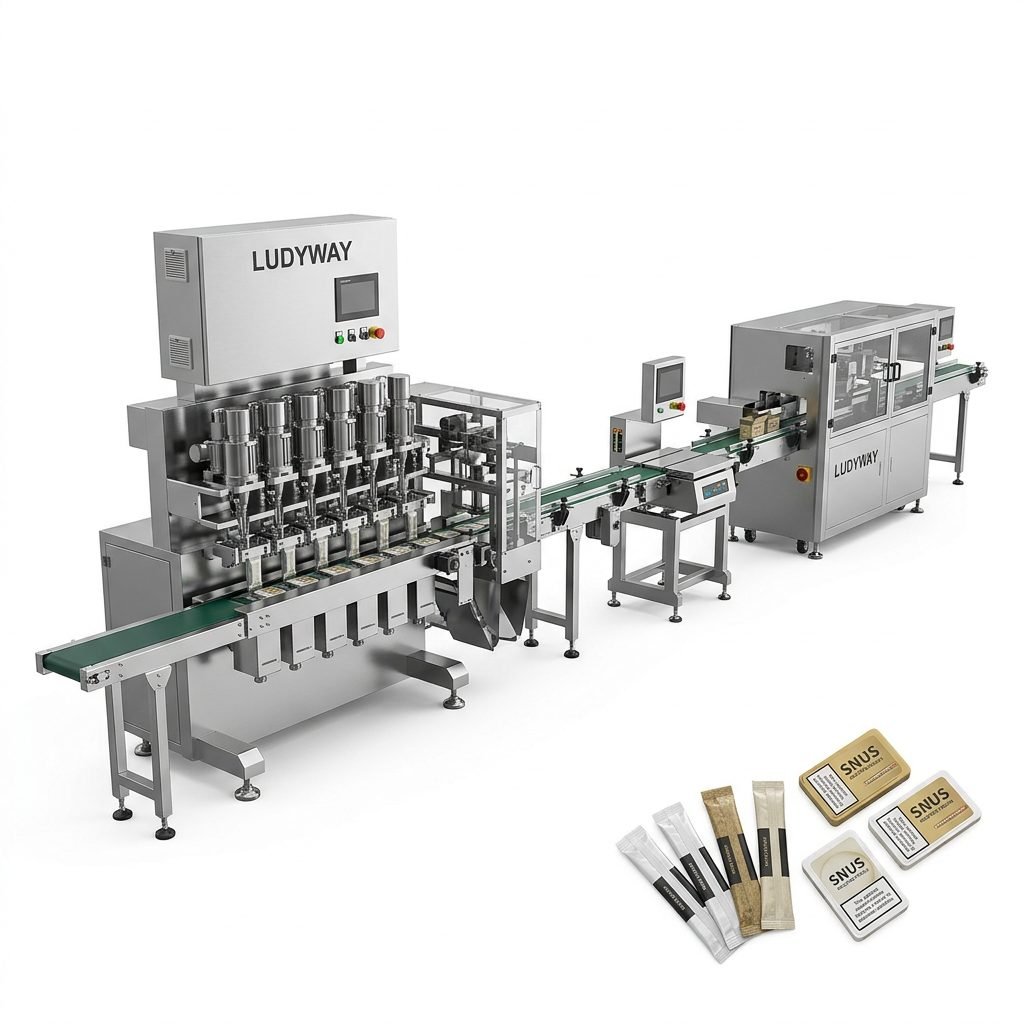
Downstream: Conveyors, checkweighers to verify fill weight, metal detectors for safety, and cartoning or boxing systems for secondary packaging. Reputable suppliers like Ludyway can provide integrated line solutions.
Conclusion
Investing in the best automatic honey stick packaging machine requires careful analysis of your speed, accuracy, hygiene, and compatibility needs. Prioritize robust construction from food-grade materials, precise piston filling technology, and a user-friendly PLC control system. Most importantly, partner with a reliable and experienced supplier who offers strong after-sales support and can demonstrate the machine’s performance with your specific product. This strategic investment will pay dividends through increased efficiency, consistent product quality, and a stronger brand reputation in the competitive honey market.
Frequently Asked Questions (FAQs)
Q1: What is the typical fill volume range for a honey stick machine?
Most standard machines are designed for fill volumes between 5ml and 25ml, which covers the common honey stick sizes. Special configurations can be made for smaller or larger volumes upon request.
Q2: Can one machine handle different types of honey (e.g., raw, creamed)?
Yes, a well-designed piston filler can handle various viscosities. However, significant changes in viscosity may require adjustments to the hopper temperature, piston speed, or nozzle size. Machines with recipe memory on the HMI make switching between products much faster.
Q3: How do I ensure the seals are strong and leak-proof?
Leak-proof seals depend on three factors: 1) Correct film material with a solid inner sealant layer (like PE), 2) Precisely controlled seal temperature and pressure from the machine’s hot jaws, and 3) Clean sealing surfaces free of honey residue. Regular maintenance and cleaning are crucial.
Q4: What is the lead time for purchasing and installing a new machine?
Lead times vary by manufacturer and customization level. For a standard model from an established supplier, expect approximately 8-14 weeks from order to delivery, including manufacturing, testing, and shipping. Installation and commissioning typically take an additional few days to a week.
Q5: What kind of maintenance does an automatic honey stick machine require?
Daily maintenance includes cleaning all product-contact parts and wiping down the machine. Weekly tasks might involve lubricating specific moving parts (with food-grade lubricant) and checking seal jaw alignment. Periodic maintenance (every 6-12 months) includes inspecting and potentially replacing wear parts like piston seals, O-rings, and heater bands. Always follow the manufacturer’s maintenance schedule provided in the manual.