Selecting the right macaroni packaging machine is a critical decision for food manufacturers. The right equipment not only ensures product protection and shelf appeal but also directly impacts production efficiency, operational costs, and overall profitability. This comprehensive guide will walk you through the different types of macaroni packaging machines, their key benefits, and a detailed framework to help you choose the perfect solution for your production line.
Understanding Macaroni Packaging Machine Types
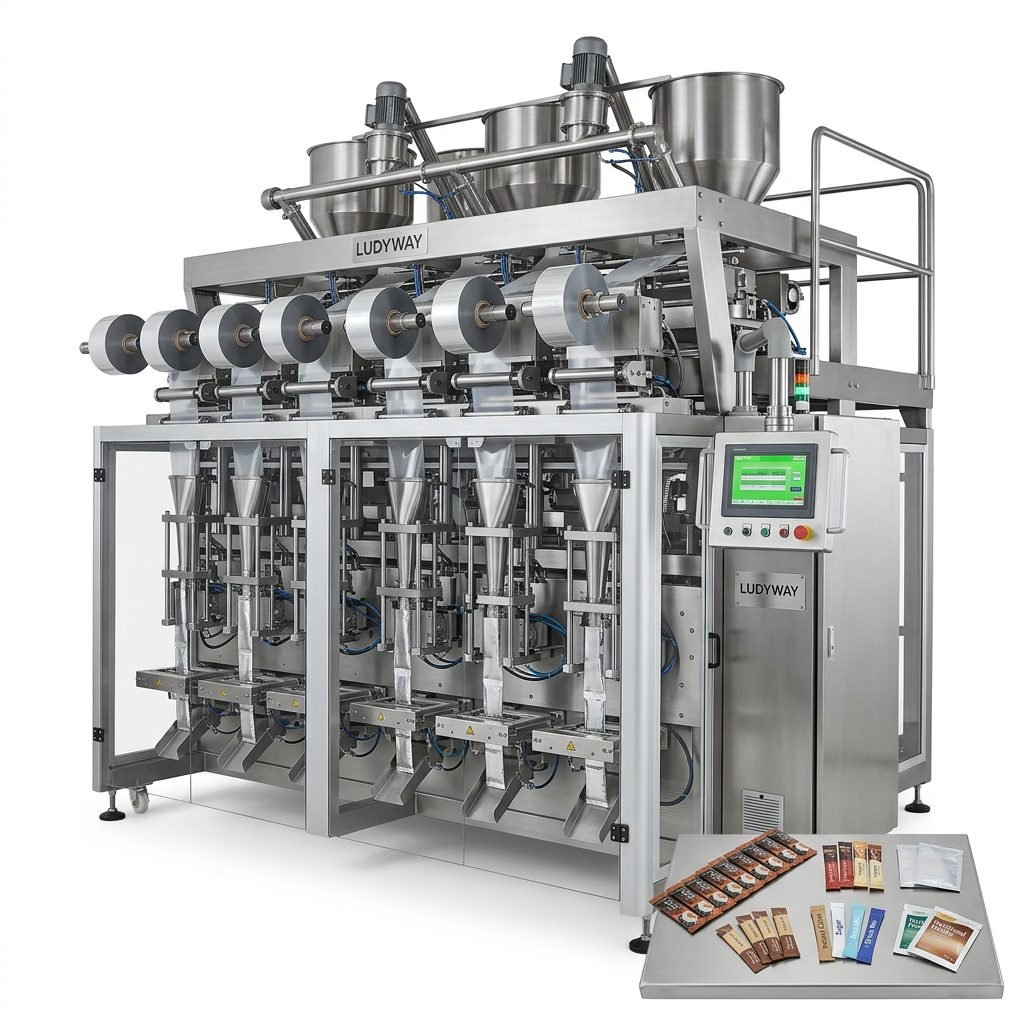
The packaging process for macaroni, with its various shapes like elbows, shells, and penne, requires specialized machinery. The primary function is to accurately weigh, fill, and seal the product into bags or pouches. Here are the main types of machines used in the industry.
Vertical Form-Fill-Seal (VFFS) Machines
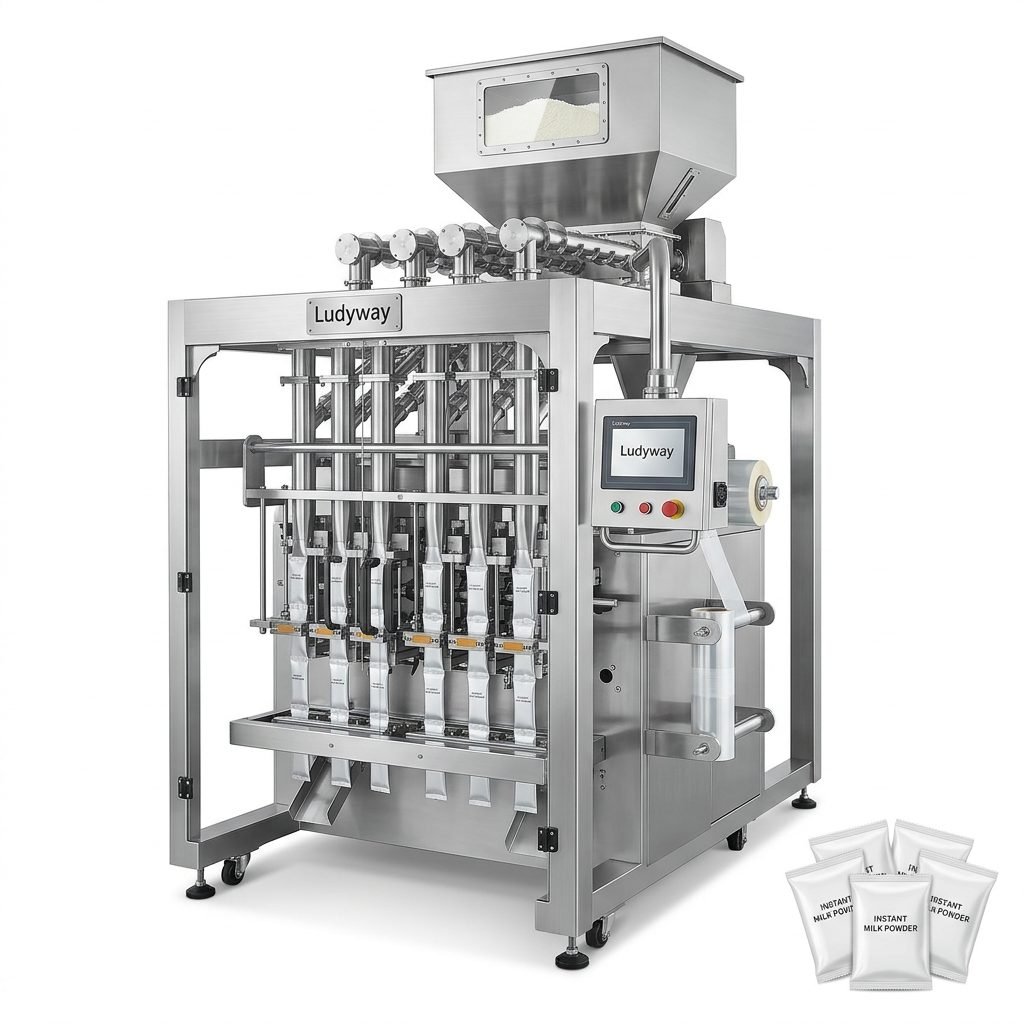
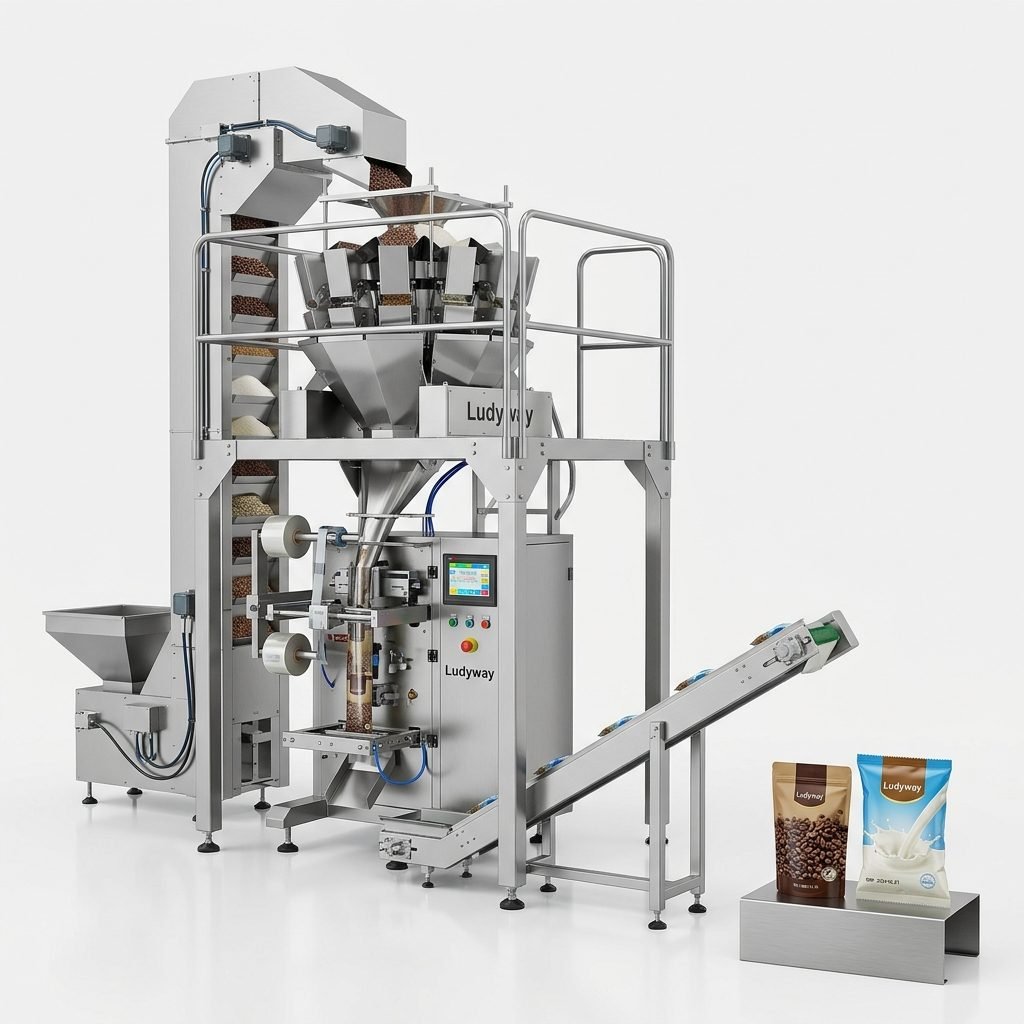
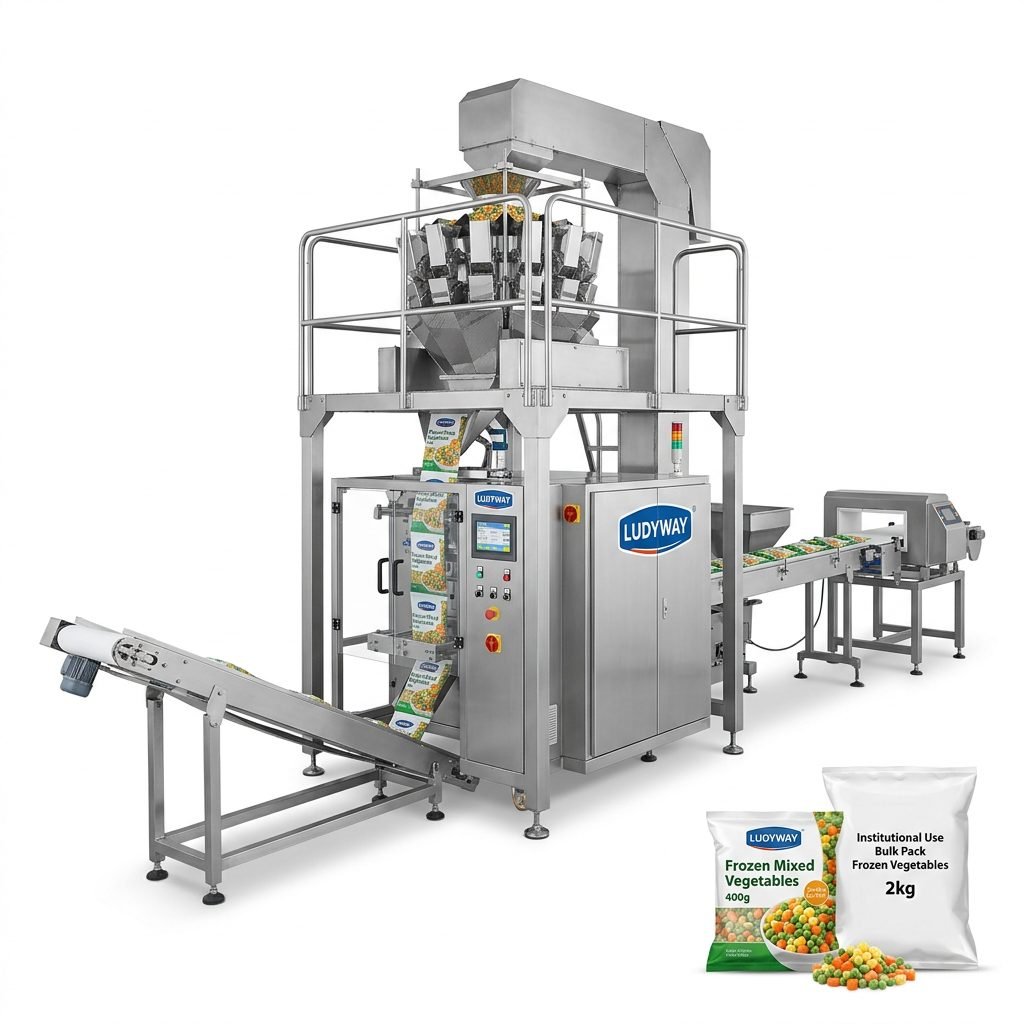
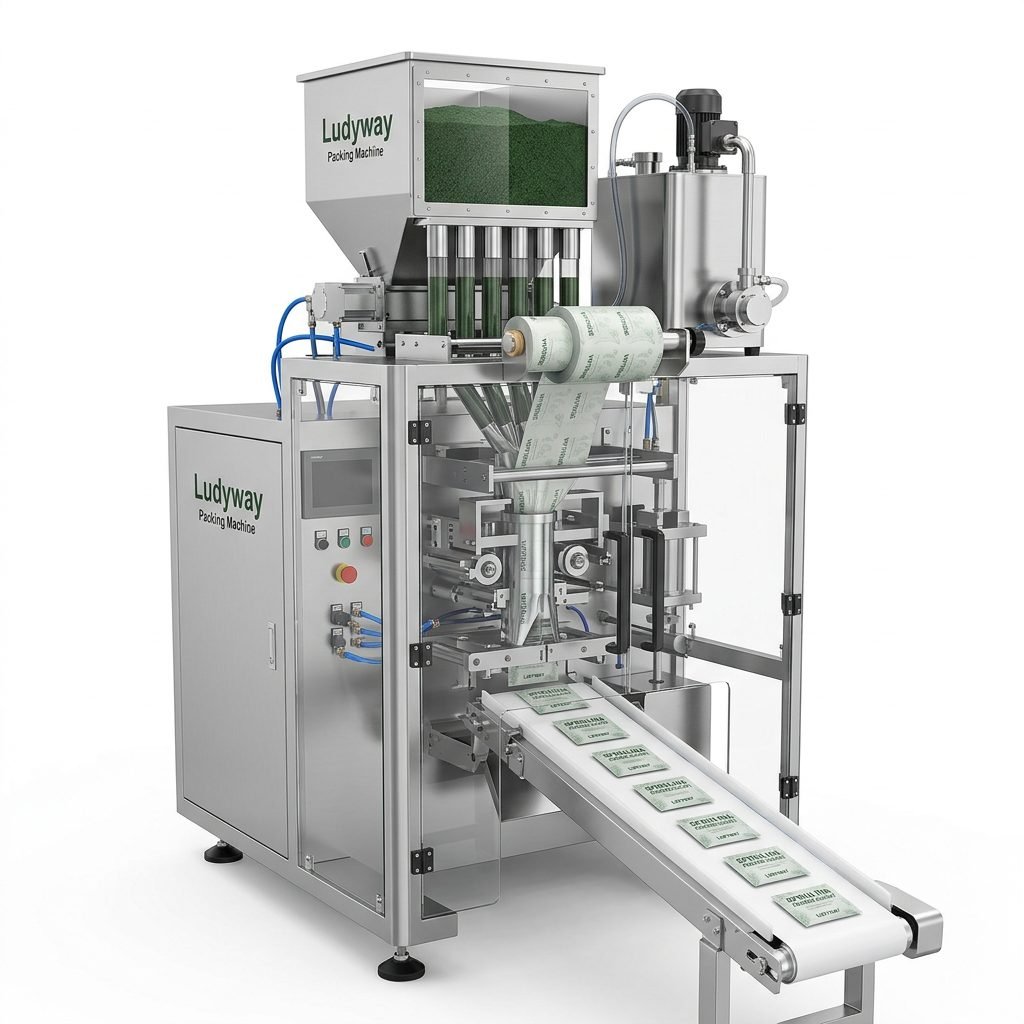
These are the most common machines for packaging dry goods like pasta. A VFFS machine forms a bag from a roll of film, fills it with a pre-measured amount of macaroni, and then seals it. They are highly versatile and efficient for medium to high-speed production runs. Modern VFFS systems often feature multi-head weighers for exceptional speed and accuracy, crucial for maintaining consistent net weight.
Pre-Made Pouch Machines
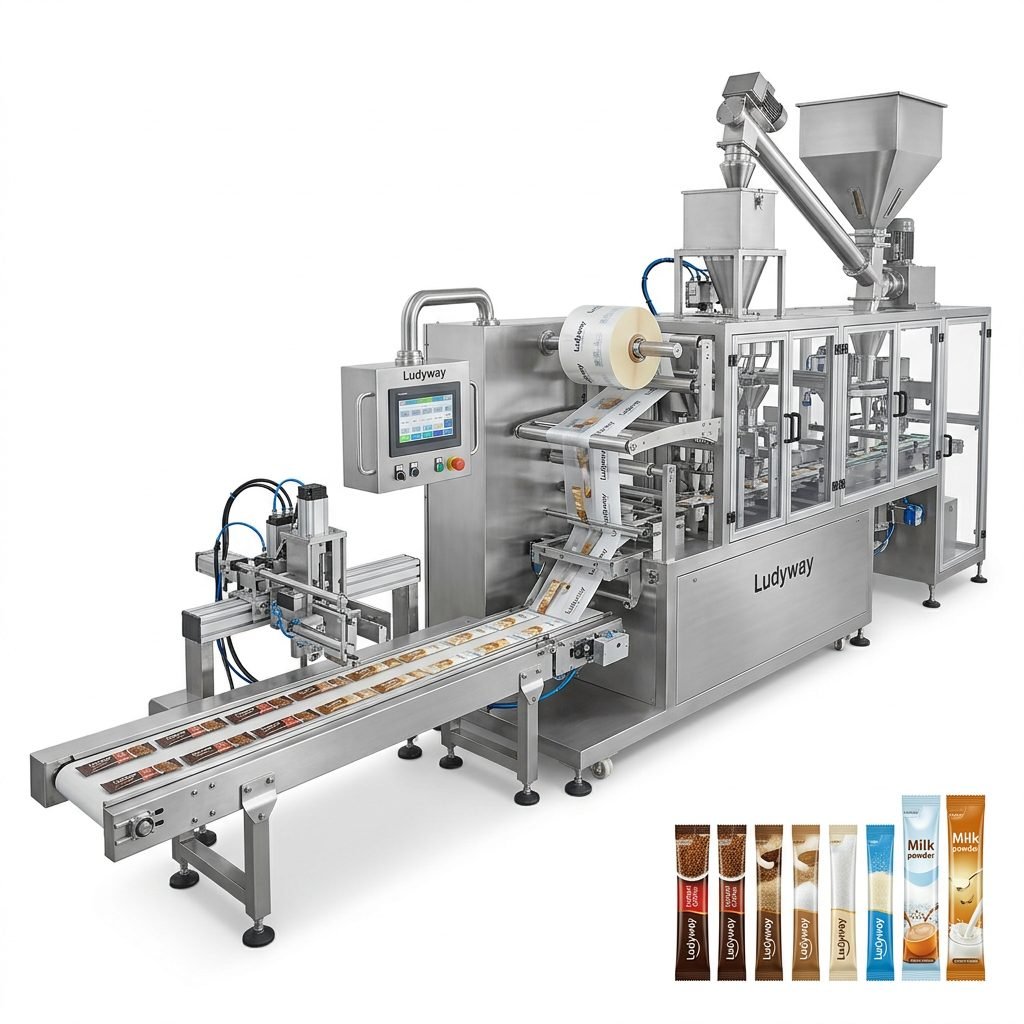
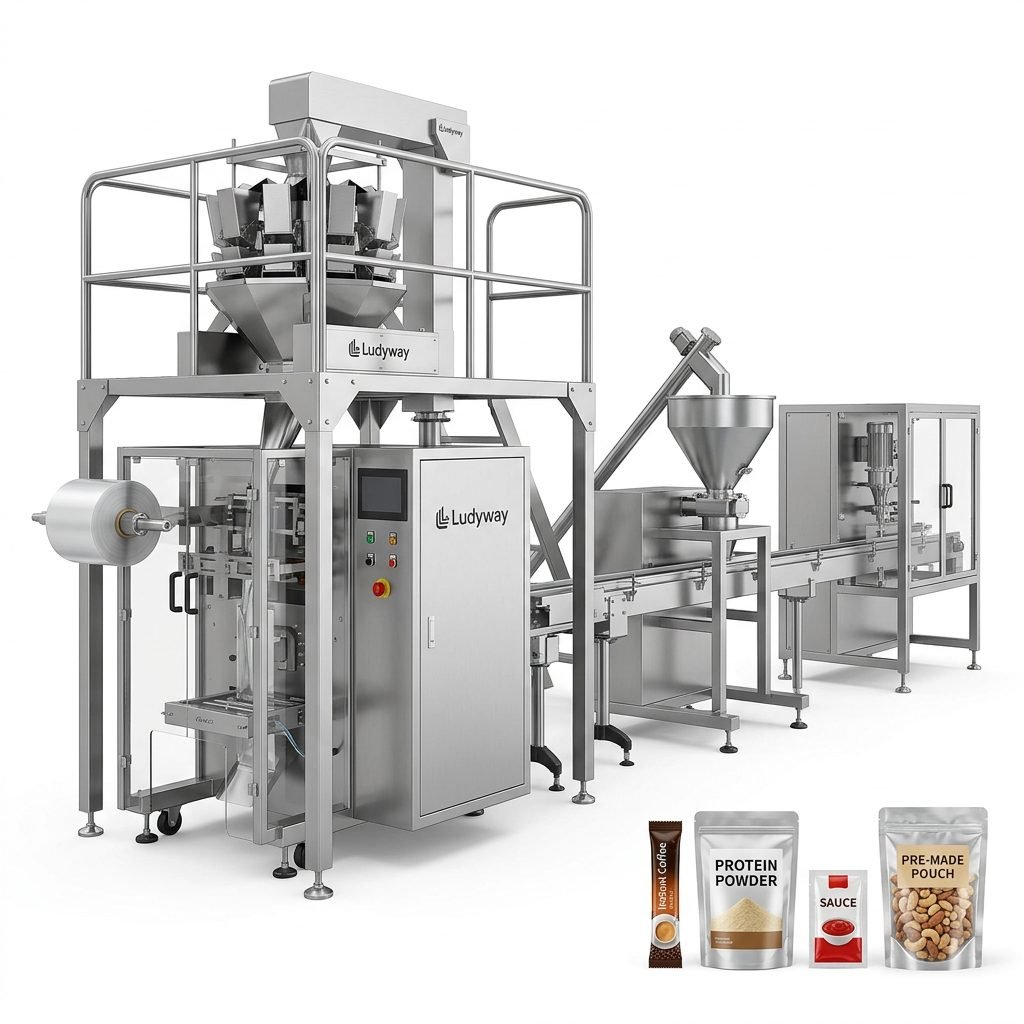
This type of machine uses pre-formed, often stand-up, pouches. The process involves opening the pouch, filling it with macaroni, and then sealing it. This method is ideal for creating premium, retail-ready packaging with excellent graphics and structural integrity. It’s a preferred choice for brands focusing heavily on shelf presence and consumer convenience.
Bulk Bagging Systems
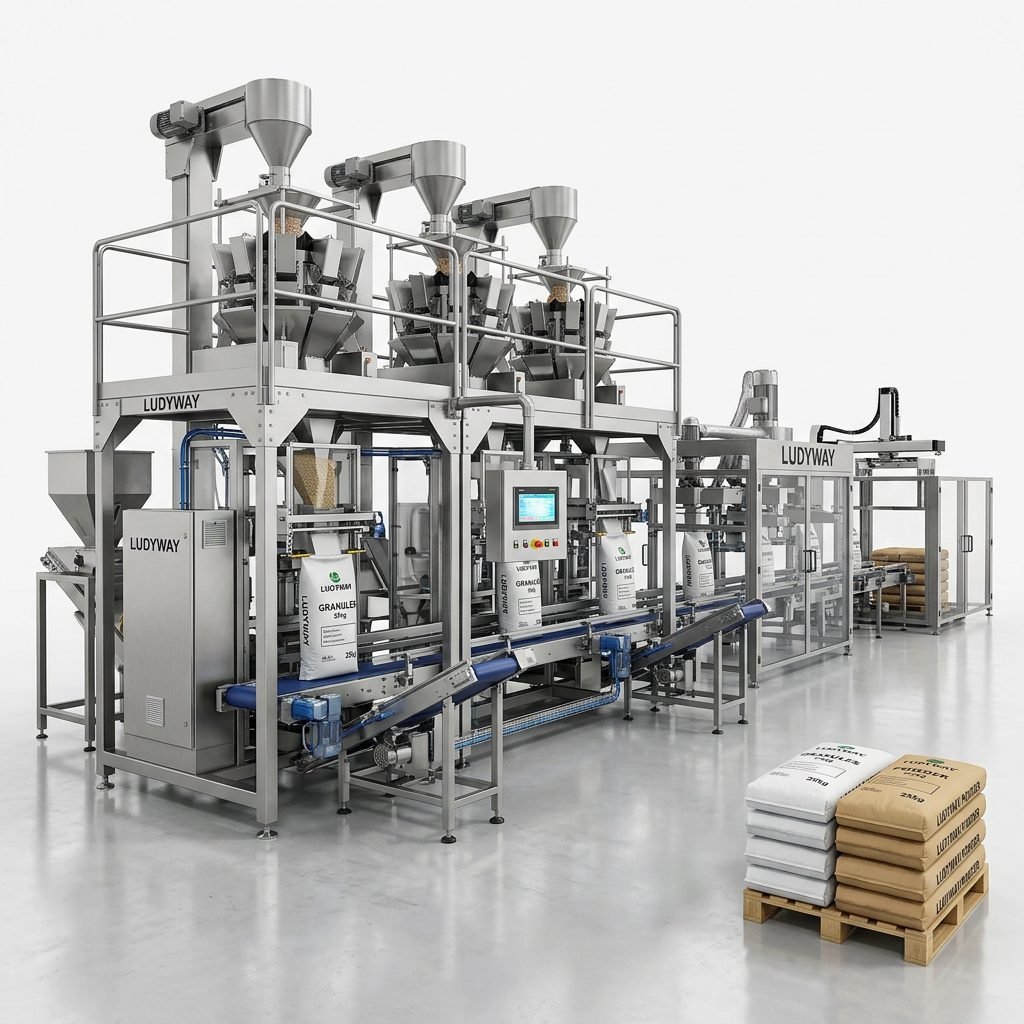
For food service or industrial-sized packages (e.g., 5kg, 10kg, 25lb bags), bulk bagging systems are used. These heavy-duty machines use open-mouth bags and employ robust weighing and filling mechanisms. They prioritize durability and high-volume output for the wholesale market.
Key Benefits of Automated Macaroni Packaging
Investing in an automated packaging line delivers significant advantages over manual or semi-automated processes.
Increased Production Speed & Efficiency: Automated machines can run continuously at high speeds, dramatically increasing your output and throughput. This allows you to meet larger orders and scale your business effectively.
Enhanced Accuracy and Consistency: Precision weighers and servo-driven systems ensure every package contains the exact target weight. This reduces product giveaway (overfilling) and protects against underfilling, which can lead to regulatory non-compliance and customer dissatisfaction.
Improved Product Hygiene and Safety: Automated, enclosed systems minimize human contact with the product. This is a fundamental requirement for food safety standards like HACCP, GMP, and FDA regulations, reducing the risk of contamination.
Significant Labor and Cost Savings: While the initial investment is higher, automation reduces long-term reliance on manual labor for repetitive tasks. This lowers operational costs, minimizes human error, and allows staff to be redeployed to more value-added roles.
Superior Packaging Quality: Automated systems produce clean, uniform, and professional seals every time. This improves the package’s barrier properties (keeping the macaroni fresh) and enhances the brand’s image on the retail shelf.
How to Choose the Right Macaroni Packaging Solution
Making the right choice requires a careful evaluation of your specific needs. Follow this step-by-step guide to ensure your investment pays off.
1. Assess Your Production Requirements
Start by defining your current and future needs. Key questions include:
• Output Speed: How many bags per minute (BPM) do you need? Consider peak demand periods.
• Package Size & Type: What are your primary bag sizes and styles (e.g., pillow bag, gusseted bag, stand-up pouch)?
• Product Characteristics: What are the exact shapes and sizes of macaroni you package? This affects the choice of feeding and weighing system.
2. Evaluate Machine Features and Technology
Not all machines are created equal. Focus on these core features:
• Weighing System: For macaroni, a multi-head linear or combination weigher is often the best choice for speed and accuracy with irregular shapes.
• Film Handling & Sealing: Look for robust film tracking and consistent sealing jaws that can handle the packaging material you plan to use.
• Construction & Hygiene: The machine should be built from food-grade materials (e.g., stainless steel contact parts) and designed for easy cleaning and maintenance.
3. Consider Integration and Support
Your new machine must work seamlessly within your existing line. Consider upstream equipment (e.g., pasta conveyors) and downstream systems (e.g., case packers, cartoners). Furthermore, the manufacturer’s support is critical. A provider like Ludyway Machinery, with over 30 years of industry experience, offers not just reliable equipment but also comprehensive technical support, spare parts availability, and assistance with line integration, ensuring minimal downtime and long-term reliability.
4. Analyze Total Cost of Ownership (TCO)
Look beyond the initial purchase price. Calculate the TCO by factoring in:
• Energy consumption
• Required maintenance and spare parts costs
• Expected lifespan and potential for upgrades
• Training requirements for your operators
A slightly higher initial investment in a robust, efficient machine from a reputable supplier often leads to much lower long-term costs.
5. Request a Live Product Test
Always insist on a live test using your actual macaroni product and packaging materials. This is the only way to verify the machine’s performance, speed, and accuracy in real-world conditions. It also allows your operators to see the machine in action and ask questions.
Partnering with an Expert Provider
Choosing a machinery partner is as important as choosing the machine itself. A partner with deep application knowledge in the food industry can provide invaluable guidance. For instance, working with a specialist who understands the challenges of packaging different pasta shapes can prevent costly mistakes. Providers with a strong global service network, like those offering packaging solutions for international markets, ensure you have support wherever your production is located. Their expertise in delivering turnkey production solutions can streamline your entire project from layout planning to commissioning.
Frequently Asked Questions (FAQs)
What is the typical speed range for a macaroni packaging machine?
Speeds vary widely based on the machine type and package size. A standard vertical form-fill-seal machine with a multi-head weigher can typically achieve speeds from 40 to over 120 bags per minute for smaller retail bags. Bulk baggers are slower but handle much larger volumes per cycle.
Can one machine handle different shapes of macaroni?
Yes, a well-designed machine can handle various shapes (elbows, shells, etc.). However, the feeding system (like vibratory trays) and sometimes the weighing buckets may need adjustment or changeover parts to optimize flow and accuracy for each specific shape. It’s crucial to discuss your full product range with the supplier.
How important is the weighing accuracy for macaroni packaging?
It is critically important. Overfilling (giveaway) directly eats into your profits, while underfilling violates labeling laws and can result in fines and customer complaints. High-precision weighers are essential for cost control and regulatory compliance.
What are the key maintenance requirements?
Regular daily cleaning to remove dust and product residue is essential. Periodic lubrication of moving parts, inspection of sealing jaws for wear, and calibration of the weighing system are standard maintenance tasks. Choosing a machine with easy access for cleaning and maintenance will significantly reduce downtime.
Should I choose a single machine or a complete integrated line?
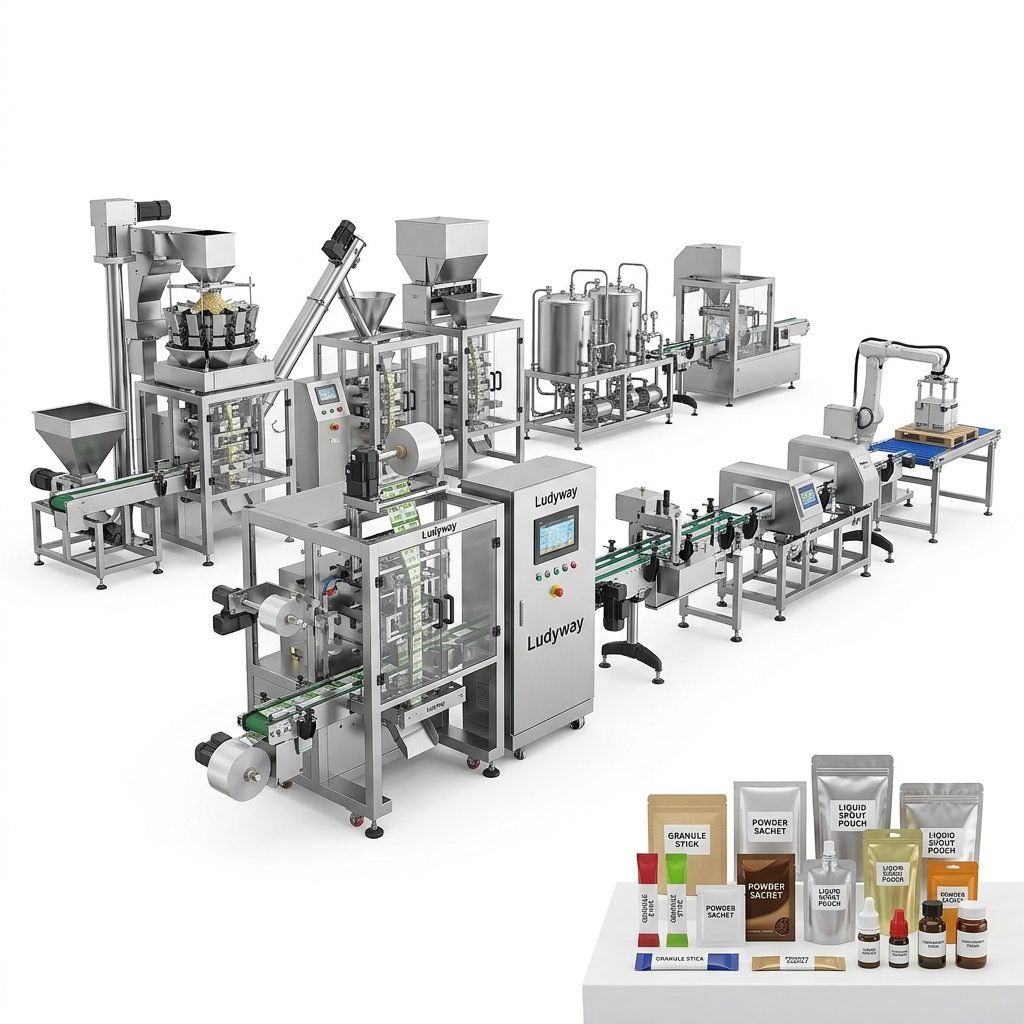
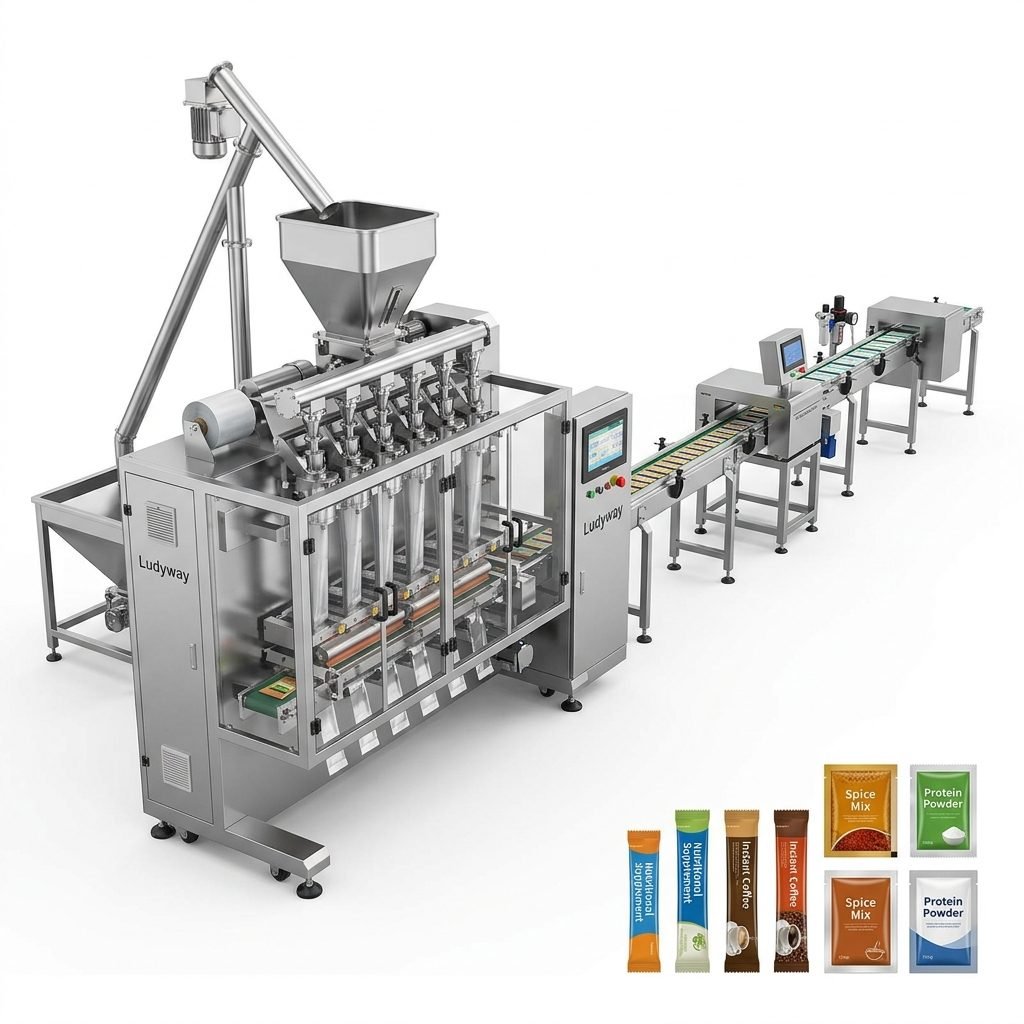
This depends on your scale and goals. A single packaging machine is suitable for upgrading an existing line. A complete integrated line, which might include conveyors, checkweighers, and case packers, is ideal for new facilities or major expansions as it ensures optimal harmony between all stages of the packaging process, maximizing overall efficiency.