In the rapidly growing market for healthy snacks, makhana (fox nuts) has gained significant popularity due to its nutritional benefits. For producers looking to scale their operations and ensure product quality, selecting the right makhana packaging machine is a critical decision. This guide explores the various types of automatic packing solutions available, discusses key pricing factors, and provides a detailed framework to help you choose the ideal system for your production needs.
Key Takeaway
The right packaging machinery is not just about sealing a product; it’s about preserving freshness, enhancing shelf appeal, optimizing production speed, and ultimately protecting your brand’s reputation in a competitive market.
Understanding Different Types of Makhana Packaging Machines
The packaging process for makhana can vary based on product form (raw, roasted, spiced), portion size, and target market. Here are the primary types of automated machines used in the industry.
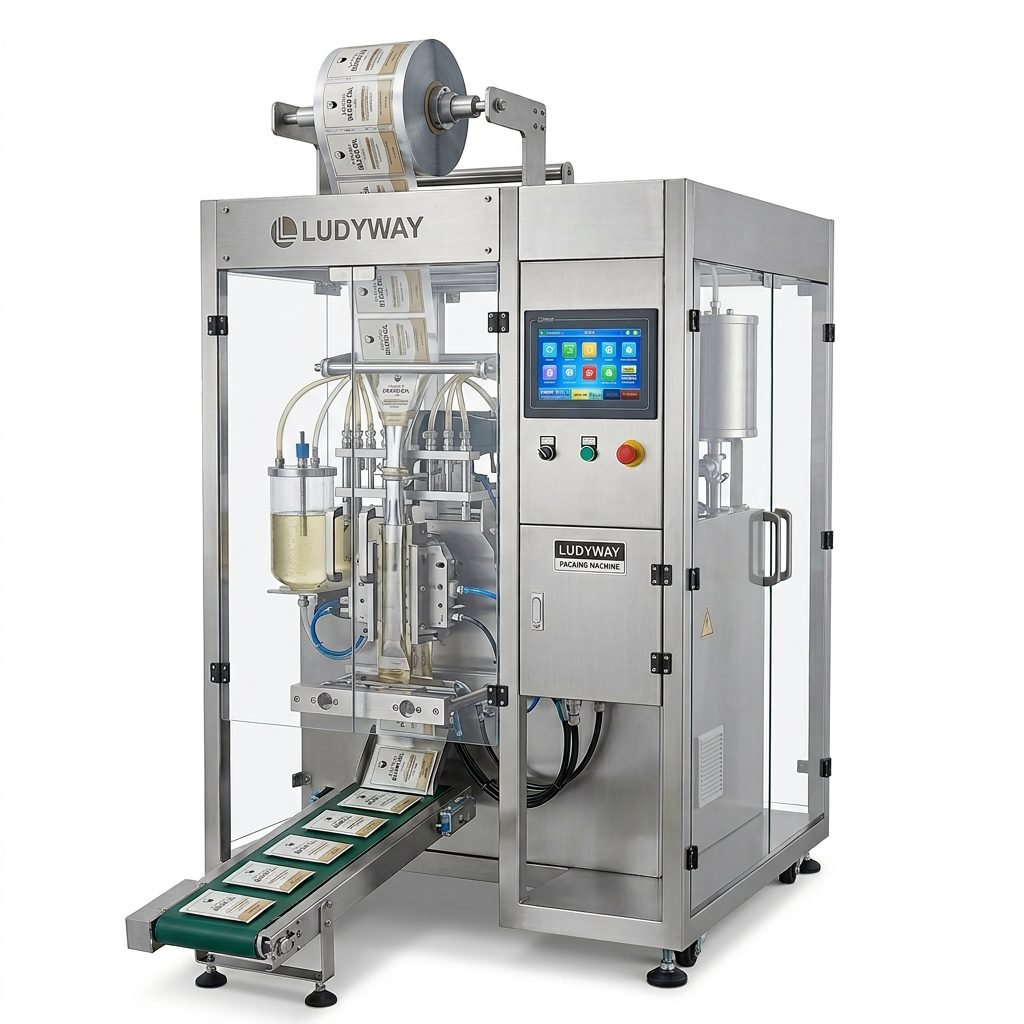
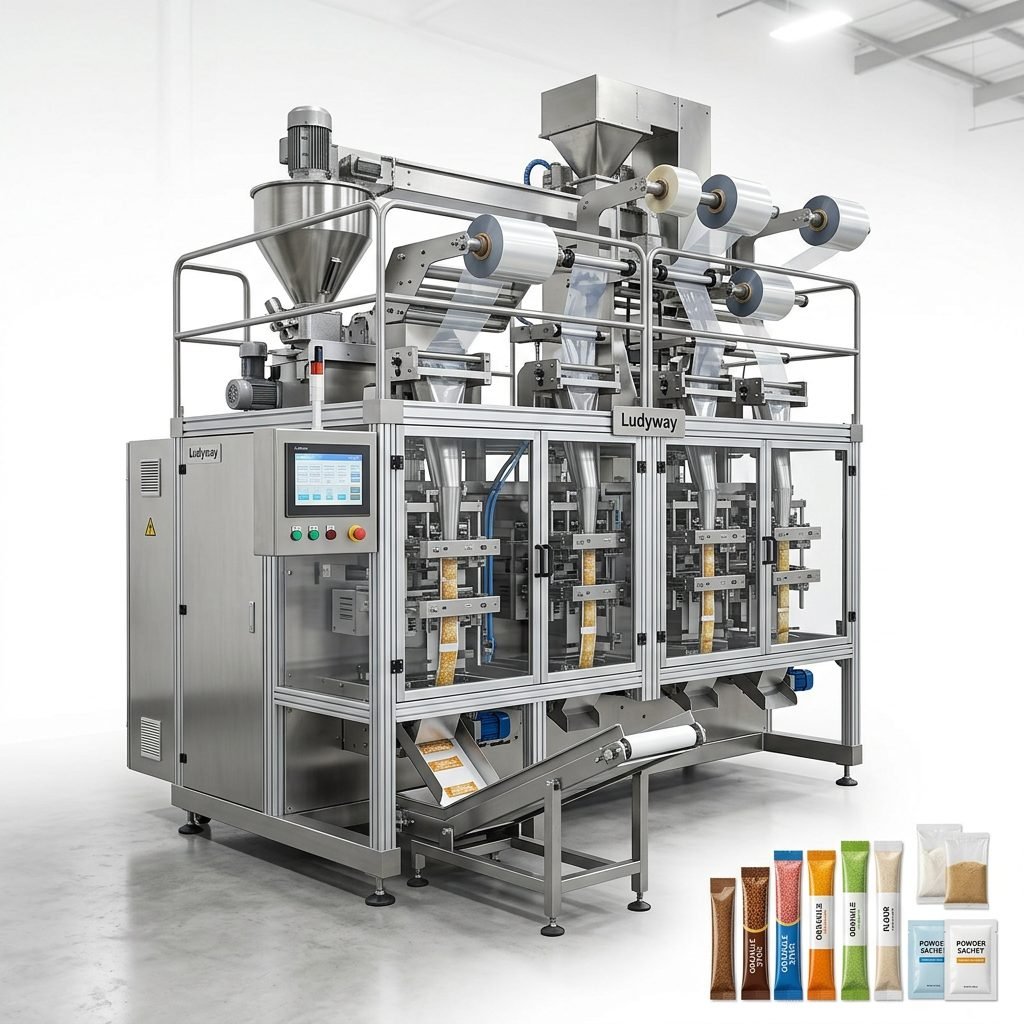
1. Vertical Form Fill Seal (VFFS) Machines
These are the most common and versatile machines for packaging free-flowing products like roasted makhana. They form a bag from a roll of film, fill it with a pre-measured volume or weight of product, and then seal it. VFFS machines are ideal for creating pillow bags or gusseted bags in various sizes.
- Best for: Medium to high-volume production of standard packet sizes.
- Output: Can typically produce 40 to 120 bags per minute.
- Flexibility: Easy changeover between bag sizes and materials.
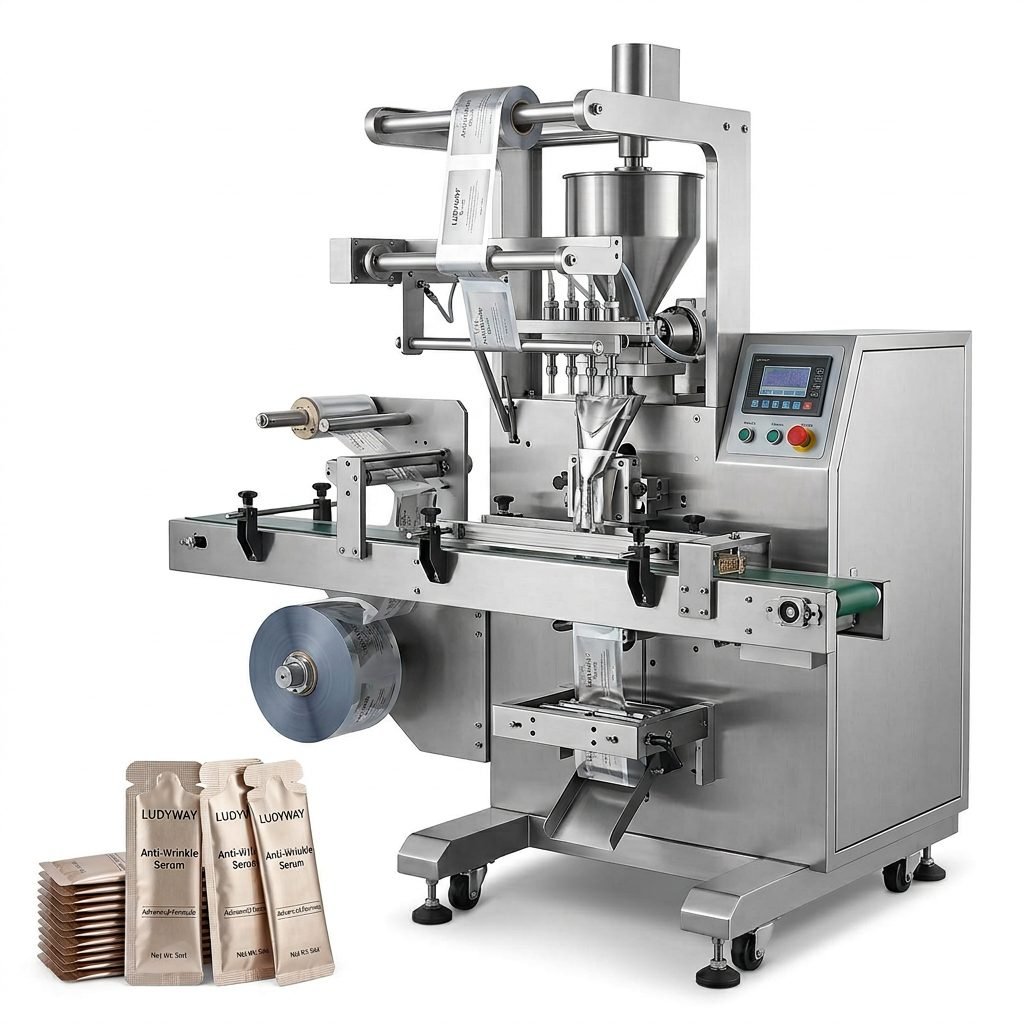
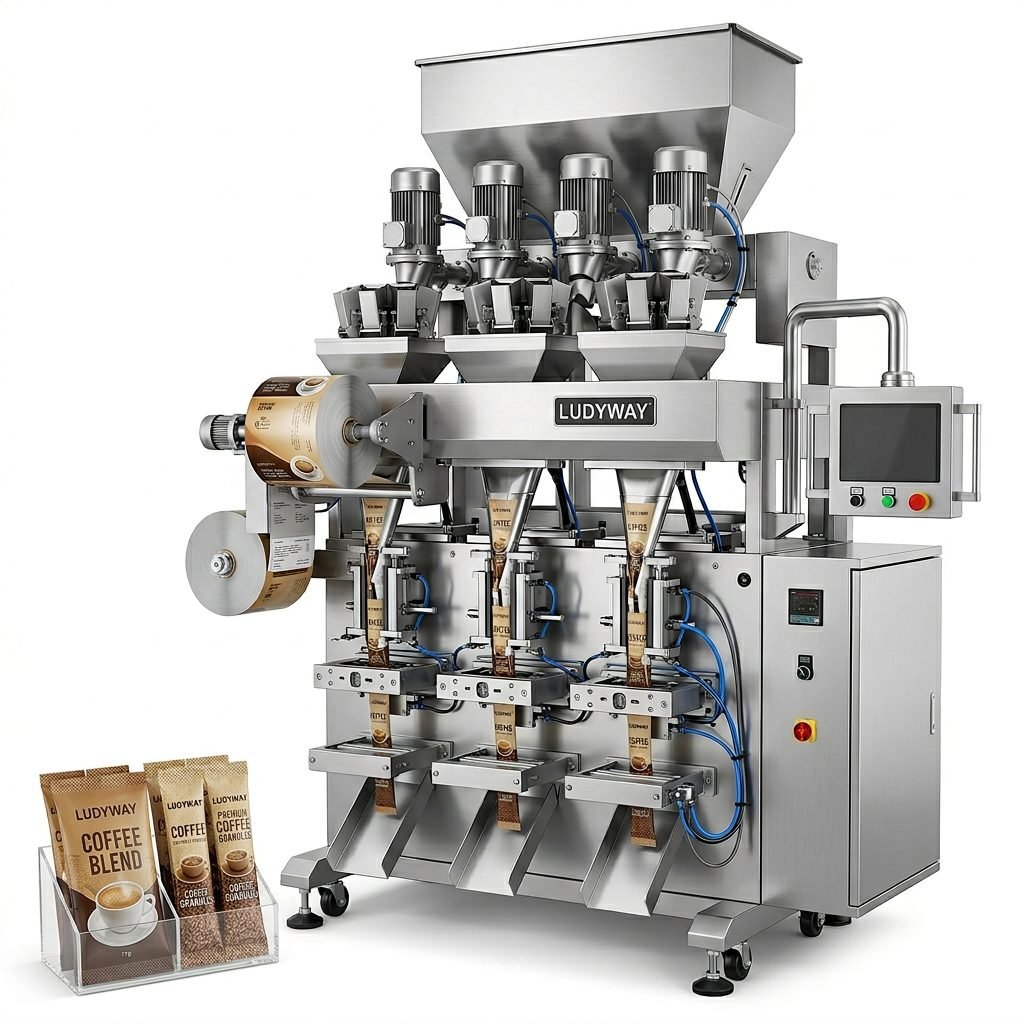
2. Pre-Made Pouch Packaging Machines
This system uses ready-made pouches (stand-up, zipper, or flat) which are automatically opened, filled, and sealed. It’s excellent for premium packaging where complex laminate structures or resealable features are required.
- Best for: High-value, branded products where pouch quality and design are paramount.
- Advantage: Superior graphic printing quality on pre-made pouches enhances shelf impact.
- Consideration: Higher cost per pouch compared to roll film.
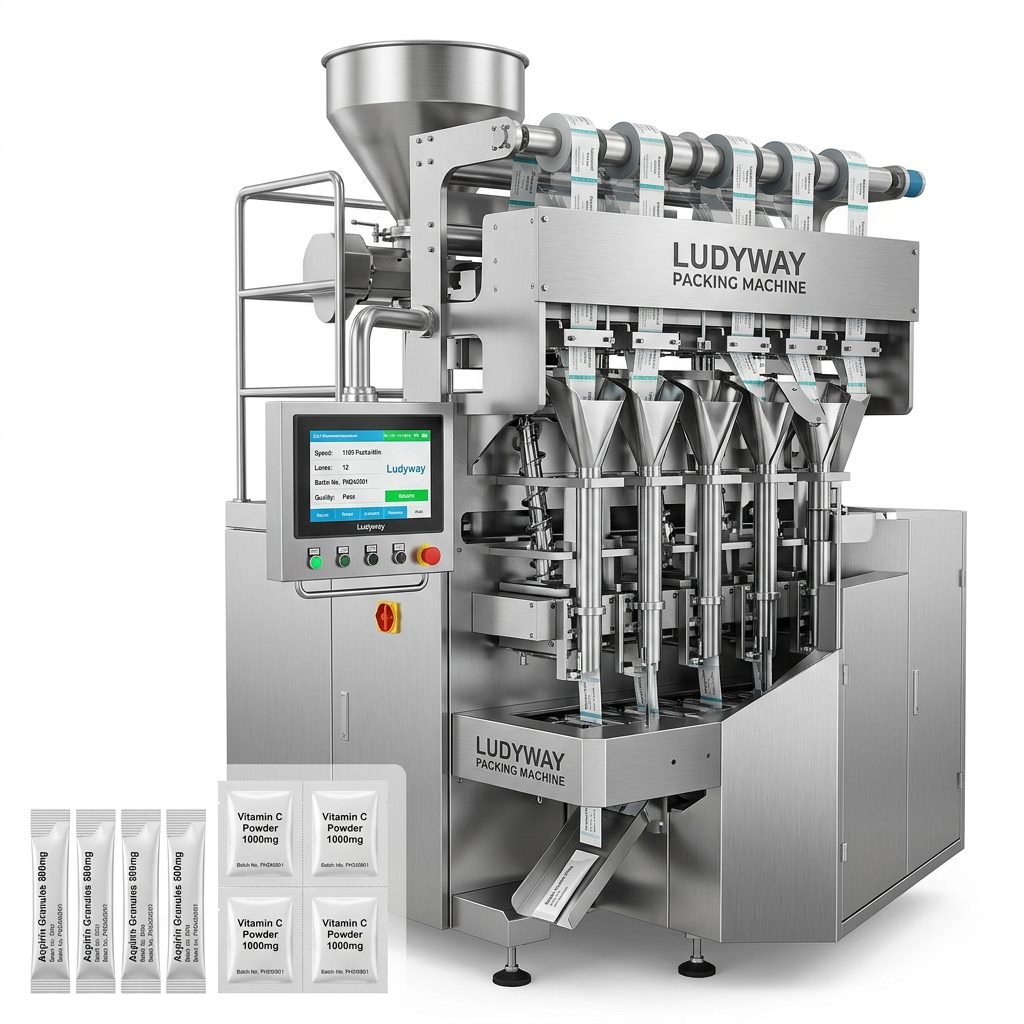
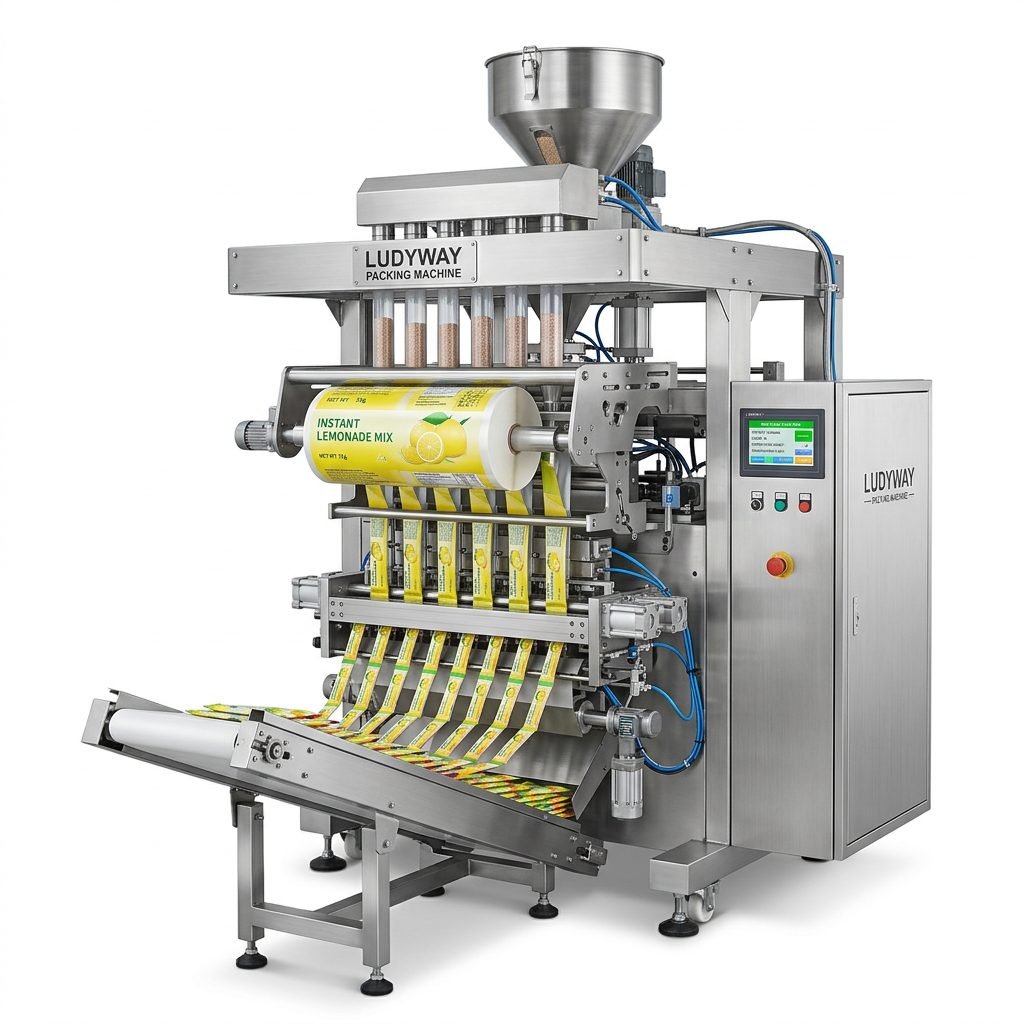
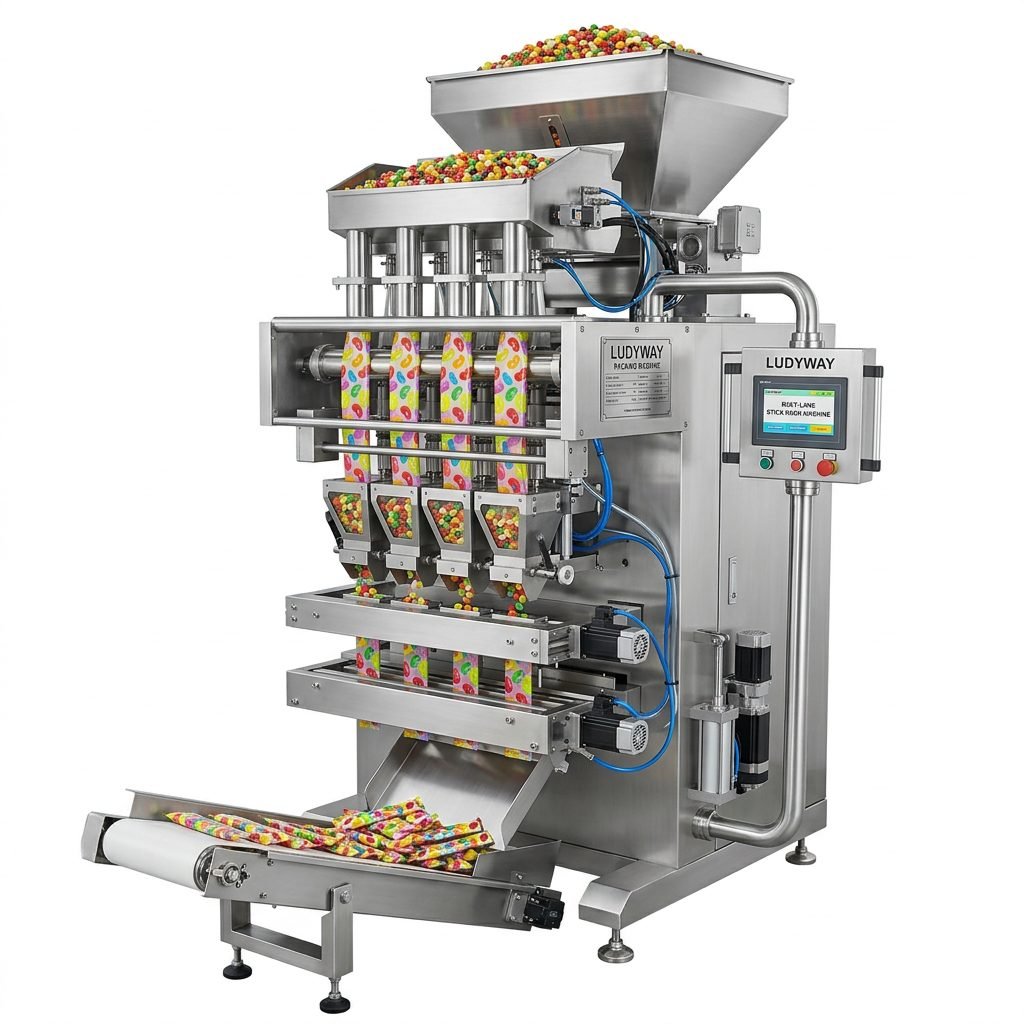
3. Multi-Lane Stick Pack & Sachet Machines
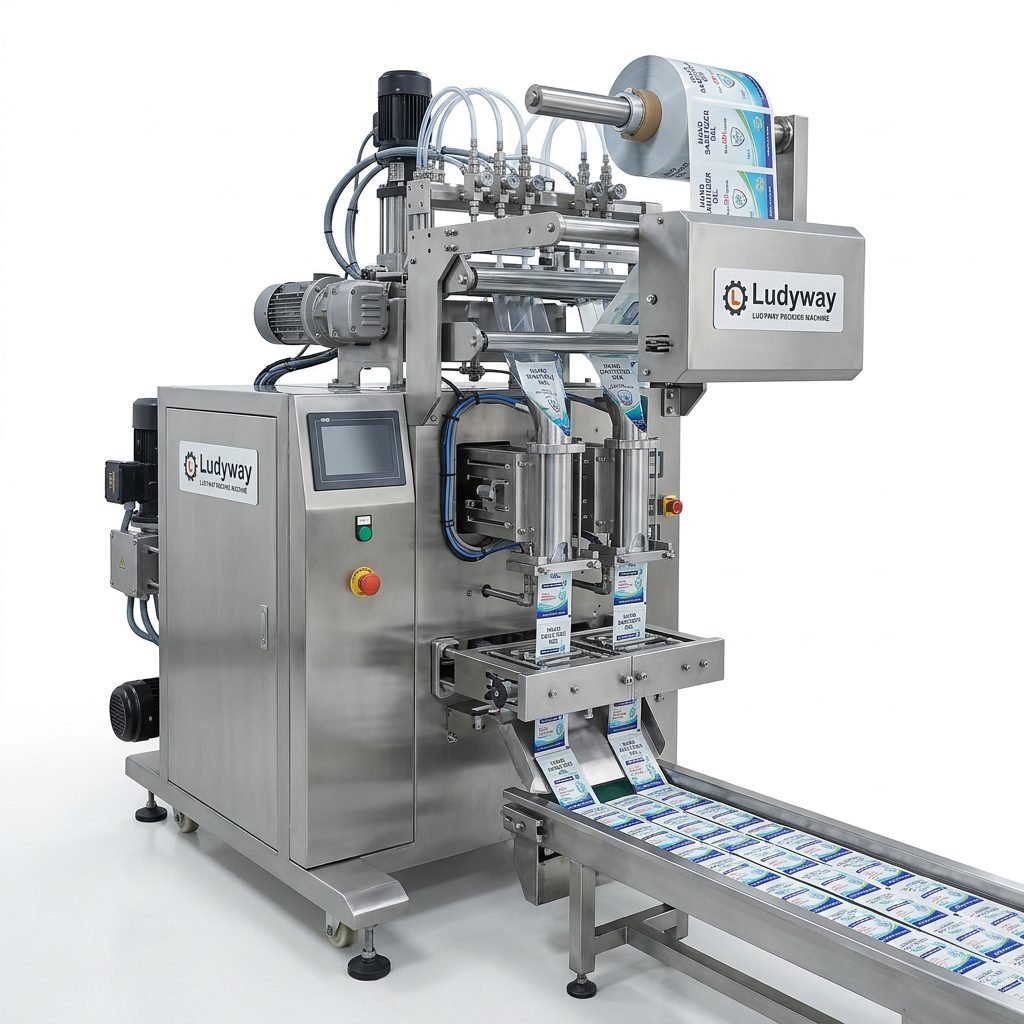
For single-serve portions of spiced or flavored makhana, multi-lane machines are highly efficient. They simultaneously form, fill, and seal multiple small stick packs or sachets from a single film roll, dramatically increasing output.
- Best for: High-speed production of small-portion packs (e.g., 10g, 20g).
- Output Speed: Extremely high, often producing hundreds of stick packs per minute.
- Efficiency: Maximizes production output while minimizing floor space.
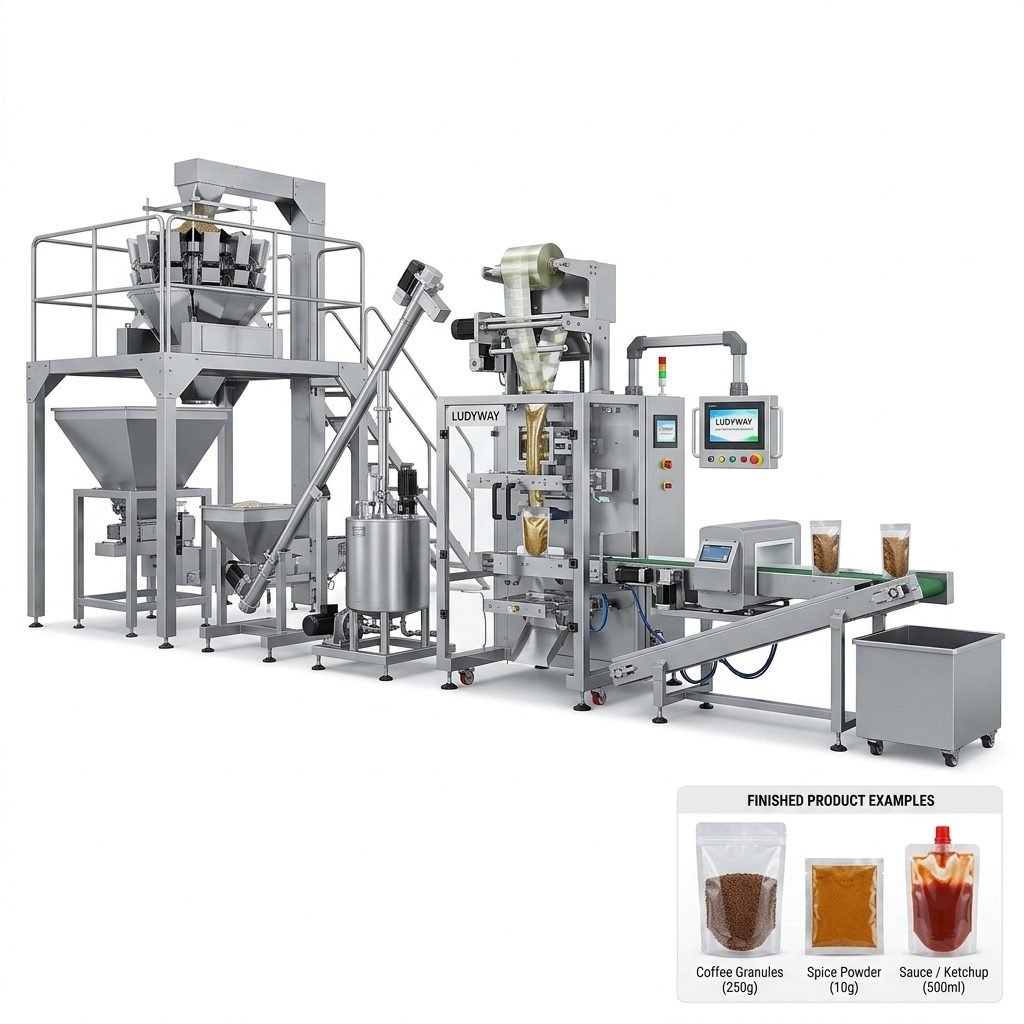
4. Granule & Powder Combination Weighers
While not a packaging machine itself, an accurate multi-head weigher is often the heart of a makhana packaging line. It precisely measures the product before it enters the bag-making machine, ensuring weight accuracy and compliance with regulations, which is crucial for cost control and consumer trust.
Factors Influencing Makhana Packaging Machine Prices
The cost of an automatic packing solution can vary widely, from tens of thousands to several hundred thousand dollars. Understanding what drives these costs will help you budget effectively.
Price Determinants at a Glance
Automation Level: Fully automatic lines with robotic palletizing command a premium over semi-automatic units.
Machine Speed (BPM): Higher bags-per-minute capability increases price.
Construction & Components: Machines with food-grade stainless steel contact parts, servo motors, and premium PLCs (like Siemens) are more durable and precise, but also more costly.
Packaging Format Complexity: A machine that handles stand-up zipper pouches will be more expensive than one for simple pillow bags.
Integrated Features: Add-ons like nitrogen flushing (for extended shelf life), checkweighers, date coders, and vision inspection systems add to the total investment.
How to Choose the Right Automatic Packing Solution
Selecting the ideal machine requires a strategic assessment of your current and future needs. Follow this step-by-step framework to make an informed decision.
Step 1: Define Your Product and Packaging Specifications
Start with clarity on what you are packaging. What is the weight range? Is the product raw, roasted, or coated? What packaging material do you require (e.g., metallized PET for barrier properties, biodegradable film)? Determine your desired bag style, dimensions, and any special features like tear notches or resealable zippers.
Step 2: Analyze Your Production Volume Requirements
Calculate your required output in bags per minute or per shift. Factor in not just current demand, but projected growth for the next 3-5 years. Investing in a machine with slightly more capacity than you currently need can be more cost-effective than an early upgrade. For large-scale operations, the efficiency of a multi-lane stick pack system might be essential.
Step 3: Evaluate Machine Features and Technology
Prioritize features that impact your product quality and operational ease. Look for user-friendly touchscreen HMIs, quick-changeover systems to reduce downtime between production runs, and robust sealing systems that ensure package integrity. Machines from experienced suppliers like Ludyway Machinery often incorporate decades of engineering know-how into reliable designs.
Step 4: Consider Hygiene and Maintenance
Makhana is a food product, so hygiene is non-negotiable. Opt for machines with easy-to-clean, open-frame designs and food-grade materials. Assess the availability of spare parts and the supplier’s technical support network. A machine with a simple maintenance routine can save significant time and money over its lifespan.
Step 5: Assess Supplier Credibility and Support
The machine is only as good as the company behind it. Investigate the supplier’s industry experience, manufacturing capabilities, and after-sales service. Do they offer installation, training, and ongoing technical support? Can they provide references from other food or snack producers? A reliable partner ensures a smooth project from commissioning to daily operation.
Step 6: Total Cost of Ownership (TCO) Analysis
Look beyond the initial purchase price. Calculate the TCO by including estimated costs for maintenance, spare parts, energy consumption, and potential downtime. A slightly more expensive but robust and efficient machine from a reputable supplier often has a lower TCO than a cheaper, less reliable alternative.
Conclusion and Final Recommendations
Choosing the optimal makhana packaging machine is a strategic investment that directly impacts your product quality, brand perception, and operational profitability. By thoroughly understanding the different machine types, carefully analyzing the factors that influence price, and methodically following a selection framework focused on your specific needs, you can identify a solution that delivers reliability, efficiency, and scalability.
Partnering with an experienced packaging machinery provider who understands the nuances of the snack food industry is invaluable. Their expertise can guide you through the selection process, ensure proper integration into your production line, and provide the long-term support necessary for sustained success in the competitive healthy snacks market. For businesses looking to invest in a complete, turnkey production solution, evaluating suppliers with a proven track record in integrated automation is a crucial step.
Frequently Asked Questions (FAQs)
1. What is the average output speed for a makhana packaging machine?
Output speeds vary greatly by machine type. A standard single-tube VFFS machine may produce 40-80 bags per minute for medium-sized packs (50g-200g). High-speed multi-lane stick pack machines for small portions can exceed 300 sticks per minute. The required speed depends entirely on your production volume targets.
2. Can one machine handle different flavors or pack sizes of makhana?
Yes, most modern automatic machines are designed for quick changeover. Look for features like servo-driven film registration, tool-less change parts, and recipe storage on the HMI. This allows you to switch between different product flavors or pack sizes with minimal downtime, often in under 15-20 minutes.
3. How important is nitrogen flushing for packaging makhana?
Nitrogen flushing is highly recommended, especially for roasted or fried makhana. It removes oxygen from the package, significantly slowing down oxidative rancidity and preserving crispness. This extends shelf life, maintains flavor, and is often considered essential for quality-conscious brands and longer distribution chains.
4. What is the typical lead time for receiving a new packaging machine?
Lead times can range from 8 to 20 weeks after order confirmation, depending on the machine’s complexity, customization level, and the manufacturer’s production schedule. Standard models may be available sooner, while fully customized turnkey lines require more engineering and assembly time. Always confirm timelines with your supplier during the quotation process.
5. What kind of after-sales support should I expect?
Comprehensive support is critical. Expect detailed installation supervision (onsite or remote), operator and maintenance training, a warranty period (typically 12 months), and access to technical support for troubleshooting. Reliable suppliers offer a stock of common spare parts and provide detailed maintenance manuals and electrical diagrams.