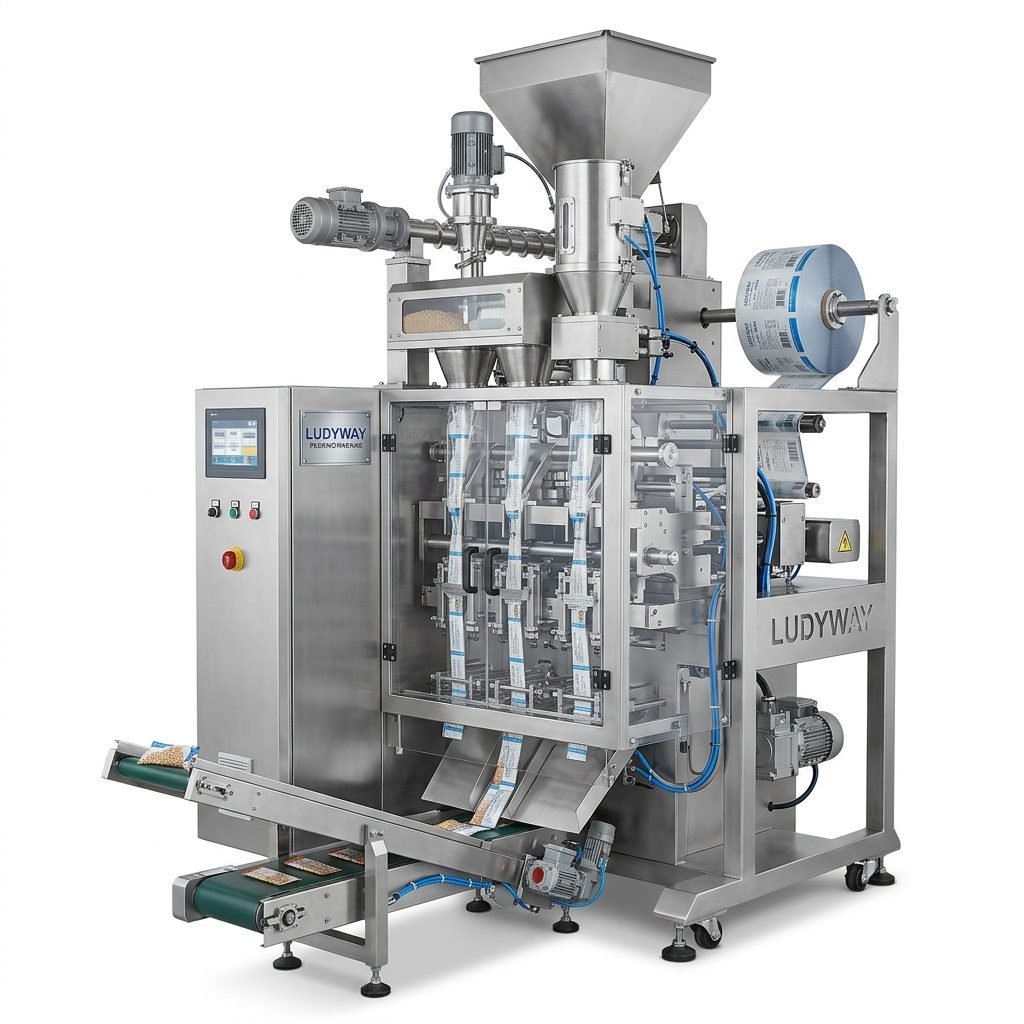
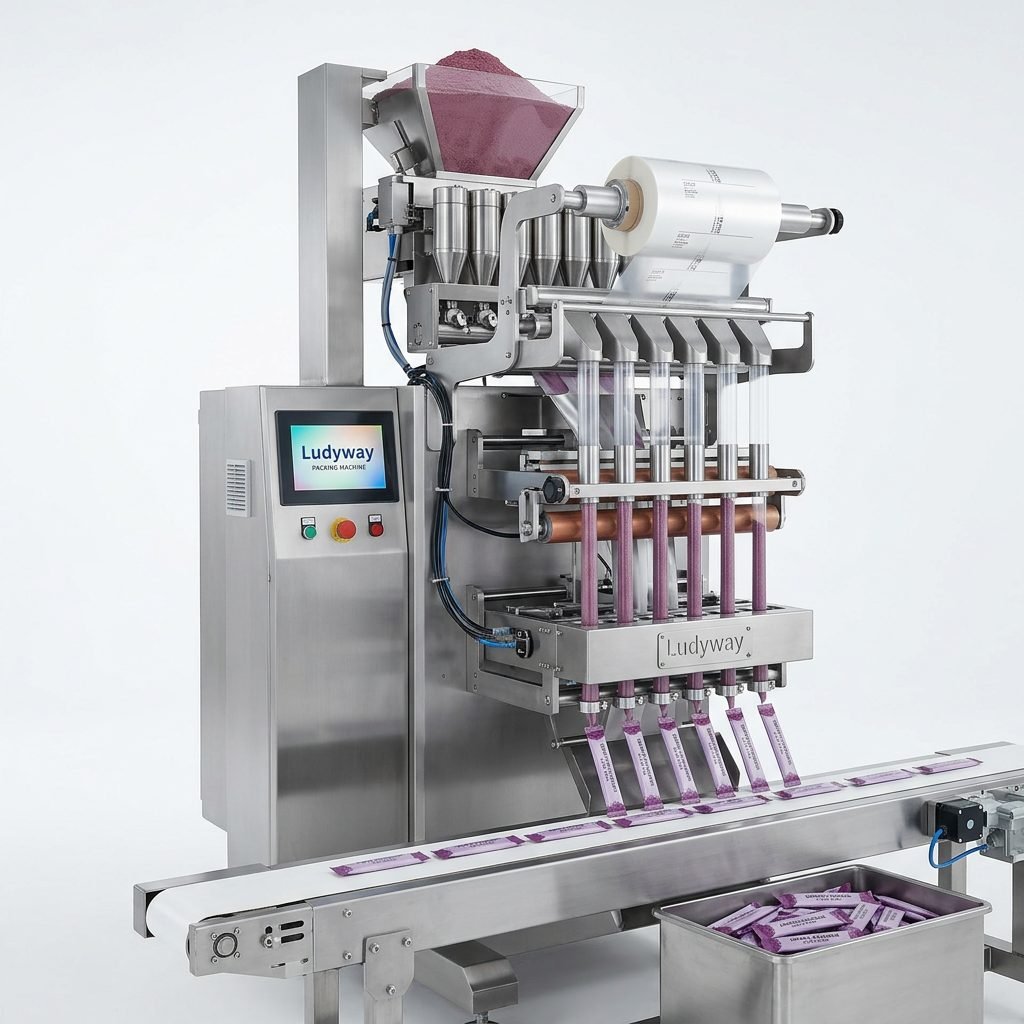
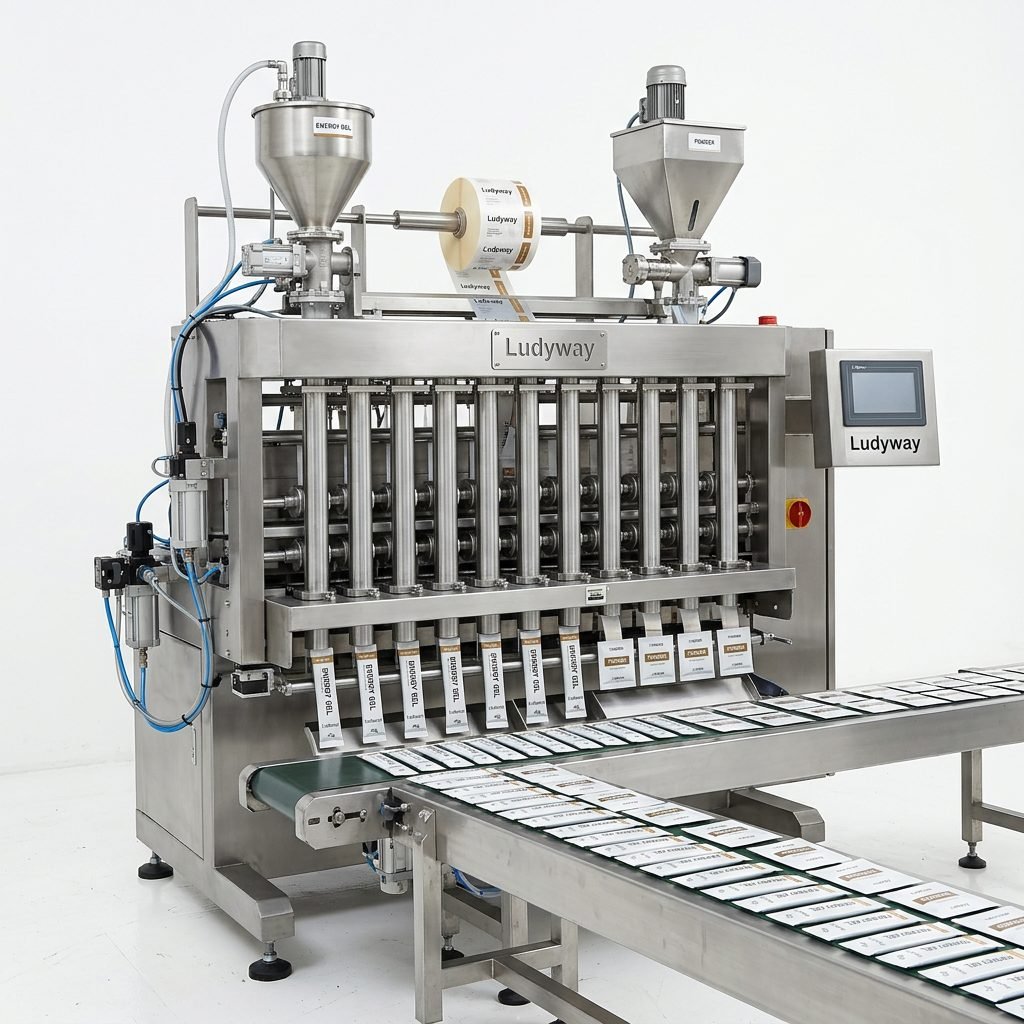
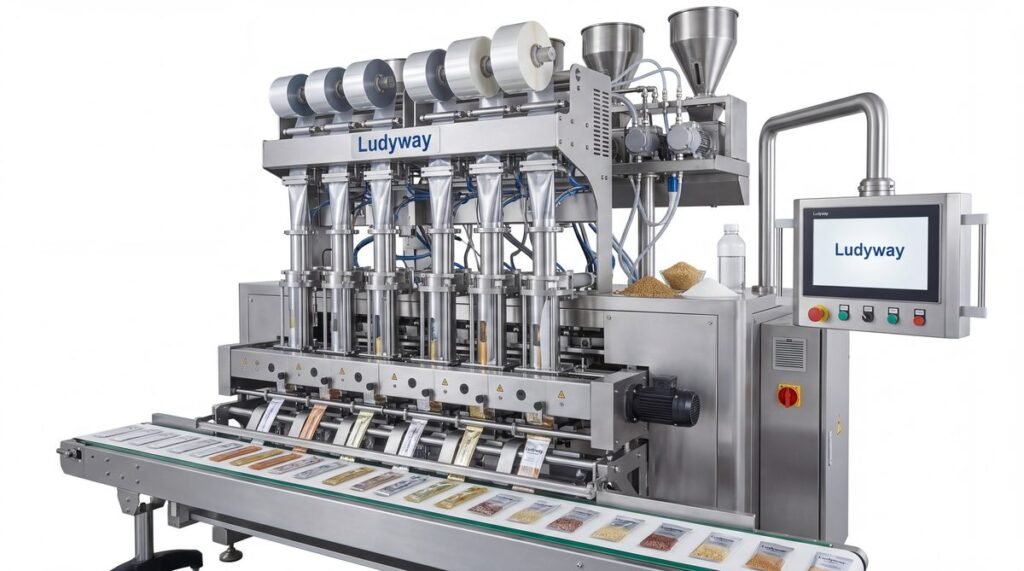
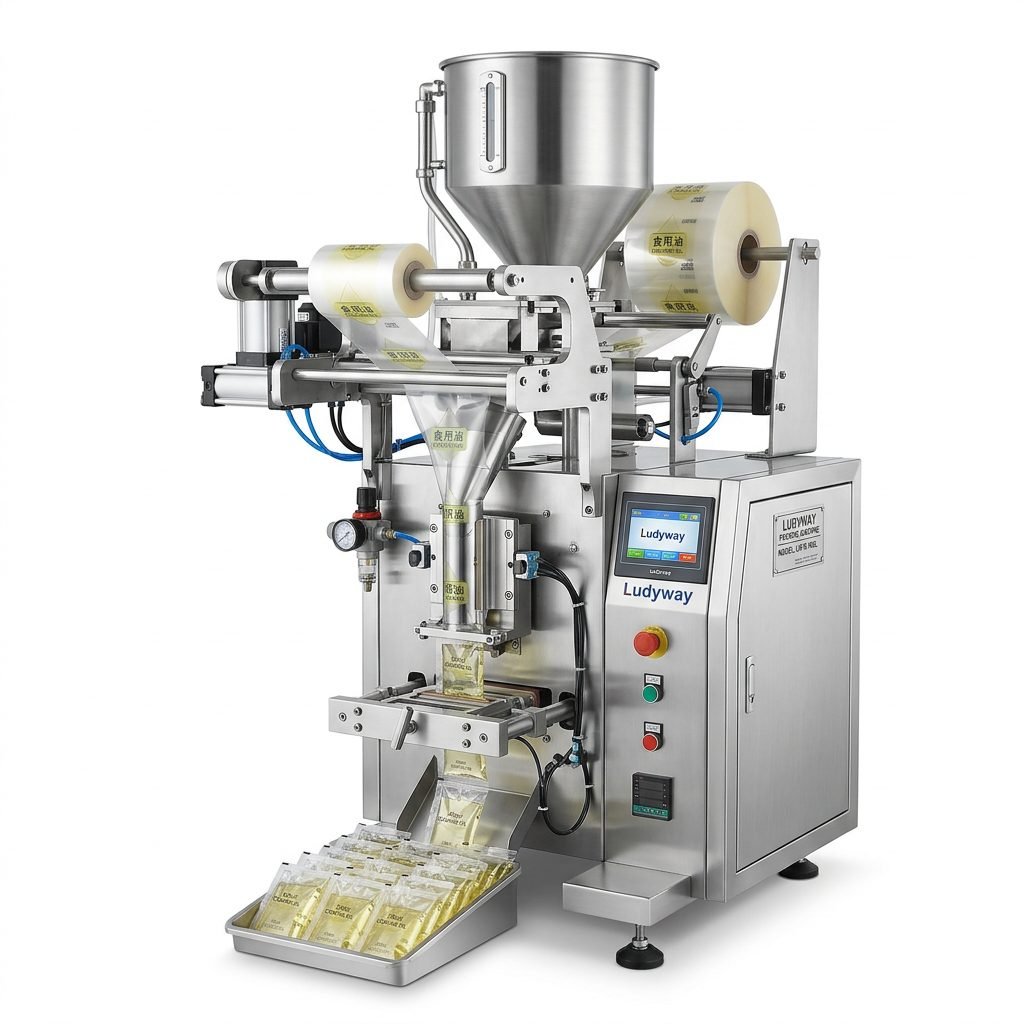
In today’s fast-paced food and snack production industry, efficiency and hygiene are paramount. The demand for high-speed, reliable, and versatile packaging solutions has never been greater. This is where the High-Speed Automatic Packaging Machine becomes an indispensable asset for manufacturers handling food, snacks, and powders. These advanced systems are engineered to streamline operations, ensure product consistency, and significantly boost output while maintaining the highest standards of quality and safety.
The Core Advantages of High-Speed Automation
Transitioning to a high-speed automatic packaging line offers transformative benefits. The primary advantage is a dramatic increase in production speed. Machines can consistently package hundreds, even thousands, of units per minute, far surpassing manual or semi-automatic methods. This scalability is crucial for meeting large-volume orders and growing market demands. Furthermore, automation ensures unparalleled precision in every pack, from accurate weight measurement to consistent seal integrity, directly reducing product giveaway and minimizing waste.
Key Performance Metrics:
Speed & Output: Capable of achieving speeds from 60 to over 800 bags per minute, depending on the product and bag type.
Accuracy: Integrated multi-head weighers and servo-driven auger fillers ensure dosing precision, often within ±0.5-1% tolerance.
Flexibility: Quick changeover systems allow the same machine to handle various bag styles (stick packs, sachets, pouches) and product types with minimal downtime.
Specialized Applications: Food, Snacks & Powders
The versatility of modern automatic packaging machines allows them to be precisely configured for different product categories.
For Food & Snack Products
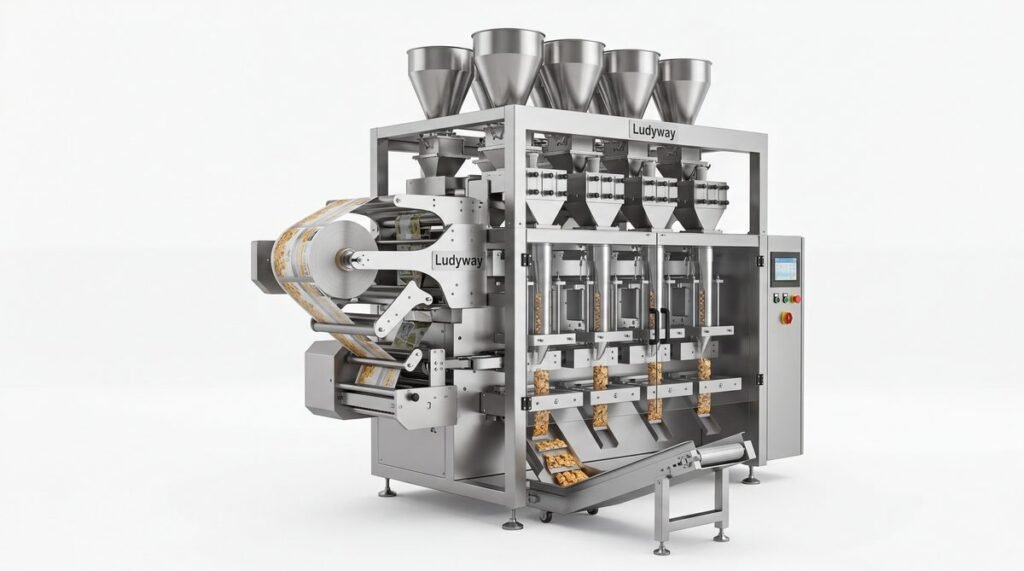
Whether it’s nuts, chips, candies, or dried fruits, these machines handle solid and semi-solid items with care. They often incorporate gentle handling systems like vibratory trays or bucket elevators to prevent product damage. Advanced features include nitrogen gas flushing capabilities to extend shelf life by displacing oxygen within the package, a critical factor for preserving freshness and crispness in snacks.
For Powder & Granule Products
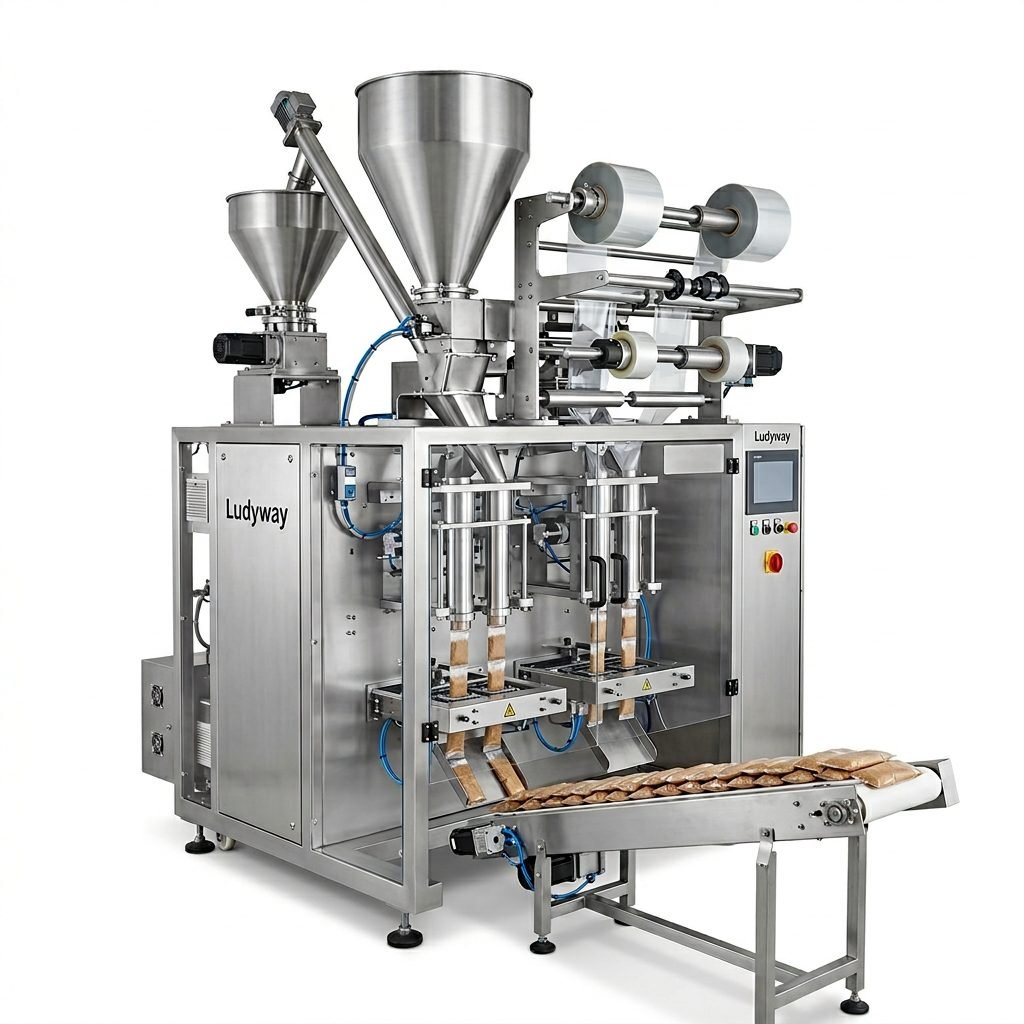
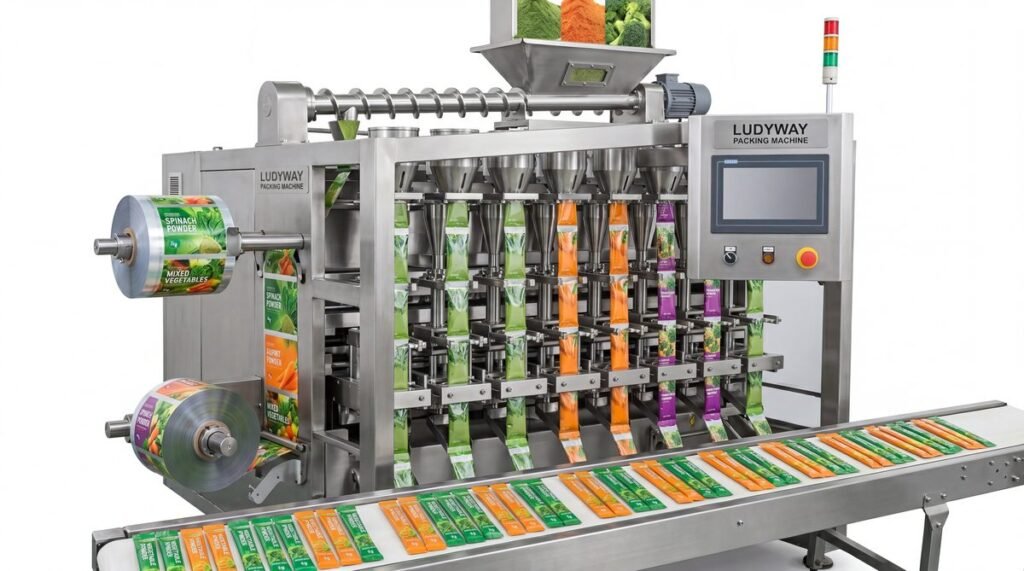
Packaging powders like milk powder, protein supplements, spices, or instant drink mixes presents unique challenges, primarily dust control and precise filling. High-speed machines for powders utilize specialized servo auger filler systems that offer exceptional accuracy. Sealed filling stations and integrated dust extraction ports are essential to maintain a clean production environment and protect the machine’s mechanics. For hygroscopic powders, some systems can be equipped with dehumidifying hoppers.
Integrating Intelligence: The Smart Packaging Line
Today’s high-speed packaging machines are more than just mechanical workhorses; they are intelligent nodes in a connected production ecosystem. Most are equipped with PLC (Programmable Logic Controller) touchscreen interfaces, allowing for easy parameter setting, recipe storage, and operation monitoring. Real-time data tracking for production counts, efficiency rates, and fault diagnostics is standard. This connectivity facilitates predictive maintenance, reducing unplanned downtime, and provides valuable insights for production optimization and quality assurance traceability.
Essential Components of a Turnkey System
A complete automated packaging solution involves more than just the bag-making and sealing unit. It is a synchronized line comprising several key components:
→ Product Conveyor & Feeder: Ensures a consistent and controlled supply of product to the weighing/filling station.
→ Multi-head Weigher or Auger Filler: The heart of accuracy, responsible for dispensing the exact product weight.
→ Film Unwinding & Forming System: Precisely shapes the packaging film from a roll into a tube or pouch.
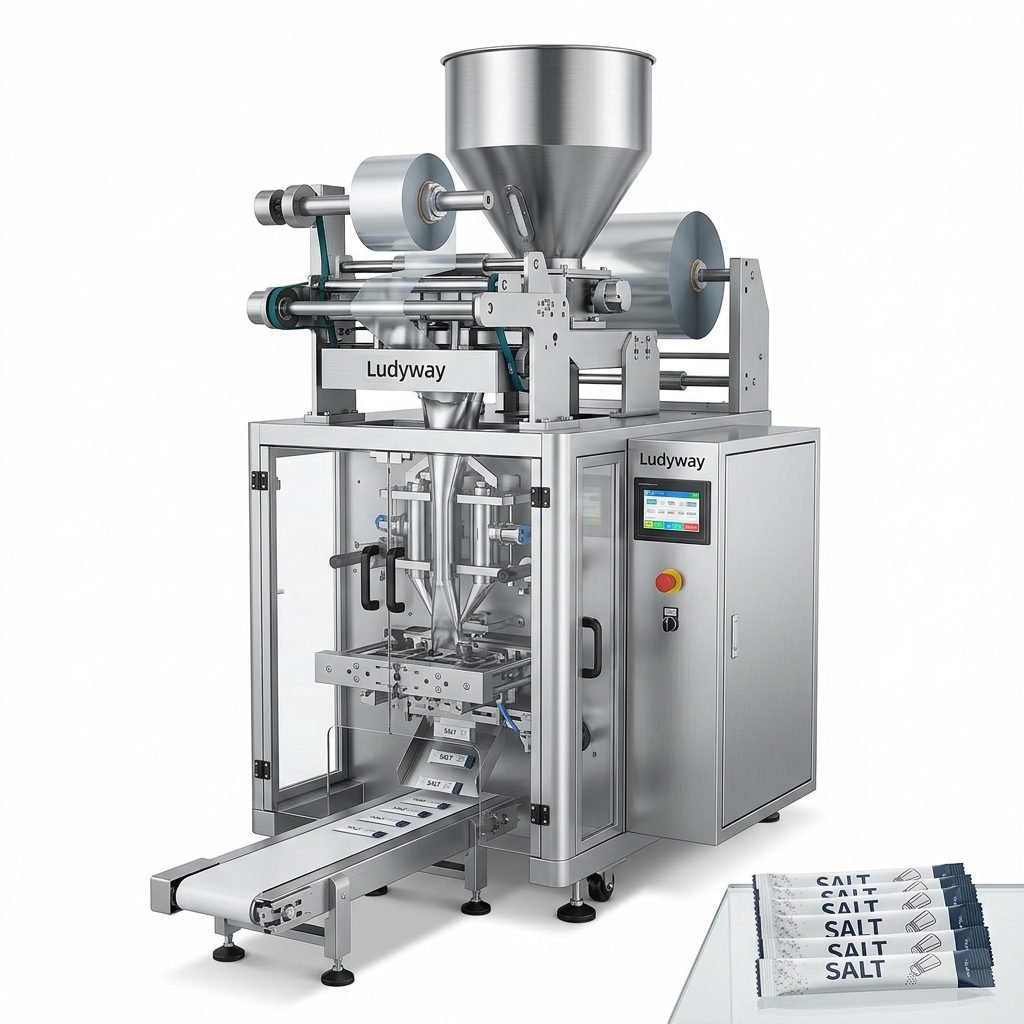
→ Vertical Form Fill Seal (VFFS) or Horizontal Machine: Creates the bag, fills it, and seals it in one continuous, high-speed operation.
→ Date Coder & Vision Inspection: Automatically prints batch/expiry dates and can check for seal quality or label presence.
Choosing the Right Partner for Your Packaging Needs
Investing in a high-speed automatic packaging machine is a significant decision. Partnering with a reliable and experienced supplier is critical for long-term success. A reputable provider offers not just equipment, but comprehensive support. This includes in-depth consultation to understand your specific product and output requirements, customization options for unique applications, thorough installation and training, and accessible after-sales service with readily available spare parts. Companies with a strong track record, like Ludyway Packing Machine, bring valuable industry expertise to ensure your packaging line integrates seamlessly into your production and delivers a strong return on investment. You can learn more about their approach and solutions on their Company Profile page.
Driving Efficiency and Growth
Implementing a high-speed automatic packaging machine is a strategic move towards modernizing production, enhancing competitiveness, and ensuring consistent product quality. By automating the packaging process for food, snacks, and powders, manufacturers can achieve higher throughput with lower operational costs, meet stringent safety and compliance standards, and gain the agility to respond quickly to market trends. As technology advances, these machines continue to become more intelligent, efficient, and adaptable, solidifying their role as the backbone of modern production facilities worldwide. For insights into the evolution of such technology, exploring a company’s Company History can be enlightening.
Frequently Asked Questions (FAQs)
1. What is the typical speed range for a high-speed food packaging machine?
Speeds vary greatly based on product type, bag size, and machine model. For standard sachets or stick packs, speeds can range from 80 to 300 bags per minute. For simpler pouches with granular products, advanced machines can reach 800+ bags per minute. A detailed consultation with your supplier is needed to determine the achievable speed for your specific product.
2. Can one machine handle both food snacks and fine powders?
While some machines are built for versatility, optimal performance often requires specific configurations. Switching from snacks to powders typically involves changing the filling system (e.g., from a weigh cell to an auger) and potentially adding dust management features. Many manufacturers offer modular designs that allow for such conversions, but changeover requires time and technical adjustment.
3. How important is after-sales service and technical support?
Extremely important. High-speed automated machinery is complex. Reliable, prompt technical support, readily available spare parts, and access to training are essential for minimizing downtime and maintaining long-term productivity. Always evaluate a supplier’s service network and support commitment before purchasing.
4. What are the key factors in maintaining packaging machine efficiency?
Regular preventive maintenance as per the manufacturer’s schedule is crucial. This includes cleaning, lubrication, and inspection of critical components like sealing jaws, film guides, and sensors. Using high-quality, specified packaging film also prevents jams and ensures consistent seal strength. Proper operator training to identify early signs of issues is equally vital.
5. Are these machines suitable for small-batch or artisanal production?
Fully high-speed automated lines are generally designed for medium to large-scale production due to their cost and output. However, some suppliers offer compact, slower-speed automatic models that provide the benefits of automation (accuracy, hygiene) with lower output and capital investment, which can be suitable for growing small businesses.